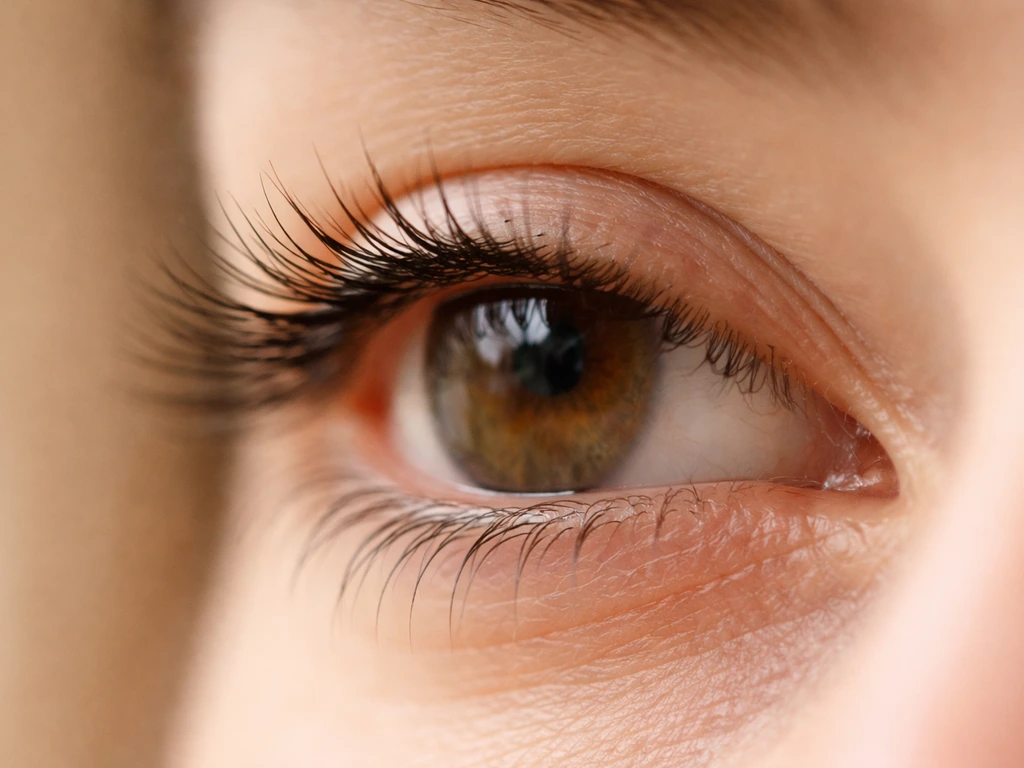
On average, you shed about 1 to 5 eyelashes per day, and under normal conditions, your follicles are replacing those at roughly the same rate. That's the number cited by the American Academy of Ophthalmology and reported by the Cleveland Clinic. But here's the thing: you won't see a new lash pop up every morning to replace the one you lost. The replacement process plays out over weeks, because eyelash follicles cycle through distinct growth phases with very different timing than, say, your scalp hair.
How Many Eyelashes Do We Grow a Day? Daily Turnover Guide

Rachel Nguyen
9 Jun 2026
What the daily number actually means
Losing 1 to 5 lashes a day is completely normal and not something you'd necessarily notice unless you're paying close attention. Over the course of a month, that's up to 150 lashes shed and theoretically replaced. At any given moment, the vast majority of your eyelash follicles are resting rather than actively growing. Research shows that between 59% and 85% of eyelash follicles are in the telogen (resting) phase at any one time, depending on whether you're looking at the upper or lower lid. That high resting percentage is exactly why the daily growth rate feels so invisible: most follicles aren't in active production mode right now.
The practical takeaway is that daily eyelash growth is not something you can track lash by lash. The better mental model is turnover over weeks and months. If you lose lashes faster than your follicles can cycle through regrowth, or if the follicles are resting longer than usual due to damage or health factors, that's when you start noticing thinning.
The eyelash growth cycle: anagen, catagen, and telogen
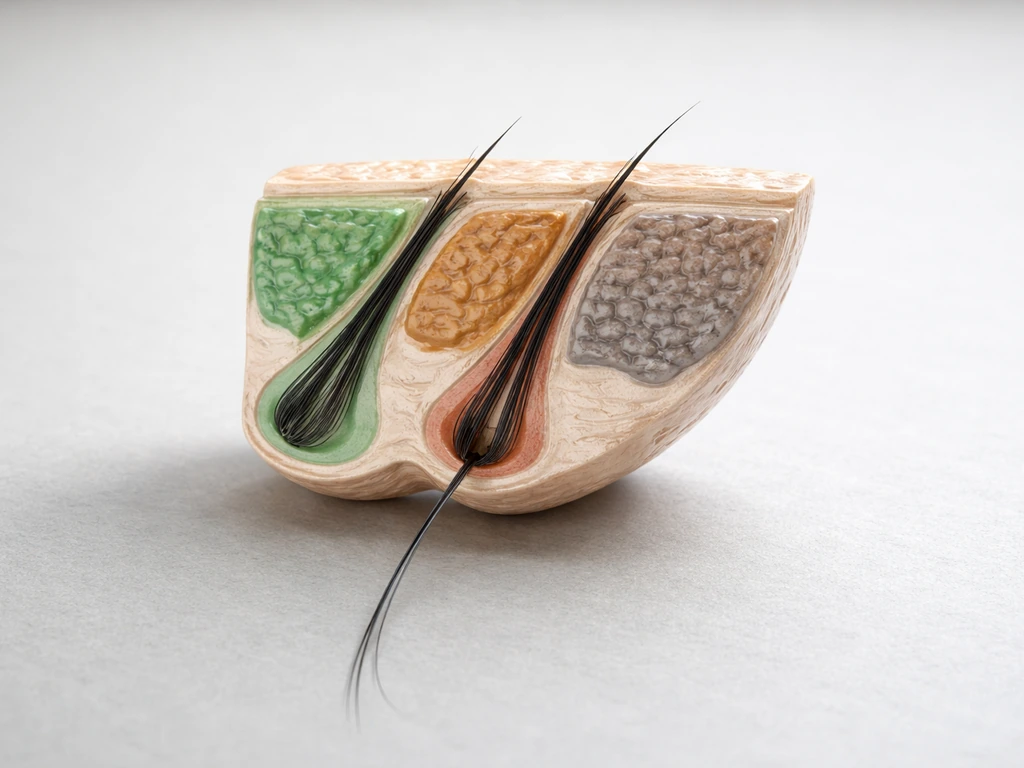
Every eyelash follicle runs through three phases, and understanding them explains why growth feels so slow compared to scalp hair.
- Anagen (growth phase): This is when the lash is actively growing. For eyelashes, anagen lasts roughly 30 to 34 days on average, with some studies reporting about 34 ± 9 days. Compare that to scalp hair, where anagen lasts 2 to 7 years. That short growth window is why eyelashes don't grow as long as head hair.
- Catagen (transition phase): Growth stops and the follicle begins to shrink. This phase lasts about 15 days. The lash is still sitting in place but is no longer anchored by active growth.
- Telogen (resting phase): The follicle rests before restarting the cycle. This is the longest phase for eyelashes, lasting roughly 4 to 5 months. The old lash eventually sheds during this phase, and a new one begins to form.
Put together, one complete eyelash cycle runs anywhere from about 90 days (as reported in histology-based research) to up to 5 to 6 months depending on individual variation. That's the biological clock behind every lash you see, and it's why recovery after damage is measured in months rather than days.
Daily shedding vs daily regrowth: reconciling the numbers
Here's where most people get confused. Shedding 1 to 5 lashes a day does not mean 1 to 5 new lashes become visible every day. This is why the question "do lashes grow every day" usually comes down to how the growth cycle and lag work, not what you see day to day new lashes become visible every day.
The replacement lash starts growing during anagen, but it takes the full anagen phase (roughly a month) to become a visible lash of any real length. So there's a lag built into the system. You shed today, the follicle rests, then restarts, then slowly grows a new lash over weeks. By the time you notice a new lash, the one it replaced may have shed several weeks ago.
This also explains why you might not see thinning immediately after something goes wrong. If damage, illness, or stress pushes more follicles into telogen at once, you may not notice significant shedding until weeks later, when those resting lashes finally shed. And the recovery won't show up visibly until after the full regrowth period. Daily shedding and daily regrowth are happening simultaneously across different follicles, all at different stages of their individual cycles. It's an asynchronous system, which is why your lash line looks relatively consistent day to day even though turnover is always happening.
What affects your lash growth rate
Extensions and mechanical damage
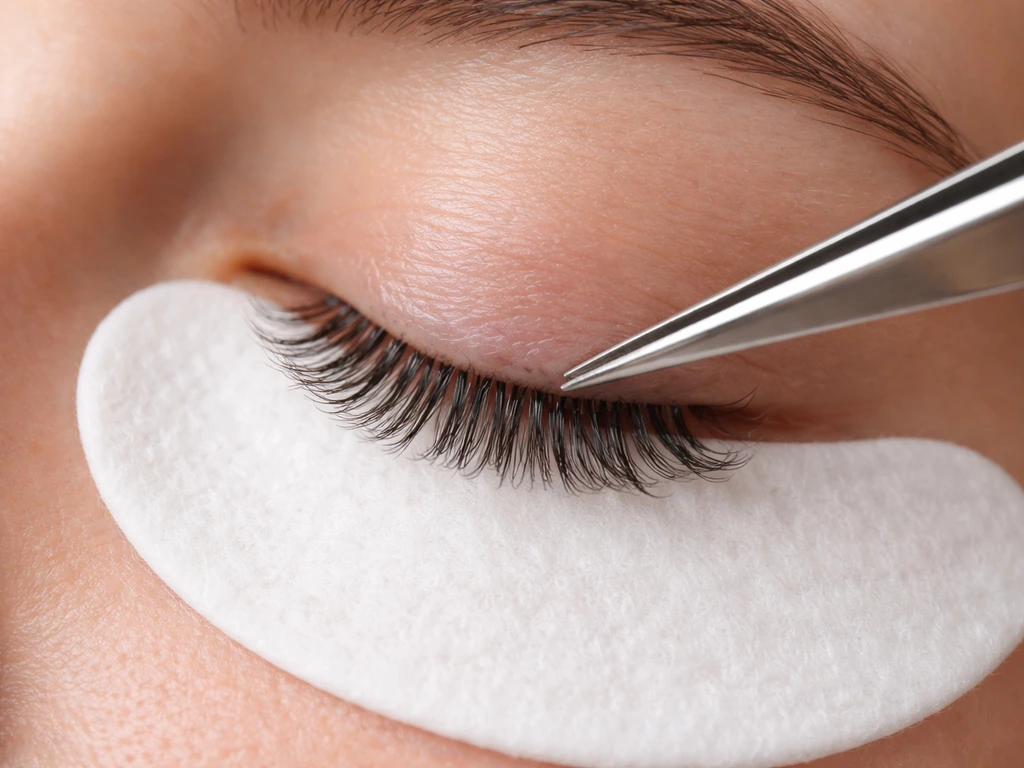
Eyelash extensions are one of the most common culprits behind disrupted lash growth. Extensions add weight to existing lashes, and over time that traction can cause a specific type of hair loss called traction alopecia. AAO-linked clinical sources list keratoconjunctivitis, allergic blepharitis, conjunctival erosion, and traction alopecia as documented extension-associated complications. Even short-term use can affect the ocular surface: one study measuring tear film stability found measurable changes within just one week of application. If your lashes feel sparse after extensions, the follicles themselves may have been stressed, which delays the normal cycle.
Inflammation and eyelid conditions
Blepharitis, which is chronic inflammation of the eyelid margin, is a surprisingly common cause of lash loss and slowed regrowth. It's linked to seborrheic dermatitis, atopic dermatitis, rosacea, and Demodex mite infestation. Symptoms include itching, burning, crusting, and redness along the lid margin. When inflammation is persistent, it can damage follicles over time and cause lashes to misdirect or fall out. In some cases, doctors will swab the eyelid or examine a lash sample to rule out infection or Demodex before recommending treatment.
Makeup, cosmetics, and contact allergens
Eyelid dermatitis from makeup, eye drops, or even metal tools (like nickel in eyelash curlers or tweezers) can trigger burning and itching that leads to rubbing, which in turn accelerates shedding. The Cleveland Clinic specifically flags hair dye and metal contact as common triggers for eyelid dermatitis. If you're scratching or rubbing your lids regularly, you're mechanically removing lashes before they've completed their cycle.
Health, nutrition, and genetics
Systemic conditions, including thyroid disorders, autoimmune diseases, and nutritional deficiencies, can shift more follicles into telogen simultaneously, causing noticeable shedding. Genetics also set your baseline lash density, thickness, and anagen duration. Some people naturally have shorter anagen phases, which means their lashes never get very long regardless of what products they use. No serum changes your genetics, but some can extend anagen duration, which is a meaningful distinction when evaluating your options.
Recovery timelines after lash loss or damage

The most important variable in lash recovery is whether the follicle is intact. When lash loss is classified as non-scarring (the follicle still exists and is just resting or damaged), recovery is usually possible once the underlying cause is resolved. Scarring causes, where the follicle is physically destroyed, can lead to permanent loss. This distinction is why identifying the cause matters so much before assuming lashes will grow back on their own.
| Cause of lash loss | Recovery likely? | Approximate timeline |
|---|---|---|
| Mechanical loss (rubbing, pulling) | Yes, if follicle intact | 6 to 16 weeks |
| Over-tweezing (repeated) | Usually yes, may slow | 2 to 4 months |
| Extension traction alopecia | Often yes, if early | 3 to 6 months |
| Blepharitis (treated) | Yes, when inflammation resolved | 6 to 16 weeks |
| Chemotherapy-related loss | Yes, typically regrows after treatment | 1 to 6 months post-treatment |
| Scarring madarosis | No (follicle destroyed) | Unlikely without intervention |
| Thyroid or systemic condition (treated) | Yes, if underlying cause resolved | 3 to 6 months |
For relatively straightforward cases like cut, burned, or pulled lashes where the follicle is undamaged, a commonly cited estimate is around 6 weeks to begin seeing visible regrowth. Full length recovery takes longer, often several months, because the new lash has to complete the entire anagen phase. This aligns with the cycle biology: a 30-day anagen followed by a recovery period means you're realistically looking at 6 to 16 weeks for noticeable results in most non-scarring scenarios.
At-home ways to support lash growth safely
Prescription-grade serums: the only proven option for true growth
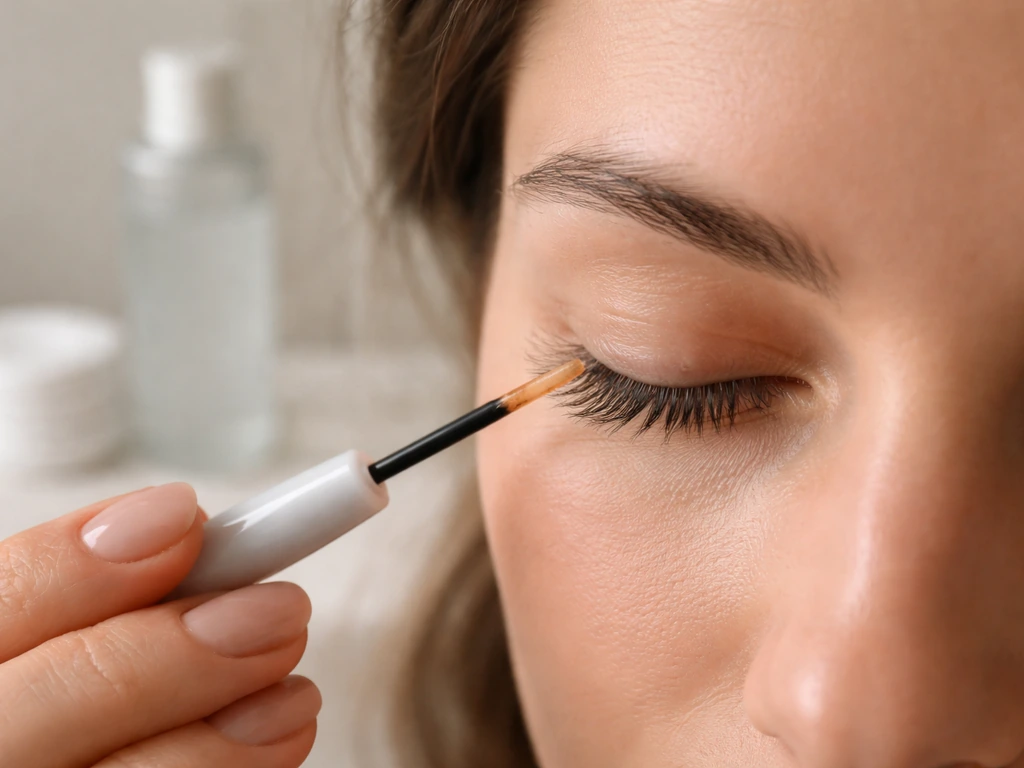
If you want clinically demonstrated lash growth, bimatoprost 0.03% (Latisse) is the only FDA-approved treatment for eyelash hypotrichosis. It works by extending the anagen phase and increasing the number of lashes in active growth. Multiple randomized controlled trials support its efficacy for increasing length, thickness, and darkness, with long-term safety data from pooled analyses. Known side effects include eyelid skin darkening, periocular pigmentation changes, eye redness, dryness, and itching. It requires a prescription and proper application to the upper lash margin only to minimize the risk of the product contacting the ocular surface directly.
Over-the-counter serums: peptides and conditioning actives
The OTC serum market is large but the evidence is thinner. Peptide-based serums, including formulations with Biotinoyl Tripeptide-1 and glycosaminoglycans, have been tested in clinical trials with promising but limited results. These ingredients are believed to support follicle health and conditioning rather than directly triggering growth the way prostaglandin analogs do. Some studies show improvements in lash appearance, but study designs vary and results don't always generalize. If you use an OTC serum, apply it as directed to the lash line, not onto the eyeball itself, and give it at least 8 to 12 weeks before evaluating results.
Castor oil: eyelid helper, not a proven growth serum
Castor oil is one of the most popular DIY options, but there are no clinical trials specifically demonstrating that it increases eyelash growth. What does exist is a randomized trial showing that topical castor oil improved eyelid margin parameters and reduced lash matting and crusting in blepharitis patients over 4 weeks. So it may help with eyelid inflammation, which indirectly supports a healthier environment for lash growth, but calling it a direct growth booster isn't supported by the evidence. If you try it, always patch test first, because the main documented risk is irritation or allergic reaction, and getting castor oil into the eye itself can cause significant discomfort.
Biotin: mostly hype for lashes specifically
Biotin gets a lot of attention in the hair and lash space, and it does play a role in keratin production. But there are no rigorous human trials specifically linking biotin supplementation to measurable eyelash growth. The evidence is largely extrapolated from scalp hair studies and anecdotal reports. It's unlikely to hurt if taken at reasonable doses, but if you're hoping for meaningful lash recovery after damage, biotin alone probably isn't moving the needle significantly. It's better thought of as general hair support rather than a targeted lash treatment.
General habits that protect daily lash health
- Remove eye makeup gently every night using a product that doesn't require hard rubbing.
- Avoid waterproof mascara daily if possible; it requires more force to remove and accelerates mechanical shedding.
- Keep eyelid margins clean, especially if you're prone to blepharitis or use heavy eye products frequently.
- Take breaks from extensions and avoid back-to-back appointments without giving follicles time to recover.
- Don't use eyelash curlers right after extensions are removed; follicles are more vulnerable during that window.
When to stop DIY and see a doctor
Most lash loss is temporary and responds to removing the cause plus time. But some situations need professional evaluation sooner rather than later. See a doctor or dermatologist if you notice any of the following:
- Sudden or rapid lash loss that isn't explained by a recent change in products or habits.
- Persistent eyelid redness, swelling, burning, or itching that doesn't resolve after stopping a product.
- Lash loss that's been going on for more than 3 months without any visible regrowth.
- Lashes growing in the wrong direction (trichiasis), which can scratch the cornea.
- Loss that's accompanied by eyebrow thinning, fatigue, or other systemic symptoms (these can point to thyroid disorders or autoimmune conditions).
- Any eye pain, vision changes, or unusual discharge after using extensions or new eye products.
Clinically, the key distinction a doctor will make is whether your lash loss is scarring or non-scarring. Non-scarring causes, like blepharitis, dermatitis, or traction from extensions, are often reversible once treated. Scarring causes mean the follicle has been destroyed and lashes won't grow back in that spot without intervention. Getting that answer early keeps your options open. If an infection, Demodex infestation, or inflammatory skin condition is driving the loss, treating it is the only thing that actually unlocks regrowth. No serum or oil will outwork an active, untreated cause.
If you're curious about related timing questions, including how much growth accumulates over a week or whether lashes grow a little bit every single day, those questions get into the same cycle biology covered here but with different practical angles worth exploring in more detail. Understanding that one-week question starts with the eyelash growth phases, where visible length usually takes weeks rather than days how much growth accumulates over a week.
FAQ
Is it normal to shed zero eyelashes on some days or shed more on other days?
Yes. Daily shedding averages 1 to 5, but the timing is uneven across follicles. If you notice a brief spike for a few days, it usually reflects a mix of follicles finishing their shed phase rather than a problem that will persist indefinitely.
If I lose 1 to 5 lashes a day, will my lash line thin every month?
Not necessarily. Your follicles cycle asynchronously, so the same period that shedding happens is also supporting regrowth in others. Thinning is more likely when a cause pushes many follicles into rest at once, or when the cause delays regrowth beyond your usual cycle.
How long after stopping eyelash extensions or rubbing can I expect to see changes?
You often start noticing improvement in about 6 to 16 weeks, because visible length requires the new lash to complete the growth phase. If you were shedding heavily, the “catch-up” shedding can show up weeks after you stop, since some lashes will only shed when their cycle reaches that point.
Do eyelash growth rates differ between upper and lower lids?
Yes. The resting (telogen) proportion can be higher or lower depending on the lid, which can affect how quickly you perceive change. That’s one reason people may see faster improvement on one lid than the other after treating blepharitis or dermatitis.
Why do I sometimes have a few lashes that grow back shorter or go in different directions?
That pattern can happen when the follicle environment is inflamed or when the lid margin has been irritated for a while. Conditions like blepharitis or chronic dermatitis can lead to misdirected regrowth, even if you don’t have dramatic clumps of shedding.
Can mascara or lash growth serums make me shed more at first?
They can, sometimes indirectly. If a product irritates the eyelid or triggers dermatitis, rubbing increases mechanical lash loss. With prostaglandin-like prescription options, the goal is longer anagen, but redness, dryness, and irritation can still worsen the cycle if application touches the eye or the lid margin too aggressively.
What’s the safest way to apply a lash serum to avoid damaging the ocular surface?
Apply only to the upper lash margin, keep the applicator off the eyeball, and stop if you get burning, significant redness, or increased watery eyes. Even brief product contact with the eye can disrupt the tear film, which then worsens comfort and can contribute to rubbing.
Do nutritional supplements like biotin fix lash loss if my diet is poor?
They may help if you’re truly deficient, but they usually don’t correct eyelash loss caused by inflammation, traction, or hormonal/immune factors. If your diet is adequate and the cause is eyelid disease, supplements alone rarely speed up regrowth in a noticeable way.
When should I get checked for lash loss instead of waiting for regrowth?
If shedding is persistent, patchy, rapidly worsening, or associated with itching, crusting, burning, or lid redness, get evaluated sooner. Early screening is especially important to distinguish non-scarring from scarring causes, since scarring changes the outlook for regrowth.
Is it possible for lashes to grow back but still look sparse?
Yes. Lash density can improve while spacing, direction changes, or partial regrowth makes the lash line look uneven. That can be seen with treated blepharitis or dermatitis, where the follicle is recovering but the aesthetic result lags behind the underlying biologic recovery.
Next Article
How Many Days to Grow Eyelashes and See Results
How many days to grow eyelashes, when you’ll notice length, and tips to fix delayed growth from damage or hormones.