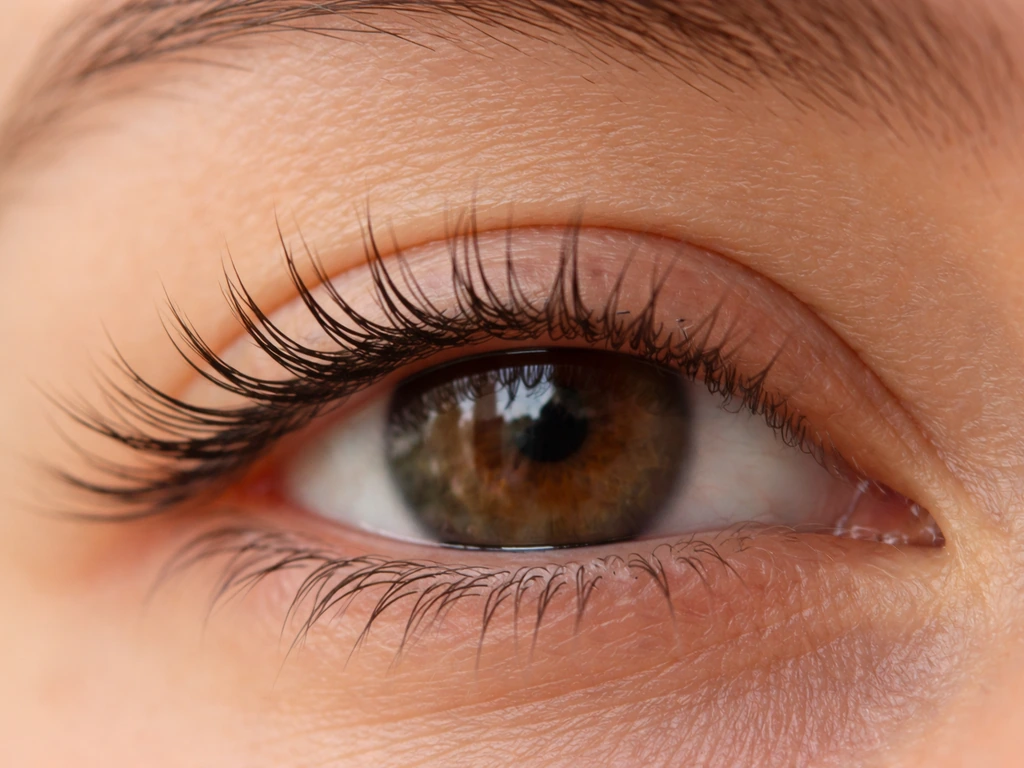
Yes, we absolutely grow new eyelashes. Your lashes are constantly cycling through growth, rest, and shedding phases, so losing a few lashes every day is completely normal. If yours are sparse, damaged, or just not looking their best, new growth is almost certainly happening right now, just slowly. The full cycle from a shed lash to a visible replacement takes anywhere from 4 to 16 weeks depending on where in the cycle a follicle is sitting. The real question is whether something is interfering with that cycle, and what you can do today to get out of its way.
Do We Grow New Eyelashes? Timeline, Causes, and Fixes

Rachel Nguyen
1 Jun 2026
How eyelash growth actually works
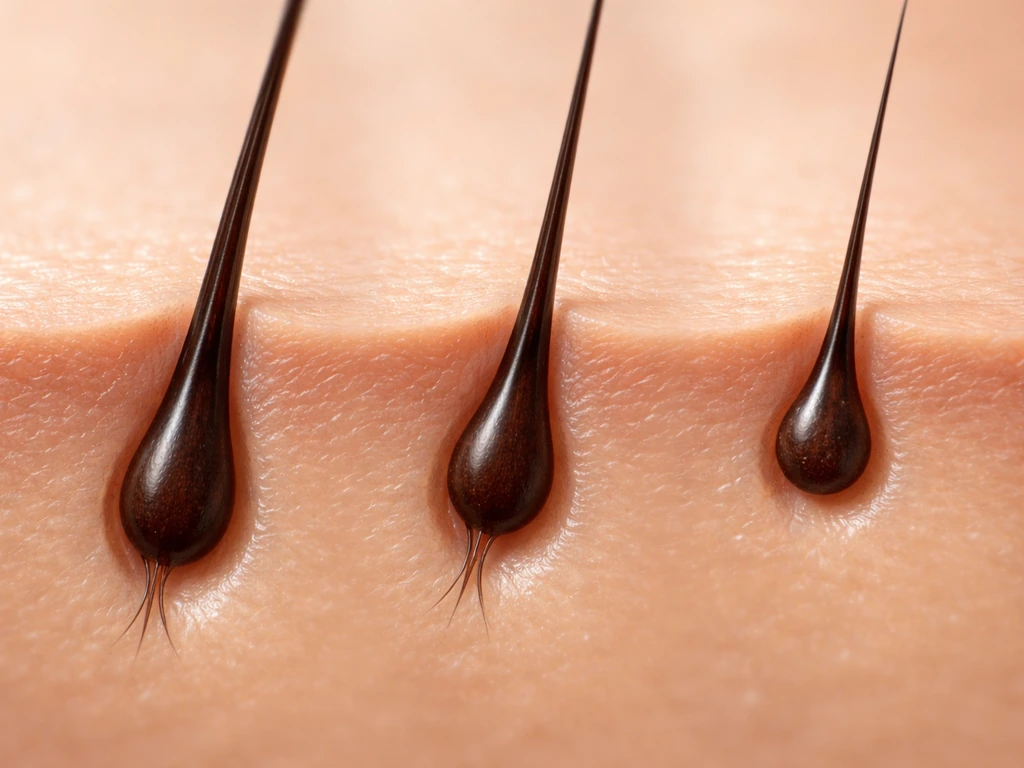
Every single eyelash grows from its own follicle, and each follicle runs on a three-phase cycle: anagen (active growth), catagen (transition and shutdown), and telogen (resting before shed). During the anagen phase, the lash is actively getting longer. This phase is relatively short for eyelashes, around 30 to 45 days, which is why lashes never grow as long as scalp hair. After that, the follicle enters catagen, a brief 2 to 3 week window where growth stops and the follicle starts to shrink. Then comes telogen, the resting phase, which can last up to 100 days before the lash finally sheds and the cycle restarts.
Because every follicle is on its own schedule, you have lashes in every phase at any given moment. That is why you lose a few lashes here and there rather than all at once. It also means that at any point, some of your follicles are actively pushing out new growth right now, even if you cannot see it yet.
Do damaged lashes grow back? What new growth actually looks like
In most cases, yes. If an eyelash is pulled out, cut, singed, or falls out from rubbing, the follicle underneath is usually still intact and will push out a new lash. Healthline notes that if a lash is cut or burned but the follicle and eyelid remain undamaged, regrowth typically takes around 6 weeks. The critical word is 'follicle.' As long as the follicle is healthy, it will cycle again.
New lashes look noticeably different from mature ones. They come in fine, pale, and short, almost like tiny straight hairs at the lash line. This is normal and actually a reassuring sign that the follicle is working. Over the following weeks, those baby lashes darken, thicken, and curl as they mature. If you are recovering from extensions or an illness and you notice wispy little hairs appearing at your lash line, that is new growth doing exactly what it should.
The exception is when the follicle itself is damaged. Significant scarring from burns, severe inflammation, or certain skin conditions can destroy follicles permanently. In that case, no new lash will grow from that spot. But follicle damage is the exception, not the rule, for most everyday lash loss scenarios.
Regrowth timeline: what to expect and when

Here is where most people get frustrated: eyelash regrowth is genuinely slow. In practical terms, if you are wondering how many days to grow eyelashes, the fastest noticeable change is usually within about a month, while full replacement can take much longer. Because the anagen phase for lashes is only 30 to 45 days compared to years for scalp hair, individual lashes do not grow very long, but the full cycle from loss to visible replacement still takes weeks to months.
| Scenario | Estimated Regrowth Timeline |
|---|---|
| Single lash cut or singed (follicle intact) | 4 to 6 weeks to visible regrowth |
| Lashes lost from extensions or traction | 6 to 10 weeks depending on follicle stress |
| Lashes shed from illness or nutritional deficiency | 8 to 16 weeks after resolving the root cause |
| Lashes lost from blepharitis or chronic inflammation | Variable; depends on treatment response |
| Full lash line replacement (natural shedding cycle) | Up to 16 weeks for complete turnover |
If you are not seeing any new growth after 8 to 12 weeks and there is no obvious reason for delay, that is worth paying attention to. Daily growth rates are quite small, so related questions about how much lashes grow in a week or how many eyelashes grow per day can help set realistic expectations for each stage of the cycle. If you are wondering whether lashes grow everyday, the key is that each lash follows its own cycle, so daily growth is limited and varies by where the follicles are how many eyelashes grow per day. Many people ask how much lashes grow in a week, but the most accurate way to think about it is by your lash cycle stage.
What stops lashes from growing
Plenty of things can interrupt or stall the lash growth cycle. Some are obvious, some are sneaky. Here are the most common culprits:
- Traction and mechanical stress: lash extensions, heavy lash curlers, and aggressive eye makeup removal all put physical stress on follicles. Repeated pulling, especially with extensions applied too heavily, can push follicles into a prolonged resting phase or cause trauma that delays regrowth.
- Blepharitis: this is a chronic inflammatory condition where the eyelid margins become irritated and a sticky biofilm builds up along the lash line. Johns Hopkins Medicine notes that blepharitis can lead to lash loss over time. The inflammation disrupts the follicle environment and can eventually cause permanent loss if left untreated.
- Nutritional deficiencies: low iron, low biotin, and inadequate protein are all linked to hair loss across the body, including lashes. If your diet has been poor or you have had a prolonged illness, follicles may idle in telogen longer than usual.
- Hormonal shifts: thyroid disorders and hormonal changes around pregnancy or menopause can throw the hair cycle off across the entire body, lashes included.
- Age: follicles naturally slow down with age. Lashes may become finer and take longer to cycle through regrowth as you get older.
- Allergic reactions and contact dermatitis: reactions to mascara, lash glue, or eyelid products cause inflammation around the follicle that can interrupt growth or trigger shedding.
- Skin conditions: conditions like alopecia areata can affect lash follicles directly, producing patchy or complete lash loss that requires medical attention.
- Scarring: past trauma, burns, or certain infections that leave scar tissue at the eyelid margin can permanently destroy follicles in that area.
What to do right now to stop the loss and protect what you have

If your lashes are sparse or shedding, the most important thing you can do immediately is reduce any additional stress on your follicles. Regrowing lashes while continuing to damage them is like trying to fill a bucket with a hole in it.
- Switch to an oil-based or micellar makeup remover and use gentle downward strokes. Never rub side to side across your lash line. Mechanical friction is one of the easiest forms of damage to eliminate today.
- Give extensions a break. If traction or glue reactions are a likely cause of your lash loss, a full rest period of at least 8 weeks gives follicles a chance to recover without continued stress.
- Start cleaning your eyelid margins. Use a dedicated eyelid cleanser or diluted baby shampoo on a clean cotton pad along the lash line, morning and evening. Harvard Health recommends twice-daily eyelid hygiene as a key treatment for blepharitis, and it is smart prevention even if you do not have a formal diagnosis.
- Stop waterproof mascara for now. It requires heavier removal, which increases friction and follicle stress during an already vulnerable recovery period.
- Check your products for harsh ingredients. Alcohol, strong preservatives, and some synthetic fragrances in eye products can cause low-grade irritation that compounds over time. Simplify your routine around the eye area while you are recovering.
At-home growth support: what actually works
Once you have removed the causes of damage, the next step is creating the best possible conditions for regrowth. There are a few categories of options here, and they are not all equal.
Lash serums with proven ingredients
Bimatoprost 0.03% is the only pharmaceutical ingredient with regulatory approval for eyelash growth, specifically for a condition called hypotrichosis (insufficient lashes). A published review confirms this and notes it works by extending the anagen phase so lashes grow longer and thicker. It is prescription-only, but there are over-the-counter serums that use prostaglandin analogues or peptide blends that produce meaningful results for many people. Look for ingredients like isopropyl cloprostenate, myristoyl pentapeptide-17, or biotinoyl tripeptide-1 on the label. These have more evidence behind them than most other serum ingredients.
Castor oil and natural oils
Castor oil is probably the most popular at-home lash remedy, and while clinical trial data is thin, it does contain ricinoleic acid, which has anti-inflammatory properties that may support a healthier follicle environment. It will not dramatically extend your anagen phase the way bimatoprost does, but applied nightly with a clean spoolie, it is low-risk and may help with lash conditioning and breakage prevention. The same goes for argan oil and vitamin E oil. Think of them as supportive rather than transformative.
Biotin and nutrition
Biotin (vitamin B7) supplements are widely marketed for hair growth, and they genuinely help if you are actually deficient. If your diet is varied and adequate, extra biotin is unlikely to produce dramatic lash results. That said, making sure you are getting enough protein, iron, zinc, and vitamins D and E through food or supplementation creates the nutritional foundation follicles need. A basic blood panel from your doctor can confirm whether any deficiency is silently stalling your regrowth.
Serum vs. oil: a quick comparison
| Option | Mechanism | Evidence Level | Timeline for Results | Best For |
|---|---|---|---|---|
| Prescription bimatoprost | Extends anagen phase | Strong (FDA-approved) | 8 to 16 weeks | Clinically sparse lashes, no growth after damage |
| OTC prostaglandin analogue serum | Similar to bimatoprost, milder | Moderate | 8 to 12 weeks | General lash thinning, post-extension recovery |
| Peptide-based lash serum | Stimulates follicle activity | Moderate | 10 to 16 weeks | Everyday growth support, conditioning |
| Castor oil | Anti-inflammatory, conditioning | Weak (anecdotal) | No firm timeline | Lash conditioning, mild support |
| Biotin supplement | Fills nutritional gap if deficient | Moderate (if deficient) | Weeks to months | Deficiency-related shedding |
When to stop waiting and get professional help
Most lash loss resolves on its own once the cause is removed, but there are situations where home strategies are not enough and waiting too long can make things worse.
- No visible regrowth after 12 weeks of consistent care: if you have addressed the obvious causes and still see no new lash growth at all, see a dermatologist. Follicle damage or an underlying condition may be involved.
- Patchy lash loss with no clear trigger: sudden, patchy loss in someone who has not changed their routine could signal alopecia areata or another autoimmune process. This needs a diagnosis, not just a serum.
- Persistent itch, burning, or crusting along the lash line: these are signs of active blepharitis, a lid margin infection, or an allergic reaction. Left untreated, chronic inflammation can cause permanent lash follicle damage.
- Scarring or thickened skin at the eyelid margin: if you can see visible changes to the lid tissue where lashes used to grow, there may be scarring that destroyed follicles in that area. A dermatologist or ophthalmologist can assess whether any regenerative options apply.
- Lash loss accompanying other symptoms like fatigue, hair thinning on the scalp, or weight changes: this pattern suggests a systemic cause like thyroid disease that needs blood work and medical management, not topical treatment.
A dermatologist is your first stop for unexplained or chronic lash loss. If the issue involves the eye itself or the eyelid structure, an ophthalmologist can evaluate whether anything is affecting the follicles from the inside out. Getting a clear diagnosis is always faster than guessing at home treatments for months.
FAQ
Do we grow new eyelashes if we accidentally pluck them out with tweezers?
Usually yes. If the lash is pulled out but the follicle and eyelid skin are not irritated or scarred, regrowth typically begins on the same follicle and becomes noticeable within weeks (often around 6 weeks for many cases). Avoid repeated plucking, because repeated trauma can push more follicles into damage and longer delays.
If I stop using an eyelash curler or rubbing my eyes, how long until I see improvement?
You may notice fine, pale “baby” lashes first, then gradual darkening over the following weeks. A practical rule is to give at least 8 to 12 weeks after removing the trigger, because eyelashes cycle on a multi-week timeline, and daily growth changes can be too subtle to spot early.
Do eyelashes grow back after getting extensions removed?
Often they do, especially if removal is gentle and your natural lashes were not cut repeatedly during removal. Extensions can increase breakage from tugging and from adhesive irritation, so the key is to stop any ongoing mechanical stress while your follicles cycle back. If you see patchy, “spotty” loss rather than general thinning, get checked to rule out follicle injury or skin conditions.
Can mascara or lash serums make my lashes stop growing?
They can, depending on ingredients and how you use them. Frequent rubbing during removal, waterproof formulas that are hard to take off, and irritation from certain serums can worsen shedding or breakage, even if follicles are still cycling. If you start a serum and shedding increases or the eyelid becomes red or itchy, stop it and reassess rather than continuing through irritation.
Is it normal to see very short lashes appear first?
Yes. New growth often starts as fine, pale, straight or barely curled hairs right at the lash line. That early look is a sign the follicles are active, but it still takes time for lashes to thicken and curl as they mature.
Do eyelashes grow every day?
They grow continuously at the follicle level, but you will not see a noticeable length increase daily because each lash follows its own growth-rest-shed cycle and the average daily change is small. What you can track instead is whether more baby lashes are appearing over a 4 to 8 week window, then whether they mature over the next weeks.
How can I tell the difference between new growth and breakage?
New growth usually looks like tiny pale lashes emerging from the lash line, even if they are not yet long or dark. Breakage often creates uneven stubs and may look like the lashes are snapping at mid-length without new “baby” hairs filling in over time. If you are consistently seeing new short hairs at the base, that points more toward regrowth.
When should I be concerned and see a dermatologist or ophthalmologist?
Consider a medical evaluation if you have chronic or unexplained lash loss, significant patchiness, eyelid pain, persistent redness, scaling, or no visible improvement after about 8 to 12 weeks once obvious causes are removed. Early diagnosis matters because some eyelid or inflammatory conditions can affect follicles from the inside out.
Can scarring or skin conditions permanently prevent regrowth?
Yes, but it is the exception. Significant scarring from burns, severe inflammation, or certain chronic skin conditions can destroy follicles, so that spot may not regrow. Clues include smooth shiny patches, marked eyelid skin changes, or loss that does not fill in despite time and reduced irritation.
Next Article
How Much Do Lashes Grow in a Week and What to Do
See realistic lash growth in a week, what slows regrowth, and safe steps to help lashes look better faster.