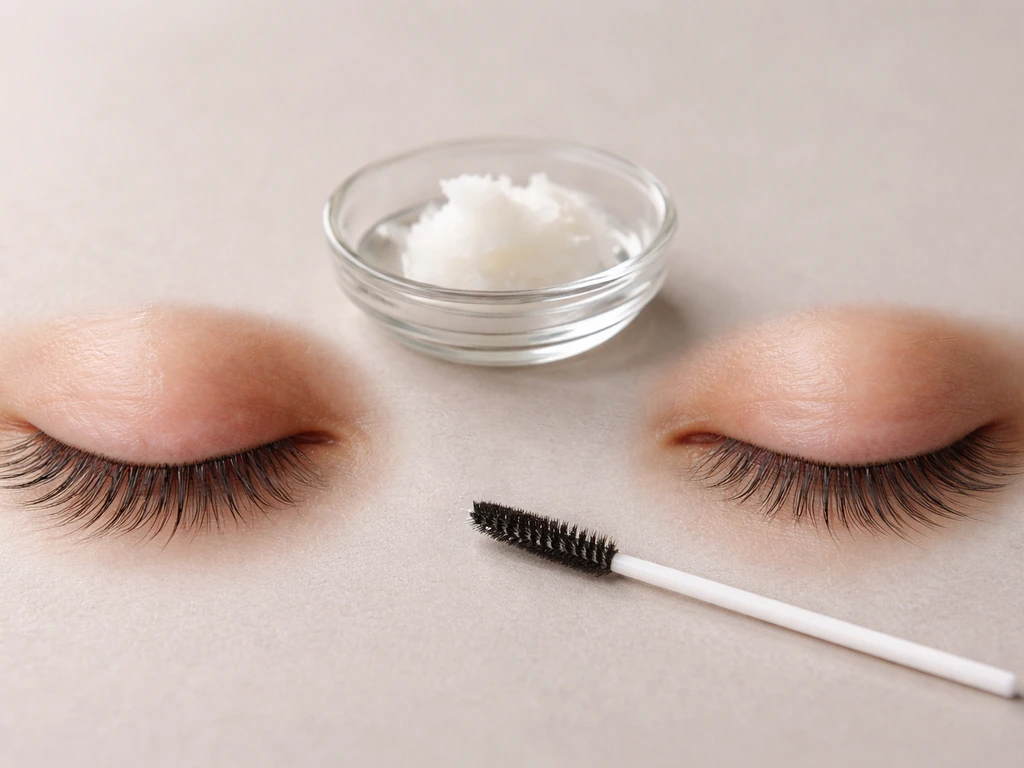
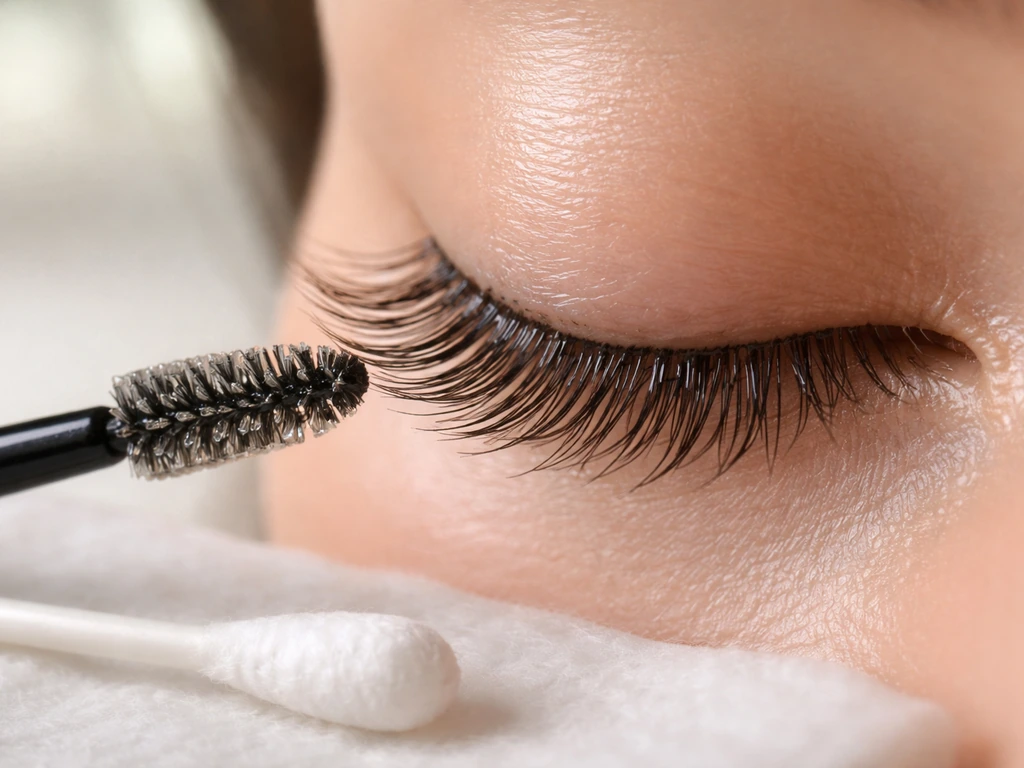
You can grow longer, thicker lashes with castor oil by applying a thin layer to your lash line every night using a clean mascara wand or cotton swab, letting it absorb overnight, and repeating consistently for at least 4 to 12 weeks. It won't conjure new follicles out of nowhere, but it works by reducing breakage, conditioning the lash shaft, and creating a healthier environment at the follicle so the lashes you do grow are less likely to fall out prematurely. That's the honest mechanism, and once you understand it, the whole routine makes a lot more sense.
How to Grow Lashes with Castor Oil: Step-by-Step Guide

Rachel Nguyen
17 May 2026
Eyelash growth basics and why oils help (or don't)
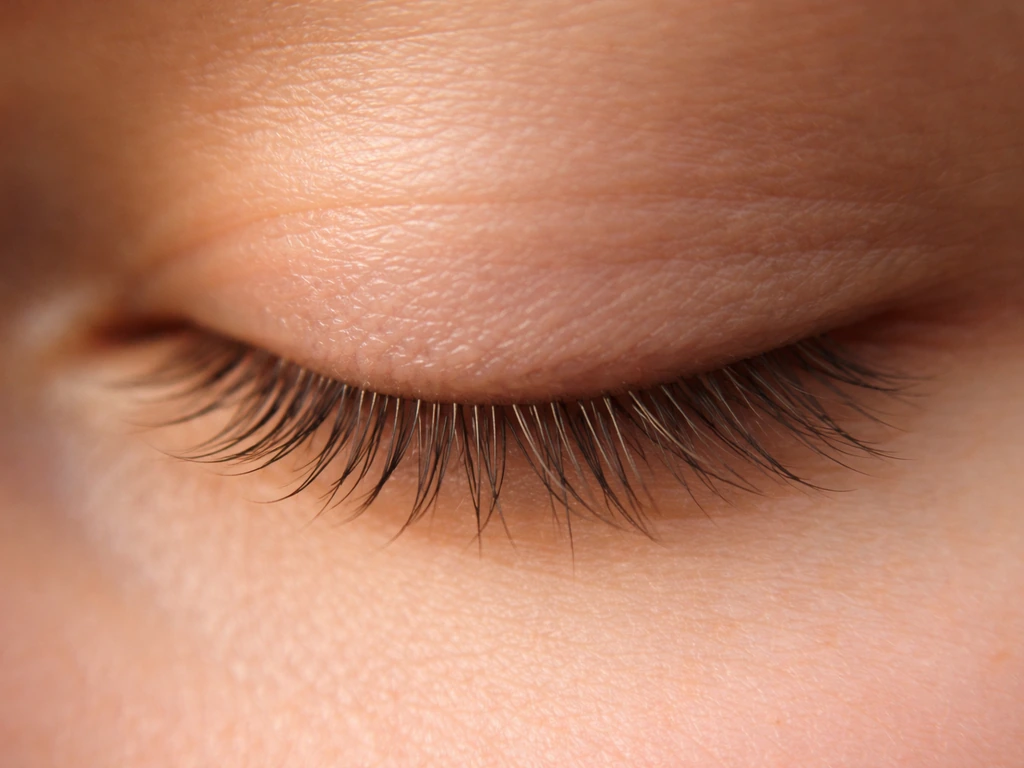
Every lash follicle runs through a three-phase cycle: anagen (active growth), catagen (transition), and telogen (resting and shedding). The anagen phase for eyelashes is relatively short compared to scalp hair, and the catagen phase alone takes about 3 to 4 weeks. That cycling means your lashes aren't all growing at the same time. Some are actively extending, others are resting, and a few are getting ready to shed. Losing 1 to 5 lashes per day is completely normal, which is why growth can feel invisible even when it's happening. On average, Cleveland Clinic notes that it is normal to lose about 1 to 5 eyelashes per day losing 1 to 5 lashes per day is completely normal.
When a lash falls out, it takes roughly 4 to 8 weeks for a replacement lash to appear, and that's under healthy conditions. This lag is critical to understand because it means you won't see visual results for weeks after you start any growth routine, whether you're using castor oil, a serum, or anything else. Growth is not the bottleneck in most cases. Breakage and premature shedding are. Oils like castor oil help primarily by reducing the breakage side of the equation, keeping the lash shaft more flexible and protecting follicles from environmental stress.
Where oils fall short is when follicle damage is structural, such as from years of aggressive extension removal, a medical condition like blepharitis or alopecia areata, or nutrient deficiencies that are actively suppressing the anagen phase. In those cases, oil is supportive but not sufficient on its own. That distinction matters when you're troubleshooting why your lashes aren't improving.
Using castor oil: picking, prepping, and applying safely
Which castor oil to choose

There are two main types worth knowing: regular cold-pressed castor oil, which is pale yellow and lightweight, and Jamaican black castor oil (JBCO), which is darker, thicker, and made from roasted castor beans. Both contain ricinoleic acid, the fatty acid most associated with castor oil's conditioning and anti-inflammatory properties. Cold-pressed castor oil is generally easier to apply near the eye area because it's thinner and less likely to migrate into the eye.
JBCO has a dedicated following in the lash community, particularly for those with sparse or damaged lashes, though the evidence difference between the two is mostly anecdotal. Either works. What matters more is that the product is 100% pure, hexane-free, and cold-pressed, with no added fragrances or preservatives that could irritate your eyes.
How to apply it step by step
- Remove all eye makeup completely before applying. Any residue left on the lashes will sit between the oil and your follicles and reduce contact.
- Do a patch test first if you haven't used castor oil near your eyes before. Apply a small amount to your inner wrist or the skin behind your ear, wait 24 hours, and check for redness or itching.
- Decant a small amount of castor oil into a clean, lidded container rather than applying directly from the bottle. This prevents contamination of your main supply.
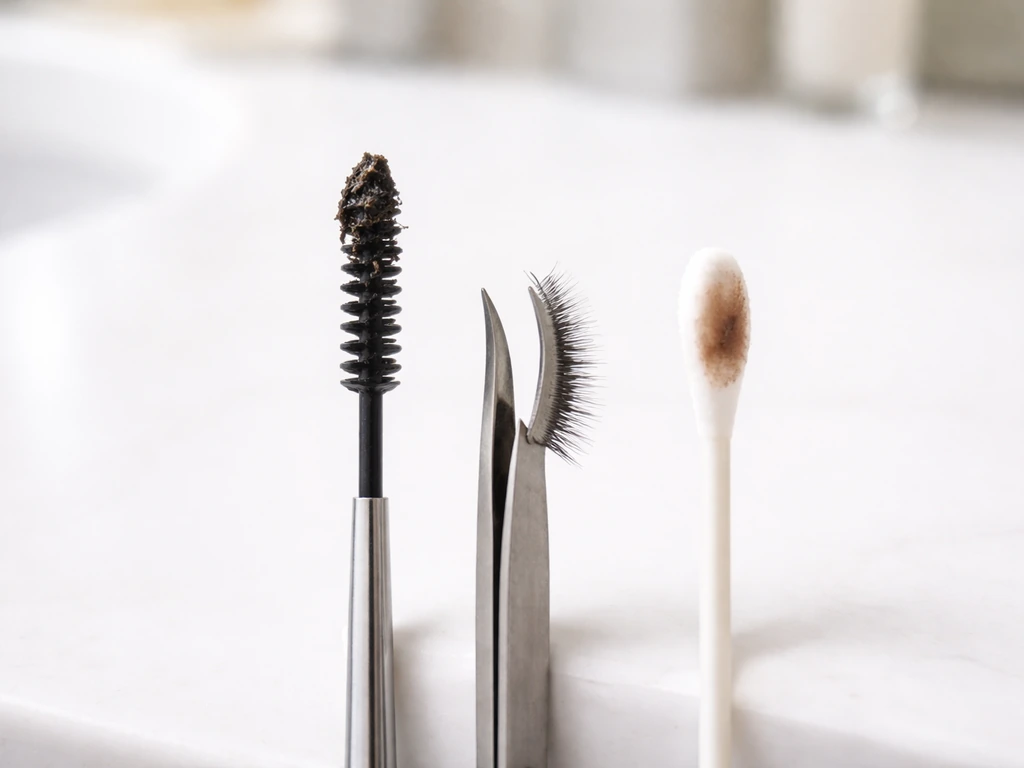
- Use a clean, dry mascara wand (a disposable spoolie), a thin eyeliner brush, or a cotton swab to apply. A spoolie lets you coat the lashes themselves; an eyeliner brush gives more precise lash-line placement.
- Apply a very thin layer along the upper lash line, as close to the base of the lashes as possible without getting oil into the eye itself. You can also sweep the spoolie through your lashes.
- Do the same on the lower lash line if desired, being even more careful with the amount since the lower lid is closer to the eye's tear film.
- Leave it on overnight. This is the most practical application window because the oil has time to absorb without interference from blinking, makeup, or sun exposure.
- In the morning, rinse gently with warm water or your usual cleanser. Pat dry, don't rub.
Frequency matters. Apply every night for the first 4 weeks, then you can scale back to 4 to 5 nights per week as maintenance. Consistency is what drives results here, not the volume of oil you use. More oil does not mean faster growth. It just means more risk of it migrating into your eye overnight, which is uncomfortable and can temporarily blur vision.
Expected timeline: how long it takes to see thicker and longer lashes
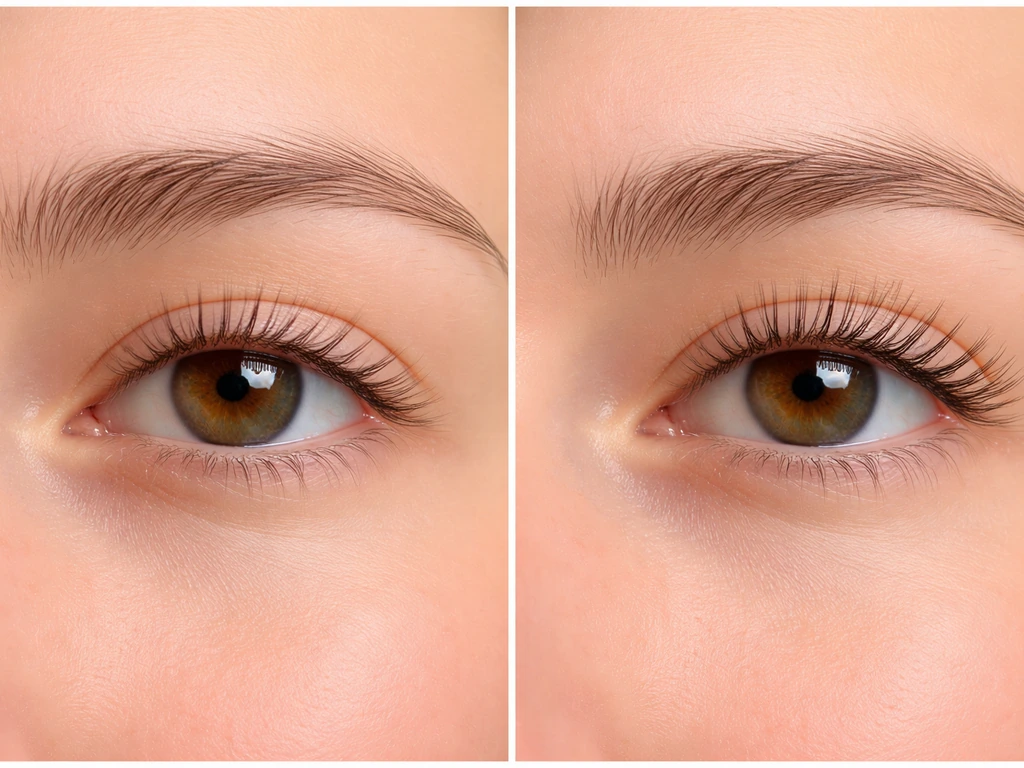
Being upfront about this: you're unlikely to notice anything at all in the first 2 to 3 weeks. For coconut oil, the timeline is similar because it is also a conditioning step, so expect subtle changes first and full results after you’ve stayed consistent for weeks thicker and longer lashes. The lash replacement cycle after shedding runs 4 to 8 weeks minimum, so any lashes lost before you started your routine won't be visibly replaced until you're well into week 4 or beyond. What you might notice earlier is that existing lashes feel softer and look slightly glossier, which is the conditioning effect.
| Timeframe | What to expect |
|---|---|
| Week 1–2 | No visible length or density change. Lashes may feel slightly softer. |
| Week 3–4 | Possibly reduced daily shedding. Some people notice baby lashes starting to appear at the lash line. |
| Week 5–8 | Visible improvement in thickness and fullness for most consistent users. Length gains begin to show as newer lashes complete anagen phase. |
| Week 9–12 | More noticeable length and density, especially at the outer corners where lashes tend to be sparser. This is the clearest progress window. |
| Beyond 12 weeks | Maintenance phase. Results plateau unless other factors (diet, sleep, stress) are also optimized. |
A 12-week commitment is the honest minimum for castor oil to show meaningful lash changes. If you stop at week 3 because nothing's happening, you're quitting before the biology has had time to catch up. That said, if you've been consistent for 12 full weeks and see zero change, that's a signal to look deeper at underlying causes.
Common reasons lashes won't grow back
Castor oil can't fix every lash problem. There are several common blockers that no topical oil addresses on its own, and it's worth running through them honestly.
- Extension damage: Repeated lash extensions, especially when removed incorrectly or worn back-to-back without breaks, can weaken or scar follicles over time. Mild damage recovers within one or two full growth cycles. Severe or repeated trauma may cause lasting thinning that needs dermatological support.
- Chronic rubbing: Habitual eye rubbing, aggressive makeup removal, or sleeping face-down on a rough pillowcase causes mechanical breakage and stresses follicles. No growth routine works well if the damage is ongoing.
- Blepharitis and lid inflammation: Clogged or inflamed oil glands at the lash line directly disrupt follicle function. If your lids are chronically red, crusty, or itchy, treating the underlying inflammation has to come first. Castor oil's ricinoleic acid has mild anti-inflammatory properties, but active blepharitis typically needs a dedicated lid hygiene routine or a doctor's input.
- Nutritional deficiencies: Biotin, iron, zinc, and protein are the most commonly implicated nutrients in hair loss, including lash loss. If your diet is restrictive or you've had recent sudden shedding, bloodwork to check ferritin and thyroid function is worth discussing with your doctor.
- Thyroid conditions and hormonal shifts: Hypothyroidism and significant hormonal changes (postpartum, perimenopause) are among the most common medical causes of lash and brow thinning. These require medical treatment, not oil.
- Allergic reactions and contact dermatitis: If you've recently changed eye products and noticed more lash loss, a contact allergy could be the driver. Patch testing any new product is essential.
- Normal lash cycling in older adults: Lash density does naturally decrease with age as the anagen phase shortens. This doesn't mean growth is impossible, but expectations need to be calibrated accordingly.
How to grow lashes without castor oil: the best alternatives
Castor oil is the most popular at-home option, but it isn't the only one worth considering, and for some people it isn't the right fit at all. If you're sensitive to thick oils near the eye, prone to milia (tiny white bumps from trapped keratin), or simply want to explore other routes, there are solid alternatives.
Other conditioning oils
Coconut oil and olive oil are the two most commonly used castor oil substitutes for lashes. Coconut oil may help condition lashes, so if you’re wondering whether it can actually grow them, it’s worth understanding how it compares to other oils Coconut oil and olive oil are the two most commonly used castor oil substitutes for lashes. .
Coconut oil is lighter and has good penetration into the hair shaft due to its smaller molecule size, which makes it effective at reducing protein loss from the lash. Olive oil is rich in oleic acid and antioxidants, and it's gentler on very sensitive skin. Neither has the thick, coating texture of castor oil, which makes them easier to apply near the eye but potentially less effective as a physical barrier against breakage.
Both work best as part of a consistent nightly routine.
Peptide and biotin-based lash serums
Over-the-counter lash serums often combine peptides (which signal follicles to stay in the anagen phase longer), biotin (B7 vitamin, involved in keratin production), and panthenol (a moisturizing provitamin) in a water-based formula that doesn't feel heavy near the eye. These are generally applied with a felt-tip or fine brush applicator directly to the lash line. They tend to show results faster than oils for some people, particularly those whose main issue is short telogen phases rather than breakage. The trade-off is cost: a quality serum runs significantly more than a bottle of castor oil.
Prescription options
If over-the-counter approaches aren't cutting it after 12 weeks, bimatoprost (originally developed as a glaucoma medication, now FDA-approved for lash growth under the brand name Latisse) is the only clinically proven prescription treatment for eyelash hypotrichosis. It extends the anagen phase measurably. It requires a prescription, consistent use, and monitoring for side effects including iris pigmentation changes and periorbital fat loss with very long-term use. It's worth a conversation with a dermatologist or ophthalmologist if you've exhausted at-home options.
Quick comparison of at-home options
| Option | Best for | Timeline | Cost | Main limitation |
|---|---|---|---|---|
| Castor oil | Breakage reduction, conditioning, budget-conscious users | 8–12 weeks | Low | Thick texture, migration risk, no clinical proof of follicle stimulation |
| Coconut oil | Lighter texture, protein-loss prevention | 8–12 weeks | Low | Less occlusive than castor oil; lighter results |
| Olive oil | Sensitive skin, antioxidant support | 8–12 weeks | Low | Heaviest smell; similar mechanism to coconut oil |
| OTC peptide serums | Follicle phase extension, faster visible results | 4–8 weeks | Medium–High | Cost; ingredient quality varies widely by brand |
| Prescription bimatoprost | Clinically proven lash growth (hypotrichosis) | 4–8 weeks | High | Requires prescription; side effect profile to monitor |
Troubleshooting, hygiene, and safety red flags
The eye area is sensitive, and castor oil applied incorrectly or with a contaminated applicator can cause real problems. These are the hygiene basics and warning signs you need to know before you start.
Hygiene essentials
- Never double-dip your applicator into your oil supply. Decant a small amount into a separate container each session, or pour a few drops onto a clean surface.
- Replace disposable spoolies weekly. Bacteria accumulate on applicator bristles quickly, especially in a moist bathroom environment.
- Store castor oil in a cool, dark place. Heat and light degrade the fatty acids and can cause the oil to go rancid, which will irritate rather than help your lash line.
- Check expiration dates. Most pure castor oil has a shelf life of 1 to 2 years. If it smells sour or off, replace it.
- Wash your hands before applying anything near your eye area.
When to stop and seek help
- Stop immediately if you experience burning, stinging, or significant redness after application. This is a sign of irritation or allergy, and continuing will make it worse.
- Stop if you develop swollen or puffy eyelids that weren't there before. This can indicate an allergic reaction.
- See a doctor if you notice new or worsening eye discharge, crusting along the lash line beyond normal sleep debris, or sudden accelerated lash loss that started around the same time as your routine.
- Stop and patch-test again if you switch to a new brand of castor oil. Different brands have different processing methods and trace ingredients.
- If blurred vision occurs after nighttime application, this is likely oil migrating into the eye. It clears on its own, but reduce the amount you're applying and use a lighter touch at the outer lid.
Troubleshooting no progress
If you've hit week 8 with no visible improvement, run through this checklist before giving up or escalating. Are you applying every night, or is your routine inconsistent? Are you still wearing heavy eye makeup that might be causing ongoing breakage? Have you ruled out a nutritional deficiency with bloodwork? Is there any chance the castor oil you're using contains added ingredients that are irritating your follicles rather than helping them? And finally, has the underlying cause of your lash thinning been addressed? If blepharitis, extensions, or a health condition is the root issue, oil alone won't move the needle.
Your 4 to 12 week at-home routine and what to track
Here's how to run this like a proper experiment so you actually know whether it's working. The biggest mistake people make is starting a new routine, being inconsistent, changing multiple things at once, and then not being able to tell what helped or what didn't.
Week 1 to 2: setup and baseline
- Take close-up photos of your lashes from straight on and from a slight angle, in consistent lighting, on day 1. These are your baseline comparison photos.
- Do your patch test and confirm you have the right product: pure, cold-pressed, hexane-free castor oil.
- Set up your applicator system: a small container for nightly decanting and a clean spoolie.
- Apply nightly after removing all eye makeup. Start with just the upper lash line.
- Note any irritation, redness, or itching in a simple tracking note on your phone.
Week 3 to 4: add supporting habits
- If you haven't already, add a daily biotin supplement (2500 to 5000 mcg is a commonly used range, though discuss dosage with your doctor if you have any health conditions).
- Switch to a silk or satin pillowcase to reduce overnight mechanical friction on your lashes.
- If you wear mascara, check that it's not a waterproof formula. Waterproof mascara requires more aggressive removal, which increases breakage.
- Take your second set of progress photos at day 28 and compare them to your baseline.
Week 5 to 8: track and assess
- Continue nightly application. You can scale back to 5 nights per week if your skin feels congested or you're developing milia.
- Look specifically at lash density (fullness across the lash line) and the appearance of new short lashes near the base. These are the first measurable signals.
- Take photos again at week 8. If you can see clear improvement in either thickness or length, the routine is working. Maintain it.
- If there is no change at week 8, revisit the troubleshooting section above and consider adding or switching to a peptide-based serum.
Week 9 to 12: consolidate results
By week 12, most people who are going to respond to a castor oil routine have seen their best results. Take your final comparison photos. If you're happy with the outcome, you can maintain with a 4-nights-per-week application schedule indefinitely. If results are partial, consider whether adding a serum to your routine or consulting a dermatologist about prescription options makes sense for your goals. The important thing is that you now have 12 weeks of consistent data rather than guessing, and that makes your next decision a lot more informed.
FAQ
How much castor oil should I use, and how do I prevent it from getting into my eye?
Use a near-grease-free amount, just enough to lightly coat the lash line. If you dip and apply a full, shiny layer, it is much more likely to migrate overnight. Stick to a thin swipe with a clean mascara wand or swab, keep the applicator off the inner waterline, and wipe away any excess on the lower edge of the lash line before bed.
Can I use castor oil if I wear contact lenses or get eyelash extensions?
Avoid applying right before putting in contacts, and do not apply if you are actively removing or rubbing at extensions. Oil can loosen adhesive residue and also increase the chance of irritation if it gets trapped at the base. If you currently have extensions, it is safer to pause lash oiling until they are fully removed and your lash line is calm.
What should I do if I develop milia (tiny white bumps) or irritation from castor oil?
Stop the product and do not “push through” irritation around the lash line. Milia often means the area is not clearing the oil well, or the formula is too heavy or contaminated. Switch to a gentler, thinner option and verify the product is 100% pure, cold-pressed, and free of added fragrances or preservatives before restarting.
How clean does my applicator need to be, and how often should I replace it?
Treat it like a skin-contact tool. If you reuse a mascara wand, wash and sanitize it between uses and keep it dry, then discard it if it sheds fibers or you notice cloudy buildup. A cotton swab is simplest for hygiene, but use a new swab each night to avoid reintroducing bacteria to the lash line.
Should I wash it off in the morning, or leave it on overnight?
Leaving it overnight is part of how it conditions and reduces breakage, so morning washing is optional. However, if you notice stickiness, lashes feel tacky after waking, or you wear heavy eye makeup, gently cleanse the lash line in the morning to reduce residue and lower irritation risk.
How do I know whether the lack of results is from breakage versus shedding?
If your lashes snap or feel rough and shorter, breakage is likely. If you see a slow, even reduction in lash density and you are losing lashes over time, shedding or a longer telogen phase may be involved. Either way, remember the replacement lag, replacement lashes typically take about a month to start showing, so do not judge before week 4.
I started castor oil, but my lashes look glossy sooner. Does that mean it is working?
Yes, that early shine usually reflects conditioning, not new growth. It is a sign the oil is improving the lash shaft feel, but real density changes require the full cycle, so you should still evaluate at week 8 to 12 before changing your plan.
Is Jamaican black castor oil (JBCO) better than cold-pressed castor oil for lash growth?
Not reliably. The difference is mostly practical, cold-pressed oil is thinner and less likely to migrate into the eye, while JBCO is thicker and can feel harder to apply cleanly near the lid. Pick based on tolerability and irritation risk, as both are used for conditioning, and evidence differences are largely anecdotal.
What time of night should I apply it, and can I apply twice a day?
Apply at night when you are about to sleep so you are not rubbing your eyes. Twice daily often increases migration and irritation without improving growth speed, since more product does not shorten the lash cycle. The best schedule is nightly at first, then maintenance a few nights per week if you tolerate it well.
If I have thinning lashes despite 12 weeks, what should I check first before switching products?
Review the basics: consistent nightly application for at least the first 4 weeks, no heavy eye makeup that accelerates breakage, clean applicators, and no added ingredients in your oil that could irritate your eyelids. Also consider bloodwork if nutrition is questionable, and think about underlying causes like blepharitis, alopecia areata, or ongoing extension or rubbing trauma.
When should I stop castor oil and see a clinician?
Seek medical advice if you get persistent redness, swelling, worsening itch, discharge, significant pain, or changes in vision. Also stop if you have repeated contact dermatitis-like reactions, because that pattern suggests the issue is not just “waiting for results.”
Next Article
How Long Does Coconut Oil Take to Grow Eyelashes? Timelines
Realistic timelines for coconut oil eyelash growth, what changes in weeks, and safe application and troubleshooting for