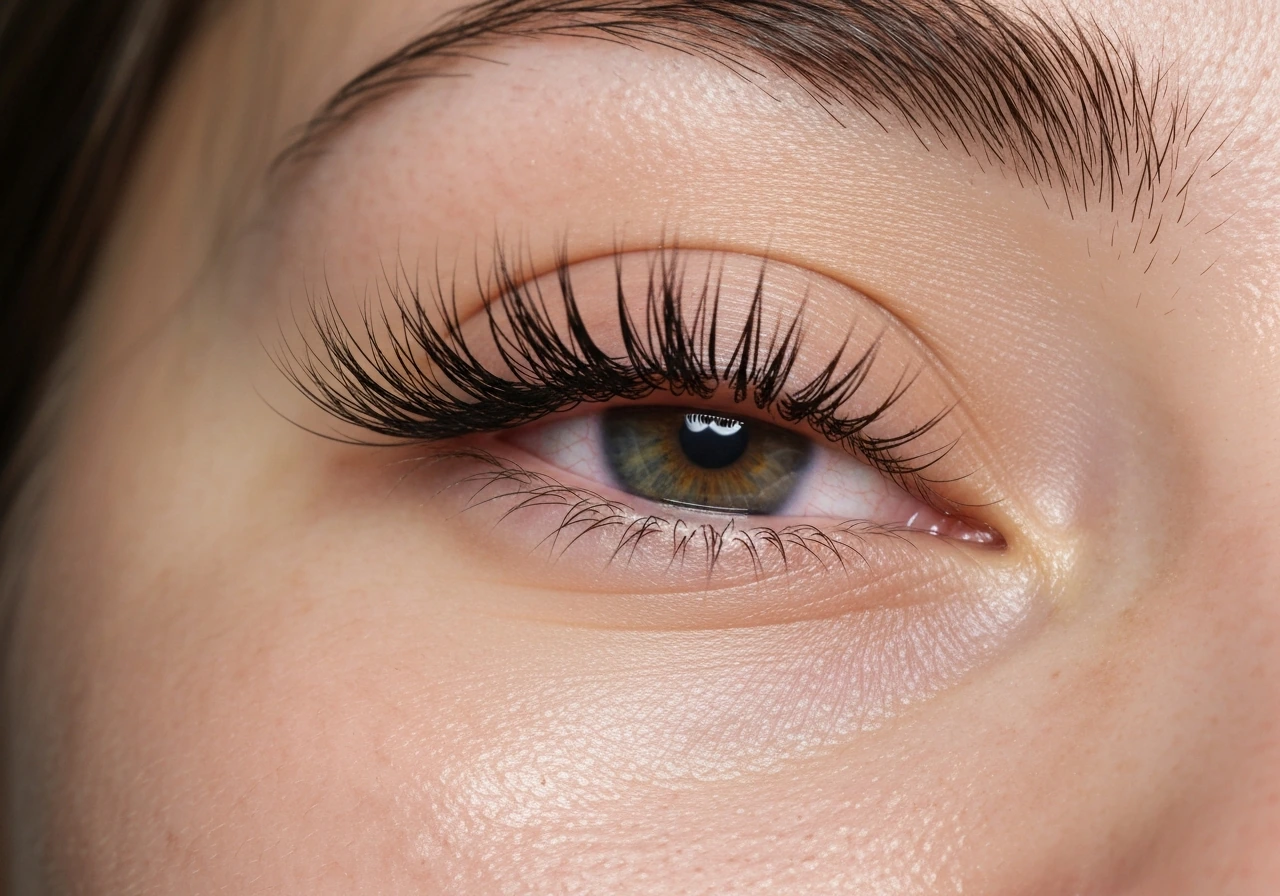
Fish oil can support the conditions your follicles need to function well, but there is no clinical trial showing it directly makes eyelashes longer or thicker. The honest answer is: fish oil is a reasonable background supplement for lash health, not a targeted lash-growth treatment. If your lashes are thinning or damaged, it belongs in a broader strategy, not at the center of one.
Does Fish Oil Help Eyelashes Grow? Evidence and How to Try
Rachel Nguyen
30 May 2026
What fish oil actually is and why people think it helps lashes
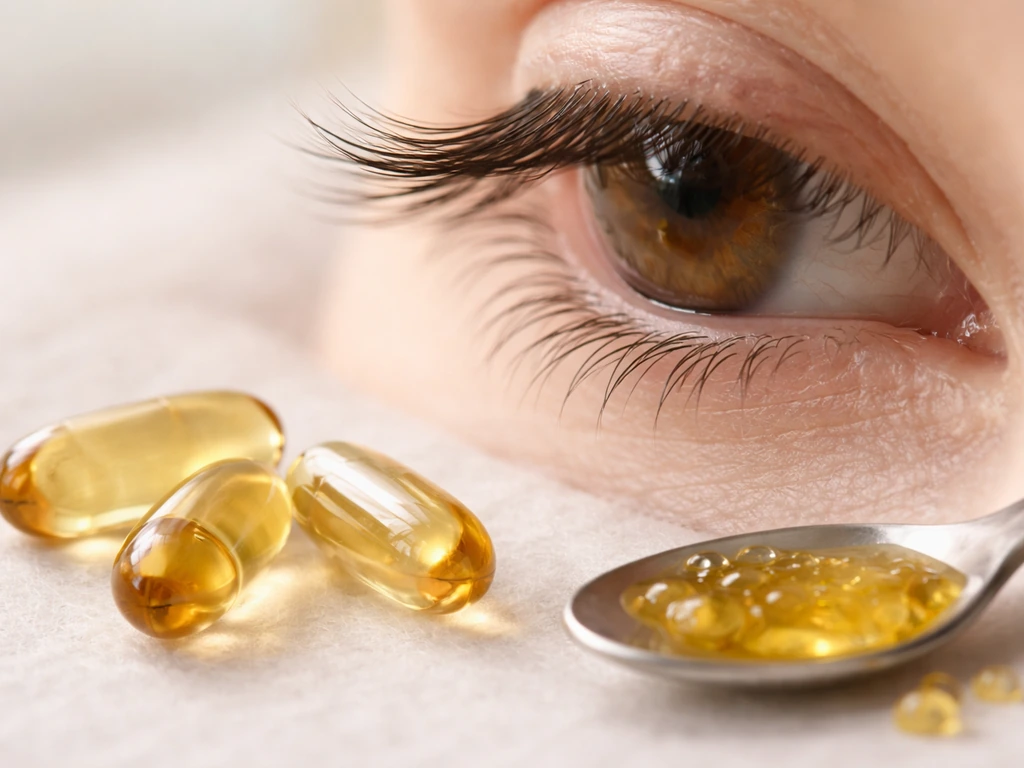
Fish oil is a source of long-chain omega-3 fatty acids, specifically EPA (eicosapentaenoic acid) and DHA (docosahexaenoic acid). These are not the same as the short-chain ALA you get from flaxseed or walnuts. EPA and DHA are the forms your body actually uses for anti-inflammatory signaling, cell membrane integrity, and lipid regulation across tissues including skin.
The logic connecting fish oil to eyelash growth goes like this: omega-3s reduce inflammatory signaling and support the skin barrier, and since follicles sit in skin tissue, better skin health should mean better follicle environment. Research on skin biology does confirm that dietary omega-3 interventions influence skin barrier function and can dampen local inflammatory pathways. There is also solid evidence that omega-3s improve the lipid composition of the tear film on the ocular surface, which matters for people with dry eye or meibomian gland dysfunction. So the biological foundation is real. The leap from there to 'my lashes will grow faster and longer' is where the evidence runs out.
Does fish oil actually help eyelashes grow? Here is what the evidence says

After a thorough look at the published research, there are no human clinical trials that measured fish oil or omega-3 supplementation against eyelash length, density, or curl outcomes. None. The omega-3 trials that do exist focus on tear film stability, tear osmolarity, MMP-9 levels, and dry eye symptom scores. In a human dry-eye randomized controlled trial (n=264 eyes), omega-3 supplementation using 325 mg EPA plus 175 mg DHA twice daily for 3 months was studied for changes in tear film and ocular surface inflammation measures. Those are important ocular-surface outcomes, but they are not lash-growth outcomes.
Compare that to the benchmark for what real evidence looks like in this space: bimatoprost (the active ingredient in LATISSE) has been through randomized, double-masked, vehicle-controlled trials. Digital image analysis showed statistically significant improvements in lash length, thickness, and darkness versus placebo at weeks 8, 12, and 16. That is the kind of evidence that earns the phrase 'clinically proven.' Fish oil does not have anything close to that for lashes.
What fish oil likely does do, based on indirect evidence, is reduce follicle-level inflammation and support the lipid environment around the eyelid margin. If your lash thinning has an inflammatory or dry-eye component, like blepharitis or meibomian gland dysfunction, omega-3 supplementation could help address a root cause. Blepharitis commonly involves inflammation of the eyelid margin and lash follicles, and can contribute to symptoms like itching or burning and to eyelash loss (madarosis). That is genuinely useful. But it is not the same as growing new lashes, and if your lashes are short simply because you want them longer, fish oil will probably not move the needle visibly.
Realistic expectation: if you start fish oil today, give it a full 3 to 4 months before judging any lash-related effects. That window covers one full eyelash growth cycle (anagen phase runs roughly 4 to 10 weeks) and gives anti-inflammatory effects time to accumulate. Do not expect dramatic length changes. What you might reasonably see, particularly if inflammation was a factor, is lashes that shed a little less and look a little fuller at the base.
The nutrients that matter more for lash growth than fish oil alone
Nutrition does influence lash growth, but the key word is deficiency. When a nutrient is missing, follicles suffer. When levels are already adequate, adding more rarely produces extra growth. Here is how the main players stack up.
| Nutrient | Does deficiency cause lash/hair loss? | Does supplementing help if you're not deficient? | Best sources |
|---|---|---|---|
| Omega-3 (EPA/DHA) | Possibly, via inflammation and skin barrier effects | Weak indirect evidence only | Fatty fish, fish oil capsules |
| Biotin (B7) | Yes, deficiency is associated with hair loss | Little evidence unless deficient (deficiency is rare) | Eggs, liver, nuts, seeds |
| Iron | Yes, iron deficiency is a well-documented cause of hair shedding | Yes, if deficient — get tested first | Red meat, lentils, spinach, fortified cereals |
| Protein | Yes, severe restriction leads to follicle shutdown | Yes, if intake is too low | Meat, fish, eggs, legumes, dairy |
| Zinc | Yes, deficiency linked to hair loss | Excess zinc can also cause hair loss — don't over-supplement | Oysters, beef, pumpkin seeds |
Iron and protein are frequently the silent culprits behind unexplained lash and brow thinning, especially in people who have been through illness, restrictive diets, or major surgery. Before spending money on any supplement, it is worth getting a basic blood panel that includes ferritin (stored iron), not just hemoglobin. Ferritin can be low even when standard hemoglobin looks normal, and it has a strong association with diffuse hair shedding. Biotin gets a lot of marketing attention but the NIH notes that biotin deficiency is genuinely rare in people eating a varied diet, so it is low on the priority list unless you have a specific reason to suspect it.
How to use fish oil safely if you decide to try it

If you want to trial fish oil for lash health, here is how to do it sensibly. Most omega-3 research uses combined EPA and DHA in the range of 500 mg to 3 g of combined EPA and DHA per day. For general health support (which is the realistic goal here), 1 to 2 g of combined EPA and DHA daily is a reasonable starting point and aligns with what the American Heart Association discusses in dietary supplement contexts. Look at the label for the actual EPA and DHA content, not just the total fish oil amount. A 1,000 mg capsule might contain only 300 mg of combined omega-3s.
Take fish oil with a meal that contains fat. It improves absorption and reduces the fishy aftertaste or reflux that some people get. Enteric-coated or re-esterified forms tend to have better tolerability than standard ethyl ester capsules.
Give it a minimum of 3 months before evaluating any lash-related effect. That matches the timeline of clinical omega-3 trials for related endpoints and covers at least one full lash growth cycle.
Side effects and who should be careful
Fish oil is generally well tolerated, but it is not without real cautions. If you are specifically asking does maracuja oil help eyelashes grow, the evidence and expected results are different from what fish oil can do Fish oil is generally well tolerated. The most important one is bleeding risk. Both the NIH and NCCIH flag that omega-3 supplements can extend bleeding time, which matters if you take anticoagulants like warfarin, aspirin, or other blood thinners. Talk to your doctor before starting if this applies to you. Other common side effects at higher doses include fishy burps, loose stools, and nausea. These are usually dose-dependent and manageable by reducing the dose or switching brands. At doses around 3 g per day or higher, omega-3s can affect LDL particle size, so it is worth discussing with a physician if you have a cardiovascular condition.
Faster, more direct options if you actually want to grow your lashes today
Fish oil works slowly and indirectly. If visible lash improvement is the priority, here are the approaches with the strongest practical track records.
Bimatoprost (prescription lash serum)
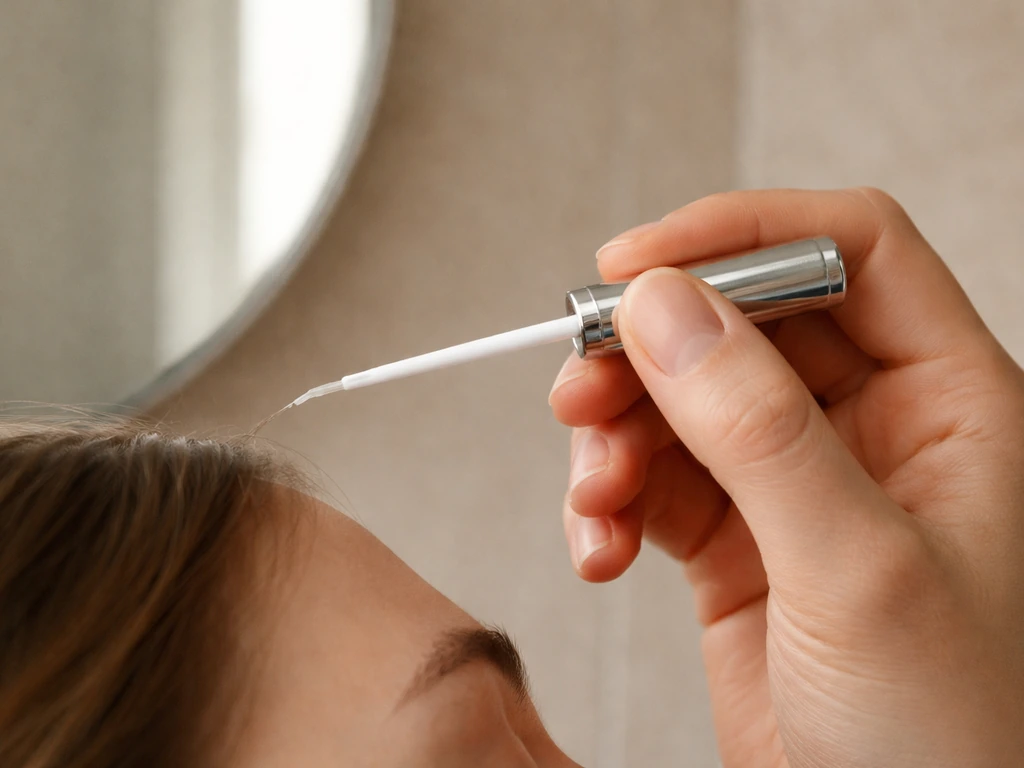
LATISSE is the only FDA-approved treatment for eyelash hypotrichosis. It uses bimatoprost 0.03%, a prostaglandin analog that extends the anagen (active growth) phase of lash follicles. Clinical trials show some people notice longer lashes around the 4-week mark, with full results typically visible by 16 weeks. It does come with real side effects to know about: conjunctival redness occurred in roughly 6% of participants in pooled safety analyses, and there are warnings about potential iris pigmentation changes and lid skin darkening. It requires a prescription and ongoing use to maintain results. If your lashes are significantly thinned from a medical cause, this is the strongest option to discuss with a dermatologist or ophthalmologist.
Castor oil and other topical oils
Castor oil is the most widely used at-home topical for lashes. It does not have the clinical trial history of bimatoprost, but it has a reasonable theoretical basis: its ricinoleic acid content has mild anti-inflammatory properties, and it can coat the lash shaft to reduce breakage. Apply a tiny amount to a clean spoolie and brush along the lash line at night. The main practical benefit most people report is reduced breakage and a slightly fuller appearance, not dramatic new growth. Other oils like rosehip and grape seed oil are also popular in this space and bring their own fatty acid profiles, though again the direct eyelash growth evidence is limited for all of them.
Stop the damage first
No supplement or serum will outpace ongoing physical damage to lash follicles. The most impactful thing you can do alongside any treatment is protect existing lashes. That means removing eye makeup gently with a micellar water or oil-based remover rather than rubbing, avoiding waterproof mascara if your lashes are fragile, never pulling on lash extensions, and giving your lash line a break from strip lashes and adhesives. Follicles that are repeatedly traumatized can eventually stop producing lashes entirely, so protective habits matter as much as what you take orally.
How long lash recovery actually takes, and when to see a clinician
If your lashes are damaged or thinning from a specific cause, understanding the biology helps set realistic expectations. Eyelash lifespan is roughly 4 to 11 months, with the active growth phase (anagen) lasting about 4 to 10 weeks. After that comes a transition phase and then a resting phase before the lash falls and a new one starts. This means that even under ideal conditions, visible regrowth from scratch takes weeks, and a full reset of the lash line takes months.
Common causes and what to expect
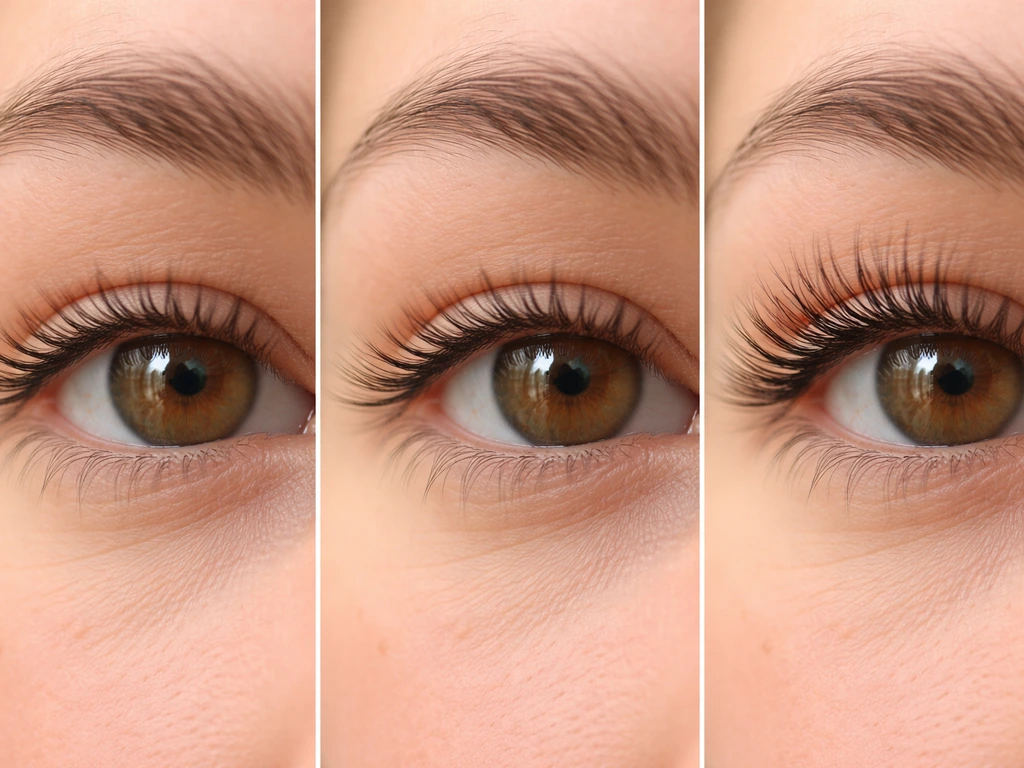
- Extensions and adhesive damage: lashes pulled out at the root need a full new growth cycle. Expect 6 to 8 weeks before you see baby lashes, and 3 to 4 months for noticeable density if the follicles were not permanently scarred.
- Telogen effluvium (stress, illness, surgery): shedding typically starts 2 to 3 months after the trigger, then lashes gradually return over the following 3 to 6 months as the follicles reset. This is usually self-limiting.
- Blepharitis or eyelid inflammation: ongoing inflammation can cause chronic lash loss (madarosis). Treatment of the underlying blepharitis is essential before regrowth can occur. A warm compress routine and sometimes antibiotics or tea tree oil-based lid scrubs are part of standard management.
- Medical causes (thyroid disorders, alopecia areata, nutritional deficiency): lashes will not fully recover until the underlying condition is treated. These require a clinician, not a supplement protocol.
When to stop self-treating and see a doctor
See a dermatologist or ophthalmologist if your lash loss is patchy or asymmetric, if the lash line looks inflamed, crusty, or painful, if you notice lash loss alongside brow loss or scalp hair changes, if shedding has been going on for more than 3 months with no obvious cause, or if you have any history of autoimmune conditions. Madarosis (eyelash loss) is reversible in many cases once the cause is identified and treated, but some causes like scarring folliculitis or Demodex infestation need medical diagnosis. Johns Hopkins notes that a clinician may swab the eyelid or examine lash samples to rule out bacterial infection or mite infestation. Do not let six months pass hoping a supplement fixes something that needs a diagnosis.
The bottom line on fish oil and lashes
Fish oil is worth taking if your overall omega-3 intake is low, if you have any eyelid inflammation or dry eye component to your lash issues, or if you want to optimize your nutritional baseline while pursuing more direct lash treatments. It is a reasonable, low-risk addition. What it is not is a standalone lash-growth treatment with clinical backing. For that, bimatoprost is in a different category. For protective daily habits, castor oil and a damage-free routine do more practical work than any capsule. Use fish oil as part of the picture, not the whole plan. If you are also wondering about witch hazel, the evidence is limited, so it is best treated as an unproven at-home option rather than a dependable lash-growth strategy does witch hazel help eyelashes grow.
FAQ
Does fish oil help eyelashes grow if my lashes are already healthy?
It can be reasonable if your overall omega-3 intake is low or you have dry-eye or eyelid inflammation, but it is unlikely to create obvious lash-length gains on its own. If you are hoping for a noticeable cosmetic change (longer, thicker, darker), think of fish oil as a supportive step, not the main intervention.
How long should I take fish oil before I decide it is not working for my lashes?
A useful rule of thumb is to look for an effect on shedding or breakage first, not dramatic length. If you see no change after 3 to 4 months, it is unlikely you will get a visible lash-growth result from continuing the same dose.
Does the total number of fish oil milligrams on the bottle predict lash effects?
Yes, but only for the omega-3s themselves. The dose that matters is the combined EPA plus DHA you ingest per day, and labels can be misleading (a “1000 mg fish oil” capsule often contains far less actual EPA+DHA).
What is the best way to take fish oil to minimize side effects and maximize absorption?
Take it with food that contains fat, and consider splitting the dose across meals if you get nausea or fishy reflux. Some people tolerate enteric-coated or re-esterified forms better than standard ethyl ester products.
Is fish oil safe for people who take blood thinners?
If you are on warfarin, aspirin, or other anticoagulants or you have a bleeding disorder, talk with a clinician before starting. Omega-3 supplements can extend bleeding time, so this is not something to “just try” without guidance.
What if my eyelash thinning is sudden or patchy, does fish oil still make sense?
If your main issue is lash loss from a medical cause (patchy thinning, crusting, painful or inflamed lids, or new shedding with no clear reason), fish oil is unlikely to be enough. In those cases, get evaluated to rule out eyelid inflammation, infections like Demodex, scarring causes, or systemic contributors.
How can I tell if my lashes are thinning from shedding versus breakage when trying fish oil?
Being careful with makeup and lash trauma matters even more than supplements. Avoid rubbing, be gentle with removal, and limit waterproof mascara if your lashes are fragile, because mechanical breakage can look like “no growth” even when follicles are functioning.
Should I get labs before trying fish oil for lash thinning?
If you want to optimize results, check iron status first (especially ferritin) and ensure adequate protein intake, since deficiency states can drive diffuse shedding. Biotin is usually unnecessary unless a clinician identifies a specific deficiency or you have a reason to suspect it.
Do algae-based omega-3 supplements work as well as fish oil for lashes?
Yes, but it still will not change the underlying evidence gap for lash length. Different omega-3 sources (fish, algae-derived DHA, or blends) can vary in EPA and DHA content, so compare actual EPA+DHA grams rather than trusting the product category.
Why is it hard to see fast lash results with supplements like fish oil?
For planning, the active growth phase is about 4 to 10 weeks, so visible changes are usually not immediate. Fish oil is more likely to help indirectly, so treat it like a 3 to 4 month trial while also addressing causes like eyelid inflammation or dry eye.
If fish oil does not directly grow lashes, should I also use castor oil or other serums?
Topical oils like castor oil mainly help by reducing breakage and improving lash appearance, not by proven new growth. If you use a supplement too, use protective routines consistently and avoid getting formulas into the eyes to reduce irritation risk.
Next Article
Does Witch Hazel Help Eyelashes Grow? Evidence, Risks, and What Works
Does witch hazel grow eyelashes? Evidence, risks, safe use, and better at-home options with realistic timelines.