
Witch hazel does not help eyelashes grow. There are no clinical trials, no controlled studies, and no dermatology or ophthalmology sources that show applying witch hazel to the lash line increases eyelash length or density. What it can do is temporarily soothe inflamed eyelid skin and reduce oiliness at the lash margin, which might make your lashes look a little cleaner and your eyelids feel calmer. That is genuinely useful in some situations, but it is not the same as stimulating follicle activity or extending the growth cycle.
Does Witch Hazel Help Eyelashes Grow? Evidence, Risks, and What Works

Rachel Nguyen
30 May 2026
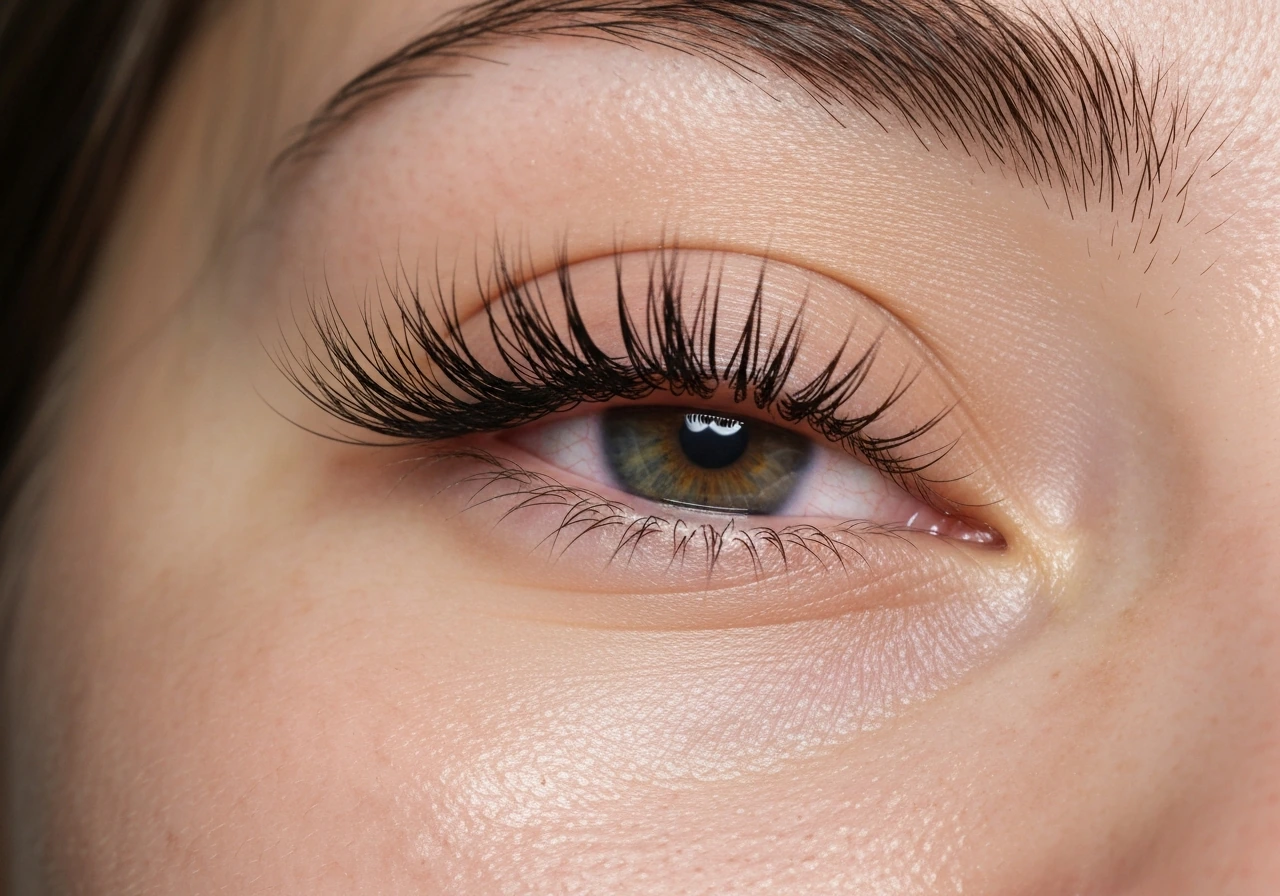
What witch hazel can and can't realistically do for your lashes
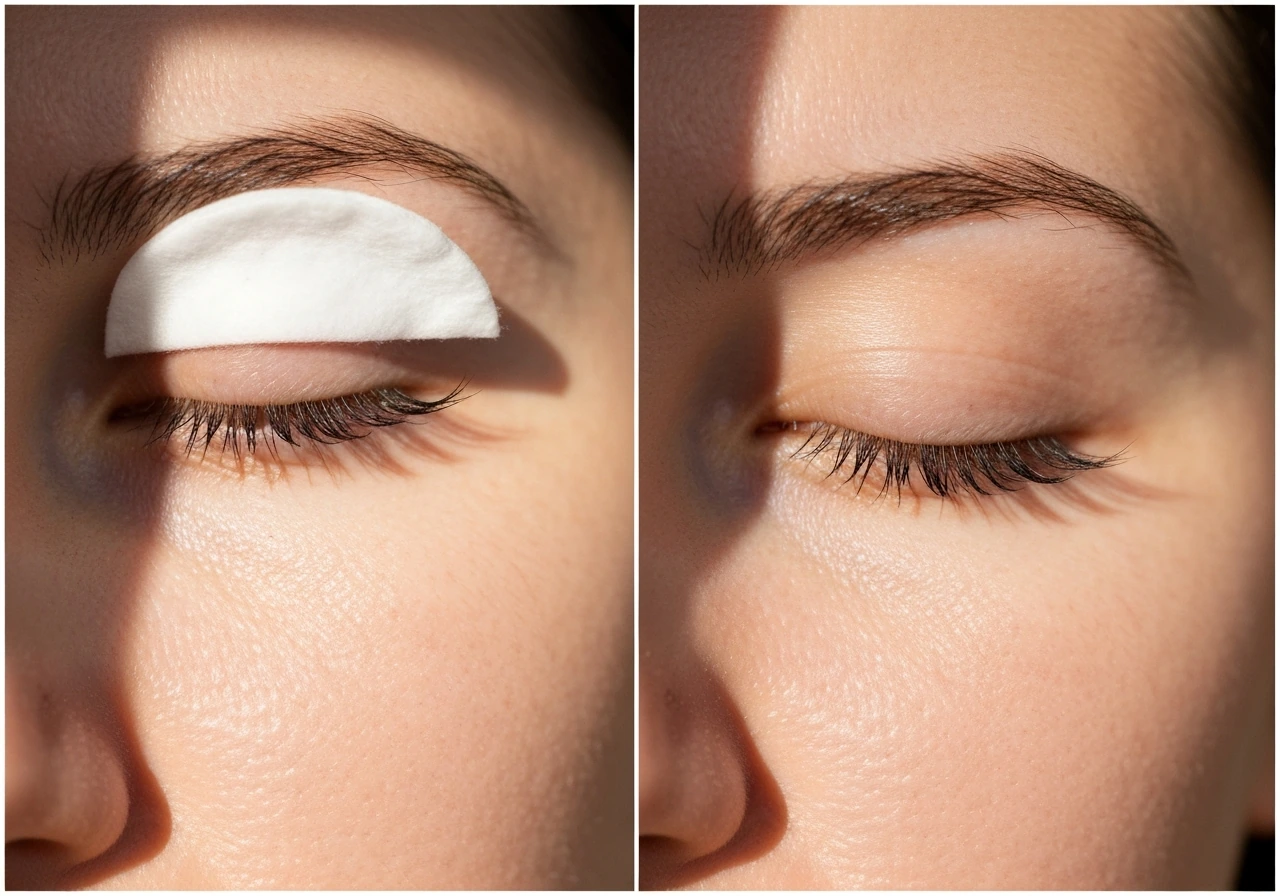
The distinction matters a lot here. There is a real difference between something that helps lashes grow (meaning it acts on the follicle biology to produce longer, denser strands) and something that helps lashes look better or reduces the conditions that cause breakage. Witch hazel falls into the second category, and even there, the evidence is thin and the risks are real.
The case for witch hazel in the lash area goes something like this: it has anti-inflammatory properties, it can calm irritated eyelid skin, and by reducing lid inflammation you might prevent some of the follicle stress that leads to shedding. That logic is not completely unreasonable. But it stops well short of proving that witch hazel triggers new growth or extends the anagen phase. Anyone claiming it grows lashes is getting ahead of the evidence.
- Can do: temporarily reduce redness and oiliness at the eyelid margin
- Can do: mildly soothe minor eyelid irritation in people who tolerate it well
- Can do: help clean the lash line when diluted and used carefully
- Cannot do: stimulate follicle activity or trigger new lash growth
- Cannot do: extend the anagen (growth) phase of the eyelash cycle
- Cannot do: reverse lash thinning caused by medical conditions, traction, or hormonal changes
How your lashes actually grow (and why the cycle is the real bottleneck)
Every lash grows from a follicle embedded in the eyelid margin, and each follicle runs through three phases: anagen (active growth), catagen (transition and shutdown), and telogen (rest, followed by shedding). The reason your lashes never get as long as your scalp hair is that the anagen phase for eyelashes is extremely short, typically around 30 to 45 days, compared with two to six years for scalp hair. Once that phase ends, the follicle rests and the lash falls out naturally.
This is why most at-home remedies disappoint. If a product cannot meaningfully extend or re-enter the anagen phase, it cannot grow your lashes longer in any real biological sense. The only proven way to do that topically is with prostaglandin analogs like bimatoprost, which have randomized controlled trial data behind them. In a vehicle-controlled randomized controlled trial, bimatoprost 0.03% increased eyelash length, thickness, and darkness when applied to the upper eyelid margin bimatoprost, which have randomized controlled trial data behind them. Everything else, including witch hazel, castor oil, and most serum ingredients, is working around the edges of that cycle rather than inside it.
Damage is a separate issue worth separating out. If your lashes are thinning or breaking because of eyelid inflammation, harsh extension glue, over-rubbing, or traction from extensions, the follicle may not be the core problem. The lash shaft is just getting physically damaged or shed early. Reducing that damage can make a visible difference in fullness and length, but again, that is reduction of loss, not acceleration of growth.
What's actually in witch hazel and why it won't move the needle on growth
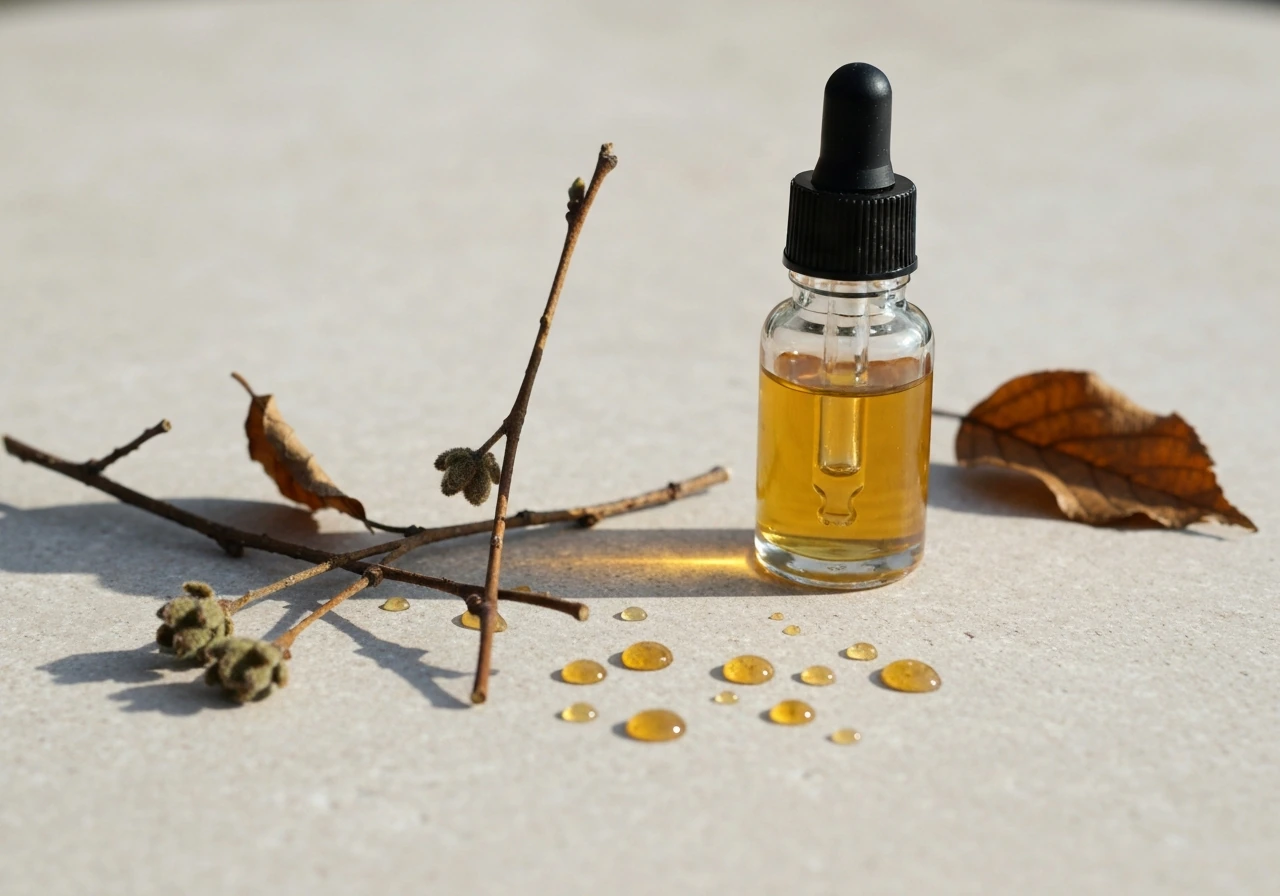
Witch hazel (Hamamelis virginiana) contains tannins, specifically hamamelitannins, along with gallic acid and flavonoids. These compounds are responsible for the astringent and mild anti-inflammatory effects the plant is known for. In pharmacy reviews of its properties, witch hazel is consistently described as a skin-calming, wound-supportive, and anti-inflammatory ingredient. No review connects these mechanisms to follicle stimulation or anagen extension in eyelash tissue.
The astringency is actually the part that makes it interesting for eyelid hygiene but problematic for lash growth hopes. Tannins tighten and dry tissues. That can calm an oily, irritated eyelid margin, but drying out the skin around follicles is not a growth signal. If anything, repeated drying of the delicate periocular skin could do the opposite of what you want.
The real risks of using witch hazel near your eyes
The eye area is one of the most sensitive zones on your face, and the FDA specifically flags it as a high-risk zone for cosmetic irritation and allergic reactions. Witch hazel is not formulated for ophthalmic use. Applied near the lash line, it can cause stinging, redness, contact dermatitis, and if it gets into the eye itself, significant irritation. The FDA's own cosmetics safety guidance says to stop any eye-area product immediately if irritation occurs.
If you have blepharitis (inflammation of the eyelid margins, often involving the hair follicles), using an astringent like witch hazel can make the condition worse. Blepharitis management is built on gentle eyelid hygiene and warm compresses, not astringents. The Merck Manual and Harvard Health both describe the first-line approach as careful cleansing and warm compress therapy, with antibiotics or steroids added when that fails. Introducing witch hazel into an already inflamed lid margin can disrupt that balance.
- Avoid witch hazel if you have active blepharitis, styes, or any open eyelid irritation
- Never apply undiluted witch hazel directly to the lash line
- Always patch test on the inner arm first, at least 24 hours before trying near the eyes
- Stop immediately if you notice stinging, redness, swelling, or any change in vision
- Do not use witch hazel near the eyes if you wear contact lenses during application
- Keep it well away from the tear line and inner corner of the eye
Witch hazel vs. options that actually have evidence behind them
If you are weighing witch hazel against other approaches you have read about, here is a straight comparison of what each can realistically do for lash growth or appearance.
| Option | Growth Evidence | Realistic Benefit | Timeline | Main Risk |
|---|---|---|---|---|
| Witch hazel | None | Mild eyelid soothing, cleansing | Immediate (cosmetic only) | Irritation, dryness, allergy |
| Bimatoprost 0.03% (Rx) | Strong (RCT-level) | Longer, thicker, darker lashes | 8 to 16 weeks | Iris pigmentation, lid darkening |
| Castor oil | Very limited | Coating/conditioning shaft, some anti-inflammatory lid benefit | No clear timeline | Can clog follicles if overused |
| Biotin (oral) | Weak for non-deficient users | May support hair protein synthesis if deficient | 3 to 6 months | Minimal, but can skew lab results |
| Oil-based serums (rosehip, grape seed, maracuja) | Minimal direct growth evidence | Conditioning, reduced breakage | Ongoing maintenance | Generally low if formulated for eyes |
| Eyelid hygiene + warm compresses | Strong for blepharitis-related loss | Reduces inflammation-driven shedding | 2 to 4 weeks | Almost none when done correctly |
Bimatoprost is the only topically applied ingredient with genuine randomized controlled trial evidence for growing lashes longer and denser. It requires a prescription in most countries, but it is also the benchmark against which everything else should be measured. Castor oil gets a lot of attention and has one randomized trial showing some benefit in blepharitis specifically, but the evidence for healthy lash growth in people without that condition is weak. Oils like rosehip, maracuja, grape seed, and fish oil can condition the lash shaft and reduce breakage, which makes lashes look fuller and last longer between shed cycles, but none of them have clinical proof of triggering new follicle activity either. Maracuja (passionfruit) oil is best thought of as a conditioning ingredient that may reduce lash breakage, but it has not been clinically shown to make eyelashes grow longer. Rosehip oil may help condition the lash shaft and reduce breakage, but it does not have clinical proof that it helps eyelashes grow longer.
A practical routine you can start today
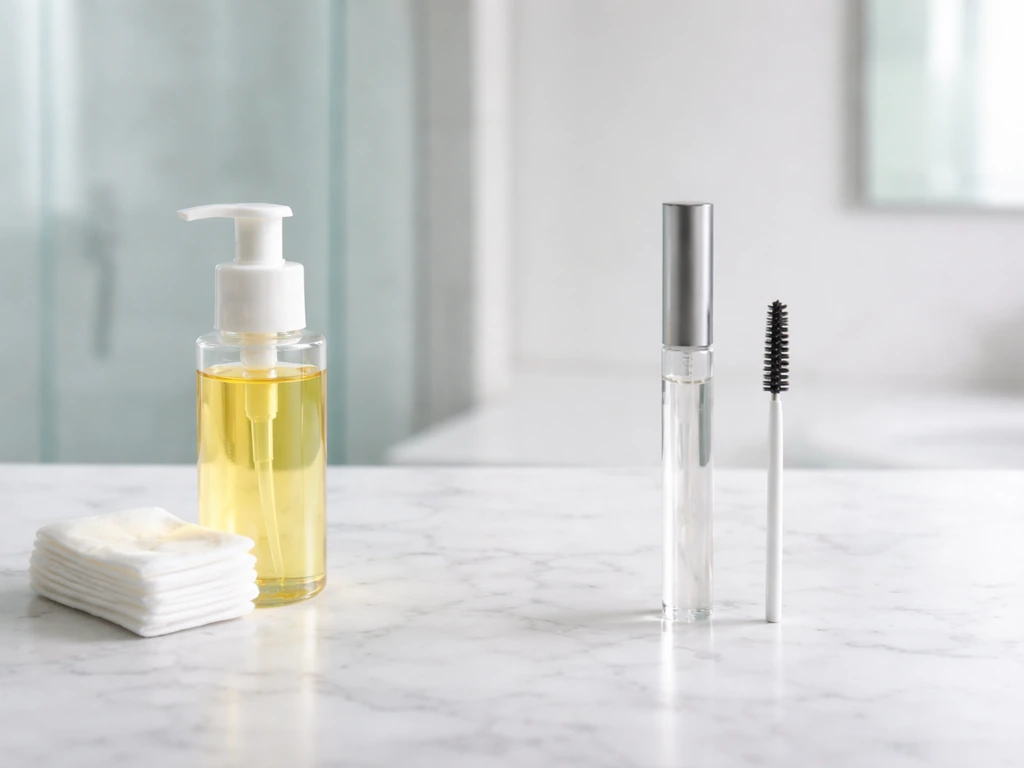
If your goal is healthier, longer-looking lashes, skip the witch hazel and build a routine around what actually supports the lash cycle and prevents damage. Here is what that looks like in practice.
- Evening cleanse: Use a gentle, oil-based or micellar cleanser to remove makeup, debris, and any glue residue from the lash line. This keeps follicles clear without stripping the lid skin.
- Warm compress (if you have any lid inflammation): Soak a clean cloth in warm (not hot) water, hold against closed eyes for 5 to 10 minutes. This supports meibomian gland function and reduces the kind of eyelid inflammation that accelerates shedding.
- Conditioning oil (optional): A small amount of castor oil or a nourishing oil like grape seed or rosehip, applied with a clean spoolie to the lash base, can reduce physical breakage. Use sparingly, once a night.
- Lash serum (if you want the best shot at growth): A peptide-based OTC lash serum or, for more significant regrowth, a bimatoprost prescription from your dermatologist or ophthalmologist. Apply to the upper lash line only, as directed.
- Morning: No heavy pulling or rubbing when removing eye makeup. Use a gentle remover on a pad held against the lashes rather than scrubbing.
What timeline to expect
For damage recovery (after extensions, traction, or irritation), you are looking at one full lash cycle, which is roughly 6 to 8 weeks before you see meaningful new lash density. During that time, reducing further damage is the whole job. For bimatoprost or clinical serum users, the research shows measurable improvements in length and fullness at around 8 to 16 weeks of consistent use. For oil-based conditioning approaches, there is no defined timeline because the effect is about maintenance rather than growth, but you should notice less breakage within a few weeks.
When to stop what you're doing and see a doctor
Some lash thinning has nothing to do with products or habits and everything to do with an underlying condition. If you are losing lashes consistently across most of the lash line (not just a few normal shed cycles), or if the lash loss is accompanied by eyelid scaling, redness, itching, or swollen margins, that is a blepharitis or skin condition that needs medical evaluation. Chronic blepharitis can cause permanent follicle damage if left untreated, and the Merck Manual is clear that cases not responding to warm compresses and hygiene need escalation to prescription treatment.
If your lash thinning started after a major stressor, hormonal shift, thyroid issue, or chemotherapy, the same principle applies. These are systemic triggers that no topical product, witch hazel or otherwise, is going to fix. A dermatologist can test for the underlying cause and is also the right person to prescribe bimatoprost if you are a good candidate.
- Lash loss across the entire lash line, not just occasional shedding
- Eyelid margin scaling, crustiness, or persistent redness that does not improve with gentle cleansing
- Any stinging, blurred vision, or eye discomfort after applying any product near the lash line
- Lash thinning that started with a health event (thyroid changes, autoimmune flare, chemotherapy)
- Traction alopecia from extensions that has not improved after 8 to 12 weeks off extensions
- Signs of allergic contact dermatitis: spreading redness, swelling, or intense itch around the eye
The bottom line is straightforward. Grape seed oil is another natural oil people ask about, but the question is whether it actually supports lash growth the way proven treatments do does grape seed oil help eyelashes grow. Witch hazel is not a lash growth ingredient, and the eye area is too sensitive to use it casually on the hope that it might help. If your lashes need real recovery, invest the time in a gentle cleansing and conditioning routine, be patient with the biology of the lash cycle, and talk to a doctor if the loss seems disproportionate or persistent. There are proven options worth trying before reaching for an astringent that was never designed for follicle stimulation.
FAQ
If witch hazel reduces irritation, why doesn’t it make lashes grow?
No. Witch hazel is not proven to extend the lash growth (anagen) phase, so even if your eyelid feels calmer, you should not expect measurable new lash length or density from lash-line application.
How often can I safely use witch hazel near my lash line?
Because it is easy to overapply and the area is extremely sensitive. Stinging and redness can happen quickly, and if you use it more often to “boost results,” you may increase irritation that worsens shedding.
What should I do instead of witch hazel if I suspect blepharitis?
Do not use it as a first response if your lid margins are inflamed. For suspected blepharitis, the usual approach is gentle eyelid hygiene plus warm compresses, and escalation to prescription treatment when hygiene alone is not enough.
What signs mean I should stop witch hazel and get help?
If you get contact dermatitis or ongoing redness after a product touches the eye area, stop immediately and switch to eye-area products designed for ophthalmic safety. Persistent symptoms or swelling should be evaluated by an eye professional.
Can witch hazel make lashes look fuller even if it doesn’t grow them?
Witch hazel can help with oily-looking, irritated eyelids in the short term, but it is not a substitute for preventing breakage. For breakage, focus on reducing friction (no aggressive rubbing), using gentle cleansers, and limiting extension-related trauma.
Does witch hazel work for lash loss caused by hormones or stress?
Yes, and it can be a wasted effort. If your thinning is due to systemic causes or medication effects, topical witch hazel will not correct the underlying driver, so a medical workup is often more helpful.
Is it okay to combine witch hazel with a lash-growth product like bimatoprost?
If you are using bimatoprost or another growth treatment, don’t add witch hazel to “support” it. Irritation from an astringent could confound results and make the lash margin less stable, which can lead to more shedding or discomfort.
What happens if witch hazel dries out the skin around my eyes?
Witch hazel may temporarily reduce oiliness, but drying from tannins can make periocular skin feel tighter. If your eyelids become flaky or more irritated, discontinue and switch to a gentler cleansing approach.
How long should I wait before judging whether witch hazel helped?
If you do notice improvement, it is more likely cosmetic and short-term, like less surface oil or less irritation. Lash regrowth expectations should be based on the normal cycle, not on how your eyelids feel over a few days.
Are there common mistakes that make witch hazel more risky for eyes?
Yes, avoid DIY or concentrated preparations, and never apply it inside the eye. If you accidentally get it in your eye and it burns or remains irritated, rinse thoroughly and seek eye care if symptoms persist.
Next Article
Does Mustard Oil Grow Eyelashes? Safety and What Works
Find out if mustard oil grows eyelashes, risks to eyelids, and safer options with realistic timelines and when to see a
