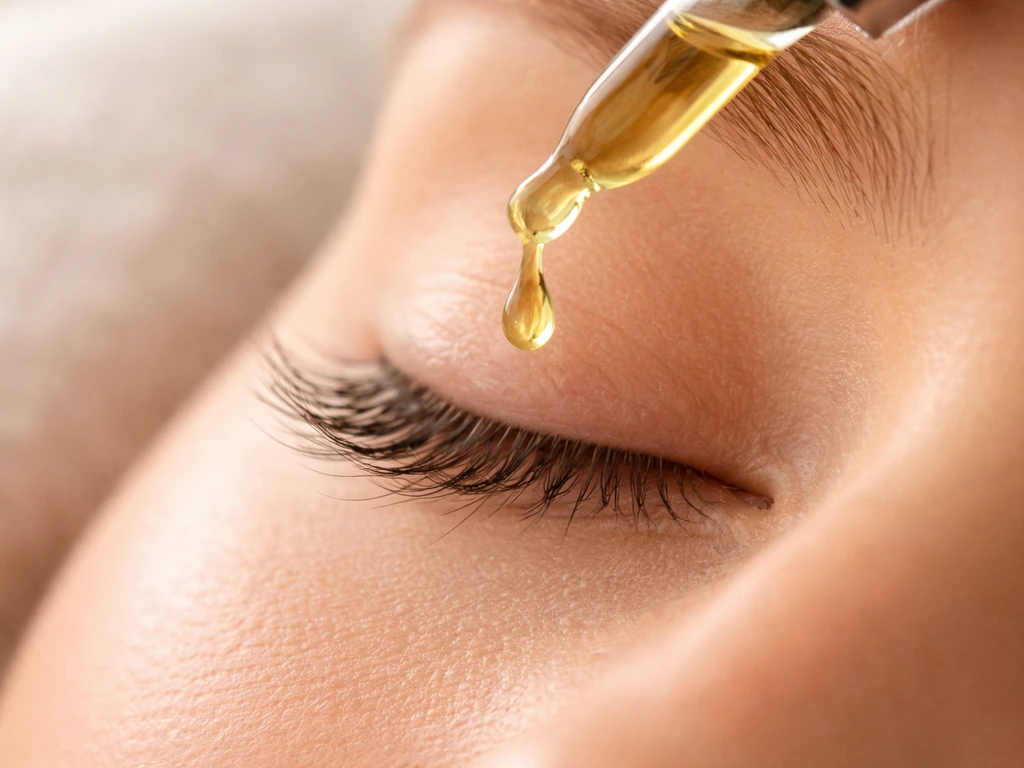
Grape seed oil will not make your eyelashes grow longer in any clinically proven way. What it can realistically do is condition lash fibers, reduce brittleness, and help prevent the mechanical breakage and shedding that make lashes look thin and short. For someone dealing with damaged lashes from extensions, rubbing, or general neglect, that conditioning effect is genuinely useful. But if you're expecting new follicle growth from an oil, you need to know upfront that no carrier oil, including grape seed oil, has the kind of human clinical evidence behind it that prostaglandin-analog serums do.
Does Grape Seed Oil Help Eyelashes Grow? What to Expect
Rachel Nguyen
11 Jun 2026
What grape seed oil is claimed to do vs what's actually known
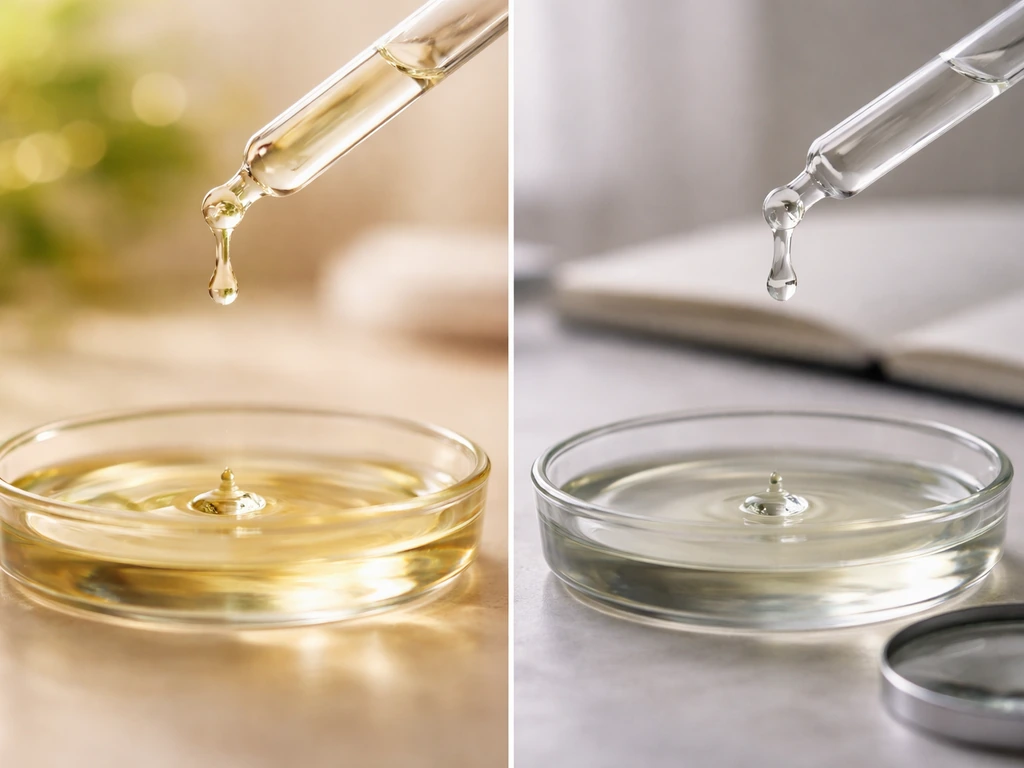
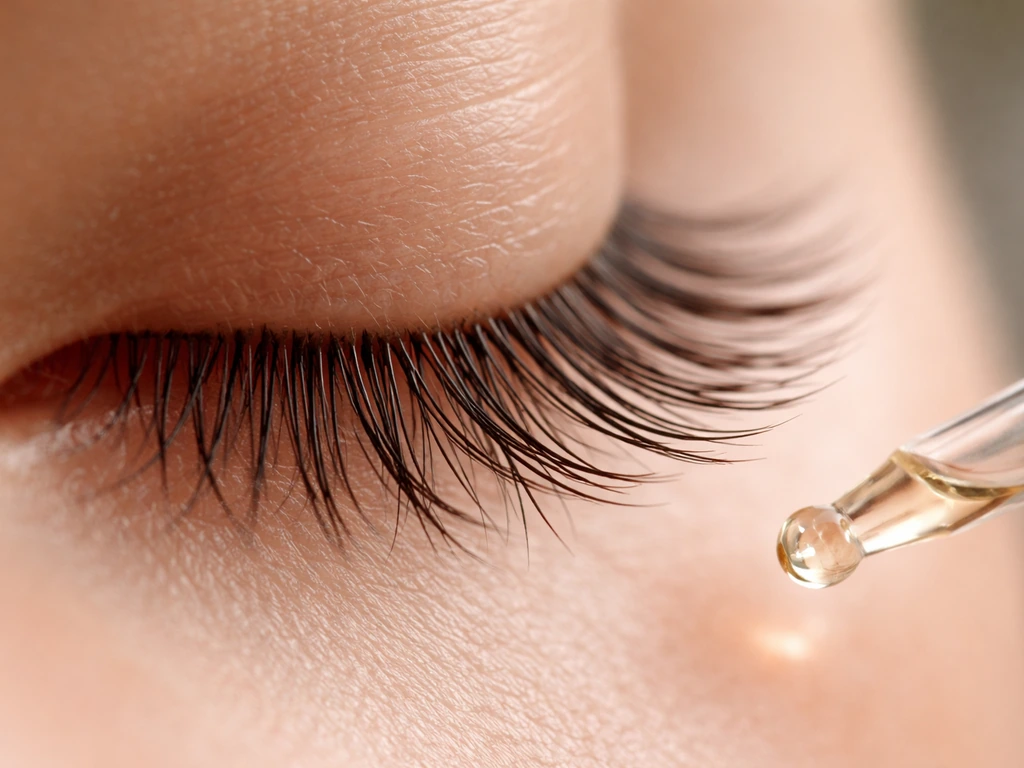
Most marketing around grape seed oil for eyelashes leans on its fatty acid profile and antioxidant content. Those claims aren't entirely made up, but they're stretched. Grape seed oil is genuinely high in linoleic acid (around 66 to 75% of total fatty acids, depending on extraction method) and oleic acid (roughly 20 to 40%), plus a solid dose of vitamin E and phytosterols. Cold-pressed versions retain more of these lipophilic compounds. Linoleic acid is a legitimate skin-barrier component, and vitamin E has antioxidant properties. The logical leap from those facts to "your eyelashes will grow" is where things get wobbly.
What the science actually supports is this: oils rich in linoleic acid can help maintain the lipid barrier of hair fibers and the skin around the follicle, which may reduce moisture loss and brittleness. Reduced brittleness means fewer lashes snapping off before they complete their growth cycle. That's a real, if modest, mechanism. It's conditioning, not stimulation. No study has shown grape seed oil to extend the anagen (active growth) phase, increase the number of active follicles, or accelerate the lash cycle in humans.
The FDA has also sent warning letters to cosmetic lash product companies for making physiological hair-growth claims without drug approval. Any oil or serum marketed with language like "stimulates follicles" or "triggers new lash growth" is either making an unsubstantiated claim or crossing into drug-claim territory that the FDA has specifically flagged. Grape seed oil itself is just a cosmetic ingredient, so it avoids that regulatory problem, but it also means you can't expect what those stronger (and legally questionable) products imply.
What evidence actually exists for oils and lash thickness or length
The honest answer is: not much, and almost none of it is in humans. There's a 2018 mouse study on safflower oil (another linoleic-acid-rich oil) that gets cited as indirect evidence for fatty acids supporting hair growth, but mouse follicle biology doesn't translate cleanly to human eyelashes. Olive oil, which gets similar marketing attention, has been assessed by clinicians as having little research supporting lash growth. Castor oil, probably the most popular natural lash remedy, has a lot of anecdotal support and a reasonable fatty acid and ricinoleic acid profile, but it also lacks controlled human trials specifically measuring eyelash length or thickness.
Compare that to what we know about prostaglandin analogs like bimatoprost (Latisse). A pivotal trial showed a mean increase of approximately 1.4 mm in eyelash length by week 16, versus about 0.1 mm in the vehicle group. That's measurable, replicated, and mechanism-explained: prostaglandin analogs extend the anagen phase and shorten the gap between telogen and the start of the next growth cycle. No oil has data like that. The gap between oils and actives isn't a minor one.
Where oils earn their place is in the conditioning and damage-prevention category. Witch hazel is also usually discussed as a conditioning ingredient, but there is not strong human evidence that it makes eyelashes grow longer. If your lashes are brittle, flaking at the tips, or snapping from extension glue damage or aggressive eye rubbing, an emollient oil applied carefully can help the existing lashes stay intact long enough to complete their growth cycle. That's a real benefit, just a narrower one than the marketing suggests.
How to use grape seed oil on your eyelashes safely
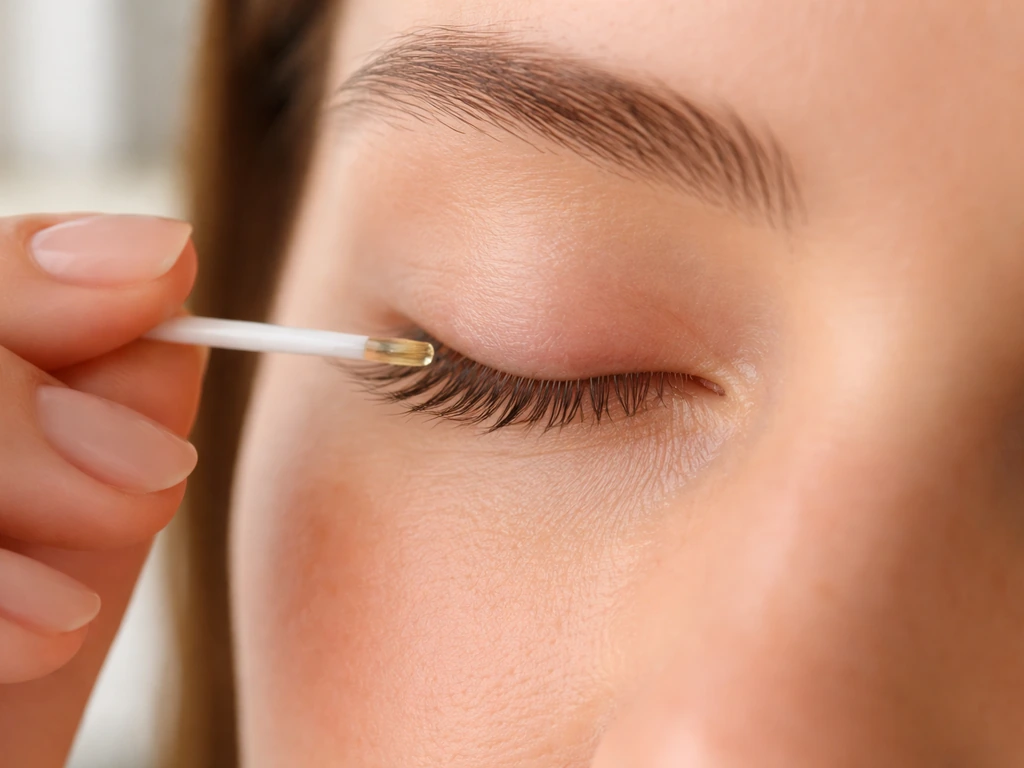
If you decide to try it, application method matters a lot here, both for results and for avoiding eye irritation. Grape seed oil is thinner and less viscous than castor oil, which actually makes it a little easier to work with near the eye area.
- Start with a clean face. Remove all makeup, especially mascara and any eye primer. Any residue on the lash line can trap bacteria under the oil.
- Use a clean, small applicator: a dedicated lash wand (the kind that comes with mascara, washed thoroughly), a clean cotton swab, or a thin eyeliner brush works well. Do not use your fingers directly on the lash line.
- Dip the applicator into a small amount of grape seed oil, maybe 1 to 2 drops maximum. Blot off the excess on the back of your clean hand so you're working with a thin film, not a dripping wand.
- Apply along the upper lash line at the base of the lashes, using light strokes from inner to outer corner. Think of it like applying a thin coat of eyeliner, not painting a wall.
- Avoid getting oil directly on the ocular surface (the eye itself). If oil flows into your eye, rinse with clean water. The eyelid margin is your target, not the inner rim or the waterline.
- For the lower lashes, apply even more conservatively. Lower lid application increases the risk of oil migrating onto the eye surface.
- Leave it on overnight and rinse gently with your normal face wash in the morning.
- Clean your applicator after every use or use a fresh one each time. Reusing contaminated applicators near the eye is how infections start.
- Use it once daily, at night. There's no benefit to twice-daily application and it increases the risk of product buildup around the follicles.
Timeline: what to realistically expect and when
Eyelashes follow a three-phase cycle: anagen (active growth, roughly 4 to 10 weeks), catagen (degradation, about 2 to 3 weeks), and telogen (resting, before the lash sheds and a new one starts). At any given time, roughly half your lashes are in the anagen phase. That means changes to your lash appearance play out over multiple weeks to months, not days.
With grape seed oil specifically, here's a realistic timeline: In the first one to two weeks, you might notice lashes feel less dry and brittle. That's the conditioning effect kicking in. By weeks three to six, if breakage was a significant factor in your lash appearance, you may notice lashes looking fuller simply because fewer are snapping off mid-cycle. What you're seeing isn't new growth, it's retention of what you already had. If you're expecting measurable length increases like the kind bimatoprost produces clinically, grape seed oil alone is unlikely to deliver that in any clear, comparable way.
If you've experienced significant lash loss from extensions, a medical condition, or aggressive rubbing, recovery follows the natural lash cycle regardless of what you apply. A new lash in anagen can take 4 to 10 weeks to grow in and reach full length. An oil can support that process by keeping conditions around the follicle healthier, but it can't speed up follicle biology. Give any conditioning approach at least a full 8 to 12 weeks before judging whether it's helping, since you're waiting on the lash cycle itself.
Risks, side effects, and who should skip it entirely
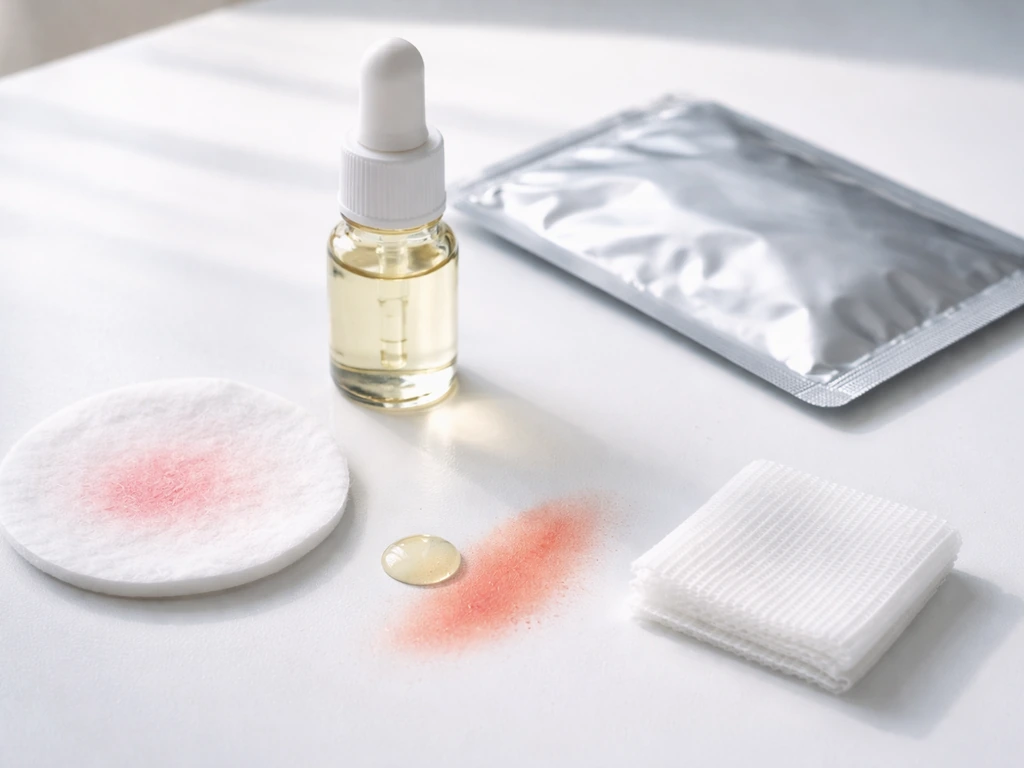
Grape seed oil is generally considered low-irritancy and is lighter than many other oils, which is a point in its favor for use near the eye. PMC’s product-spotlight guidance treats cosmetic oils as low-irritancy options when used appropriately near the eye, but it still does not support eyelash-length growth claims low-irritancy cosmetic ingredient. But the eye area is not like skin on your arm. Even mild ingredients can cause problems here.
- Allergic or contact dermatitis reaction: Any oil can trigger a reaction in sensitive individuals. Patch test grape seed oil on your inner arm for 24 hours before applying it near your eyes.
- Follicle congestion: Daily oil application can contribute to buildup around lash follicles, potentially clogging them and contributing to conditions like blepharitis, which involves inflammation at the eyelid margin and eyelash follicles.
- Eye surface irritation: If oil migrates onto the cornea or conjunctiva, it can cause temporary blurring, irritation, or a gritty sensation.
- Infection risk: Applying any product near the lash line with a contaminated applicator can introduce bacteria. The FDA specifically advises against using eye-area cosmetics when skin is inflamed or an infection is present.
- Interaction with contact lenses: Oil residue on or near the lenses can affect comfort and lens integrity. Remove contacts before application and wait until the next morning to reinsert them.
- Post-extension or post-perm lash damage: If you've recently had a lash lift, perm, or extension removal and the lash line is already irritated, introducing any new product, including an oil, can worsen inflammation.
You should avoid grape seed oil on your lash line if you have active blepharitis, a stye, conjunctivitis, or any ongoing eye infection. If you have a known grape or wine allergy, this oil is also a hard skip. Anyone with a history of periocular skin sensitivity or who has had reactions to eye-area cosmetics before should approach this cautiously or consult a dermatologist or ophthalmologist first.
Better-supported options and how to build a simple routine today
Here's how the main options stack up honestly, so you can decide where grape seed oil fits in your routine:
| Option | Evidence level | Primary mechanism | Realistic outcome | Key consideration |
|---|---|---|---|---|
| Grape seed oil | Low (no human lash trials) | Conditioning, reduces breakage | Less brittleness, modest retention of existing lashes | Low risk if applied correctly; no follicle stimulation |
| Castor oil | Low (anecdotal, no controlled lash trials) | Conditioning, ricinoleic acid barrier support | Similar to grape seed oil; slightly more viscous | Popular, but thicker and harder to apply cleanly near eye |
| Peptide-based lash serums | Moderate (ingredient-level evidence for conditioning and some follicle support) | Keratin precursors, conditioning, some may support follicle environment | Gradual improvement in thickness and retention over 8 to 12 weeks | Widely available OTC; variable formula quality |
| Bimatoprost (Latisse, Rx) | High (RCT data, FDA-approved) | Extends anagen phase, increases follicle output | Mean ~1.4 mm length increase by week 16 in pivotal trial | Requires prescription; meaningful ocular side effect profile |
| Rosehip oil / Maracuja oil | Low (no human lash trials) | Conditioning, fatty acid support | Similar to grape seed oil; depends on individual lash condition | Reasonable alternatives if grape seed oil causes sensitivity |
My practical recommendation: grape seed oil is worth trying if your lash issues are primarily about breakage, dryness, or post-extension damage, and you want a low-cost, low-risk starting point. Use it as described above, once nightly for 8 to 12 weeks, and evaluate whether lash retention improves. If you're dealing with noticeable thinning, shedding beyond normal daily loss (losing more than a few lashes a day), or lash loss connected to a medical condition, that's a situation where conditioning oils alone aren't the right tool and a conversation with a dermatologist about prescription options is the more direct path.
For an at-home routine today, here's what makes practical sense: use grape seed oil (or castor oil if you prefer the feel) at the lash base nightly, pair it with a gentle, non-oil-stripping cleanser to keep the lash line clear of buildup, avoid mascara and eye rubbing on nights you apply it, and give the full lash cycle time to play out before switching products. If you want to layer in more support, a well-formulated peptide serum applied in the morning (before any oil, which would block absorption) adds a conditioning and potentially follicle-supportive layer without the prescription requirements. Other oils like rosehip oil or maracuja oil work on similar conditioning principles and are worth considering if grape seed oil doesn't suit your skin. Rosehip oil is often marketed the same way, but it should also be seen mainly as conditioning rather than true eyelash growth.
Bottom line: grape seed oil is a reasonable, inexpensive, low-risk conditioning tool for lashes. It's not a growth serum. Treat it like what it is, a supportive ingredient that keeps lashes healthier between growth cycles, and you'll get real (if modest) value from it. Expect anything more and you'll be disappointed after week 12.
FAQ
If grape seed oil does not grow lashes, why do people say it works?
It is unlikely to help with new follicle growth. If you see “more fullness” after several weeks, it’s usually because existing lashes are snapping less and staying in place longer, so the change reflects retention, not a longer growth cycle.
How long should I use grape seed oil before I judge results?
Because oils act on the lash fibers and the area around the follicle, you typically need one full lash cycle to judge results. Plan on 8 to 12 weeks before deciding it is helping, since lashes naturally shed and regrow over that timeline.
Can I use grape seed oil if I wear eyelash extensions?
Yes, but only for conditioning, not growth. If you use it during a period of extension wear, focus on lash-base hygiene and avoid getting oil into the extension bond area, since extra buildup can make extensions irritate more and lead to more loss when they come off.
What is the safest way to apply grape seed oil near the eyes?
Do not apply it directly to the waterline or inside the eyelid margin. Apply a thin amount at the lash base with a clean applicator, keep it off the eye surface, and stop if you feel burning, tearing, or worsening redness.
Can I apply grape seed oil more than once a day to speed results?
More is not better. Over-application increases the chance of migration into the eye and can worsen irritation or clog lash-line buildup. A light coating is usually enough to reduce dryness and brittleness.
How should grape seed oil fit with peptide serums, mascara, or other lash products?
It can be tricky if you are using other lash products because oils may affect how other ingredients spread or absorb. If you use a peptide serum or any medicated product, apply it in the morning and keep the oil as your last step at night to minimize interference.
When should lash shedding be checked by a doctor instead of treated with oils?
If you are losing more than a few lashes per day, have patchy thinning, sudden changes, significant itching or irritation, or lashes falling out with inflammation, conditioning oils are unlikely to address the cause. A dermatologist or ophthalmologist can check for blepharitis, dermatitis, thyroid issues, or medication-related hair changes.
Who should avoid grape seed oil on the lash line?
If you have active eye infection signs such as redness with discharge, a stye, or conjunctivitis symptoms, pause and avoid application. Also skip if you have a known grape or wine allergy, and be extra cautious if you have reacted to other eye-area cosmetics in the past.
Is grape seed oil a cheaper alternative to prescription eyelash growth treatments?
No, you should not expect dramatic length changes like those seen with prostaglandin analogs. If your goal is measurable millimeter-level length increase, prescription options are the category with evidence, while oils generally support damage prevention and appearance.
What changes should I expect during the first few weeks?
Many people feel dryness improves before appearance changes. In the first 1 to 2 weeks, you may notice lashes feel less brittle, while fuller-looking lashes from reduced breakage usually becomes more noticeable later, around weeks 3 to 6.
Next Article
Does Maracuja Oil Help Eyelashes Grow? What to Expect
Find out if maracuja oil grows lashes, what to expect, safe use steps, timeline, and how it compares to castor and serum