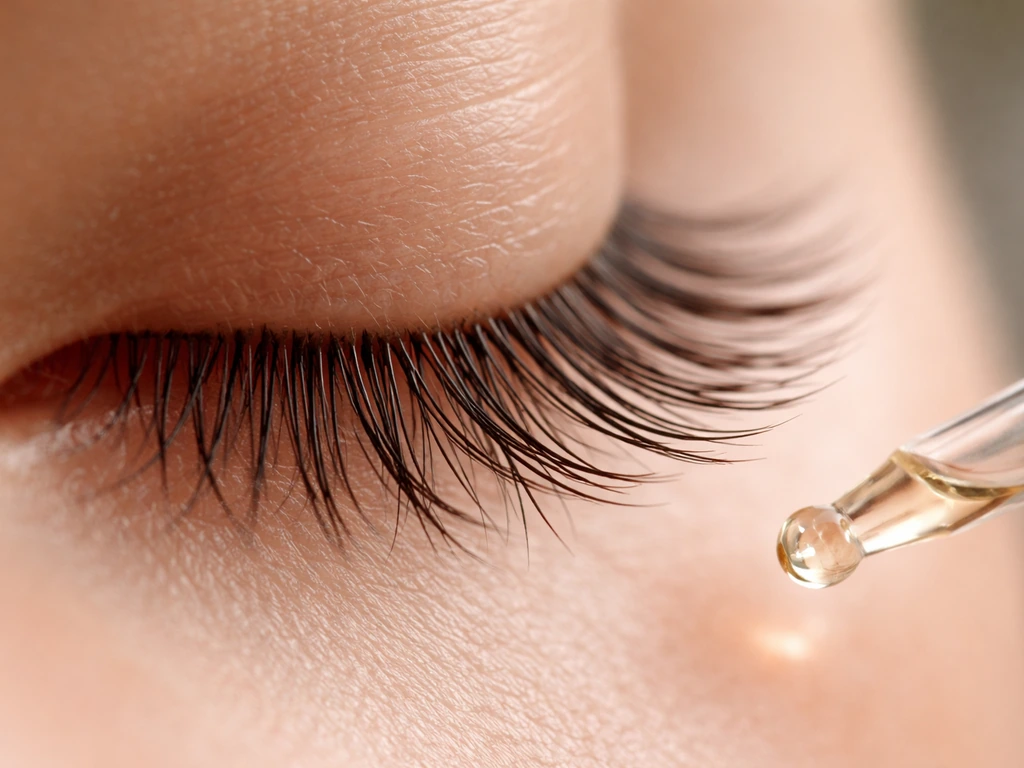
Rosehip oil can support healthier-looking lashes by conditioning the lash hair itself and moisturizing the skin along the lash line, which reduces brittleness and breakage. But it does not stimulate lash follicles or extend the growth phase the way a prostaglandin-based serum like bimatoprost does. So the honest answer is: rosehip oil can improve lash appearance and reduce shedding caused by dryness, but it is not a true lash-growth ingredient.
Does Rosehip Oil Help Eyelashes Grow? What to Expect
Rachel Nguyen
13 Jun 2026
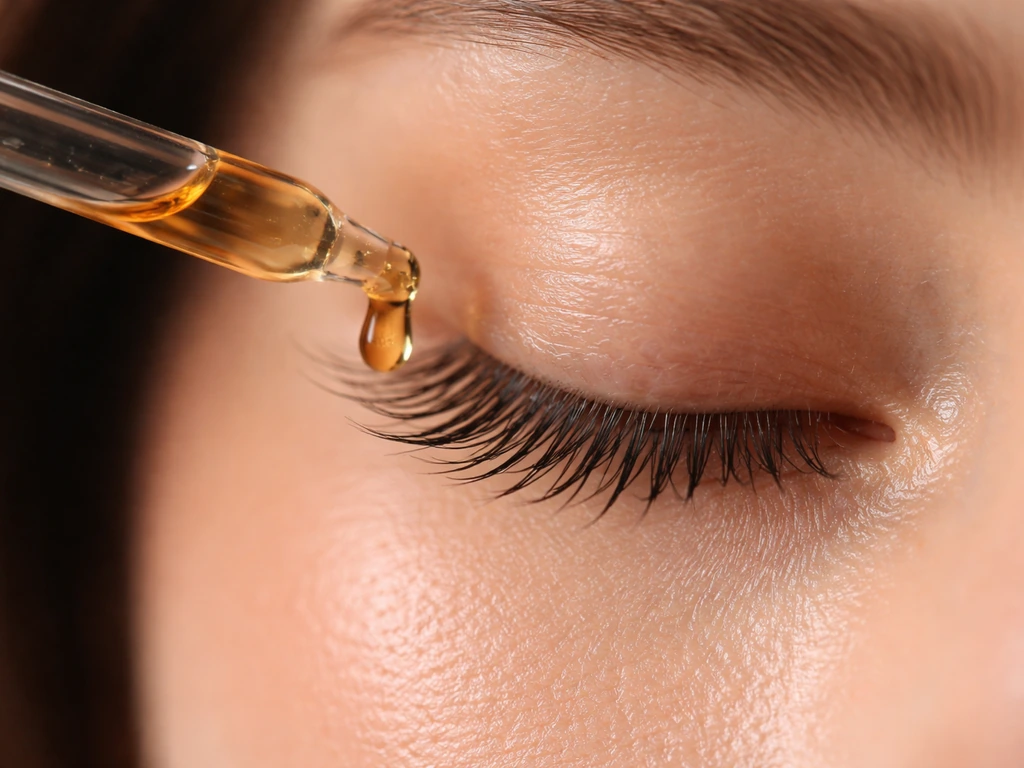
What rosehip oil can and can't actually do for lashes
Rosehip oil is pressed from the seeds of Rosa canina hips, and its fatty acid profile is genuinely impressive for a skin and hair conditioner. It runs roughly 55% linoleic acid, 18% alpha-linolenic acid, and 17% oleic acid, plus carotenoids, tocopherols, and phytosterols. That combination makes it a strong barrier-repairing, antioxidant-rich oil, which is why it is popular in facial skincare.
Applied to lashes, those same properties mean the oil can coat the lash shaft and reduce moisture loss, keeping individual hairs more flexible and less prone to snapping. It can also condition the thin eyelid skin right at the lash line, which matters more than people realize: dry, irritated skin around follicles can contribute to premature lash shedding. So rosehip oil addresses the environment around the lash more than the lash follicle itself.
What it cannot do is push a resting follicle into the growth (anagen) phase or meaningfully extend how long that phase lasts. Eyelash anagen phases are already short compared to scalp hair, typically lasting just 30 to 45 days before the lash naturally sheds. No cosmetic oil has been shown in controlled human trials to change that cycle. Witch hazel is often marketed for lash growth, but there is not strong clinical evidence that it can help eyelashes grow longer does witch hazel help eyelashes grow. The visual improvement you might notice from using rosehip oil consistently is almost certainly coming from less breakage and less premature shedding rather than actual new growth.
How it compares with other lash options
The only ingredient with strong controlled-trial evidence for true eyelash growth is bimatoprost 0.03% (sold as Latisse). A randomized, double-masked, vehicle-controlled multicenter trial showed it produced measurable increases in eyelash length, thickness, and darkness when applied once daily to the upper eyelid margin. The FDA approved it specifically for eyelash hypotrichosis based on that evidence. Long-term trials running up to 12 months confirmed those gains held and extended to people with chemotherapy-induced lash loss as well. No cosmetic oil, rosehip included, has that level of human evidence behind it.
Castor oil is the most popular natural alternative and it shares some conditioning properties with rosehip oil, but it also lacks clinical trial evidence for follicle stimulation. The difference is that castor oil is thicker and occlusive, which some people find more physically coating for the lash. Rosehip oil is lighter and absorbs faster, making it arguably gentler on the eyelid skin and less likely to migrate into the eye.
Oils like grape seed oil work similarly as lightweight conditioners, while options like maracuja oil also sit in the conditioning category without strong lash-specific evidence. However, that same lightweight-conditioning idea is not the same as proven eyelash growth, so the question is still whether grape seed oil helps eyelashes grow. Maracuja oil is often marketed for lash care, but it does not have strong evidence showing it can boost eyelash growth.
None of them are in the same category as prescription-grade bimatoprost.
| Option | Evidence for true growth | Conditioning/appearance benefit | Ocular risk if misapplied |
|---|---|---|---|
| Rosehip oil | None in clinical trials | Yes, via fatty acids and antioxidants | Low (light oil, minimal irritancy) |
| Castor oil | None in clinical trials | Yes, strong occlusive coating | Low to moderate (thick, can blur vision temporarily) |
| Bimatoprost 0.03% (Latisse) | Strong: multiple RCTs, FDA-approved | Yes, plus measurable length/thickness gains | Moderate: conjunctival redness, lid pigmentation, pruritis possible |
| OTC peptide lash serums | Weak to moderate (small studies, no FDA approval for growth) | Yes | Low to moderate depending on formula |
| Grape seed oil | None in clinical trials | Yes, lightweight conditioning | Low |
Worth noting: bimatoprost's safety profile from pooled clinical trial data does include real side effects including conjunctival hyperemia, eyelid pruritus, blepharal pigmentation, erythema, and punctate keratitis. That does not mean you should avoid it if you have genuine lash thinning, but it does mean stronger actives carry real trade-offs that a gentle conditioning oil does not.
How to use rosehip oil on lashes safely
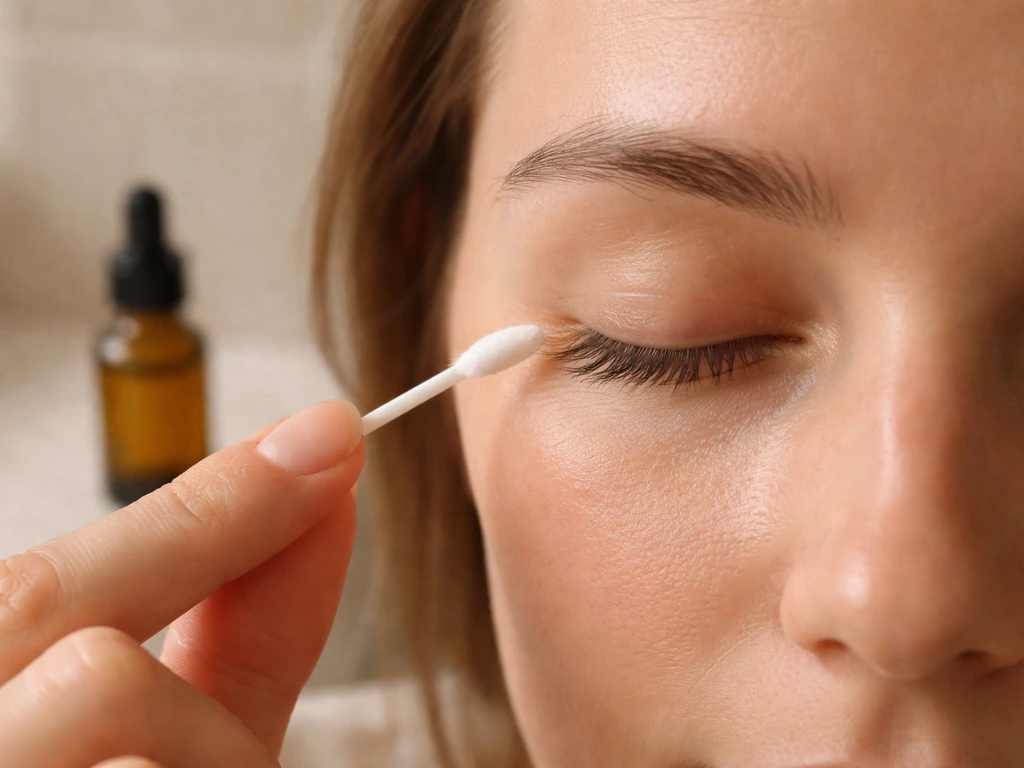
The eye area is delicate and reactive, so the application process matters. Rosehip oil is generally well-tolerated on skin, but it can still cause irritation in sensitive people, and getting any oil directly in the eye will blur vision and potentially cause irritation. Here is how to do it right.
- Patch test first: Apply a small amount to the inner wrist or behind the ear and wait 24 hours before using near the eyes. Rosehip oil is low-risk but not zero-risk, especially if your skin is sensitive.
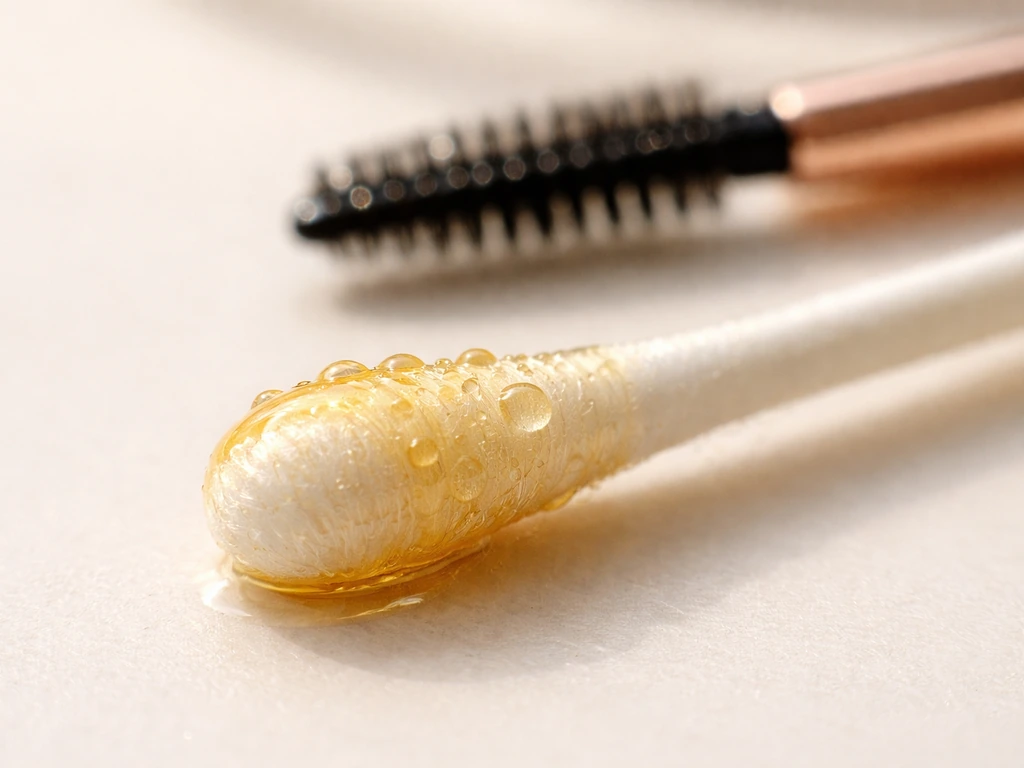
- Use a clean spoolie or cotton swab: Dip a clean, dry mascara spoolie into a small amount of oil (you need very little, one or two drops in a shallow dish). Brush through lashes from root to tip the same way you would mascara.
- Apply at night only: Apply to clean, makeup-free lashes before bed. This avoids interaction with sunscreen or makeup and reduces the chance of oil migrating into the eye while you are active.
- Keep the amount minimal: More is not better here. Excess oil pools at the lash line and increases the chance of it getting into the eye during sleep.
- Do not share applicators: Reusing or sharing spoolies near the eye creates contamination risk. Use a fresh spoolie or swab each time, or wash your dedicated spoolie with mild soap weekly.
- Avoid rosehip oil products with added fragrance or essential oils: Many blended face oils include rose absolute or citrus extracts that are significantly more irritating near eyes than the plain carrier oil.
- Skip it if you have active eye irritation or blepharitis flares: Apply only to calm, healthy lash lines.
When to expect results, and how to actually track them
If you are consistent, you might notice your lashes looking less brittle and slightly fuller within 4 to 6 weeks. That timeline aligns with one full lash growth cycle, roughly 30 to 45 days from growth through shedding. What you are likely seeing at that point is reduced breakage across a full cycle's worth of lashes, not new follicle activation.
To track your progress without fooling yourself, take a close-up photo of each eye in the same lighting before you start, then again at weeks 4, 8, and 12. Consistent lighting matters a lot here. Compare the photos side by side rather than relying on memory. If your lashes look fuller but not longer, that is consistent with a conditioning effect. If they look both fuller and noticeably longer, you may also have reduced early shedding enough to let more lashes reach their natural maximum length before falling out.
Twelve weeks is a fair trial period. If you see no meaningful difference after three months of nightly application, rosehip oil is probably not providing enough benefit for your specific situation, and it is worth exploring other options.
Why your lashes might not be growing in the first place
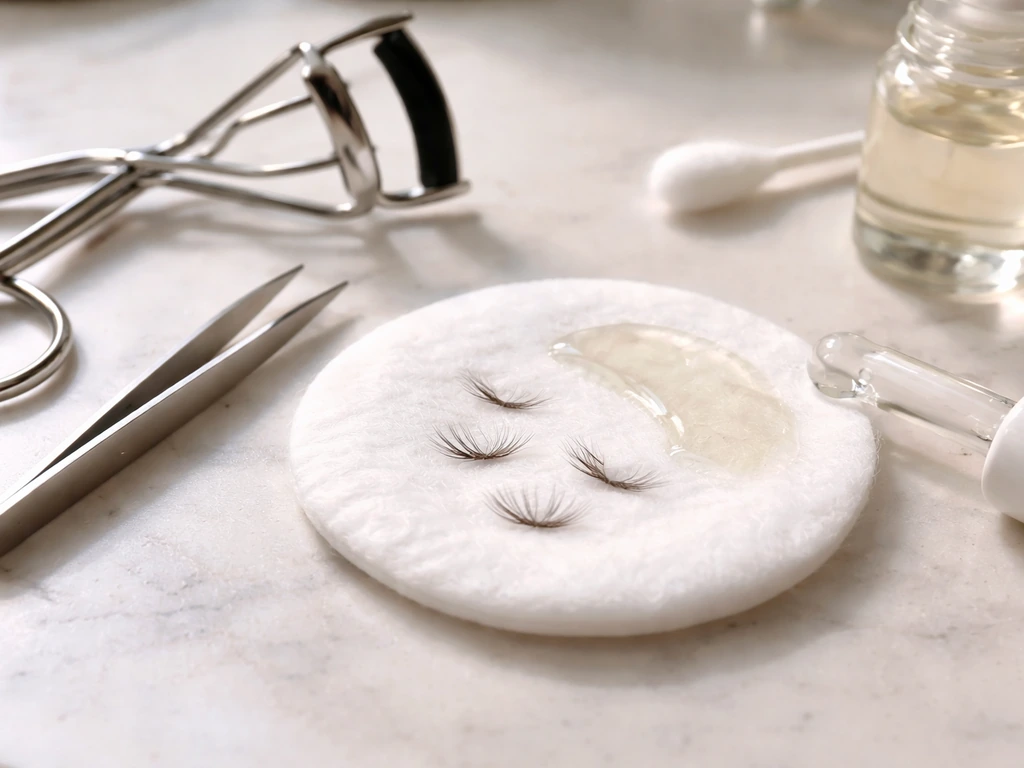
Sometimes the real issue is not about what oil you are using but about what is actively working against your lashes. No conditioning oil fixes an underlying problem. Here are the most common culprits:
- Extension damage: Lash extensions that are too heavy, applied incorrectly, or removed carelessly can physically damage the follicle or cause traction-related shedding. The follicle itself can take months to recover, and in severe cases the damage is permanent.
- Blepharitis: Chronic inflammation of the eyelid margin disrupts the follicle environment and is one of the most underdiagnosed causes of lash thinning. It often presents as crusting, redness, or grittiness at the lash line.
- Mechanical damage: Rubbing your eyes, using an eyelash curler aggressively, or sleeping face-down all create repeated physical stress on lashes.
- Nutritional gaps: Deficiencies in biotin, iron, or zinc can impair hair growth systemically, including lashes. This is less common than people think but worth ruling out with bloodwork.
- Medications: Some medications including retinoids, anticoagulants, and certain chemotherapy drugs are documented causes of lash loss.
- Skin conditions: Seborrheic dermatitis, psoriasis, and alopecia areata can all affect the lash line specifically.
- Over-washing or harsh makeup removers: Repeated use of oil-stripping cleansers directly on the lash line dries out the follicle environment.
What to try next if rosehip oil is not enough
If three months of rosehip oil has not moved the needle, or if your lash thinning feels significant rather than cosmetic, here is a practical progression to follow.
- Try a peptide-based OTC lash serum: Products containing peptides like myristoyl pentapeptide-17 or biotin-anchored peptides have modest evidence for improving lash density and are widely available without a prescription. They are a reasonable middle step between conditioning oils and prescription actives.
- Address the lash line environment: If you suspect blepharitis, start a nightly eyelid hygiene routine using a diluted baby shampoo or a commercial hypochlorous acid lid cleanser before adding any oil or serum on top.
- Assess your diet and run basic bloodwork: Ask your GP to check ferritin, zinc, and thyroid function. These are the most common nutritional/hormonal causes of diffuse hair and lash loss.
- Consider talking to a dermatologist: If you are seeing noticeable patchy lash loss, ongoing shedding beyond normal, or have a history of alopecia anywhere on the body, a board-certified dermatologist can diagnose the cause and, if appropriate, prescribe bimatoprost or evaluate other treatment options.
- See an ophthalmologist if there is any eye involvement: Persistent redness, swelling, or crusting along the lash line alongside lash loss is a reason to see an eye doctor rather than trying more oils. Blepharitis and other lid conditions need proper treatment, not just topical oils.
Rosehip oil is a legitimate, gentle addition to a lash care routine, and it is genuinely useful for keeping lashes conditioned and the lash line skin healthy. Just go in with accurate expectations: it is a support player, not the star. If your lashes are thinning noticeably or not recovering from damage, the real answer involves understanding why, not just applying a different oil.
FAQ
How often should I apply rosehip oil to my eyelashes?
It can, but it is not required. If your lashes are already oily or you have sensitive eyelids, using rosehip oil once nightly (or every other night) is often enough to see a conditioning effect without increasing the odds of irritation or eye-lid migration.
Is it safe to put rosehip oil directly on the lash line or waterline?
Avoid applying it to the waterline. Focus on the upper lash line and the lash shafts, then stop at the point where it starts to creep toward the eye. Any product that gets into the eye can blur vision and trigger irritation.
What side effects or irritation should I watch for with rosehip oil?
Yes, but stop if you notice stinging, redness that persists, itchy eyelids, or worsening dryness. Do a patch test on the eyelid skin near the lash line, because the eye area can react differently than the rest of the face.
Does the type or purity of rosehip oil matter for lash results?
Choose a cold-pressed oil from a reputable brand and avoid “for lashes” blends that include fragrance, essential oils, or additional botanicals unless you know they are eye-area safe. Even when rosehip itself is gentle, added ingredients can be the real problem for sensitized users.
Can I use rosehip oil if I wear mascara or extensions?
Yes, mascara can interfere. Oil can loosen some makeup, and leaving it on too long can affect how lashes look under mascara. Try applying rosehip oil at night after removing all eye makeup, and wait until it fully absorbs before bed.
Will rosehip oil work with eyelash extensions?
If you have extensions, conditioning oils may weaken the bond over time, especially if the oil migrates to the adhesive area. If you use extensions, keep rosehip oil strictly off the extension bond and discuss compatibility with your lash technician.
What if my lashes are thinning or shedding a lot despite using rosehip oil?
Not typically. If you are seeing more shedding or patchy lash loss, rosehip oil alone is unlikely to fix the cause. Consider evaluation for common triggers like chronic blepharitis, allergic eye irritation, recent lash perm or keratin treatments, or medication-related thinning.
How can I tell whether rosehip oil is improving conditioning versus actual growth?
Yes, because the “fuller vs longer” distinction is the key. Conditioning usually makes lashes look thicker and less fragile, but true length changes are unlikely from rosehip oil since it does not extend the lash growth phase.
If I see no results, how long should I keep using rosehip oil?
It is a sign it is not the right approach for your situation. If there is no meaningful visual improvement by 12 weeks of consistent nightly use, reassess your lash irritation triggers and consider evidence-based options rather than switching among different conditioning oils.
Next Article
Does Grape Seed Oil Help Eyelashes Grow? What to Expect
Does grape seed oil grow eyelashes? Learn real effects, how to apply safely, and when to switch to proven serums.