No, eyelash extensions and lash lifts do not help your eyelashes grow. They change how your lashes look, not how your follicles behave. Extensions add length and volume through synthetic fibers bonded to your natural lashes. Lash lifts curl and reposition the lashes you already have. Neither procedure triggers the follicle to produce more lash, grow it faster, or make it thicker at the root. If your lashes look better after a procedure, that's optics, not biology.
Do Lash Extensions Help Your Eyelashes Grow? What Works

Rachel Nguyen
11 Jun 2026
How your eyelash growth cycle actually works
Every eyelash goes through three phases: anagen (active growth), catagen (transition), and telogen (resting/shedding). The anagen phase for eyelashes lasts only about 34 days on average, compared to several years for scalp hair. That short window is the main reason your lashes have a natural length ceiling. Your eyelashes grow at roughly 0.12 to 0.14 mm per day, and the full cycle from growth to shedding takes around 90 days.
Here's the part that surprises most people: at any given moment, about half of your upper eyelash follicles are in telogen, meaning they're resting, not growing. For scalp hair, only 5 to 15 percent of follicles are resting at once. So eyelashes are naturally in a near-constant state of cycling, and the ones you see today are at different stages of their individual clocks. True lash growth, thicker and longer lashes that come from the follicle itself, only happens during the anagen phase, and nothing topical or cosmetic can meaningfully extend that phase without pharmacological intervention.
What lash lifts actually do (and the breakage risk)
A lash lift uses a chemical solution, typically containing ammonium thioglycolate or a similar reducing agent, to break and reform the disulfide bonds in your lash's keratin structure. This permanently reshapes the lash shaft into a curl while it's set against a silicone rod. The result looks like longer, more open lashes because the curl lifts them away from the lash line and catches the light differently. Your lashes haven't grown. They've been chemically restructured.
The risk here is at the shaft level. Overprocessed lashes become brittle and snap off more easily, especially if the solution is left on too long or if the same lashes are re-lifted before they've fully cycled out. Breakage mid-shaft means you lose lash length until those broken hairs shed naturally and grow back. There's also a real risk of chemical irritation: if the perm solution contacts your eye, it can cause burns or corneal scarring. Allergic contact dermatitis to thioglycolate compounds is documented and can persist, with reactions sometimes appearing weeks after application. At-home lift kits carry extra risk because the safety margins are tighter without professional oversight.
What eyelash extensions do to your natural lashes
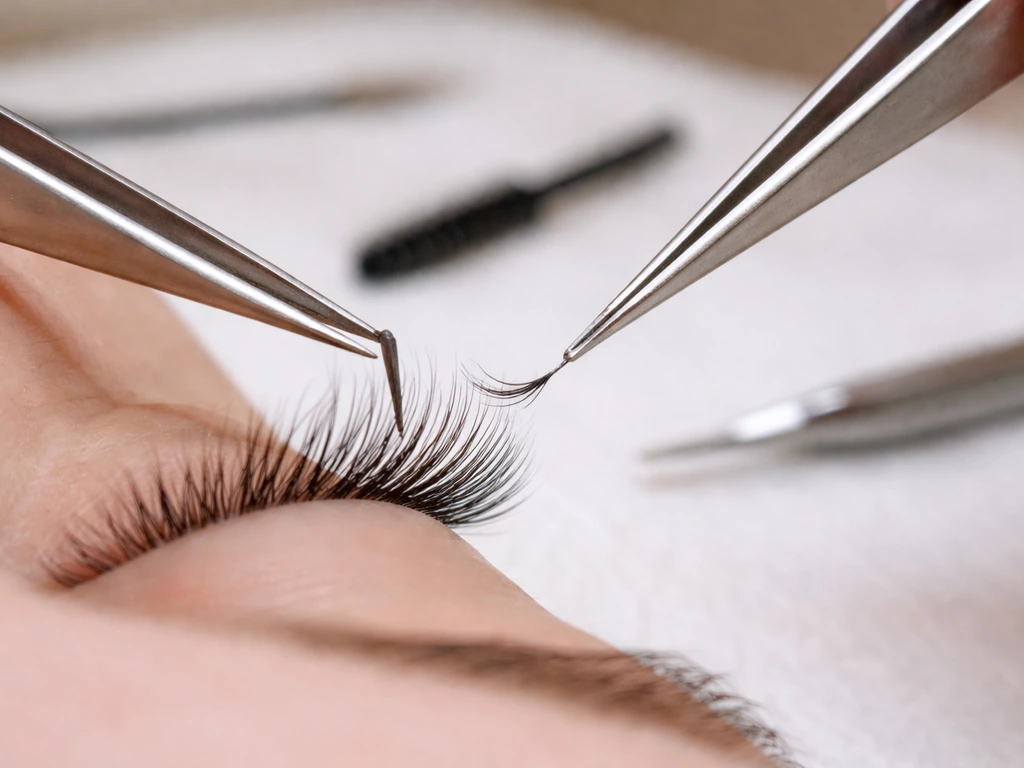
Extensions are synthetic or semi-natural fibers glued directly to your existing lashes using cyanoacrylate-based adhesive. Done well by an experienced technician, the weight and placement are calibrated to minimize stress on the natural lash. Done poorly, or worn too long without proper fills, the mechanical weight pulls on the follicle over time and can lead to traction alopecia, a form of hair loss caused by chronic tension. This isn't hypothetical. The American Academy of Ophthalmology's EyeWiki specifically lists traction alopecia as a documented risk of lash extensions.
The adhesive itself is another issue. Cyanoacrylate glues can emit formaldehyde-related compounds during curing, and formaldehyde is a recognized sensitizer. Reactions range from allergic blepharitis and contact dermatitis to more serious conditions like chemical conjunctivitis and, in some cases, corneal involvement. Extensions can also disrupt the tear film: the added weight and altered lash geometry can change how tears distribute across the eye surface, reducing tear breakup time and increasing dry eye risk. None of this means extensions are universally harmful, but it does mean they carry meaningful risks that go well beyond appearance.
Why your lashes seem to grow after extensions or a lift
This is one of the most common points of confusion, and it's worth unpacking carefully. Several things happen during and after lash procedures that create the impression of real growth.
- Extensions physically add length, so when they're removed, your natural lashes look shorter by comparison, not because they shrank, but because you've reset your reference point.
- A lash lift curls lashes upward, making them appear longer from the front because more of the lash length is now visible above the lash line.
- If you stopped using mascara or rubbing your eyes during the period you had extensions, your natural lashes may have been protected from mechanical damage long enough to reach their full natural length.
- Normal lash cycling means new anagen lashes were growing the whole time. After removing extensions, those new, undamaged lashes become visible and feel like regrowth when they were simply growing on their own schedule.
- Gentle cleansing routines adopted for extension aftercare can reduce inflammation at the lash line, which may slightly improve the environment for lashes that were previously irritated.
The bottom line: any improvement you see is either optical illusion, reduced damage, or your natural cycle doing exactly what it would have done anyway. The procedure itself didn't stimulate a single follicle.
How long it takes to regrow lashes after damage
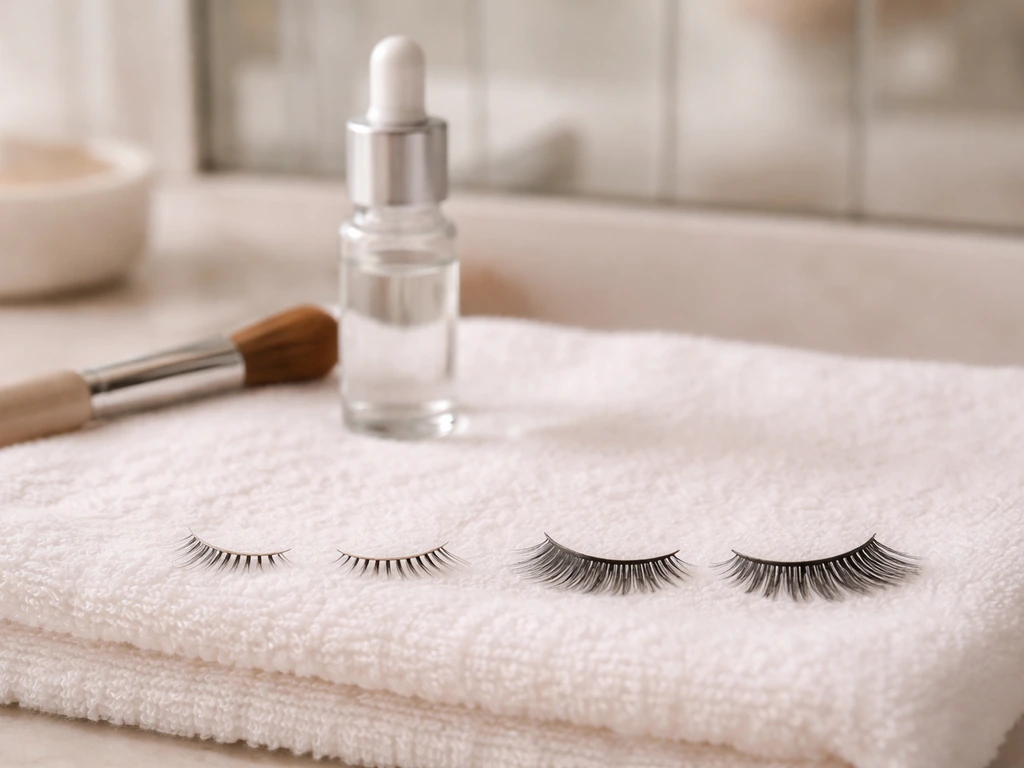
If your lashes were pulled out or broken close to the root (from aggressive extension removal or over-processed lifts), expect roughly 8 weeks before you see meaningful regrowth, based on what we know about anagen re-entry timing after lash removal. For the full cycle to complete, including the shed lash being replaced by a fully grown new one, you're looking at approximately 90 days. If traction alopecia has developed from long-term extension wear, recovery takes longer because the follicle itself has been stressed. In those cases, improvement is gradual over several months, and some follicles may take a full lash lifecycle (4 to 11 months by some clinical estimates) to return to normal output.
The practical takeaway: don't panic at six weeks if things still look sparse. The biology is working, just slowly. What matters most during this window is not interfering with the process.
What actually supports lash regrowth right now
Protect what you have first
The fastest route to better lashes is stopping the damage. That means no picking or rubbing, gentle oil-free makeup removal, and avoiding waterproof mascara formulas that require heavy rubbing to remove. If you still want something on your lashes while they recover, a lash conditioner applied nightly can reduce brittleness and breakage, which lets existing lashes stay in place longer. A lash conditioner can help reduce brittleness and make lashes look fuller while you regrow, but it doesn't truly make eyelashes grow faster. That's not growth stimulation, it's retention, but it matters. Similarly, gently brushing lashes daily with a clean spoolie can keep them aligned and may remove debris from the lash line without trauma.
Serums: what works and what doesn't
This is where there's a real split in the evidence. Prostaglandin analog serums, specifically bimatoprost 0.03%, are FDA-approved for eyelash hypotrichosis and have clinical trial data behind them. One randomized controlled trial showed a mean lash length increase of 2.0 mm with bimatoprost gel versus 1.1 mm with placebo, a statistically significant result. Bimatoprost works by extending the anagen phase, which is the one mechanism that actually produces more lash length from the follicle. The trade-offs are real: periocular skin darkening, potential iris pigmentation changes with long-term use, and prostaglandin-associated periorbitopathy (orbital fat changes) are documented side effects. Hyperpigmentation typically appears between 3 and 6 months and may resolve 3 to 12 months after stopping.
Over-the-counter lash serums are a different story. A 2024 review in Journal of Cosmetic Dermatology notes blank" rel="noopener noreferrer">limited evidence for many non-prostaglandin ingredients used in eyelash serums. Most contain peptides, panthenol, biotin, and conditioning agents. There are no formal research studies evaluating panthenol specifically for eyelash growth. Biotin supplementation, despite its popularity, lacks evidence for hair growth outside of diagnosed deficiency. Castor oil, a persistent favorite, has no clinical studies demonstrating that it stimulates eyelash growth. What some of these ingredients do is condition the lash shaft and reduce breakage, which can make lashes look healthier without changing what the follicle produces. If you’re wondering whether lash primer helps lashes grow, most primers mainly improve appearance and conditioning rather than lengthening the anagen phase does lash primer help lashes grow. That's not nothing, but it's not growth.
| Option | Evidence for growth | Main benefit | Key risk |
|---|---|---|---|
| Bimatoprost 0.03% (Rx) | Strong: RCT data, FDA-approved | Extends anagen phase, measurably increases length | Periocular hyperpigmentation, orbital fat changes |
| OTC peptide/panthenol serums | Weak to none for growth | Conditioning, may reduce breakage | Minimal if applied correctly; eye irritation possible |
| Castor oil | None (no clinical studies) | Shaft conditioning, moisture | Risk of eye irritation; folliculitis if applied heavily |
| Biotin supplements | Weak: only helps if deficient | Nail/hair support in deficiency | May interfere with lab test results at high doses |
| Lash conditioner | None for growth | Reduces brittleness and retention loss | Generally low risk |
If you want real, measurable lash growth, the only evidence-backed option is a prescription prostaglandin analog, used under medical supervision. Everything else is about maintaining and protecting what you grow naturally.
When to stop extensions or lifts and see a professional
Not every reaction is minor, and some signs mean you need to stop immediately rather than push through. The FDA's guidance is direct: if an eye cosmetic causes irritation, stop using it. Here's a practical checklist for when to pause and seek care.
- Redness, swelling, or itching along the lash line or eyelid that doesn't resolve within 48 hours of the procedure.
- Burning, stinging, or a gritty sensation in the eye that persists after the day of the appointment.
- Visible lash loss in patches or a noticeable thinning of the lash line after repeated extension fills.
- Crusting, discharge, or symptoms resembling conjunctivitis, which can signal infection or allergic blepharitis.
- Blistering or weeping skin near the outer eye or on the eyelid, which may indicate contact dermatitis requiring patch testing to identify the specific allergen.
- Any blurred vision or light sensitivity following a lash lift, which could indicate chemical exposure to the cornea.
- A history of eye disease, dry eye syndrome, or known contact allergies: these are pre-existing conditions that significantly increase risk with both procedures.
If you've had a reaction and want to return to extensions or lifts later, patch testing is the gold standard for identifying whether you're reacting to the adhesive, the formaldehyde component, the thioglycolate compound, or the fixing tape. An allergist or dermatologist can run this test and give you a specific answer rather than a guess. Continuing through reactions isn't just uncomfortable, repeated inflammation at the lash line is one of the pathways to follicle damage and longer-term thinning.
The clearest path forward if you want genuinely better lashes, not just better-looking lashes, is protecting your natural cycle, minimizing trauma, and being honest about what procedures can and can't do. Extensions and lifts are cosmetic tools, and good ones used correctly. But they sit outside the biology entirely.
FAQ
If my lashes look longer after extensions, will they keep growing like that over time?
Usually no, the length you see is from the added fibers and their placement. Over time, the lash cycle still determines how much of your natural lash remains before shedding, so the “extra length” fades unless you do fills or replacements. If your lashline looks permanently thinner after a few cycles, it can be breakage or traction damage rather than normal shedding.
How soon should I notice natural regrowth after I remove extensions?
If lashes were pulled or broken near the root, you may start seeing noticeable improvement around 8 weeks, but full replacement of shed lashes generally takes about 90 days. If you had long-term wear with suspected traction alopecia, regrowth is often slower and may require several months, with some follicles taking a full lash lifecycle to normalize.
Can I use lash growth serums or prostaglandin analogs while wearing extensions or after a lift?
Better to pause adding anything to the lash line until any irritation has fully settled and the eye surface is comfortable, because adhesives and chemicals can increase sensitivity. If you plan to start a prostaglandin analog, follow your prescriber’s instructions for when to begin and when to stop if you notice redness, dryness, or eyelid skin darkening.
Do lash extensions cause traction alopecia immediately, or does it build up?
It typically develops with cumulative stress. In practice, risk increases when extensions are too heavy, applied too close to the root, worn too long without timely removal, or removed incorrectly. A key sign is a gradually widening sparse patch along the lashline rather than temporary shedding.
Is lash lift safer than extensions because it does not add weight?
Not necessarily. Lash lifts reshape the existing lash using reducing chemicals, so the main problem is chemical and shaft-level injury. Over-processing can increase brittleness and snapping, and if solution contacts the eye it can cause burns or more serious corneal injury.
What’s the difference between shedding from normal lash cycling and “damage shedding” from extensions?
Normal shedding is generally gradual and you should see an even mix of lashes over time as different follicles cycle. Damage-related shedding often looks patchy, with shorter, broken-looking hairs and a thin lashline that does not seem to recover on the typical timeline (about 8 weeks for early regrowth, around 90 days for replacement).
Should I stop using mascara or eyeliner during regrowth?
During recovery, prioritize not rubbing the lashline. Choose gentle, non-waterproof options and remove makeup with minimal friction. If you must use mascara, keep it to the tips, avoid scrubbing during removal, and consider pausing any products that sting or cause redness.
Are lash conditioners only cosmetic, or can they actually prevent lash breakage?
Most conditioners primarily improve the lash shaft condition, which can reduce brittleness and make breakage less likely. That means lashes can look fuller longer because more of the existing hairs remain intact, but it does not replace lost follicle-driven growth.
Do waterproof mascaras really worsen lash loss if I’m careful?
They often increase friction during removal, even when you think you’re being gentle. Waterproof formulas usually require more intensive rubbing or special removers, and that mechanical stress can worsen shedding if lashes are already brittle from lifts or extension wear.
If I had a reaction before, how can I reduce the chance of repeating it?
Ask about ingredient-specific testing and patch testing before trying again, especially for adhesive components and lift chemicals. Also consider switching both the technique and product type (extension material/adhesive or lift solution brand) rather than repeating the same setup after symptoms have occurred.
What are red flags that mean I should seek eye care rather than waiting it out?
Stop immediately if you get significant burning, persistent redness, swelling, light sensitivity, blurred vision, or any feeling of something stuck in the eye. These can indicate chemical irritation or an allergic reaction that may require treatment rather than just resting your lashes.
Will brushing my lashes with a spoolie help, or can it cause more damage?
Brushing can help keep lashes aligned and reduce debris at the lash line if it’s very gentle and done with a clean spoolie. Avoid aggressive combing, especially right after a lift or when lashes feel brittle, because mechanical stress can contribute to snapping.
Next Article
Does Lash Primer Help Lashes Grow? What It Can and Can’t Do
Find out if lash primer helps lashes grow, what it can do for conditioning, and how to target real growth and breakage.