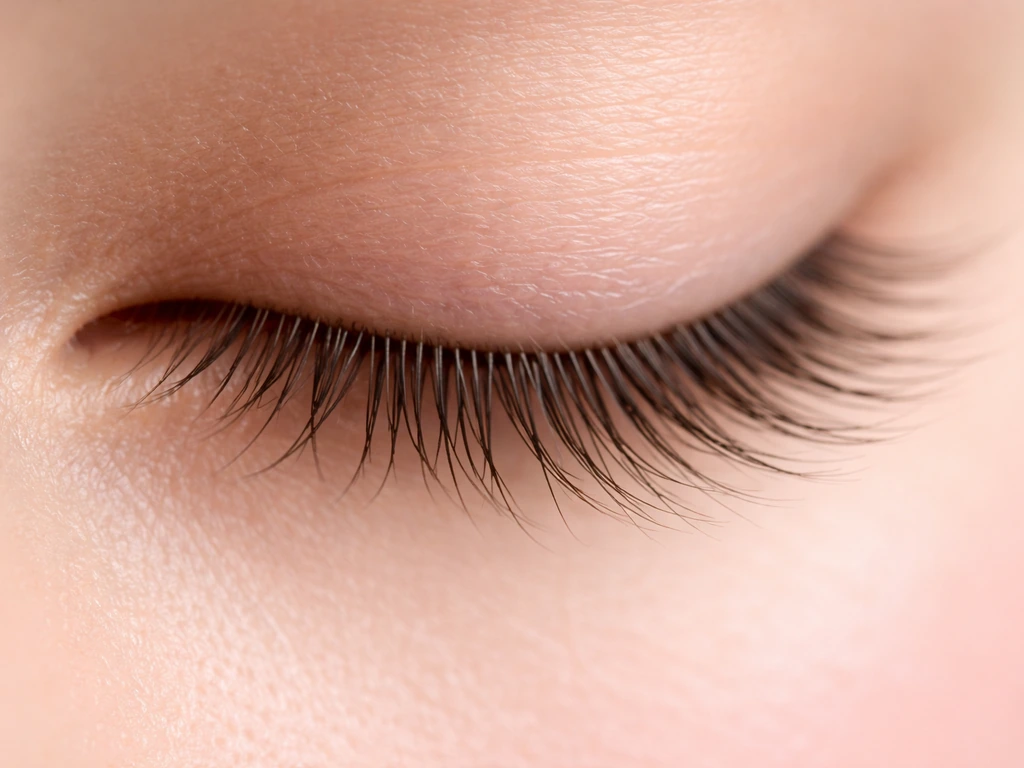
Lash conditioner can improve the look and feel of your eyelashes, but it does not grow new lashes or speed up how fast your follicles produce hair. What it actually does is reduce breakage, add hydration, and strengthen the lash fiber you already have, which can make lashes appear fuller and longer because fewer are snapping off mid-cycle. Lash extensions can make lashes look longer right away, but they do not create new lash growth. That is a real, worthwhile benefit. It is just not the same thing as biological growth.
Does Lash Conditioner Grow Eyelashes? What to Expect
Rachel Nguyen
13 Jun 2026
Lash conditioner vs lash growth: what's the real difference
The word "conditioner" is doing a lot of work in the beauty industry right now, and it gets used interchangeably with "serum" and "growth treatment" in ways that are genuinely misleading. Here is how to think about the three categories clearly.
| Product Type | What It Does | Evidence Level | Example |
|---|---|---|---|
| Lash conditioner | Hydrates, reduces breakage, strengthens existing lash fiber | Cosmetic; no FDA premarket approval required | Panthenol, castor oil, biotin products |
| OTC lash serum | Conditioning plus often includes peptides or prostaglandin analogs; growth claims vary widely | Variable; not FDA-approved as drugs | RevitaLash Advanced, RapidLash |
| Prescription growth treatment | Bimatoprost 0.03% (Latisse) extends the anagen phase and increases length, thickness, and darkness | FDA-approved for eyelash hypotrichosis; 16-week clinical endpoint | Latisse (bimatoprost ophthalmic 0.03%) |
The core distinction is whether a product is affecting the hair follicle's behavior (biological growth signaling) or just improving the condition of the hair shaft that has already emerged. Most products marketed as lash conditioners are doing the latter. Some OTC serums blur this line by including prostaglandin analogs, which do have follicle-level effects, but those ingredients carry their own safety questions (more on that below).
Eyelash growth cycle: what "growth" really means (and what you can change)
Your eyelashes go through three phases: anagen (active growth), catagen (degradation/transition), and telogen (resting). The catagen phase for lashes is about 15 days, after which the lash converts to a club hair and eventually falls out. The anagen phase is where actual length is determined, because that is when the follicle is actively producing new hair. If you want longer lashes biologically, you need to either extend the anagen phase or increase the rate of growth during it. That requires signaling at the follicle level.
Here is why this matters practically: if your lashes look short and thin, there are two very different reasons that could be happening. The first is that breakage is removing lash length before the hair reaches its full natural growth. The second is that your follicles are genuinely producing shorter, finer hair, or cycling through telogen too quickly. A conditioner can address the first problem effectively. It cannot address the second. Knowing which one applies to you is the key to picking the right tool.
What lash conditioners can actually improve
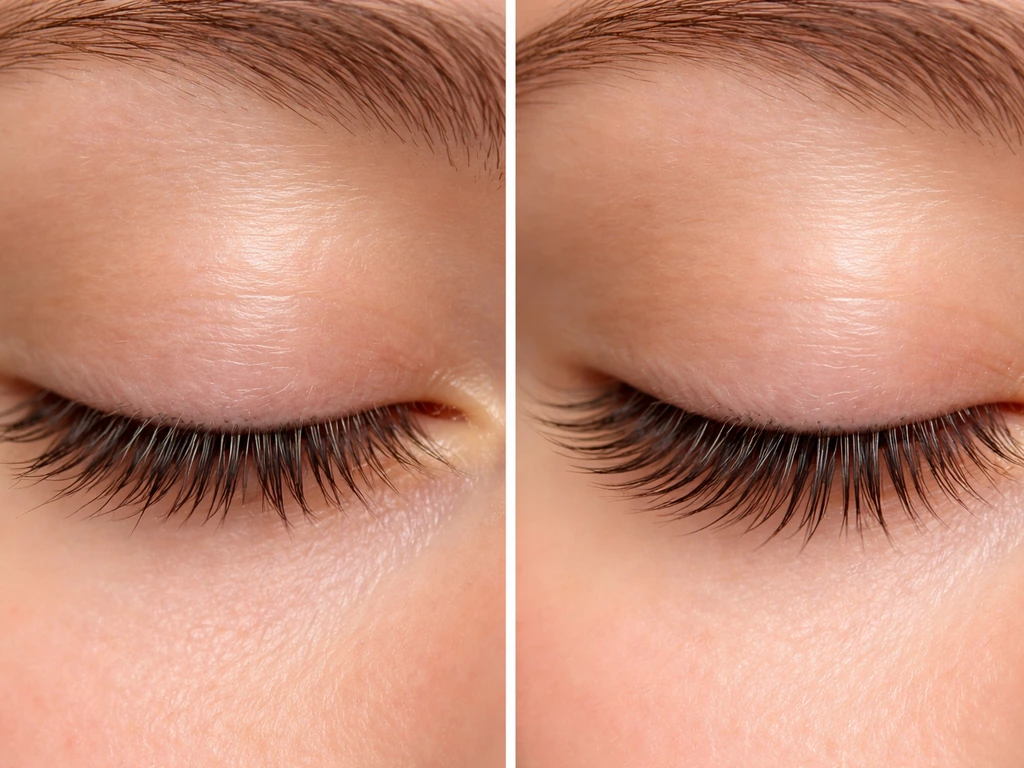
For most people dealing with damaged lashes, especially after extensions, heavy mascara use, rubbing, or mechanical removal, the main culprit is breakage rather than a follicle problem. This is where a good conditioner genuinely earns its place.
- Breakage reduction: Hydrated, fortified lash fibers are more flexible and less prone to snapping during removal of makeup or extensions. Over a full growth cycle (roughly 4 to 6 months), this can result in noticeably longer lashes simply because they are surviving longer.
- Thickness appearance: Ingredients like panthenol coat the hair shaft and add volume, making individual lashes look thicker without any follicle-level change.
- Hydration and barrier repair: Dry, brittle lashes (common after heavy product use or in low-humidity environments) respond well to emollient and occlusive ingredients that restore moisture balance.
- Scalp/follicle environment: Some ingredients, like castor oil, may create a better surface environment around the lash line, though evidence for direct follicle stimulation in humans is largely anecdotal.
These are real improvements, and if your lashes have been through a rough patch from extensions or aggressive removal, a conditioning routine can make a significant visible difference over 8 to 12 weeks. It is just worth being honest that you are recovering what you had, not generating new growth beyond your natural baseline.
Ingredients to look for vs claims to question
Not all conditioner ingredients are equal, and some OTC serums include actives that go beyond basic conditioning. Here is a breakdown of what the research and formulations actually support.
Ingredients with legitimate conditioning value
- Panthenol (provitamin B5): Penetrates the hair shaft, improves elasticity, and reduces breakage. Found in products like RevitaLash Advanced and RapidLash. Well-supported for hair conditioning.
- Biotin: Often cited for lash growth, but the evidence for topical biotin affecting lash length is weak. Biotin deficiency can cause hair loss, but most people are not deficient. It is a safe conditioning ingredient, not a growth driver.
- Sodium hyaluronate: A humectant that draws moisture to the lash and lash-line skin. Supports hydration rather than growth.
- Soy, castor, and other plant oils: Emollients that coat and protect the hair shaft. Castor oil has a large following for lash growth, but controlled human studies are limited. The mechanism is likely breakage reduction rather than follicle stimulation.
- Peptides (copper tripeptide-1, octapeptide-2, SH-polypeptide-1): These show up in serums like RapidLash and RevitaLash. Some peptides have preclinical data suggesting they may support hair follicle activity, but robust clinical trial evidence for topical lash application is limited. They are worth trying, but temper expectations about dramatic growth effects.
Ingredients that actually signal growth (with caveats)
Several popular OTC serums contain prostaglandin analogs, including isopropyl cloprostenate (found in RapidLash) and Dechloro Dihydroxy Difluoro Ethylcloprostenolamide (found in RevitaLash Advanced). Prostaglandin analogs are the class of compound in Latisse (bimatoprost 0. 03%), and there is genuine evidence that they can extend the anagen phase of the lash cycle.
The problem is that the European safety regulator SCCS published a preliminary opinion in June 2025 stating that none of the three prostaglandin analogues evaluated could be considered safe for cosmetic use. ANSES’s Vigil’Anses N27 cosmetovigilance report also describes adverse-event reporting considerations for eyelash growth serums, including prostaglandin-derivative concerns [SCCS published a preliminary opinion in June 2025 stating that none of the three prostaglandin analogues evaluated could be considered safe for cosmetic use](https://vigilanses. anses. fr/sites/default/files/VigilAnsesN27Eyelashgrowth.
pdf). If you are using a serum containing any prostaglandin derivative, that is a known-active ingredient, not just a cosmetic conditioner, and the risk profile is different from a pure conditioning product.
Claims that do not hold up
- "Clinically proven to grow lashes" on a cosmetic label: FDA does not approve cosmetics before marketing. The company is responsible for safety and substantiation, and these claims are not vetted the way drug claims are.
- Biotin supplements for lash growth: Unless you have a confirmed deficiency, supplemental biotin is unlikely to change your lash length.
- Overnight dramatic results: Any product claiming visible growth in days is overstating what biology allows. A full lash growth cycle takes months.
Does it work? Expected results and timelines for conditioners
If you start using a quality lash conditioner today, here is what a realistic timeline looks like. You are working within the biology of a growth cycle that takes roughly 4 to 6 months to complete from anagen through telogen. Conditioning effects compound over that cycle because you are reducing the attrition that normally removes length.
- Weeks 1 to 4: No visible change in length or density yet. The conditioning is happening at the fiber level, but lashes grow slowly (roughly 0.15 mm per day at most), and you have not cycled through enough new growth to see it.
- Weeks 4 to 8: Lashes that were dry or brittle may start to look shinier and slightly more uniform. If breakage was your main issue, some improvement in apparent fullness may start here.
- Weeks 8 to 16: This is where most people notice real visible change in lashes that were damaged. Fewer broken tips, more consistent length across the lash line. For reference, even prescription bimatoprost (Latisse) uses 16 weeks as its clinical endpoint for measurable growth.
- Beyond 16 weeks: With consistent use, you maintain the improved lash environment. If you stop, the benefit fades over the next growth cycle as the protected lashes shed naturally.
If your lashes are not damaged and you are just trying to grow them longer than your natural baseline, a conditioner alone is unlikely to move the needle on length or density in any meaningful way. You would need a growth-signaling ingredient (like a prostaglandin analog or prescription bimatoprost) to change the follicle behavior itself.
How to use lash conditioner for best results and avoid irritation
Application method matters more than most people realize, especially because the eye area is sensitive and the consequences of product migration into the eye are real. Here is how to do it correctly.
- Apply to clean, dry lashes. Remove all makeup first. Product applied over mascara or oil-based remover residue will not penetrate effectively and is more likely to migrate.
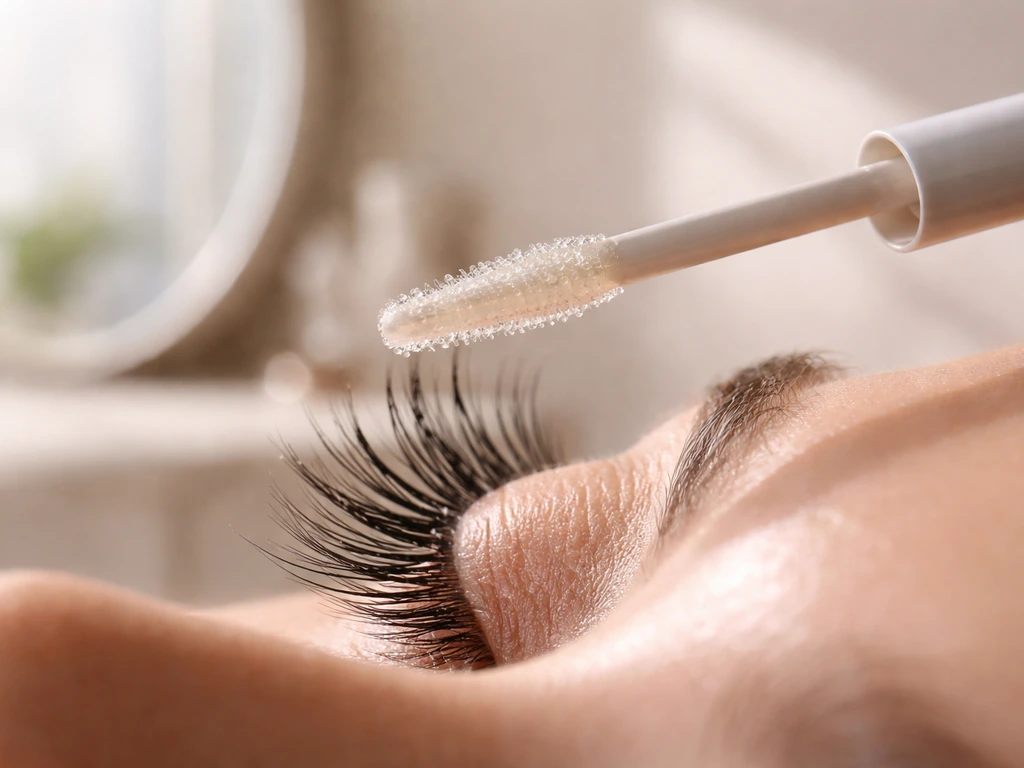
- Use a single, thin stroke at the base of the upper lash line. Most conditioning serums and treatments come with a fine applicator brush. You do not need to coat the full lash shaft; the base application allows the product to travel along the hair as it grows.
- Apply once daily, ideally at night. The lash line is calmer overnight, and you avoid daytime contact with eyes from blinking and touching.
- Skip lower lashes unless the product specifically directs otherwise. Lower lash application increases the chance of product entering the eye.
- Wait at least 5 minutes before applying anything else to the eye area. If you wear contact lenses, remove them before application and wait 15 minutes before reinserting.
- Do a patch test on the inner wrist first if you have sensitive skin or a history of eye area reactions, then wait 24 hours before using near your eyes.
Redness, itching, or swelling at the lash line means you should stop immediately and check the ingredient list. Prostaglandin-containing products in particular carry a risk of eyelid skin pigmentation changes, periorbital fat changes with long-term use, and eye irritation. These effects have been documented in clinical literature and are not rare edge cases.
When to switch strategies (serums, medical options) or see a specialist
After 12 to 16 weeks of consistent conditioner use, if you are not seeing any improvement in lash appearance, it is worth stepping back and asking whether a conditioner is actually the right tool for your situation.
If your lashes are thinning diffusely, shedding more than usual, or failing to regrow after a period of loss, the issue is likely at the follicle level, not the hair shaft. That is when it makes sense to consider OTC serums with peptides or growth-signaling ingredients, or to consult a dermatologist about prescription options. Bimatoprost 0.
03% (Latisse) is the only FDA-approved treatment for eyelash hypotrichosis and has randomized controlled trial data showing statistically significant improvements in length, thickness, and darkness at 4 and 6 months. FDA notes that cosmetics are not approved for safety before marketing and are instead regulated through post-market oversight, so lash growth claims tied to non-FDA-approved cosmetic products should be treated cautiously FDA does not pre-approve cosmetics for safety before marketing.
If a dermatologist prescribes it, that is the most evidence-backed path to actual growth, though the side effect profile (including possible eyelid skin darkening, eye irritation, and with long-term use, periorbital fat changes) means it should not be used casually.
There are also medical causes of lash loss that no serum or conditioner will address. Blepharitis can damage lash follicles. Alopecia areata can affect lashes, with treatment options including intralesional corticosteroids. Systemic conditions, medications, and nutritional deficiencies (including thyroid disorders and iron deficiency) can all cause lash shedding that mimics simple thinning. Trichotillomania (compulsive hair pulling) is a behavioral cause that requires a completely different approach. If your lash loss is patchy, rapid, accompanied by scalp hair loss, or not responding to anything topical, a dermatologist or trichologist visit is the right next step, not a more expensive conditioner.
It is also worth thinking about what else you might be doing that could be undermining your results. Lash extensions, certain removal methods, and heavy rubbing of the eyes are common causes of mechanical lash damage that conditioning alone cannot fully counteract if the damage is ongoing. Removing extensions gently (and giving lashes a rest between sets), switching to oil-based makeup removers applied gently, and avoiding waterproof mascara during a recovery period all support lash retention alongside any conditioning routine. Some readers exploring this topic also look into whether habits like brushing lashes or using lash primer have any growth effect, and the short answer is similar: they can support lash health and appearance but do not change underlying follicle biology.
Bottom line: start with a conditioner if your lashes are dry, brittle, or recovering from damage. Give it 12 weeks of consistent nightly use. If you see improvement, stay the course through a full growth cycle. If you see no change, or if your lashes are actively thinning rather than just damaged, that is the point to escalate to an OTC serum with peptides, or book a dermatology appointment to rule out an underlying cause and discuss prescription options.
FAQ
If lash conditioner says “growth” on the label, does it still not grow eyelashes?
Many “growth” claims are about reducing breakage and improving hydration, so lashes look longer sooner. True follicle growth requires ingredients that signal at the follicle level. If the product does not include known follicle-active agents, expect cosmetic improvement, not new lash growth.
How long should I wait before deciding lash conditioner is not working for me?
If your lashes are primarily damaged, visible gains usually build over about 8 to 12 weeks, with a fuller effect by a complete cycle (roughly 4 to 6 months). If you have no meaningful improvement after 12 to 16 weeks, reassess whether your issue is breakage versus shedding from the follicle.
Can I use lash conditioner if my lashes shed or look thinner even when I am not wearing extensions?
If thinning is diffuse or you are shedding more than usual, that can point to a follicle or medical cause rather than simple damage. In that case, conditioner may not address the root problem, and it may be better to consider an OTC serum approach with dermatologist guidance or to get evaluated.
Is lash conditioner safe to use every night, including near the lash line?
Nightly use is common, but application technique matters to avoid migration into the eye. Use a thin layer just on the lash shafts, avoid the waterline and lash roots, and stop if you notice redness, itching, or swelling at the lash line.
What ingredient should I look for if my goal is actual growth, not conditioning?
Conditioners mainly improve the hair shaft. For actual growth effects, you would look for follicle-level actives, such as prostaglandin analogs or prescription options like bimatoprost. If a product does not contain such actives, it is unlikely to change length or density beyond your natural baseline.
Are lash conditioners with prostaglandin analogs the same as regular lash conditioners?
No. They can have real follicle effects but also a different safety and side-effect profile, including irritation and potential changes to eyelid skin. Treat them as active treatments, not as simple conditioning products.
Can lash conditioner help if my lashes are shorter because of recent extension removal?
Yes, this is one of the best-fit scenarios. After extensions or aggressive mechanical removal, lashes often look shorter because of breakage. Conditioning can reduce further attrition, letting the remaining lashes reach their normal cycle length.
Does lash conditioner work for sparse or patchy lashes?
Patchy loss often suggests something beyond breakage, such as inflammatory conditions or hair-growth disorders. Conditioner may not be enough. If patches develop, spread quickly, or include scalp hair loss, a dermatologist evaluation is a more appropriate next step.
Will using waterproof mascara or oil-based removers change the results from lash conditioner?
Yes. Waterproof mascara and rough removal can increase breakage, undermining conditioning efforts. Using gentler removal methods, avoiding heavy rubbing, and giving lashes a recovery period can make a conditioner routine work better.
Can lash primer or brushing my lashes make them grow?
They can help with appearance and reduce friction, which may indirectly support lash health. However, like conditioners, they generally do not change follicle biology, so they are not expected to produce true new growth.
What are warning signs that I should stop lash products and see a clinician?
Stop if you get persistent irritation, swelling, significant redness, or discomfort near the lash line. Also seek medical advice if lash loss is rapid, patchy, associated with scalp hair loss, or not improving after consistent use, since some causes are not addressed by topical conditioning.
Next Article
Do Lash Extensions Help Your Eyelashes Grow? What Works
Do lash extensions or lash lifts grow lashes? What helps growth vs breaks, plus recovery timelines and safe aftercare.