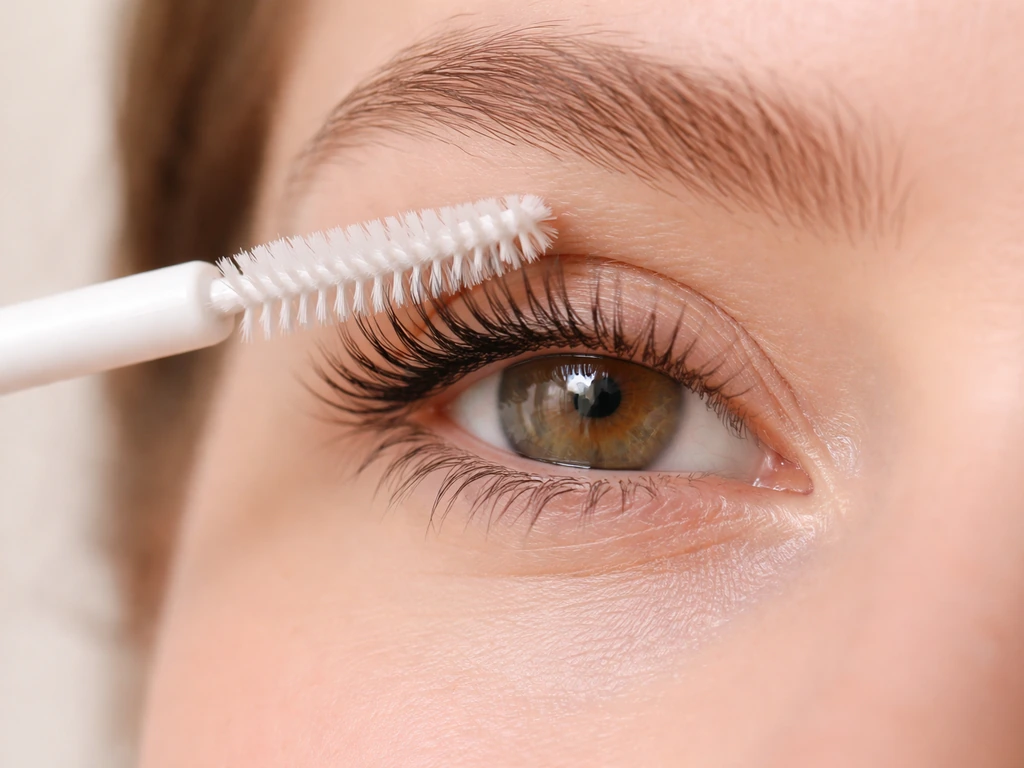
Conditioner can make your eyelashes look better and break less, but it will not make them grow longer or thicker in any meaningful biological sense. That distinction matters a lot, because the two things feel similar when you're applying something to your lash line every night, but the mechanisms are completely different. Conditioning softens the hair shaft and reduces friction. Actual growth requires changing what happens inside the follicle, and most cosmetic conditioners simply don't reach that level.
Does Conditioner Help Your Eyelashes Grow? What to Expect
Rachel Nguyen
4 Jun 2026
Why your lashes shed and how growth actually works
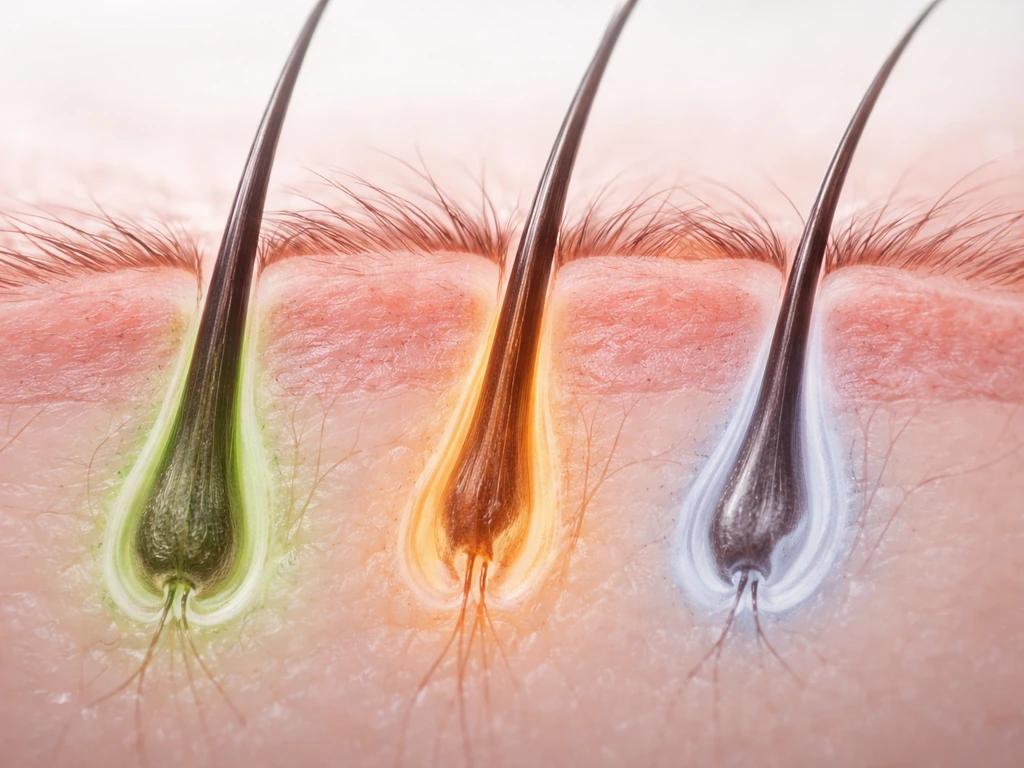
Eyelash follicles cycle through three phases: anagen (active growth), catagen (degradation and transition), and telogen (resting before the lash sheds). The anagen phase for eyelashes lasts roughly 4 to 10 weeks, which is dramatically shorter than scalp hair. That short growth window is the main reason your lashes rarely grow past about 12 mm, no matter what you put on them. The entire cycle, from new growth to shedding, takes somewhere between 4 and 11 months.
This biology matters because anything that genuinely makes lashes longer has to extend or intensify the anagen phase. That's a follicle-level signal, not a surface-level treatment. Products that sit on the lash shaft itself, which is what most conditioners do, cannot reach the follicle or change its growth programming. So when someone says their lashes grew from a conditioner, what likely happened is that less breakage made existing lashes look longer and fuller, or they were already heading into an anagen cycle and the timing coincided.
What conditioner actually does for your lashes
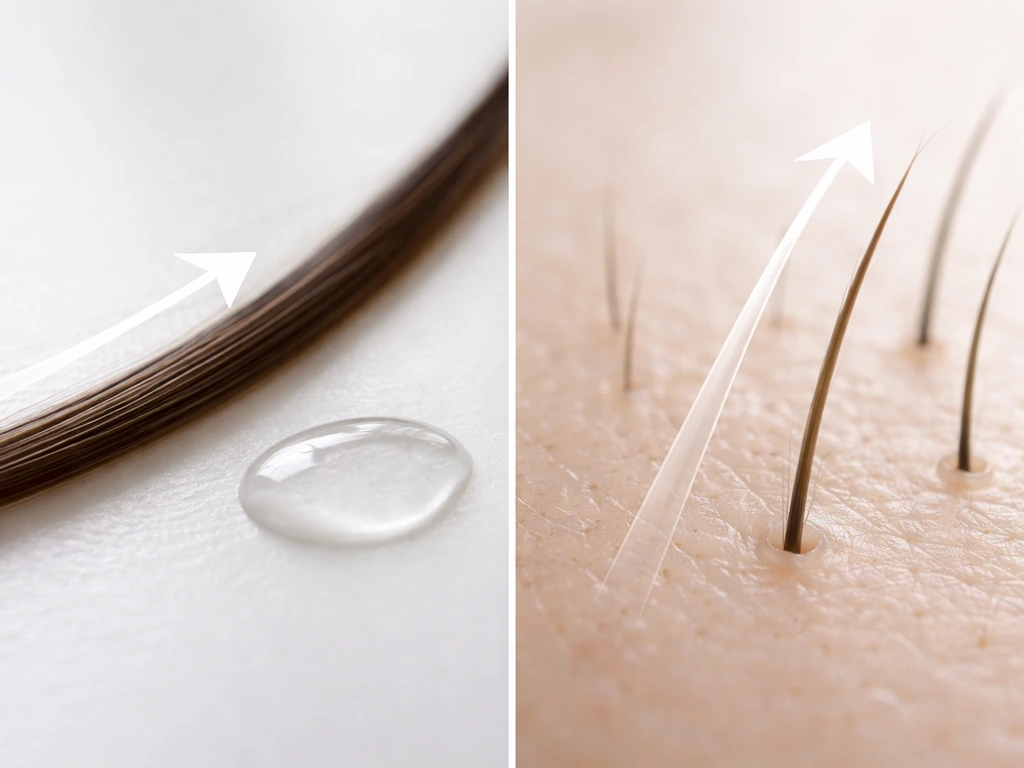
Cosmetic lash conditioners, including products marketed specifically as eyelash conditioners, primarily work on the hair shaft. Ingredients like panthenol, peptides, hyaluronic acid, and similar humectants improve flexibility and reduce brittleness. The practical result is that your lashes resist mechanical damage better: less breakage from rubbing your eyes, removing mascara harshly, or sleeping on your face. If you've been losing a lot of lashes to breakage rather than shedding from the follicle, a conditioner can actually make a visible difference in how full your lashes look. But that's not growth. The follicle itself hasn't changed, and neither has the maximum length your lashes can reach in their current anagen window.
There is no published clinical trial showing that a standard over-the-counter cosmetic eyelash conditioner extends the anagen phase, increases lash length, or thickens lashes by acting on the follicle. That's a meaningful gap, especially because products can make implied growth claims while technically only affecting the shaft's appearance and texture. If you're comparing this to dedicated lash serums, the picture is more nuanced because some serums contain actual active ingredients with follicle-level effects, while others are essentially conditioners in serum packaging.
Conditioning vs. true growth: the key difference
| Effect | Conditioner | Growth-active (e.g., prostaglandin analog) |
|---|---|---|
| Acts on hair shaft | Yes | Minimally |
| Acts on follicle | No | Yes |
| Reduces breakage | Yes | Indirectly |
| Extends anagen phase | No | Yes (clinically demonstrated) |
| Increases max length | No | Yes |
| Increases thickness | No | Yes |
| Clinical trial evidence for growth | None found | Multiple RCTs (bimatoprost) |
| Requires prescription | No | Yes (bimatoprost/LATISSE) |
Risks of applying conditioner near your eyes
The eye area is more reactive than almost anywhere else on your body, and ingredients that are perfectly safe on your scalp or skin can cause real problems at the lash line. The skin on your eyelids is thin, the mucous membranes are close, and any product migration into the eye itself can cause irritation or worse. Allergic and irritant contact reactions at the eyelid margin are documented risks with near-eye cosmetic products, and blepharitis, which is inflammation right where your lashes attach, can actually accelerate shedding if it goes unchecked.
If you have lash extensions, the risk profile changes further. Oil-based conditioners can weaken or dissolve the cyanoacrylate adhesive used in most extension glues, which leads to premature extension loss. Extensions themselves are already associated with ocular issues including allergic blepharitis, keratoconjunctivitis, and traction alopecia, so adding an oil-heavy conditioner to that mix is generally not a good idea. If you're in the extensions camp, a lightweight, oil-free conditioning product applied carefully to the mid-shaft and tips is a safer approach than a rich conditioner near the lash base.
- Allergic or irritant contact reactions at the eyelid margin
- Redness, itching, or swelling if product migrates into the eye
- Blepharitis flares that can increase natural lash shedding
- Weakening of extension adhesive bonds if the product is oil-based
- Traction-related lash loss from extensions already under mechanical stress
- Sensitivity reactions to preservatives or fragrance in non-ophthalmically tested formulas
Stop using any product and see an eye professional if you develop persistent redness, swelling of the eyelid, discharge, or changes in vision. These can be signs of a reaction that won't resolve on its own.
What actually works for lash growth
The strongest clinical evidence for actual eyelash growth comes from bimatoprost 0.03% (LATISSE), a prostaglandin analog originally developed as a glaucoma medication. Multiple randomized, vehicle-controlled trials, including a multicenter study in Japanese subjects, showed statistically significant increases in lash length, thickness, and darkness compared to a placebo vehicle. The primary time point in these studies was four months of once-daily application to the upper eyelid margin. That's the benchmark: real growth, measured objectively, over months. Bimatoprost is the only FDA-approved drug for eyelash hypotrichosis (inadequate lashes) and requires a prescription.
That said, bimatoprost does come with real trade-offs. Reported side effects include eye itching, conjunctival redness, and skin darkening around the application area. Postmarketing reports have also documented periorbital fat atrophy (which can cause a subtle sunken appearance around the eyes), lid changes, and iris darkening with prolonged use. It's a clinically meaningful tool, but it's not a casual addition to your routine without a conversation with a doctor.
Below bimatoprost in the evidence hierarchy, you have non-prescription lash serums containing prostaglandin-like or prostaglandin-free actives. Some of these have enough data to be worth trying; many are essentially conditioning products with growth-suggestive marketing. A good review of eyelash serum ingredients will separate the two camps: prostaglandin analogs and related actives on one side, and nourishing/conditioning ingredients like peptides and biotin on the other. The former have a plausible follicle mechanism; the latter mostly work on shaft quality. Lash conditioners, by contrast, sit firmly in the conditioning camp with no credible follicle-growth mechanism. Lash primers are generally considered conditioning products, so they mainly improve how lashes look by reducing breakage rather than changing follicle growth Lash conditioners.
Castor oil is one of the most popular at-home options. It's an emollient, meaning it coats and softens the lash shaft, which reduces breakage and makes lashes appear glossier and darker. Whether it stimulates the follicle is debated, and the clinical evidence is thin compared to bimatoprost. But it's inexpensive, generally well-tolerated, and if your lash loss is primarily breakage-driven, it can help. The same logic applies to other plant-based oils used near the lash line. Biotin (vitamin B7) supplements are commonly recommended but the evidence for lash growth specifically is weak unless you have a documented biotin deficiency.
Comparing your main options
| Option | Evidence level | Main benefit | Key risk | Prescription needed |
|---|---|---|---|---|
| Lash conditioner | No growth trials | Reduces breakage, improves appearance | Eye irritation if near lash line | No |
| Castor/plant oils | Anecdotal, minimal clinical | Moisturizes shaft, reduces breakage | Oil migration into eye, messy application | No |
| OTC lash serums (prostaglandin-free) | Variable; mostly conditioning | Appearance improvement, some growth-supportive actives | Irritation, ingredient sensitivities | No |
| Bimatoprost/LATISSE | Multiple RCTs, FDA-approved | Actual follicle-level growth in length, thickness, darkness | Iris darkening, periorbital fat atrophy, redness | Yes |
A practical routine you can start today
If your goal is to reduce breakage and improve the overall look of your lashes while you work toward genuine growth, here's a realistic approach. It's not complicated, but it does require consistency across weeks, not days, because of how the growth cycle works.
- Remove eye makeup gently every night using a non-oil-based micellar water or a dedicated eye makeup remover. Rubbing and tugging is one of the biggest causes of mechanical lash breakage, and fixing this step alone often improves fullness within a few weeks.
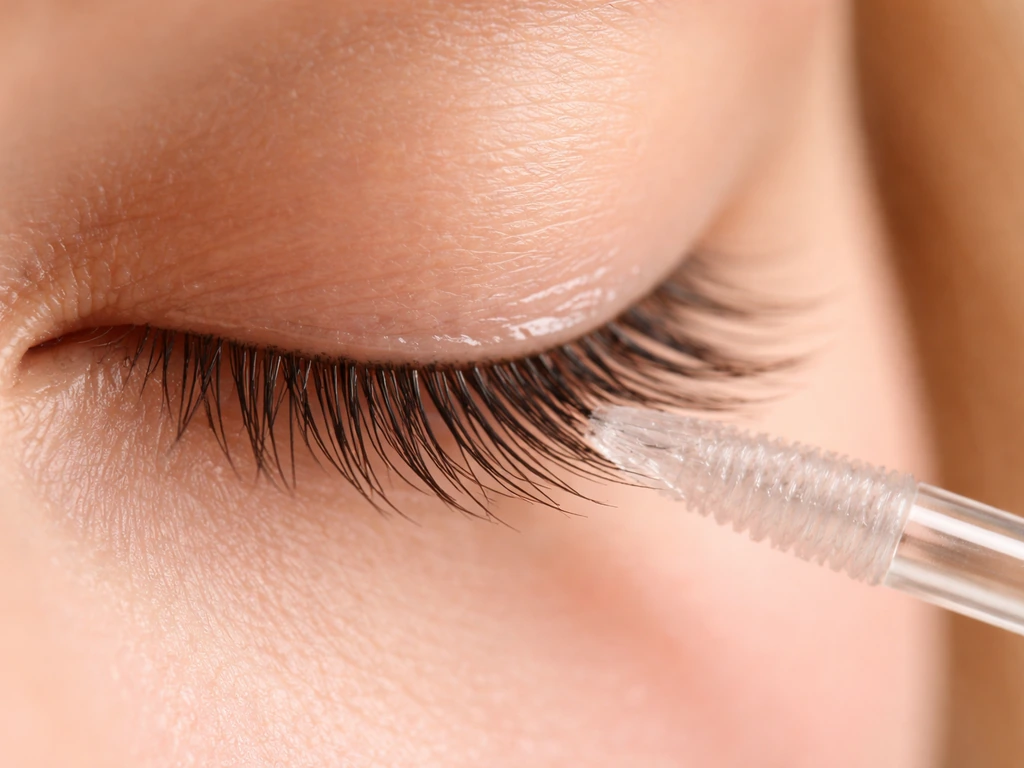
- Apply a lightweight lash conditioning product or a small amount of castor oil to clean, dry lashes using a clean spoolie. Focus on the mid-shaft to tips, not the lash line itself, to minimize eye contact and (if you have extensions) adhesive interference.
- Avoid curling lashes aggressively or using heated curlers daily. This weakens the hair shaft over time and creates the same type of breakage you're trying to recover from.
- If you want to go beyond conditioning, research prostaglandin-free lash serums with documented actives, or speak to a dermatologist or ophthalmologist about bimatoprost if you have significant lash thinning or loss.
Timeline: what to expect and when
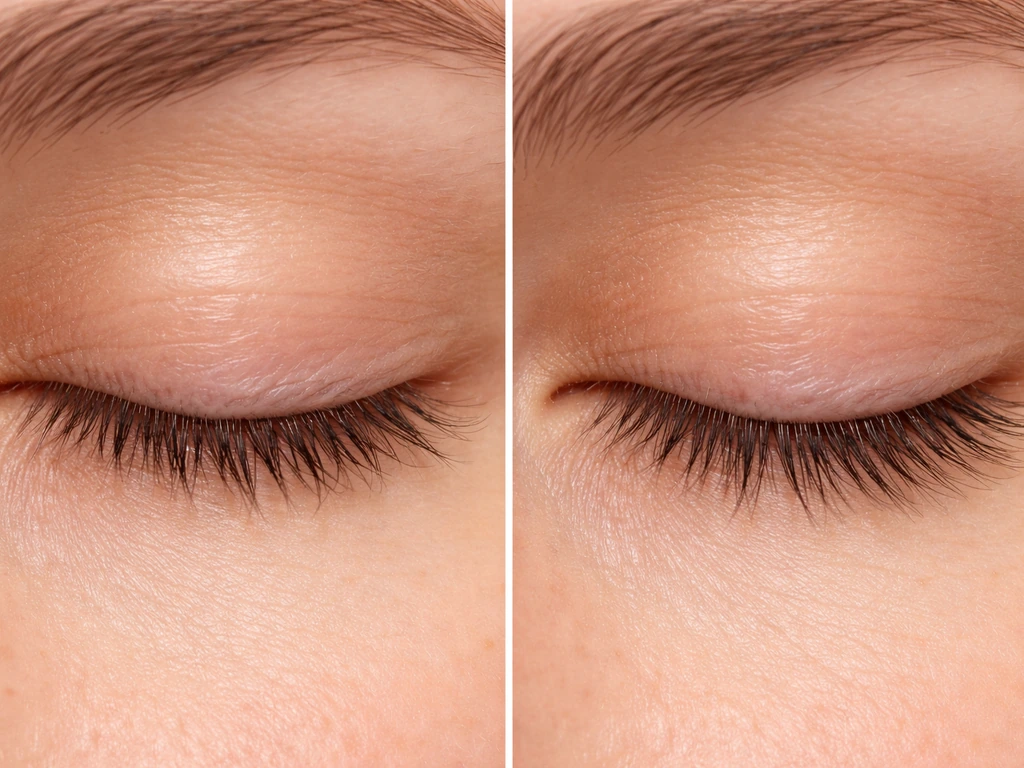
With conditioning alone, you can expect to see less breakage and slightly better-looking lashes within two to four weeks, mostly because you're protecting existing lashes rather than generating new growth. If you're wondering specifically whether lash extensions help your eyelashes grow, the answer is that extensions mainly affect how lashes look rather than changing follicle growth do lash extensions help your eyelashes grow. For actual new lash growth, remember that the anagen phase runs four to ten weeks, and you may go through a brief period of increased shedding as lashes transition into new growth cycles before you see a noticeable improvement. If you're using a clinically active serum or bimatoprost, the meaningful benchmark from clinical trials is around four months of consistent use, so don't give up at week three. If you're recovering from extensions, damage, or an illness, the timeline extends further because your follicles may be in telogen from the stress and need time to re-enter anagen.
When to stop and see a professional
See an eye doctor if you develop redness, swelling, persistent itching, or discharge after using any product near your lash line. These can be signs of allergic blepharitis or conjunctivitis that won't clear up on their own and can damage the lash follicles if the inflammation continues. Also get evaluated if you're experiencing patchy or sudden lash loss rather than general thinning, since that can indicate alopecia areata, blepharitis, or another medical cause that no conditioner or serum will address. And if you're considering bimatoprost, start that conversation with a prescriber rather than a beauty counter: the side effect profile is real, and proper application technique (strictly to the upper eyelid margin, not the lower lid or eye itself) matters for safety.
FAQ
If conditioner cannot make eyelashes grow, why do some people say it worked for them?
Most “results” come from reduced breakage and improved flexibility, so existing lashes shed less and look longer and fuller. Another common timing explanation is coincidence, if you started when your follicles were already entering a growth (anagen) phase, which can make changes seem tied to the product.
How long should I try a lash conditioner before deciding it is not helping?
If your goal is appearance from less breakage, you can usually judge within 2 to 4 weeks. If you expect true new growth, conditioners are unlikely to deliver, and any noticeable length change beyond that window is more likely from natural cycle timing or reduced lash loss from breakage.
Can conditioner make my lashes thicker-looking?
It may make them look thicker because they break less and can feel more flexible, so they stay intact and present more volume. It does not reliably increase follicle output, so real thickness in the biological sense is not expected from typical cosmetic conditioners.
What is the safest way to apply conditioner to avoid irritation?
Use a minimal amount, avoid the inner lash line and the waterline, and apply only to the mid-shaft and tips if you are prone to stinging. Keep the applicator clean and stop if you get persistent redness, swelling, discharge, or blurred vision.
Will castor oil or other oils help eyelashes grow more than commercial conditioner?
Oils can coat the lash shaft and reduce brittleness, which can improve shine and reduce breakage, similar to conditioners. Stimulation of the follicle is debated, so treat oil as a shaft-conditioning approach, and be cautious if you have sensitive eyes or wear extensions.
If I have patchy lash loss, should I try conditioner anyway?
Conditioner may improve appearance if thinning is mild, but patchy or sudden loss needs evaluation because it can signal causes like alopecia areata or eyelid inflammation. Medical treatment depends on the driver, and cosmetics usually will not correct the underlying issue.
I wear lash extensions, what should I avoid with conditioning products?
Avoid oil-heavy products near the lash base, because oils can weaken extension adhesive and lead to premature shedding. If you still want conditioning, choose a lightweight, oil-free option and apply carefully to the mid-shaft and tips.
Are lash primers the same as conditioners?
Generally, yes. Lash primers are considered conditioning products, so their main benefit is reducing breakage and improving how lashes look under makeup. They usually should not be expected to change follicle growth.
If I want real growth, what product type is most likely to work?
Prescription bimatoprost is the main option with objective trial evidence for length and thickness changes over months. Non-prescription lash serums vary widely, some with prostaglandin-like actives that may work differently than basic conditioning ingredients.
Can I combine a conditioner with a growth serum or bimatoprost?
Often you can, but simplify first and separate by timing if the label suggests it. The bigger safety issue is irritation, so introduce one product at a time, monitor for redness or itching, and do not apply anything to the lower lid margin unless your prescriber instructs otherwise.
Next Article
Does Brushing Your Eyelashes Help Them Grow? What Helps
Does brushing eyelashes grow them? Learn the real growth cycle, what brushing affects, safe care, and when to see a clin