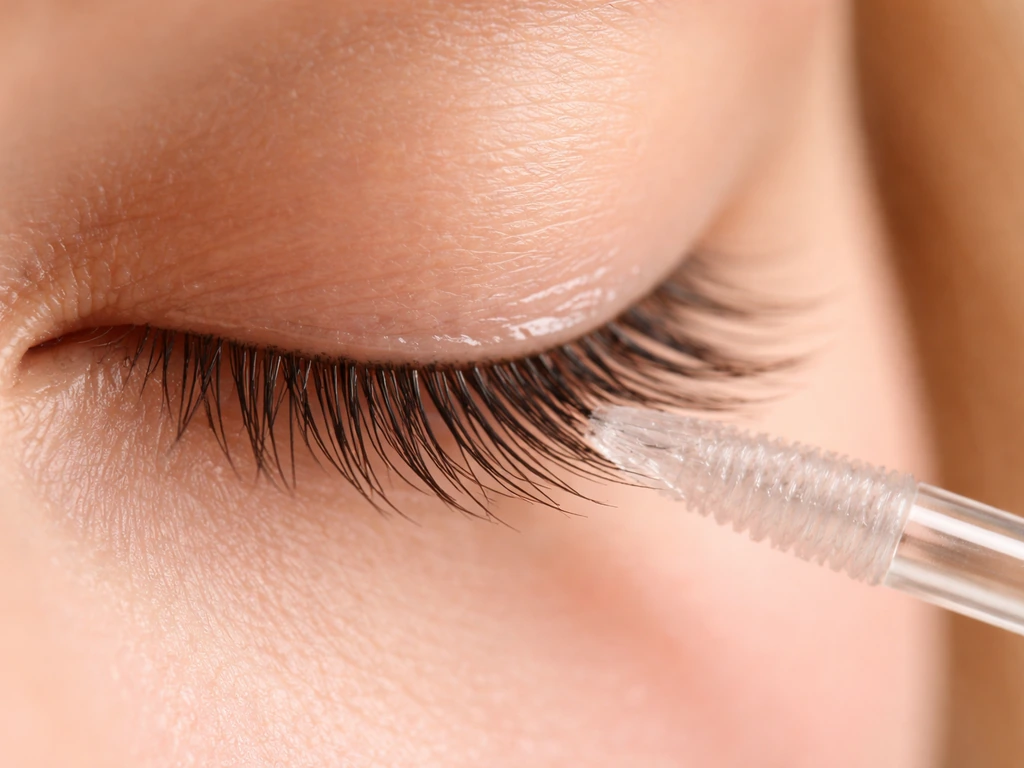
Lash primer does not help your eyelashes grow. It conditions and coats the lashes you already have, making them look fuller and longer and helping mascara grip better, but it has no effect on follicle activity or the growth cycle. If your goal is actual regrowth or length gain, you need a different strategy entirely. If you want regrowth, it helps to focus on evidence-backed options rather than assuming brushing or primer will stimulate new follicles.
Does Lash Primer Help Lashes Grow? What It Can and Can’t Do
Rachel Nguyen
5 Jun 2026
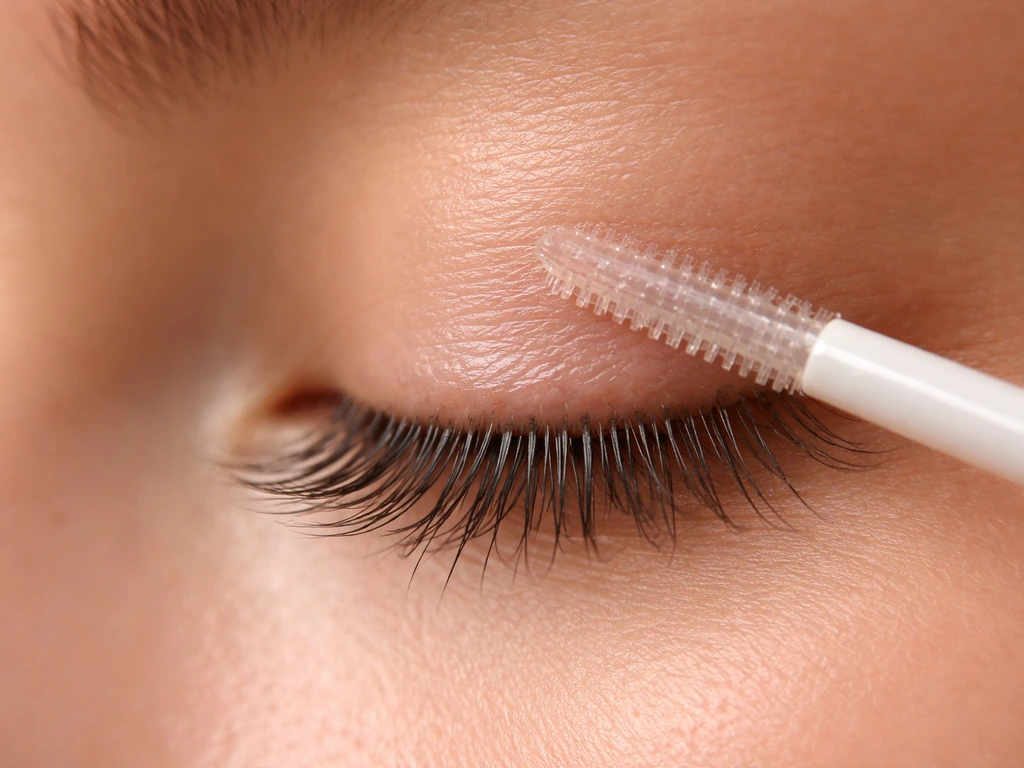
What lash primer actually does (and what it doesn't)
An eyelash primer is a cosmetic product. It sits on the surface of the lash shaft, coats it with conditioning or volumizing ingredients (often polymers, waxes, or nourishing oils), and creates a better base for mascara to adhere to. Some formulas also include panthenol or vitamin E to soften and reduce brittleness. That part is genuinely useful, because lashes that break off less frequently will appear fuller over time, not because growth accelerated, but because you're retaining more of what's already growing.
What primer cannot do is stimulate the follicle, extend the anagen (active growth) phase, or increase the rate at which new lashes emerge. Those are biological processes governed by hormones, follicle health, and blood supply to the eyelid margin. A cosmetic applied to the outer shaft has no pathway to influence any of that. The FDA has specifically flagged this distinction: when a product marketed as a cosmetic makes physiological claims like 'eyelash growth,' it crosses into drug-claim territory, which cosmetics legally cannot support. That's a useful signal that no over-the-counter primer can genuinely claim to grow your lashes.
So does lash primer help lashes grow? Here's the direct answer
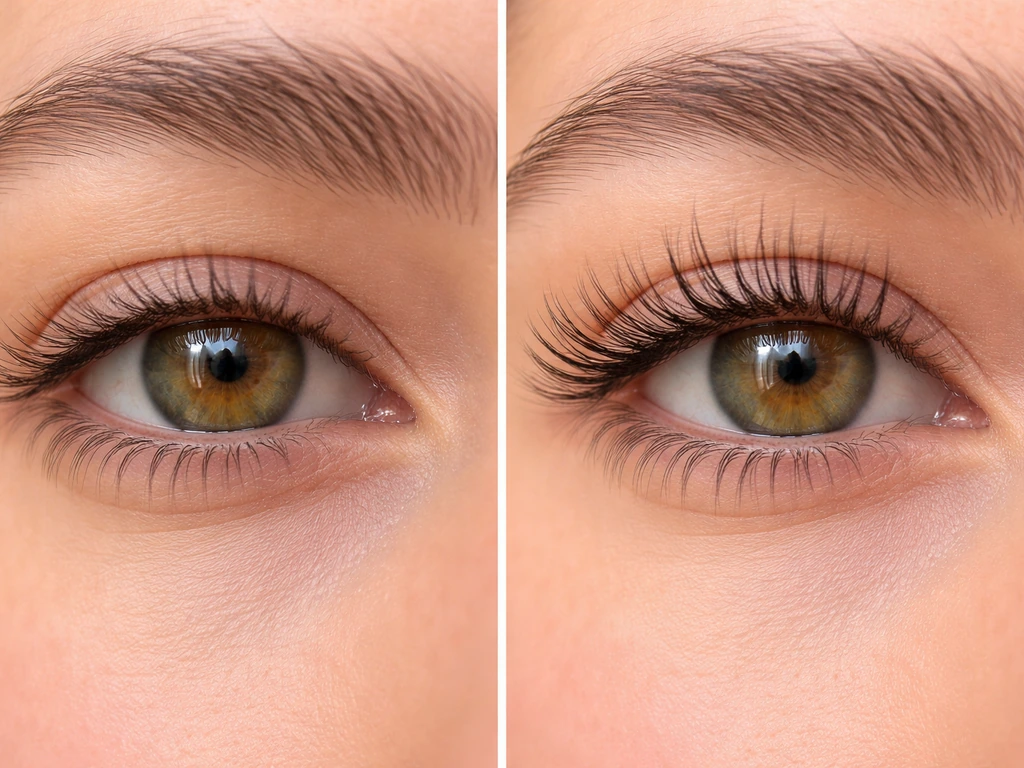
No, not in any meaningful biological sense. A lash primer can make your lashes look longer and thicker right now, and a conditioning formula may reduce mechanical breakage so you lose fewer lashes during makeup removal. But it will not make a single new lash grow faster, extend your growth phase, or recover lashes lost from damage or follicle dormancy. If you came to this question hoping primer was a shortcut to regrowth, it isn't. The good news: there are options that actually do work, and some of them are accessible and affordable.
Why your lashes might not be growing the way you expect
Before jumping to a solution, it helps to figure out why your lashes look sparse or short in the first place. The causes are meaningfully different and the fixes are different too.
- Extension damage: Heavy extensions, poor adhesive removal, or aggressive technicians can cause traction-related lash loss. The follicle itself may be temporarily stressed but is often still intact, meaning regrowth is likely with time.
- Rubbing and mechanical trauma: Rubbing your eyes frequently, sleeping face-down, or using oil-based removers with rough cotton pads all cause physical breakage and early shedding.
- Harsh makeup removal: Waterproof mascara that needs hard scrubbing to remove is a common and underestimated cause of breakage at the lash base.
- Blepharitis or eyelid inflammation: Blepharitis (inflammation of the eyelid margin) can affect lash retention and growth. Johns Hopkins and the Cleveland Clinic both describe how chronic inflammation at the eyelid margin, driven by seborrheic dermatitis, bacterial overgrowth, or even demodex mite infestation, can compromise lash health. This is one where self-diagnosis won't cut it.
- Systemic causes: Thyroid dysfunction, iron deficiency, hormonal shifts, and some medications can all reduce lash density. If your lashes have thinned all over without any obvious mechanical cause, this is worth a conversation with your doctor.
- Trichotillomania or habitual pulling: A clinical review on eyelash loss notes that history and physical exam, including checking for broken hairs and lid trauma, are key to identifying this cause.
Identifying your cause matters because conditioning products (including primer) address mechanical damage scenarios better than any other category. If your problem is follicle-level, inflammation-related, or systemic, conditioning alone won't do enough.
What a realistic lash growth timeline looks like
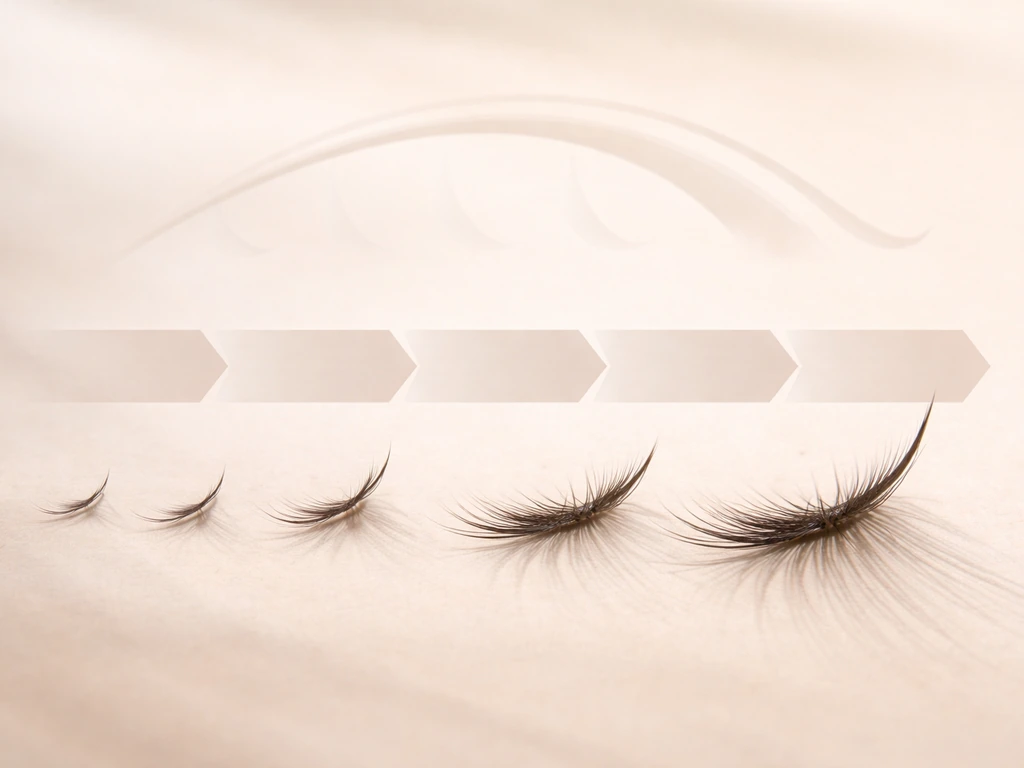
Eyelash anagen (the active growth phase) typically lasts 4 to 10 weeks. If your lashes were cut, broken, or shed due to temporary stress and the follicle is undamaged, you can generally expect visible regrowth in around 6 weeks, with fuller density returning over 3 to 4 months. That 6-week figure from Healthline is a reasonable ballpark for simple regrowth scenarios, but recovery after extension damage or prolonged inflammation takes longer because the follicle needs time to cycle back into anagen.
One study tracking a lash growth serum intervention found that lash length continued to increase until Day 90, which lines up with the idea that you're not going to see full results in two weeks. Plan for a 10 to 16 week commitment with any intervention before drawing conclusions. If you've had extensions and noticed thinning, give yourself at least two full growth cycles (roughly 3 months) of consistent care before assessing whether the situation is improving.
What actually works better than primer for growth and thickness
This is where the real conversation is. There's a clear hierarchy of evidence here, and it's worth knowing where each option sits.
Bimatoprost (prescription serums)
Bimatoprost 0. 03% (sold as Latisse in the US) is the only FDA-approved treatment for eyelash growth. It's a prostaglandin analog originally developed as a glaucoma medication. In a randomized, double-masked, vehicle-controlled clinical trial, subjects using bimatoprost showed [significantly greater improvement in global eyelash assessment scores by Week 16 compared to placebo](https://pubmed.
ncbi. nlm. nih. gov/21899919/).
It works by extending the anagen phase and increasing the number of hairs in that phase simultaneously. Cleveland Clinic's guidance notes it's applied to the upper eyelid margin at the base of the lashes. The important caveat: it has real side effects, including potential iris pigmentation changes, skin darkening around the eye, and periorbital fat loss with long-term use. It requires a prescription and ongoing monitoring.
More is not better either, as the Latisse label specifically states that additional applications beyond the recommended regimen won't increase growth.
Non-prescription lash serums
A comprehensive 2022 review of eyelash serums categorized OTC products into prostaglandin analogs and non-prostaglandin formulas. Non-prostaglandin serums often contain peptides, biotin complexes, and growth factor-like ingredients. The review found promising data but noted that formal evidence is limited and more studies are needed. That's an honest assessment: these products are not as well-studied as bimatoprost, but some people do see meaningful improvements in thickness and retention. If you want to try an OTC serum, look for peptide-based formulas with at least one published study behind them, and commit to a 90-day trial.
Castor oil (conditioning, not growth)
Castor oil is widely used as a lash conditioning treatment, but let's be clear about what the evidence says: there is no scientific evidence that it helps eyelashes grow. Healthline, Medical News Today, and UCI Health ophthalmology all make this point directly. What castor oil may do is soften and condition lashes, potentially reducing brittleness and breakage, which has an indirect effect on apparent fullness.
The risk is real though: castor oil applied too close to the eye can cause irritation, and UCI Health explicitly advises against applying it near the eyes. If you use it, apply it sparingly to the lash line with a clean spoolie and avoid getting it into the eye itself. It is not a growth treatment, it's a conditioning option with a safety caveat.
Biotin
Biotin (vitamin B7) is relevant primarily if you have a documented deficiency, which is actually rare. Taking biotin supplements when your levels are already normal is unlikely to produce visible lash changes. If you have reason to suspect deficiency (hair thinning across the scalp and brows too, not just lashes), a blood test before supplementing is a smarter move than buying a supplement based on marketing alone.
| Option | Evidence level | What it actually does | Key consideration |
|---|---|---|---|
| Bimatoprost (Latisse) | Strongest (RCT data) | Extends anagen phase, increases lash density and length | Prescription only; real side effects; requires monitoring |
| OTC peptide/lash serums | Moderate (limited studies) | May improve thickness and retention; results vary | 90-day trial needed; ingredient quality varies widely |
| Castor oil | No growth evidence | Conditioning only; may reduce breakage | Can irritate eyes; apply carefully to lash line only |
| Biotin supplements | Only relevant if deficient | Supports keratin production if deficient | Blood test first; unlikely to help at normal levels |
| Lash primer | Cosmetic only | Coats lash shaft; improves mascara adhesion; minor conditioning | No growth effect; useful for appearance and breakage reduction |
How to use lash primer safely while you focus on real growth
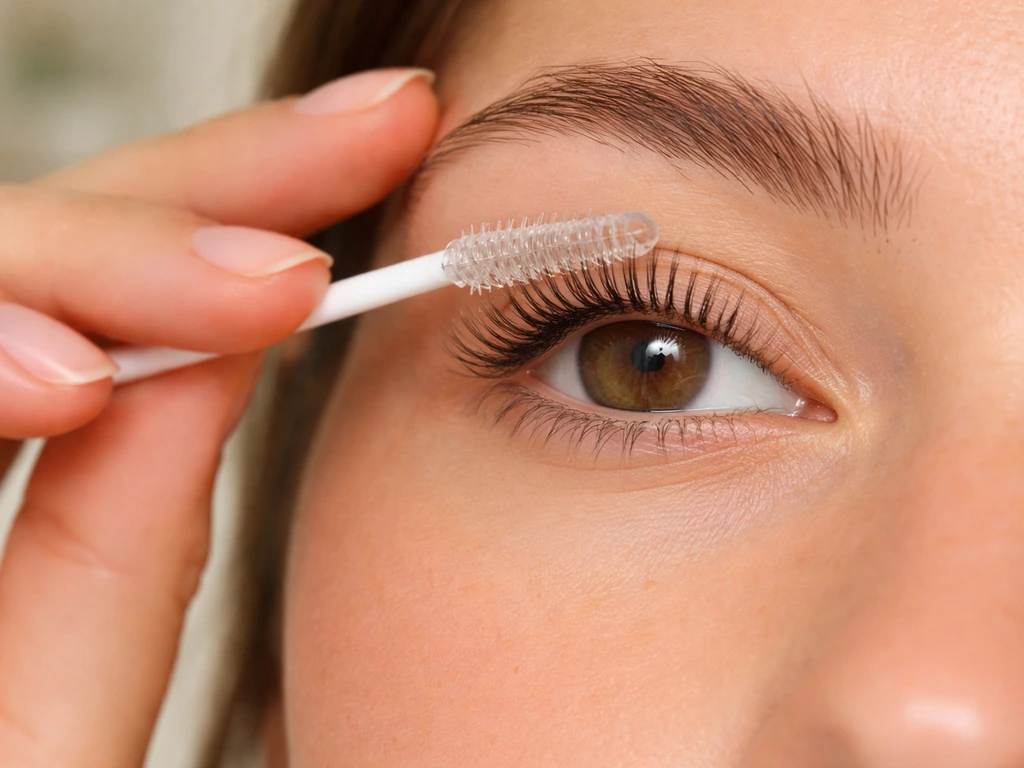
Primer does have a place in a growth-focused routine, specifically as a protective layer that reduces direct mascara-to-lash contact and may soften the mechanical stress of mascara removal. Here's how to use it without undermining your other efforts.
- Apply primer to clean, dry lashes before mascara. Let it dry for 30 to 60 seconds before layering mascara on top so it sets properly.
- Choose a formula with conditioning ingredients like panthenol, keratin, or vitamin E rather than just a volumizing polymer base. These offer more benefit to lash health.
- Use a gentle, non-waterproof mascara over the primer when possible. Waterproof formulas require more aggressive removal and undo the protective benefit.
- Remove everything with a micellar water or oil-based remover applied by pressing a soaked pad against closed lashes for 20 to 30 seconds instead of rubbing. Let it dissolve rather than scrub.
- If you're using a lash serum (OTC or prescription), apply it at night to a clean lash line and skip the primer until your morning routine. Don't layer them at the same time.
- Give your lashes at least one or two makeup-free days per week to reduce cumulative mechanical stress.
This routine won't grow new lashes, but it creates conditions where your growth-focused treatments have the best chance of working. Retaining what's growing while the serum does its job is a legitimate strategy. A lash conditioner approach is somewhat similar to what a dedicated lash conditioner product targets, so if you find primer too heavy, a lighter lash conditioner formula might suit your routine better.
When to stop DIY and talk to a clinician
Some lash loss scenarios genuinely need professional evaluation, and trying to solve them with serums or primers will just delay the right treatment. Reach out to a dermatologist or ophthalmologist if any of the following apply.
- Your lashes have thinned diffusely without a clear mechanical cause like extensions or harsh removal habits.
- You notice redness, crusting, flaking, or persistent itching along the eyelid margin. These are signs of blepharitis, which may need a topical antibiotic, antifungal lid scrubs, or demodex treatment depending on the underlying cause. Johns Hopkins notes that clinicians may swab the eyelid or examine lash samples to identify what's driving the inflammation.
- You're considering prescription bimatoprost. The Mayo Clinic advises stopping use and consulting a clinician if you experience itching, redness, swelling, or eye pain, and emphasizes wiping off any excess product to avoid unintended skin contact.
- Lash loss is accompanied by brow thinning or scalp hair loss, which points toward a systemic cause worth investigating.
- You've been through a course of extensions, lashes haven't recovered after three to four months of consistent care, and density hasn't improved.
The point isn't to make the situation feel more complicated than it is. Most lash thinning from extensions or mechanical damage resolves on its own with time and better habits. Do lash extensions help your eyelashes grow? The answer is no, and thinning from extensions usually improves with time and better habits. But follicle-level inflammation, particularly blepharitis, doesn't clear up with a serum, and the longer it goes unaddressed, the more the eyelid architecture can be affected. Getting it diagnosed early is genuinely worth it.
To bring it back to the original question: lash primer is a useful cosmetic tool for appearance and a modest one for reducing mechanical breakage, but it has no role in actual lash growth. If growth is your goal, the path forward is identifying your cause, choosing a genuinely evidence-backed treatment (starting with an OTC peptide serum if you want to avoid prescription options), committing to a 90-day window to evaluate, and using good removal habits to protect what's growing. That's a realistic, actionable plan you can start today.
FAQ
If I use lash primer daily, will my lashes grow faster?
No. Lash primer can make lashes look longer right away by creating a smoother base for mascara and sometimes adding polymers that enhance perceived length. But it cannot trigger the follicle’s growth cycle or produce new hairs, so any change you see is cosmetic or due to reduced breakage, not true regrowth.
How can I tell whether lash primer is working or just improving appearance?
You may see a fuller look even if growth is unchanged, because conditioning can reduce brittleness and breakage. The practical way to tell is to compare natural lash length before and after a break from makeup and primer for a couple of weeks, then reassess. If your true lash length does not increase, primer is only improving appearance or retention.
Is lash primer helpful if my lashes are thinning from inflammation?
Primer is generally least helpful when your lash issue is follicle-related, such as blepharitis or other eyelid inflammation. In those cases, conditioning may feel like it helps briefly, but it will not address the underlying cause, so thinning can continue until the eyelid issue is treated.
What should I do if lash primer irritates my eyes?
Stop and reassess if you notice itching, redness, stinging, watery eyes, or eyelid swelling. These can indicate irritation or contact dermatitis from ingredients, and further use can worsen lash shedding by increasing rubbing or inflammation.
Can I use lash primer if I’m also using a lash growth serum?
Yes, it can interfere with other routines if it is too heavy or if you layer it in a way that prevents a serum from contacting the lash line. If you are using an evidence-backed lash growth serum, try applying the growth product first (on the upper lash line per the label) and use primer only as a separate makeup step later, or switch to a lighter lash conditioner if your lashes feel coated.
Does lash primer help more for damage-related shedding than for genetic or hormonal thinning?
It depends. If your lashes are weak mainly from mechanical damage (extensions, frequent curling, aggressive removal), a primer-style protective base may help reduce abrasion and breakage. If the lashes are sparse due to hormone shifts, illness, medication effects, or scarring conditions, primer alone will not solve the root problem.
What’s the safest way to apply lash primer without increasing lash loss?
Avoid applying primer close to the waterline or getting it into the eye. Use a clean spoolie, keep the product off the inner rim, and remove it gently at night to reduce tugging. If you often get runny or itchy eyes after makeup, your safest move is to use a lighter, fragrance-free conditioning option or skip primer.
Can lash primer help if I’m also using castor oil or other lash oils?
Usually, you will not get meaningful growth from primer by itself, but castor oil, for example, may indirectly affect fullness by conditioning and reducing breakage. If you do use castor oil or similar products, apply sparingly and away from the eye surface, because irritation can outweigh any indirect benefit.
How long should I wait before deciding lash primer is not helping?
Set a realistic timeline: if your goal is true length or density improvement, expect at least a 10 to 16 week commitment to treatments that target growth, because lash cycles do not reset overnight. For primer specifically, treat it as an appearance and retention aid, so your “results” should be judged mainly by how much less you break and how consistent your look is.
When should I stop trying primers and see a doctor instead?
Seek professional evaluation if you have persistent eyelid redness, burning, crusting, significant itch, or lashes that are shedding repeatedly over time. Also get checked if you have noticeable patchy loss, misdirected lashes, or symptoms that do not improve when you pause cosmetics.
Next Article
Does Conditioner Help Your Eyelashes Grow? What to Expect
Conditioner can reduce brittleness and improve lash look, but it won’t regrow follicles. Learn what works, risks, and ti