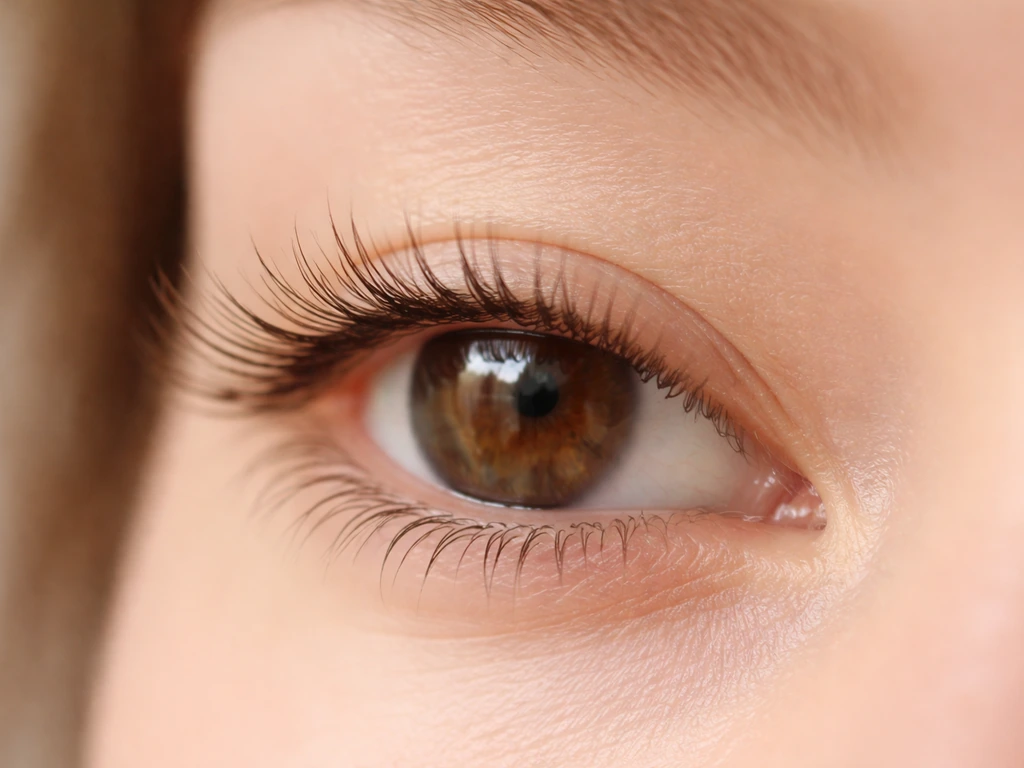
Damaged eyelashes can absolutely grow back, and most people see meaningful recovery within 6 to 12 weeks if they stop the source of damage and give follicles a consistent, low-stress environment. The catch is that "growing back" looks different depending on whether your lashes broke off mid-shaft or were shed from the root, and that distinction changes both the timeline and the approach.
How to Grow Damaged Lashes Back to Health in 6–12 Weeks
Rachel Nguyen
2 Jun 2026
How damaged eyelashes actually recover (breakage vs. shedding)
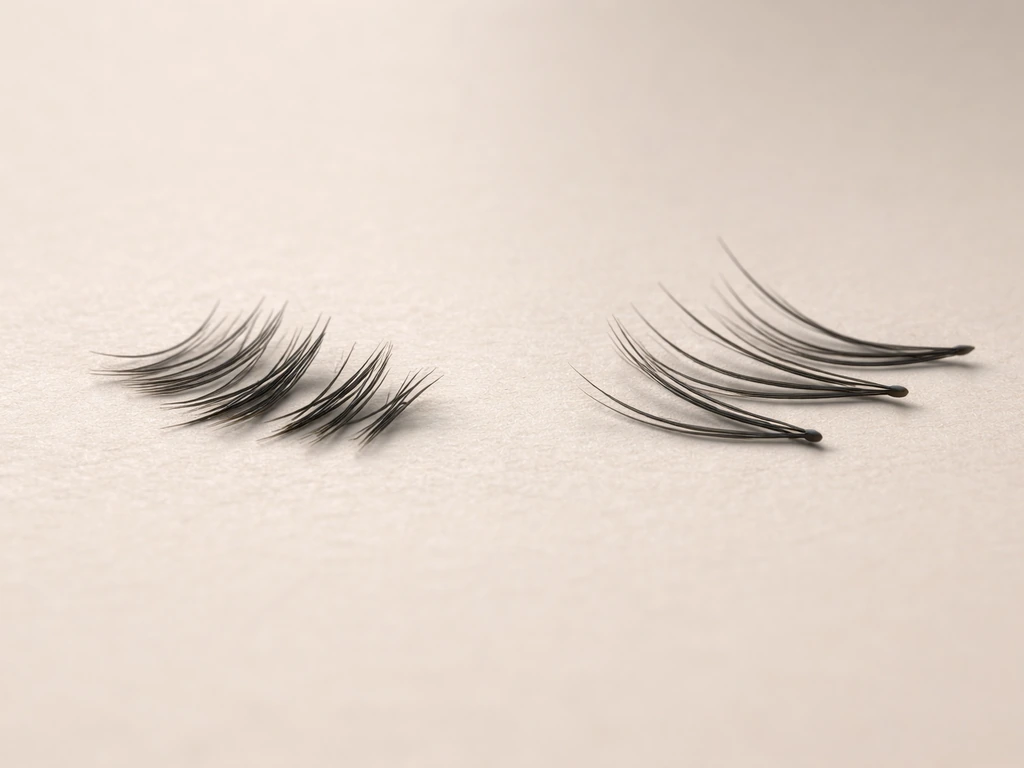
There are two very different things happening when lashes look sparse or short, and confusing them leads to frustration. Breakage means the hair shaft snapped somewhere along its length, usually from mechanical stress or chemical exposure. The follicle itself is still intact and producing hair, so the visible lash is just shorter than it should be. In this case, you are not waiting for a new lash to grow from zero, you are waiting for the existing shaft to grow out, which happens at roughly 0.12 to 0.15 mm per day.
Shedding is different. When a lash falls out from the root, the follicle has to complete its rest phase (telogen) and restart the active growth phase (anagen) before a new lash even begins to emerge. The full eyelash growth cycle runs about 4 to 11 months, but individual follicles are always at different stages, so you will not lose all your lashes at once unless something is disrupting the cycle systemically. When damage causes accelerated shedding, the follicles do not disappear, they just need the stressor removed so they can re-enter anagen.
The practical upshot: if your lashes look short and stubbly, that is likely breakage, and patience plus protection will get them back. If you are seeing noticeable thinning or bald patches, that points more toward shedding or follicle stress, which takes longer to resolve but is still very reversible in most cases.
What causes lash damage and what to stop immediately
Before any recovery routine works, you have to remove the thing damaging your lashes in the first place. This sounds obvious, but a lot of people add oil treatments or serums on top of habits that are still actively causing harm, and then wonder why nothing is improving.
The most common culprits, roughly in order of how often I see them come up:
- Eyelash extensions: The weight, the adhesive, and especially aggressive removal all pull on follicles repeatedly. Heavy extensions worn back-to-back without breaks are one of the top reasons people end up with traction-related thinning.
- Rubbing and picking: Habitual rubbing at the eye area, especially when removing makeup, physically yanks lashes out before they have completed their cycle. This also applies to picking at extensions instead of having them professionally removed.
- Harsh makeup removers: Alcohol-based or oil-stripping removers weaken the hair shaft and irritate the follicle margin over time. The same goes for waterproof mascara formulas that require heavy scrubbing to remove.
- Eyelash curlers used with force or on dry lashes: Mechanical curlers can shear lashes cleanly if used too aggressively or if lashes are brittle. Heated curlers carry an additional risk of protein damage to the hair shaft.
- Lash tinting and chemical treatments: Repeated chemical exposure bleaches and weakens the shaft structure, making lashes more prone to snapping.
- Infection and inflammation: Blepharitis (chronic eyelid inflammation) is a particularly underappreciated cause. It disrupts the follicle environment, slows growth, and causes increased shedding. If your eyelids are often red, flaky, or itchy, this needs to be addressed alongside any regrowth strategy.
- Nutritional deficiencies: Low ferritin (stored iron), vitamin D deficiency, and inadequate protein intake all correlate with increased hair shedding across the body, including lashes. Biotin deficiency is rarer than supplement marketing implies, but it is real when it occurs.
- Medications: Certain drugs including some chemotherapy agents, retinoids, beta-blockers, and anticoagulants can slow or disrupt lash growth as a side effect.
Stop whatever is on that list that applies to you before moving on. If it is extensions, take a full break for at least 8 to 12 weeks. If it is rubbing, switch to a micellar water on a soft cotton pad and press gently rather than wiping. If it is mascara removal, use a dedicated eye makeup remover and let it soak for 20 to 30 seconds before lightly sweeping downward.
Your lash recovery timeline (what to realistically expect week by week)
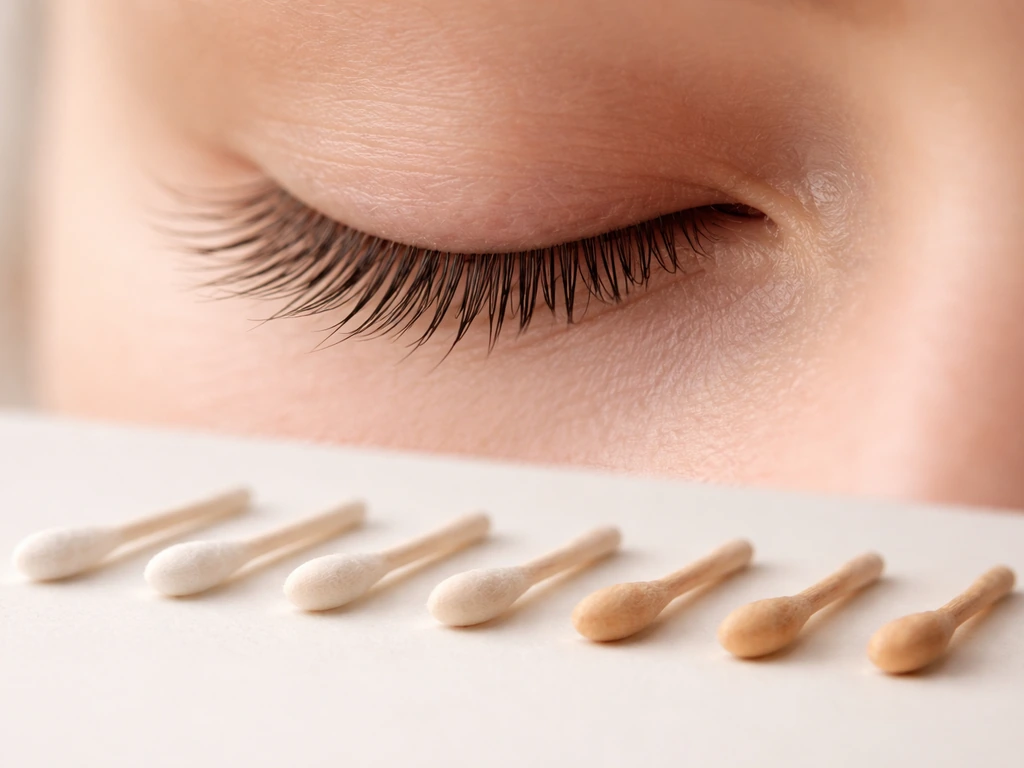
People want a specific number, so here is one: most people notice visible improvement between weeks 4 and 8, and nearly full recovery by weeks 10 to 16, assuming the damage source is gone and the routine is consistent. That said, the timeline splits depending on your situation.
| Damage Type | What You See Now | When Improvement Starts | Full Recovery Estimate |
|---|---|---|---|
| Breakage (shaft snapped) | Short, stubbly lashes | 2 to 4 weeks | 6 to 10 weeks |
| Shedding (lash fell from root) | Sparse or thin areas | 4 to 6 weeks | 10 to 16 weeks |
| Follicle stress (extensions, traction) | Thinning across the lash line | 6 to 8 weeks after break | 12 to 20 weeks |
| Inflammation-related (blepharitis, allergy) | Patchy loss, irritation | 4 to 8 weeks after treatment | 12 to 24 weeks |
One thing worth being honest about: if you are older than 40, growth cycles naturally slow, so the higher end of these estimates is more likely for you. Hormonal changes, particularly those around perimenopause, also affect hair cycling. That does not mean recovery is impossible, just that the timeline extends.
Daily at-home routine to protect and stimulate growth
The goal of any daily routine is simple: keep the follicle environment clean, reduce inflammation, minimize mechanical stress, and optionally add a topical that supports growth. If your main goal is specifically how to get your lashes to grow longer, focus on the routine steps that protect the follicle and reduce breakage. Here is what that looks like in practice.
Morning
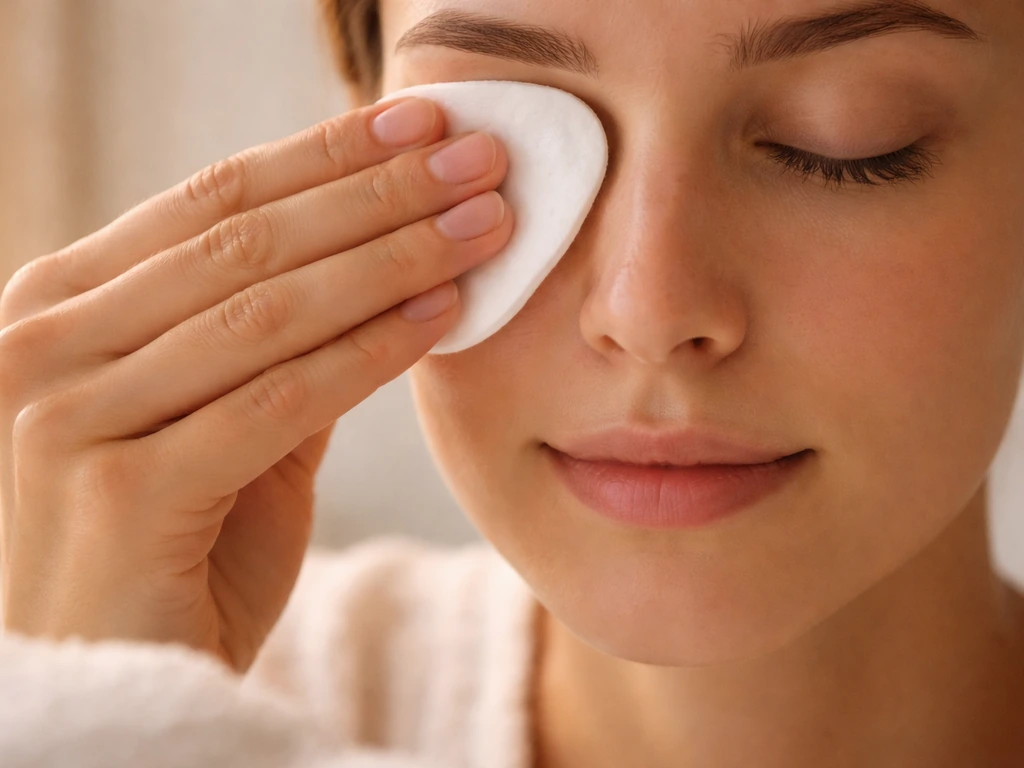
- Rinse your face gently with lukewarm water. Avoid hot water directly on the eye area, as heat increases inflammation.
- If you use mascara, choose a nourishing, non-waterproof formula. Waterproof mascaras require heavier removal effort and tend to be drying. Limit mascara to days when it is truly necessary during the recovery phase.
- Skip the eyelash curler entirely for the first 4 to 6 weeks. Once lashes are longer and less fragile, use a heated curler on a low setting with very light pressure rather than a clamp curler.
Evening
- Remove eye makeup with a gentle oil-based or micellar cleanser. Soak a soft cotton pad, hold it over the closed eye for 20 to 30 seconds, then sweep downward once or twice. Do not rub back and forth.
- Cleanse the eyelid margin with a gentle, fragrance-free cleanser or a dedicated eyelid foam if you have any signs of blepharitis. This step is often skipped but is genuinely important for follicle health.
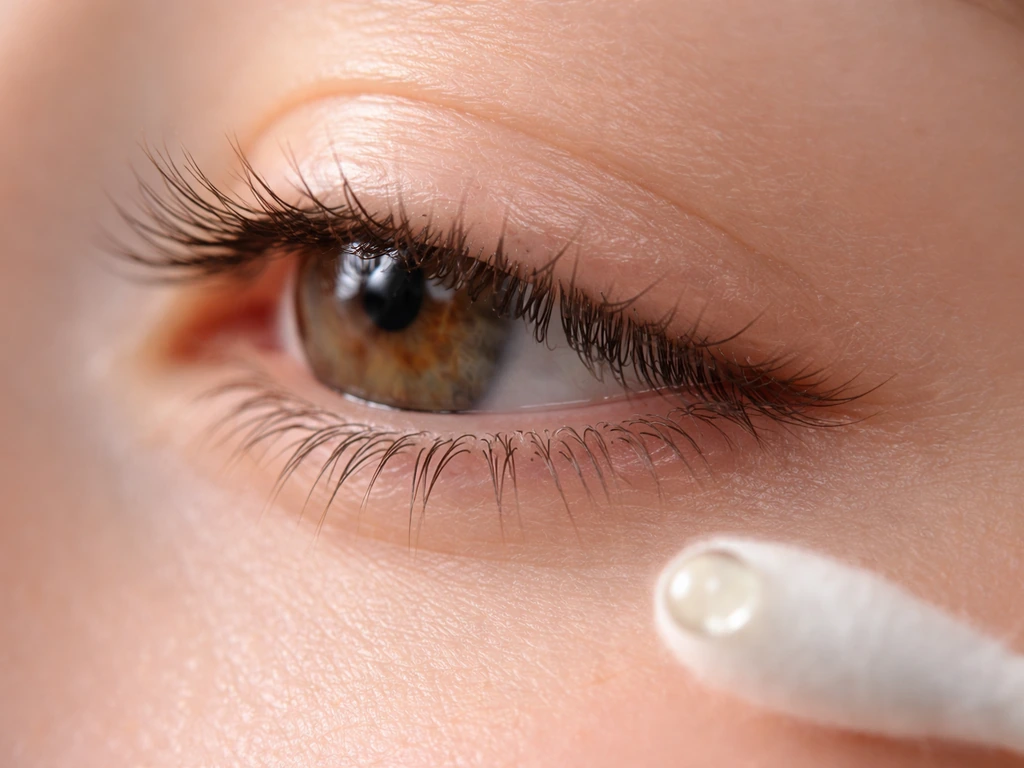
- Apply your chosen growth-support product (oil, conditioning serum, or prescription treatment if applicable) along the upper lash line using a clean applicator or fingertip. Avoid getting product into the eye.
- Try not to touch or rub your eyes overnight. If you sleep on your side, a silk pillowcase reduces friction on your lashes compared to cotton.
Weekly habits that matter
- Check your diet for protein, iron, and vitamin D. These are the three nutrients most commonly linked to diffuse hair shedding, and getting them from food is more effective than supplements unless you have a confirmed deficiency.
- Manage stress where you can. Elevated cortisol pushes hair follicles into telogen (resting) phase prematurely. This affects scalp hair more dramatically than lashes, but chronic stress still contributes.
- Audit anything touching your eye area: pillowcases, makeup brushes, and eye masks should all be cleaned regularly to reduce bacterial load near follicles.
Growth products that may actually help
There is a wide spectrum here, from ingredients with solid clinical backing to things that are mostly marketing. Here is an honest breakdown.
Prescription bimatoprost (Latisse)
This is the only FDA-approved treatment specifically indicated for eyelash growth (hypotrichosis). Bimatoprost is a prostaglandin analog, and the research suggests it works by increasing the proportion of follicles in the active growth phase (anagen) and extending how long anagen lasts. It takes about 16 weeks to see full results, and lashes return to their previous state roughly 4 to 8 weeks after you stop using it. It requires a prescription and is applied nightly to the upper lash line with the provided applicator. One important note: the mechanism of bimatoprost's effect on eyelash growth is not completely understood, even though its results in clinical trials are well-documented.
Over-the-counter lash serums
OTC serums use a variety of peptides, panthenol, biotin, and sometimes peptide chains that mimic prostaglandin pathways without being actual prostaglandin analogs (these are sometimes labeled as "prostaglandin-free" serums). The evidence for these is thinner than for bimatoprost, but some users see noticeable improvement in length and thickness with consistent 8 to 12 week use. Look for serums containing peptides like myristoyl pentapeptide-17, which has some published data supporting lash growth. Apply at night to a clean lash line. If you are curious about what to put on lashes to make them grow, OTC serums are a good starting point for people who do not want a prescription.
Castor oil
Castor oil is one of the most-searched natural remedies for lash growth, and it has genuine value, though probably not for the reason most people think. There is limited direct clinical evidence that castor oil causes new lash growth. What it does do well is condition the hair shaft, reduce breakage, and potentially reduce inflammation around the follicle through its ricinoleic acid content.
For lashes that are damaged primarily through breakage rather than shedding, this conditioning effect alone can make a meaningful visible difference. Apply a tiny amount with a clean mascara wand or fingertip to the upper lash line before bed. Use cold-pressed, hexane-free castor oil, and keep it away from the eyeball itself, as it can cause temporary blurred vision if it gets in. Less is more here, a pea-sized drop is enough for both eyes.
Other oils worth considering
Argan oil and vitamin E oil are lighter alternatives to castor oil that condition without the thick, sticky texture. They are easier to use nightly if castor oil feels too heavy. Neither has strong clinical evidence for stimulating growth specifically, but both reduce shaft brittleness. If you want a simple DIY approach, using a nourishing oil consistently is a solid foundation, and you can explore that further alongside approaches for growing lashes without serums. If you want a true how to grow your lashes diy approach, focus on consistent conditioning, gentle handling, and protecting the lash line from further damage.
Biotin supplements
Biotin (vitamin B7) has a strong reputation for hair growth, and the evidence supports it specifically in people who have a biotin deficiency, which is actually uncommon in adults eating a balanced diet. If you are not deficient, supplementing with high-dose biotin is unlikely to accelerate lash regrowth beyond your genetic baseline. That said, biotin is inexpensive, generally well-tolerated, and does not hurt to try at a standard dose (around 2.5 mg per day). The more important caveat: high-dose biotin (10 mg or more) can interfere with thyroid and cardiac lab test results, so flag it to your doctor if you are getting bloodwork done.
| Product Type | Evidence Level | Realistic Timeline | Best For | Key Caution |
|---|---|---|---|---|
| Bimatoprost (Rx) | Strong (FDA-approved) | 12 to 16 weeks | Significant thinning or hypotrichosis | Requires prescription; side effects possible |
| OTC peptide serums | Moderate | 8 to 12 weeks | Moderate damage, non-prescription preference | Ingredient quality varies widely by brand |
| Castor oil | Limited (conditioning data only) | 6 to 10 weeks | Breakage, brittleness | Keep out of eyes; can cause blurred vision |
| Argan/vitamin E oil | Limited | 6 to 10 weeks | Conditioning, fragile shafts | Generally low risk |
| Biotin supplement | Only with deficiency | 8 to 16 weeks | Those with confirmed low biotin/poor diet | Can interfere with lab tests at high doses |
Safety, side effects, and when to see an eye doctor
Most at-home approaches are low-risk when used correctly, but there are a few things worth flagging clearly.
Prostaglandin analogs like bimatoprost carry real side effects when used incorrectly. Prostaglandin-associated periorbitopathy is a documented condition involving changes to the periorbital area including darkening of the eyelid skin, loss of orbital fat (making eyes appear sunken), and iris color changes in some cases. These effects have primarily been reported with glaucoma eye drops, but the proximity to the eyelid margin means careful application is important even with the lash-specific formulation. Bimatoprost should not be applied directly to the eyeball surface when used for lash growth. Hyperemia (eye redness) is also a reported side effect.
For oils, the main risks are getting product into the eye (temporary blurred vision, irritation) and allergic reactions at the eyelid margin. If you notice redness, stinging, or swelling after starting any new topical, stop using it immediately and give the area a few days to settle before trying again.
See an eye doctor or dermatologist in these situations:
- Redness, swelling, or pain along the eyelid margin that does not resolve within a few days, this could indicate blepharitis, a stye, or an allergic reaction that needs treatment
- Lash loss that is patchy, asymmetric, or spreading despite stopping the obvious damage source, this warrants evaluation for alopecia areata or a systemic condition
- You suspect a medication is causing your lash loss, do not stop the medication without consulting whoever prescribed it
- You have any discharge, crust, or skin changes around the eyelid alongside the lash loss
- No visible regrowth after 12 to 16 weeks of consistent at-home care
Blepharitis specifically deserves a mention because it is very common and very underdiagnosed. If your lids are chronically flaky, itchy, or feel like there is something gritty in your eye, bring this up with a doctor before anything else. You will not make meaningful progress on lash regrowth while active eyelid inflammation is disrupting the follicle environment.
Your 6 to 12 week step-by-step recovery plan
Here is how to structure the recovery effort from day one through week twelve, with notes on what to do if you hit a plateau.
Week 1: Stop and stabilize
- Identify and remove the primary damage source (extensions, rubbing habit, harsh remover, etc.).
- Switch to a gentle, oil-based makeup remover and begin the press-and-sweep method instead of rubbing.
- Start cleansing the eyelid margin nightly with a mild cleanser or eyelid foam.
- Apply a conditioning oil (castor, argan, or vitamin E) to the lash line nightly. Keep expectations realistic for this phase: you are stopping the bleeding, not yet regrowing.
- Take a close-up photo of your lash line under good lighting. You will want a baseline to compare against at weeks 4, 8, and 12.
Weeks 2 to 4: Protect and condition
- Continue the nightly cleanse and conditioning oil routine consistently.
- If you have not already, review your diet for iron, protein, and vitamin D. Add a standard biotin supplement if your diet is restricted or you suspect deficiency.
- Avoid all mascara if possible, or use only a nourishing formula applied to tips only, not roots.
- Sleep on a silk or satin pillowcase to reduce overnight friction.
- At week 4, compare with your baseline photo. You may start to see small new lash hairs in previously sparse areas.
Weeks 5 to 8: Add a growth-support product if needed
- If conditioning alone is not producing visible change by week 4 to 5, introduce an OTC peptide serum or speak to a dermatologist about bimatoprost.
- Apply the serum at night to a completely clean, dry lash line. Do not layer it on top of the oil, use one or the other on a given night, or use the serum at night and a light oil in the morning.
- Continue eyelid cleansing. If you notice any redness or irritation after starting the serum, stop it for a week and reintroduce every other night to assess tolerance.
- At week 8, compare photos again. Most people with breakage-type damage see clear improvement by now. Shedding-related thinning may still be in early recovery stages.
Weeks 9 to 12: Assess and adjust
- By week 10 to 12, breakage damage should be largely resolved. If your lashes still look significantly shorter than they did before the damage, something is either still disrupting growth or there is an underlying factor worth investigating.
- If shedding-related thinning is improving but not fully resolved, continue the routine. This timeline commonly extends to 16 to 20 weeks for follicle-level recovery.
- If you have seen no improvement at all after 12 weeks of consistent effort, see a dermatologist. Bring your baseline and current photos, your product list, and a note about what damage source you removed.
Troubleshooting common plateaus
- Still shedding at week 6 or later: Re-examine whether the original damage source is truly gone. Also consider whether blepharitis or an allergy to your new products is the culprit.
- Lashes growing back thinner or lighter than before: This is normal in early regrowth. New lashes often emerge finer and gain pigment and thickness over subsequent cycles. Give it more time before worrying.
- Uneven regrowth (some patches not filling in): Patchy regrowth that is asymmetric or clustered in one area is worth a dermatology visit to rule out alopecia areata.
- Irritation from castor oil or serum: Dilute castor oil with argan oil 1:1, or switch to an every-other-night application schedule. For serums, check the ingredient list for common irritants like certain preservatives or fragrances.
- Progress stalled after good early improvement: This often happens around weeks 6 to 8 and is usually a growth cycle timing issue, not a failure. Stay consistent and reassess at week 12.
One final thought: growing damaged lashes back is mostly about patience and consistency, not finding the single magic product. The readers who see the best results are almost always the ones who stopped the damage first and gave the routine at least 10 weeks before making a judgment. If you are also curious about maximizing length beyond your baseline or exploring entirely serum-free approaches, there are specific strategies worth looking into for each of those goals separately from a recovery-focused routine. If you want to grow lashes without serum, focus on mechanical protection, gentle cleansing, and conditioning ingredients that support the lash shaft while you wait for natural regrowth serum-free approaches.
FAQ
How can I tell if my lashes are breaking off versus actually shedding from the root?
A quick clue is the pattern. Breakage often leaves shorter lashes that are uneven but still present, and you may notice frayed or snapped-looking tips. Shedding/thinning tends to look more like gaps or bald patches with fewer total lashes, especially along specific areas of the lash line.
If I stop extensions or harsh makeup removal today, when should I expect the first signs of improvement?
Even after stopping the damage, the earliest visible changes are usually subtle, around weeks 4 to 6. You might notice less shedding or fewer broken pieces before you see obvious length, so track counts or photos weekly rather than judging daily.
What should I do if I see no improvement after 8 weeks?
First, confirm the damage source is truly gone (sleeping face-down, aggressive rubbing, lingering extension adhesive, or frequent oil-based makeup removal). Then reassess whether your issue is breakage or shedding, because breakage often improves sooner, while follicle-related thinning can take longer. If you are consistently using a treatment for 10 to 12 weeks with no change, consider getting an eye exam.
Can I use eyelash serums or bimatoprost if I still have irritation or eyelid flakes?
It is better to calm active eyelid inflammation first. If you have chronic itching, flaking, gritty feeling, or crusting near the lash line, treat that underlying blepharitis or dermatitis risk with a clinician, because an inflamed follicle environment can block progress.
Is it safe to combine an OTC lash serum with castor oil or other oils?
Often yes, but avoid stacking multiple products at the same time if you are prone to irritation. A simple approach is serum at night, and oils only if you tolerate them well, using a tiny amount and ensuring it stays off the inner lid and eye surface.
Why do my lashes feel thicker at first but then look worse later?
Some people notice early “cosmetic” improvement from conditioning, then see continued thinning if the real trigger is still present (rubbing, incompatible makeup remover, extension residue, or chronic lid inflammation). If thickness does not translate into fewer gaps by weeks 8 to 12, reevaluate the cause rather than increasing product strength.
Can hormones or aging slow lash regrowth, and how does that change my plan?
Yes. Perimenopause and aging can extend the timeline, so the goal becomes patience with consistent protection rather than frequent changes to products. If you are over 40 or recently have hormonal shifts, plan for the longer end of the recovery window and avoid switching routines every few weeks.
Will wearing makeup or wearing contact lenses prevent regrowth?
Makeup itself is not the enemy, aggressive removal is. If you wear contacts, be extra careful during cleansing and avoid getting serums into the eye. Choose gentle removal (soak first, press not wipe) and give your lash line a consistent routine nightly.
What’s the correct way to apply a lash serum to reduce side effects?
Apply only to the upper lash line, with minimal product, and keep it away from the eyeball surface. If you get redness or stinging, stop and reassess technique, because side effects are more likely when product migrates toward the eye or lower lid area.
Are there signs I should stop a treatment immediately?
Stop and seek advice if you develop persistent eye redness, swelling of the eyelids, pain, or new discharge, or if you get irritation that does not settle after a few days. Also discontinue if you notice noticeable darkening or other periorbital skin changes while using prostaglandin analogs.
How do I know whether an apparent “plateau” is just a normal growth cycle?
A plateau can be real, but it is also common for visible changes to lag behind follicle recovery. Use weekly photos in the same lighting and avoid judging after weekends off. If you still see no change by around week 12 despite removing the damage source and using the routine consistently, get an eye exam to check blepharitis or other eyelid causes.
Next Article
How to Get Your Lashes to Grow Longer: A Step-by-Step Guide
Step-by-step plan to help lashes grow longer fast: biology, realistic timelines, safe serums, oils, habits, and troubles