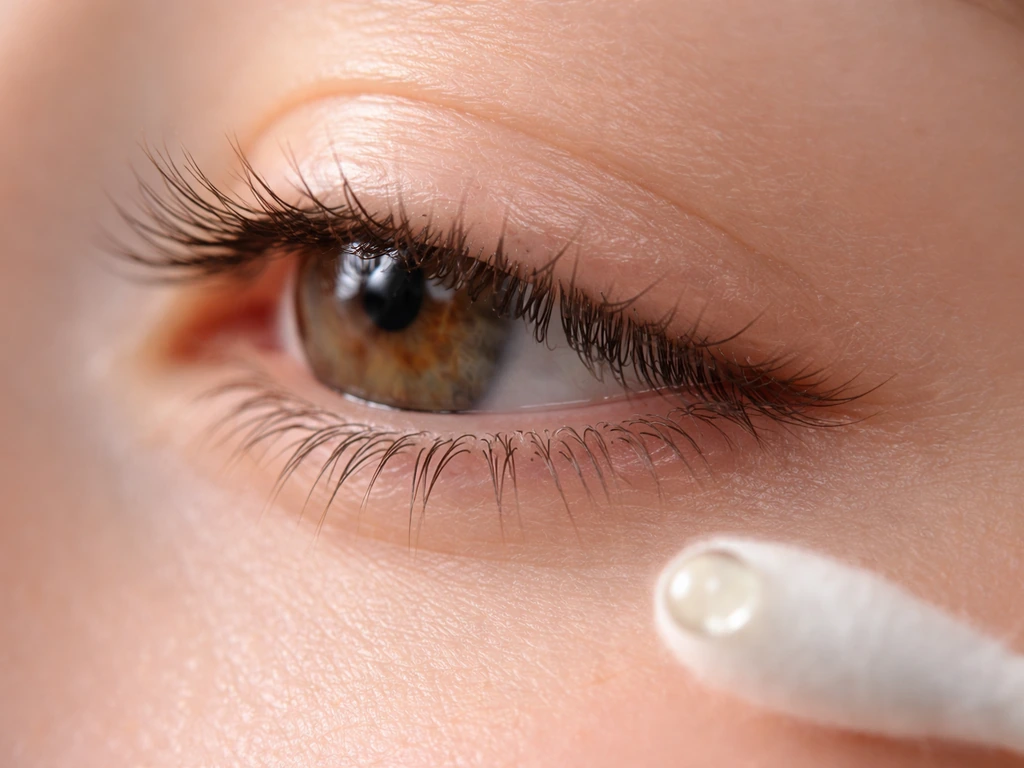
A safe, practical DIY lash routine starts with one good oil (castor oil is the most popular), a clean spoolie, and consistent nightly application to the lash line. That alone won't biologically accelerate your growth cycle the way a prescription like Latisse does, but it conditions follicles, reduces breakage, and keeps existing lashes healthier so they reach their full length instead of snapping off early. Combined with a few protective daily habits, most people notice visibly fuller, less brittle lashes within 6 to 8 weeks.
How to Grow Your Lashes DIY: Safe Steps to Get Longer
Rachel Nguyen
2 Jun 2026
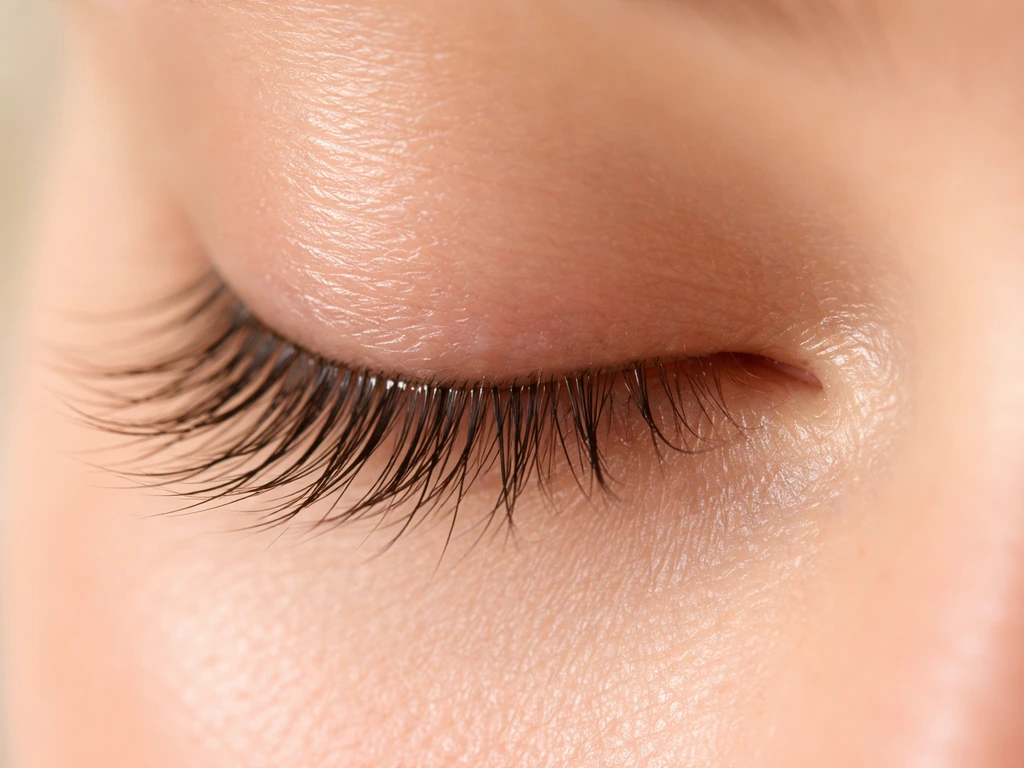
How lash growth works and why DIY sometimes fails
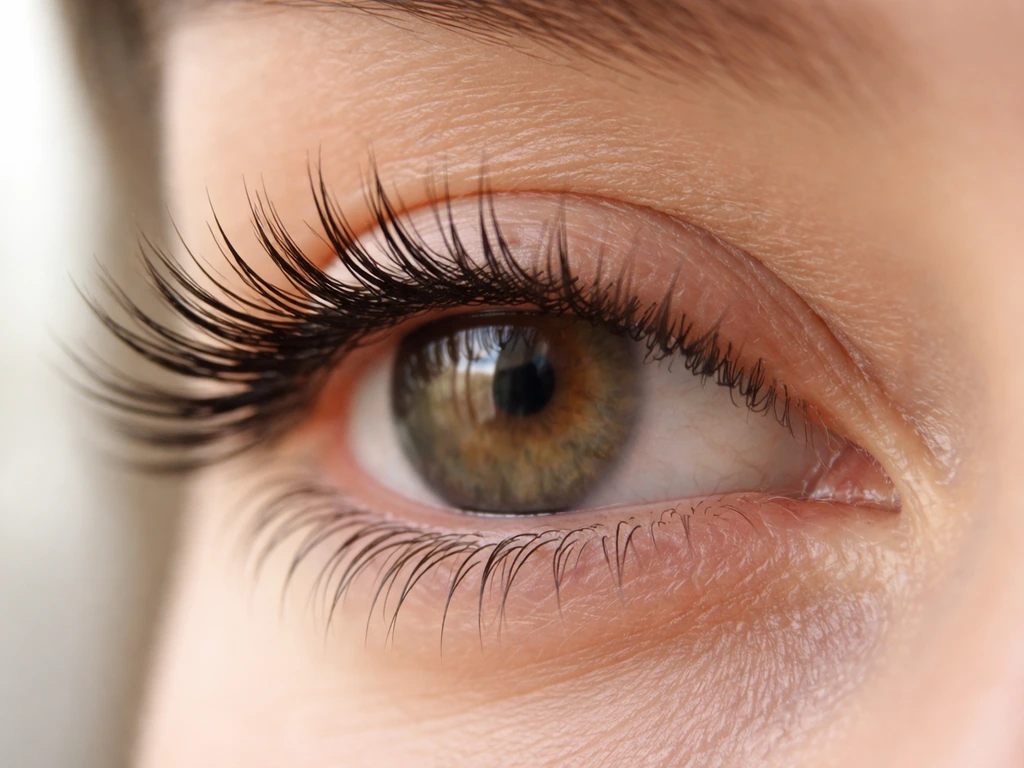
Your lashes go through the same three-phase cycle as every other hair on your body: anagen (active growth), catagen (transition), and telogen (resting, then shedding). The anagen phase for eyelashes is much shorter than scalp hair, typically around 30 to 45 days, which is why lashes never get as long as head hair on their own.
At any given moment, more than 85% of your scalp hairs are in anagen, but lash follicles rotate through the phases faster and less uniformly, so shedding a few lashes daily is completely normal. A telogen effluvium background summary also describes the normal hair-cycle pattern where most hairs are in anagen and a smaller fraction is in telogen, alongside catagen and telogen resting or shedding stages [more than 85% of your scalp hairs are in anagen](https://storage. imrpress. com/IMR/hmed/application/10.
12968/hmed. 2012. 73. 7.
372. pdf).
DIY methods fail for a few predictable reasons. If you are looking specifically for how to grow lashes without serum, start with a simple oil-based routine and focus on consistency and gentle application. First, no oil or food-based ingredient has been shown in clinical trials to biologically extend the anagen phase or stimulate dormant follicles the way blank" rel="noopener noreferrer">prescription bimatoprost (the active ingredient in Latisse) does.
Castor oil, vitamin E, and similar ingredients work more like a support system than a growth accelerator. They prevent mechanical breakage, add slip to reduce friction, and keep the lash and follicle environment healthier. When people quit after two weeks because they "don't see growth," they're often abandoning a routine right before the conditioning benefit becomes visible.
The second failure mode is inconsistency. Lash follicles need sustained support across multiple growth cycles to show a noticeable difference. Skipping applications for days at a time resets most of the protective benefit. The third failure mode is application near the eye causing irritation, which leads people to stop entirely. Technique matters a lot here, which is why the routine below is specific about how to apply.
DIY lash-growing routine you can start today
This routine takes about three minutes at night and one small habit adjustment in the morning. The nighttime window matters because you're not blinking the oil away and there's no mascara or makeup involved, so the ingredients actually sit on the follicle long enough to do anything useful.
Nightly application (3 minutes)
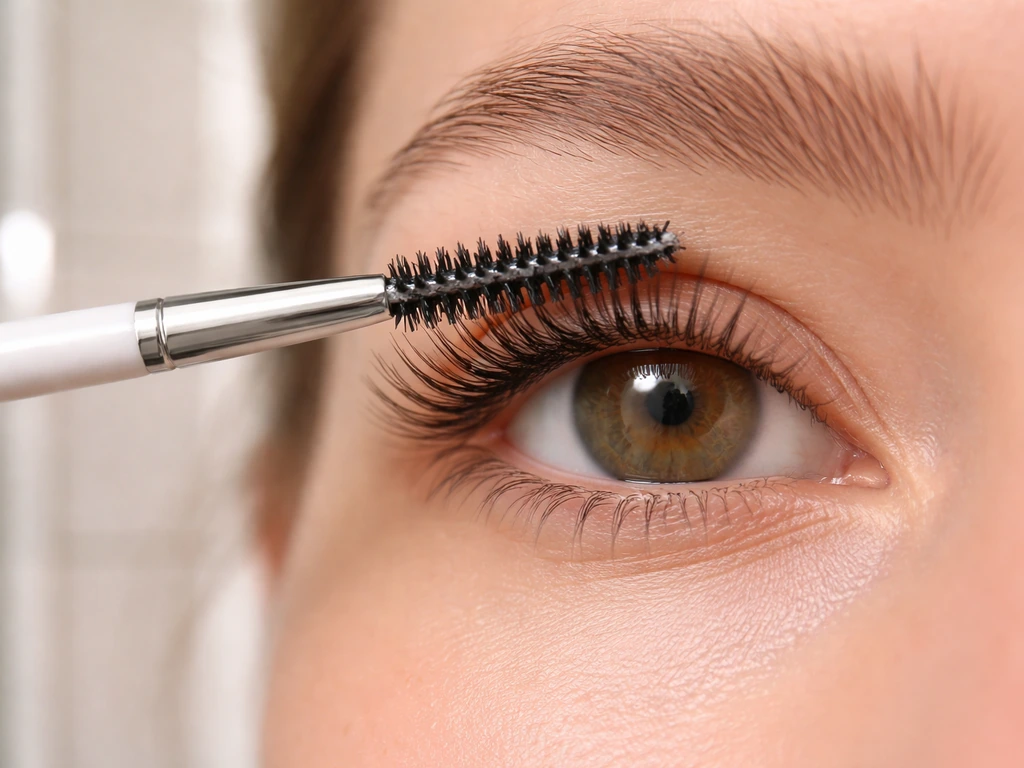
- Remove all eye makeup completely before starting. Residual mascara or liner traps bacteria and prevents the oil from contacting the lash base.
- Wash your hands thoroughly. You're working millimeters from your eye.
- Dispense one small drop of your chosen oil (see the next section) onto a clean, disposable mascara wand or a cotton swab.
- Apply from the base of the upper lash line outward, using the same motion you'd use for liquid liner. Keep the product on the lashes and the immediate lash line, not on the inner rim of the eye.
- Apply to the lower lash line the same way if you want to treat those too.
- Let it sit overnight. No need to wipe off unless it migrates into your eye, in which case rinse with water.
- In the morning, gently cleanse the eye area to remove any residual oil before applying makeup.
Morning habit (30 seconds)
Before applying mascara, run a clean spoolie through your lashes from base to tip. This distributes any remaining oil, detangles lashes so they don't snap when you apply mascara, and trains them to sit in a consistent direction over time. That's it. No additional product needed in the morning.
Best lash-friendly oils and ingredients, and how to apply safely
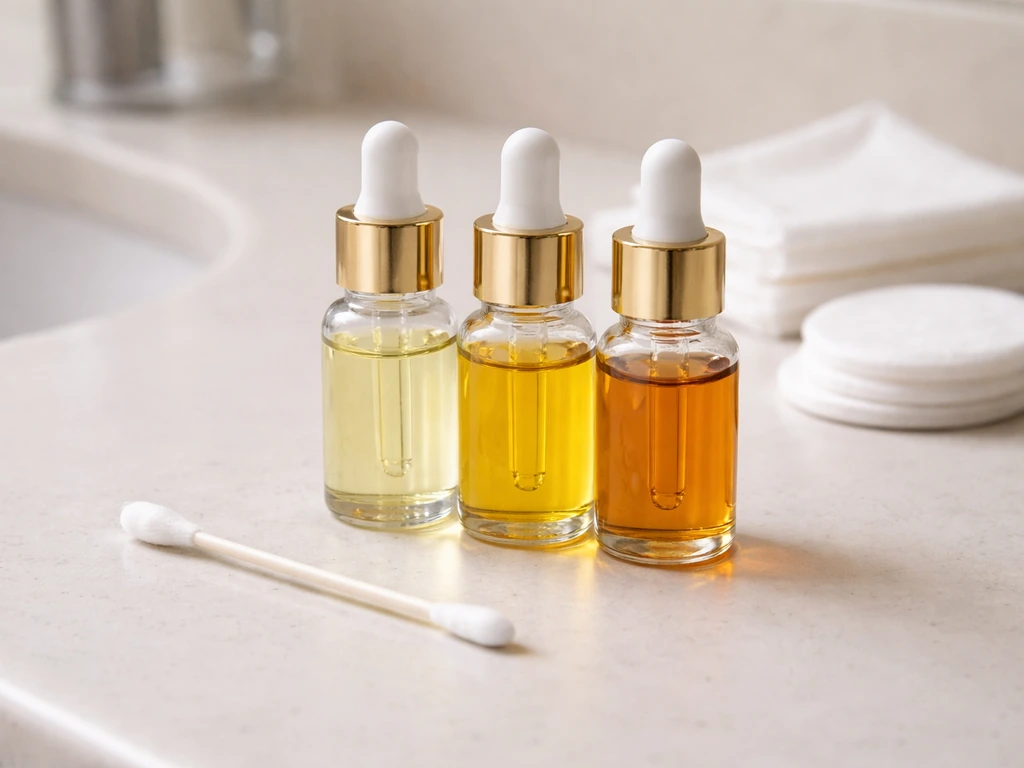
There is no clinical trial proving that any oil directly makes lashes grow longer. That's worth being straight about. What the evidence does support is that oils can condition lashes and reduce mechanical damage, which allows lashes to reach their natural growth potential instead of breaking short. Here are the most used options and honest notes on each.
| Ingredient | What it actually does | Evidence level | Best for |
|---|---|---|---|
| Castor oil (cold-pressed) | Coats and conditions lashes; ricinoleic acid may support follicle environment | No lash-specific clinical trials; general conditioning evidence | Most people starting out; widely available |
| Vitamin E oil | Antioxidant; reduces oxidative stress around follicle; adds moisture | Limited direct evidence; generally safe for skin use | Dry, brittle lashes; good as a mixer with castor oil |
| Argan oil | Lightweight; rich in fatty acids and vitamin E; less heavy than castor | No lash-specific trials; good tolerability profile | People who find castor oil too heavy or greasy |
| Coconut oil | Penetrates hair shaft; reduces protein loss; anti-inflammatory | Some evidence for hair shaft integrity, not lash-specific growth | Lashes damaged by extensions or harsh removers |
| Olive oil | Emollient; contains squalene and oleic acid; widely available | No lash-specific evidence; general conditioning only | Budget option; best for occasional use |
For most beginners, cold-pressed castor oil is the practical starting point. It's thick enough to stay on the lash line overnight without running into the eye too easily, and it's the ingredient most studied in the context of lash and brow conditioning discussions. If you find it too heavy and wake up with greasy lids, try mixing one drop of castor oil with two drops of argan oil to thin it out while keeping the conditioning benefit.
Safety rules that actually matter
- Patch test any new oil on your inner arm 24 hours before applying near your eyes. Allergic reactions in the eye area are particularly uncomfortable and can cause swelling, redness, and itching.
- Never apply oils to the inner waterline or directly into the eye. The lash base and outer lash shaft are the target areas.
- Use clean, preferably disposable applicators. Reusing a wand dipped back into a bottle of oil is a contamination risk, especially this close to your eye.
- Stop immediately if you notice redness, persistent itching, swelling, or any change in vision, and rinse thoroughly with clean water.
- Do not use any DIY lash product if you have an active eye infection, inflamed skin around the eye, or a current case of blepharitis. Wait until the condition fully clears.
- Never use essential oils (like peppermint or tea tree) undiluted near the eye. They are too concentrated and can cause serious irritation or corneal damage.
Habits that prevent breakage and support longer lashes
Oil application gets most of the attention in DIY lash guides, but daily habits have an equally big impact on whether your lashes actually reach their growth potential or keep snapping off at mid-shaft. A lash that breaks before completing its anagen phase will never look longer regardless of what you're applying to it.
- Remove mascara gently. Rubbing, pulling, or using rough cotton pads is the single biggest cause of mechanical lash breakage. Use a gentle, oil-based remover and press it onto closed lids for 20 seconds before wiping downward, never side to side.
- Avoid waterproof mascara daily. It requires much more friction to remove than regular formula. Reserve it for occasions where you actually need the staying power.
- Let lashes rest from extensions. If your lashes are sparse or weakened, continuing with lash extensions keeps follicles under traction stress and prevents recovery. Extensions are a documented cause of traction alopecia.
- Don't use a lash curler on dry lashes. If you curl, do it before mascara application on lashes that have a tiny amount of conditioning oil or primer on them. Crimping dry lashes, especially with heat, causes mid-shaft breaks.
- Sleep on a silk or satin pillowcase. Cotton creates friction against lashes while you sleep and can physically pull them out or break them overnight.
- Keep your diet adequate in protein and biotin. Lash follicles, like all hair follicles, need amino acids and B vitamins to produce keratin. You don't need megadose supplements, but consistent nutritional gaps do show up in lash quality over time.
- Clean your lash line regularly. Buildup of makeup residue and oil around the follicle opening can cause or worsen blepharitis, which inflames follicles and disrupts the growth cycle.
How long results take: timeline and what to expect
Here's the honest version. Because DIY oils and conditioning routines don't pharmacologically alter the growth cycle, you're not going to see the same kind of changes as someone using a prescription bimatoprost product. Latisse shows early visible changes around 4 weeks and full results at 16 weeks with daily use, and that's with a drug that biologically extends the anagen phase. A DIY oil routine operates through a completely different mechanism.
For most people using a consistent nightly oil routine and the protective habits above, here's a realistic breakdown of what to expect:
| Timeframe | What you'll likely notice |
|---|---|
| Weeks 1 to 2 | Lashes feel slightly softer and less dry; minimal visible change in length or density |
| Weeks 3 to 4 | Less breakage during makeup removal; lashes may look marginally fuller because fewer are snapping off mid-cycle |
| Weeks 6 to 8 | Noticeable improvement in fullness and appearance of length for most people; some see actual length improvement as lashes complete full anagen cycles uninterrupted |
| Weeks 10 to 12 | Most of the improvement visible at this stage; changes plateau unless you're addressing a specific damage or deficiency issue |
| Beyond 12 weeks | Maintenance phase; results continue only with consistent routine; stopping for several weeks will gradually reverse conditioning benefit |
If your lashes are damaged from extensions, harsh removers, or a period of nutritional deficiency, recovery takes longer because you're waiting for damaged follicles to fully cycle out and new, healthy lashes to complete their anagen phase. That process alone can take 8 to 12 weeks just to see the new growth emerge. Anyone researching how to grow damaged lashes specifically should factor in this extended recovery window before judging whether a routine is working. If you are dealing with extension or remover damage, start with the recovery-focused routine and timelines below grow damaged lashes specifically.
If length is a primary goal rather than just fullness and health, the DIY route has real limits. Oils can help lashes reach their natural genetic length by preventing breakage, but they won't push lashes beyond what your follicles are programmed to produce. If you want to know how to get your lashes to grow longer, focus on consistent nightly conditioning and reduce breakage first, since growth limits come from your follicles. That's a meaningful distinction, and it's worth knowing upfront rather than after 12 weeks of effort.
Troubleshooting: irritation, extension damage, and when to seek help
Dealing with irritation from DIY products
Irritation is the most common reason people abandon a DIY lash routine. Redness, itching, or swelling after applying an oil near the eye usually means one of three things: you're getting product too close to the inner eye or waterline, you have a sensitivity to a specific ingredient, or you're using a product that isn't as pure as labeled. Stop the current product, rinse the area with clean water, and let it settle for 48 hours.
Then try a different oil with a clean applicator, keeping it strictly to the lash base and outer lash shaft. If you develop swelling, persistent redness, or discharge, see a doctor. The FDA is direct on this: stop the product and contact a healthcare provider if a reaction occurs, and get medical evaluation if irritation doesn't clear on its own.
Lash loss or damage after extensions
Extension-related lash loss involves two different problems happening at once: mechanical damage from the adhesive and traction stress on the follicle, plus potential allergic or inflammatory reaction to glue components. Ethyl cyanoacrylate and formaldehyde-releasing compounds in extension adhesives are documented causes of allergic blepharitis and contact dermatitis. If your lashes are shedding more than usual after extension removal, or your lash line is inflamed, that inflammation needs to resolve before you start any oil routine. Applying oil over an already irritated follicle area can trap bacteria and worsen things.
Once the irritation clears, a gentle nightly oil application combined with a complete break from extensions gives follicles the best chance to recover. This is one case where patience genuinely matters more than adding more products.
Signs it's time to see a clinician, not add more oil
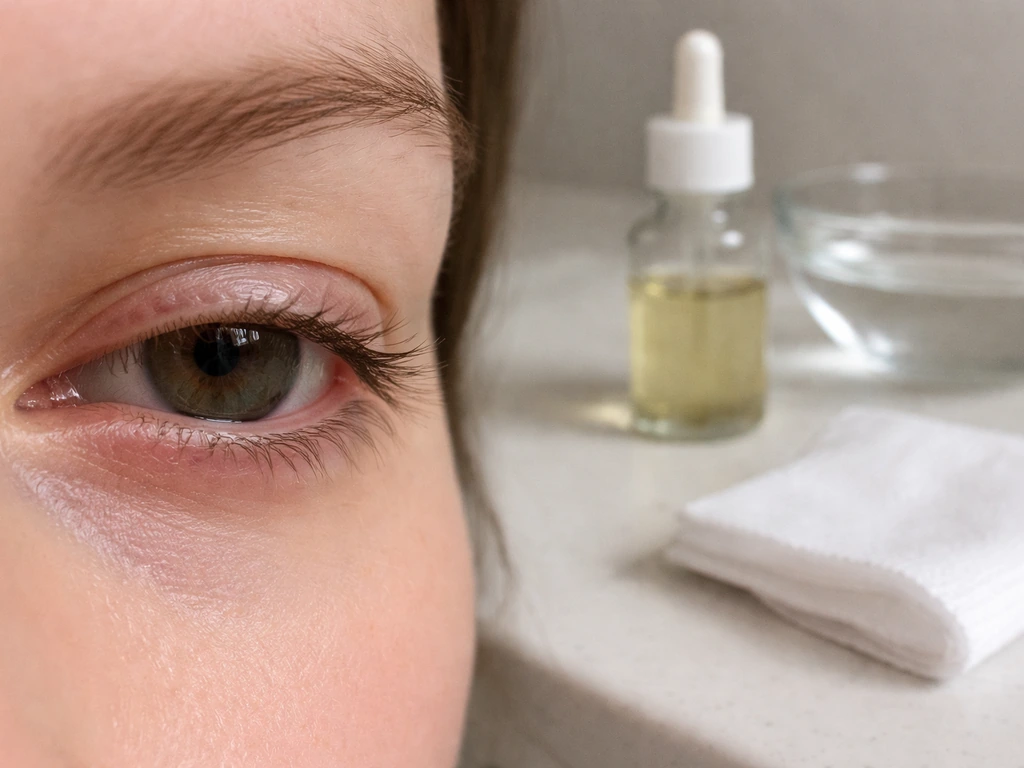
- Persistent redness, swelling, or discharge from the eye or eyelid margin that doesn't clear within 48 hours of stopping the product
- Crusty buildup, scaling, or pustules at the lash line (these are signs of blepharitis or infection that need clinical treatment, not more DIY)
- Sudden, patchy lash loss not linked to a known cause like extensions or product use
- Lash loss accompanied by itching of the scalp, brows, or other body hair, which can indicate systemic conditions
- Any change in vision after applying a product near the eye
- Symptoms that look like an allergic reaction: swelling, hives, difficulty breathing
A dermatologist or ophthalmologist can rule out blepharitis, Demodex mite infestation, and allergic reactions from cosmetic ingredients, all of which mimic simple irritation but won't resolve with a DIY fix. If you've been consistent with a clean, careful routine for 12 weeks and still see significant thinning or no improvement, that's also a reasonable trigger to get a professional opinion. Some cases of lash thinning have underlying causes, including thyroid issues or nutritional deficiencies, that show up in lashes before anywhere else.
FAQ
How close to the eye should I apply the oil for DIY lash growth?
Aim for the lash base area only, as a thin coat. If you can feel or see oil on the waterline or inner corner, you applied too far. Use a clean spoolie to wick off excess by brushing lightly, then stop. Keeping it off the inner eye and waterline is one of the biggest ways to prevent irritation and morning greasiness.
What should I do if my lashes or eyelids get irritated from the DIY routine?
If you have redness, itching, or swelling, pause immediately. Rinse the area with clean water, avoid eye makeup, and let it rest for 48 hours before trying anything again. If you get persistent redness, discharge, or swelling that affects the eyelid, switch to medical care instead of experimenting with different oils.
Can DIY lash oil help if my lashes are shorter because of extensions or heavy mascara damage?
Yes, but keep expectations realistic. Conditioning can improve breakage, so lashes may look fuller once damaged tips stop snapping. For a big length change, you still need the lashes to complete their natural cycle, and if the follicles are damaged from extensions or removers, the first visible improvement often takes 8 to 12 weeks.
Is it normal to shed lashes while growing them DIY?
Even if you see shedding, that can be normal given the telogen cycle and the fact that lashes shed a few per day. What matters is the trend after you stay consistent. If thinning accelerates for weeks, the lash line is inflamed, or you have a reaction history, reassess technique and consider an eye professional.
Can I layer castor oil with other serums or oils every night?
Try not to double up. Use one oil-based product per night so you can tell what causes irritation or improvement. If you want to switch, stop the old product for at least 48 hours, then restart with the new one using a clean spoolie.
Can I do the DIY lash oil routine in the morning instead of at night?
Using it in the morning can be risky if it migrates into the eye, especially with sunscreen, eye makeup, or rubbing. The routine in the article works best at night when you are not blinking product away. If you insist on daytime use, keep it strictly to the lash base and reapply only if it does not cause watering or stinging.
How do I keep the applicator clean so I do not cause irritation or infections?
A spoolie that is not clean can transfer bacteria or irritants, which increases the chance of inflammation. Use a clean, dry applicator every time. Do not reuse mascara wands or brushes, and do not share tools with anyone else.
If I do everything correctly, when should I stop DIY and see a professional?
Because oils do not biologically extend the growth phase, the best sign is improved resilience, fewer broken lashes, and gradual visual fullness. If you get no change after 12 weeks of careful, irritation-free use, it is reasonable to see a dermatologist or ophthalmologist to rule out blepharitis, mite issues, or allergic causes.
Should I start an oil routine immediately after getting lash extensions or after removing them?
Avoid using lash extensions adhesives or glue at home. If you ever get swelling, crusting, persistent burning, or lash line inflammation after extensions, wait until it fully settles before starting oil conditioning, since oil can trap irritants over an inflamed follicle area.
What is the realistic limit of how long DIY lash oil can make your lashes look?
If you are trying to “grow longer,” do it as a breakage-first strategy. DIY conditioning helps lashes reach their natural genetic length, but it cannot push lashes beyond what follicles produce. If length is your top goal, focus on reducing friction and breakage consistently, then evaluate results over 6 to 16 weeks.
Next Article
How to Grow Damaged Lashes Back to Health in 6–12 Weeks
Step-by-step plan to regrow damaged lashes in 6–12 weeks: stop damage, gentle care, safe serums/oils, and timelines.