
Most people using latanoprost off-label for lash growth start noticing changes somewhere between 4 and 8 weeks of consistent nightly use. Meaningful results, meaning lashes that are visibly longer, thicker, or darker, typically show up around the 3-month mark. Full results usually plateau between 3 and 6 months. If you are past the 16-week point and see nothing, the treatment probably is not going to work for you.
How Long Does It Take Latanoprost to Grow Eyelashes?

Rachel Nguyen
21 May 2026
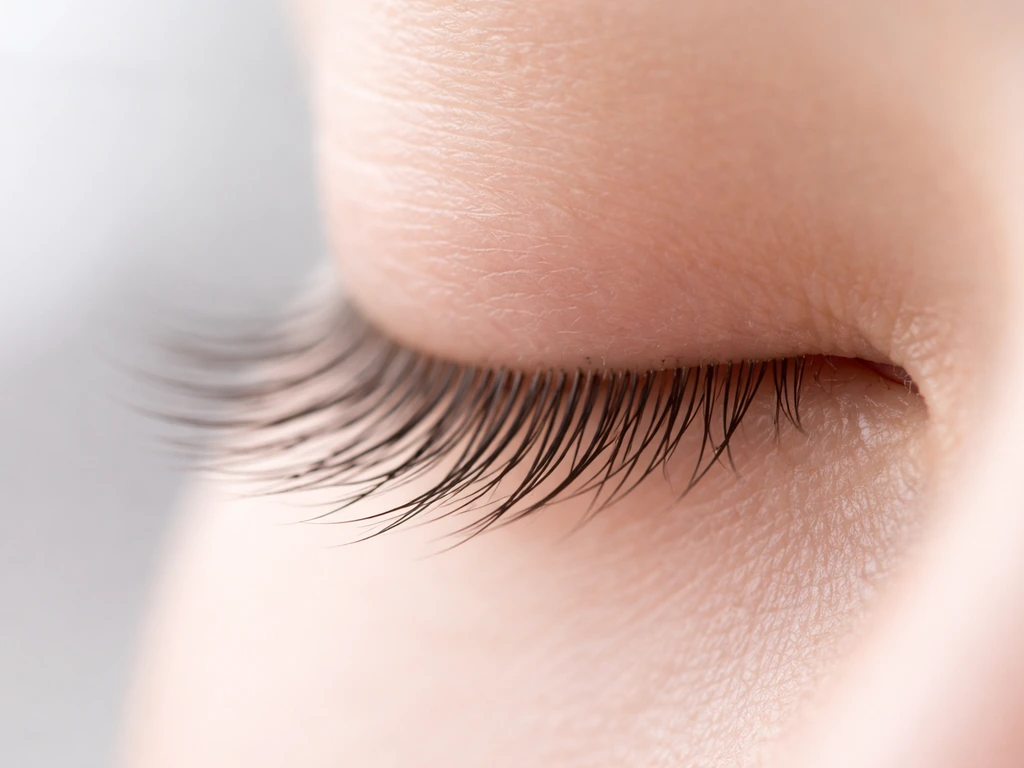
The latanoprost lash timeline, broken down

Latanoprost is a prostaglandin analog originally developed as a glaucoma drop (sold as Xalatan and others). The lash-growth effect was actually discovered as a side effect: patients using it for eye pressure noticed their lashes getting longer and more numerous. That same mechanism is now the basis of FDA-approved Latisse (bimatoprost, a close cousin), but latanoprost drops used off-label on the lash line work through essentially the same pathway.
Here is a realistic breakdown of what to expect week by week:
| Timeframe | What You Might Notice |
|---|---|
| Weeks 1-3 | Little to nothing visually; the active ingredient is starting to shift follicles toward the growth phase |
| Weeks 4-8 | Subtle changes: lashes may look slightly fuller or darker at the base; some people notice new baby lashes sprouting |
| Months 2-3 | Clearer length and thickness gains; pigmentation increase is often the most obvious early sign |
| Months 3-6 | Peak results for most users; lashes reach maximum length, density, and curl |
| Beyond 6 months | Maintenance plateau; continued use keeps lashes in this enhanced state |
The official product labeling describes these changes as "gradual," which is accurate but undersells the patience required. The DailyMed labeling for latanoprost ophthalmic solution describes eyelash changes as a gradual change, including increased length, thickness, and number of lashes. Do not expect a dramatic transformation in the first month. This is biology, not mascara.
Why eyelash biology controls your results
Eyelashes follow a growth cycle just like scalp hair, but on a much shorter timeline. There are three phases: anagen (active growth), catagen (transition), and telogen (resting and shedding). Eyelash anagen phases naturally last only 4 to 8 weeks, compared to years for scalp hair. That is why your lashes stay short without intervention and why they shed faster than you notice.
Latanoprost works by extending the anagen (growth) phase and possibly recruiting more follicles into that phase at any given time. StatPearls describes this as stimulating the hair growth phase, which is why the lash changes are usually reversible when you stop: the follicles simply return to their shorter natural cycle. The lashes grow longer because they spend more time actively growing before they shed. This also explains why it takes months to see full results. You have to wait for enough cycles to turn over under the influence of the drug before the cumulative effect becomes obvious.
Factors that speed up or slow down your results
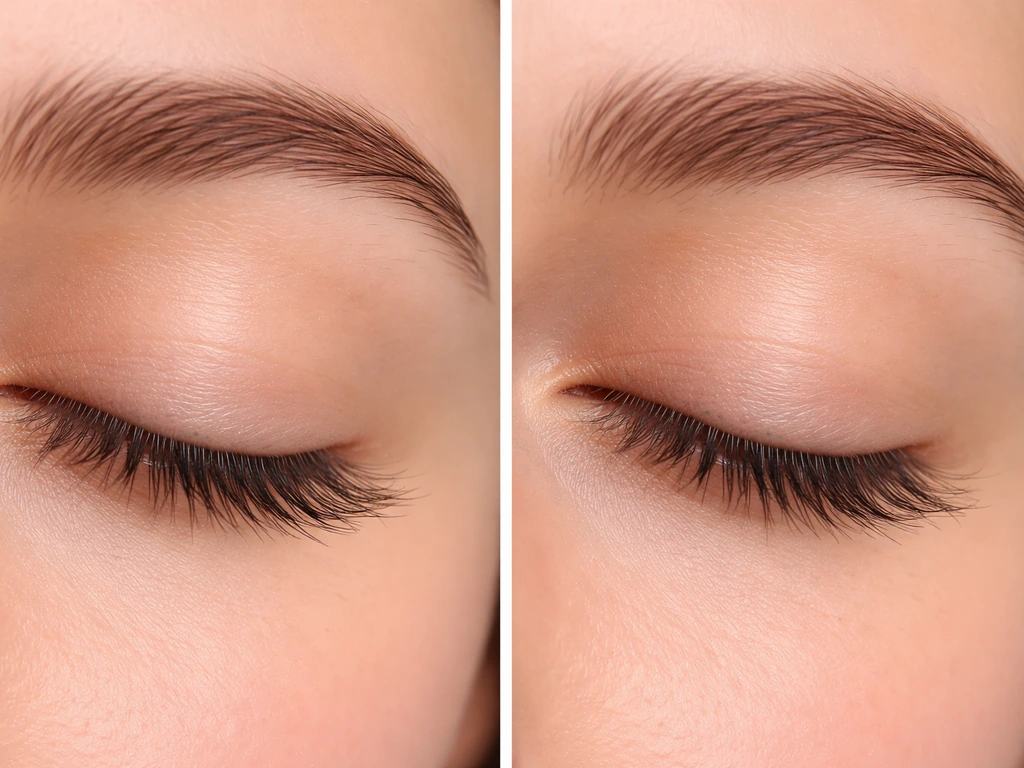
- Consistency: missing applications regularly is the single biggest reason people see underwhelming results; once-nightly application every night matters
- Baseline lash health: damaged lashes from extensions, harsh removal, or rubbing will take longer to show improvement because the follicles need recovery time first
- Age: follicle activity naturally slows with age, so older users may see slower or more modest results
- Genetics: your natural lash cycle length and follicle density set an upper ceiling on how much growth is possible
- Application technique: getting the drop onto the lash base (not into the eye) without contaminating the bottle is critical
- Side effects forcing discontinuation: if irritation, redness, or dryness makes you stop early, you will not reach the plateau window
What changes to look for and when
The first thing most people notice is not length, it is pigmentation. Lashes may look darker at the base or throughout the shaft within the first 4 to 6 weeks. This is one of the documented effects listed in the product labeling alongside increased length, thickness, and number of lashes. Darkness comes first because pigment changes are faster to manifest than structural length changes tied to cycle extension.
After that, thickness tends to become apparent before dramatic length gains. You will likely notice your lashes looking fuller or denser before they look longer. By month 3, length should be measurably different if the treatment is working. Some users also notice increased curl.
One thing worth watching: the labeling specifically mentions misdirected eyelash growth as a possible side effect. Some lashes may grow in an abnormal direction, which can feel scratchy or irritating. If this happens, it is worth noting rather than ignoring. It does not mean the treatment is failing, but it does mean you need to monitor it.
How to apply latanoprost for lashes without creating problems

Latanoprost ophthalmic drops are sterile, preserved solutions. If you are using them off-label for lash growth (rather than in the eye for glaucoma), the application method matters both for results and safety.
- Wash your hands and face thoroughly and remove all makeup before applying
- Use a clean, disposable applicator (a sterile eyeliner brush or cotton swab) rather than touching the dropper tip to your skin, which risks contaminating the bottle
- Apply one drop to the applicator, then draw it along the upper lash line at the base of the lashes, like an eyeliner stroke
- Blot any excess immediately; you do not need product pooling on the skin
- Do not apply to the lower lash line: extra product migrates there anyway, and direct lower-lid application increases the risk of unwanted hair growth and skin darkening
- Apply once nightly and do not double-dose if you miss a night; just resume the next evening
- If you wear contact lenses, remove them before application and wait at least 15 minutes before reinserting
The most common mistakes are applying too much (more does not equal faster growth), touching the dropper tip to skin or lashes (contamination risk), and applying to the lower lid directly. Excess product running into the eye is also how most of the systemic side effects occur, so blotting matters.
Side effects and red flags: what to watch for
Latanoprost has a well-documented side effect profile because it has been used as a prescription eye drop for decades. When used on the lash line rather than in the eye, many of these are reduced in severity, but they do not disappear entirely.
| Side Effect | How Common | What To Do |
|---|---|---|
| Eyelid skin darkening (periocular hyperpigmentation) | Fairly common with regular use | Usually reversible after stopping; monitor and decide if acceptable |
| Redness or eye irritation | Common, especially early on | Often settles in 1-2 weeks; persistent redness warrants stopping |
| Itching or dryness at the lash line | Moderate frequency | Blotting excess product reduces this; consider reducing frequency |
| Iris color change (darkening of brown pigment) | Less common with lash-line use than direct eye drops, but possible | Likely permanent; important to know before starting |
| Misdirected lash growth | Reported in product labeling | Monitor; can cause irritation if lashes touch the cornea |
| Orbital fat changes / sunken appearance | Associated with long-term in-eye use; lower risk with lash-line application | Stop use and consult a clinician if you notice eye socket changes |
| Eyelid edema or puffiness | Less common | Stop if significant; consult an eye doctor |
The iris color change is worth emphasizing separately because the labeling specifically notes it is likely permanent, unlike most other effects which are described as usually reversible. If you have hazel or green eyes, this is a real consideration. The risk is lower when the product is applied to the skin surface rather than dropped into the eye, but it is not zero, especially if excess product reaches the eye regularly.
When to stop and see a clinician
- Persistent redness, swelling, or pain that does not improve after the first two weeks
- Any change in your vision
- Lashes growing inward and touching your eye surface (trichiasis), causing pain or scratching
- Noticeable sunken or hollow appearance developing around the eyes
- Signs of allergic reaction: severe itching, hives, or swelling beyond the eyelid area
- Iris color change that concerns you
How long to trial it before deciding if it works

Give latanoprost a minimum of 12 weeks (3 months) of consistent nightly use before concluding it is not working. Lumigan (bimatoprost) follows a similar prostaglandin-based lash-growth timeline, so you typically need a few months to judge full results 12 weeks (3 months). That is roughly two to three full lash growth cycles under the influence of the drug, which is the minimum needed to see the cumulative anagen-extension effect. Many people who give up at 6 or 8 weeks are quitting right before the meaningful changes would have appeared.
A good way to track progress objectively is to take a close-up photo of your upper lashes in consistent lighting every two weeks from day one. This removes the bias of daily observation, where changes can be too gradual to perceive. Compare week 2 to week 12 side by side and the difference (if it is working) will be much more obvious than trying to notice it day to day.
If at 16 weeks you see no meaningful change in length, thickness, or density despite consistent application, latanoprost is unlikely to work well for you. Follicle responsiveness to prostaglandins varies between individuals, and not everyone responds. If you are wondering whether Latisse can also grow hair on your head, the evidence for scalp use is different from lash results and you should be cautious about off-label expectations. At that point, it makes sense to evaluate other options rather than continue indefinitely.
If it is working: keep going. The gains are maintained by continued use. When you stop, the lash changes are usually reversible, according to both the product labeling and pharmacology sources, because the follicles return to their natural shorter growth cycles over the following weeks to months.
Latanoprost vs lash serums, castor oil, biotin, and recovery after damage
It helps to know where latanoprost sits in the wider landscape of lash-growth options, because the mechanism and timeline differ meaningfully from the alternatives.
| Option | Mechanism | Typical Timeline | Strength of Evidence | Key Tradeoff |
|---|---|---|---|---|
| Latanoprost (off-label drops) | Extends anagen phase via prostaglandin pathway | 4-8 weeks for early signs; 3-6 months for full results | Moderate to strong (same mechanism as FDA-approved Latisse) | Side effect profile including skin darkening and iris color risk |
| Bimatoprost (Latisse) | Same prostaglandin pathway, FDA-approved for lashes | Similar 4-16 week range | Strongest (regulatory-approved clinical data) | Prescription required; higher cost |
| Over-the-counter lash serums (peptide-based) | Condition the lash shaft; some may mildly stimulate follicles | 6-12 weeks for subtle improvement | Weak to moderate; variable by formula | Much milder effects; no prescription needed |
| Castor oil | Moisturizes and conditions; may reduce breakage | Results are about retention, not growth phase extension | Anecdotal; minimal clinical data | Cannot extend the growth phase; works best for damaged/dry lashes |
| Biotin supplements | Supports keratin production if there is a deficiency | Several months | Only effective if deficiency is present | No benefit if your biotin levels are already normal |
If your lashes are damaged from extensions, harsh removal, rubbing, or a medical condition, the situation changes the comparison. Castor oil and conditioning serums make sense as supportive care while the follicles recover, but they will not dramatically accelerate regrowth on their own. If you are wondering what eye drops make eyelashes grow, latanoprost and other prostaglandin analog drops are the main prescription options with evidence for lash growth what eye drops make your eyelashes grow.
Latanoprost can be genuinely helpful here because it works at the follicle level to extend growth, not just at the shaft level to reduce breakage. Other glaucoma drops that cause lash growth work through the same prostaglandin pathway as latanoprost, so if you are researching options like Lumigan (bimatoprost), the mechanism and timeline are closely related. If you are asking will Lumigan 0.
01 grow eyelashes, that related prostaglandin mechanism is why many people see similar lash-growth timelines when it is used correctly Lumigan (bimatoprost). However, like other prostaglandin-based lash treatments, Lumify is not typically intended to grow eyelashes, so look closely at the active ingredient and available evidence before expecting results Lumigan (bimatoprost).
The honest bottom line on comparison: latanoprost is meaningfully stronger than OTC serums, castor oil, or biotin for actual lash growth stimulation. The tradeoff is a real side effect profile that the gentler options do not carry. Whether that tradeoff makes sense depends on how much growth you need, your eye sensitivity, and whether you are comfortable with off-label use of a prescription medication.
FAQ
Can I speed up how fast latanoprost shows results for lash growth?
Usually no. The timeline is driven by lash growth cycles, so using it more often or applying extra product does not typically shorten the wait and can raise the chance of irritation or excess product getting into the eye.
How long should I use it if I only want a subtle change, like darker lashes?
Pigmentation often looks different first, around 4 to 6 weeks. Even if darkness is visible, full thickness and length are usually judged over about 3 months, so plan on at least 12 weeks before making a final call.
What if I start getting curl or thickness changes before I see length?
That pattern can be normal. Curl and thickness often appear before dramatic length gains because the follicles are extending their growth phase gradually, so the shaft needs time to accumulate noticeable length.
Does it matter whether I apply to upper lashes only versus also treating the lower lid?
Yes. Applying on the lower lid or letting product run toward the eye is more likely to cause irritation and systemic exposure. Upper lash-line, applied carefully without excess, is generally the safer approach.
If I stop latanoprost early, will I lose the lashes I gained?
Often, yes. When you stop, the lash changes are usually reversible over following weeks to months, because follicles return to their shorter natural cycle. Temporary gains typically do not “lock in” unless you continue use.
Is 16 weeks the right cutoff for deciding it is not working?
A 16-week point is a practical decision aid. If you have consistent application and still see no meaningful change in length, thickness, or density by then, the odds of a late response are lower.
How can I tell whether my application is consistent enough to judge the timeline?
Track two things: apply at the same nightly time and take standardized photos every two weeks in the same lighting. If photos are not comparable or missed doses are frequent, the 3-month window may be misleading.
What should I do if a few lashes start growing in the wrong direction?
Do not ignore it. Note how many lashes are affected, whether it causes scratching or redness, and consider stopping and getting clinician advice if symptoms persist. Misdirected growth can be bothersome even if overall treatment is working.
Can latanoprost make my eyes water or feel irritated before I see results?
Mild irritation can happen, but persistent burning, redness, or discomfort is a red flag. The most common preventable cause is excess product reaching the eye, so stopping contact between the tip and lashes and blotting excess can help.
Will my eye color change if I use latanoprost for lashes?
It is a known risk, and unlike most other effects it is described as likely permanent. The risk is lower when product stays on the skin surface and less product reaches the eye, but it is not zero, especially if excess is repeatedly entering the eye.
If I am already using castor oil or a conditioning serum, do I still need to wait the full timeline?
Yes. Supporting oils and serums may improve conditioning or reduce breakage, but they generally will not replace the prostaglandin effect on the follicle growth cycle. Your expectations for growth timing should still follow the latanoprost months-long window.
Next Article
What Eye Drops Make Your Eyelashes Grow and What Works
Learn which ingredients truly grow lashes, whether eye drops work, timelines, and safety for faster, safer results.