Lavender oil does not have clinical evidence behind it for making eyelashes grow longer or thicker. There are no published trials or dermatologist-reviewed studies showing that lavender essential oil stimulates human eyelash follicles. If your lashes look a little better after using it, what you are most likely seeing is the conditioning effect of the carrier oil you diluted it into, plus reduced brittleness from moisture, not actual new follicle activity.
Does Lavender Oil Make Your Eyelashes Grow? What to Know
Rachel Nguyen
3 Jun 2026
What actually drives eyelash growth
Before evaluating any oil or serum, it helps to understand what lash growth really depends on, because a lot of products exploit confusion about this. Each eyelash lives on its own cycle with three phases: anagen (active growth), catagen (transition), and telogen (resting/shedding). The anagen phase for lashes is relatively short, roughly 4 to 10 weeks, which is why lashes do not grow as long as scalp hair. The full cycle from growth to shedding runs about 4 to 11 months. Once a lash falls out, a new one starts growing from the same follicle, assuming the follicle is healthy.
This is the key distinction to hold onto: length and thickness come from follicle health and how long the anagen phase lasts. If a product cannot extend the anagen phase or protect the follicle from damage, it is not truly growing your lashes. It might be conditioning them (making existing lashes look shinier, less brittle, and less prone to mechanical breakage), which has some real value, but it is not the same thing as stimulating growth. Knowing this distinction keeps your expectations grounded when trying anything from essential oils to over-the-counter serums.
What the evidence actually says about lavender oil
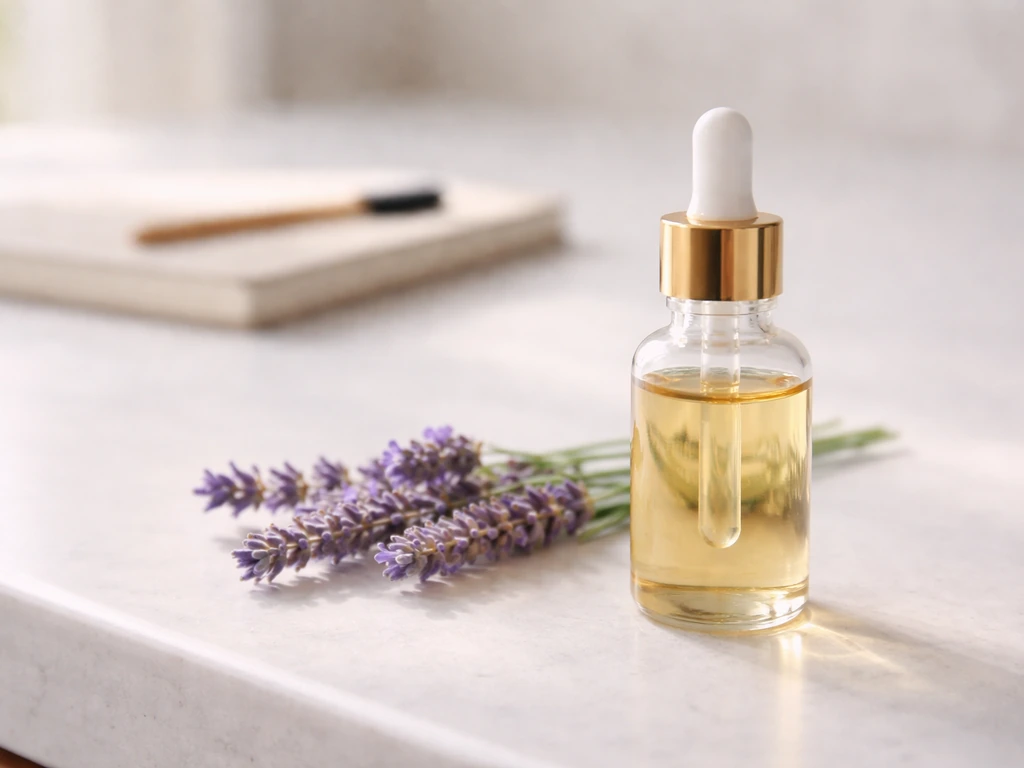
Lavender essential oil (Lavandula angustifolia) is made up primarily of linalool (roughly 24 to 37%) and linalyl acetate (roughly 25 to 38%), with smaller amounts of camphor, 1,8-cineole, and other compounds depending on where and how the plant was grown. Some of these compounds have shown anti-inflammatory and antimicrobial activity in lab settings, which is why lavender oil gets floated as a remedy for hair and skin.
There is one often-cited mouse study suggesting lavender oil promoted hair growth in rodent skin, and that study gets referenced repeatedly in beauty content. The problem is that mouse follicle biology is meaningfully different from human follicle biology, and mouse studies do not translate directly into human results, especially for something as specialized as the eyelash follicle. No human clinical trial has tested lavender oil specifically on eyelash growth. The closest well-established eyelash growth treatment is bimatoprost (the active in Latisse), a prostaglandin analog that has been tested in proper randomized controlled trials and is FDA-approved for eyelash hypotrichosis. That is the scientific bar against which everything else gets measured.
So why do some people swear by lavender oil for lashes? A few plausible reasons: the carrier oil used for dilution (often castor oil or jojoba) has its own conditioning properties, reduced lash breakage from better moisture can make lashes appear longer over time, and the gentle massage during application may improve local circulation in a small way. None of these are the same as follicle stimulation, but they are not nothing either. Just be clear about what you are getting.
Safety risks you cannot ignore near your eyes
This section matters more than any growth claim. Essential oils are potent, concentrated plant extracts, and applying them near your eyes introduces real risks that go beyond a mild skin reaction.
Allergic contact dermatitis
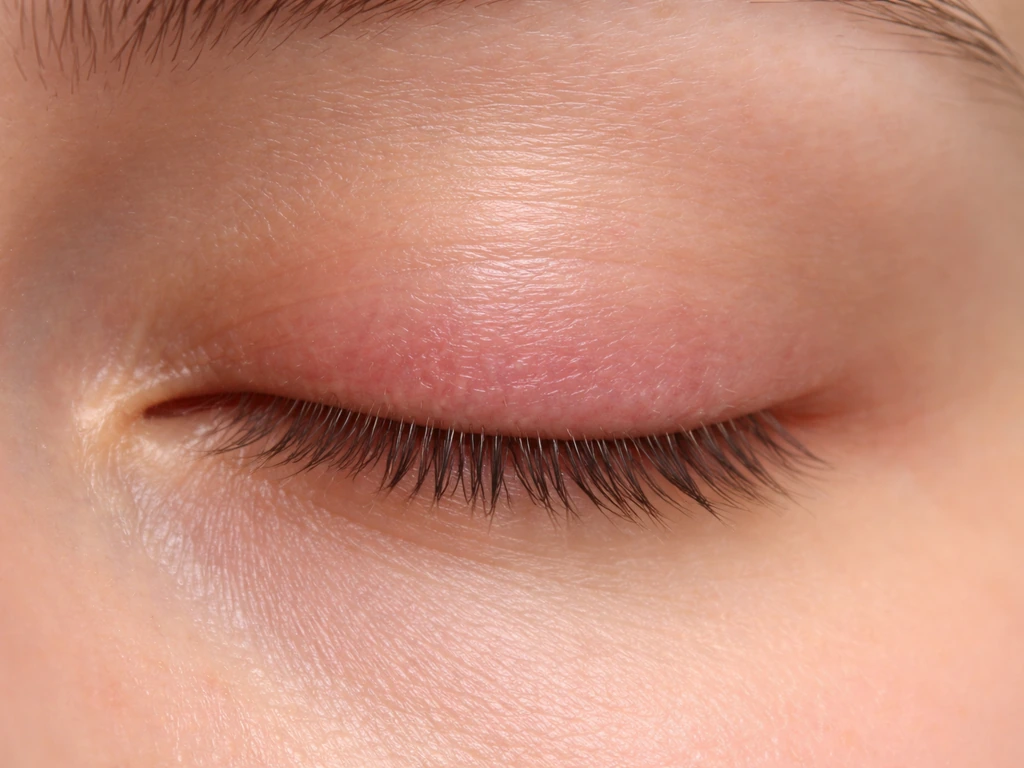
Lavender oil is a documented cause of allergic contact dermatitis, a delayed hypersensitivity reaction that typically shows up 24 to 72 hours after exposure as redness, itching, swelling, and sometimes blistering. Linalool, one of the main components of lavender oil, can oxidize when exposed to air and form hydroperoxides that are even more sensitizing than the original compound. There is a published case report of severe, difficult-to-treat eyelid dermatitis caused by linalool hydroperoxides from a fragranced shampoo, which shows this is not a theoretical concern but something that has happened to real people around the eye area specifically.
Chemical burns and eye damage
Using undiluted essential oil near or in the eye can cause a chemical burn and, in serious cases, temporary vision disturbance. If lavender oil gets into the eye directly, the guidance from Poison Control is to irrigate immediately with lukewarm water for 15 to 20 minutes and then contact Poison Control or seek medical care. This is not an overreaction: the eyelid margin is extremely close to your actual eye surface, and any application there carries a non-trivial splash or drip risk.
Sensitization over time
Regular use of even diluted essential oils can build sensitization, meaning a reaction that does not happen the first few times can suddenly appear after weeks of use. This is another reason patch testing (covered below) is not optional, it is genuinely important.
How to use lavender oil on your lashes as safely as possible
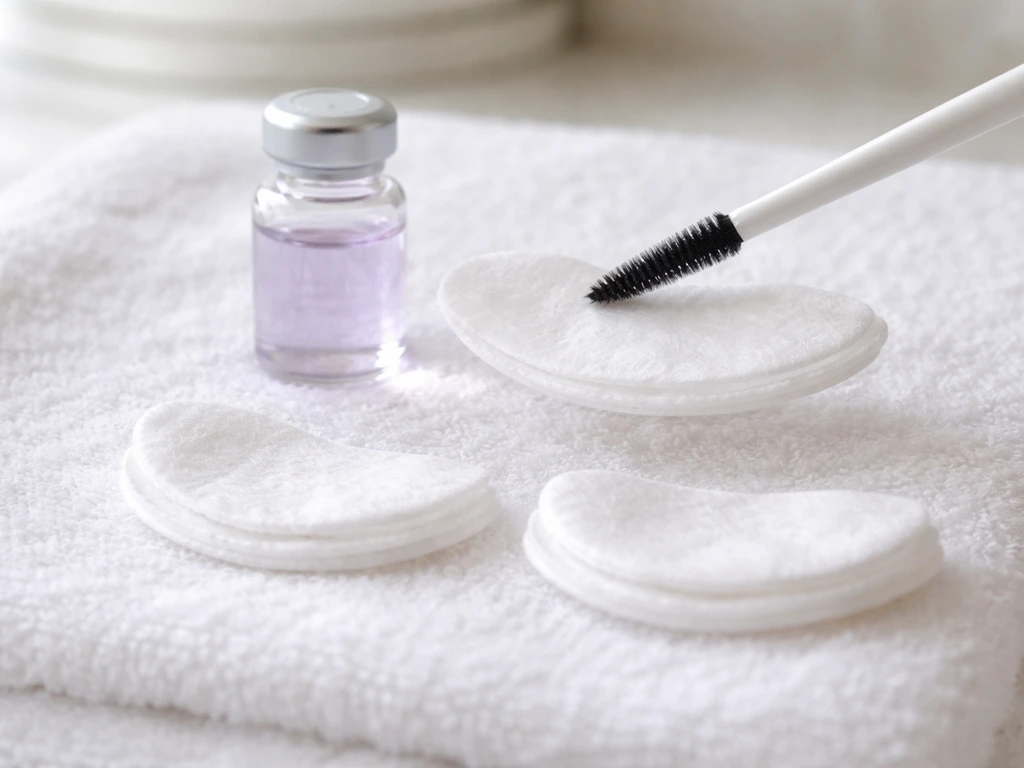
If you decide to try lavender oil anyway, and you understand that the growth evidence is weak, here is how to do it with the lowest realistic risk. Do not skip any of these steps.
- Dilute properly: Use a 1% dilution or lower for the eye area. That means 1 drop of lavender essential oil per 5 ml (about 1 teaspoon) of carrier oil. Castor oil or jojoba oil are reasonable carriers. Do not apply essential oil neat (undiluted) anywhere near your eyes.
- Patch test first: Apply a small amount of the diluted blend to the inside of your wrist or elbow crease. Wait 48 to 72 hours and check for any redness, itching, or swelling before going anywhere near your face.
- Keep the mixture fresh: Linalool oxidizes over time, increasing sensitization risk. Mix small batches and store in a dark, cool place. Discard after 2 to 3 months.
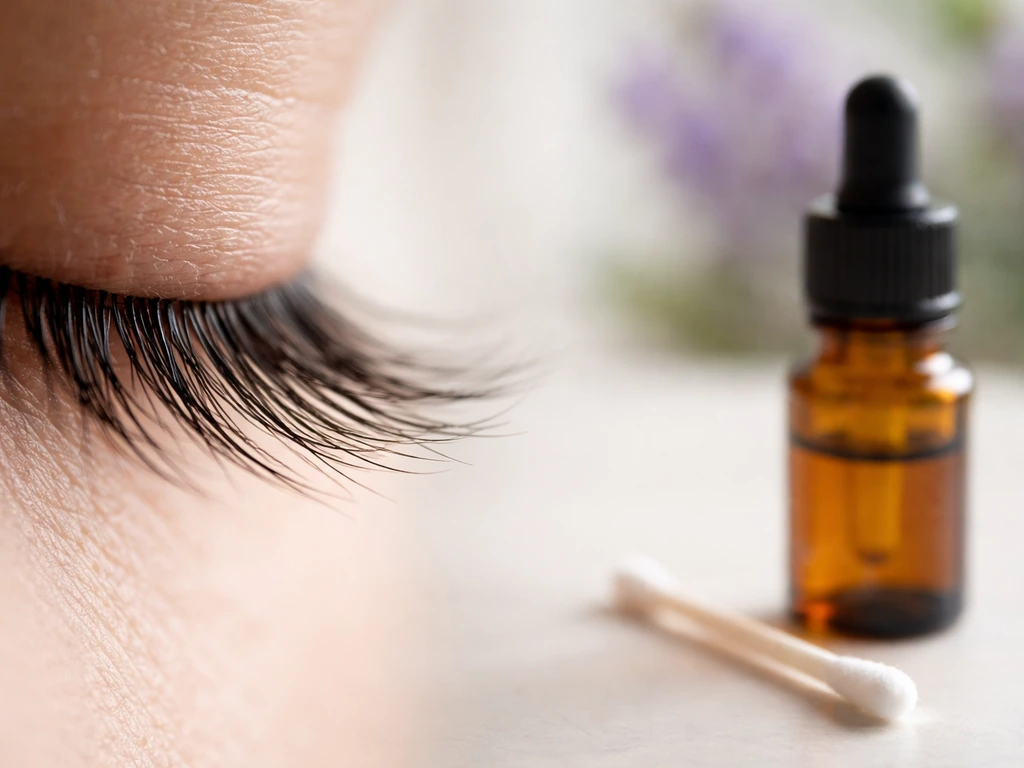
- Apply only to the lash base on the upper lid, never inside the lash line: Use a clean disposable mascara wand, a fine eyeliner brush, or a cotton swab with a small amount of product. Apply along the base of the upper lashes only, the way a lash serum would be applied, not lower lashes (where drip risk into the eye is higher).
- Avoid the lower lash line entirely: Gravity works against you. Anything applied to lower lashes is more likely to drip into the eye.
- Apply at night before bed: This reduces daytime exposure risk and gives the oil time to absorb before you are touching your face or putting on makeup.
- Frequency: Every other night is a reasonable starting point. Daily use increases sensitization risk with minimal additional benefit.
- Stop immediately if you notice any itching, redness, swelling, or burning around the eyelid or eye. Do not push through it.
Realistic timeline: if you are going to see any change at all (most likely conditioning, not growth), give it a full lash cycle, which means at least 6 to 8 weeks of consistent use before judging. The anagen phase alone can take up to 10 weeks, so expecting visible results in two weeks is not realistic for any lash treatment.
What actually works better for longer, thicker lashes
If your goal is genuinely longer or thicker lashes, these options have more evidence behind them than lavender oil does.
| Option | How it works | Evidence level | Key trade-offs |
|---|---|---|---|
| Bimatoprost (Latisse) | Prostaglandin analog extends anagen phase | FDA-approved, multiple RCTs | Prescription only, possible side effects (eye redness, lid skin darkening, iris pigmentation changes); results reverse after stopping |
| Castor oil | Conditioning, some trial data for blepharitis-related lash loss (madarosis) | Limited clinical trial; no proof of follicle stimulation in healthy lashes | Thick texture, risk of eye irritation; best used as lash conditioner |
| Biotin-based supplements | Supports keratin production systemically | Evidence mostly for biotin-deficient individuals; limited data for normal individuals | Oral use; results slow; effectiveness depends on baseline deficiency |
| Peptide/over-the-counter lash serums | Conditioning peptides, some include prostaglandin-like compounds | Variable; stronger than oils, weaker than Latisse | Cost varies widely; quality inconsistent across brands |
| Lavender oil | Conditioning via carrier oil; possible mild antimicrobial effect | No human eyelash trial data | Risk near eyes; results likely cosmetic, not true growth |
Castor oil is probably the most popular natural alternative, and it does have a small amount of clinical context: a randomized trial in blepharitis patients found some improvement in eyelid margin measures including madarosis (lash loss from inflammation). But even that study was not testing castor oil as a lash-lengthening treatment in healthy people. It is best thought of as a conditioning and soothing option for damaged or inflamed lids, not a growth stimulant. Almond oil, aloe vera, avocado oil, and tea tree oil each have their own profiles in the natural lash care conversation, but none of them has clinical evidence for follicle stimulation either.
If you want the most proven path to longer, thicker lashes, Latisse is the honest answer. It is the only treatment with FDA approval and multiple randomized controlled trials behind it. The trade-off is that it requires a prescription, has a real side effect profile (including potential permanent iris pigmentation changes in people with certain eye colors), and results reverse after you stop using it. That reversal point is worth internalizing for any treatment: even the most evidence-backed option does not permanently reprogram your follicles.
When a professional should be involved
Not all lash thinning or loss is a cosmetic problem you can solve with oils or serums. Some situations need a dermatologist or ophthalmologist, and trying to DIY through them can make things worse.
- You are losing lashes in patches or noticing significant overall thinning that started suddenly or is worsening over weeks.
- Your eyelids are persistently red, itchy, flaking, or have crusting at the lash base, which could indicate blepharitis, seborrheic dermatitis, or a Demodex mite infestation (all of which can cause lash loss and require specific treatment).
- You have recently worn extensions or had chemical treatments near the lash line and are seeing prolonged fallout or thinning, which may be traction-related damage.
- You develop any irritation, swelling, oozing, or burning after starting any oil or serum near your eyes, including lavender oil.
- You are taking a medication (such as certain chemotherapy agents, retinoids, or blood thinners) that is known to affect hair growth, since underlying lash changes in these cases need medical management, not topical oils.
- You have a known skin condition like rosacea, psoriasis, or eczema that involves or is close to your eyelids.
- Home treatments have not produced any visible change after two full lash cycles (roughly 4 to 5 months), which suggests the issue may be deeper than surface-level conditioning can reach.
A dermatologist can evaluate whether blepharitis, Demodex, scarring, or a systemic condition is driving lash loss. Johns Hopkins Medicine notes that clinicians evaluate persistent severe eyelid inflammation or blepharitis, itch or burning, redness with discharge or oozing, and possible causes such as Demodex, acne rosacea or dermatitis, scarring, or immune-mediated conditions during workups evaluate whether blepharitis, Demodex, scarring, or a systemic condition is driving lash loss. An ophthalmologist is the right call if you have ongoing eye irritation or suspect something is affecting the eyelid margin specifically. Trying to push through these situations with essential oils is not just ineffective, it can delay treatment and sometimes worsen inflammation.
The bottom line: lavender oil is not going to transform your lashes, and it comes with real risks near your eyes that most people do not think about. If you are wondering can almond oil help eyelashes grow, the key is still follicle health and anagen duration, not just hoping an oil will lengthen lashes directly.
Avocado oil is often discussed as a lash conditioning oil, but there is not strong clinical evidence that it specifically helps eyelashes grow longer or thicker avocado oil help eyelashes grow. Tea tree oil has also been promoted for lashes, but like many essential oils, the human evidence for actual lash growth is limited tea tree oil help eyelashes grow.
If you want to try it as a gentle conditioning add-on and you are willing to dilute carefully, patch test, and keep it away from the eye itself, the risk is manageable. But if your goal is genuinely longer or thicker lashes, your time and money are better spent on options with actual clinical data behind them.
FAQ
If lavender oil is not proven to grow lashes, can it still make them look longer?
Yes, sometimes by improving flexibility and reducing breakage, so existing lashes shed less and appear fuller. Any “length gain” is usually from healthier-looking lashes, not new follicle activity, so expect subtle results and avoid judging after only a couple of weeks.
Does it matter whether the lavender oil is diluted, and what dilution is safest near the eyes?
Dilution matters a lot, because essential oils are concentrated and can irritate eyelid skin or the lash line. A safe-use approach still depends on your skin sensitivity and the product formulation, but as a rule, do not apply essential oil directly to the lash line or inside the eye area.
How do I patch test lavender oil for eyelids without contaminating my eyes?
Patch test on a small area on the inner forearm or behind the ear, where you will not rub your eyes afterward. Use the same diluted mixture you plan to apply, and wait at least 48 to 72 hours to ensure there is no delayed contact dermatitis before doing anything near your face.
What symptoms mean I should stop lavender oil immediately?
Stop right away for itching, burning, redness, swelling, rash, or any crusting along the eyelid margin. If symptoms show up later (24 to 72 hours), that can still be a delayed reaction, and you should treat it as a warning, not normal irritation.
If lavender oil gets into my eye, what should I do right away?
Irrigate with lukewarm water immediately for 15 to 20 minutes, then contact Poison Control or seek medical care. Do not “wait and see,” since chemical irritation near the eyelid margin can worsen and may temporarily affect vision.
Can lavender oil cause long-term lash or eyelid damage even if I do not get a reaction?
It can, especially if repeated irritation leads to chronic eyelid inflammation or sensitization over time. Even without an immediate reaction, cumulative exposure to essential oils can increase sensitivity, making later flares more likely.
Why do some people see results after a few days?
Those early changes are more consistent with smoothing, moisturizing, or temporary changes in how lashes reflect light, rather than true growth. Lash anagen timing makes real length changes unlikely that fast, since the active growth phase lasts weeks.
How long should I try it before deciding it is not working for my lashes?
Give any conditioning-focused regimen at least 6 to 8 weeks, because lashes go through their growth and shedding cycle. If you see no improvement in appearance by then, it is unlikely to produce meaningful “growth,” even if the product is not irritating you.
Is bimatoprost a better option if I want actual lash length or thickness?
Generally yes, because it has stronger clinical evidence and is FDA-approved for lash hypotrichosis. The trade-off is that it requires prescription care, has a real side effect profile, and results reverse after you stop, so it is not a one-time fix.
When should I see a dermatologist or ophthalmologist for lash thinning?
If you have itching, burning, persistent redness, flaky eyelids, irregular lash loss, or you suspect scarring, Demodex, or blepharitis. Getting the cause treated can protect follicles, which is the part oils cannot reliably fix.
Is castor oil or jojoba oil safer than lavender oil for eyelids?
They are often used as conditioning oils, but “safer” is not the same as “risk-free.” They can still irritate some people, and the key distinction remains that they mainly condition, not reliably stimulate new lash growth from follicles.
Can I use lavender oil on my lower lashes or along the waterline?
Avoid the waterline and keep products off the eye surface. Lower lashes and waterline applications raise the same splash risk, and the eyelid margin is close to the eye, so any essential oil exposure there increases the chance of irritation.
Next Article
Does Avocado Oil Help Eyelashes Grow? What to Expect
Find out if avocado oil helps eyelash growth, what to expect, safe use tips, timelines, and evidence-based alternatives.