Nutrafol can plausibly support eyelash growth if your lash thinning is rooted in nutritional deficiencies, chronic stress, or hormonal imbalance, but there is no clinical trial proving it grows eyelashes specifically. The evidence for Nutrafol is solid for scalp hair, reasonable by extension for any hair follicle that responds to nutrition, and essentially nonexistent as an eyelash-targeted treatment. So the honest answer is: it might help, it probably won't hurt, but it is not a substitute for the proven eyelash-specific options, and it works slowly enough that you need a clear-eyed plan before you commit.
Does Nutrafol Help Eyelashes Grow? What to Expect

Rachel Nguyen
5 May 2026
How eyelash growth actually works
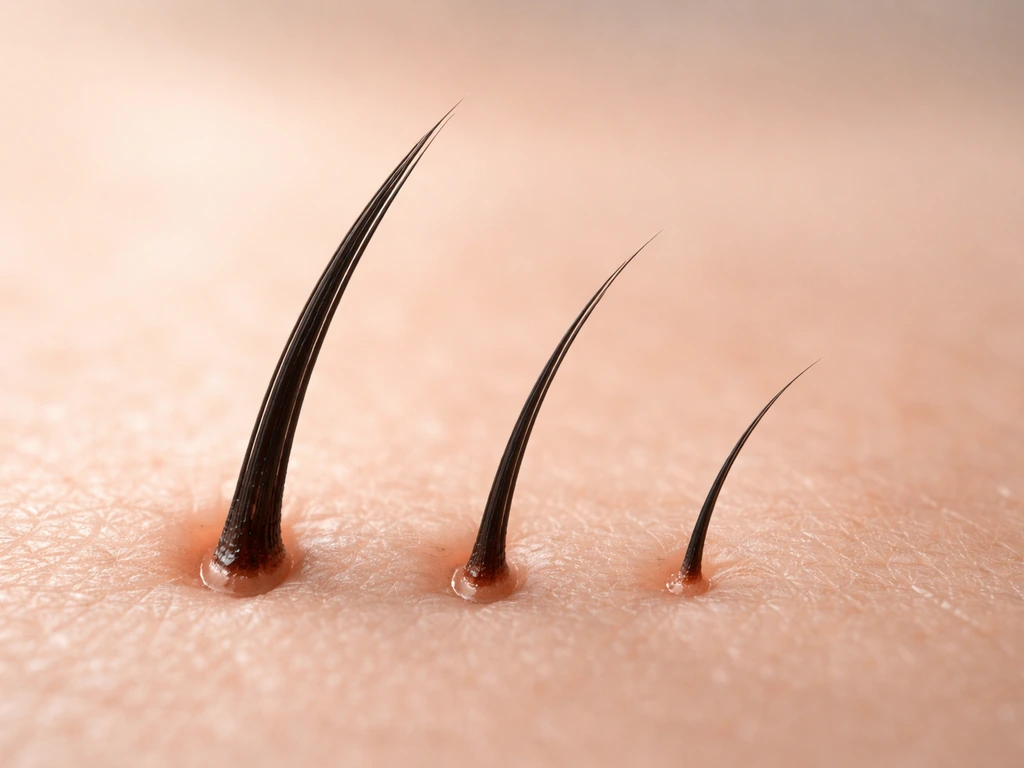
Eyelashes cycle through three phases: anagen (active growth), catagen (transition), and telogen (resting). For upper lashes, anagen lasts roughly 4 to 10 weeks, catagen about 15 days, and telogen anywhere from 4 to 9 months. The full cycle from birth to shed runs approximately 4 to 11 months. What makes lashes so different from scalp hair is that telogen dominates the cycle. At any given moment, roughly half of your upper eyelash follicles are sitting dormant in telogen. That is why lash growth feels so slow and why dramatic visible improvement takes longer than most people expect.
The growth rate itself is modest: roughly 0.12 to 0.14 mm per day, which is slower than most scalp hair. If a lash is pulled out cleanly without damaging the follicle, you can expect regrowth in about 6 weeks. If the follicle itself has been damaged (by chronic rubbing, infection, scarring, or aggressive extension removal), the timeline stretches dramatically and full recovery may not happen at all. That follicle biology is important context for evaluating any supplement, including Nutrafol.
What Nutrafol actually is and which ingredients matter
Nutrafol is an oral nutraceutical supplement formulated to address multiple potential "root causes" of hair thinning rather than targeting one pathway. Its core is a proprietary Synergen Complex that combines standardized botanical extracts, vitamins, and marine-derived ingredients. The key components include Sensoril ashwagandha (an adaptogen aimed at reducing cortisol-related hair shedding), a tocotrienol-rich vitamin E complex, curcumin, saw palmetto (a DHT-modulating botanical), hydrolyzed marine collagen peptides, hyaluronic acid, piperine, capsaicin, and kelp. Some formulations also include Lactobacillus helveticus as a gut-health booster.
A 2025 systematic review and meta-analysis that included Nutrafol among commercial oral supplements found that, across included studies, these supplements significantly improved shedding and anagen hair density. The authors were careful to note that more independent, rigorous trials are needed, and the existing evidence skews toward scalp hair. Still, the mechanisms are biologically real: chronic stress elevates cortisol, which can push follicles into telogen prematurely; DHT can miniaturize follicles; nutritional gaps (including low vitamin E and collagen precursors) can impair the hair growth environment. Nutrafol tries to address all of those pathways simultaneously.
Does fixing nutrition actually reach your eyelash follicles?
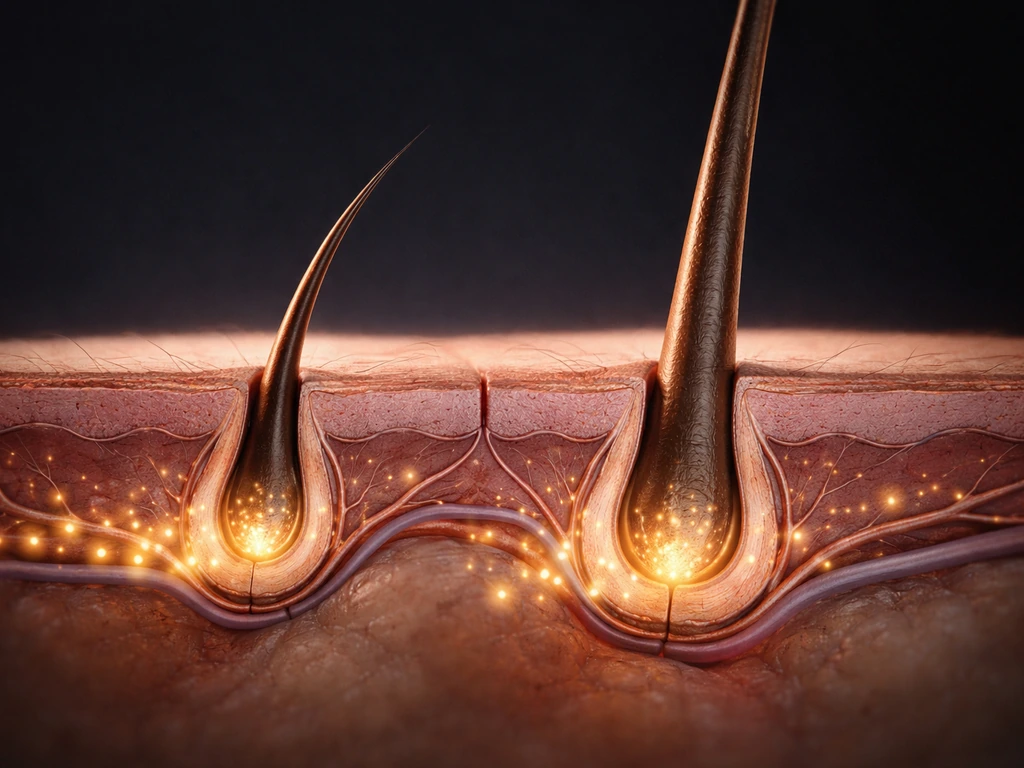
Eyelash follicles are hair follicles. They share the same biology as scalp follicles in terms of needing adequate micronutrients, blood supply, and hormonal signaling. If your body is genuinely deficient in vitamin E, or your cortisol is chronically elevated, those conditions affect hair follicles throughout your body, not just on your head. So it is entirely plausible that correcting a systemic nutritional issue through a supplement like Nutrafol could benefit eyelash follicles too.
That is why people often look at what helps make eyelashes grow by first addressing nutrition and stress-related drivers. The caveat is that eyelash follicles appear to be less responsive to hormonal and nutritional signals than scalp follicles. The fact that eyelashes grow much more slowly and spend so much time in telogen suggests a more internally regulated cycle.
This is probably why the strongest eyelash growth treatments are topical prostaglandin analogs (like bimatoprost) that act directly on the follicle's cycle, rather than systemic interventions.
Biotin is worth mentioning here since it shows up in conversations about lash growth constantly. Nutrafol contains biotin as part of its vitamin blend. The evidence on biotin specifically for hair growth is weak unless you have a true biotin deficiency, which is uncommon. The same caution applies to other single-ingredient supplements. Where Nutrafol's multi-pathway approach is theoretically stronger is in addressing stress hormones and DHT simultaneously, since those have clearer links to diffuse hair loss across the body.
Realistic results: what to expect and when
If Nutrafol is going to help your lashes, you will not see it for at least 3 to 6 months. That is not a Nutrafol-specific timeline; it is dictated by the eyelash cycle itself. The supplement needs time to correct whatever systemic deficiency or imbalance is affecting your follicles, and then your follicles need to actually cycle through to produce new lashes. Expecting visible change in 4 to 6 weeks is setting yourself up for disappointment.
The people most likely to see benefit from Nutrafol are those whose lash thinning is genuinely driven by a systemic cause: high chronic stress, hormonal fluctuation (postpartum, perimenopause), nutritional gaps from restrictive eating, or diffuse telogen effluvium affecting hair across the body. If your lashes are thin for one of those reasons and you address it systemically, lash improvement is a reasonable hope alongside scalp improvement. If your lashes are thin due to mechanical damage, infection, or autoimmune disease, Nutrafol is unlikely to be the lever that moves things.
To put this in perspective: in rigorous trials, bimatoprost 0.03% increased mean upper eyelash length from roughly 5. In a randomized controlled trial of bimatoprost 0.03% applied to the upper eyelid margin, baseline mean upper eyelash length was 5.69 mm with mean change reported at month 6 in the study results table bimatoprost 0.03% increased mean upper eyelash length from roughly 5.69 mm. 69 mm at baseline to about 7.12 mm after 6 months. That is a measurable, clinically meaningful improvement in a controlled setting. Nutrafol has no comparable eyelash trial. You may see modest improvement in lash density or reduced shedding, but expecting the kind of dramatic lengthening you get from a prostaglandin serum is not realistic.
When Nutrafol won't be enough
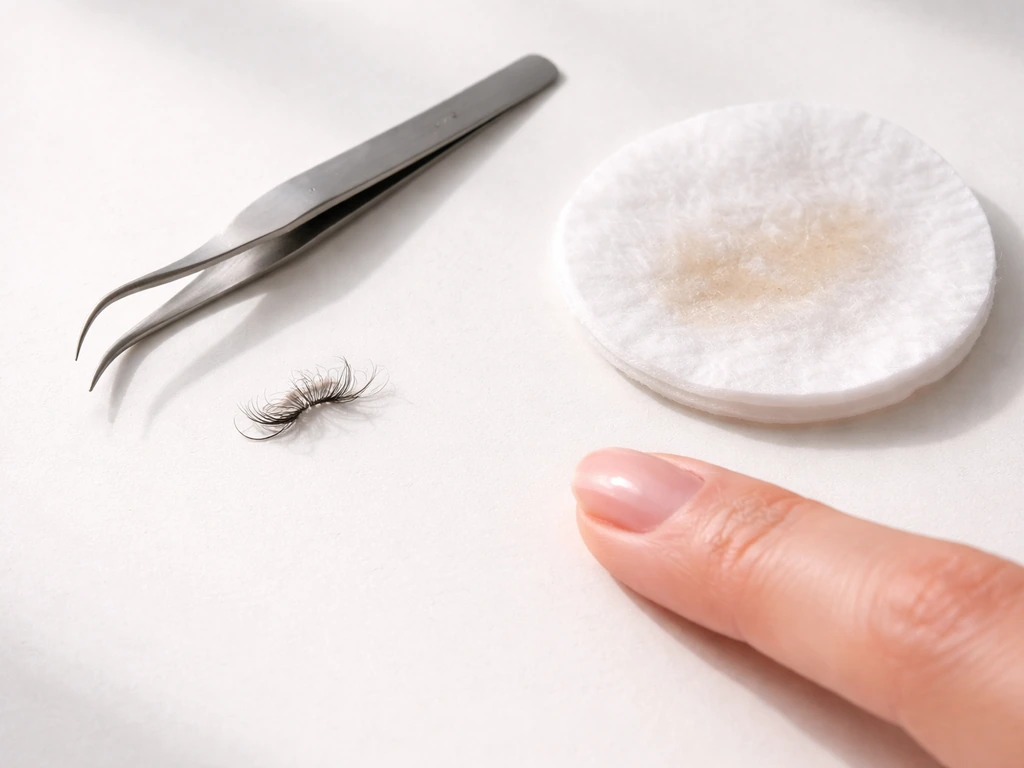
There are several common reasons lashes stop growing or fail to come back, and Nutrafol addresses almost none of them directly.
- Follicle damage from extensions or chronic rubbing: if the follicle itself is scarred, no supplement can regenerate it. Scarring madarosis (permanent lash loss) requires a dermatologist, not a nutraceutical.
- Blepharitis: inflammation of the eyelid margin from bacterial biofilm, Demodex mites, or seborrheic dermatitis can clog follicles and cause lash loss. Nutrafol does nothing for active eyelid inflammation. You need proper lid hygiene, warm compresses, and sometimes prescription treatment.
- Alopecia areata: this is an autoimmune condition where the immune system attacks hair follicles. It can affect lashes and brows. Nutrafol has no anti-autoimmune mechanism relevant here.
- Trichotillomania: if lash loss is driven by compulsive pulling, the follicles can regrow once the behavior stops, but this is a behavioral and psychological issue, not a nutritional one.
- Thyroid disease or other hormonal conditions: if your TSH, estrogen, or testosterone levels are significantly off, a supplement cannot compensate for an untreated endocrine disorder.
- Contact allergies: reactions to mascara, eyeliner, lash serums, or contact lens solutions can drive chronic inflammation and lash loss. Removing the allergen matters more than adding a supplement.
- Medication side effects: some chemotherapy drugs, retinoids, and anticoagulants can cause lash loss as a side effect. Nutrafol cannot counteract a drug mechanism.
How to use Nutrafol safely for lash support, and what to pair it with
Nutrafol is taken orally, typically 4 capsules once daily with a meal. There are formulations for women (regular and postpartum), men, and older women, so match the right formula to your life stage. It is generally well tolerated, but always check with your doctor if you are pregnant, nursing, on immunosuppressants, or managing thyroid conditions, since some botanicals (including ashwagandha and saw palmetto) have hormonal activity.
If you want to give Nutrafol a real test for lash support, pair it with targeted topical support rather than relying on it alone. A prostaglandin-free eyelash serum (look for peptide-based formulas with ingredients like biotin, panthenol, and hyaluronic acid) is a safer starting point if you are wary of side effects. Prostaglandin-containing serums (including prescription bimatoprost/Latisse) have the strongest clinical evidence for eyelash growth, but they come with real risks including eyelid skin darkening, iris pigmentation changes, and periorbital fat changes. If you go that route, do it under physician guidance and apply only along the upper lash line at bedtime after removing makeup and contacts.
You might also consider a nourishing oil like castor or vitamin E applied carefully to the lash line as part of your nightly routine. Vitamin E is sometimes used topically for lash support, but results are not well proven compared with eyelash-specific treatments. The evidence for topical oils is anecdotal rather than clinical, but they are low risk and the mechanical act of gentle application supports lash hygiene. Just avoid getting oils into the eye itself. Other supplements worth considering alongside Nutrafol include vitamin E (tocotrienols specifically, which Nutrafol already contains) and biotin if you have reason to suspect deficiency, though for most people eating a varied diet, supplementing extra biotin on top of Nutrafol is redundant.
At-home lash recovery routine: damage vs. natural thinning

How you approach recovery matters a lot depending on why your lashes are thin. These two scenarios call for different strategies.
If your lashes are damaged (extensions, rubbing, chemical exposure)
- Stop the source of damage immediately: take a break from extensions, stop rubbing your eyes, and switch to a gentler eye makeup remover.
- Clean your lash line daily with a diluted, ophthalmologist-tested lid cleanser or baby shampoo to prevent blepharitis from setting in during regrowth.
- Apply a peptide-based eyelash serum nightly along the upper lash margin, keeping it off the eyeball itself.
- Avoid waterproof mascara, which requires heavy removal that stresses the lash root.
- Give it at least 8 to 12 weeks before evaluating progress, since damaged-but-intact follicles need a full growth cycle.
If your lashes are naturally thinning (hormonal changes, stress, aging)
- Start a multi-pathway oral supplement like Nutrafol and commit to at least 4 to 6 months before judging effectiveness.
- Address the systemic trigger: get bloodwork done to check thyroid, ferritin, and hormone levels if you have not already.
- Pair the supplement with a topical serum; even a peptide-based serum provides some local follicle support.
- Maintain good eyelid hygiene to keep follicle openings clear.
- Consider whether your diet is providing adequate protein, iron, and zinc, since hair follicles are high-turnover tissues that need adequate building blocks.
It is worth noting that vitamins like vitamin E and biotin each have their own evidence base and limitations in the context of lash growth. Nutrafol bundles several of these ingredients into one product, which is convenient, but understanding what each does helps you know which gaps you are actually filling.
When to stop guessing and see a doctor
Some eyelash loss situations should not be managed with supplements and serums alone. See a dermatologist or ophthalmologist if any of the following apply.
- You are losing lashes rapidly or in patches and cannot identify a clear cause.
- You have redness, flaking, crusting, or itching along your eyelid margin that has persisted for more than 2 to 3 weeks, as this may indicate blepharitis requiring a prescription treatment.
- You notice swelling, discharge, or pain around the eye, since these can signal infection.
- Your lash loss is accompanied by eyebrow or scalp hair loss, fatigue, weight changes, or temperature sensitivity, which may point to a thyroid or autoimmune issue.
- You are using or considering a prostaglandin serum and experience any blurred vision, eye redness, or pigmentation changes.
- Your lash loss followed starting a new medication, since a physician may be able to adjust your regimen.
Go to an emergency room or urgent eye care if you experience sudden vision loss or sudden inability to move your eyes normally. These are not supplement situations. Madarosis (clinical eyelash and eyebrow loss) has a wide range of causes spanning autoimmune, endocrine, infectious, and genetic origins, and many of them need diagnosis and treatment that goes well beyond anything you can buy over the counter.
Madarosis can result from a variety of local and systemic diseases, including autoimmune, endocrine, infectious, and genetic causes, so diagnosis and treatment should be guided by the underlying condition [Madarosis has a wide range of causes spanning autoimmune, endocrine, infectious, and genetic origins](https://pubmed. ncbi. nlm. nih.
gov/36320026/). The good news is that most non-scarring lash loss is reversible once the underlying cause is addressed. The key word is addressed, not supplemented around.
Nutrafol is a reasonable tool to include in a comprehensive lash recovery plan, particularly if you have reason to believe systemic factors are involved. It is not a standalone solution and it is definitely not a fast one. But used alongside good lash hygiene, a targeted topical, and appropriate medical evaluation, it adds a meaningful layer of systemic support without meaningful risk.
FAQ
How long should I wait before I decide whether Nutrafol is working for my eyelashes?
If your lashes are mainly short and sparse because they shed during a systemic event (for example postpartum telogen effluvium or rapid weight loss), Nutrafol may help indirectly. If the follicles were physically damaged (ongoing rubbing, scarring, severe extension trauma, chronic blepharitis), an oral supplement usually cannot restore the lash cycle by itself, so the best next step is to get the cause evaluated by dermatology or ophthalmology.
What should I expect first, less lash shedding or actual longer lashes?
Do a realistic “decision window” check at about 3 to 4 months (before the full 6 month cycle ends), but only finalize at 6 to 9 months. Take consistent photos in the same lighting and use a simple lash ruler or compare to a fixed reference point, because early changes are often subtle shedding reduction rather than obvious lengthening.
Can Nutrafol match the results of bimatoprost or Latisse for lash length?
Nutrafol is not ideal if your goal is dramatic length change. For most people who want faster, more noticeable eyelash lengthening, prostaglandin-based options tend to outperform systemic supplements, while peptide or prostaglandin-free serums can be a middle ground if you want lower risk.
Should I add extra biotin to Nutrafol to boost eyelash growth?
If you have true biotin deficiency, supplementing can help hair health, but most people with normal diets are not deficient. Since Nutrafol already includes biotin, adding extra biotin on top commonly adds redundancy and can complicate lab interpretation, especially thyroid testing. If you suspect deficiency, discuss testing with your clinician rather than layering more supplements.
Will Nutrafol work if my eyelash loss is from irritation or eyelid inflammation?
Eyelash area issues like blepharitis, styes, or frequent rubbing can stop improvement no matter what you take. Before committing, address lash hygiene (gentle cleansing, avoiding lash pulling, treating irritation) and consider seeing a clinician if you have itching, crusting, or recurrent inflammation.
Is Nutrafol more likely to help after pregnancy or during perimenopause?
Yes, but the timeline and likelihood depend on what is driving your thinning. If you are postpartum or going through perimenopause, systemic hormonal shifts can make telogen shedding worse, so Nutrafol may offer supportive benefit. Still, you need 3 to 6 months to see any meaningful change, and you should tailor the product to the relevant life stage if available.
What are the biggest safety or interaction concerns if I take Nutrafol for lash support?
When used long term, supplements can still cause side effects, even if they are “generally well tolerated.” The practical caution is to monitor for new GI upset, sleep changes, or unusual mood effects, and to stop and seek advice if you develop an eye-lid rash or swelling. Also keep a med list handy, because multiple botanicals can interact with thyroid disease management or immunosuppressant regimens.
What should I do if I cannot take Nutrafol due to pregnancy, nursing, or thyroid issues?
If you are pregnant or nursing, or you take immunosuppressants or manage thyroid conditions, you should check with your doctor before starting, because ingredients with hormonal or endocrine activity (like certain botanicals) may not be appropriate. If you are told to avoid systemic botanicals, a localized approach such as a prostaglandin-free serum plus lash hygiene is often the safer default.
When is eyelash loss a red flag where I should see a doctor instead of trying Nutrafol?
If your lashes are missing in patches, you have eyebrow loss too, or you have scarring, significant redness, or skin changes on the eyelids, supplements are unlikely to be enough. Those patterns often fall under madarosis or inflammatory or autoimmune causes, so a dermatology or ophthalmology evaluation can prevent permanent follicle damage.
How do I tell whether my lash thinning is systemic versus localized?
Nutrafol tends to be most useful when shedding is diffuse and systemic, meaning you might notice thinning across scalp hair or other areas too, not just one small patch of lashes. If your thinning is localized to one eye or one segment of the lash line, think mechanical causes, chronic irritation, or an eyelid condition as the first priority.
Next Article
What Vitamin Helps Eyelashes Grow Best and Fast
Find which vitamins may help eyelashes grow, what to look for on labels, and realistic timelines for lash recovery.