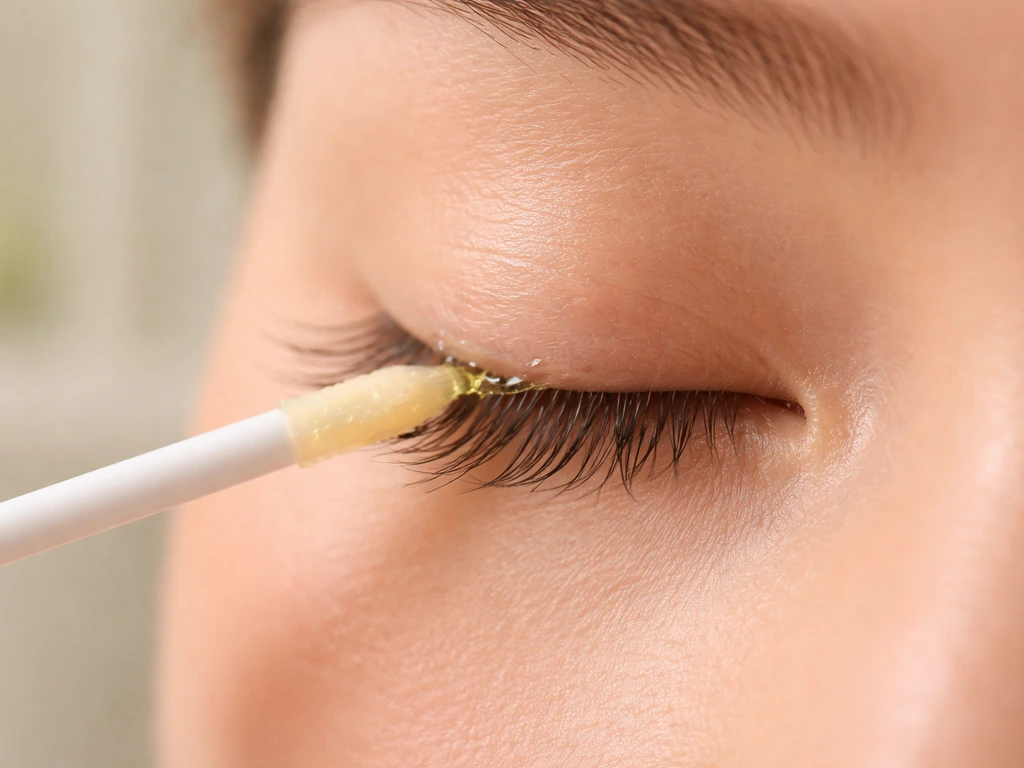
Biotin gets all the attention, but it is not the only vitamin that matters for eyelash growth, and honestly it is not even the most important one if you are not deficient. The vitamins that most reliably support lash growth are biotin (B7), vitamin D, vitamin E, and B vitamins like niacin (B3) and pantothenic acid (B5). Iron and zinc are not vitamins technically, but they belong in this conversation because a deficiency in either one causes real lash shedding. If your lashes are thinning or slow to grow back, a combination of these nutrients, not just one, is where to start.
What Vitamin Helps Eyelashes Grow Best and Fast
Rachel Nguyen
3 May 2026
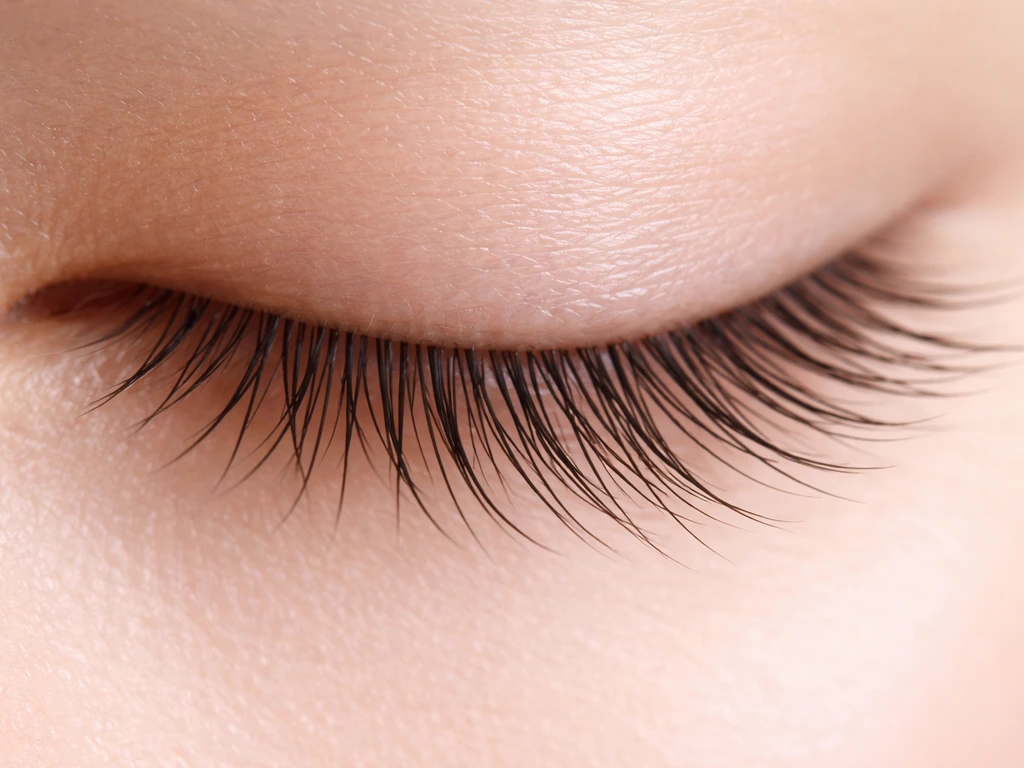
The vitamins that actually move the needle for lashes
Here is how the main candidates break down and what the evidence actually says about each one.
Biotin (vitamin B7)
Biotin is the poster child of hair supplements, and it is not completely undeserved. It plays a real role in keratin synthesis, and keratin is the structural protein that lashes are made of. The honest caveat: the NIH Office of Dietary Supplements is clear that the evidence mainly supports correcting a deficiency, not boosting growth in people who already have adequate levels. True biotin deficiency is uncommon, but it does cause hair thinning and body hair loss, including lashes. If your diet is low in eggs, nuts, and legumes, or if you have been on certain anticonvulsants or antibiotics long-term, low biotin could genuinely be a factor. Most healthy adults with a decent diet probably do not need a standalone biotin megadose to grow their lashes, but it is worth including in a baseline supplement.
Vitamin D
Vitamin D is underrated in lash conversations. Research into alopecia areata, the autoimmune hair loss condition, consistently links low vitamin D levels to follicle disruption. Vitamin D receptors are expressed in hair follicles, and the vitamin appears to play a role in stimulating follicles out of the resting (telogen) phase and back into active growth (anagen). Low vitamin D is genuinely common, especially if you live at northern latitudes, spend most of your time indoors, or have darker skin. Getting your D level tested is one of the more practical things you can do today if lash loss is ongoing. A blood level below 30 ng/mL is considered insufficient, and getting it into the 40 to 60 ng/mL range is associated with better hair follicle function. A typical supplemental dose of 1,000 to 2,000 IU daily is safe for most adults, but if you are significantly deficient your doctor may suggest higher short-term dosing.
Vitamin E
Vitamin E is an antioxidant that protects follicle cells from oxidative stress, the kind of cellular damage that can shorten a follicle's productive lifespan. A small but frequently cited study found that tocotrienol supplementation (a form of vitamin E) increased total hair count over 8 months compared to placebo. Topical vitamin E oil is also popular for lash application directly, partly because it is emollient and partly because it may reduce oxidative damage at the follicle. The evidence is modest but the safety profile is excellent at standard doses (around 15 mg or 22 IU daily from food; up to around 400 IU supplementally). Whether you apply it or take it, it is one of the easier additions to make.
Niacin (B3) and pantothenic acid (B5)
Niacin improves blood circulation to the scalp and follicles, which means more oxygen and nutrients reach each lash follicle during the growth phase. Pantothenic acid is involved in protein metabolism and fatty acid synthesis, both of which feed the follicle matrix cells that produce the lash strand. These B vitamins are rarely talked about in isolation but they are commonly included in quality hair formulas for good reason.
Iron and zinc (not vitamins, but critical)
These are minerals, not vitamins, but leaving them out of this guide would be a disservice. Iron deficiency is one of the most common and overlooked causes of diffuse hair and lash shedding, particularly in women of reproductive age. Ferritin (stored iron) below 30 mcg/L is associated with increased shedding even before a full anemia diagnosis. Zinc deficiency similarly disrupts protein synthesis in follicles and can stall regrowth. If your lashes are chronically sparse and you have not had bloodwork, both are worth checking.
Do hair, skin and nail supplements actually work for eyelashes?
The short version: they can, but only if your lashes are being held back by a nutritional gap they address. If you are wondering what helps make eyelashes grow, the biggest driver is correcting deficiencies in the nutrients your follicles need nutritional gap they address. Most hair, skin, and nail supplements are built around biotin, sometimes with added vitamins C and E, collagen peptides, and zinc. The formula logic is sound because eyelash follicles and scalp follicles share the same biology. They go through the same growth cycle phases, they respond to the same nutrients, and they are affected by the same deficiencies. Where people get disappointed is expecting a supplement to override genetics or create growth out of thin air when their nutrient levels are already fine. The supplement is filling a gap, not adding capacity beyond your baseline.
Products like Nutrafol take a broader approach, combining vitamins with adaptogens and saw palmetto to address hormonal and stress-related hair loss, which does affect lashes. Whether that broader stack is worth the cost depends on your specific situation. If stress or hormonal shifts are driving your lash loss, a comprehensive formula may outperform a basic biotin pill. If it is straightforward nutritional deficiency, a targeted, well-labeled supplement covers the same ground for much less money.
How vitamins actually help your lashes grow (the biology in plain English)
Each eyelash grows from a follicle at the lid margin, and that follicle cycles through three phases: anagen (active growth, lasting about 30 to 45 days for lashes), catagen (a short 2 to 3 week transition), and telogen (resting, about 3 to 4 months before the lash sheds and a new one begins). The follicle matrix cells at the base of each growing lash divide rapidly and need a constant supply of nutrients to keep doing that. Keratin, the protein that forms the lash shaft, requires adequate biotin and amino acids to synthesize properly. Vitamin D helps pull follicles from telogen back into anagen, which is why deficiency can mean more lashes stuck in the resting phase and fewer actively growing. Antioxidants like vitamin E protect the follicle papilla from free radical damage that would otherwise shorten the productive life of the follicle. Niacin keeps blood flowing to deliver all of this to the follicle in the first place.
When lashes are damaged by extensions, adhesives, rubbing, or chemical exposure, the follicle itself can be inflamed or temporarily disrupted. In that context, anti-inflammatory nutrients (vitamin D, vitamin E, omega-3s) are arguably more relevant than keratin-building ones, because you are dealing with a repair scenario first and a growth scenario second.
Vitamin D and other nutrient deep dives
Vitamin D deserves its own spotlight because it is the most commonly deficient fat-soluble vitamin and the one most tied to follicle cycling. If you have had gradual, generalized lash thinning with no obvious cause (no extensions, no rubbing, no dramatic diet change), low vitamin D is one of the first things worth ruling out. Getting a 25-hydroxyvitamin D test through your doctor is straightforward and inexpensive. Unlike biotin, where routine supplementation in non-deficient people shows limited benefit, vitamin D supplementation in people who are actually low shows real improvement in hair follicle function.
Vitamin A is worth a mention because it supports cell turnover in the follicle lining. However, it is also one of the few nutrients where too much causes hair loss rather than helping it. Retinoic acid in high doses is associated with telogen effluvium (a shedding response). You want vitamin A from food, primarily sweet potatoes, carrots, leafy greens, and eggs. Supplementing separately in high doses is one to skip unless a doctor recommends it.
Vitamin C supports collagen production and iron absorption. It is not a direct lash growth driver, but it matters if low iron is part of your picture because taking iron without enough vitamin C reduces how much you actually absorb. Including vitamin C in a supplement stack or eating iron-rich foods alongside vitamin C-rich ones (spinach with lemon juice, for example) is a practical step that actually changes outcomes.
What to realistically expect, especially if your lashes are damaged
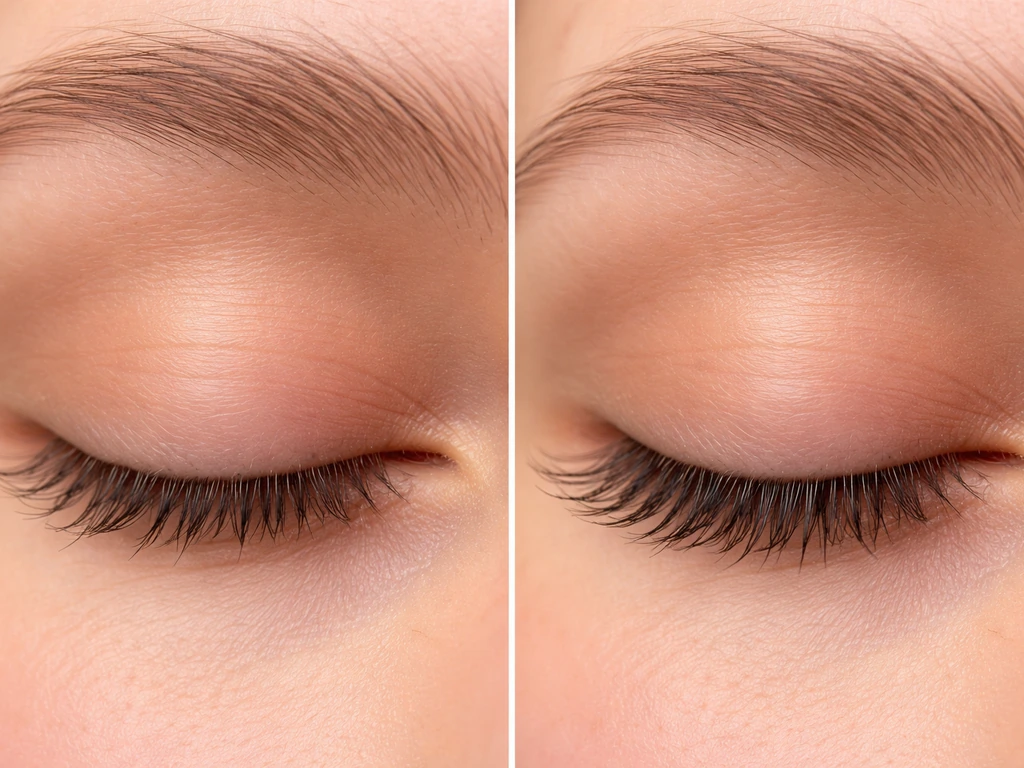
The eyelash growth cycle is slower than most people expect. Even if you start a perfect supplement protocol today, you are not going to see new length in two weeks. The anagen phase for lashes is only 30 to 45 days, but a full cycle from shedding to noticeable new growth takes roughly 4 to 8 weeks, and seeing a meaningful difference in density takes longer because not all follicles cycle simultaneously. Realistic expectation: you should start noticing improvement in lash thickness and reduced shedding around 6 to 8 weeks, and fuller-looking lashes by 3 to 4 months of consistent supplementation.
If your lashes were damaged by extensions, aggressive glue removal, or rubbing, the timeline can be longer because you are in a recovery scenario. Inflamed or traumatized follicles may stay in the resting phase longer before reactivating. The good news is that most follicle damage from extensions or rubbing is temporary, not permanent. Permanent follicle damage requires sustained, severe scarring of the lid margin, which is uncommon from typical extension use. Give yourself 3 to 6 months of good nutrition, gentle care, and no further trauma before drawing conclusions.
| Cause of lash loss | Expected recovery time | Most relevant nutrients |
|---|---|---|
| Nutritional deficiency | 6 to 12 weeks after correction | Biotin, iron, zinc, vitamin D |
| Extension or glue damage | 3 to 6 months | Vitamin E, vitamin D, omega-3s |
| Rubbing or mechanical loss | 4 to 8 weeks | Biotin, vitamin E |
| Stress-related shedding (telogen effluvium) | 3 to 6 months after stress resolves | All B vitamins, vitamin D, zinc |
| Medical condition (thyroid, alopecia) | Varies; requires treatment | Dependent on condition |
What to look for on labels and practical steps you can take today
When choosing a supplement, look for one that includes biotin (around 2,500 to 5,000 mcg is a common range in hair supplements, though evidence for high doses is limited), vitamin D3 (at least 1,000 IU), vitamin E as mixed tocopherols, zinc (around 8 to 11 mg, close to the RDA rather than a megadose), and ideally B3 and B5. A USP or NSF Certified label tells you the product was third-party tested for what it claims to contain, which matters more than a sleek package.
On the diet side, you can support lash growth starting today without buying a single supplement. Eggs cover biotin, vitamin D, and protein. Fatty fish like salmon and sardines provide vitamin D and omega-3s. Nuts and seeds (especially sunflower seeds and almonds) provide vitamin E and zinc. Legumes like lentils cover iron and B vitamins. Leafy greens like spinach contribute iron, vitamin C, and vitamin A precursors. Eating a varied, whole-food diet closes a lot of nutritional gaps that supplements are compensating for.
- Take a vitamin D3 supplement of 1,000 to 2,000 IU daily if you spend limited time outdoors or live at a northern latitude
- Add a food-based or gentle multivitamin with biotin, zinc, and B vitamins rather than megadosing biotin alone
- Apply a vitamin E oil or a lash serum containing peptides and vitamin E directly to the lash line 3 to 4 nights per week
- Eat eggs, fatty fish, leafy greens, and nuts regularly to cover most lash-relevant nutrients through food
- Stop rubbing your lashes and remove eye makeup gently with a non-oil-based remover to avoid mechanical follicle disruption
- Take progress photos every 4 weeks so you can actually track changes that are too gradual to notice day to day
When you should talk to a doctor instead of experimenting on your own
If your lash loss is sudden, patchy, or accompanied by brow thinning or scalp hair loss, that pattern suggests a systemic or autoimmune cause (thyroid dysfunction, alopecia areata, lupus) that supplements alone will not fix. Similarly, if you have tried a solid nutrition protocol for 4 to 6 months without any improvement, bloodwork is the next logical step. Ask for a panel that includes ferritin (not just hemoglobin), 25-hydroxyvitamin D, thyroid function (TSH, free T3, free T4), and a complete metabolic panel.
One important safety note about biotin specifically: high-dose biotin supplementation can interfere with certain blood tests, including cardiac troponin assays used to diagnose heart attacks. The FDA has flagged this as a real safety concern. If you are taking biotin at doses above 5,000 mcg and need any lab work done, tell your doctor or the lab so they can account for potential interference. This does not mean biotin is dangerous, it means transparency with your healthcare provider matters, especially at high doses.
Hormonal changes, including postpartum shedding, perimenopause, and thyroid swings, are among the most common reasons lash and hair changes resist supplement interventions. If your timeline coincides with a hormonal shift, that context is important for your doctor to know. Getting the underlying condition treated is what unlocks regrowth, not simply adding more supplements on top of an untreated cause.
FAQ
If I only choose one vitamin, which one helps eyelashes grow the most?
Vitamin D is usually the best single pick for eyelash growth support because it is commonly low and is tied to bringing follicles out of the resting phase. Still, if you know you are deficient in iron, zinc, or biotin, correcting that specific gap can matter more than choosing D blindly.
How do I know whether my lashes are being limited by a vitamin deficiency versus something else?
A deficiency pattern is often gradual and diffuse (both eyes, overall thinning or slower regrowth) without a clear trigger like new extensions, heavy rubbing, or a sudden illness. If you have sudden, patchy loss, brow thinning, scalp hair loss, or symptoms like fatigue, ask for bloodwork before assuming it is only a vitamin issue.
Does biotin help eyelashes grow if my diet is already good?
Biotin mainly helps when someone is deficient. If your levels are already adequate, extra biotin usually does not create new growth, so it is better to focus on checking for other common gaps like vitamin D, iron (via ferritin), and zinc.
What is the difference between vitamin D deficiency and just low-normal vitamin D?
Vitamin D is assessed with a blood level (25-hydroxyvitamin D). Many people in the insufficient range do not respond as well to supplements, so getting your baseline tested and then rechecking after a few months is more informative than guessing.
Can I take vitamin D without testing, and what is the safest approach?
Some adults can start with a conservative dose, but testing is ideal if you have ongoing lash shedding. If you do not test, avoid stacking multiple products that both contain vitamin D, since overdosing raises the risk of high calcium and related complications.
Is topical vitamin E or other eyelash serums actually better than oral vitamins?
Topical vitamin E may help reduce oxidative stress locally and can be moisturizing, but it is not a guarantee of regrowth if the underlying issue is deficiency or hormonal. For best results, consider topical use as a supplement to, not a replacement for, addressing systemic gaps.
How long should I wait before deciding supplements are not working?
Lash growth timing is slow. You may notice less shedding around 6 to 8 weeks, but fuller density often takes 3 to 4 months. If you have been dealing with extension or rubbing-related irritation, you may need 3 to 6 months for the follicle to recover.
Do eyelash extensions or lash glue change which nutrients matter most?
Yes. When trauma or chemical irritation is the driver, anti-inflammatory support (including adequate vitamin D and vitamin E, plus general nutrition like omega-3s) may be more relevant than “keratin-building” logic alone. Removing ongoing triggers and using gentle lid care usually matters as much as supplements.
What blood tests should I ask for specifically for lash thinning?
At minimum, consider ferritin (stored iron), 25-hydroxyvitamin D, thyroid labs (often TSH plus free T4 and sometimes free T3), and a complete metabolic panel. If loss is persistent, include an assessment for zinc status as your clinician advises, since zinc testing is not always straightforward.
What ferritin level is considered low enough to affect shedding?
Ferritin below about 30 mcg/L is often associated with increased shedding even when hemoglobin is normal. The key is interpreting ferritin in context, because inflammation and other factors can affect what ferritin means for you.
Is it safe to take vitamins and minerals together in a hair supplement?
It can be, but watch for overlaps. Many “hair” formulas already include iron, zinc, or high-dose vitamin E, and stacking another multivitamin or separate supplements can push you too high. If you take iron, pair it with vitamin C intake as advised and avoid taking it at the same time as certain minerals like high-dose zinc unless your clinician recommends otherwise.
I take biotin, will it affect lab tests?
Yes. High-dose biotin can interfere with certain blood assays, including cardiac troponin tests. If you need labs and you are taking more than typical amounts, tell your doctor or the lab so they can interpret results correctly or pause biotin if instructed.
Can too much vitamin A cause lash shedding?
Yes. Excess supplemental vitamin A (not typical food intake) can trigger shedding responses, including telogen effluvium patterns. If you are using a vitamin A-containing product, consider lowering or stopping high-dose supplements and focus on vitamin A from food unless a clinician directs otherwise.
If I am postpartum or going through perimenopause, will vitamins fix lash loss?
They might help if you have nutritional gaps, but hormonal shifts often drive resistance to improvement. In those cases, timeline and medical context matter, so pair supplementation with evaluation of the underlying cause if shedding is significant or persistent.
Next Article
Will Vitamin E Help Eyelashes Grow? How to Use Safely
Learn if vitamin E oil can grow lashes, how to apply safely, timeline expectations, and what to use instead for fuller g