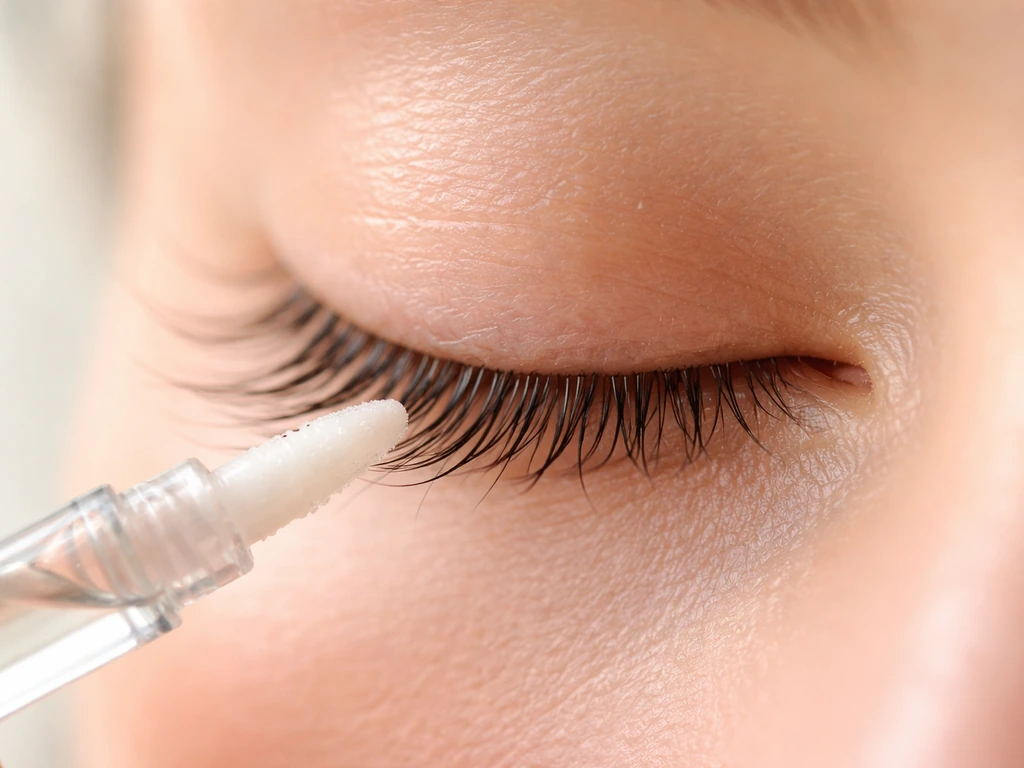
No, Vicks VapoRub does not help eyelashes grow. There is no clinical or preclinical evidence showing that any of its active ingredients (menthol, camphor, or eucalyptus oil) stimulate eyelash follicles or extend the lash growth cycle. The idea circulates online mostly as anecdote, but the biology simply does not support it, and applying VapoRub near your eyes carries real risks that make experimenting with it a bad trade-off.
Does VapoRub Help Eyelashes Grow? What to Know and Safer Options
Rachel Nguyen
28 May 2026
Does Vicks VapoRub have any evidence for eyelash growth?

The short answer is none. Searching the clinical literature for Vicks VapoRub and eyelash growth turns up nothing. No randomized trials, no case series, no peer-reviewed preclinical studies. What you will find are forum posts and social media videos, which is a meaningful distinction.
Compare that to what actually does have evidence. Bimatoprost 0.03% (sold as LATISSE) is a prostaglandin analog originally developed as a glaucoma drug. Multiple pooled, double-masked randomized clinical trials show it measurably increases lash length, darkness, and fullness by extending the anagen (active growth) phase of the follicle. That is a specific, understood biological mechanism. VapoRub's ingredients have no comparable mechanism for lash follicles. Menthol creates a cooling sensation by acting on TRPM8 receptors in sensory nerves. Camphor has mild analgesic and counter-irritant effects. Neither of those does anything to the dermal papilla cells that control hair growth cycling.
The rumor likely spread because petroleum jelly (petrolatum) is a base ingredient in VapoRub, and petrolatum does have real value as a conditioning occlusive. But the conditioning benefit belongs to the petrolatum, not the medicated actives, and you can get that benefit far more safely from plain petroleum jelly without the added irritants. Related topics like whether Vaseline or plain petroleum jelly can help lashes are worth reading alongside this one because they separate the occlusive benefit from the growth claim more clearly.
What's in VapoRub and why those ingredients are a problem near eyes
VapoRub's active ingredients are menthol (2.6%), camphor (4.8%), and eucalyptus oil (1. Mayo Clinic lists Vicks VapoRub's active ingredients as menthol, camphor, and eucalyptus oil, which are the components that can irritate the eye area if they contact eyes. 2%), suspended in a base of petrolatum, cedar leaf oil, nutmeg oil, and thymol. Each of those actives is an essential-oil-derived compound that the product explicitly warns should not contact eyes or be used near the face of young children.
- Menthol is a known mucous membrane irritant. Even a small amount migrating to the conjunctiva can cause intense burning, tearing, and temporary vision disturbance.
- Camphor is toxic to mucous membranes and, at higher exposures, can cause systemic toxicity. Ophthalmic exposure is specifically flagged in poison control guidance.
- Eucalyptus oil contains 1,8-cineole, which is an eye and mucous membrane irritant. It can cause conjunctival inflammation even in small quantities.
- Thymol and cedar leaf oil are additional essential oil components with irritant potential that have no place near the ocular surface.
- The petrolatum base itself can physically occlude the meibomian glands along the eyelid margin, potentially worsening dry eye or contributing to meibomian gland dysfunction over time.
The eyelid skin is among the thinnest skin on the body, typically 0.5 mm, and it sits immediately adjacent to the conjunctiva and cornea. Products migrate. Something you apply to the lash line at night will almost certainly reach the ocular surface through capillary action, blinking, and natural lid movement. The risk-to-benefit ratio here is genuinely bad: zero proven upside, meaningful risk of chemical conjunctivitis, corneal irritation, or triggering an inflammatory response along the lash line. Mayo Clinic notes that tea tree oil can cause skin irritation and should be used cautiously.
How eyelash growth actually works and what realistic timelines look like

Eyelash follicles cycle through three phases: anagen (active growth), catagen (transition), and telogen (rest/shedding). Unlike scalp hair, lashes have a short anagen phase of roughly 30 to 45 days, followed by a catagen phase of about 2 to 3 weeks, and a telogen phase of 4 to 9 months. The full cycle from loss to full regrowth typically takes 4 to 6 months, though individual lash follicles cycle asynchronously, which is why you do not shed all your lashes at once.
When someone reports that a product "grew" their lashes, they are usually describing one of three things: actual follicle stimulation that extended the anagen phase (what bimatoprost does), improved lash conditioning that reduced breakage so existing lashes appeared longer and fuller, or simply enough time passing for natural regrowth to occur. Many anecdotal product claims conflate these three outcomes. Knowing the difference matters because it tells you what kind of solution you actually need.
Why lashes stop growing or thin out in the first place
Before trying any remedy, it helps to understand what caused the thinning. The fix depends heavily on the cause.
| Cause | What's happening | Typical recovery |
|---|---|---|
| Lash extensions and adhesive | Traction and adhesive chemicals weaken follicles; repeated fills cause cumulative mechanical stress | 3 to 6 months after stopping extensions |
| Aggressive makeup removal | Rubbing dislodges lashes in telogen phase and can inflame follicles | 4 to 8 weeks once gentle removal is adopted |
| Blepharitis or meibomian gland dysfunction | Chronic eyelid inflammation disrupts the follicle environment and lash anchorage | Ongoing management needed; lashes improve as inflammation resolves |
| Lash curlers (especially heated) | Mechanical breakage and, with heated curlers, heat damage to the lash shaft | Shaft damage is permanent; new growth takes 4 to 6 months |
| Thyroid disorders or nutritional deficiency | Systemic hormonal or nutritional disruption affects all hair follicles, including lashes | Improves with treatment of underlying condition |
| Trichotillomania or compulsive rubbing | Physical removal of lashes; repeated pulling can permanently damage follicles over time | Variable; may require behavioral and medical support |
| Chemotherapy or medication side effects | Follicle suppression from systemic drugs | Typically regrows within 3 to 6 months post-treatment |
If your lash thinning came on suddenly, is asymmetrical, or is accompanied by eyelid redness, scaling, or any skin changes, that pattern points more toward a medical cause than a cosmetic one. That distinction matters for treatment choice.
Safer at-home options that actually have something behind them
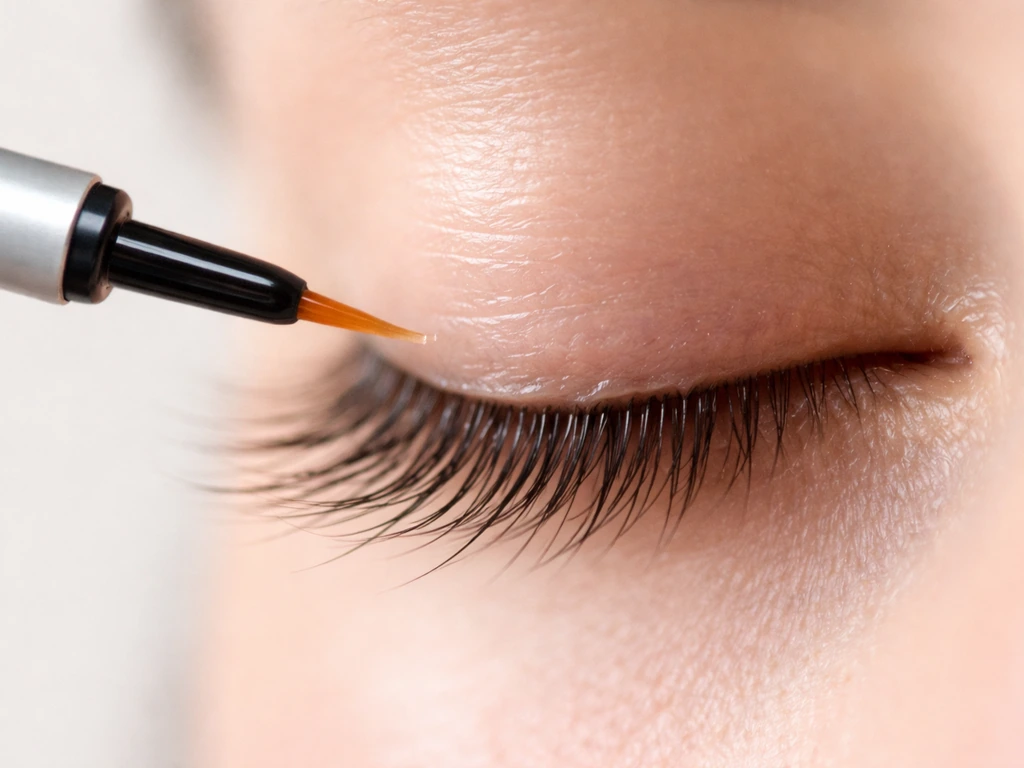
If you want to do something practical today, here is how to think about the realistic options, ranked roughly by evidence strength.
Prostaglandin-analog serums (strongest evidence)
Bimatoprost 0.03% (LATISSE) is the only FDA-approved treatment for eyelash hypotrichosis and has the most robust clinical evidence. It works by prolonging the anagen phase, and in trials it produced measurable increases in lash length (25%), fullness (106%), and darkness (18%) compared to baseline over 16 weeks. Over-the-counter lash serums containing isopropyl cloprostenate (a prostaglandin analog) such as RapidLash or Grande Lash have supporting cosmetic trial data but are less rigorously studied than LATISSE. Both prescription and OTC prostaglandin analogs carry the risk of iris pigmentation change with prolonged use, which is worth knowing before starting.
Castor oil (conditioning with modest support)
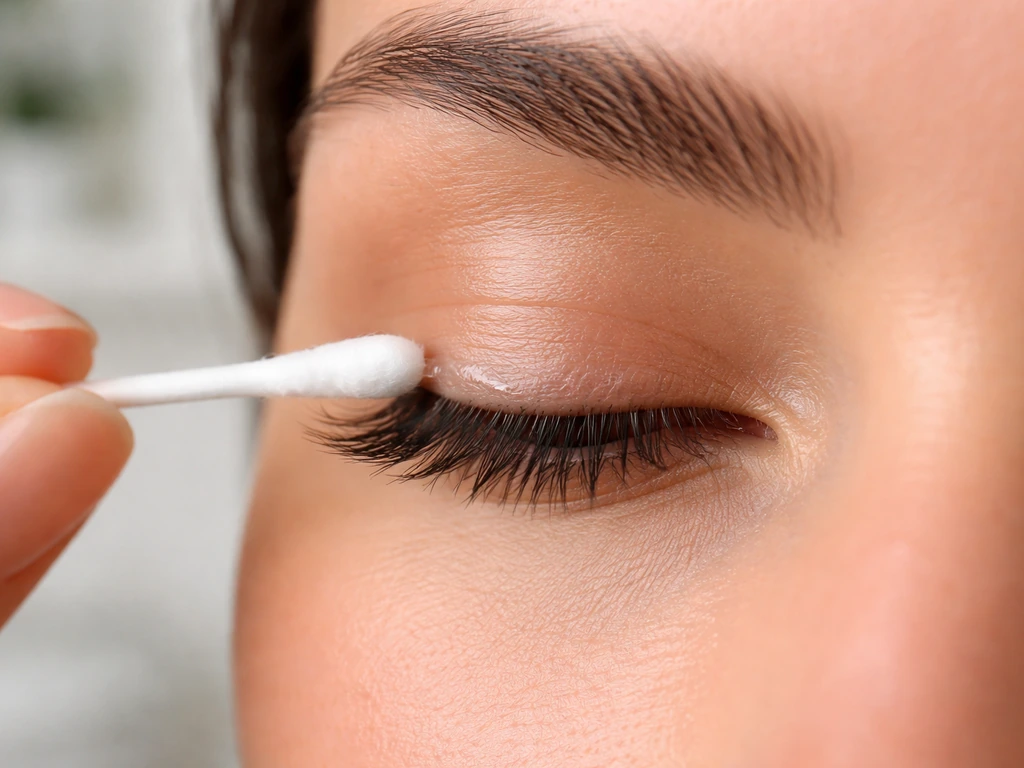
Castor oil contains ricinoleic acid, which has demonstrated anti-inflammatory properties in some in vitro research, and the oil itself is an excellent occlusive that coats the lash shaft and reduces protein loss. There are no large human trials proving castor oil extends the anagen phase, but there is plausible mechanism for improving lash appearance through conditioning and reducing breakage. It is also safe near the eye in small amounts. Apply a tiny amount to a clean spoolie and brush through lashes before bed. Expect cosmetic improvement in texture and apparent fullness over 6 to 8 weeks rather than dramatic length changes.
Peptide-based lash conditioners
Products containing peptides like myristoyl pentapeptide-17 have cosmetic trial data suggesting they can improve lash thickness and density over 4 to 8 weeks. The mechanism is thought to involve signaling pathways that influence keratin production in the lash shaft. These are not growth stimulants in the prostaglandin sense, but they are a reasonable conditioning step with a better safety profile than VapoRub anywhere near the eye.
Biotin and nutrition
Biotin supplementation is widely promoted for hair and lash growth, but evidence supports it mainly in people who have a documented biotin deficiency, which is actually uncommon. If you eat a varied diet, adding more biotin is unlikely to produce noticeable lash changes. Iron deficiency and thyroid imbalance are more commonly overlooked nutritional and hormonal factors, and addressing those (with lab confirmation) can make a real difference.
What to avoid if you're tempted to reach for VapoRub
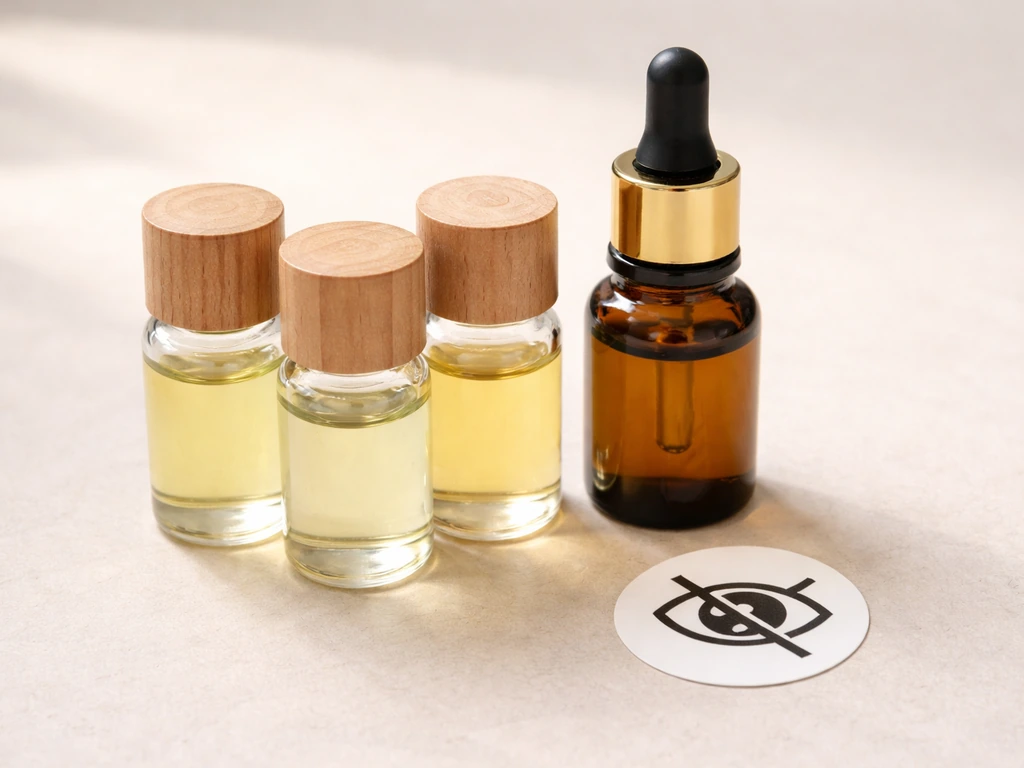
Beyond VapoRub itself, there is a broader category of things to keep away from the lash line and eyelid margin. If you're in the habit of experimenting with kitchen-cabinet or drugstore remedies near your eyes, these are the specific no-go's and why.
- Any product containing menthol, camphor, eucalyptus oil, peppermint oil, or tea tree oil near the eye. These are all mucous membrane irritants and have no lash-growth evidence.
- Undiluted essential oils of any kind on the lash line. Even oils with theoretical anti-inflammatory properties (like lavender) are too concentrated in pure form for the eyelid skin.
- Coconut oil if you wear contact lenses. It degrades certain lens materials and can cause clouding.
- Petroleum jelly in large amounts if you have meibomian gland issues. Small amounts as a conditioning step are generally fine, but heavy application can plug gland openings.
- Harsh oil-based makeup removers applied with rubbing motions. Dissolve first, then gently wipe. Never rub.
- Heated lash curlers used daily on already fragile or sparse lashes.
The thread connecting all of these is the same: the eyelid and lash line area is more sensitive and more directly connected to the ocular surface than any other facial skin zone. Products that are fine elsewhere on the face can cause disproportionate problems here. The precautionary bar should be higher, not lower, when something is marketed as a growth hack in a sensitive area.
When to see a doctor instead of trying home remedies
Some lash loss is cosmetic and responds well to at-home strategies. Some of it is a sign of something that needs clinical attention. Knowing which you're dealing with saves months of ineffective self-treatment.
See a doctor (dermatologist or ophthalmologist) if you notice any of the following:
- Lash loss that is asymmetrical, patchy, or came on suddenly over days to weeks rather than gradually.
- Eyelid redness, scaling, crusting, or itching that persists for more than two weeks. These are classic signs of blepharitis, meibomian gland dysfunction, or contact dermatitis, all of which need directed treatment.
- Eye irritation, burning, or redness that followed using any product near the lash line. Discontinue the product immediately and seek evaluation if symptoms persist beyond 24 to 48 hours.
- Lash thinning accompanied by scalp hair loss, brow thinning, fatigue, weight changes, or temperature sensitivity. This pattern suggests a systemic cause like thyroid dysfunction or autoimmune alopecia areata.
- No regrowth after 6 full months despite stopping extension use and switching to gentle routines. This timeline suggests follicle-level damage that may need clinical assessment.
- Any suspicion that a lash growth serum (particularly one containing prostaglandin analogs) is causing iris color change, periorbital darkening, or eyelid hollowing. These are known side effects that require stopping the product and discussing with your prescriber.
For straightforward cases where lashes thinned from extensions, product overload, or rough removal habits, a consistent gentle routine (proper cleansing, a conditioning oil or serum, no rubbing) gives most people visible improvement within one full lash cycle, roughly 4 to 6 months. That is slower than anyone wants, but it is what the biology actually allows. The right answer to 'does VapoRub help eyelashes grow' is no, and the practical follow-up is: start with the safest conditioning option you have, be honest about your timeline expectations, and escalate to a prescribing clinician if you are dealing with something more than cosmetic thinning. That is why it is also worth considering safer, evidence-based options if your goal is longer, fuller lashes rather than risks from VapoRub near the eye safer, evidence-based options for eyelash growth. If you are wondering whether Vaseline or plain petroleum jelly can make your eyelashes grow, the short answer is that it mainly conditions the lashes, not stimulates new growth conditioning option.
FAQ
If I apply a tiny amount of VapoRub only at the lash base, does it reduce the risk enough to help?
No. Even if you use it on the lash line only, menthol, camphor, and eucalyptus oil can migrate onto the ocular surface through lid movement and blinking. That migration risk is the main reason clinicians advise against experimenting with it near the eyes.
What should I do if VapoRub accidentally gets in my eye or causes irritation on my lash line?
Stop immediately and rinse thoroughly with lukewarm water or sterile saline. If you get persistent burning, redness, light sensitivity, blurry vision, or discharge, contact an ophthalmologist promptly rather than trying home remedies.
How can I tell whether a lash product actually grows lashes or just makes them look thicker?
Most “it worked for me” stories are either reduced breakage (lash looks longer and fuller), timing (natural regrowth within a full cycle), or true follicle stimulation. If you cannot clearly distinguish breakage versus shedding, the claim is unreliable for predicting results.
What signs suggest my lash thinning is medical rather than just cosmetic?
If you have lash loss that is patchy, comes with eyelid scaling, crusting, itching, or redness, OTC conditioning oils and serums may not address the cause. Those patterns can point to dermatitis, blepharitis, or other conditions, so evaluation matters.
How long should I wait to see results from a safe lash serum or oil, and when should I reassess?
For most people, visible changes from safer conditioning options take weeks to months because lashes must regrow after the anagen phase. Setting a timeline of about 6 to 8 weeks for cosmetic improvement, and up to one full cycle for fuller results, is more realistic than expecting rapid growth.
What are the main trade-offs with prostaglandin-based lash treatments like LATISSE?
Many products marketed for “growth” can still cause pigment changes with prostaglandin analogs (LATISSE-type ingredients) and can affect surrounding eye skin. If you have iris color concerns, glaucoma history, prior eye surgery, or sensitivities, discuss with an eye clinician before starting.
Does castor oil help eyelashes grow, or does it mainly improve appearance by reducing breakage?
Castor oil and similar occlusives mainly improve conditioning, which can reduce breakage and help lashes look fuller. They are not a substitute for true growth stimulation if your main issue is actual shedding.
How do I apply a lash conditioning product safely to minimize the chance of it getting into my eye?
Avoid applying anything in a way that can wick into the eye or contact the inner eyelid. If you use any lash product, apply with a clean applicator to the lash line, use small amounts, and stop if you get watering, burning, or redness.
Should I try biotin or supplements for lash growth, and when is it actually worth it?
Yes, supplements can help only in specific situations, such as confirmed nutrient deficiency. If your diet is adequate, adding biotin often does not translate into measurable lash changes, so getting basic lab work for iron and thyroid issues can be more productive if thinning is persistent.
Next Article
Does Cocoa Butter or Vaseline Help Eyelashes Grow?
Learn if cocoa butter or Vaseline can help lashes grow, realistic timelines, safe use tips, and better proven options.