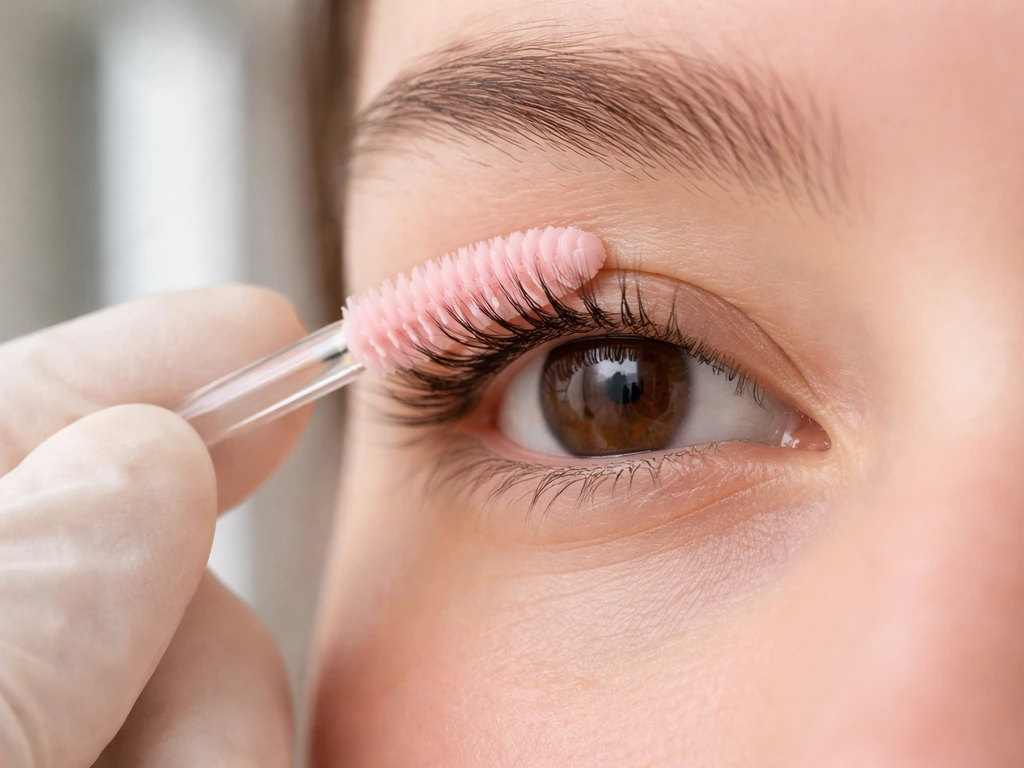
You Jianxia holds the Guinness World Record for the longest eyelashes on record, with her most famous lash measuring 12.4 cm on her left eye. Her method for growing them isn't documented in any verified, step-by-step public source. Most of what circulates online is speculation: genetics, an unusual feedback loop that prevents her follicles from switching out of the growth phase, possibly a specific lifestyle or diet. The honest answer is that nobody outside her immediate circle knows exactly what she did or didn't do. What that search question really points to, though, is something far more actionable: how do you grow longer, thicker, healthier lashes yourself? Curly lashes can benefit from the same evidence-based regrowth approach, with extra attention to avoiding breakage and keeping the lash line healthy how do you grow longer, thicker, healthier lashes yourself?. That part has real science behind it, and this guide walks through all of it.
How Did You Jianxia Grow Her Eyelashes What Actually Works


What's actually known about You Jianxia's lashes (and what's just speculation)
You Jianxia, from China, has held the Guinness World Record for world's longest eyelash since June 28, 2016, and she broke her own record in May 2021. That part is verified. The 12.4 cm length (roughly 4.9 inches) has been confirmed through official Guinness measurement. What hasn't been confirmed anywhere credible is a specific growth routine, product, supplement, or practice she follows. Online discussion mostly centers on two theories: that she has an unusually long anagen (active growth) phase where her follicles simply don't stop growing the way most do, or that some form of genetic variation is responsible. Both are plausible but neither has been clinically documented in her case specifically.
The reason this matters for you is that You Jianxia's situation, if it is indeed genetic or biological, isn't replicable through any product or routine. But the underlying biology of lash growth absolutely is something you can influence. If you’re looking for Malayalam guidance, you can follow the same evidence-based lash growth steps and adapt them in a “how to grow eyelashes” routine in Malayalam. Most people searching this question are dealing with lashes that are short, sparse, or damaged, and they want practical help. That's exactly what the rest of this article covers.
How eyelash growth actually works
Eyelash follicles cycle through three phases, and understanding them tells you what's actually possible to change. The anagen phase is active growth, lasting roughly 30 to 45 days for lashes (compared to years for scalp hair). The catagen phase is a short transitional period of about 2 to 3 weeks where growth stops and the follicle shrinks. The telogen phase is the resting phase, lasting around 100 days, before the old lash sheds and a new one begins. The full cycle takes roughly 4 to 6 months per lash, though individual lashes are at different stages simultaneously, which is why you don't lose all your lashes at once.
What this means practically: you can't extend You Jianxia's record-breaking anagen phase through topical products alone. But you can protect lashes that are already growing, encourage dormant follicles to enter anagen, and improve the quality and thickness of each new lash as it grows in. Those steps are also the core of how to grow short eyelashes back to a fuller, longer look over time encourage dormant follicles to enter anagen. Visible improvement in length and density typically takes 6 to 12 weeks of consistent effort, with the most noticeable changes appearing closer to the 10 to 12 week mark.
Why your lashes may have stopped growing (or started falling out)
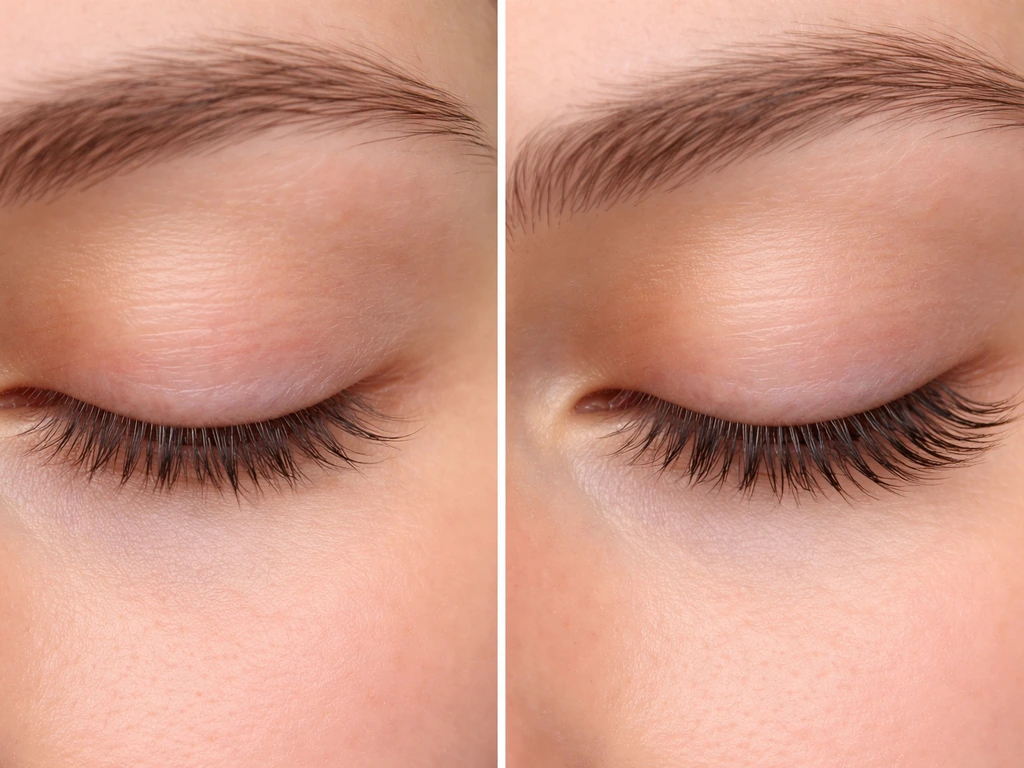
Before throwing products at the problem, it helps to identify what's actually disrupting your growth. The most common causes fall into a few categories:
- Lash extensions and improper removal: Extensions themselves don't always damage lashes, but the adhesive removal process, especially picking or pulling, causes traction loss. Follicles that experience repeated mechanical stress can slow down or temporarily stop producing new lashes.
- Rubbing and mechanical irritation: Sleeping face-down on a pillow, aggressively removing eye makeup, or rubbing your eyes habitually all shorten lash lifespan and cause premature shedding.
- Blepharitis and meibomian gland dysfunction: Inflammation at the lash line disrupts follicle health directly. If your lids are red, crusty, or itchy, this is likely a contributing factor.
- Chemical irritation: Waterproof mascaras, certain eye drops, and even some lash serums contain ingredients that irritate the lash line and trigger a shedding response.
- Nutritional deficiencies: Low ferritin (iron stores), low biotin, or protein insufficiency can slow the anagen phase across all body hair, including lashes.
- Medication-related shedding: Chemotherapy, retinoids, anticoagulants, and some antidepressants are known to cause telogen effluvium, where a disproportionate number of follicles shift to the resting phase simultaneously.
- Thyroid dysfunction: Both hypothyroidism and hyperthyroidism affect hair follicle cycling and are among the first places a dermatologist looks when diffuse lash thinning has no obvious cause.
A practical at-home routine to regrow and thicken lashes
If you're starting from a place of damaged, sparse, or short lashes, the single most important thing you can do before adding any product is reduce ongoing damage. That means stopping habits that are actively shortening the lashes you have. After that, you layer in supportive steps. Here's how to structure it:
Step 1: Gentle daily cleansing
Clean lash lines support healthier follicles. Use a fragrance-free micellar water or a diluted baby shampoo on a soft cotton pad to remove eye makeup without tugging. Swipe gently from the inner corner outward. Avoid oil-based removers directly on the lash line if you're using a growth serum, as they can break down the active ingredients. Do this every evening, no exceptions.
Step 2: Nightly conditioning application
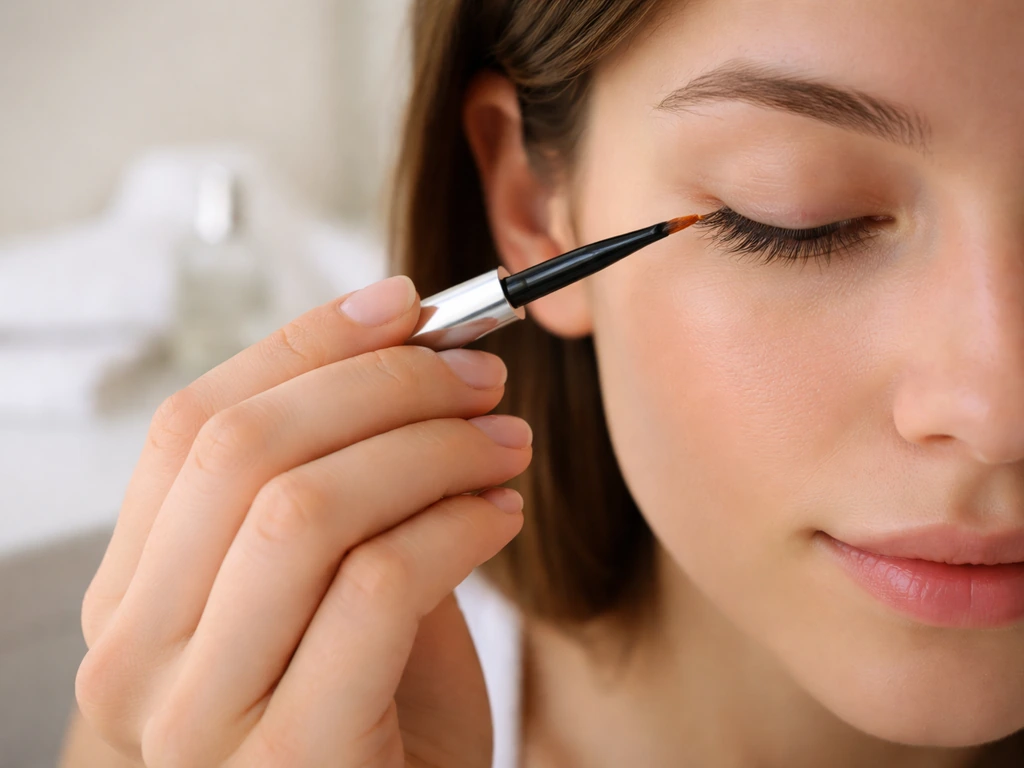
Apply your chosen serum or conditioning oil (more on which to pick in the next section) at the base of clean, dry lashes using a fine brush or the included applicator. Less is more here. A thin line at the lash line is enough. Applying too much product to the lid increases the risk of it migrating into the eye, which can cause irritation or, in the case of prostaglandin-based serums, darkening of the iris or periorbital skin.
Step 3: Protect lashes during the day
Switch to a non-waterproof mascara during a regrowth period, since waterproof formulas require more aggressive removal and are harder on lashes over time. Use a lash primer if you want volume without heavy mascara. Never sleep in mascara. If you use a lash curler, use it before mascara and never on dry, brittle lashes.
Step 4: Diet and internal support
Get adequate protein (at least 50 to 60 grams daily for most adults), since lash follicles are keratin-producing structures that depend on amino acid availability. Iron-rich foods or a supplement addressing a documented deficiency can make a noticeable difference within a few months. If your diet is already solid and lashes are still thinning, it's worth getting ferritin and thyroid levels checked before spending money on topical solutions.
Lash serums vs castor oil vs biotin supplements: what the evidence actually says
These three are by far the most searched approaches, and they're not equally supported. Here's a straightforward comparison:
| Option | Active mechanism | Evidence level | Realistic timeline | Main risk |
|---|---|---|---|---|
| Prostaglandin-analog serums (e.g., bimatoprost, isopropyl cloprostenate) | Extends anagen phase, increases follicle size | Strongest: clinically studied, FDA-approved version (Latisse) exists | 4 to 8 weeks for density, 12+ weeks for full length | Iris/skin darkening, periorbital fat loss with long-term overuse |
| Peptide/conditioning serums (no prostaglandins) | Strengthen lash shaft, support follicle environment | Moderate: ingredient-level evidence, few randomized trials on full formulas | 8 to 12 weeks for visible thickness improvement | Irritation if fragrance or sensitizing ingredients are present |
| Castor oil (cold-pressed ricinoleic acid) | Conditions and coats the lash shaft, may support follicle health via anti-inflammatory properties | Low-to-moderate: limited direct clinical trials; widely used, strong anecdotal base | 8 to 16 weeks for noticeable conditioning effect | Low risk; risk of eye irritation if it migrates into the eye |
| Biotin supplements | Supports keratin infrastructure when there's a deficiency | Low for people without deficiency; moderate when deficiency is confirmed | 3 to 6 months | Minimal; high doses can skew thyroid/lab test results |
If you want the fastest, most documented results, a prostaglandin-based serum is the most clinically supported option. Prescription bimatoprost (Latisse) is FDA-approved specifically for lash growth. For more step-by-step guidance, you can also look up how to grow eyelashes on wikiHow Latisse. Over-the-counter serums containing isopropyl cloprostenate work via a similar mechanism and are widely available, but require careful patch testing and should not be used if you have green or hazel eyes (due to iris pigmentation risk) or a history of macular edema. For people who want a lower-risk starting point, a peptide serum combined with castor oil applied separately is a reasonable first step that many people respond to well over 10 to 12 weeks. Vogue’s lash-serum roundup discusses how lash-growth products differ in their ingredient approach, including a castor-oil based option alongside other conditioning ingredients used in marketing claims blank" rel="noopener noreferrer">peptide serum combined with castor oil.
On castor oil specifically: it doesn't grow new lashes from scratch, but it conditions and protects the lashes you have, can reduce breakage, and its ricinoleic acid content has anti-inflammatory properties that may benefit the lash line environment. Apply a rice-grain-sized amount with a clean spoolie to the lash line at night. That's enough. Saturating the lashes in oil doesn't speed up the process.
Biotin is consistently over-marketed for lash and hair growth. It genuinely helps when you're deficient, but most people eating a reasonably balanced diet aren't biotin-deficient. If you're adding it anyway, a dose of 2.5 mg daily is the level most commonly used in studies; going higher doesn't accelerate results and can interfere with certain lab tests.
Troubleshooting: slow growth, shedding spikes, and irritation
A few common scenarios come up for almost everyone who tries a lash regrowth routine:
No visible growth after 8 weeks
First, check your application. Most people either apply too far from the lash line (missing the follicle entirely) or skip nights inconsistently. If your technique is solid and you're seeing nothing, consider whether an underlying issue like inflammation, nutritional deficiency, or medication side effect is overriding your topical efforts. This is a good point to revisit what's actually blocking growth before changing products.
Shedding spike at weeks 3 to 5
This is actually normal with prostaglandin-based serums and even some conditioning serums. As the growth cycle is stimulated, lashes in the telogen phase shed to make way for new anagen lashes. It's alarming to see more lashes on your pillow or in your mascara wand, but if the shedding stabilizes and new, slightly thicker lashes appear by week 6 to 8, the routine is working. If shedding continues past 6 weeks without visible new growth, stop and reassess.
Irritation, redness, or stinging
Stop the product immediately if you experience persistent redness, stinging, or swelling at the lash line. Rinse thoroughly with clean water. Wait 72 hours and check whether symptoms resolve. If they do, the product is likely the cause. If they don't, see an eye doctor. For future attempts, patch test any new product behind the ear for 48 hours before applying near the eyes, and choose formulas without fragrance, alcohol as a primary ingredient, or known sensitizers like certain preservatives (benzalkonium chloride in particular).
Lashes growing back unevenly after extensions
This is common and usually resolves on its own over 3 to 4 months as all follicles cycle back into alignment. A conditioning serum or castor oil routine supports uniform recovery. Avoid new extensions until you have at least 8 weeks of undisturbed regrowth.
Safety, eye-area best practices, and when to see a professional
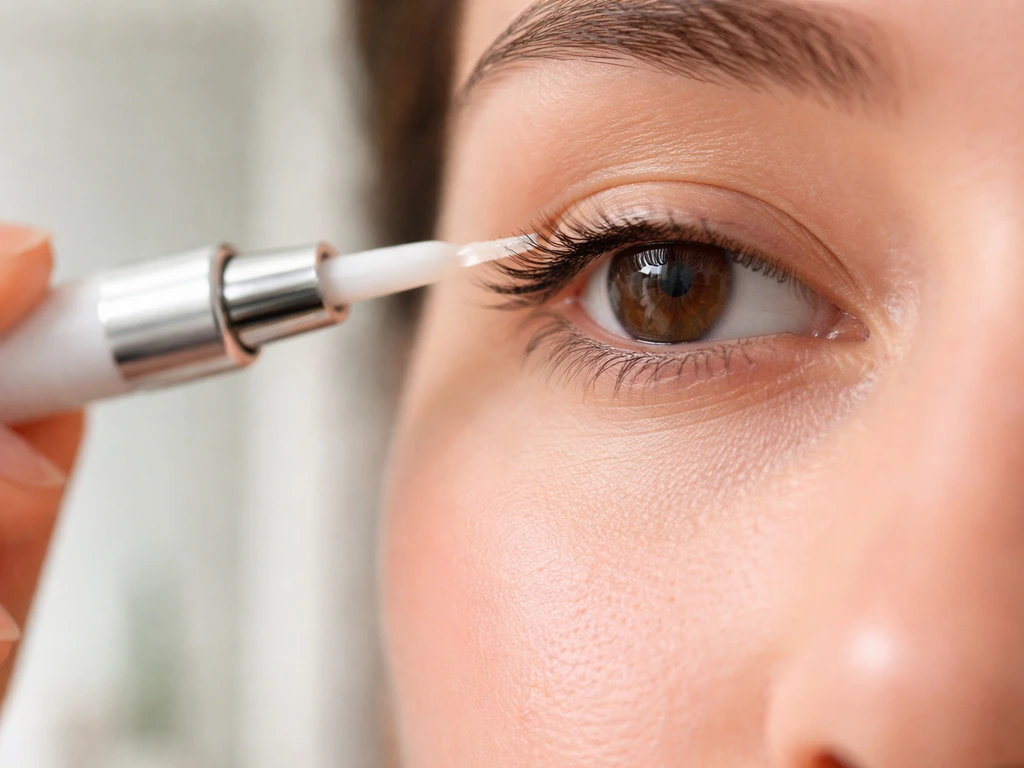
The eye area is more sensitive and absorbent than most other skin on your face. Products applied at the lash line can migrate into the eye, deposit onto the conjunctiva, and in the case of prostaglandin analogs, cause structural changes with long-term use. A few non-negotiable safety practices:
- Always apply serums and oils to the upper lash line only, not the lower, to reduce the risk of product entering the eye.
- Never share lash applicators. Eye infections spread easily through shared tools.
- If you wear contact lenses, remove them before applying any lash product and wait at least 15 minutes before reinserting.
- Check ingredient lists for prostaglandin analogs if you have green or hazel eyes, a history of uveitis, or macular edema. These are contraindications.
- Do not apply castor oil or any oil directly inside the eye. On the lash line is fine; inside is not.
- If you notice any change in your iris color, asymmetric eyelid drooping, or unusual periorbital skin darkening, stop your current product and see an ophthalmologist.
See a dermatologist or ophthalmologist if: lash loss is sudden and significant, affects both eyes symmetrically in a diffuse pattern, is accompanied by scalp hair loss, or if your lash line shows chronic inflammation that doesn't resolve with gentle cleansing. A dermatologist can test for alopecia areata affecting lashes (yes, it happens), nutritional deficiencies, or medication interactions. An ophthalmologist rules out lid margin disease, blepharitis, or meibomian gland dysfunction, all of which require targeted treatment beyond what any cosmetic product can fix.
Your 6 to 12 week plan and how to track progress
Here's how to structure a realistic, trackable routine:
- Weeks 1 to 2: Foundation phase. Stop all extensions and reduce mechanical irritation. Switch to a gentle micellar cleanser, stop wearing waterproof mascara, and start nightly lash line cleansing. No product applications yet if you're dealing with active irritation.
- Weeks 2 to 4: Introduce your chosen serum or oil. Apply nightly to a clean, dry upper lash line. Photograph your lashes in consistent lighting (same angle, same light source) once a week to track baseline and changes accurately.
- Weeks 4 to 8: Consistency phase. Do not skip applications. If you see shedding, note whether new growth is appearing. If irritation occurs, pause for 72 hours and reassess. This is when most people get impatient and switch products too quickly. Don't.
- Weeks 8 to 12: Assessment phase. Compare your weekly photos. Most people who respond to treatment see meaningful changes in density and length here. If you're using a prostaglandin serum and have achieved results, consider moving to every-other-night application to maintain gains and reduce cumulative exposure.
- After week 12: Maintenance mode. You don't need to stop, but reducing application frequency (3 to 4 nights per week) is often enough to maintain results with conditioning serums and oils. Prostaglandin serums typically cause regression within 4 to 6 weeks of stopping entirely.
People with shorter or sparser lashes due to genetics, similar to how some readers search for guidance on growing Asian eyelashes or growing short eyelashes, may find that consistent use of a peptide serum combined with a conditioning oil gives meaningful improvement even when a complete transformation isn't possible. The biology is the same across lash types: anagen phase quality, follicle health, and mechanical protection are the three levers you can actually pull. Work consistently on all three, manage your expectations against the 6 to 12 week timeline, and you'll be in the best position to see what your lashes are truly capable of.
FAQ
How can I tell if my lashes are breaking or actually shedding?
If your lashes are falling out, first separate breakage from shedding. Breakage usually looks like shorter, snapped hairs, while shedding looks like whole lashes disappearing and then gradually regrowing. If shedding is sudden, happens on both eyes in a diffuse pattern, or comes with scalp hair loss, pause lash serums and get an eye doctor or dermatologist evaluation.
Can castor oil make brand new lashes grow, or does it only condition what I already have?
No, castor oil cannot create new lashes from scratch. It works by conditioning and reducing breakage, so your results mainly depend on whether follicles are entering or sustaining anagen. Expect slower, more subtle improvements, and keep the night application rice-grain sized to avoid migration into the eye area.
Do I have to stop waterproof mascara completely while trying to regrow lashes?
Yes, but think of it as a switch to the correct removal routine, not a one-time tweak. During regrowth, use non-waterproof mascara and remove gently at night (micellar or diluted baby shampoo), because aggressive removal can wipe out the gains you are trying to make.
What’s the best way to apply lash serums so they don’t migrate into my eye?
Apply along the lash line at a thin line, then avoid smearing toward the lid margin. If a serum is migrating, you will often feel irritation first, and you may see uneven darkening risk with prostaglandin-type products. If you notice transfer, reduce the amount, change to a smaller brush applicator, and consider switching to a peptide or conditioning approach.
If results are slow, can I increase how often I apply a growth serum?
Don’t chase “faster” by using it more frequently. With prostaglandin-based serums, overuse increases irritation risk and can make side effects more likely without speeding growth. Stick to the exact schedule on your product plan, and if you miss a night, resume the next scheduled dose.
Is it safe to use a lash curler while using a lash growth routine?
You can, but it should be done carefully. Use a lash curler before mascara, make sure lashes are not dry and brittle, and avoid heavy pressure. Curler trauma is a common reason people see breakage despite using serums.
Should I start taking biotin for lash growth even if my diet is decent?
Biotin is only likely to help if you are deficient or have a specific nutritional issue. If you eat a balanced diet and still see thinning, prioritize protein adequacy and consider getting ferritin and thyroid checked before increasing supplements, because unnecessary dosing rarely improves lash density.
What should I do if I do everything right but still see no change after 10 to 12 weeks?
Yes, but only if the cause is plausible for you. If your lashes are thinning with no improvement after consistent technique, timing, and gentle cleansing, reassess inflammation, eyelid conditions (like blepharitis), medication side effects, and nutritional labs, rather than swapping products repeatedly.
How do I patch test lash products, and what symptoms mean I should stop?
Patch testing matters because reactions can be delayed. Apply a new product behind the ear or on a less sensitive area for 48 hours, and if you get redness, stinging, or swelling near the lash line, stop immediately. For persistent symptoms that do not resolve within the waiting window, seek eye care.
Is increased lash shedding a good sign or a warning?
It’s normal to notice some lash shedding when you stimulate growth, but the pattern matters. If shedding continues well beyond about 6 weeks with no sign of new, thicker lashes, stop and reassess your plan and possible underlying causes rather than continuing the same product indefinitely.
Can I get eyelash extensions while my lashes are regrowing?
You usually should not add extensions during active regrowth. Extensions can add traction and chemical exposure, which can worsen breakage and mask whether the follicles are improving. Wait until you have at least 8 weeks of undisturbed regrowth.
Are prostaglandin-type lash serums safe for everyone?
If you have green or hazel eyes or a history of macular edema, be extra cautious with isopropyl cloprostenate type products, even if others tolerate them. Consider starting with a lower-risk peptide or conditioning plan and discuss options with a clinician if you have any eye condition.
When is lash loss serious enough that I should see a dermatologist or ophthalmologist?
Sudden, significant lash loss that affects both eyes evenly, coincides with scalp hair loss, or comes with chronic lash line inflammation that does not improve with gentle cleansing should be checked. Alopecia areata and eyelid gland issues can require targeted treatment beyond cosmetic regrowth steps.
How to Grow Eyelashes in Malayalam: Steps, Timeline, Recovery
മലായളത്തിൽ സുരക്ഷിതമായി ഐലാഷ് വളർത്താനുള്ള ദിനക്രമം, ടൈംലൈൻ, ഡാമേജ് റിക്കവറി, എപ്പോൾ ഡോക്ടറെ കാണണം