
You can't permanently change the curl pattern your lashes are born with through topical products alone, but you can make them look noticeably curlier within days, and healthier, fuller lashes hold a curl far better than thin or damaged ones. The practical plan: condition your lashes daily with a lightweight oil like castor oil, use a heated lash curler safely, stop habits that straighten and break lashes, and if you want growth support, add a serum with a proven active ingredient. That's the core of it. Everything below gives you the detail to actually do it.
How to Grow Curly Eyelashes: Safe Routine and Timeline
Rachel Nguyen
28 May 2026
Why some lashes curl and others don't
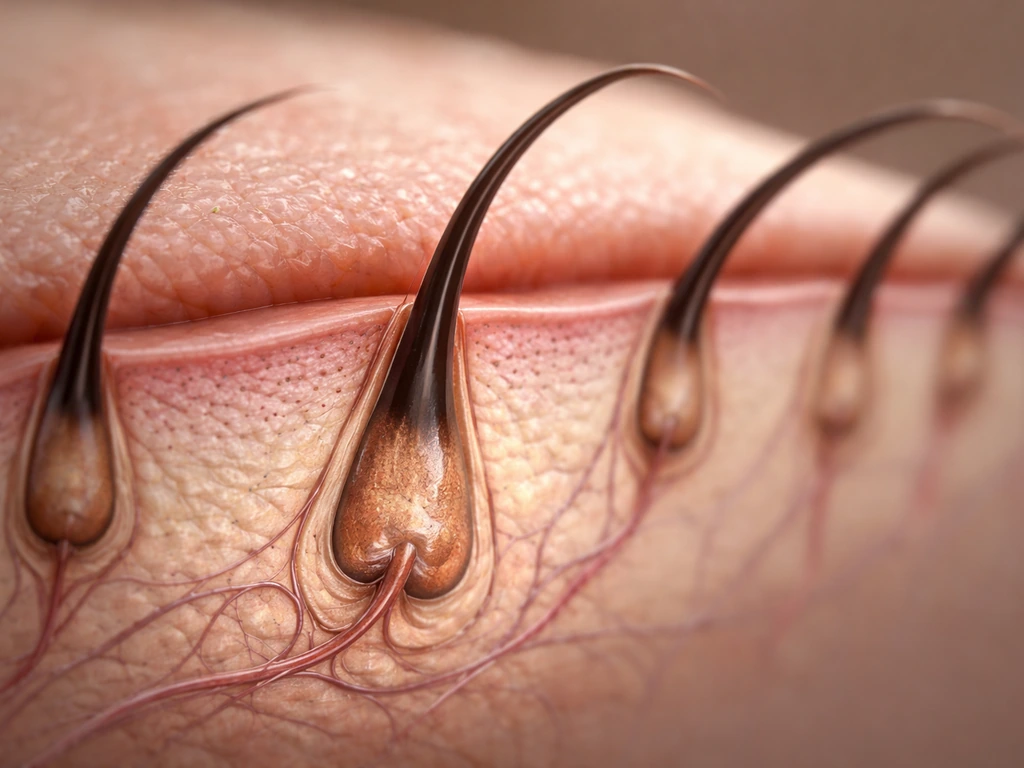
Lash curl comes down to follicle geometry. blank" rel="noopener noreferrer">Each eyelash grows from a follicle that sits under the eyelid skin, anchored by a bulb and dermal papilla that feed the growing hair. The shape of that follicle, specifically how symmetrical or asymmetrical its internal structure is, determines the cross-sectional shape of the hair shaft it produces. Research into curl patterns in hair science shows that a more elliptical (oval) cross-section produces stronger curl, while a rounder cross-section produces a straighter hair. The angle at which your follicle sits, its blank" rel="noopener noreferrer">lift-up and curl-up angles measurable by phototrichography, also controls how much your lash naturally arcs away from the lid.
What this means practically: your baseline curl is largely genetic and structural. People with naturally straighter lashes (which tends to be more common in those with thicker, rounder hair shafts, something explored in guides on growing Asian eyelashes specifically) aren't going to rewire their follicle geometry with any oil or serum. If you're specifically wondering how to grow Asian eyelashes, focus on maximizing the curl you already have with conditioning and a growth-support serum growing Asian eyelashes. What you can do is maximize the curl you do have by keeping lashes healthy, conditioned, and structurally strong, and use tools and habits that enhance the curl you've got.
What to do this week for better-looking curl
If you need results fast, the honest fastest path is a combination of a good lash curler technique and conditioning. Here's what to do starting today.
- Use a heated lash curler before mascara. Heated curlers work like a hair straightener in reverse: gentle warmth temporarily reshapes the keratin in your lash shaft so the curl holds longer. Hold it at the base of lashes for 8 to 10 seconds, then move to the mid-shaft for another 5 seconds. Keep the temperature below the setting that feels hot on your wrist.
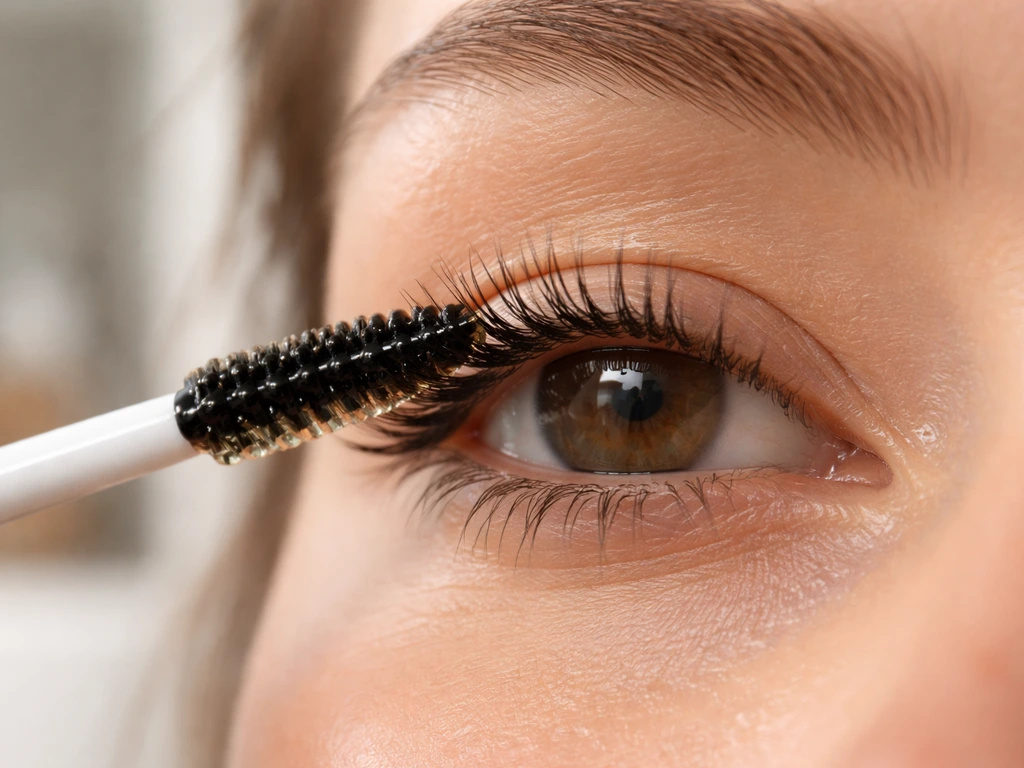
- Apply a thin coat of lengthening mascara with a curved wand, working from base to tip in a slight upward arc. A tubing mascara formula helps hold the curl you've set without weighing the lash down.
- Apply a tiny amount of castor oil (or a lash conditioning serum) to lashes at night using a clean spoolie. This step starts the conditioning work that pays off over the following weeks.
- Stop any habits that press lashes downward: sleeping face-down, rubbing your eyes, and removing eye makeup by scrubbing rather than pressing a soaked pad gently against the lid.
- Comb your lashes upward with a clean spoolie each morning before any product. This alone trains lash direction over time and removes any overnight debris that weighs them flat.
Within three to five days of consistent conditioning and improved technique, most people notice lashes that look lifted and hold curl better after curling. That's the realistic short-term win.
An at-home routine to build healthier, curlier-looking lashes over time
Healthy lashes are more flexible, less prone to breakage, and hold a curl better than dry or brittle ones. This is the routine worth building into your daily habits.
Nightly oil conditioning
Castor oil is the most well-known option here and for good reason: it's thick, rich in ricinoleic acid, and coats the lash shaft to reduce moisture loss and mechanical breakage. Apply it with a clean mascara wand or a cotton swab to the lash line and lower lash tips after washing your face. A drop-sized amount is enough for both eyes. If castor oil feels too heavy or causes milia (small cysts along the lash line), swap to a lighter option like argan oil or jojoba oil, both of which condition the shaft without the same occlusive weight.
Gentle lash massage
After applying oil, use your ring finger to very lightly press and release along the lash line (not the lash shafts themselves) for about 30 seconds. This stimulates local circulation to the follicles. The pressure should be less than you'd use to rub your eye. Do not tug or rub; the goal is warmth and circulation, not friction.
Gentle cleansing every evening
Leaving mascara, waterproof liner, or makeup remover residue on your lashes overnight dries them out and contributes to breakage. Use a micellar water or oil-based cleanser on a cotton pad, hold it against your closed eye for 10 seconds, then press gently downward. Never rub sideways across lashes. For waterproof products, an oil-based makeup remover breaks down the formula without requiring mechanical force.
Daily habits that protect curl
- Sleep on your back or on a silk pillowcase if you're a side sleeper. Cotton pillowcases create friction that bends and breaks lashes overnight.
- Brush lashes upward each morning with a clean spoolie before any product.
- Avoid waterproof mascara daily. The solvents needed to remove it are harsher than standard formulas and accelerate drying and breakage.
- Don't curl lashes after mascara application. Dried mascara makes lashes brittle; curling them at that point snaps them off at the curl point.
- Take any eye rubbing seriously. Even habitual eye rubbing from allergies physically bends lash follicles downward over time.
Serums and ingredients: what actually supports growth versus curl
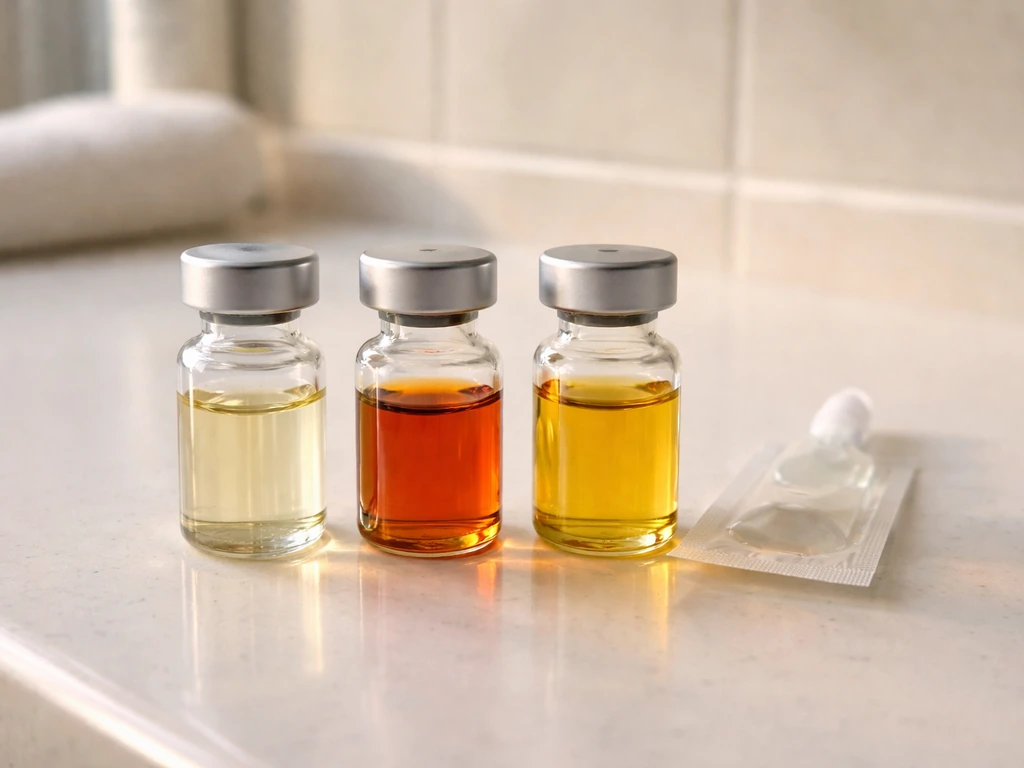
Let's be direct about what serums can and can't do for curl. No over-the-counter serum changes your follicle angle or cross-sectional hair shape. What serums do is promote lash growth (longer, thicker lashes), reduce shedding, and improve the health of the hair shaft, all of which indirectly improve how well lashes hold a curl. A longer, fuller lash simply has more visible arc in it.
| Ingredient | What It Does | Where to Find It | Realistic Timeline |
|---|---|---|---|
| Bimatoprost (Rx) | Extends anagen growth phase; clinically proven to increase length, thickness, and darkness | Prescription only (Latisse) | 4 to 8 weeks for visible change; 16 weeks for full effect |
| Peptides (e.g., myristoyl pentapeptide-17) | Signal keratin production in follicle; support growth and shaft strength | OTC lash serums | 6 to 12 weeks |
| Biotin (topical) | Supports keratin infrastructure; limited topical absorption evidence but low risk | OTC serums, supplements | 8 to 12+ weeks; clearer effect from oral supplementation if deficient |
| Castor oil (ricinoleic acid) | Conditions shaft, reduces breakage, may mildly support circulation | Drugstore, beauty retailers | 2 to 4 weeks for less breakage; not a growth driver on its own |
| Panthenol (pro-vitamin B5) | Humectant; improves lash flexibility and reduces brittleness | OTC serums and conditioners | 2 to 6 weeks for texture improvement |
For most people without a prescription, a peptide-based OTC serum applied nightly to the upper lash line is the best-evidence non-Rx option for actual growth support. Apply it to a clean, dry lash line (not on top of oils or makeup) so it contacts the follicle. Using both a conditioning oil and a serum? Apply the serum first, let it absorb for two to three minutes, then follow with oil on the lash shafts. Don't layer the oil on the lash line directly over the serum or you'll block absorption.
How long it actually takes to see results
Eyelashes cycle through growth phases just like scalp hair, just much faster. The active growth phase (anagen) for lashes lasts roughly 30 to 45 days. The transition phase (catagen) takes about two to three weeks, and the resting/shedding phase (telogen) lasts another three to four months before the follicle restarts. The full cycle is around four to six months, which is why lash serums need consistent daily use for at least six weeks before you can fairly evaluate them.
Here's what to expect at each stage with a consistent routine:
| Timeframe | What Changes | Notes |
|---|---|---|
| Days 1 to 7 | Curl appearance improves with better tools and technique; less breakage | This is habit and tool change, not biology yet |
| Weeks 2 to 4 | Lashes feel softer and less brittle; less fallout | Oil conditioning effect on current lashes |
| Weeks 6 to 8 | New lash growth starts to become visible at base; possible increase in density | Serum/growth ingredient effect begins |
| Weeks 12 to 16 | Noticeable change in length and fullness; lashes hold curl better due to improved health | Full cycle nearly complete; this is when real growth shows |
| Month 6+ | Maximum achievable length and density for your genetics with current routine | Maintenance phase; continuing routine preserves results |
The honest reality: most people looking for curlier-looking lashes see a meaningful cosmetic improvement within a week from technique changes. The biological improvements (longer, stronger lashes that hold curl better) take at least three to four months of consistency. People growing out short or damaged lashes face a similar timeline, as does anyone recovering from extensions or chemotherapy-related lash loss.
Why your lashes look straight: common causes and how to fix them
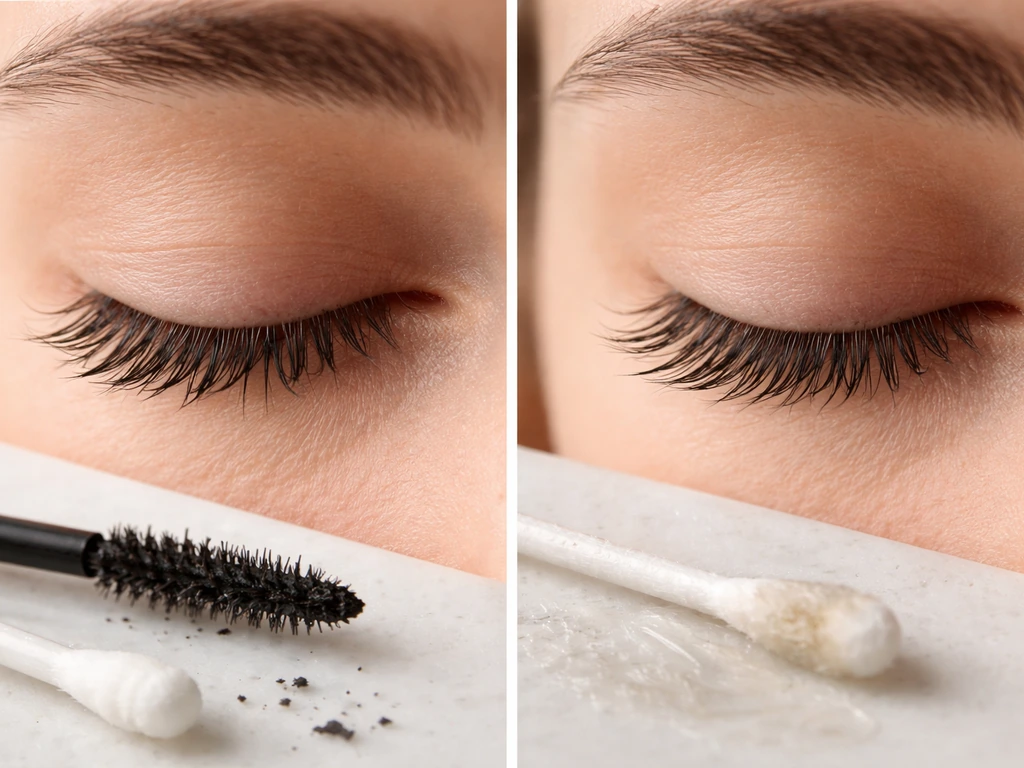
If your lashes used to curl better or they've gotten progressively straighter and thinner, something specific is likely causing it. These are the most common culprits and what to do about each.
Extension damage and residue
Lash extensions bond to your natural lash with adhesive. When removed incorrectly (by picking or pulling), they take part of the natural lash with them. The remaining follicle may produce a weaker, thinner replacement lash that doesn't hold its natural shape as well. If you've recently come off extensions, give your lashes a full growth cycle (four to six months) of conditioning and serum support before judging your baseline. Avoid re-applying extensions until you can see full recovery.
Mechanical trauma and rubbing
Habitual eye rubbing, aggressive eye makeup removal, and even sleeping with your face buried in a pillow physically bend lash follicles in the wrong direction over time. If you have allergies, treating the underlying allergy (antihistamines, avoiding triggers) reduces rubbing dramatically. Switch to a silk or satin pillowcase and practice pressing rather than rubbing when removing makeup.
Blepharitis and eyelid inflammation
Blepharitis (inflammation of the eyelid margin, often from Demodex mite overgrowth or staph bacteria) is a major and underdiagnosed cause of poor lash growth, thinning, and lashes that point in abnormal directions. Signs include crusty or flaky debris at the lash base in the morning, red or itchy lid margins, and eyes that feel gritty. Treating blepharitis with daily lid scrubs (diluted baby shampoo or a product like OCuSOFT) is essential before any growth routine will work properly. If debris is consistent, see an optometrist or ophthalmologist.
Dryness and product buildup
Old mascara flakes, waterproof makeup residue, and harsh removers dry the lash shaft until it becomes stiff and brittle. A lash that's dry at the shaft doesn't flex into a natural arc, it snaps. Consistent gentle cleansing and nightly conditioning directly reverse this.
Over-curling with mechanical curlers
Standard mechanical lash curlers used with force, or on lashes coated in dry mascara, create a sharp crease rather than a smooth arc and eventually weaken the lash shaft at that crease point. If you're seeing kinked or angled lashes rather than a smooth curl, take a break from the mechanical curler and switch to heated for a few weeks while you condition.
When to see a professional
Most lash concerns are cosmetic and manageable at home, but a few situations warrant professional input.
- Persistent or worsening thinning that doesn't improve after four to six months of a consistent routine. This can indicate thyroid dysfunction, alopecia areata, trichotillomania, or nutritional deficiencies, all of which need medical assessment rather than just more conditioning oil.
- Redness, swelling, or persistent itching along the lash line after using any serum or oil. Discontinue the product immediately and see a dermatologist if symptoms persist for more than 48 hours. Prostaglandin-analogue ingredients (found in some OTC serums as well as prescription bimatoprost) can cause iris pigmentation changes and periocular skin darkening in some people.
- Lashes growing inward (trichiasis) or in abnormal directions. This is a mechanical and sometimes structural issue that can scratch the cornea and needs an eye doctor, not a serum.
- Suspected blepharitis that isn't responding to basic lid hygiene after two to three weeks. A doctor can prescribe antibiotic or anti-inflammatory lid treatments that move recovery along significantly faster.
- Any vision changes, eye pain, or increased intraocular pressure concerns if using prescription lash treatments. These are known risk factors for prostaglandin-class medications and must be monitored.
Using any product near the eyes, even oils labeled as natural, carries low but real risk if it enters the eye itself. Always apply with a fine-tipped applicator or clean spoolie rather than a dropper, apply at night on closed eyes, and wipe away any excess that migrates onto the lid skin. If you're wearing contact lenses, remove them before applying any lash product and wait at least 15 minutes before reinserting.
Your starting plan, pulled together
Start with the quickest wins: a heated curler, a nightly castor oil application, and switching to gentle makeup removal. Add a peptide serum if you want active growth support, and give the full routine at least 12 weeks before you evaluate it seriously. For more focused guidance in Malayalam on how to grow eyelashes, include an evidence-based growth serum and use it consistently peptide serum. Fix any obvious causes of damage (extensions, rubbing, blepharitis) because no amount of conditioning will overcome active follicle trauma. If lash loss or thinning persists beyond a full growth cycle, that's your signal to get bloodwork and see a dermatologist. Everything else is patience and consistency. For more step-by-step guidance on growing healthier, longer lashes, see the wikihow guide on how to grow eyelashes how to grow eyelashes wikihow.
FAQ
Will lash growth serums make my lashes permanently curlier over time?
They can’t change follicle geometry, so they won’t permanently rewire curl pattern. What they can do is increase length and thickness and improve shaft health, which makes any natural curl more visible and better at holding during the day.
How long should I wait before deciding a routine is not working?
For true growth and strength changes, plan on at least 12 weeks of consistent nightly use. For purely cosmetic curl-appearance improvements, many people notice faster results within about a week of better curling technique and conditioning.
Can I apply castor oil or serum while wearing contact lenses?
Apply at night after removing contacts, then wait at least 15 minutes before reinserting. This lowers the chance of product irritation and helps prevent residue from transferring onto the eye surface.
Where exactly should oil and serum go, lash line or on the lashes themselves?
Oil goes mainly on the lash shafts, especially the lower lash tips, after cleansing. Peptide serum should contact the upper lash line and be applied to a clean, dry lash line. Avoid layering oil directly over serum on the lash line because it can block absorption.
How much oil should I use so it does not feel heavy or cause milia?
Use a drop-sized amount for both eyes, and apply sparingly with a clean wand or cotton swab. If you get small bumps along the lash line, switch to a lighter option like jojoba or argan oil and use less per application.
Is it safe to curl my lashes if they have oil or serum on them?
For best control, curl when the lashes are clean and dry. Curling over fresh oil or residue can make lashes slip, crease, or pull more than intended, which increases the risk of breakage.
Why do my lashes look kinked or weirdly bent even though I’m curling them?
Kinked bends often come from mechanical curlers creating a sharp crease, especially when used with force or on dry, coated lashes. Take a break from the standard curler, switch to heated for a few weeks, and keep cleansing and conditioning consistent.
What should I do if my lashes used to curl better but are getting straighter and thinner?
Look for an active cause rather than just continuing products. Common culprits include lash extensions removed aggressively, chronic eye rubbing, ongoing blepharitis, or waterproof residue drying the shaft. If debris at the lash base and gritty eyes are present, address blepharitis first and consider an eye professional.
Can blepharitis actually affect lash direction and curl?
Yes. Inflammation at the lid margin can affect lash growth quality and how lashes emerge, sometimes making them point in abnormal directions. If you have morning crust or flaky debris, red or itchy lid margins, or gritty eyes, daily lid scrubs and professional evaluation if it persists are key.
What’s the safest way to remove makeup so I don’t straighten or break my lashes?
Hold a cleanser pad against a closed eye for about 10 seconds, then press gently downward. Avoid rubbing sideways across lashes, and use an oil-based remover for waterproof products to minimize mechanical force.
Next Article
Does Mustard Oil Grow Eyelashes? Safety and What Works
Find out if mustard oil grows eyelashes, risks to eyelids, and safer options with realistic timelines and when to see a
