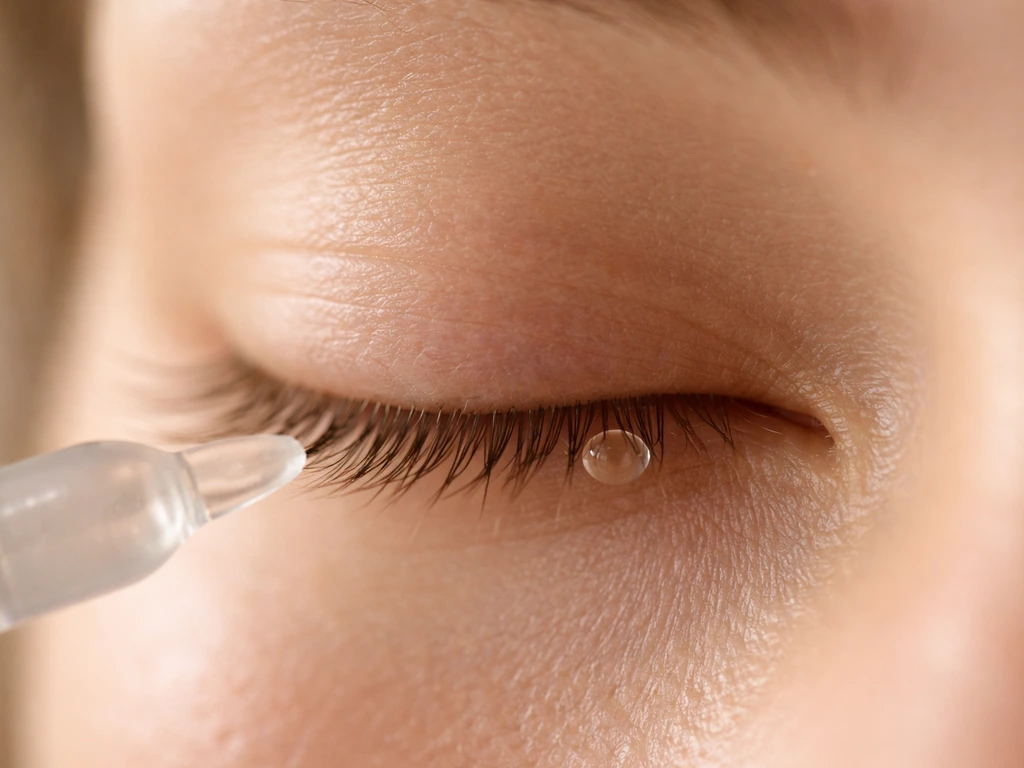
Growing longer, thicker Asian eyelashes comes down to three things: protecting the follicles you already have, giving them the right nutrients to complete their growth cycle fully, and being patient enough to let that cycle run its course. A complete lash cycle takes roughly 90 days, so any real progress takes at least three months. If you are wondering about her lashes specifically, focus on protecting follicles, avoiding breakage, and giving the full cycle time so any growth can become visible how did you jianxia grow her eyelashes. The good news is that most lash thinning in Asian women is not permanent, and a consistent at-home routine combined with one or two evidence-backed actives can make a meaningful difference.
How to Grow Asian Eyelashes: Safe At-Home Steps

Rachel Nguyen
10 Jun 2026
What actually makes Asian lashes look different
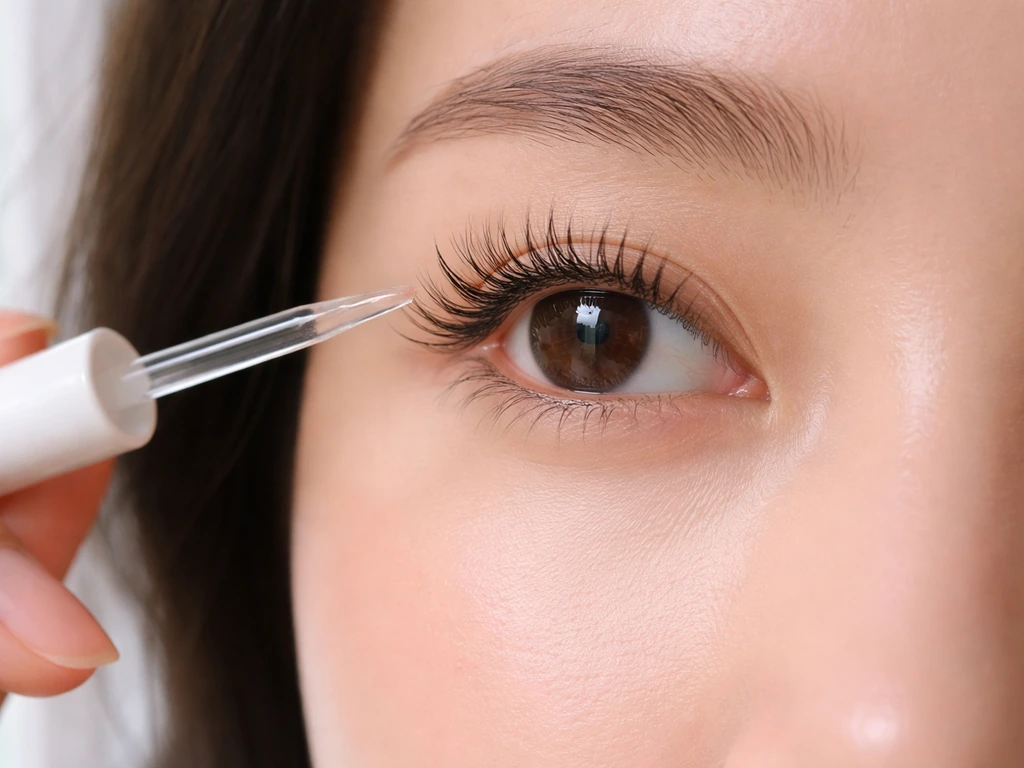
There is real biology behind the perception that Asian lashes are shorter or less defined. Research measuring lash shaft diameters found that Asian women's lashes average about 71.7 micrometers in diameter compared to roughly 61.0 micrometers for Caucasian women, meaning Asian lashes are actually thicker in cross-section. They also tend to grow more straight and downward rather than curving upward naturally. That straighter growth angle, combined with very dark pigmentation against lighter inner eyelid skin, changes how lashes look visually, even when the lashes themselves are perfectly healthy.
What this means practically: if your lashes look sparse or short, the issue is rarely that your follicles produce less lash. More often, the angle and lack of curl make them appear shorter than they are. Comparative research on Asian versus Caucasian eyelash morphology confirms significant ethnic differences in growth characteristics, but these are structural traits, not deficiencies. Knowing this matters because it tells you where your effort should go: stimulating growth and reducing breakage, not trying to fundamentally rewire your follicle biology.
The eyelash growth cycle itself is the same across ethnicities: anagen (active growth), catagen (regression), and telogen (resting), before the lash sheds and the cycle restarts. The active growth phase lasts roughly 34 days on average, with the full cycle completing around 90 days. At any given moment, most of your lashes are either in late anagen or resting, which is why you never notice all your lashes falling out at once. This cycle biology is also why any growth routine needs a minimum of three months before you can honestly evaluate it.
Realistic timelines: what to expect after damage, extensions, or thinning
The timeline for regrowth depends heavily on why your lashes thinned in the first place. If follicles are intact and the cause has been removed, regrowth follows the normal cycle. If there has been repeated mechanical trauma, inflammation, or scarring, the timeline stretches or the outcome is less predictable.
| Cause of lash loss/thinning | Expected regrowth timeline | Key condition for recovery |
|---|---|---|
| Lash extensions (normal removal) | 6 to 12 weeks | No further extension use or traction |
| Traction alopecia from heavy/improper extensions | 3 to 6 months or longer | Follicle damage determines final outcome |
| Extension adhesive allergy or chemical irritation | 6 to 16 weeks after trigger removed | Resolving inflammation is essential first step |
| Mechanical breakage (rubbing, poor makeup removal) | 4 to 8 weeks for broken shafts to grow back | Stopping the mechanical damage immediately |
| Blepharitis or eyelid inflammation | Variable; weeks to months | Treating the underlying condition |
| Natural age-related thinning | Ongoing; no full reversal | Supportive care slows further loss |
| Medical causes (alopecia areata, thyroid, medication) | Highly variable | Must treat underlying medical cause |
The distinction between breakage and shedding matters a lot here. Shedding is the lash completing its cycle and falling out naturally, which is normal. Breakage is mechanical or chemical damage to the lash shaft while the follicle is still active, and it resolves once you stop the damaging behavior. If your lashes look suddenly shorter but you are not finding whole lashes on your pillow, breakage is usually the culprit. If you see full lashes falling out in higher-than-normal numbers, that points to something disrupting the growth cycle itself.
A daily at-home routine that actually helps
Most lash damage comes from what people do every day: rough makeup removal, sleeping in mascara, rubbing eyes, or using heavy extensions repeatedly without breaks. Before any growth product can work, you need to stop the ongoing damage. Here is a routine built around that principle.
Morning
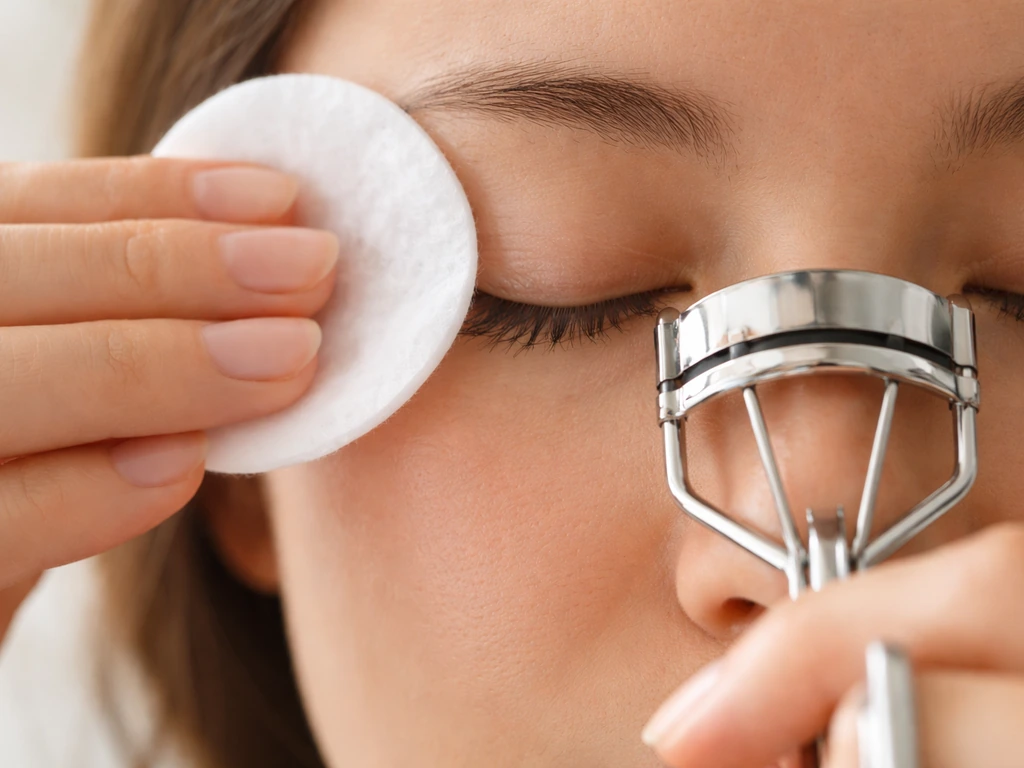
- Rinse lids gently with lukewarm water or a fragrance-free micellar water on a soft cotton pad. No rubbing.
- If you curl your lashes, use a clean, silicone-padded curler and press gently rather than clamping hard. Metal pads can shear lash shafts over time.
- Apply mascara with a light touch. Tubing mascaras (that form a polymer tube around each lash) tend to cause less breakage on removal than traditional wax formulas.
Evening
- Remove eye makeup with an oil-based or micellar cleanser first. Hold a soaked pad against closed eyes for 15 to 20 seconds to dissolve mascara before wiping. Never scrub.
- Follow with a gentle foam or gel face wash to remove any cleanser residue from the lash line.
- Pat (do not rub) the eye area dry with a soft cloth.
- Apply your conditioning oil or lash serum at the base of the upper lash line. Details on how to do this safely are below.
- Optional: give yourself a 30-second gentle lash-line massage with a clean fingertip to encourage circulation. Light pressure, circular motion along the upper lid.
One habit worth calling out separately: sleeping position. Side and stomach sleepers press their lash line into a pillow for hours every night, which causes friction and traction on lashes. A silk pillowcase reduces that friction noticeably. It is a small change but it adds up over months.
Ingredients that are worth your time (and ones that are not)
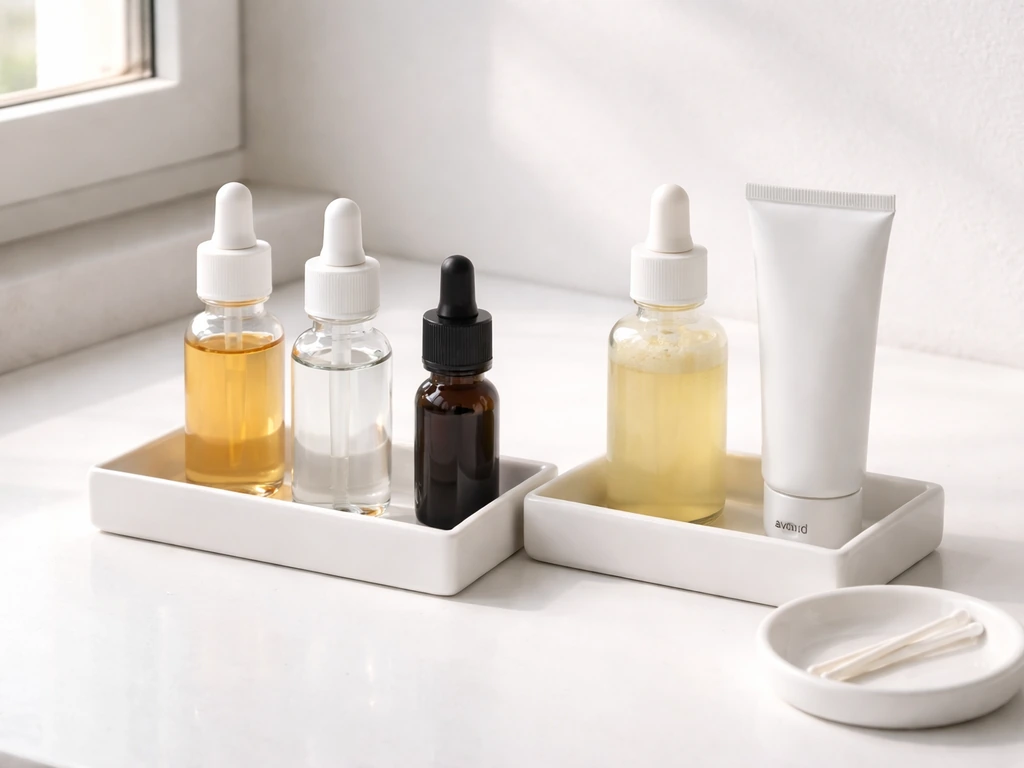
There is a lot of noise in this space. Here is an honest breakdown of what the evidence actually says.
Bimatoprost (prescription prostaglandin analog): the only proven growth stimulator
Bimatoprost 0.03% (sold as Latisse in the US) is the only topical ingredient with randomized controlled trial evidence behind it for actual lash growth. A published RCT showed mean eyelash growth of 2.0 mm with bimatoprost versus 1.1 mm with placebo. Separate multicenter studies in Japanese subjects specifically confirmed efficacy and a broadly similar safety profile to the general population. It works by extending the anagen (growth) phase of the lash cycle. The side effects are real though: conjunctival redness, eyelid skin darkening, and with long-term use, possible changes in iris pigmentation. It requires a prescription and is applied once nightly to the upper eyelid margin only, with a sterile single-use applicator, blotting any excess. It is the most effective option if you want measurable results in 12 to 16 weeks.
Peptide-based OTC serums: moderate evidence, lower risk
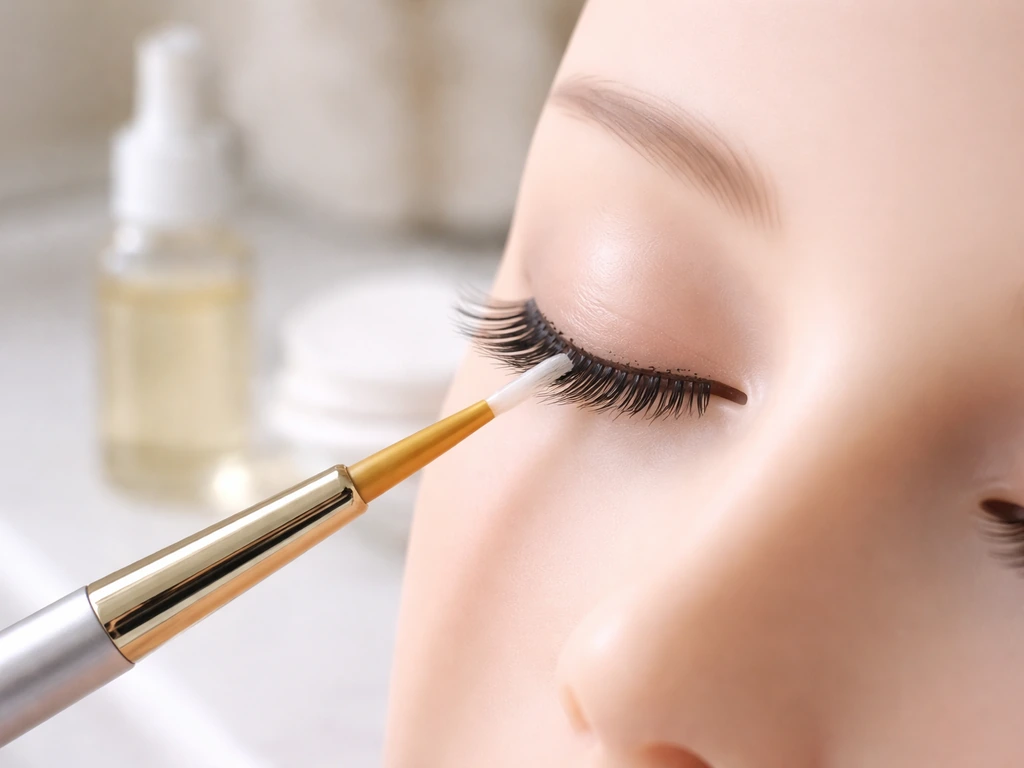
Over-the-counter lash serums that use peptides (like myristoyl pentapeptide-17 or similar signal peptides) have weaker evidence than bimatoprost but a much better safety profile. They work by conditioning the follicle environment and may modestly extend the growth phase. Some also contain panthenol, biotin, or amino acids as supporting ingredients. Results are slower and less dramatic than prescription options, but many people see a real improvement in lash density and fullness after consistent use for 12 to 16 weeks.
Castor oil: a conditioner, not a growth stimulator
Castor oil is probably the most popular DIY lash remedy, and it is worth being straight about what it does and does not do. No clinical study has demonstrated that castor oil applied to the lash line stimulates new lash growth or extends the growth phase. What it does do is coat and condition the lash shaft, which can reduce breakage and make existing lashes look fuller and shinier. That is genuinely useful, especially if your lashes are dry or brittle from heat, extensions, or harsh removers. Think of it as a conditioner, not a stimulator. Use cold-pressed, hexane-free castor oil, apply a tiny amount to a clean spoolie or fingertip, and brush along the base and through the lashes at night. Keep the amount small because excess oil getting into the eye can cause irritation.
Other oils (argan, vitamin E, coconut): conditioning only
Argan oil, vitamin E oil, and coconut oil work on the same principle as castor oil: they condition the lash shaft and reduce breakage but do not directly stimulate follicle activity. They are lighter than castor oil and less likely to cause congestion. If castor oil feels too heavy on your lid skin, argan or vitamin E oil is a reasonable alternative.
Biotin: helpful if you are deficient, limited otherwise
Biotin supplementation is frequently marketed for lash and hair growth, but the evidence only supports it if you have an actual biotin deficiency, which is uncommon. If your diet is reasonably varied, taking extra biotin is unlikely to accelerate lash growth beyond your genetic baseline. It is not harmful to try at standard doses (2,500 to 5,000 mcg daily), but do not expect it to be the main driver of your results.
How to choose and use lash serums and oils safely
The lash serum market ranges from excellent to genuinely risky. Some OTC serums contain unlisted prostaglandin analogs that mimic bimatoprost's effects without the regulatory oversight of a prescription product. These can cause the same side effects: periocular skin darkening, conjunctival redness, and potential iris pigmentation changes. RANZCO (the ophthalmology college in Australia/New Zealand) specifically flagged this category in a formal position statement. If you are buying an OTC serum, check the ingredient list carefully. Avoid anything that lists isopropyl cloprostenate, dechloro dihydroxy difluoro ethylcloprostenolamide, or similar prostaglandin-sounding names unless you are aware of and comfortable with the risks.
For any new serum or oil, do a patch test first. Apply a small amount to the inner forearm or behind the ear for 48 hours before using it near your eyes. When you do start using it on your lash line, apply at night only, use the smallest effective amount, and always apply to the upper lid margin only. Do not apply directly to the lower lash line or into the eye itself. Blot any excess product from the eyelid with a clean tissue before bed. If you use retinol or active exfoliants in your skincare routine, apply those first and let them absorb before applying your lash product, to avoid unnecessary ingredient mixing near the eye.
For castor oil specifically: use a clean, dedicated spoolie. Dip it, tap off the excess, and run it along the very base of the upper lashes. The common mistake is loading too much oil and ending up with it pooled on the eyelid or running into the eye overnight. A little goes a long way.
Why your lashes might not be growing: troubleshooting
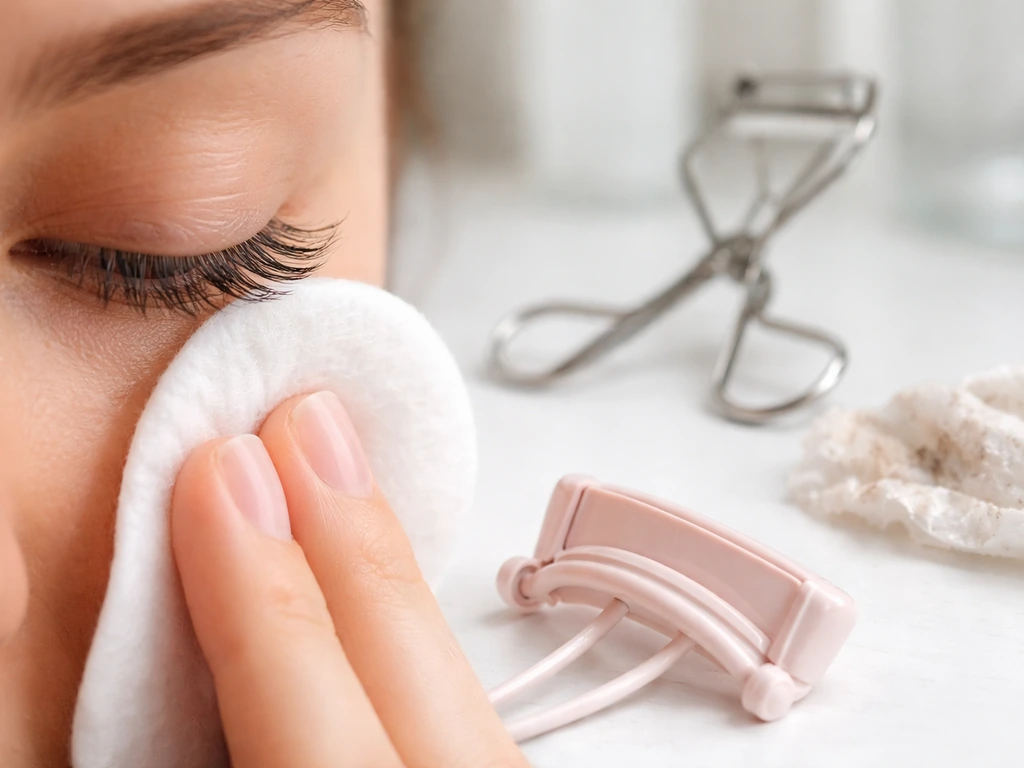
If you have been doing everything right and still not seeing results after 10 to 12 weeks, one of the following is probably the issue.
- Ongoing mechanical damage: rubbing your eyes, harsh makeup removal, or using a metal lash curler with too much pressure continues to break lash shafts faster than they can grow. Check your removal technique before anything else.
- Active inflammation at the lash line: blepharitis (eyelid inflammation) can present as flaking, redness, or itching along the lid margin and disrupts follicle function. If your lash line is consistently red, itchy, or has debris around the lashes, this needs treatment before any growth product will work.
- Adhesive allergy from previous or ongoing extension use: formaldehyde-releasing compounds in lash adhesives cause both allergic and irritant contact reactions that continue damaging follicles long after extensions are removed, especially with repeated exposure.
- Product irritation from the serum or oil itself: oils and serums applied too close to the eye can cause low-grade chronic irritation that actually slows the lash cycle. If your eyes are consistently watery or red after applying a product, stop and reassess.
- Traction alopecia from heavy extensions or improper removal: if lashes were repeatedly pulled out at the root rather than shedding naturally, some follicles may have sustained damage. Recovery takes longer and may be incomplete.
- Nutritional gaps: crash dieting, very low protein intake, or iron deficiency can slow lash growth. A standard blood panel checking ferritin and thyroid function is worth doing if you have unexplained diffuse lash loss.
- Underlying skin or medical condition: atopic dermatitis, rosacea affecting the eyelids, alopecia areata, and thyroid disorders all cause eyelash loss. If lash thinning came on suddenly or is accompanied by other symptoms, a medical cause needs to be ruled out.
When to stop DIY and see a doctor
Most lash thinning is cosmetic and responds to the strategies above within three to four months. But some situations genuinely need professional evaluation, and waiting too long can make the outcome worse.
See a dermatologist if: your lash loss came on suddenly and involves more than the normal daily shed (one to five lashes is normal), you are losing lashes in patches rather than diffusely, you also have eyebrow or scalp hair loss alongside lash thinning, or at-home treatment has not made any difference after 12 weeks. A dermatologist can evaluate for alopecia areata, thyroid conditions, nutritional deficiencies, or skin conditions affecting the eyelid.
See an ophthalmologist if: your eyelid margin is persistently red, flaking, or uncomfortable, you have been diagnosed or suspect you have blepharitis or demodex (a mite infestation of the lash follicles that is common and treatable), you have had a reaction to a lash extension adhesive that has not fully resolved, or you want to pursue a prescription bimatoprost treatment. Johns Hopkins Medicine notes that blepharitis can be investigated clinically, sometimes including swabbing or lash sampling, to rule out infection or infestation such as bacteria or demodex mites blank" rel="noopener noreferrer">blepharitis or demodex. Healthline lists eyelash extension side effects and notes that blank" rel="noopener noreferrer">adhesive ingredients can trigger allergic reactions and eye or eyelid inflammation. An ophthalmologist can also investigate whether any lash serum you are using has affected your eye pressure or iris color, which is relevant if you have a personal or family history of glaucoma.
Cleveland Clinic notes that madarosis (lash loss) is often reversible once the underlying cause is treated. That is genuinely encouraging. The key phrase is 'once the underlying cause is treated,' which is why correct diagnosis matters. Do not spend six months on castor oil if the real issue is a thyroid problem or blepharitis that needs a specific medication.
Your next practical steps
If you are starting from scratch today, here is the order of operations that makes the most sense. First, clean up your removal routine and stop any ongoing mechanical damage. Second, add a conditioning oil or OTC peptide serum to your nightly routine and commit to 12 weeks minimum. Third, if you want faster or more measurable results, talk to a dermatologist about prescription bimatoprost. For a step-by-step guide on how to grow eyelashes, including what to expect and safer options to consider, see this wikihow overview prescription bimatoprost. Fourth, if you have any signs of active eyelid inflammation, get that assessed before layering on products. And if short, straight lashes are more about curl and definition than length, a good lash curler and lengthening mascara will give you visible results today while the longer-term routine does its work.
For readers dealing with short lashes specifically or those exploring how lash texture affects growth approaches, those topics connect closely to everything covered here and are worth reading alongside this guide. If you are specifically looking for how to grow short eyelashes, start by protecting existing lashes and then choosing evidence-backed growth or conditioning options. If you prefer learning in Malayalam, you can use this guide as a foundation and look for a dedicated Malayalam walkthrough on how to grow eyelashes how to grow eyelashes in malayalam.
FAQ
How can I tell if my Asian lashes are just straight and not actually thinner?
Do a no-makeup check in natural light and gently curl only a few lashes with a clean curler. If the “sparse” look improves immediately in density and spacing, your issue is likely visual (angle and curl), not a depleted follicle population. If you see true thinning plus shorter new growth over time, focus more on breakage control and, if needed, an at-home-to-clinic workup.
Is it normal to see lash fallout when I start a growth routine?
Some shedding can happen because lashes naturally complete their cycle (you do not lose all lashes at once). The key distinction is magnitude and context. If you are routinely finding many full lashes daily, or you also have itching, redness, or irritation, stop the product and switch to a damage-control-only routine while you get evaluated if symptoms persist.
Can I use lash serums on both upper and lower lash lines to speed results?
Avoid putting growth products or oils on the lower lash line. The routine in the article targets the upper lid margin only because that is where the follicle activity is and because lower placement increases the chance of migrating into the eye, causing irritation. If a serum causes stinging or waterline redness, do not troubleshoot by applying it more widely.
What is the safest way to apply castor oil so it does not get into my eye?
Use the smallest amount possible, tap excess off, and apply only at the base of the upper lashes (a thin line at the lid margin), then blot the eyelid with clean tissue if any residue sits on the skin. If you wake up with blurry vision or stinging, you used too much or it ran into the eye, so reduce frequency or amount and consider a lighter conditioning oil.
How long should I wait before switching products, especially if I used castor oil?
Use a minimum of 12 weeks for consistency-based products (OTC peptide serums and conditioning routines). For bimatoprost, you can look for measurable change around 12 to 16 weeks. If there is no improvement by 10 to 12 weeks with a reasonable technique and no ongoing damage, re-check the cause (breakage versus shedding) and consider dermatology or ophthalmology rather than adding more products.
What if I have had lash extensions, can my eyelashes grow back?
Often yes, but the timeline depends on whether the issue is breakage from glue removal and rubbing, versus follicle irritation or eyelid inflammation. Stop extensions if there are any lingering redness or adhesive reactions, treat eyelid irritation first, and expect the regrowth cycle to take close to the full 90-day window for visible changes.
Should I stop wearing mascara or lash curlers while trying to grow lashes?
If mascara removal makes you rub, pull, or tug, you should switch to a gentler removal method and consider a break from waterproof formulas during the initial conditioning phase. Lash curlers can be used cautiously if they are not pinching or bending lashes near the base, because repeated mechanical trauma is a major driver of breakage. When in doubt, prioritize stop-the-damage over adding more growth actives.
Can I combine bimatoprost or an OTC peptide serum with castor oil at the same time?
It is usually best to keep routines simple when you are evaluating results and when you are trying to avoid irritation. If you do combine, apply only one active type at night and avoid layering oils immediately around sensitive lid areas, because mixing can increase the chance of eye irritation and makes it harder to identify what is helping or causing problems. If you have redness or burning, separate by days or stop layering.
Do I need a prescription test before starting bimatoprost, especially if I have eye conditions?
If you have a personal or family history of glaucoma or you notice eye pressure symptoms, discuss this with an ophthalmologist before starting prescription bimatoprost. Also seek ophthalmology input if you have chronic eyelid inflammation, recurrent conjunctival irritation, or prior reactions to eyelid products, because the risk-benefit profile changes with existing eye health.
Which signs mean I should see a dermatologist or ophthalmologist sooner rather than waiting 3 months?
See dermatology sooner if lash loss is sudden, occurs in patches, involves eyebrow or scalp hair loss, or there is no improvement by about 12 weeks. See ophthalmology sooner if the eyelid margin stays red or flaky, you suspect blepharitis or demodex, you had an extension adhesive reaction that did not resolve, or you want to start prescription bimatoprost. Earlier evaluation helps prevent prolonged follicle disruption.
Is biotin worth taking if I want to grow my Asian eyelashes?
Biotin mainly helps if you are actually deficient, which is uncommon. If your diet is adequate, expect little to no acceleration beyond your genetic baseline. If you still want to try, keep the expectation realistic and do not use supplements to replace the higher-impact steps (stop breakage, reduce irritation, and follow a 12-week routine).
Next Article
How to Grow Short Eyelashes Longer: Step-by-Step Guide
Step-by-step plan to grow short lashes longer: biology, safe daily care, serum/oil options, timelines, and troubleshooti