
Growing longer, fuller eyelashes takes roughly 3 months to see real change because a complete eyelash cycle (growth, transition, rest) runs about 90 days. That timeline holds whether you are recovering from extensions, overplucking, or just working with naturally short lashes. The good news is there are proven steps you can take today to stop further breakage, support what your follicles are already doing, and layer in boosters that actually have evidence behind them. If you want to focus specifically on how to grow Asian eyelashes, the same recovery-first approach plus smart product choices will give you the best odds proven steps you can take today.
How to Grow Eyelashes: Timeline, Recovery, and Safe Tips

Rachel Nguyen
24 Jun 2026
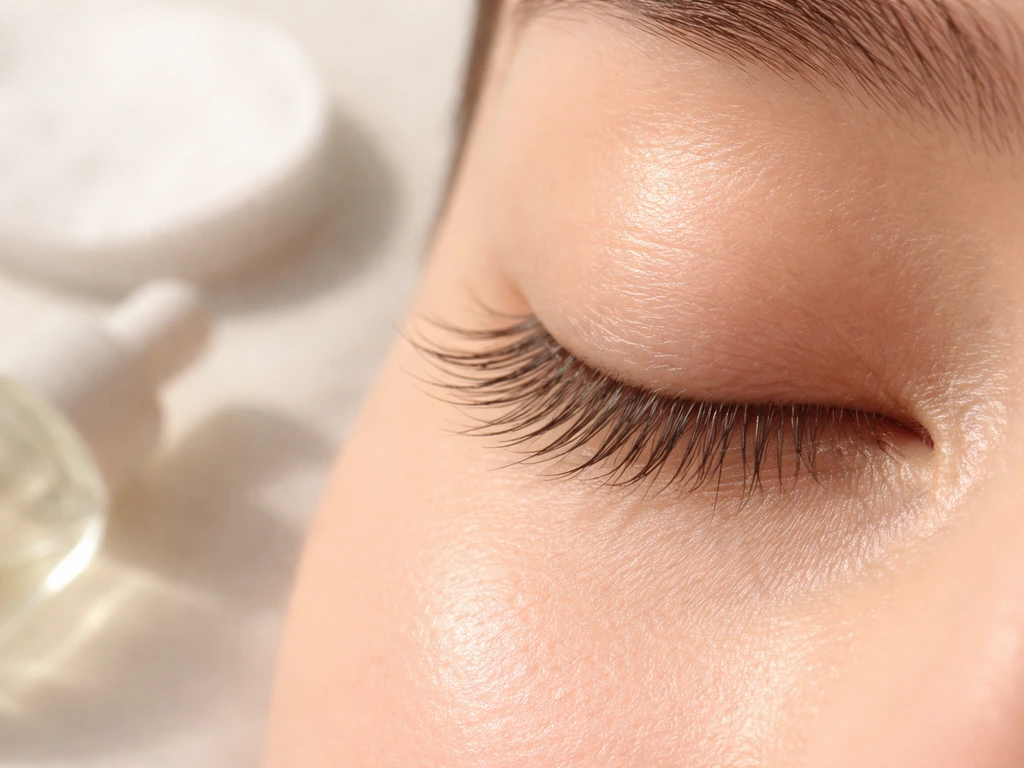
How eyelash growth actually works (and what's realistic)
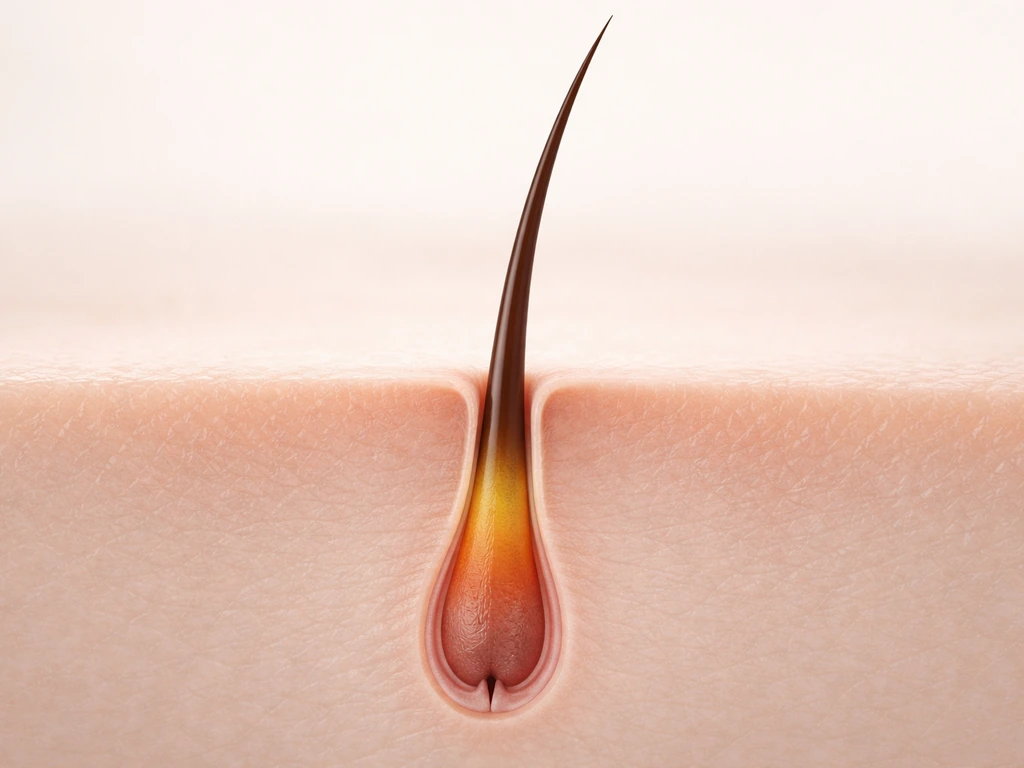
Eyelashes go through the same three-phase cycle as every other hair on your body: anagen (active growth), catagen (transition/regression), and telogen (rest and shed). According to a 2024 review in the Journal of Cosmetic Dermatology, the full cycle runs about 90 days on average, but the anagen phase for lashes is surprisingly short at around 34 days. Telogen, where the lash just sits and eventually falls out, can last anywhere from 4 to 9 months. That long resting phase is why lashes can look sparse for months after damage even when the follicles are completely healthy.
This biology explains two things that trip people up. First, if a lash falls out during telogen, the follicle is not dormant or dead. It will re-enter anagen on its own schedule. Second, anything that extends the anagen phase (like FDA-approved bimatoprost) or stops the follicle from being physically damaged during growth will produce visibly longer, denser lashes. Most at-home strategies work by doing the second thing: reducing damage and creating a better environment at the follicle level, not by forcing lashes to sprout faster.
Realistic expectations matter here. If your follicles are intact and you just want longer lashes, 6 to 12 weeks of consistent care is a fair minimum window. If you want the step-by-step approach in Malayalam, look for a guide that explains which causes to rule out and which lash-care steps to use 6 to 12 weeks of consistent care. If you are recovering from traction damage from extensions or years of pulling, you may be looking at 3 to 6 months before you see a real difference in density. For short lashes related to genetics or fine hair texture, the ceiling is lower without a prescription product, but improving what you have is absolutely possible.
Figure out why your lashes aren't growing first
Jumping straight to serums without understanding the cause is the most common mistake. The fix for extension-damaged lashes is different from the fix for lash loss caused by blepharitis, and treating the wrong root cause means wasted time and money.
Mechanical damage (extensions, traction, rubbing)
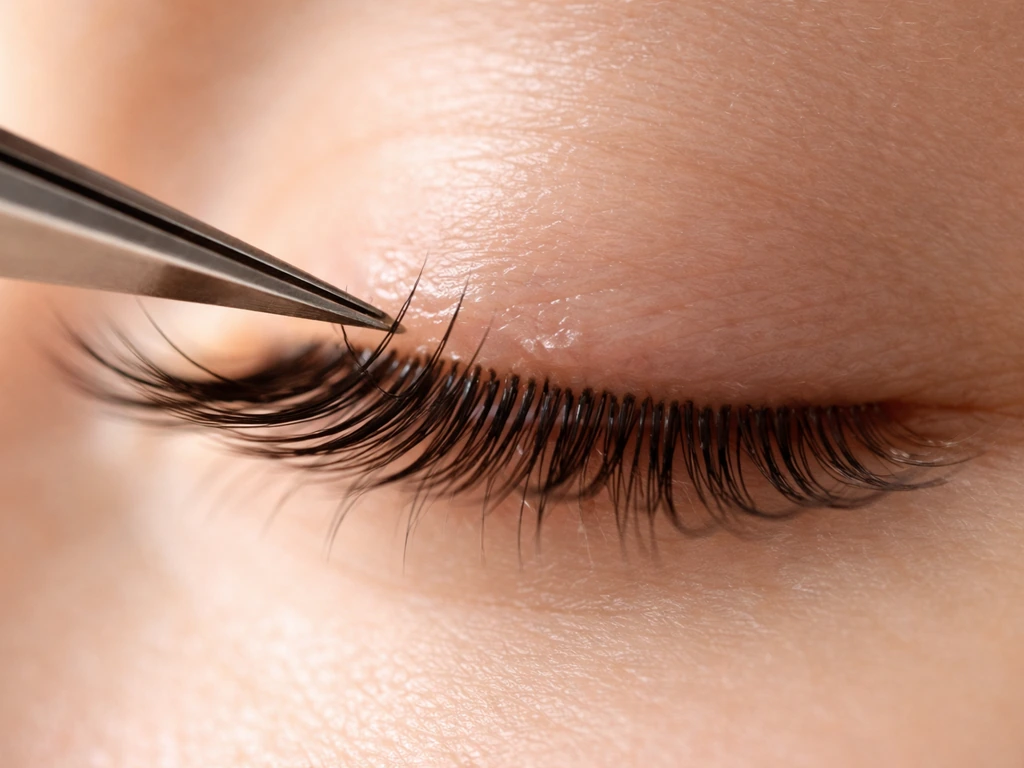
Eyelash extensions create traction alopecia, a type of hair loss caused by persistent pulling on the follicle. The AAO's EyeWiki flags traction alopecia specifically as a recognized complication of extensions. If your lashes thinned or snapped during or after an extension set, the follicles may need time to recover before significant regrowth happens. Habitual eye rubbing and overplucking do the same kind of follicle-level damage over time.
Eyelid inflammation (blepharitis)
Blepharitis, inflammation of the eyelid margin, is one of the most overlooked causes of eyelash loss. The AAO's madarosis entry notes the majority of eyelash loss cases trace back to localized eyelid conditions, with blepharitis at the top of the list. Signs include red, itchy, burning eyelids, crusty buildup along the lash line in the morning, and lashes that fall out or grow in the wrong direction. If you see any of these symptoms alongside sparse lashes, lid hygiene is not optional. It is the cornerstone of recovery.
Product reactions and contact dermatitis
Extension adhesives, mascara, lash serums, and eye makeup removers can all trigger allergic or irritant contact dermatitis on the eyelid. Cleveland Clinic describes the typical presentation as red, scaly, itchy, or swollen eyelid skin. The catch is that dermatitis at the follicle level actively impairs growth, so continuing to use a product that is causing even mild irritation will undercut any growth strategy. If a product stings or causes redness, stop it before troubleshooting anything else.
Compulsive pulling (trichotillomania)
Mayo Clinic describes trichotillomania as a compulsive hair-pulling disorder that commonly produces visible thinning and bald patches, including at the lash line. If the pulling is ongoing, no topical strategy will catch up. This is worth naming because it is more common than people realize, and the first step is addressing the behavior itself, ideally with professional support.
Systemic or medical causes
Thyroid disorders, nutritional deficiencies, certain medications, and autoimmune conditions can all cause diffuse eyelash thinning. If your lash loss is accompanied by other hair loss, fatigue, or skin changes, or if it came on suddenly without a clear mechanical cause, a dermatologist or GP visit before starting any regimen is the smarter move.
A daily lash care routine that prevents breakage
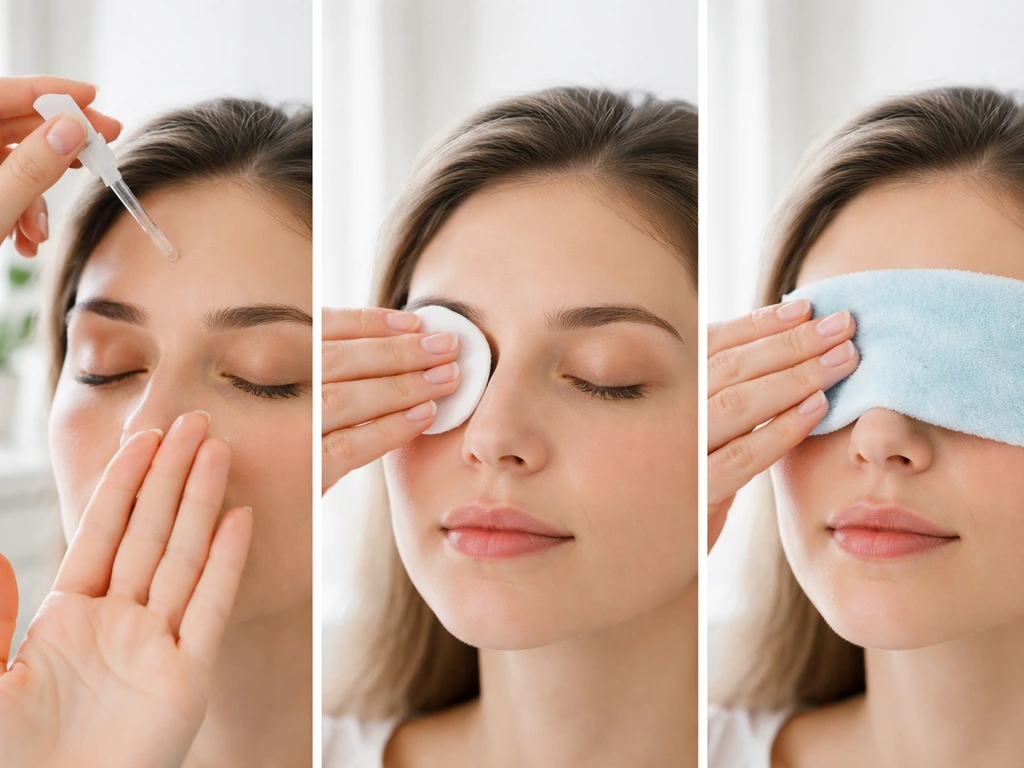
Most people lose more lashes to their removal routine than they ever would from skipping a serum. Getting this foundation right is genuinely the highest-leverage thing you can do.
- Remove eye makeup with a gentle, oil-based micellar water or dedicated lash cleanser. Soak a cotton pad and hold it against the lash line for 20 to 30 seconds before wiping. Never scrub sideways across the lashes.
- Wash your lash line daily if you are prone to blepharitis or wear eye makeup regularly. The Merck Manual recommends diluted baby shampoo on a cotton swab or a commercially available lid wipe, gently applied along the eyelid margin. StatPearls notes that for chronic cases, this daily hygiene step may need to become permanent.
- Apply a warm compress before cleansing if you have crusty buildup or eyelid irritation. Hold a warm, damp cloth over closed eyes for 1 to 2 minutes to soften debris and open meibomian gland openings.
- Avoid waterproof mascara as a daily product. It requires more friction to remove and dries out the lash shaft over time. Reserve it for special occasions.
- Be deliberate with lash curlers. Mechanical curlers are fine used gently, but pressing too hard or using a curler on very dry or brittle lashes can snap them at the base. Avoid heated curlers that contact the follicle area.
- Sleep on a silk or satin pillowcase if you sleep face-down. Cotton creates friction against the lash line for hours each night, which adds up to meaningful breakage over weeks.
- Give your lashes a mascara-free day or two each week if possible to let the lash shaft breathe and reduce cumulative cleaning friction.
At-home growth boosters: oils and how to apply them safely
Castor oil is probably the most searched home remedy for eyelash growth, so it is worth being straight with you: the 2024 Journal of Cosmetic Dermatology review assigns castor oil a low-evidence grade for eyelash growth, and both Healthline and Medical News Today note there is no scientific evidence it actually makes lashes grow. That is not a reason to never use it. Castor oil is a thick emollient that coats the lash shaft, reduces brittleness, and may help retain moisture at the follicle area. It will not extend your anagen phase, but it can reduce breakage, which is a real and measurable benefit. If you are trying to figure out how to grow short eyelashes, the biggest gains usually come from reducing breakage and protecting the lash follicle rather than forcing faster growth. Think of it as a conditioning treatment, not a growth stimulator.
How to apply castor oil (and other oils) safely
- Use a clean, disposable mascara wand or a fine-tip cosmetic brush. Never dip directly from the bottle into the lash area, as this introduces bacteria.
- Apply a tiny amount, less than you think you need, along the upper lash line at the base, similar to how you would apply eyeliner. Less is more because excess oil can migrate into the eye and cause blurry vision or irritation.
- Apply at night after your lid hygiene routine so it sits undisturbed for several hours.
- Remove it fully in the morning as part of your morning cleanse. Leaving heavy oil on the lash line during the day can trap debris and worsen blepharitis.
- Do a patch test before starting: apply a small amount to your inner forearm for 24 hours. Castor oil causes allergic reactions in some people, and the eyelid is the last place you want to discover that.
Other commonly used oils include argan oil, vitamin E oil, and sweet almond oil. All share the same profile as castor oil: reasonable conditioning properties, very limited direct growth evidence, low risk when used carefully. The 2024 review notes that most botanical oil claims are largely anecdotal and lack robust clinical trial support. If you enjoy using them and they do not irritate your eyes, they are a reasonable part of a lash care routine, just not the core growth strategy.
Lash serums and biotin: what the evidence actually says
The product landscape here splits cleanly into three categories: the one FDA-approved option with strong evidence, OTC serums with variable and generally weaker evidence, and oral biotin, which is largely irrelevant unless you have a deficiency.
| Option | Evidence Level | How It Works | Main Risks | Best For |
|---|---|---|---|---|
| Latisse (bimatoprost 0.03%) | Strong: FDA-approved for eyelash hypotrichosis | Prostaglandin analog that extends anagen phase and increases follicle size | Iris/eyelid pigmentation, periorbital fat changes, eyelid drooping, irritation; requires prescription | Clinically confirmed sparse lashes; use under medical supervision |
| OTC lash serums (peptides, panthenol, botanicals) | Low to moderate: panthenol rated Grade D in 2024 review; most ingredients lack robust trials | Conditioning, some may support follicle environment; do not extend anagen phase | Irritant or allergic dermatitis; prostaglandin-analog OTC serums carry same risks as Latisse | Mild improvement in appearance, brittleness reduction |
| Castor oil / botanical oils | Very low: no clinical growth evidence; conditioning evidence only | Emollient; reduces lash brittleness and breakage | Allergic reaction, eye irritation if it migrates | Breakage reduction, conditioning |
| Oral biotin supplements | Low: only clearly beneficial with confirmed deficiency | B vitamin cofactor for keratin production; irrelevant if levels are normal | Interferes with thyroid and hormone lab tests at high doses | People with diagnosed biotin deficiency only |
How to use Latisse correctly
Latisse is applied once nightly to the skin of the upper eyelid margin at the base of the lashes, using the supplied sterile applicator brush. The Cleveland Clinic's drug guidance is specific: upper eyelid margin only, not the lower lid. Blot away any excess immediately with a tissue because product that migrates to skin elsewhere can cause unwanted hair growth in those areas. The prescription requirement is real protection here: an ophthalmologist or dermatologist can confirm you are a candidate and monitor for the iris pigmentation and periorbital changes listed in the FDA label. Contact your provider right away if you develop new eye pain, redness, discharge, or worsening irritation after starting it.
OTC prostaglandin-analog serums: a specific warning
Some OTC lash serums contain prostaglandin analogs or isopropyl cloprostenate, ingredients that work similarly to bimatoprost. A published safety review in PubMed flagged this category specifically because these products carry the same pigmentation and periocular risks as Latisse but are sold without the same prescribing oversight. If an OTC serum ingredient list contains any prostaglandin analog, treat it with the same caution as a prescription product.
The biotin reality check
blank" rel="noopener noreferrer">A 2017 PMC review found that true biotin deficiency is uncommon and that there is insufficient evidence supporting supplementation for hair growth in people with normal levels. The NIH Office of Dietary Supplements reinforces this: biotin supplementation addresses deficiency, not cosmetic growth goals in healthy individuals. One practical note from Harvard Health: blank" rel="noopener noreferrer">high-dose biotin supplements can interfere with lab tests for thyroid function and hormone levels, sometimes producing false results that mislead clinicians. If you want to try biotin, stick to doses at or below the daily adequate intake (30 mcg for adults) and mention it to your doctor before any blood work.
What to expect week by week: a realistic timeline
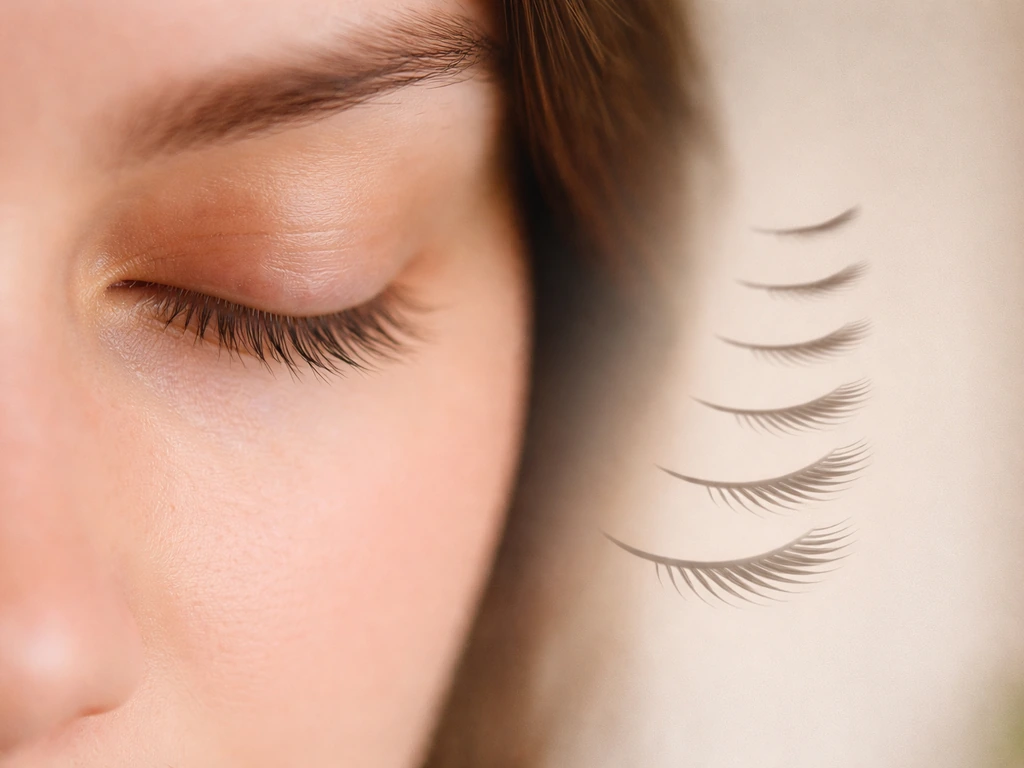
Healthline notes that a lash that was simply cut or burned, with the follicle intact, typically grows back in about 6 weeks. That is the best-case scenario. If you are wondering how did you jianxia grow her eyelashes, the most realistic explanation is that her lashes had time to recover and breakage decreased, rather than a shortcut to faster growth. With damage at the follicle level (extension traction, chronic inflammation, overplucking), the timeline extends substantially because the follicle first needs to recover before entering a productive anagen phase.
| Timeframe | What's Happening | What You Might Notice |
|---|---|---|
| Weeks 1 to 2 | Follicle recovery begins; existing lashes enter or continue telogen | No visible change; this is normal and expected |
| Weeks 3 to 4 | New anagen hairs may begin emerging in healthy follicles | Very short, fine new lashes visible at the base if you look closely |
| Weeks 6 to 8 | Anagen lashes reach partial length; conditioning reduces breakage | Lashes look slightly less sparse; fewer broken stubs |
| Weeks 10 to 12 | Full anagen cycle nearing completion for the first new cohort | Visible improvement in length and density for mild damage scenarios |
| Months 3 to 6 | Multiple cycles completed; follicle health stabilized with consistent care | Meaningful density improvement; maximum benefit from oils and OTC serums |
| Months 4 to 8 (with Latisse) | Extended anagen phase from prostaglandin effect becomes apparent | Clinically measurable increases in length, thickness, and darkness |
The most useful thing to track is not length measurements but lash breakage and shedding. Take a close-up photo every two weeks under the same lighting. What you are watching for is fewer broken lash stubs, more lashes reaching full length before shedding, and gradually increasing density at the lash line. Day-to-day changes are invisible because lash growth is slow. Two-week intervals give you enough data to see a real trend.
Troubleshooting irritation, side effects, and when to see a clinician
Common reactions and what to do
- Stinging or redness immediately after applying an oil or serum: stop that product. Eyelid skin is the thinnest on the body and reacts quickly. Wait until the irritation resolves (usually 2 to 5 days) before trying anything new.
- Red, flaky, or itchy eyelid skin after starting a new product: this is contact dermatitis until proven otherwise. Cleveland Clinic describes this pattern as classic eyelid dermatitis. Discontinue the product and use a gentle fragrance-free cleanser only until the skin calms down.
- Crusty buildup along the lash line with morning stickiness: this is blepharitis until proven otherwise. Add warm compresses and lid hygiene to your routine immediately. If it does not improve within two weeks of consistent hygiene, see an eye care provider.
- Excessive shedding after starting a serum: some shedding in the first few weeks of a prostaglandin analog is reported, but heavy or asymmetric lash loss warrants stopping the product and consulting a clinician.
- Darkening of the eyelid skin or a change in eye color after using any serum: these are known side effects of prostaglandin analogs. Contact your prescribing provider. Eyelid pigmentation changes can be partially reversible; iris color change from bimatoprost may be permanent.
- Blurry vision after applying oil or serum: the product migrated into the eye. Rinse thoroughly with water, and re-evaluate your application technique. If blurriness persists beyond 30 minutes, contact an eye care provider.
When to stop everything and see a doctor
Some lash loss scenarios are not safely managed at home. If lash loss is persistent, progressive, or involves only one eye, see a dermatologist or ophthalmologist. EyeWiki's madarosis guidance emphasizes that one-sided or significant lash loss warrants clinical evaluation to rule out eyelid conditions including, rarely, eyelid skin cancer. Mayo Clinic notes that blepharitis that does not respond to lid hygiene may require additional testing to identify an underlying cause. Cleveland Clinic's bimatoprost guidance draws a clear line: new or worsening eye pain, redness, irritation, or discharge after starting any lash growth product means call your provider, not push through it. The eye is not a good place to experiment with tolerance.
One final practical note: the approaches in this guide are designed for people with generally healthy follicles who want to improve growth or recover from mechanical damage. If you have naturally monolid or straighter lash architecture, or if your lash texture is finer due to genetics (as is common with Asian lash types), the growth biology is the same but the visible result of the same length may look different on the lash line. The core routine, timeline, and product evidence all apply regardless of lash type, but setting realistic expectations for your specific starting point matters. Curl patterns can make lashes look shorter or more prone to tangling, so focus on reducing breakage and supporting healthy growth cycles.
FAQ
Why does my lash growth seem stalled even after I started a serum?
If you use a lash serum or Latisse and you also wear extensions, mascara, or lash tint, the “3 month” timeline still applies but progress can look slower because breakage and irritation keep resetting the cycle. To get a clean read, pause new extensions and avoid tinting for at least 6 to 8 weeks, then reassess with the same lighting photos every two weeks.
Can I speed results by applying lash growth products more often or using extra layers?
Yes, overdosing is a common problem with lash products. With Latisse (and most prostaglandin-like OTC serums), more is not better, stick to a single thin layer at the upper eyelid margin and avoid spreading onto nearby skin. If you miss a dose, apply at the next scheduled time rather than doubling.
Should I take biotin to grow lashes faster?
Biotin pills usually help only when there is a true deficiency. If your diet is adequate and you are not being treated for a deficiency, you may waste money and, in high doses, it can interfere with thyroid or hormone lab tests. If you want to try biotin anyway, tell your clinician before bloodwork and avoid very high doses.
What side effects mean I should stop a lash growth product right away?
If your eyes burn, become red, water, or you develop discharge after starting any lash growth product, stop using it and contact your prescriber promptly. Mild redness that keeps increasing is also a red flag. The goal is not to “tough it out,” because ongoing irritation can prevent follicles from entering a productive growth phase.
How do I recover my lashes after extension damage without losing more time?
For extension recovery, the fastest wins usually come from stopping traction, protecting the lash line during cleansing, and treating any eyelid inflammation (for example, blepharitis) with proper lid hygiene. Regrowth density takes longer than length, so if you see new growth at the base but it is not reaching full length, that is often normal during the recovery phase.
My eyelid gets itchy or dry after using a serum, what should I do?
If your serum makes your eyelids itch, feel scaly, or look swollen, the most likely issue is irritant or allergic contact dermatitis. Stop the product and switch to a gentle, fragrance-free cleanser for the eyelids. Avoid switching to another “growth” product immediately, because you may just repeat the same irritation.
When should I see a dermatologist or ophthalmologist for lash thinning?
One-sided or much worse lash loss in only one eye can point to an eyelid condition that home care cannot fix, even if it seems minor. Also seek care sooner if you have lashes growing in the wrong direction, persistent crusting, or a lesion that is changing over time.
If I trimmed or burned my lashes, how long until they look normal again?
Yes. Cutting or singeing can make lashes look “gone” temporarily, even when the follicle is intact, and regrowth may be noticeable in about 6 weeks in the best case. However, if the lash was burned close to the root or you have ongoing irritation, the timeline can stretch, and you should still focus on preventing further breakage.
How should I measure progress if lash growth is slow?
Do not rely on day-to-day changes in length, lashes grow slowly and shedding can temporarily make them look worse. Use a repeatable method: take close-up photos every two weeks under the same lighting, and track broken stubs and density at the lash line rather than exact millimeter length.
How can I tell whether an OTC lash serum has similar risks to prescription Latisse?
True anagen stimulation is only clearly supported with prescription prostaglandin-like options. Many OTC serums contain similar ingredients but without the same prescribing oversight, so ingredient matching matters. If an OTC label includes prostaglandin analogs, treat it like a prescription-category product and be cautious about pigmentation and periocular risks.
Next Article
How Did You Jianxia Grow Her Eyelashes What Actually Works
Understand how lash growth works, then get a safe 6 to 12 week routine to regrow lashes after damage and irritation