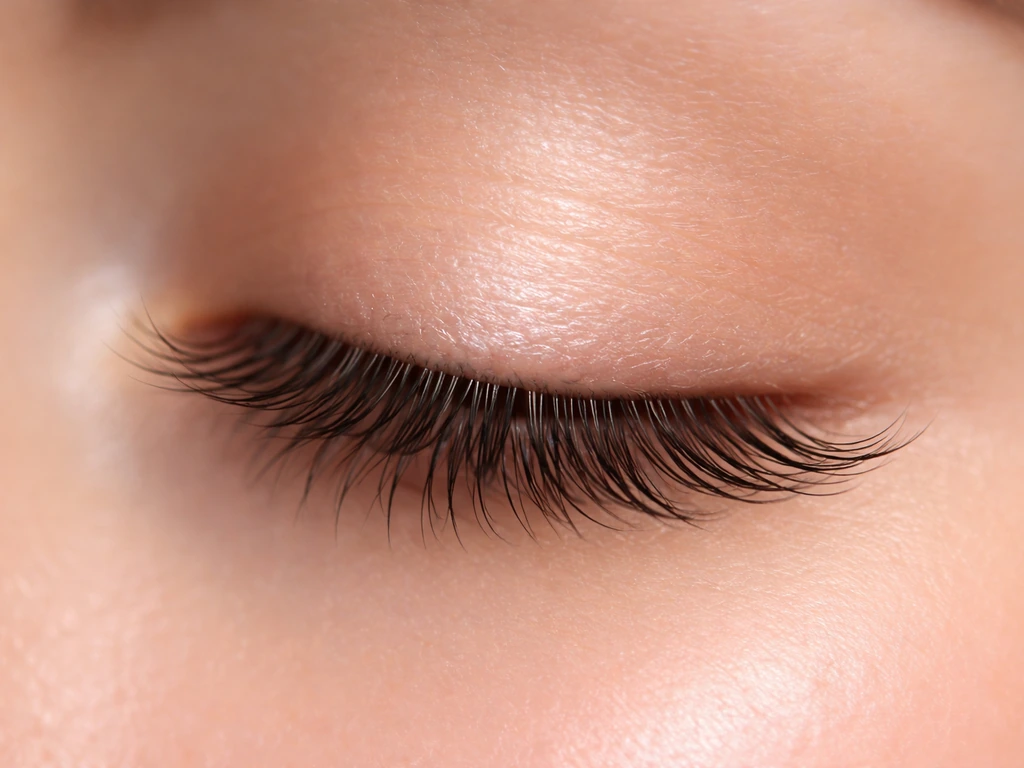
Short eyelashes are almost always caused by one of three things: a naturally short anagen (growth) phase that limits how long your lashes can get, physical breakage from mascara, extensions, or rubbing, or an underlying condition like blepharitis that disrupts the follicle itself. The good news is that all three are addressable. The fix depends on which problem you actually have, and the right combination of a protective daily routine, a proven serum, and some patience can produce visible results within 4 to 12 weeks.
How to Grow Short Eyelashes Longer: Step-by-Step Guide
Rachel Nguyen
7 Jun 2026
Why eyelashes stay short: the biology behind the cycle
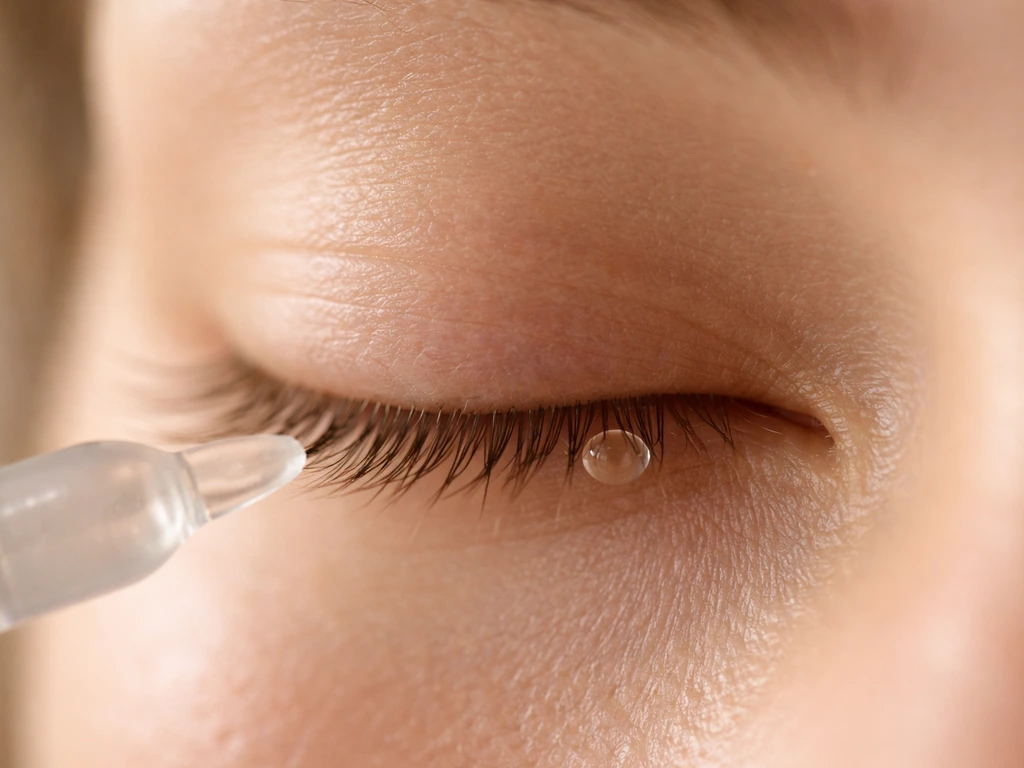
Eyelashes follow the same three-phase cycle as scalp hair, just on a much shorter schedule. The anagen phase (active growth) lasts roughly 30 to 70 days for lashes, compared to 2 to 7 years for head hair. That short window is exactly why lashes top out at a fraction of the length of scalp hair. During anagen, lashes grow at about 0.12 to 0.14 mm per day. After that, they enter catagen (a brief transition) and then telogen, where they rest and eventually shed. A new lash then grows in from the same follicle.
The takeaway here is structural: your lashes are genetically programmed to stop growing after a certain number of days. If you want a more specific plan for your situation, use these steps to grow curly eyelashes safely and effectively. You cannot meaningfully extend that window with oils or supplements alone. What you can do is protect every millimeter of growth that does happen, and in specific cases (with prescription products), you can influence the growth cycle itself.
Short from slow growth or from breakage? How to tell the difference
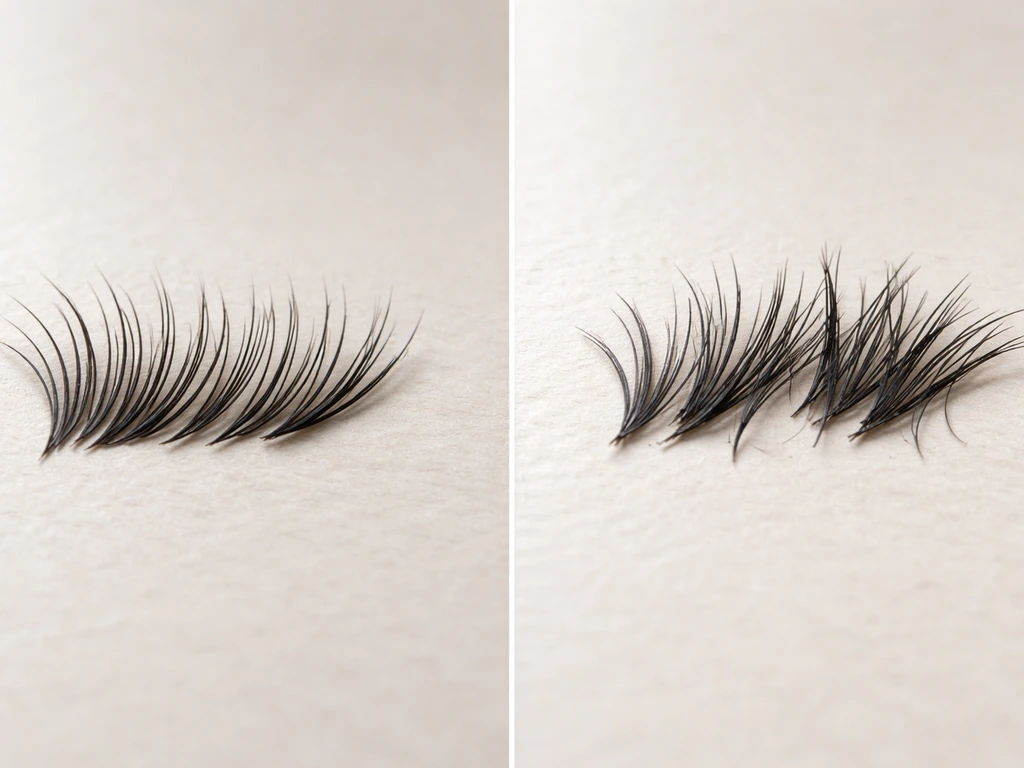
This matters a lot because the solution is completely different depending on the cause. Slow-growth lashes are uniformly short across the lash line, tapered at the tips, and shed as intact hairs. Broken lashes look blunt or frayed at the ends, are uneven in length across the lid, and you may notice short stubby hairs mixed in with longer ones. If you are seeing lash loss from follicle disruption like blepharitis, that is a related situation where treating the eyelid inflammation matters as much as addressing the appearance of broken lashes. You might also find broken lashes on your mascara wand or pillow.
A third scenario is follicle disruption, where the problem is not the hair itself but the skin and tissue around it. Blepharitis, a condition involving chronic inflammation of the eyelid margin, can cause crusting along the lash line, clogged follicle openings, and lash loss that mimics sparse or short lashes.
The Cleveland Clinic notes that blepharitis involves inflammation of the eyelid margin and can contribute to eyelash problems such as lash loss Blepharitis, a condition involving chronic inflammation of the eyelid margin. Conditions like atopic dermatitis and rosacea can also contribute to lash thinning.
If you notice persistent redness, flaking, or crusting at the lash line alongside short or sparse lashes, that is a signal to see a clinician rather than just add more serum.
| Cause | What you see | What to do |
|---|---|---|
| Short anagen phase (genetic) | Uniformly short, tapered tips, intact shed hairs | Protective routine + lash serum |
| Breakage (mechanical damage) | Blunt/frayed ends, uneven lengths, broken hairs on pillow or wand | Gentle removal habits + conditioning |
| Follicle disruption (blepharitis, dermatitis) | Sparse patches, crusting, redness, lash loss | Medical evaluation first |
A daily routine that protects growth from today onward
Most people focus entirely on what they can add to their lashes and ignore what they are already doing to damage them. Protecting existing length is step one, and it costs nothing.
- Remove eye makeup every single night. Sleeping in mascara causes the lashes to become brittle and break. Use a gentle, oil-based micellar water or a dedicated eye makeup remover. Press a soaked cotton pad against your closed eye for 10 to 15 seconds, then wipe downward once. Never rub back and forth.
- Stop rubbing your eyes. Rubbing is one of the most common causes of lash breakage and can also aggravate eyelid inflammation. If itching is persistent, address the underlying cause (allergy, dryness) rather than tolerating it.
- Avoid waterproof mascara as a daily product. Waterproof formulas require significantly more friction and force to remove, which mechanically pulls out lashes over time. Reserve them for events.
- Be careful with eyelash curlers. Curling dry lashes before mascara is lower risk than curling after. Never clamp aggressively or tug. If your lashes are already fragile, skip the curler until they recover.
- If you use extensions, take breaks between sets. Extensions create traction on the natural lash and have been linked to allergic blepharitis and lash loss. Allow at least 4 to 6 weeks between full sets to let follicles rest.
- Apply a conditioning oil or serum to clean lashes each night. This is the last step in your routine, after all other products.
Lash serums: what the evidence actually says
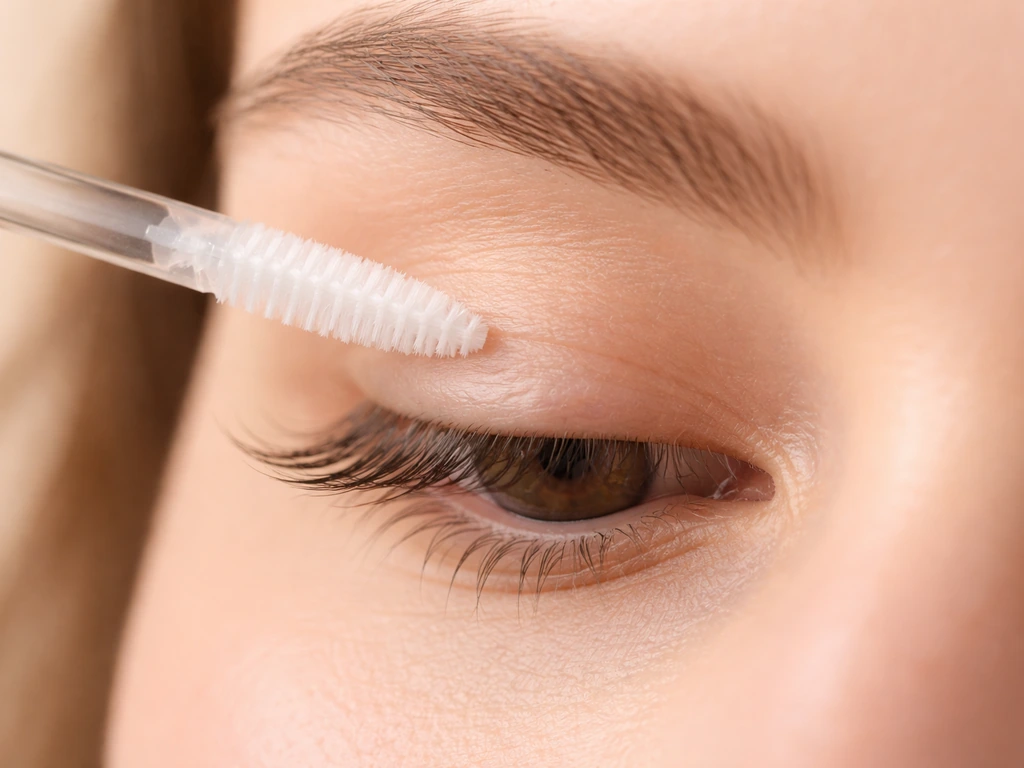
There is one FDA-approved treatment for eyelash growth: bimatoprost 0.03% ophthalmic solution, sold under the brand name Latisse. It is a prostaglandin analog that works by extending the anagen phase and increasing the number of hairs in active growth at any given time. Clinical trials have shown meaningful increases in lash length, thickness, and darkness. In Japanese multicenter studies, participants began noticing changes in prominence and length by month one, with thickness improvements appearing by month two. Studies ran up to 12 months and continued to show efficacy and a solid safety profile over that window.
Bimatoprost is applied once nightly with a sterile applicator to the upper eyelid margin at the base of the lashes only. It should not be applied to the lower lash line. The FDA label includes precautions about periorbital skin darkening and, importantly, a risk of iris color change with long-term use, particularly in people with mixed-color irises. These are real side effects worth discussing with a prescribing clinician. Bimatoprost requires a prescription, so you will need to see a dermatologist or ophthalmologist to access it.
Over-the-counter lash serums are a separate category. Many contain peptides, panthenol, biotin, or plant extracts. They are not FDA-regulated as drugs and cannot legally claim to alter the growth cycle. What they can do is condition the lash shaft, reduce breakage, and support a healthier follicle environment. Look for serums with peptides (particularly myristoyl pentapeptide-17), panthenol, and hyaluronic acid, which are the most consistently cited ingredients in cosmetic lash research. Avoid products with prostaglandin analogs that are not FDA-approved, as these carry the same pigmentation risks without the same testing behind them.
| Option | Evidence level | Timeline for results | Key cautions |
|---|---|---|---|
| Bimatoprost 0.03% (Latisse) | FDA-approved, multiple RCTs | 4 to 16 weeks; prescription required | Iris/skin pigmentation changes, prescription only |
| OTC peptide-based serums | Limited but supportive cosmetic data | 8 to 12 weeks of consistent use | Patch test first; watch for irritation |
| OTC serums with unapproved prostaglandin analogs | Unregulated; unknown | Variable | Same pigmentation risks as Rx without the safety testing |
Castor oil and at-home remedies: honest expectations
Castor oil is the most popular at-home remedy for lash growth, and it deserves an honest assessment. There is currently no clinical evidence that castor oil directly stimulates eyelash growth or extends the anagen phase. What the research does suggest is that the ricinoleic acid in castor oil may help condition the lash shaft, reduce protein loss from the hair fiber, and potentially create a better follicle environment, but these are indirect, theoretical mechanisms, not proven growth effects.
That said, castor oil is inexpensive, widely available, and well-tolerated by most people when used correctly. If breakage is your primary problem rather than slow growth, a nightly conditioning application could genuinely help by reducing mechanical stress on the lash shaft. Use pure, cold-pressed, hexane-free castor oil. Apply a small amount to a clean mascara wand or fingertip and coat the lashes from base to tip each night on clean, dry lashes. Less is more here: too much oil near the lash line can potentially contribute to blocked meibomian glands, which are the oil glands along the eyelid margin.
Other oils like jojoba and vitamin E are similarly conditioning rather than growth-stimulating. Jojoba, in particular, has documented cases of contact dermatitis confirmed by patch testing, so it is worth testing on a small area of skin before applying it near the eye. None of these oils will replicate what a prostaglandin serum does. They are supportive, not transformative.
Supplements, biotin, and recovery from damage or medical conditions
Biotin gets more credit than it deserves for lash and hair growth. The NIH confirms that biotin deficiency is rare in the United States, and current evidence supporting biotin supplementation for hair growth in people without a documented deficiency is limited. NIH’s Office of Dietary Supplements notes that biotin deficiency is rare in the U. S.
and that biotin can cause thinning hair and a rash, while evidence for hair-growth benefits in people without deficiency is limited [biotin deficiency is rare in the United States and evidence for hair-growth supplementation is limited](https://www. ods. od. nih.
gov/pdf/factsheets/Biotin-Consumer. pdf). If your short lashes are due to an actual nutritional gap, correcting that deficiency can help. If you are already well-nourished, additional biotin is unlikely to make a measurable difference in lash length.
Save your money unless a blood test identifies a deficiency.
The same skepticism applies to collagen supplements, which have no clinical evidence supporting their use for lash or hair growth. A complete, protein-rich diet with adequate zinc, iron, and omega-3 fatty acids supports follicle health generally, but there is no single supplement that will dramatically lengthen short lashes without an underlying deficiency to correct.
Recovery from specific damage scenarios works on a different timeline. If you lost lashes from eyelash extensions (traction-related), individual lashes typically regrow within one full growth cycle, roughly 4 to 8 weeks, assuming the follicle itself was not permanently damaged. Lashes lost from chemotherapy-induced madarosis tend to regrow once treatment ends, and bimatoprost has been studied specifically in this context, showing rapid lash recovery whether started 4 to 12 weeks post-chemotherapy or later. If blepharitis or another eyelid condition is the underlying cause, treating the condition itself (usually with warm compresses, lid hygiene, and sometimes antibiotics or steroids from a clinician) is necessary before growth can normalize.
Troubleshooting: when things go wrong and when to stop
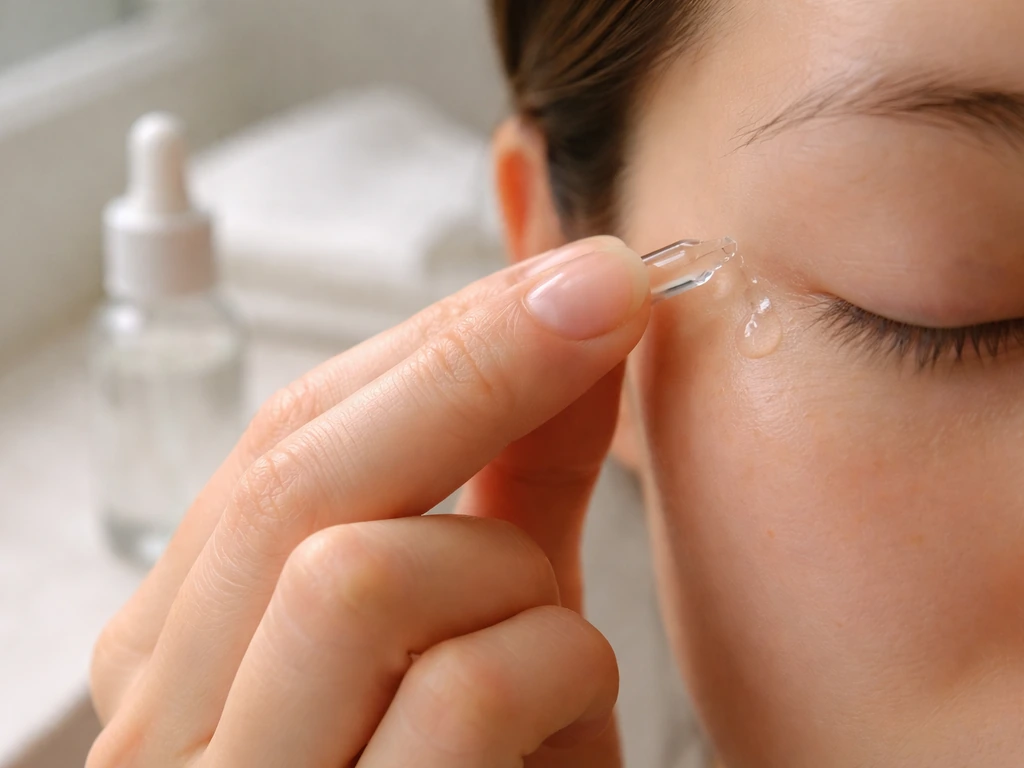
Irritation near the eye is always a signal to pay attention. The eyelid skin is among the thinnest and most reactive on the body. Contact dermatitis in this area can be either irritant (from repeated exposure to a product) or allergic (an immune response to a specific ingredient). Both cause redness, swelling, and itching, but allergic reactions tend to be more intense and triggered even by small amounts of the allergen.
Before applying any new serum or oil near the eye, do a patch test on the inner forearm or behind the ear for 24 to 48 hours. If you develop redness, itching, or swelling at the test site, do not use the product near your eyes. If you are already using a product and notice irritation, stop using it immediately. Irritant dermatitis symptoms can begin to improve within 1 to 2 days of avoiding the trigger, but allergic reactions may take longer and can require topical treatment from a clinician.
- Stop any new lash product immediately if you experience burning, swelling, significant redness, or vision changes.
- See a doctor if symptoms don't improve within 48 hours after stopping the product, if you have severe swelling or pain, or if you notice crusting and lash loss that doesn't resolve.
- See an ophthalmologist if you experience any changes in vision, eye pain, or if you suspect an eye infection rather than simple skin irritation.
- Do not apply any oil or serum directly into the eye itself. These products are formulated for the lash line and lid margin only.
- If you are considering bimatoprost, disclose all eye conditions and medications to your prescriber. It is contraindicated in certain scenarios and requires monitoring.
Where to start: a realistic timeline and your personalized next step
Here is how to think about your starting point, because not everyone needs the same approach. If your lashes are short but otherwise healthy (no breakage, no irritation, no conditions), start with a protective daily routine and an OTC peptide-based serum applied nightly. Give it 8 to 12 weeks of consistent use before evaluating results. That is roughly two full lash growth cycles, which is the minimum time needed to see a meaningful change.
If your lashes are clearly damaged from extensions, mascara, or mechanical stress, prioritize the protective routine first. Stop using whatever is causing breakage, switch to a gentle oil-based makeup remover, and add a nightly castor oil or conditioning serum to support recovery. You should see improvement within 6 to 8 weeks as new lashes grow in undamaged.
If your short lashes are due to a growth cycle limitation you have had your whole life, and you want the most clinically proven approach, book an appointment with a dermatologist to discuss bimatoprost. It is the only option with FDA approval and the clearest evidence base. Expect to see early changes by weeks 4 to 8, with full results by 3 to 4 months of nightly use.
If you have redness, crusting, lash loss in patches, or any signs of eyelid inflammation, see a clinician before starting any topical product. Treating the underlying condition (blepharitis, dermatitis, or another eyelid disease) is the essential first step, and adding serums or oils to an inflamed lid will almost certainly make things worse.
One final honest note: results across all of these approaches take time measured in weeks and months, not days. The lash growth cycle does not respond to urgency. What it does respond to is consistent, gentle care, the right active ingredient for your specific situation, and protecting the growth that is already happening from being cut short by breakage or inflammation.
FAQ
Can I speed up lash growth beyond the normal cycle with vitamins, oils, or quick routines?
Not meaningfully. Lashes are limited by the anagen cycle, so oils and supplements can support conditioning and reduce breakage, but they cannot reliably extend the growth window. The practical way to “speed up results” is choosing the right option for your cause (protect vs treat inflammation vs prescription growth aid) and using it consistently for the full 8 to 12 week evaluation period.
How long should I try an OTC lash serum before deciding it is not working?
Give it 8 to 12 weeks of nightly use before judging. This timing covers at least two lash growth cycles. If you see only irritation or no change by 12 weeks, switch strategy based on the cause (for example, focus on breakage and gentler removal, or get evaluated for eyelid inflammation).
What is the difference between broken lashes and slow-growth lashes, and why does it matter?
Broken lashes look frayed or blunt at the ends and often vary unevenly across the lid, sometimes with shorter stubby pieces mixed in with longer ones. Slow-growth lashes are usually uniformly short with tapered tips and shed as intact hairs. This matters because breakage responds best to friction reduction and conditioning, while true growth-cycle limitation is where prescription options are considered.
Where should I apply bimatoprost to avoid complications and get the best effect?
Apply to the upper eyelid margin at the base of the lashes only, once nightly, using a sterile applicator. Avoid the lower lash line. Also prevent product from running onto surrounding eyelid skin, since skin exposure is one reason for side effects like periorbital skin darkening.
Can I use bimatoprost if I have mixed-color irises or a family history of eye conditions?
Yes, but discuss it with your prescribing clinician first. People with mixed-color irises may have a higher risk of iris color change with long-term use, and your clinician may also want to consider your personal eye history before starting.
What should I do if I get irritation from a lash serum or castor oil?
Stop immediately and remove any product gently with a mild cleanser. If irritation resolves, you can try a different product later, but do not go back to the exact same formula if you had redness, itching, or swelling. If symptoms are persistent, painful, or come with vision changes, seek prompt eye care rather than trying more cosmetics.
Is patch testing enough, or should I also test how my eye reacts during use?
Patch testing helps you identify likely skin sensitivity, but it is not perfect for the eye area. Even if a product passes a forearm test, you can still react near the eyes. If you notice stinging, persistent redness, or lid swelling after starting, discontinue use right away.
Can lash extensions make short lashes permanently worse?
They usually do not if the follicle is intact, but repeated traction can increase breakage and thinning over time. If you lost lashes from extensions, many individuals see regrowth within one full growth cycle (about 4 to 8 weeks), assuming there was no permanent follicle damage. The key is stopping the traction and protecting regrowing lashes from further mechanical stress.
Does rubbing your eyes or using waterproof mascara affect lash length?
Yes. Eye rubbing increases mechanical breakage and can worsen eyelid inflammation. Waterproof mascara removal often requires more force, which can raise the risk of lash shedding and fraying. If short lashes are your goal area, switch to gentle removal and reduce rubbing, especially while you are actively using a serum.
Can blepharitis or rosacea prevent lash growth improvements even if I use a serum?
Often yes. If the follicles and surrounding eyelid margin are inflamed or clogged, cosmetic conditioning or serums may have limited impact. In those cases, controlling eyelid inflammation with lid hygiene and any clinician-directed treatments is usually necessary before you see meaningful lash normalization.
Is castor oil safe for the eye area, and how do I avoid gland blockage?
Castor oil is generally well tolerated when used correctly, but too much product near the lash line can contribute to blocked meibomian glands. Use a small amount, apply to lashes lightly from base to tip, and keep oil off the immediate lash-line skin. If you develop increasing dryness, burning, or worsening eyelid discomfort, stop and reassess.
Are jojoba or vitamin E good alternatives to castor oil for lash conditioning?
They can be, but they are not automatically safer for everyone. Jojoba has documented contact dermatitis confirmed by patch testing, so test first on a small skin area away from the eyes. Vitamin E can also irritate some people, especially in combination products.
Should I take biotin, collagen, or omega-3s if my lashes are short but I eat well?
If you are not deficient, extra biotin is unlikely to change lash length. Collagen supplements also do not have clinical evidence for lash growth. Omega-3s and a balanced protein-rich diet can support general follicle health, but they are not a targeted fix for short eyelashes. The most efficient next step is identifying whether you have breakage, inflammation, or a growth-cycle limitation.
Next Article
How to Grow Curly Eyelashes: Safe Routine and Timeline
Step-by-step routine and timeline to improve curly look, reduce breakage, use oils and serums safely, and troubleshoot s