Men can absolutely grow longer, thicker eyelashes. The biology works the same way regardless of sex: your lash follicles cycle through active growth, transition, and rest phases, and with the right habits, hygiene, and a few targeted ingredients, you can push those follicles to produce longer, healthier lashes over a period of roughly 4 to 11 months. The main things standing between you and better lashes are usually not genetics but rather chronic irritation, bad hygiene at the lash line, and the absence of a consistent routine.
How to Grow Eyelashes for Men: Longer, Thicker Lashes

Rachel Nguyen
12 May 2026
How eyelash growth actually works
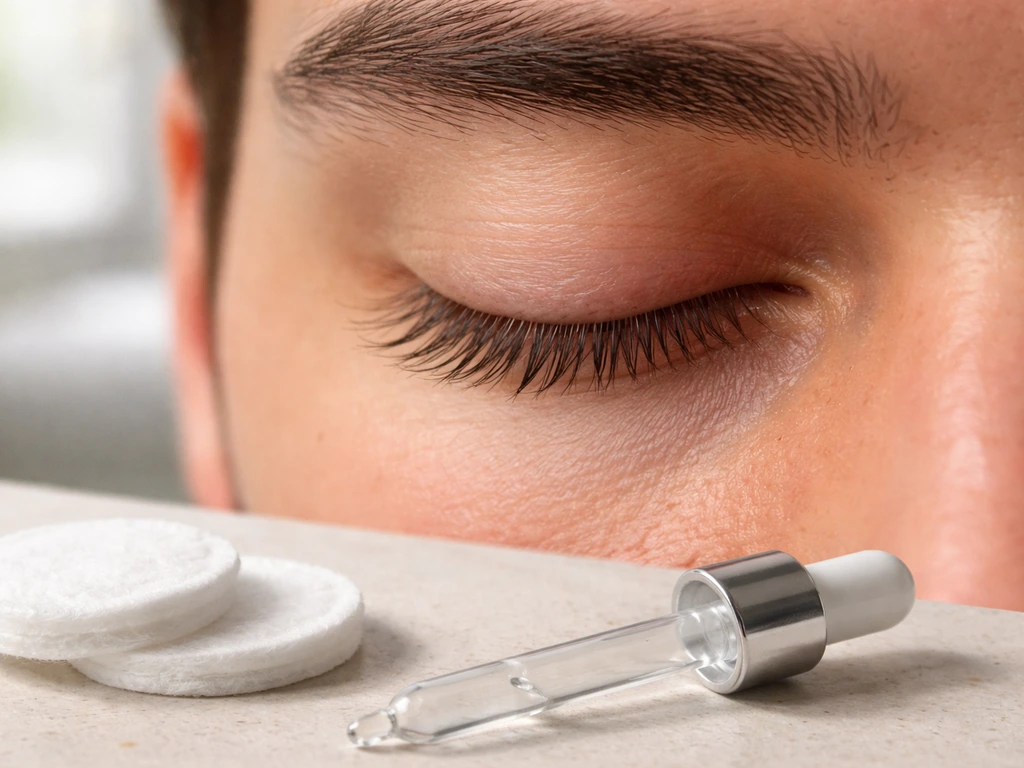
Each eyelash grows from a follicle embedded in your eyelid margin, and every follicle moves through three phases independently of the others. The anagen phase is active growth, where the lash is actually getting longer. Then comes catagen, a short transition where growth stops and the follicle shrinks. Finally, telogen is the resting and shedding phase, after which the whole cycle repeats.
The full cycle spans roughly 4 to 11 months depending on the individual follicle. When a lash falls out or breaks, how quickly it comes back depends on where it was in that cycle. If it was already in telogen, a new anagen phase starts relatively soon. If it was pulled out mid-anagen, you're waiting longer for the follicle to reset.
This biology is identical in men and women. Testosterone and other androgens don't suppress lash follicles the way they can suppress scalp follicles in androgenetic alopecia. Your lash follicles are largely androgen-independent, which is good news. The size, density, and darkness of your lashes is partly genetic, but the health and length you can achieve is very much within your control.
Why men's lashes often look shorter or thinner than they should
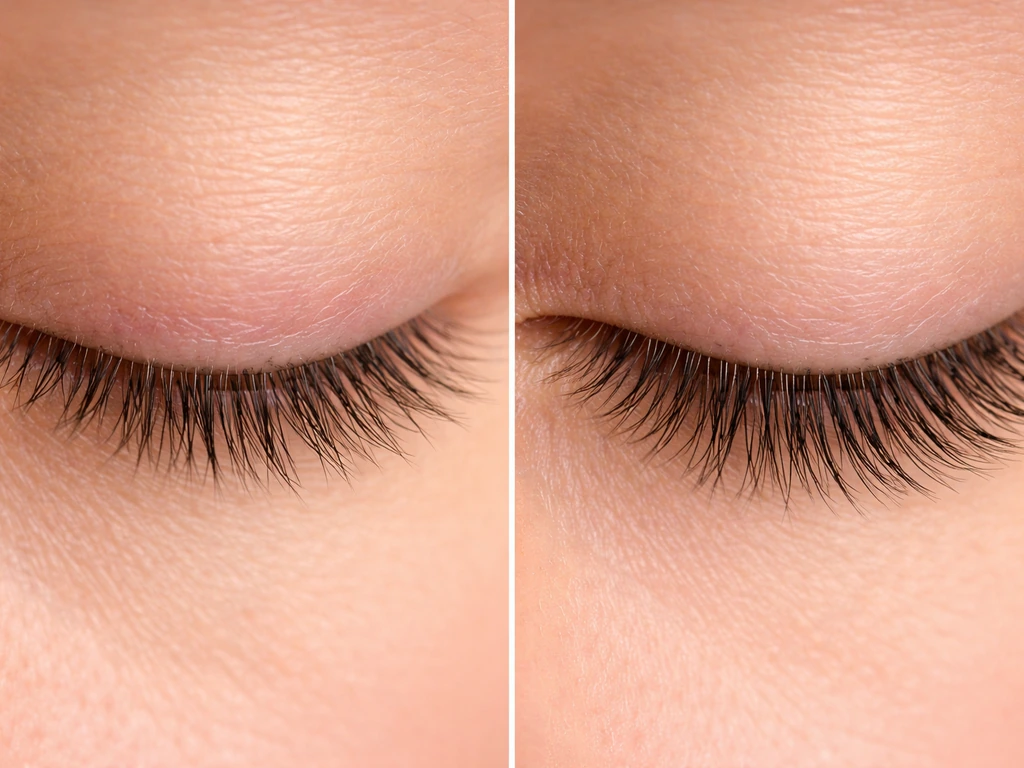
Most men I've heard from aren't dealing with a growth problem so much as a damage and inflammation problem. Several common male-specific habits and conditions chip away at lash density without anyone noticing until it's obvious.
- Rubbing your eyes: This is probably the single most common culprit. Chronic eye rubbing snaps lashes at the base and can traumatize follicles over time.
- Shaving near the lash line: Aggressive shaving or trimming too close to the lower lash margin can nick follicles and cause localized traction or irritation.
- Blepharitis: This is inflammation at the eyelid margin right where lashes attach. Oil, dead skin cells, and sometimes demodex mites build up at the lash base, inflame follicles, and directly cause lash shedding (madarosis). It's extremely common in men who don't regularly cleanse the eyelid margin.
- Demodex mites: Medscape notes that ocular demodicosis is associated with madarosis and changes to the lash hair structure itself, including intercellular edema and reduced lash resiliency. These mites are much more prevalent than people realize.
- Contact dermatitis from skincare or shaving products: If aftershave, face wash, or sunscreen is getting near your lash line, the resulting irritation and allergic blepharitis can cause redness, swelling, itching, and lash loss.
- Past or current use of eyelash extensions: Extensions are associated with traction alopecia (mechanical pulling of follicles), allergic blepharitis, and even conjunctival erosion. If you've had extensions, you may be recovering from follicle trauma.
- Medications and health conditions: Certain medications (including some blood pressure drugs, chemotherapy agents, and thyroid imbalances) are associated with lash hypotrichosis. If your lash thinning is sudden or severe, this is worth considering.
Realistic timelines: how long before you see a difference
This is where a lot of guys get frustrated, because they expect results in two weeks. Here's what's actually realistic. Because the full eyelash growth cycle runs 4 to 11 months, significant visible changes in lash length take time. That said, you don't have to wait a year to notice improvement.
If your lashes are thin due to active inflammation, blepharitis, or chronic rubbing, stopping those causes and adding proper lash-line hygiene can show visible improvement in 6 to 8 weeks as inflamed follicles calm down and shed lashes are replaced. For actual length gains from serums or natural oils, allow 3 to 4 months of consistent use before making a judgment call.
Clinical prostaglandin-based options (like bimatoprost) were evaluated over 16-week trial periods and into month 6, which gives you a realistic benchmark. Non-prescription options work more slowly.
| Approach | Expected timeline for visible results | Notes |
|---|---|---|
| Stopping lash damage (rubbing, irritants) | 4 to 8 weeks | Fastest visible impact for men with active damage |
| Eyelid hygiene and blepharitis management | 6 to 10 weeks | Addresses most common male cause of lash thinning |
| Castor oil or nourishing oils | 3 to 5 months | Slower, modest results; evidence is limited |
| OTC peptide or non-prostaglandin serums | 2 to 4 months | Variable; quality of formulation matters a lot |
| Bimatoprost (Rx, e.g. Latisse) | 4 to 6 months | Strongest evidence; requires prescription and monitoring |
At-home habits that make a real difference
Lash-line hygiene (the most underrated step)
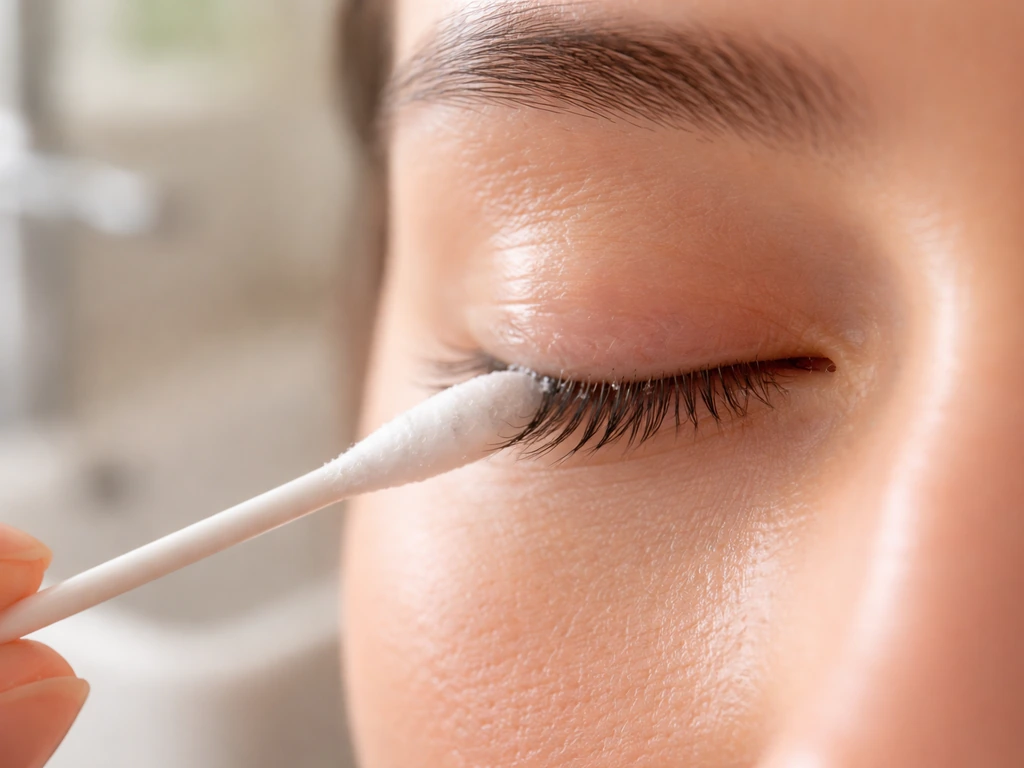
Cleaning your eyelid margin daily is the single highest-leverage thing most men can do. Johns Hopkins, the NEI, and Wills Eye Hospital all converge on the same basic protocol for blepharitis and lash health: warm compresses followed by gentle lid scrubs. Apply a warm, damp cloth to your closed eyelids for about 10 minutes to soften debris and open oil glands. Then cleanse the lash margin with a diluted, gentle cleanser.
Wills Eye Hospital and the Merck Manual both recommend diluting baby shampoo with warm water (roughly 50:50 or 2 to 3 drops per half cup of water) and gently scrubbing the lash line twice daily using a cotton pad, cotton swab, or your fingertip. Commercially available micellar-based eyelid wipes and lid scrub foams also work well and are less messy. Do this consistently; once-a-week cleansing is not enough to manage ongoing buildup.
Stop the habits destroying your lashes
- Stop rubbing your eyes. If you have allergies driving the urge to rub, treat the allergies with antihistamine drops rather than mechanically traumatizing your follicles.
- Keep face wash, aftershave, and skincare products away from the lash margin. Rinse thoroughly and tilt your head back when washing your face.
- If you've had eyelash extensions, give your follicles a full rest period before considering any cosmetic applications at the lash line.
- Don't trim your lashes unless there's a medical reason to. Trimming doesn't make them grow back thicker; that's a myth.
- Sleep on a clean pillowcase and avoid pressing your face directly into the pillow, which creates nightly friction on your lashes.
Nutrition that supports lash growth
Lash follicles respond to the same nutritional inputs as other hair follicles. Protein is foundational since each lash is made of keratin. Iron deficiency is a real driver of hair loss that's often overlooked in men. Zinc, vitamin D, and omega-3 fatty acids all support follicle function and reduce scalp (and eyelid) inflammation.
Biotin gets a lot of attention in supplement marketing, but the NIH is clear: biotin supplementation only reliably helps if you actually have a deficiency. If your diet already provides adequate biotin (found in eggs, salmon, nuts, and seeds), adding a biotin supplement is unlikely to grow your lashes. Focus on a well-rounded diet with enough protein and check for iron or vitamin D deficiency through blood work if you're seeing unexplained hair or lash thinning.
The best ingredients and remedies: what actually has evidence
Castor oil: useful but overrated (and not risk-free)
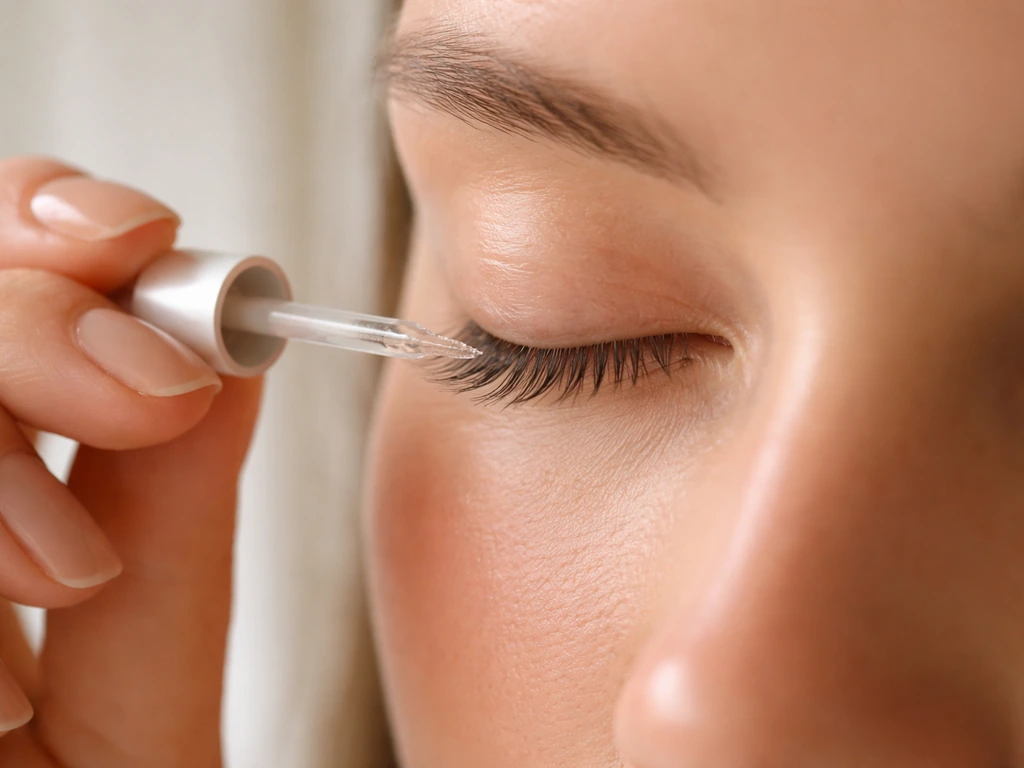
Castor oil is probably the most commonly recommended natural lash remedy, and it's not without merit. It's a thick emollient that can coat the lash shaft, reduce breakage, and condition the lash line. However, the scientific evidence that castor oil actually stimulates follicle growth is essentially absent. What it may do is reduce mechanical damage to existing lashes and keep the skin at the lash base moisturized.
The safety concern is real: UCI Health and ScienceInsights both warn against applying castor oil directly into the eye, noting that unregulated topical oils can cause severe infection or irritation when they enter the eye. Apply it only at the base of the lash with a clean spoolie or cotton swab, never inside the eye.
Reddit users in r/Dryeyes also discuss being cautious about applying castor oil near the eyes, emphasizing that it should not be put directly into the eye due to irritation concerns never inside the eye. Patch-test on your wrist first.
Avoid it entirely if you have active blepharitis or any eye condition until that's resolved.
Over-the-counter serums with peptides and growth factors
There's a whole category of non-prescription eyelash serums formulated with peptides, biotin complexes, panthenol, and sometimes stem cell extracts. Research categorizes these as non-prostaglandin serums, and the evidence for them is modest but real. They tend to work by conditioning existing lashes, extending anagen phase slightly, and improving the overall health of the lash environment. Results are slower and less dramatic than prostaglandin-based options, but the side effect profile is also much better. When choosing one, look for third-party tested formulations from reputable brands, and be cautious about serums bought from unverified internet sources. A published study found that some internet-purchased serums labeled as prostaglandin-free actually contained undeclared prostaglandin analogs, which carry their own risk profile. Read ingredient lists carefully.
Bimatoprost (prescription): the strongest evidence

If you want the most clinically validated option, bimatoprost 0. 03% (sold as Latisse) is the one. It's a prostaglandin analog approved for eyelash hypotrichosis, and it works by [extending the anagen (active growth) phase of the lash cycle](https://pmc. ncbi.
nlm. nih. gov/articles/PMC2861943/). A pivotal trial with 278 adults used standardized photo assessment through 16 weeks and [showed measurable improvements in lash length, thickness, and darkness](https://pmc.
ncbi. nlm. nih. gov/articles/PMC4509582/).
Longer-term trials ran through 6 months. The most common side effects occur at roughly 3 to 4% incidence and include eye itching, conjunctival redness, and skin hyperpigmentation at the application site. It requires a prescription and a conversation with a dermatologist or ophthalmologist. It is absolutely an option for men, not just women, and if your lash thinning is significant and persistent, this is worth discussing with a doctor.
Tea tree oil: only for suspected demodex, not general growth
Tea tree oil is sometimes mentioned in eyelash content, but it belongs in a specific context: managing demodex mite infestation at the lash line. Medscape describes tea tree oil-based lid regimens as part of demodicosis treatment. It is not a general lash growth booster. Undiluted tea tree oil near the eye is genuinely dangerous. If your doctor suspects demodex based on symptoms like chronic itching, lash loss, and cylindrical dandruff-like buildup at the lash base, a diluted, properly formulated tea tree oil lid product (or prescription treatment) may be appropriate, but this is a targeted therapeutic use, not a daily routine ingredient.
Recovering from damage: extensions, irritation, and medical causes
If your lashes are thin because of a specific cause, treating that cause comes before anything else. Cleveland Clinic notes that madarosis is usually reversible once the underlying issue is addressed, and lashes return to their usual thickness after follicles recover. Here's how to approach the main scenarios men face.
After eyelash extensions or traction damage
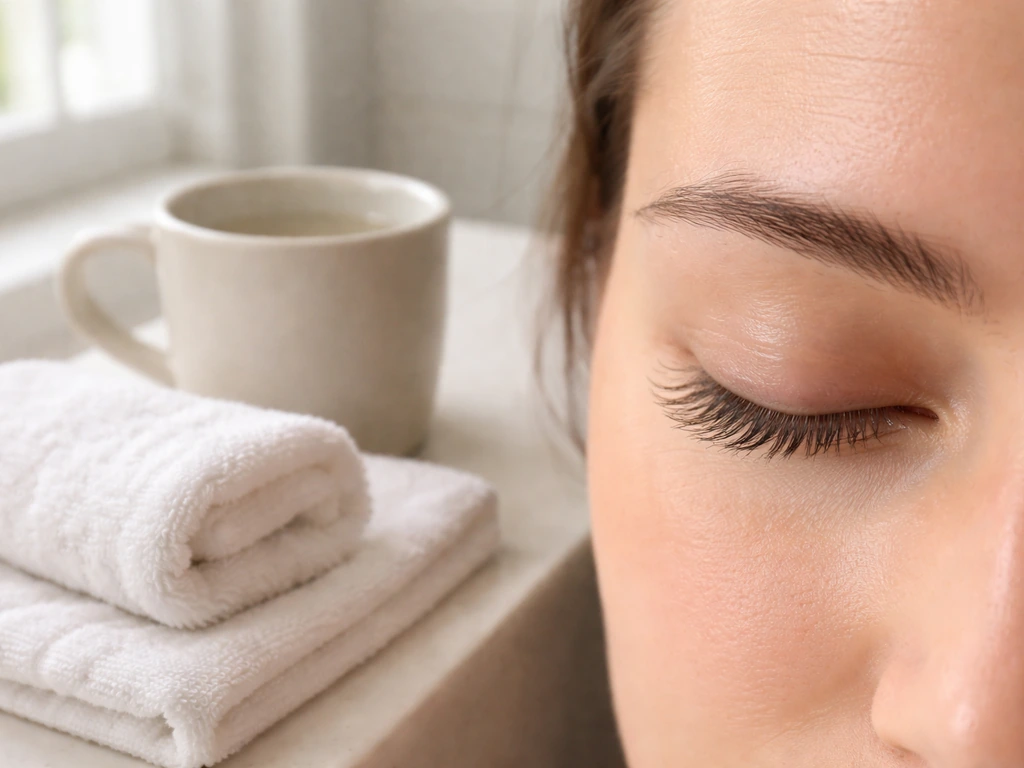
Extensions are linked to traction alopecia, allergic blepharitis, and corneal surface problems. If you've had them removed and notice thinning, your follicles are likely recovering from mechanical stress. The protocol is simple: stop all extension applications, keep the lash line clean with gentle daily hygiene, and avoid anything that creates further tension or irritation at the base. Give the area at least 3 to 4 months before assessing the extent of the damage. If you see continued shedding, persistent redness, or pain, see an ophthalmologist.
Blepharitis and chronic lash-line inflammation
Blepharitis is managed with the warm compress and lid scrub protocol described earlier. For more persistent or severe cases, a doctor may recommend antibiotic ointments, lid hygiene products with hypochlorous acid, or in the case of demodex, targeted treatments. Johns Hopkins notes that doctors may swab the lash line or take a lash sample to rule out infections or mite infestation. Don't try to self-diagnose severe cases. If standard lid hygiene hasn't improved things in 4 to 6 weeks, get a professional evaluation.
Medication or health-related causes
If your lash thinning is accompanied by eyebrow loss, body hair loss, or other systemic symptoms, it's worth checking thyroid function, iron levels, and reviewing your medication list with a physician. Chemotherapy-induced lash loss, for example, was specifically studied in bimatoprost trials and does respond to treatment. Sudden, patchy, or severe lash loss that doesn't respond to basic hygiene improvements needs a medical evaluation rather than an over-the-counter fix.
How to pick a product and build your daily routine
Choosing the right product for your situation
Most men don't need a prescription serum to start. If you have active blepharitis, irritation, or recent damage, sort that out first with hygiene before layering on any treatment product. If your lashes are generally healthy but naturally short or thin, a well-formulated OTC peptide serum is a reasonable starting point. If you've tried that for 3 to 4 months without improvement and your lashes are noticeably thin, a conversation with a dermatologist about bimatoprost is warranted. Avoid serums from unknown brands purchased through social media ads, especially if they don't disclose their full ingredient list, given the documented risk of undeclared prostaglandin analogs.
Your daily lash routine, step by step
- Morning: Warm compress. Soak a clean cloth in warm (not hot) water and hold it against closed eyelids for 5 to 10 minutes. This softens debris and supports meibomian gland function.
- Morning: Lash-line cleanse. Using diluted baby shampoo or a dedicated eyelid foam/wipe, gently clean the base of your lashes with a cotton pad or swab. Work along the lash margin, not across the eye. Rinse well.
- Evening: Patch test before first use of any new serum or oil. Apply a small amount to the inside of your wrist, wait 24 hours, and check for redness or itching before using it near your eyes.
- Evening: Apply lash serum or oil. Using the applicator brush or a clean spoolie, apply a single thin pass along the upper lash line at the base of the lashes, on skin, not on the eyeball. Less is more. Blot any excess that migrates toward the eye with a tissue.
- Nightly: Keep it consistent. Lash growth is cumulative. Missing a few nights won't ruin progress, but stopping entirely for weeks will. Treat it like brushing your teeth.
- Monthly check-in: Take close-up photos in the same lighting every 4 weeks to objectively track progress. Lash changes are slow and subtle, and photos make it much easier to see real improvement than mirror-checking daily.
- At 3 to 4 months: Evaluate honestly. If you've been consistent and see no change, reconsider your product choice, rule out an underlying cause, and consider speaking with a dermatologist.
Safety basics you should not skip
- Always patch test new products before applying near the eye, even products marketed as gentle or natural.
- Never apply oils or serums directly into the eye. Application is at the skin of the lash margin only.
- Stop any product immediately if you develop redness, swelling, itching, or blurred vision and consult a doctor.
- Avoid vigorous scrubbing at the lash line. Mechanical irritation from over-aggressive cleaning is a real risk documented even in clinical blepharitis management guidelines.
- If you're on any eye medications or have glaucoma, talk to your ophthalmologist before starting any lash serum, as prostaglandin analogs interact with intraocular pressure.
The bottom line is that growing longer, thicker lashes as a man is genuinely achievable, and the path there is less exotic than most product marketing suggests. The timeline and approach are similar for most people asking can you grow your eyelashes, especially once you have a consistent routine. Clean your lash line daily, stop the habits damaging your lashes, give a good evidence-backed serum 3 to 4 consistent months, and escalate to a prescription option if needed.
If you need a stronger option, prescription bimatoprost is one of the most evidence-backed treatments discussed in this guide. That approach, paired with realistic expectations about timelines, will get you further than any single miracle ingredient.
For more on the specifics of what drives lash growth in general, or the full breakdown of what actually works across different approaches, there's a lot more to explore across related topics like general lash growth methods, evidence for popular ingredients, and what recovery from lash damage really looks like. If you're also wondering what people on Reddit recommend for this goal, you can compare their experiences with the evidence-backed steps in this guide how to grow eyelashes reddit.
FAQ
How long should I wait before I change my routine for eyelash growth as a man?
If you are mainly dealing with irritation or blepharitis, give the warm compress and lid scrubs a solid 4 to 6 weeks before major changes. If your lashes seem healthy but you want true length or thickness gains from serums or oils, judge after 3 to 4 months of consistent daily use, since individual lashes follow a cycle that takes months to fully replace.
Is it safe to use baby shampoo or lid scrubs more than twice a day?
Twice daily is a common starting point, but going more often can increase dryness, redness, and rubbing at the lash line. If you notice stinging, worsening redness, or increased flaking, scale back to once daily and focus on gentle technique and dilution.
Can I just use an eyelash growth serum without doing warm compresses and lid hygiene?
You can, but it often underperforms if you have ongoing lash-line inflammation or debris buildup. Cleansing reduces the irritation drivers that can shorten the lash growth cycle, and serums tend to work best once the lash environment is stable.
What should I do if my eyes feel itchy or red after starting an eyelash serum?
Stop the product and reassess. Irritation can come from the formula, application technique (getting it too close to the eye), or pre-existing blepharitis. Resume only when symptoms calm, or switch to a simpler cleanser routine first, and consider an eye professional if redness persists.
How should I apply castor oil if I want to condition lashes without risking eye irritation?
Apply only at the base of the lash on the eyelid margin, using a clean spoolie or cotton swab, and never into the eye. Patch-test first, and avoid it during active blepharitis or if you have any eye surface symptoms, since oil exposure to the eye can raise infection risk.
Are eyelash extensions or lash lifts permanently damaging for men?
Not usually, but they can cause temporary shedding if traction or allergy triggers inflammation at the lash base. After removal, avoid tension-causing products and allow at least 3 to 4 months before judging recovery. Persistent pain, ongoing redness, or continued shedding suggests you should see an ophthalmologist.
How can I tell if my lash thinning is from demodex instead of general irritation?
Common clues include chronic itching, flaking or cylindrical dandruff-like material at the lash bases, and recurrent inflammation that does not respond well to basic hygiene alone. If that pattern fits, ask a clinician about demodex-directed treatment rather than trying undiluted tea tree oil or random home remedies.
What lab tests are most useful if I have unexplained lash or eyebrow thinning?
Iron deficiency and low vitamin D are frequently relevant to hair and eyelash health. Discuss checking ferritin or iron studies and vitamin D, and consider thyroid function if you have systemic symptoms. Also review medications and recent illness history with a clinician.
Do nutritional supplements like biotin reliably grow eyelashes in men?
Biotin only tends to help when you are actually deficient. If your diet is adequate and you do not have signs of deficiency, adding biotin may not change results. A better first step is ensuring enough protein overall and considering targeted labs if thinning is unexplained.
What is the biggest mistake men make when trying non-prescription lash serums?
Using a product from an unverified source without a full ingredient list. Some internet products marketed as prostaglandin-free have been found to contain undeclared prostaglandin analogs, which can change both effectiveness and risk.
Who should consider prescription bimatoprost and what monitoring matters?
Consider it when lash thinning is significant or persistent despite a consistent hygiene and non-prescription approach for months. Monitoring matters because side effects can include itchy eyes, redness, and localized skin darkening near the application site. You should discuss technique and any eye conditions with a dermatologist or ophthalmologist.
When should I stop DIY care and see an eye doctor?
Get evaluated promptly if you have pain, light sensitivity, worsening redness, discharge, or sudden patchy lash loss. Also seek care if you do not improve after 4 to 6 weeks of consistent lid hygiene, since infection, mites, or other eye surface issues may be driving the problem.
Next Article
How to Grow Eyelashes Reddit Guide: Routine, Timeline
Reddit-style lash growth routine with timeline, what to avoid, serum tips, and when to see an eye doctor.