You cannot make your eyelashes actually grow in 5 minutes. True follicle growth is biological and runs on a cycle measured in weeks and months, not minutes. But here's what you can do in 5 minutes: make your lashes look noticeably longer, thicker, and healthier using a few smart techniques, and then set up the right routine so real regrowth happens as fast as biology allows. That's the honest answer, and everything below is built around it.
How to Make Your Eyelashes Grow in 5 Minutes Safely
Rachel Nguyen
15 May 2026
Reality check: what can actually happen in 5 minutes
Eyelashes grow through a defined biological cycle with three phases: anagen (active growth), catagen (transition), and telogen (resting and shedding). The catagen transition alone takes about 15 days. The telogen resting phase can last anywhere from 4 to 9 months. Your follicles are not going to skip those phases because you want longer lashes by Friday morning. Once a lash is shed or pulled, regrowth to a visible length typically takes around 6 weeks, assuming the follicle and eyelid tissue are undamaged. Lashes also have a natural length ceiling, usually under 12 mm, before they fall out on their own.
So "grow in 5 minutes" is a styling goal, not a biology goal. The good news is that the right 5-minute routine genuinely changes how your lashes look, and it also sets the stage for the real growth happening underneath the surface.
What you can do right now to make lashes look longer
These steps won't add new lashes, but they work with what you have, and some of them also double as protective habits that prevent further breakage.
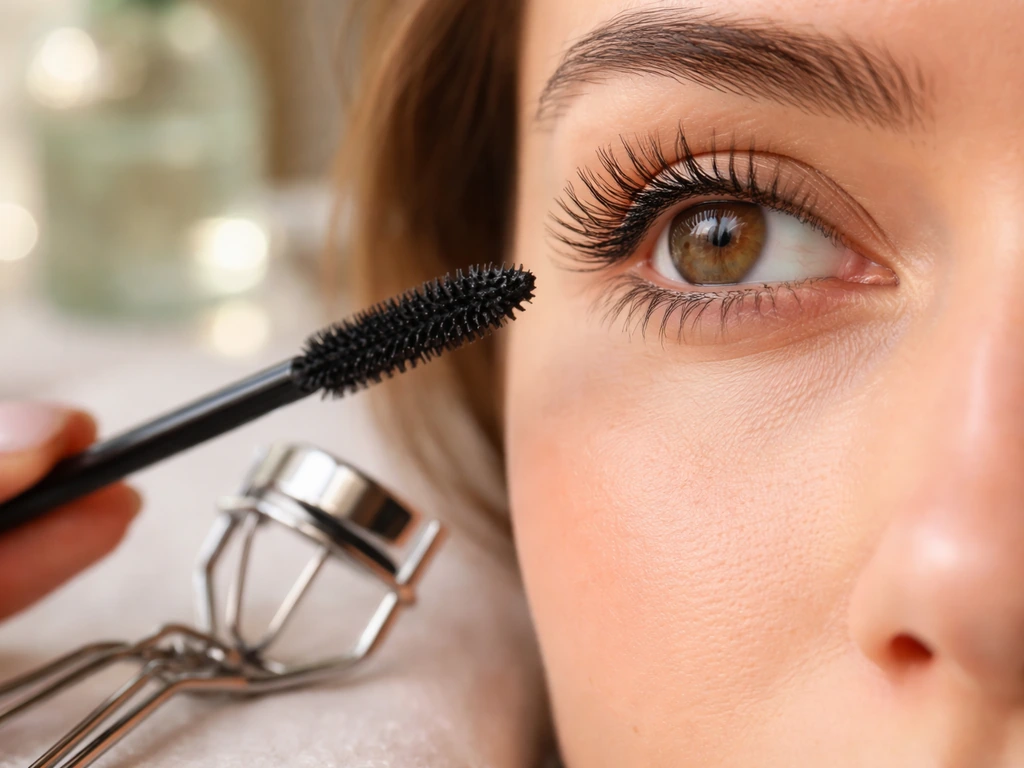
- Curl before mascara: A lash curler used before mascara opens up the eye and lifts lashes away from the lid, which makes them look visibly longer without adding a single millimeter of actual growth.
- Apply mascara from root to tip with a zigzag motion: Starting at the base and wiggling the wand upward coats each lash individually and adds volume where it matters most.
- Use a lengthening formula: Lengthening mascaras contain polymers that coat and extend the tip of each lash shaft. They don't grow anything, but the visual difference is real.
- Tightline your upper waterline: A dark liner on the inner upper rim makes lashes appear denser and the lash line fuller.
- Condition while you wait: Apply a thin coat of a lash-safe oil or conditioning serum to your lash line. It won't grow lashes in minutes, but starting the habit today matters for weeks from now.
The real lash growth timeline: what to expect day by day
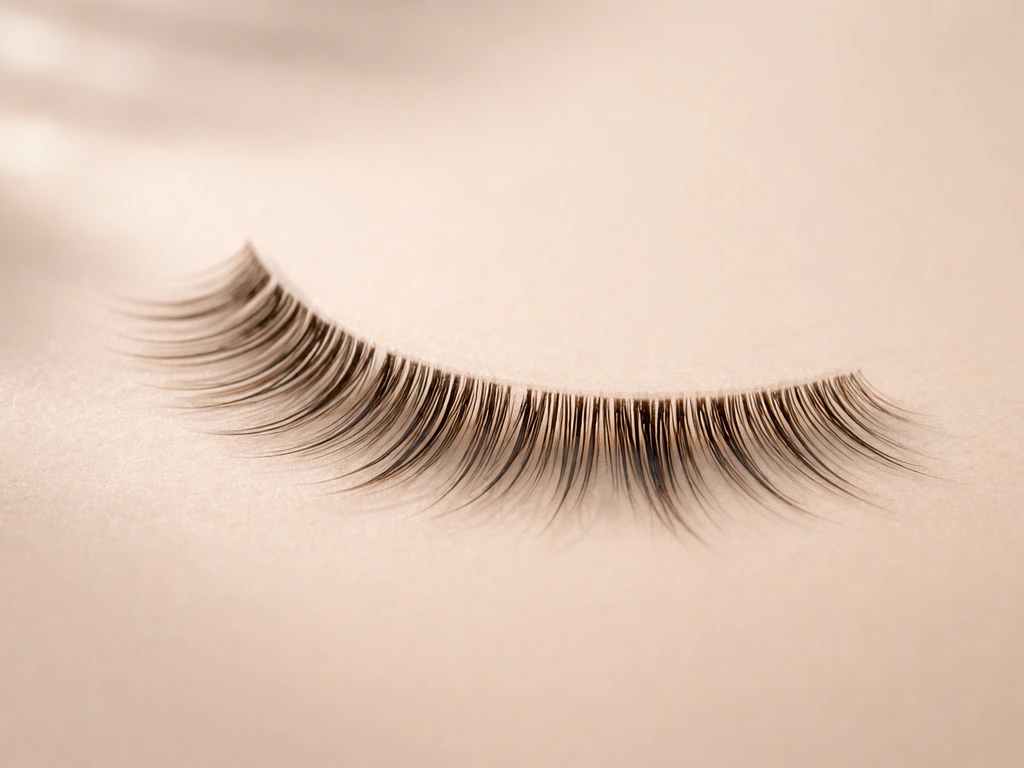
If your lashes have been damaged, cut, or are simply thin and sparse, here's a realistic picture of what growth looks like over time. There's no shortcut past biology, but knowing the timeline helps you stay consistent with the right habits instead of quitting too early.
| Timeframe | What's happening | What you might notice |
|---|---|---|
| Days 1–7 | Follicles in anagen phase are actively producing new lash shaft; recently shed lashes begin regrowing from the follicle base | No visible change yet; new growth may just be emerging from skin |
| Week 2–3 | Tiny new lash stubs may be visible; anagen phase continues | Short, fine new lashes appear at the base of the lash line |
| Week 4–6 | Lashes in active anagen grow roughly 0.12–0.14 mm per day | Noticeable improvement in length and fill; this is where castor oil or serum users typically first see a difference |
| Month 2–4 | Full lash cycle continues; clinical serums like bimatoprost show significant improvement in prominence by month 4 | Lashes are fuller, longer, and darker with consistent treatment |
| Month 4+ | Steady-state growth maintained with ongoing care | Maximum improvement from both natural conditioning and clinical options |
If you're researching faster timelines, 3-day or 1-week regrowth expectations are popular search queries, but the biology is the same for everyone. If you want to focus on the fastest visible results, keep your expectations realistic and aim for appearance changes within 2 days how to grow eyelashes back in 2 days. The best you can do is remove every obstacle to growth and support the follicles that are already active.
Why your lashes might be growing slowly or falling out
Slow growth or increased shedding almost always traces back to one of a handful of causes. Identifying yours is the most important step, because throwing products at the problem without fixing the root cause is a waste of time.
- Eyelash extensions and improper removal: Extensions are one of the most common culprits. The adhesives and the physical weight of extensions can cause traction alopecia, a type of mechanical hair loss from repeated pulling. Allergic blepharitis (inflammation at the lash base) is the most frequently reported extension complication, and the AAO's EyeWiki has documented associated conditions including conjunctival erosion and subconjunctival hemorrhage. Improper removal causes shaft breakage and can stunt follicle function.
- Rubbing your eyes: This is underestimated as a damage source. Habitual rubbing creates mechanical stress on the lash shaft and follicle. If you're an eye rubber, that habit alone can explain sparse lashes.
- Makeup residue and blepharitis: Product buildup at the lash line causes inflammation of the eyelid margin (blepharitis), which disrupts the follicle environment and contributes to chronic lash loss. This is especially common with heavy eyeliner use and poor makeup removal habits.
- Oil-based removers near extensions: If you have extensions in place, oil-based makeup removers degrade the adhesive bond, causing premature shedding of both extensions and natural lashes still attached to them.
- Contact or allergic dermatitis: Cosmetics, removers, and even some lash serums can trigger periocular dermatitis, an allergic or irritant reaction on the eyelid skin that compromises lash health.
- Nutritional gaps, stress, or medical conditions: Biotin deficiency, thyroid issues, and high physical stress can all shift more follicles into telogen (resting/shedding) phase earlier than normal.
At-home support: oils, cleansing, and conditioning habits
Gentle cleansing is non-negotiable
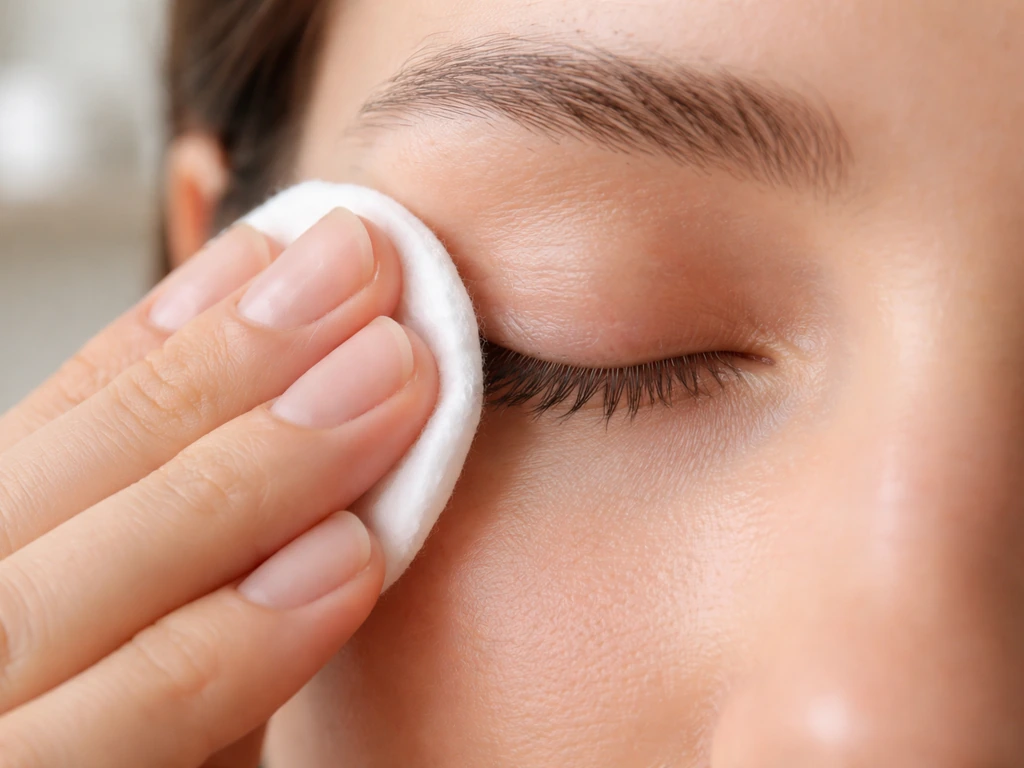
A clean lash line is the foundation of everything else. Makeup residue, skin oils, and dead skin cells at the lash base create an inflammatory environment that works against follicle health. Use a gentle, fragrance-free micellar water or foam cleanser at the lash line every night. Avoid anything with alcohol or strong surfactants directly on the lid margin. If you wear mascara daily, double cleanse: first pass to lift product, second pass to actually clean the skin.
Oils and conditioning: what the evidence actually says
Castor oil is the most popular at-home lash remedy, and the honest summary is this: there are no clinical trials specifically studying it for eyelash growth. What it likely does is coat and condition the lash shaft, reducing brittleness and breakage, which means you hold onto more of the length you already have. If you start using it consistently today, GoodRx notes you'd expect to see improvement in lash health after at least 6 weeks of use.
That's a realistic expectation. Apply a tiny amount with a clean spoolie or cotton swab along the upper lash line before bed, and be careful: castor oil in the eye causes irritation, redness, stinging, and temporary blurred vision. Stop immediately if you develop a rash, itching, or swelling.
Other oils used in lash conditioning include vitamin E oil, argan oil, and coconut oil. Like castor oil, these work primarily as conditioning agents rather than growth stimulators. They're worth using for their protective effect on the shaft, but they won't replace a clinical serum if your goal is meaningful regrowth after significant lash loss.
Lash massage
Gently massaging the eyelid margin with a clean fingertip for 30 to 60 seconds increases local circulation to the follicles. It's a low-effort addition to your nightly routine that costs nothing. Keep pressure very light and always wash hands first. Avoid aggressive pressure anywhere near the orbital area.
Serums and active ingredients: what actually works
This is where the real clinical evidence lives. If you want documented, measurable lash growth rather than shaft conditioning, a prescription serum with a prostaglandin analog is the most proven option available.
Bimatoprost (Latisse): the gold standard
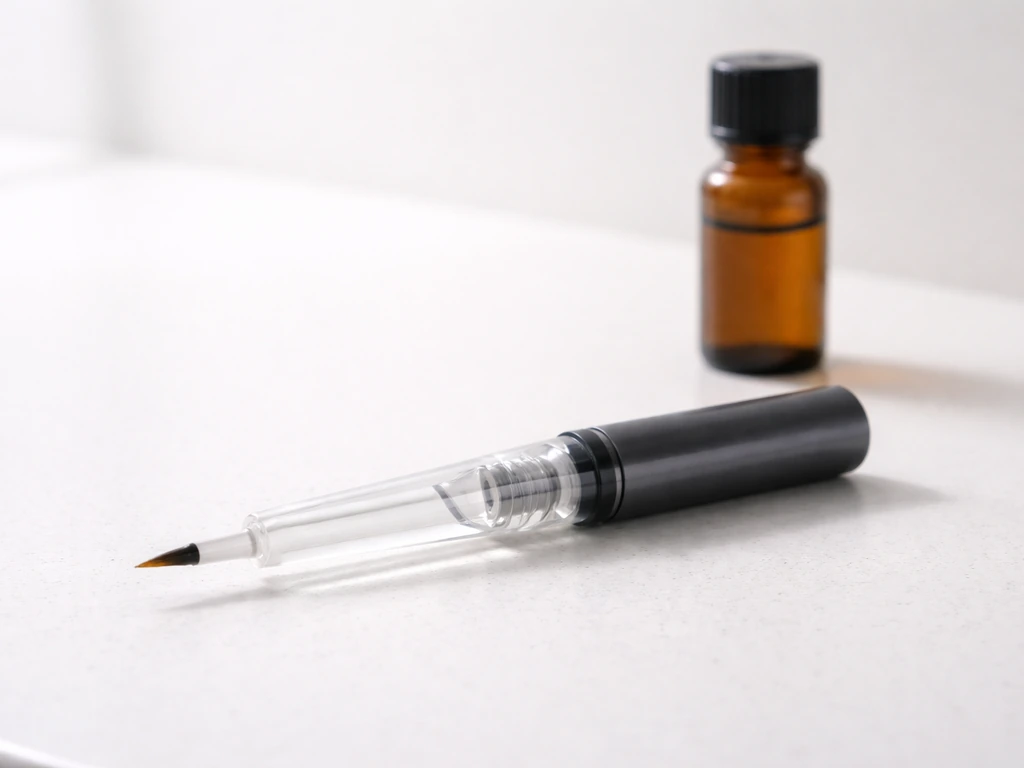
Bimatoprost 0.03% (sold as Latisse) is the only FDA-approved treatment for eyelash hypotrichosis (inadequate lashes). In a randomized, double-masked controlled study of 278 patients, once-daily bimatoprost applied to the upper eyelid margin produced significant improvements in lash length, thickness, and darkness. Meaningful changes in Global Eyelash Assessment scores were observed by month 4 across multiple controlled trials, including in patients with chemotherapy-induced lash loss. The application method matters: one drop applied nightly to the skin of the upper eyelid margin at the base of the lashes using the supplied sterile applicator, never the lower lid.
The FDA label identifies real risks you need to know before using it: potential for increased brown iris pigmentation (which may be permanent), eyelid skin darkening, and periocular effects including eye and eyelid itching. It requires a prescription. If you're considering this route, talk to a dermatologist or ophthalmologist, especially if you have a history of eye disease, uveitis, or are using other eye medications.
Peptide-based OTC serums
Over-the-counter lash serums containing peptides (like myristoyl pentapeptide-17) and biotin are widely available and don't carry the side-effect profile of prostaglandin analogs. The evidence base is thinner, but peptide serums work by signaling follicles and conditioning the shaft environment. They're a reasonable middle ground if you want something you can start without a prescription. Apply nightly to a clean, dry lash line. Expect 8 to 12 weeks of consistent use before judging results.
Quick comparison: your main serum options
| Option | Active ingredient | Evidence level | Timeline to results | Key risks |
|---|---|---|---|---|
| Latisse (Rx) | Bimatoprost 0.03% | Strong: multiple RCTs, FDA-approved | Significant improvement by month 4 | Iris pigmentation, eyelid darkening, requires Rx |
| OTC peptide serums | Peptides, biotin, panthenol | Moderate: limited controlled trials | 8–12 weeks | Low risk; possible periocular irritation |
| Castor oil | Ricinoleic acid (conditioning) | Anecdotal; no clinical trials for lash growth | 6+ weeks for conditioning benefit | Eye irritation if contact; stop if rash or swelling |
| Vitamin E / argan oil | Tocopherol, fatty acids | Conditioning only; no growth trials | Ongoing use for shaft protection | Minimal; avoid direct eye contact |
Aftercare and how to stop shedding from getting worse
Regrowth means nothing if you're still doing the things that caused the problem. Prevention is the part most people skip, and it's also the fastest way to see a difference, because stopping damage immediately halts a shedding cycle that would otherwise continue for months.
- Take a break from extensions: If extensions have caused thinning or irritation, pause new sets. The University of Utah Health advises that breaks between sets prevent further follicle manipulation damage and allow natural lash recovery. See an ophthalmologist if you have ongoing redness, discharge, or pain.
- Switch to a non-oil-based makeup remover: If you have extensions, oil-based removers degrade adhesive and accelerate shedding. Even without extensions, harsh removers cause shaft breakage at the lash line.
- Stop rubbing: Put an antihistamine eye drop in if itching is driving the habit. Address the cause of the itch rather than scratching it.
- Sleep on a silk or satin pillowcase: Cotton creates friction on lashes overnight. A smooth surface reduces mechanical breakage from the hours you spend with your face against a pillow.
- Remove mascara every night without fail: Sleeping in mascara causes lash brittleness and clumping that leads to breakage during removal in the morning.
- Be careful with eyelash curlers: Using a curler on lashes coated in old mascara causes snapping. Always curl on clean lashes before applying product.
- Watch for signs of blepharitis: Flaking, crusting, or persistent redness at the lash base needs treatment, not just more serum. Warm compresses and lid hygiene scrubs can clear the inflammation that is actively working against your regrowth efforts.
If you're searching for timelines faster than what's covered here, realistic 3-day or 1-week changes are more about appearance improvement and stopping active damage than true new growth, which is the same principle this article is built on. If you are hoping for results that look closer to how to grow eyelashes naturally in a week, focus on reducing breakage and optimizing your lash routine immediately. The biology is consistent regardless of the timeline you're hoping for. What changes with consistency is how far along the growth cycle your follicles are when you start supporting them properly.
Start tonight: clean the lash line, apply a conditioning oil or peptide serum, and commit to the no-rubbing, no-sleeping-in-mascara rules. The 5 minutes you spend setting that routine up is genuinely the most productive thing you can do for your lashes right now. Healthline cites research suggesting allergic blepharitis is the most common complication of lash extensions and that many people can experience eye side effects after application blank" rel="noopener noreferrer">eye side effects after lash extension application.
FAQ
Why are my lashes still shedding more, even after I started an oil or serum?
Stop treating it as an all-purpose “miracle” and identify your dominant issue first. If your lashes feel brittle or snap easily, focus on shaft protection (conditioning oil or peptide serum) and removing makeup gently. If you are losing lashes from the root (more shedding at the lash line), prioritize cleaning and damage prevention, and consider discussing prostaglandin options with a clinician if loss is significant.
Can I use castor oil and a peptide or prescription lash serum together?
It is generally better to choose one “active” product and keep it consistent. If you use a peptide or prescription serum, avoid layering oils on top at the exact same time, since oils can change how the product spreads to the lash base. If you are conditioning with oil, use it only on the lash shaft and keep it away from the eyelid margin where serums are applied.
Where exactly should I apply lash serum, and does the lower lash line matter?
Do not apply any lash growth product to the lower lash line unless your prescriber specifically instructs it. Many side effects, like irritation and undesirable pigmentation changes, are more likely when product migrates to surrounding tissue. For bimatoprost products, the correct target is the skin of the upper eyelid margin at the base of the lashes.
What is the best way to remove mascara without making lash loss worse?
If you are wearing mascara daily, the safest removal pattern is a gentle cleanser first, then a second cleanse if product is still present, followed by no-rub drying. Waiting until you “feel like it” in the morning can lead to buildup that keeps the lash base inflamed, which undermines any regrowth routine.
When should I expect to see real length versus just less breakage?
Judge results on breakage and apparent fullness first, then length later. If you stop damage immediately, you may see reduced fallout and less snapping within days, but visible length from regrowth usually takes about 6 weeks or more. With peptide serums, expect roughly 8 to 12 weeks for a fair assessment.
Will lash extensions or lash glue prevent growth, or can I still use serums?
Serums and oils are not usually compatible with lash extensions when you are actively trying to improve regrowth. Extensions increase traction and can pull lashes, which can trigger or prolong shedding. If you keep extensions, be extra strict about gentle cleaning and avoid aggressive rubbing, and consider taking a break if shedding is increasing.
What side effects mean I should stop and get medical help?
If you notice redness, itching, swelling, new stinging, or blurred vision after using a product, stop immediately and do not “push through.” For prostaglandin analogs, contact a dermatologist or ophthalmologist promptly, especially if symptoms persist. For conditioning oils, rinse the area and avoid reapplication until you know what triggered the reaction.
Why do my lashes improve on one eye but not the other?
If you get uneven results, common causes include inconsistent application, product placed too far from the lash base, or mascara and rubbing concentrated more on one eye. Check that your hands are clean, that you apply to the targeted area, and that you avoid getting product into the eye or under the eyelid.
What are the non-negotiables if I only have 5 minutes a day?
A 5-minute routine works best when you remove the biggest obstacles. The highest-impact basics are clean lash base at night, no rubbing, and avoiding sleeping in mascara. If you have frequent irritation, switch to fragrance-free, gentle cleansers and skip alcohol-based products near the lash line.
Does regrowth work differently if I’m dealing with medication-related or medical causes of lash loss?
If you recently changed medications, went through chemotherapy, experienced hormonal shifts, or had inflammation or eye disease, regrowth can behave differently. Those scenarios can also change what is safest to use, so it is worth discussing with a clinician rather than only trying new OTC products.
Next Article
How to Grow Eyelashes in 1 Day: Safe Steps Today
Safe 1-day eyelash routine: reduce breakage, boost condition, and set realistic expectations for faster visible results.