The fastest way to make eyelashes grow quicker is to stop doing the things that slow them down, then layer in targeted support. That means eliminating mechanical damage (extensions, rubbing, harsh mascara removal), keeping the follicle environment clean and conditioned, and using one of the few ingredients with actual clinical evidence behind it, either a prescription bimatoprost serum like Latisse or an OTC peptide-based serum. Nothing will shrink a full 90-day growth cycle down to a week, but the right combination of habits and actives can meaningfully reduce breakage, keep more lashes in the active growth phase, and get you back to visible length in a matter of weeks rather than months. If you’re wondering why your eyelashes aren’t growing, the most common causes are mechanical damage, premature shedding, or an underlying medical blocker that needs evaluation.
What Makes Eyelashes Grow Quickly: Fast Recovery Steps

How the lash growth cycle actually works
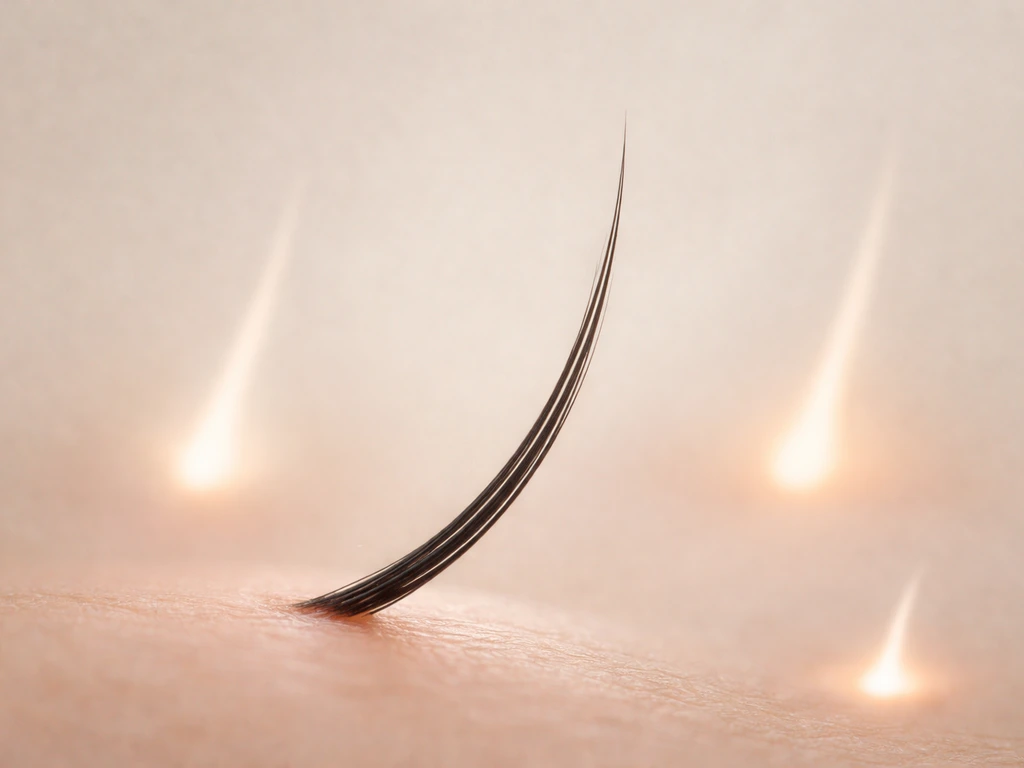
Before anything else, it helps to understand what you're working with. That’s exactly the kind of question the science of eyelash growth tries to answer: what makes eyelashes grow and what keeps them from reaching their full cycle understand what you're working with. Eyelashes cycle through three phases: anagen (active growth), catagen (transition and shutdown), and telogen (resting before shedding). Now that you know how the lash growth cycle works, you can pinpoint what causes eyelashes to grow slowly or break prematurely. A clinical study measuring 29 volunteers found that anagen lasts about 34 days, catagen runs roughly 15 days, and the full cycle from new growth to shed is around 90 days. That 90-day number is the hard floor. No product, oil, or supplement compresses that biology. What you can influence is how many follicles are actively growing at any given time, how long the anagen phase stays open, and whether lashes survive to their full length before breaking or falling out early.
Because a higher proportion of eyelash follicles sit in telogen compared to scalp hair, lashes are particularly vulnerable to looking sparse when anything disrupts the cycle. Patchy loss, thinning after extensions, or slow regrowth after illness all trace back to follicles getting stuck or pushed prematurely into telogen. Understanding this is why the science around stimulating lash growth focuses heavily on prolonging anagen and nudging telogen follicles back into an active phase.
True growth support vs. just looking longer
This distinction matters a lot when you're choosing products. True growth support means influencing follicle biology: extending anagen, reducing premature shedding, improving follicle health so lashes reach their full potential length and thickness. Looking longer, on the other hand, means conditioning effects, coating the lash shaft, darkening, or making lashes appear fuller without any change to the underlying growth cycle. Most OTC lash serums that don't contain a prostaglandin analog or clinically studied peptide fall into the second category. They're not useless, because reducing breakage from dryness is genuinely helpful, but it's not the same as accelerating growth. Mascara, lash primers, and clear setting gels are purely cosmetic. Be honest with yourself about what category a product sits in before expecting regrowth results from it.
Build an at-home routine that actually supports growth
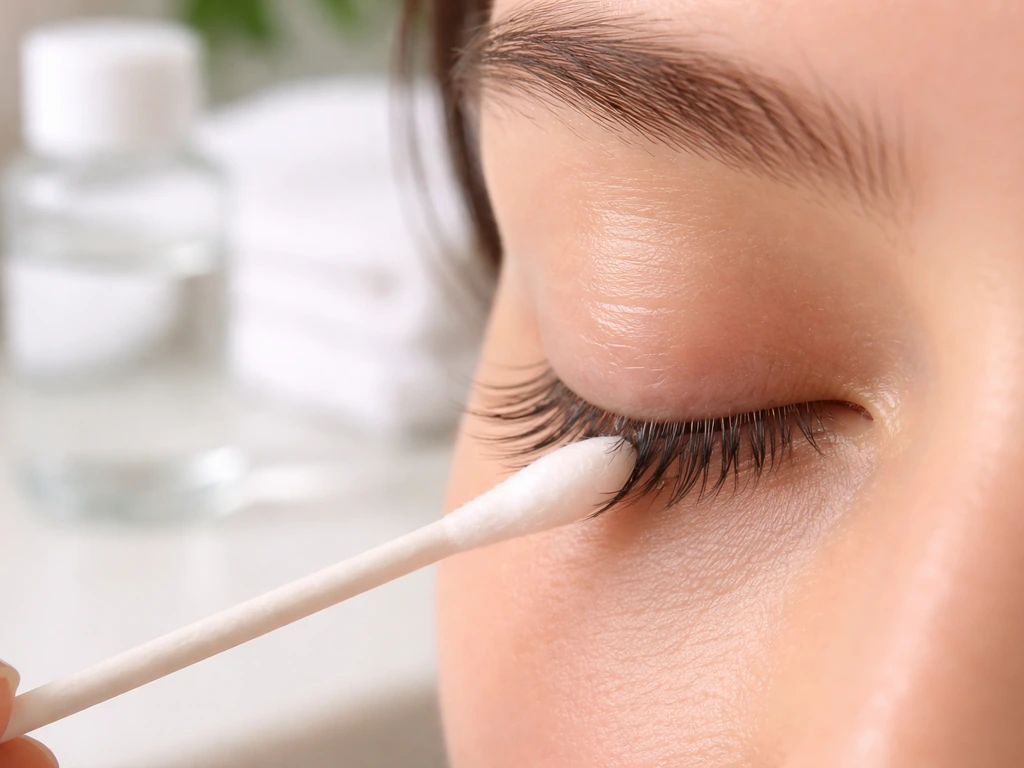
A consistent daily routine does more to speed up visible lash improvement than any single product. The goal is to keep follicles healthy, minimize physical damage, and give actives the best chance to work. Here's what that looks like in practice:
- Cleanse gently every night: use a non-irritating, oil-free micellar water or a specifically formulated lash cleanser to remove makeup. Rubbing with a cotton pad drags on lashes and causes mechanical breakage over time. Instead, hold a soaked pad against the lash line for 10 to 20 seconds, then swipe downward once.
- Remove mascara before bed every single night: dried mascara makes lashes brittle and stiff, and sleeping in it dramatically increases breakage.
- Apply your serum or conditioning oil to clean, dry lids along the upper lash line. This is where follicles sit, so that's where actives need to land.
- Avoid sleeping face-down or on the side of your better lashes: pillow friction is a real and underrated cause of chronic lash thinning.
- Take a break from eyelash curlers when regrowing: the clamp mechanism snaps weakened lashes, especially near the root.
- If you use mascara during regrowth, choose a lengthening formula over a volumizing one (less coating weight) and always use a gentle eye makeup remover designed for waterproof formulas rather than rubbing harder.
Sleep and systemic health genuinely matter here too. Chronic poor sleep, high stress, and nutritional deficiencies (especially iron, zinc, and B vitamins) can push more follicles into telogen. These aren't magic fixes, but correcting a known deficiency can get stalled follicles moving again.
Ingredients and products: what works and what's mostly hype
Prescription bimatoprost (Latisse)
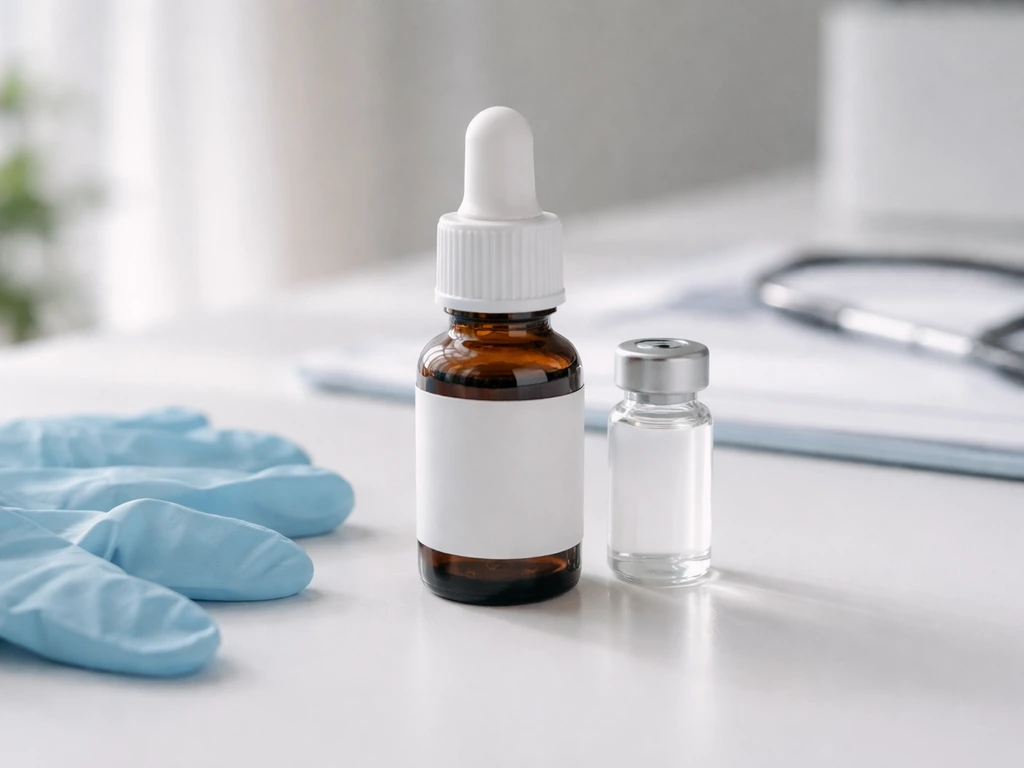
This is the only FDA-approved treatment for eyelash hypotrichosis, and it has the strongest evidence base. Bimatoprost 0.03% solution is a prostaglandin analog originally developed as a glaucoma drug. Clinically, it's shown to deliver longer, fuller, and darker lashes in 16 weeks, and it's believed to work by prolonging the anagen phase and shifting telogen follicles back into growth mode. The application protocol is once nightly along the upper eyelid margin at the lash root, using the supplied applicator. It's a prescription product in the US, which means you need a clinician visit, but that also means you're getting something with real regulatory backing. It is not without side effects (more on that in the safety section), so it's worth a real conversation with a dermatologist or ophthalmologist.
Castor oil
Castor oil is one of the most popular home remedies for lash growth, and the honest answer is that there is no clinical evidence it makes eyelashes grow. If you're wondering what is scientifically proven to grow eyelashes, prescription bimatoprost has the strongest clinical evidence among common options. Both Healthline and Medical News Today are clear on this: no controlled studies exist proving castor oil stimulates follicle growth. What it can do is condition the lash shaft, reduce brittleness, and potentially reduce breakage from dryness, which is a real, if indirect, benefit. If you use it, apply a tiny amount to the lash line with a clean spoolie, use only cosmetic-grade cold-pressed castor oil, and be careful not to get it in your eye. Thick oils in the eye can blur vision and introduce contamination risk if the bottle becomes bacteria-laden over time.
Biotin
Biotin (vitamin B7) shows up in nearly every lash supplement on the market. The nuance: biotin supplementation supports hair growth only if you have a deficiency, which is actually uncommon in people eating a reasonably varied diet. If your lash thinning is not related to biotin deficiency, adding more through a supplement is unlikely to make a measurable difference. That said, biotin is inexpensive, low-risk at standard doses, and worth trying if you suspect your diet has been restricted or if you're recovering from illness-related lash loss. It won't hurt, but don't expect dramatic results unless deficiency is actually at play.
Peptide-based serums
Peptide serums occupy the middle ground between castor oil and prescription bimatoprost. The ingredient with the most specific research attention for lashes is myristoyl pentapeptide-17, which has been referenced in a small human trial (15 volunteers) and appears in several OTC lash serums. A 2020 open-label study evaluating a polygrowth factor lash serum over three months also reported measurable improvements in lash quality and volume based on image assessment. A 2025 risk assessment from the Danish EPA concluded that the peptide substances in prostaglandin-free lash serums studied do not pose health risks. The caveats: most peptide serum trials are small, open-label (no control group), and often industry-funded. Evidence is promising but not at the same level as bimatoprost. Still, for people who want an OTC option with more biological rationale than pure conditioning, a peptide serum is the most defensible choice.
| Ingredient / Product | Evidence Level | Primary Mechanism | Realistic Timeline | Key Consideration |
|---|---|---|---|---|
| Bimatoprost (Latisse) | Strongest (FDA-approved) | Prolongs anagen, shifts telogen to anagen | 16 weeks for full results | Prescription only; real side effect profile |
| Peptide serums (e.g., myristoyl pentapeptide-17) | Moderate (small trials) | Stimulates follicle signaling pathways | 8 to 16 weeks | Prostaglandin-free; check ingredient list carefully |
| Castor oil | No clinical evidence for growth | Conditioning and breakage reduction only | Ongoing; no endpoint | Low risk; do not use if prone to eye irritation |
| Biotin (oral) | Works only with deficiency | Supports keratin synthesis | Variable | Useful post-illness or restrictive diet; otherwise limited |
Common blockers that slow or stop lash growth
Plenty of people do everything right with serums and routines but still see slow progress because an underlying blocker is undoing the work. These are the most common culprits and what to do about each one.
- Mechanical traction damage: repeated pulling from extensions, lash lifts, and aggressive makeup removal physically damages the follicle and can cause premature shedding. The fix is a complete break from extensions during active regrowth and adopting the gentle removal habits described above.
- Chronic dryness and brittleness: lashes that snap mid-shaft never reach full length. Conditioning with a light oil or a serum with humectants reduces this. Also look at your environment: dry indoor air in winter is a real factor.
- Blepharitis and eyelid inflammation: this is probably the most underdiagnosed blocker. Blepharitis (inflammation of the eyelid margin) can be caused by bacterial colonization, meibomian gland dysfunction, seborrheic dermatitis, rosacea, or Demodex mite infestation. Chronic blepharitis can lead to eyelash loss (madarosis) and misdirected lash growth. If your lash line frequently feels itchy, crusty, or swollen, treat the blepharitis first: warm compresses twice daily, gentle lid scrubs, and if needed a dermatologist or ophthalmologist visit.
- Allergic reactions and contact irritation: extension adhesives can release formaldehyde, and many lash serums contain preservatives or fragrances that sensitize the eyelid over time. A reaction that causes repeated rubbing or inflammation will block growth faster than any serum can compensate.
- Systemic causes of lash thinning: thyroid disorders, iron deficiency anemia, alopecia areata, trichotillomania, and certain medications (chemotherapy, some anticoagulants, retinoids) can all cause lash loss. If thinning is diffuse, patchy, or accompanied by brow thinning or scalp hair loss, the cause is almost certainly systemic and a topical routine alone won't solve it.
Realistic recovery timelines
Given that one full lash cycle is about 90 days, expectations need to be calibrated accordingly. Here is a rough, honest timeline for common scenarios:
| Scenario | When shedding typically stops | When visible regrowth appears | When full length returns |
|---|---|---|---|
| After extensions removed (healthy lashes) | Immediately | 2 to 4 weeks | 6 to 12 weeks |
| After traction damage / overuse of extensions | 1 to 4 weeks after stopping | 4 to 8 weeks | 3 to 6 months |
| Post-illness or nutritional deficiency | When underlying cause is corrected | 6 to 12 weeks after correction | 3 to 6 months |
| Using bimatoprost (Latisse) | Shedding may reduce within weeks | Notable improvement at 8 weeks | Full results at 16 weeks |
| Peptide OTC serum + good routine | Ongoing; no dramatic shedding stop | 8 to 12 weeks | 12 to 20 weeks |
The signal that should prompt a clinician visit rather than continued patience: patchy loss (losing lashes in specific clusters rather than overall thinning), lash loss accompanied by redness or pain at the lid margin, lash thinning alongside brow or scalp hair loss, or no regrowth visible after 3 to 4 months of a consistent routine. These patterns suggest the blocker is medical, not cosmetic.
Extension and aftercare strategies for regrowth
Extensions are one of the most common triggers for lash thinning, and managing the transition out of them (or the period between sets) makes a significant difference to how quickly natural lashes recover. The core issue is that extension adhesives, the weight of the extensions, and the removal process all place stress on the follicle. One published study has reported that eyelash extension glues may release formaldehyde even when it is not declared as an ingredient, which supports plausibility of irritation or inflammation from certain adhesives Studies. If you are actively regrowing lashes after extensions, here is what helps:
- Have extensions professionally removed rather than picking or pulling them off yourself: improper removal tears out natural lashes in the process.
- Take a minimum 4 to 8 week break between full sets if you notice natural lashes thinning or shortening over time.
- During the break, use a peptide serum or a conditioning treatment nightly on the lash line.
- When you return to extensions, request a lighter style: shorter extensions, fewer lashes per natural lash, and a cluster or hybrid style rather than a full volume set puts significantly less mechanical load on follicles.
- Ask your technician about formaldehyde-free adhesives, since some extension glues have been shown to release formaldehyde even when it is not listed as an ingredient, contributing to chronic lid irritation.
- Do not use oil-based products near the lash line while wearing extensions, as oils break down the adhesive bond and cause premature fallout, which often pulls the natural lash with it.
Safety: avoiding irritation, infection, and knowing when to stop
The lash line is one of the most sensitive areas of the face, sitting directly adjacent to the ocular surface. Anything applied there carries a higher risk than most skincare products, and mistakes here can affect your vision and eye health, not just your lashes.
For prescription bimatoprost specifically, the documented adverse effects include eye itching, conjunctival redness, ocular irritation, dry eye symptoms, redness around the eye, and eyelid swelling. Postmarketing reports also include skin hyperpigmentation around the eye and in rare cases madarosis (lash loss itself) and trichorrhexis (lash breakage). These are real possibilities, not just fine-print warnings. Apply only to the upper lash line as directed, never to the lower lid margin, and stop immediately if you develop persistent redness, swelling, or vision changes, and call your prescribing clinician.
For OTC serums, the main risks are allergic contact dermatitis (which can cause eyelid swelling, itching, and redness) and microbial contamination from shared or old applicators. Patch test any new serum on the inner forearm for 24 hours before applying near the eye. Replace applicators regularly and never share them. Discontinue use if you develop any swelling, persistent itching, or crust at the lid margin, and see a clinician if symptoms don't resolve within a few days of stopping the product.
For oils like castor oil, the primary safety concerns are getting thick oil in the eye (which blurs vision and can trap debris) and using contaminated product. Use a clean spoolie for every application, replace the bottle every three months, and stop if you notice increased eye irritation or blurred vision that doesn't clear quickly.
The clearest signs to see a clinician rather than continuing to self-treat: lash loss that is patchy or asymmetrical, painful or swollen eyelids, lash line that appears crusty or scaly on a regular basis, any vision changes after starting a new product, or lash loss that has been progressing for more than three months without any improvement despite removing known irritants and damage sources. At that point, a dermatologist or ophthalmologist can evaluate for blepharitis, alopecia areata, thyroid-related hair loss, or other conditions that need targeted treatment rather than a lash serum. StatPearls notes that eyelid conditions like blepharitis and contact dermatitis or allergic reactions can overlap clinically, and that chronic blepharitis can lead to structural lash changes such as misdirected eyelashes (trichiasis) and eyelash loss (madarosis) chronic blepharitis can lead to lash structural changes such as trichiasis and madarosis.
The short version of your next steps: stop the damage first (extensions, rubbing, sleeping in mascara), start a gentle nightly cleanse and conditioning routine today, choose an OTC peptide serum if you want to try something without a prescription, and book a clinician appointment if your loss is patchy, painful, or hasn't improved in three months. The biology is working for you as long as you stop working against it.
FAQ
Can I speed up eyelash growth faster than the 90-day growth cycle by stacking multiple serums and oils?
You can stack to reduce breakage and irritation, but you cannot shorten the follicle growth biology below the cycle length. In practice, stacking increases the risk of contact dermatitis or contamination near the lash line. If you want to try both, introduce only one new product every 1 to 2 weeks and stop anything that causes persistent itching, redness, or eyelid swelling.
How long should I wait before deciding an eyelash serum is not working?
For anything targeting follicle biology, give it at least 8 to 12 weeks of consistent nightly use. If you see no meaningful improvement after 3 to 4 months, switch strategies or involve a clinician, especially if the loss is patchy, accompanied by pain or lid-margin redness, or occurs after illness or illness-like stress.
Is it better to apply lash products to the top lashes or the bottom lashes?
Stick to the upper lash line only. The lower lid margin is closer to the ocular surface and carries higher risk for irritation and side effects. For prescription bimatoprost, the instructions are specifically for the upper lid lash root, and applying to the wrong area increases the chance of unwanted effects.
Can I use lash growth products if I wear contact lenses?
It depends on the product and your eye comfort. If you use serums near the lash root, consider applying at bedtime with contacts removed and waiting until the product dries before reintroducing them. If you develop dry eye symptoms, gritty discomfort, or redness, pause and get clinician guidance, because irritation can affect both lash health and lens tolerance.
Do lash extensions reset progress, or can my lashes regrow quickly during the “between sets” period?
They often slow recovery by adding traction and by stressing the follicles during adhesion and removal. During the gap, prioritize gentler removal of residue, avoid rubbing, and use only low-irritation conditioning. Recovery still generally follows the growth cycle timeline, so visible length gains may take weeks, but breakage reduction can show up sooner.
What’s the safest way to apply a serum at home to avoid getting it in my eye?
Use a clean applicator, apply a thin line at the lash root on the upper lid, and avoid sweeping the product onto the mobile eyelid skin or into the eye. If you frequently get product into your eye, switch to a lower-friction routine (fewer layers, slower application) and consider asking a clinician or esthetician for technique review.
If my eyelids itch or get red after starting a serum, should I push through the irritation?
No. Stop the product immediately if redness, swelling, crusting, or persistent itching occurs. These can signal allergic contact dermatitis or irritation at the lid margin. Rechallenge later can worsen the reaction. If symptoms do not resolve within a few days after stopping, see a clinician.
Do supplements like biotin help even if I’m not deficient?
Usually not in a measurable way. Biotin mainly helps if you have a deficiency, which is uncommon with a varied diet. If you suspect restricted intake or recent illness-related weight loss, a short trial may be reasonable, but do not expect dramatic lash regrowth if your thinning is driven by damage, shedding, or a medical cause.
Can castor oil make lashes grow, or is it only conditioning?
The evidence supports conditioning rather than true growth. Castor oil may reduce brittleness and breakage by improving the lash shaft feel, which can make lashes appear fuller. It is not a substitute for products that are meant to influence the follicle cycle, and it should be used sparingly to reduce contamination and the risk of getting oil in the eye.
How do I prevent microbial contamination when using OTC lash serums?
Do not share applicators, replace applicators regularly, and avoid topping off old product bottles. Keep the bottle capped, store it as directed, and discard it if you notice changes in smell, texture, or visible debris. If you develop lid-margin crusting or recurrent irritation, stop and reassess hygiene and product age.
When should I suspect a medical condition instead of a cosmetic issue?
Be more proactive if the loss is patchy or asymmetrical, if you have lid pain, redness, scaling, frequent crusting, or if thinning is occurring in the brows or scalp along with lashes. Also consider a clinician if there is no improvement after removing known irritants and waiting 3 to 4 months, since causes like blepharitis or alopecia-related conditions may require targeted treatment.
Is it normal to shed lashes when starting a growth product?
Some mild shedding can happen early if your lashes are transitioning through the cycle or if irritation disrupts the lid margin. However, rapid shedding with redness, swelling, or itching is a red flag for irritation or allergy. If shedding is accompanied by symptoms, stop the product and switch approach only after your skin and eyes calm down.
What should I do if I want to try prescription bimatoprost but I’m worried about side effects?
Plan for a risk discussion with an ophthalmologist or dermatologist, especially if you have dry eye, prior eye inflammation, or sensitivity to topical medications. Use exactly the prescribed amount and apply only to the upper lash root. If you notice persistent redness, swelling, itching that does not improve, or any vision change, stop and contact the prescribing clinician right away.
What Makes Eyelashes Grow: Science, Timelines, and Safe Fixes
Science-backed timeline and safe plan for how eyelashes grow, repair fallout, and boost thickness or length.