If your eyelashes seem to grow back unusually fast, it almost always means one of two things: either your lashes are shedding and regrowing at a normal rate and you're just noticing it more than usual, or something (rubbing, extensions, products, or a hormone shift) recently disrupted your lash cycle and triggered a visible regrowth wave. If your real question is why eyelashes don't grow back as expected, the answer usually comes down to what caused the loss and whether the follicle can recover lash cycle. True pathologically accelerated lash growth is rare. What most people are actually experiencing is the normal anagen phase kicking in after a period of loss or damage, which can feel sudden when you weren't paying attention before.
Why Do My Eyelashes Grow So Fast? Causes and Fixes

Rachel Nguyen
19 Jun 2026
What 'fast eyelash growth' actually means
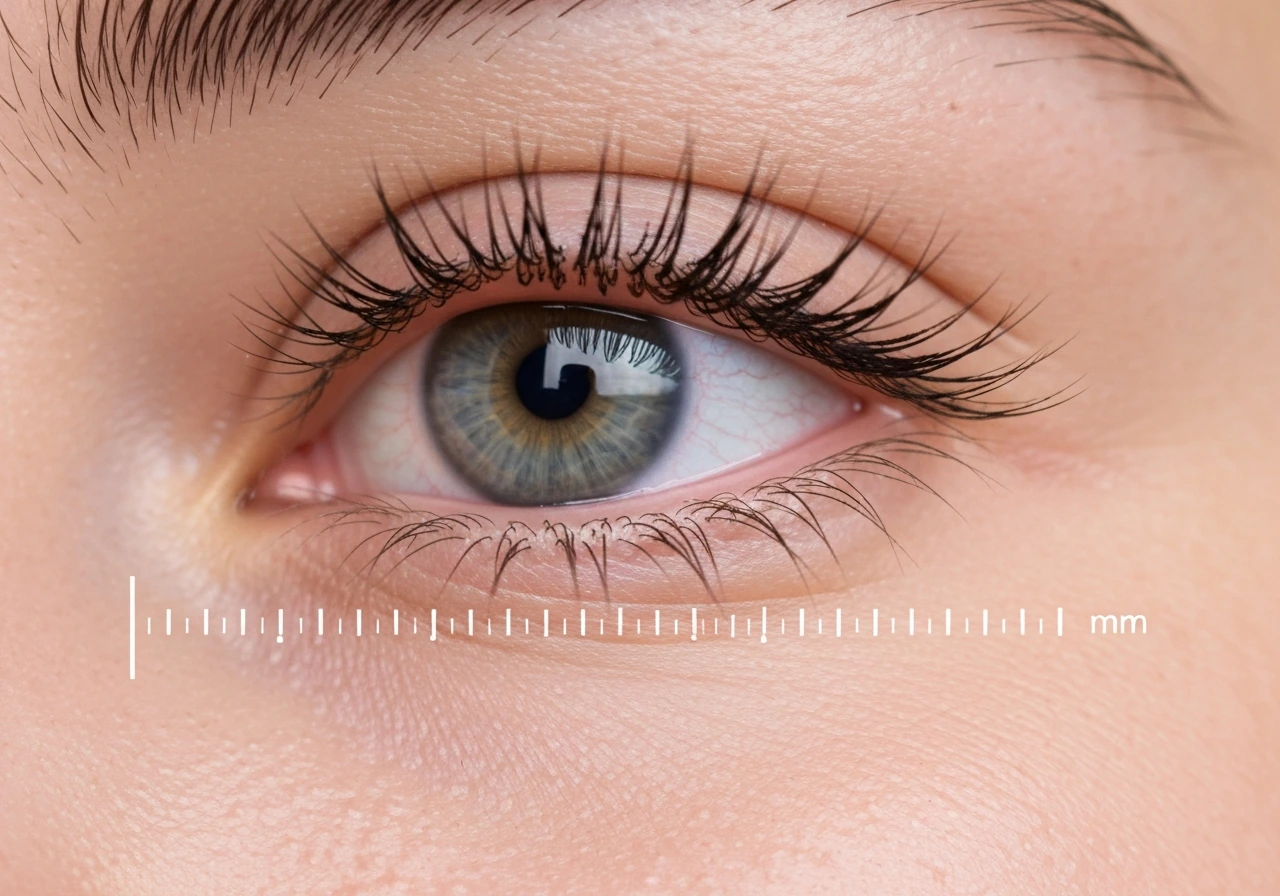
Eyelashes grow at an average rate of about 0.12 mm per day, plus or minus 0.05 mm. That's roughly 3 to 4 mm per month, which is slower than scalp hair. The active growth phase (anagen) lasts only about 4 to 10 weeks for lashes, compared to years for head hair. After anagen, lashes enter a long resting phase (telogen) lasting 4 to 9 months before they fall out and the cycle restarts. Because the anagen window is so short, lashes are biologically capped in length, which is exactly why they don't keep growing down past your cheek like scalp hair does.
So when people say their lashes 'grow so fast,' they're usually describing one of three scenarios: noticing short new lashes poking through after a shedding or damage event, feeling like lashes need trimming or curling more often than expected, or observing rapid regrowth after cutting, rubbing, or extension removal. All three are variations on normal biology, not a sign that your follicles are in overdrive. What makes eyelashes grow quickly comes down to lash cycling speed and the conditions that let more follicles stay in the active growth phase normal biology.
Why your lashes might feel like they're growing faster than normal
Genetics and individual variation
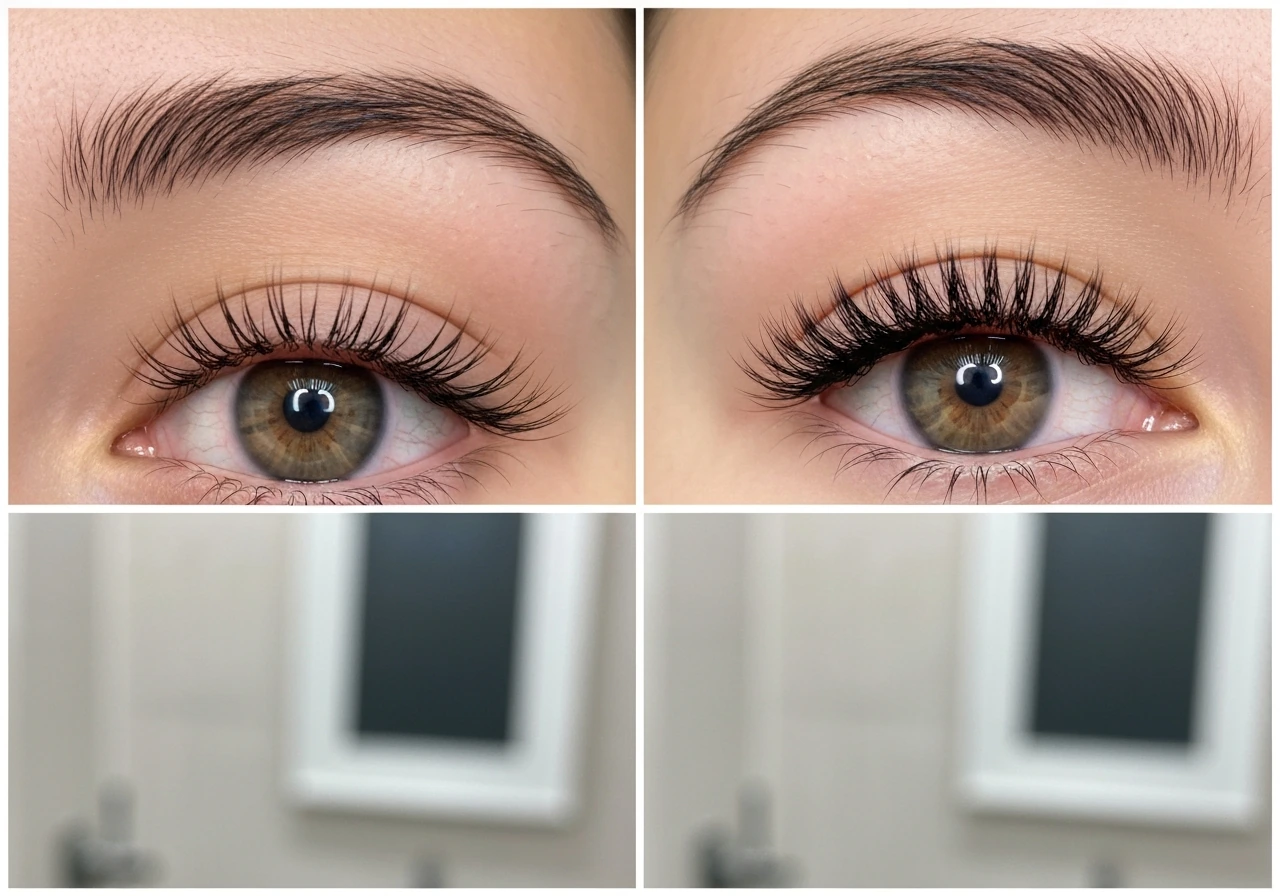
The 4 to 10 week anagen range is wide because genetics drives a lot of the variation. Some people naturally cycle through anagen faster, meaning their lashes reach full length more quickly but may also shed more regularly. If fast-growing, thick lashes run in your family, that's almost certainly the answer here. It's not a problem, and it doesn't need to be fixed.
Hormones and life stages
Hormones have a measurable effect on lash cycling. During pregnancy, elevated estrogen tends to extend the anagen phase across all body hair, which can make lashes feel thicker and longer. Postpartum, when estrogen drops sharply, lashes shed in a synchronized wave, and then the regrowth phase that follows can feel dramatic. Puberty, perimenopause, and thyroid changes all shift hair cycle dynamics in similar ways. Thyroid disorders in particular are worth knowing about: both hypo- and hyperthyroidism are associated with eyelash loss (called ciliary madarosis), and there are documented cases where eyelash loss was one of the early visible signs of hyperthyroidism. The flip side is that once thyroid levels are corrected, regrowth can begin relatively quickly, which may feel like 'sudden fast growth' if you've been losing lashes for a while.
Grooming habits and mechanical irritation
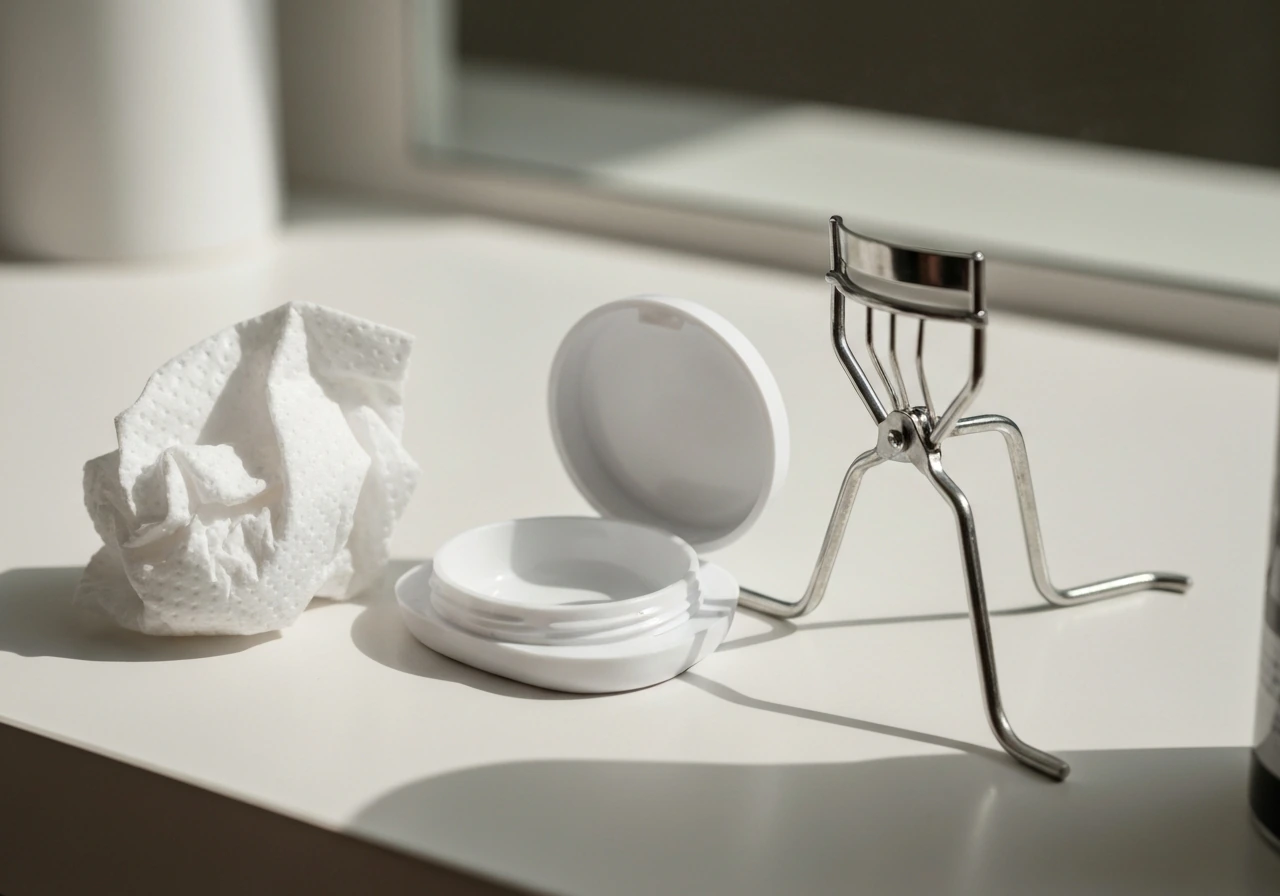
Rubbing your eyes, using a lash curler daily, removing extensions without proper care, and aggressive eye makeup removal can all break or prematurely pull out lashes. When that mechanical disruption stops, the follicles that were being constantly stressed suddenly push through new growth, which reads as fast regrowth. The same principle applies if you've switched from waterproof mascara (which requires harder removal) to a gentler formula. You stopped disrupting the lash base, and now the normal cycle is visible.
Products: serums, oils, and what's actually doing something
If you've recently started using a lash serum, especially one containing a prostaglandin or prostamide analog like bimatoprost, faster and more prominent growth is a real, documented effect. Prescription bimatoprost is the best-studied option for eyelash growth enhancement, with strong clinical evidence. Clinical trials show bimatoprost 0.03% applied once daily for 4 months meaningfully increases lash length, thickness, and darkness, with measurable changes starting around month 2. One randomized trial reported an average gain of 0.77 mm in lash length after 6 months versus a 0.12 mm loss in the control group. That's a real biological effect on the hair cycle, not just appearance. blank" rel="noopener noreferrer">Castor oil, on the other hand, has zero clinical trial evidence for eyelash growth. It may condition lashes cosmetically and reduce brittleness, but there's no good data showing it actually extends the anagen phase or speeds up follicle cycling. If you started castor oil and your lashes 'grew fast,' it's more likely coincidental timing with a natural growth cycle.
Is fast growth a sign of damage, shedding, or regrowth? Here's how to tell
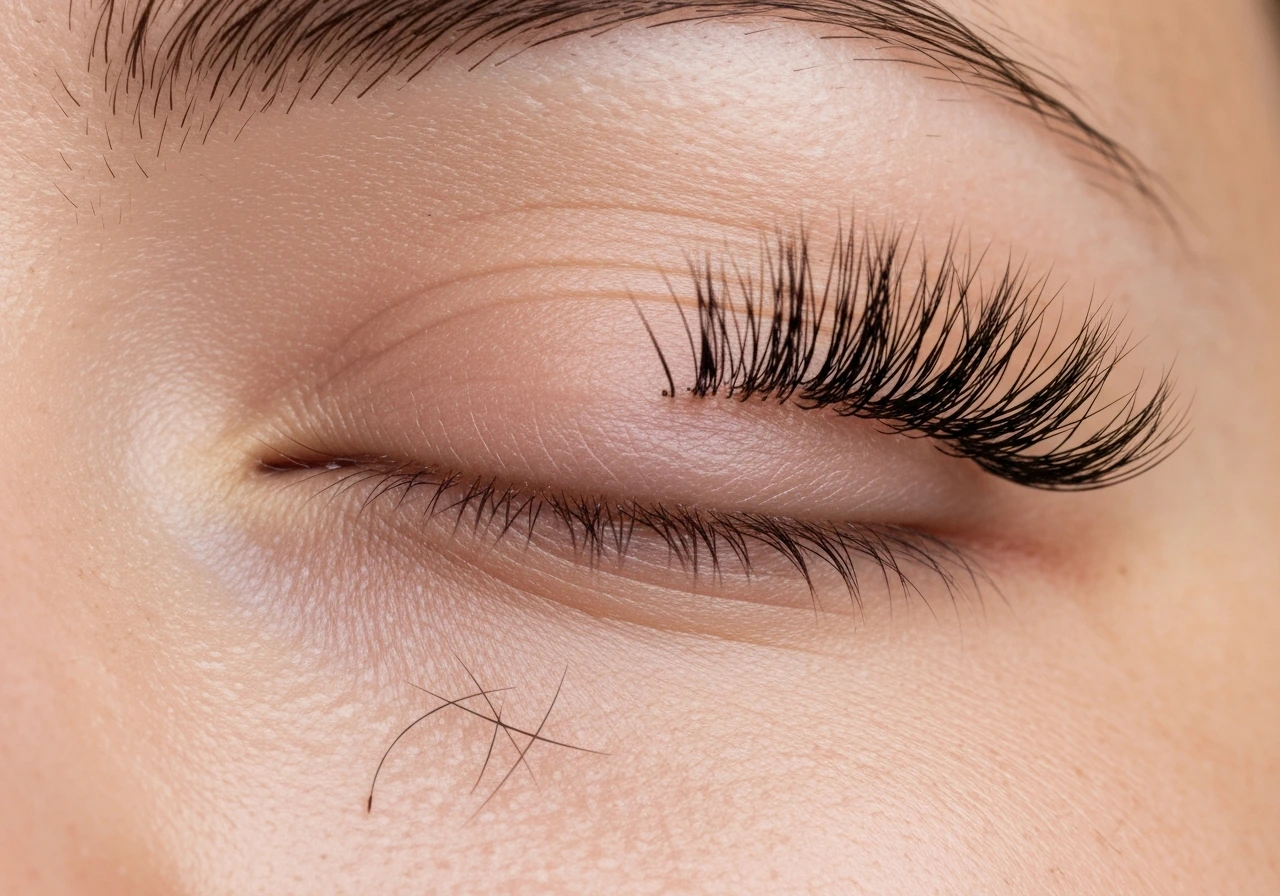
This is the most important distinction to make. Fast-appearing growth after a period of looking sparse almost always means you experienced a loss event first, and what you're seeing now is the recovery. A lash that's been cut or singed (but with an intact follicle) typically takes about 6 weeks to grow back. If you lost lashes from extensions, rubbing, or blepharitis, you're looking at a similar window once the cause is removed. The follicle itself needs to be undamaged for regrowth to happen on schedule.
To tell shedding apart from breakage, look at what's coming out. A lash that sheds naturally in the telogen phase will have a small white bulb at the root end, which is the follicle's club hair. A broken lash won't have a bulb and will be shorter on both ends. If you're consistently seeing short lashes without bulbs, that's breakage from mechanical friction or dryness, not healthy shedding. Occasional lashes on your pillow or cheek are completely normal and are just telogen phase hairs completing their cycle.
The growth cycle biology that explains all of this
Scalp hair spends 2 to 7 years in anagen, which is why it can grow very long. Eyelash anagen is just 4 to 10 weeks, which means the same follicle goes through many more cycles per year. More cycles means more opportunities to notice growth spurts, and more sensitivity to anything that disrupts the cycle (hormones, inflammation, product ingredients, or physical trauma). The telogen phase, lasting 4 to 9 months, is when the old lash is retained in the follicle while a new one forms underneath. When telogen ends, the old lash falls out and the new one appears, which is what people often perceive as 'sudden' growth. The science of what makes eyelashes grow comes down to the lash growth cycle, hormones, and whether the follicle stays healthy what makes eyelashes grow science.
Understanding this also explains why lash serums work the way they do. Prostaglandin-pathway actives like bimatoprost are thought to extend the anagen phase and shift more follicles into active growth simultaneously, so you get longer and denser lashes. The mechanism isn't fully elucidated at the molecular level, but the clinical results across multiple controlled trials are consistent. Non-prostaglandin 'conditioning' serums do not share this mechanism and should not be compared to prescription or prostaglandin-containing OTC options.
If fast growth is bothering you, here's what you can safely adjust

If your lashes genuinely feel too long or are causing irritation (poking at contact lenses, brushing your glasses), a few low-risk adjustments can help normalize things without damaging the follicle. The most important rule: never pull lashes out to slow regrowth. That risks follicle trauma, infection, and potentially permanent loss.
- Trim carefully with small nail scissors or lash scissors if lashes are physically uncomfortable, keeping the cut high enough that you're not shortening them close to the lid margin.
- Stop any lash serums that contain prostaglandin analogs. Growth effects from bimatoprost-type ingredients generally begin reversing within a few weeks after stopping.
- Avoid lash growth supplements like biotin unless you have a confirmed deficiency. Biotin affects overall keratin production but has no evidence for specifically accelerating eyelash growth beyond correcting deficiency.
- Check whether any eye drops you're using (including glaucoma medications) contain prostaglandin analogs, as these are a well-documented cause of increased lash growth as a side effect.
- Simplify your eye area routine: fewer products near the lid margin means fewer ingredients influencing the follicle environment.
How to actually maximize healthy lash growth (when that's the goal)
For most readers on this site, the goal is the opposite: more growth, better density, and faster recovery. Here's what the evidence actually supports, ranked by strength of evidence.
| Option | Evidence Level | Realistic Effect | Key Consideration |
|---|---|---|---|
| Bimatoprost 0.03% (Rx or OTC prostaglandin serums) | Strongest: multiple RCTs | +0.77 mm length avg at 6 months; increased thickness from ~month 2 | Possible periorbital pigmentation, iris color change with eye drop form; apply to lash line only |
| Prostaglandin-analog OTC serums | Moderate: mechanism-based, fewer trials | Shorter/less dramatic than Rx bimatoprost but real anagen extension | Ingredient concentrations vary widely; read labels for isopropyl cloprostenate or similar |
| Eyelid hygiene (warm compress + gentle cleanse) | Good evidence for blepharitis-related loss | Restores normal follicle environment for compromised lashes | Essential maintenance if you have flaking, crusting, or redness at lash roots |
| Castor oil | No clinical trial evidence | Conditions/coats lash surface; no proven anagen effect | Low risk, but manage expectations: cosmetic only |
| Biotin supplementation | Evidence only for deficiency correction | Minimal to none if you're not deficient | Most adults get enough from diet; excess is excreted but expensive |
On routine: the single highest-impact daily habit is gentle eye makeup removal. Use a micellar water or oil-based remover specifically designed for the eye area, hold a soaked cotton pad against closed lashes for 20 to 30 seconds before wiping, and always wipe downward (not sideways or with friction). This reduces the mechanical stress that breaks lashes during anagen and interrupts cycles. Sleeping on a silk or satin pillowcase reduces overnight friction if you're a side sleeper.
For recovery after extensions, avoid new extensions until your natural lashes have visibly filled back in, because repeated traction on weakened follicles is a documented cause of traction alopecia. blank" rel="noopener noreferrer">Eyelash extensions have been associated with allergic blepharitis, conjunctival erosion, and keratoconjunctivitis, and the adhesive chemicals are a common trigger for periorbital contact dermatitis, so allergic reactions from prior sets may have been quietly compromising your follicle environment.
When you should actually see a doctor
Most fast-growth experiences are benign and don't need a clinical visit. But a few patterns should get you to an eye doctor or dermatologist, not because they're emergencies, but because they won't resolve on their own and can progress.
- Lashes growing inward toward the eye (trichiasis): this can cause corneal irritation and is associated with chronic blepharitis and eyelid scarring. It needs professional correction, not home management.
- Patchy, bilateral lash loss rather than uniform thinning: bilateral patchy loss affecting both upper and lower lids is a recognized pattern of alopecia areata involving the eyelashes and needs dermatologic assessment.
- Persistent itching, redness, or swelling at the lid margin after using new products: this is contact dermatitis or allergic blepharitis until proven otherwise. Patch testing can identify the trigger.
- Rapid or significant lash loss that coincides with fatigue, temperature intolerance, or other systemic symptoms: thyroid disorders (both hypo and hyperthyroid) can present with eyelash loss before other signs become obvious. A simple TSH blood test is the next step.
- Any eye pain, vision change, or worsening redness alongside lash changes: this warrants same-week evaluation, not monitoring.
Clinically, if lash loss or abnormal regrowth has a confirmed medical cause (thyroid, autoimmune, blepharitis), treating the underlying condition is the priority. In documented cases of severe hypothyroidism, ciliary madarosis improved markedly within weeks of starting levothyroxine. For alopecia areata involving lashes, dermatologic options exist and are evaluated through the same frameworks as AA affecting other body sites. For cosmetically bothersome hypotrichosis without a medical cause, prescription bimatoprost remains the only FDA-approved option for eyelash growth enhancement, and its clinical evidence base is substantially stronger than any over-the-counter alternative.
The bottom line: fast-feeling eyelash growth is almost always your biology doing exactly what it's supposed to do, especially after a disruption. Understanding the growth cycle, identifying whether you're seeing true growth or just noticing post-shedding regrowth, and being honest about what products can and can't do will save you time and money, and keep your lash follicles healthier long-term.
FAQ
If it feels like my lashes are growing faster than normal, how can I tell whether it’s real growth or regrowth after shedding?
It usually indicates regrowth after a temporary disruption, not accelerated growth beyond biology. The most useful clue is timing: if you recently stopped extensions, changed removal habits, or recovered from irritation, you may be seeing new short lashes “poke through” during the anagen restart window.
Do non-prostaglandin lash serums ever make lashes grow faster?
Be cautious with “lengthening” claims from non-prostaglandin serums. If a product does not act via the prostaglandin pathway, you should not expect it to extend the growth phase in the same way, so perceived fast growth is more likely from improved breakage control and better retention.
What’s the simplest way to differentiate lash shedding from lash breakage at home?
Compare new lashes to what’s falling out. Natural shedding (telogen) typically includes a tiny white bulb at the root end, while breakage often produces shorter lashes with no bulb and missing segments from mid-lash friction or dryness.
Could contact lens use make my lashes look like they’re growing faster, and what should I watch for?
If you’re using contact lenses, check whether you are rubbing your eyes or removing makeup with excessive friction. Lashes that “feel faster” can actually be a response to stopping an irritant, so track whether redness, itching, or gritty sensations improved when you changed products or technique.
If I don’t like how fast my lashes are filling in, can I trim or pull them to control it?
Don’t pull, trim aggressively, or pluck to “slow” regrowth. Trimming can change appearance, but it doesn’t address follicle stress, and pulling increases trauma risk, which can lead to prolonged shedding or reduced density.
Can genetics make eyelashes regrow faster without any underlying problem?
Yes, cycling can be genetic and periodic. If your family members also seem to “cycle” through thicker lashes at certain times, and you do not have irritation or medical symptoms, a faster anagen or more noticeable regrowth wave is often benign.
When should I suspect a thyroid or hormone-related cause instead of normal lash cycling?
Thyroid-related lash changes are not always obvious. If you have symptoms such as heat intolerance or weight change (hyperthyroid) or fatigue, cold intolerance, or constipation (hypothyroid), or if lash loss is paired with eyebrow thinning, it’s worth asking your clinician about thyroid testing rather than assuming it’s cosmetic.
How long does it typically take to notice results after starting a prostaglandin-type lash serum, and when is it a bad sign?
If you started a prostaglandin/prostamide analog (for example, bimatoprost), visible changes often show up after a few weeks and can continue for months. If you started a serum and you also feel burning, lid swelling, or redness, stop and switch to an evaluation because irritation can mimic “regrowth” by changing how lashes appear.
What timeline should I expect for lashes to recover after extensions, rubbing, or a lash cut?
If the lash follicles were intact, regrowth after a cut or similar minor disruption often takes around 6 weeks to look more normal, and after extensions or irritation it can be similar once the trigger stops. If you see no improvement after about 2 to 3 months, reassess causes such as chronic blepharitis, ongoing rubbing, or an underlying medical issue.
What are the most common mistakes that make lashes shed or regrow in a way that looks “too fast” or chaotic?
You may need to adjust technique rather than add more products. Switch to gentle, eye-specific makeup removal, avoid waterproof formulas if removal causes rubbing, and stop any new lash adhesives or actives that coincide with worsening shedding or irritation.
Next Article
What Makes Eyelashes Grow Quickly: Fast Recovery Steps
Learn what makes eyelashes grow quickly with lash cycle facts, safe recovery steps, and serum or castor oil timelines.