Eyelashes grow because hair follicles cycle through phases of active growth, regression, and rest, driven by signals from the dermal papilla, hormones like prostaglandins, and your overall nutritional status. Understanding what causes eyelashes to grow also comes down to the lash follicle cycle and the signals that keep it in anagen. The anagen (growth) phase for lashes lasts only about 30 days, which is why lashes stay short compared to scalp hair. If you feel like your lashes are growing unusually fast, it helps to understand what drives the anagen growth phase and how long it lasts. To make them grow better, you need to either extend that active phase, protect what's already there from breaking off, or fix an underlying condition that's cutting the cycle short. There's one prescription option (bimatoprost/LATISSE) with solid clinical data, and a handful of supportive habits that genuinely help. Everything else ranges from plausible to largely anecdotal.
What Makes Eyelashes Grow: Science, Timelines, and Safe Fixes
How your eyelash follicles actually work
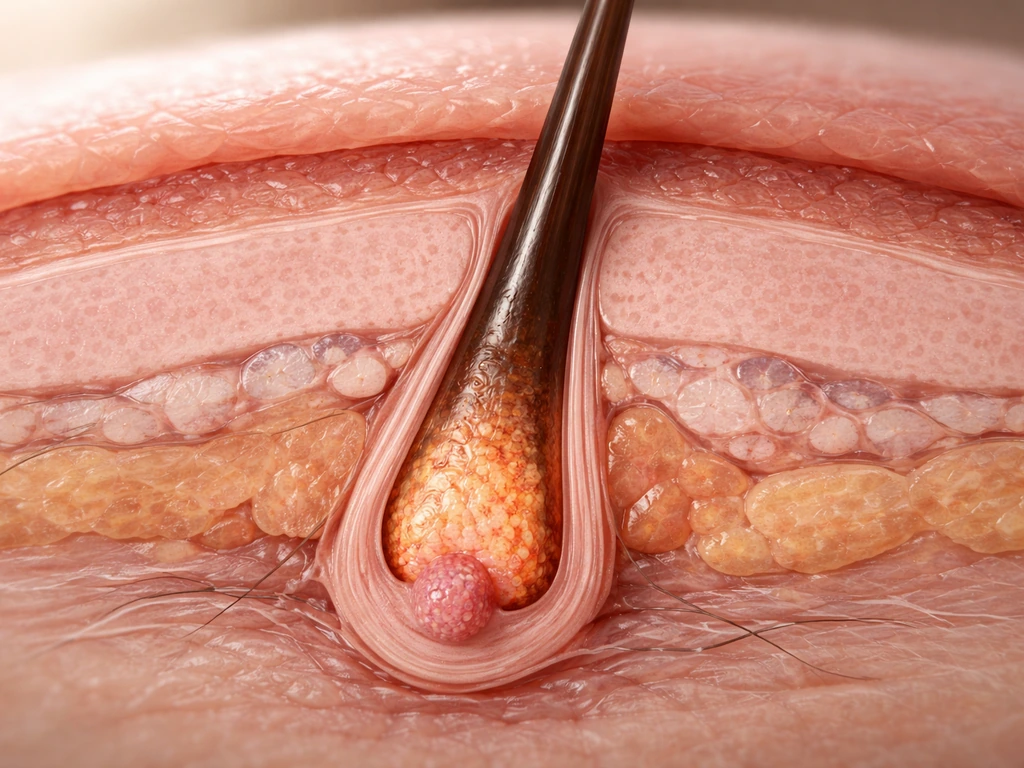
Every individual eyelash grows from a follicle, a small structure in the eyelid that contains a dermal papilla (the signaling hub), a hair matrix (where cells divide and push the lash upward), and a lash bulb. The follicle cycles through three phases: anagen (active growth), catagen (brief regression where growth stops and the follicle shrinks), and telogen (a resting phase before the lash sheds and the cycle restarts).
What makes eyelashes biologically different from scalp hair is the timing. The anagen phase for lashes is around 30 days, compared to 2 to 6 years for scalp hair. Telogen lasts roughly 4 to 5 months. That short growth window is exactly why eyelashes top out at about 12 mm in length and why regrowth after loss feels so slow. After a lash sheds during telogen, the follicle has to restart the entire cycle, and you may not see a visible new lash for several weeks. Crucially, some shedding is completely normal because each follicle runs its own independent clock, not a synchronized one.
What actually controls lash length, thickness, and density
Four major factors determine how your lashes look: genetics, hormones and signaling molecules, inflammation, and nutrition. Genetics set your baseline: the natural length, curl, and density you'd have under ideal conditions. But the other three can significantly shift that baseline up or down.
Prostaglandins, specifically prostaglandin F2α (PGF2α), are among the most well-documented biological drivers of eyelash growth. They signal follicles to stay in anagen longer, which is exactly how bimatoprost (a synthetic prostaglandin analog) produces measurable increases in lash length and thickness. This pathway is real, it's clinical, and it's the clearest example of a specific molecular mechanism driving visible lash change.
Inflammation is the hidden saboteur. Conditions like blepharitis, eczema, and other eyelid margin diseases directly damage follicles and are a leading cause of madarosis (significant eyelash loss). If your follicles are sitting in a chronically inflamed environment, no serum or oil will move the needle until the inflammation is treated. Nutrition matters too, but mainly when you're actually deficient in something. Severe caloric restriction, iron deficiency, or genuine biotin deficiency can all impair the hair growth cycle.
How long does it actually take for lashes to grow back
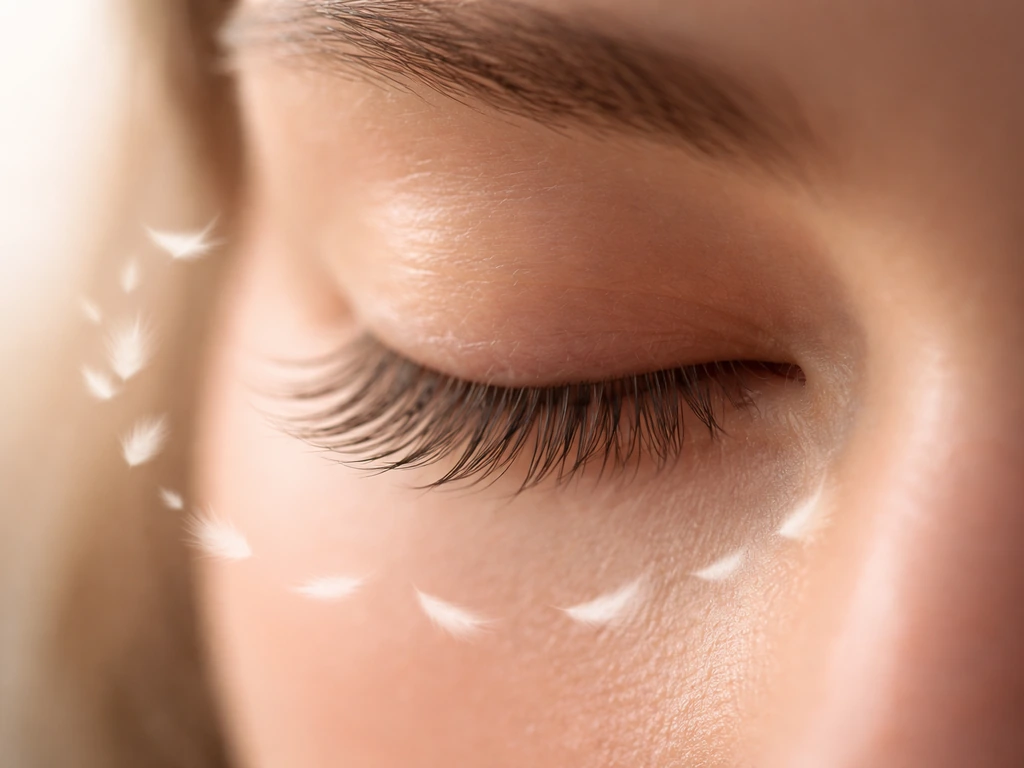
With the total eyelash cycle running about 5 to 6 months, you need to reset your expectations before you start any regimen. A lash lost during normal shedding can take 4 to 8 weeks to become visible again as a new lash pushes through. A follicle that's been stressed by traction, chemical adhesive, or inflammation may take longer because it needs time to recover before it can re-enter anagen.
After eyelash extensions, many people experience traction alopecia, where repeated mechanical stress thins lashes or delays regrowth. This is not the same as permanent follicle death, but recovery can realistically take 3 to 6 months of gentle care before you see your lash line back to normal. If you had chemotherapy-related lash loss, regrowth typically begins within a few months of treatment ending, though full recovery varies. The important distinction is between temporary follicle suppression (recoverable) and scarring/cicatricial alopecia (where follicle destruction is permanent, which requires a clinician to assess).
What actually helps at home (and what to stop doing)
The biggest lever most people ignore is mechanical damage reduction. Rubbing your eyes, pulling at extensions, using waterproof mascara daily, and sleeping face-down on rough pillowcases all cause breakage and traction stress. These habits don't kill follicles outright, but they consistently shorten lash length by snapping shafts before they reach their full growth potential.
- Remove makeup with a gentle, oil-based remover and press rather than rub. Scrubbing the lash line is the fastest way to cause mechanical fallout.
- Never pull off eyelash extensions yourself. Have them professionally removed to avoid taking natural lashes out with them.
- Switch from waterproof mascara to a regular formula on most days. Waterproof formulas require heavier removal pressure.
- Sleep on a silk or satin pillowcase to reduce overnight friction.
- Avoid lash curlers on already fragile or sparse lashes, especially heated ones.
- Give your lids a break from extensions for at least as long as you wore them before going back.
These aren't glamorous interventions, but they make a real difference because they stop active damage while your follicles try to cycle back into anagen. Pair them with gentle cleansing of the lid margin (a diluted baby shampoo on a cotton pad works) to reduce the low-grade blepharitis that can quietly stall follicle cycling.
Lash serums and active ingredients: what the science actually says
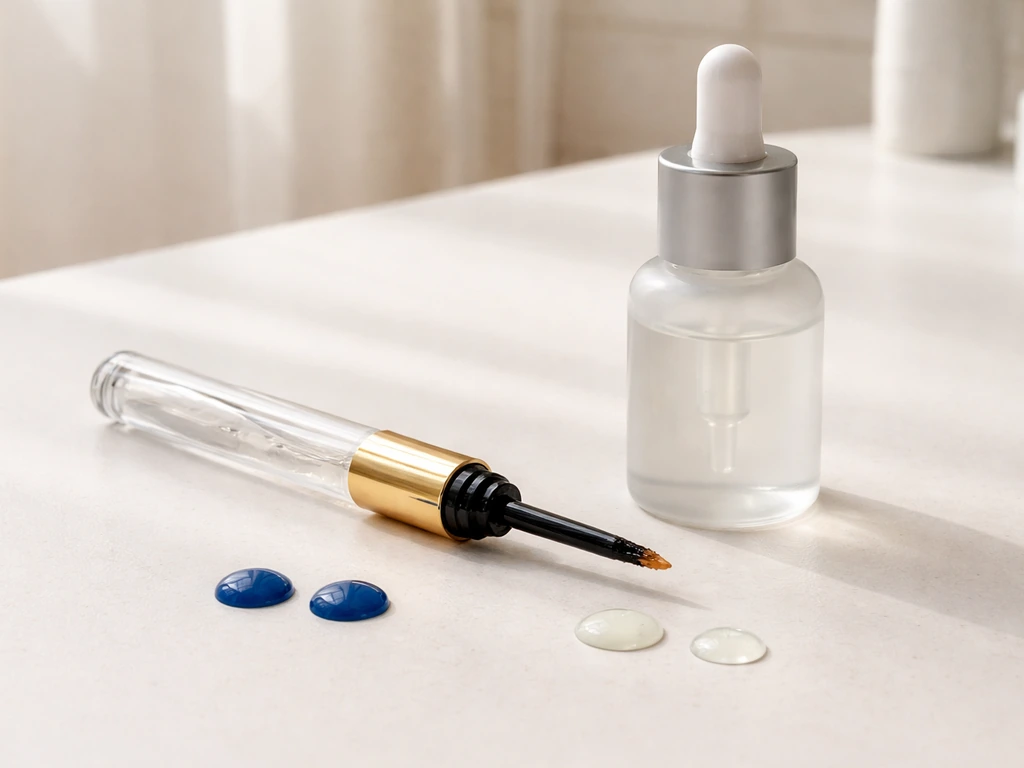
The only ingredient with strong, randomized controlled trial data behind it is bimatoprost (sold as LATISSE at 0. DailyMed states that prescription LATISSE (bimatoprost ophthalmic solution) 0.03% is indicated to treat hypotrichosis of the eyelashes by increasing their growth, including length, thickness, and darkness bimatoprost (sold as LATISSE at 0.. 03% concentration). In a pivotal 278-patient study, nightly application for 16 weeks produced an average lash length increase of about 1.4 mm (roughly 25%), compared to 0.1 mm in the control group. That's a real, measurable difference. It also increased thickness and darkness by keeping follicles in anagen longer via the prostaglandin pathway.
LATISSE requires a prescription in the US and is applied with a sterile applicator along the upper lash line nightly. It's not a quick fix: visible results start around 8 weeks and peak closer to 16 weeks. If you stop using it, lashes gradually return to their previous state over months because the effect depends on continued prostaglandin signaling.
The side effects are worth knowing before you start. The most commonly reported include eye itching, conjunctival redness, and skin hyperpigmentation at the application site. A less common but more concerning risk is iris color change (increased brown pigmentation) with improper application that allows the solution to contact the eye surface. There's also a rare risk of enophthalmos with long-term use. Follow the applicator instructions exactly and don't drop it directly into the eye.
Over-the-counter lash serums
OTC serums often contain peptides, panthenol, biotin, and sometimes lower-concentration prostaglandin-like compounds (such as isopropyl cloprostenate). None of these have the same level of clinical evidence as bimatoprost. Peptides may support follicle conditioning, and some OTC serums produce noticeable cosmetic improvement, but the mechanism and magnitude are much less established. If you're not a candidate for a prescription or prefer to start with OTC options, look for serums with peptide complexes and avoid anything that promises dramatic growth without a prostaglandin analog or clinical study backing it up. Patch test along your arm first, given how reactive the eyelid skin can be.
Castor oil and other natural oils: honest expectations

Castor oil is the most searched natural remedy for lash growth, and the honest answer is that there's no controlled study showing it actually stimulates new eyelash growth from the follicle. What it likely does is coat the lash shaft with ricinoleic acid (its main fatty acid), which can make lashes appear slightly thicker and shinier and may reduce breakage by adding a protective layer. That's a cosmetic benefit, not a biological growth effect.
The same applies to argan oil, olive oil, and vitamin E oil. These are all rich in fatty acids and antioxidants that can improve the surface condition of existing lashes, but none have been shown in human trials to change follicle cycling or extend the anagen phase. The theoretical mechanism (fatty acids nourishing the follicle) hasn't been proven for eyelash follicles specifically.
If you want to try castor oil, use a clean mascara wand or cotton swab to apply a tiny amount to the lash line at night. Less is more: too much migrates into the eye, which can cause irritation or blurry vision. Stop immediately if you notice redness, itching, or any eye discomfort. The FDA's eye cosmetic safety guidelines are clear that even natural products can cause allergic reactions or infection risk if they contact the ocular surface.
| Option | Evidence Level | Realistic Effect | Key Risk |
|---|---|---|---|
| Bimatoprost (LATISSE) | Strong RCT data | ~25% length increase over 16 weeks | Iris pigmentation, lid hyperpigmentation, requires Rx |
| OTC peptide serums | Limited/mixed | Modest cosmetic improvement | Mild irritation, ingredient quality varies |
| Castor oil | Anecdotal only | Cosmetic coating, reduced breakage | Eye irritation if product migrates |
| Other oils (argan, olive) | No controlled evidence | Surface conditioning only | Eye irritation, infection risk if contaminated |
Biotin and other supplements: when they help and when they don't
Biotin (vitamin B7) has become the go-to supplement for hair and lash growth, but the evidence doesn't support taking it unless you're actually deficient. Biotin deficiency does cause hair thinning and loss across the body, including eyelashes, alongside other symptoms like a rash around the eyes, nose, and mouth. In that specific context, correcting the deficiency can restore normal hair growth. But if your biotin levels are already adequate, taking more doesn't enhance the hair growth cycle beyond its normal capacity. Multiple reviews have concluded that randomized controlled trials supporting biotin for hair growth in people without deficiency simply don't exist.
Biotin deficiency is uncommon in people eating a varied diet, but it does occur in people with malabsorption conditions, those on long-term anticonvulsant medications, heavy alcohol users, and people with certain genetic disorders. If you suspect a deficiency, get a blood test rather than just supplementing blindly.
Other nutrients worth considering if you're experiencing broader hair loss include iron (deficiency is a common and underdiagnosed driver of telogen effluvium), vitamin D, and zinc. Again, these matter when there's an actual deficiency. Eating a protein-adequate diet with plenty of leafy greens, eggs, legumes, and fish covers most of the nutritional bases your follicles need without requiring a supplement stack.
When to stop DIY-ing and see a clinician
Most normal lash shedding and slow regrowth can be managed at home. But there are situations where waiting it out or trying more serums is the wrong move.
- You've lost lashes in patches or across a significant portion of the lash line without an obvious mechanical cause (extensions, rubbing, etc.).
- Lash loss is accompanied by eyelid redness, scaling, crusting, or itching that doesn't clear up with gentle cleansing — this points to blepharitis, eczema, or another eyelid condition needing treatment.
- You have pain, discharge, or vision changes after extension removal or any lash product use — these are ophthalmology-level concerns, not wait-and-see territory.
- Lashes haven't noticeably recovered after 4 to 6 months of gentle care following damage.
- You have a systemic condition (thyroid disorder, alopecia areata, autoimmune disease) that could be driving the loss.
- You're considering LATISSE — it requires a prescription and an evaluation to confirm it's appropriate for you.
A dermatologist or oculoplastic surgeon can use trichoscopy to examine follicle health directly and distinguish between reversible suppression and scarring alopecia. Scarring alopecias (like frontal fibrosing alopecia or lichen planopilaris) cause permanent follicle destruction and require a completely different treatment approach than garden-variety traction or post-extension loss. Catching these early matters because the window for limiting damage is narrow.
Your starting plan: what to do today and what to track
Here's a practical starting framework based on your situation. Pick the path that matches where you are right now.
- Stop all active damage first. Switch to gentle makeup removal, avoid waterproof mascara, and don't rub your eyes. This is step one regardless of what else you add.
- Clean your lash line nightly. A diluted baby shampoo on a cotton pad removes debris and reduces low-grade inflammation at the lid margin.
- If you just removed extensions, give your natural lashes 8 to 12 weeks of rest with no extensions or heavy mascara before assessing where you actually stand.
- If you want to try a natural option, apply a small amount of castor oil to clean lashes at night with a disposable mascara wand. Expect cosmetic improvement (shine, reduced breakage) rather than dramatic regrowth.
- If you want the strongest evidence-based option and your lash loss is significant, book an appointment with a dermatologist to discuss LATISSE. Budget for 16 weeks of use before evaluating results.
- Take a close-up photo of your lash line under good lighting today. Do the same every 4 weeks. This is the only way to objectively track progress because changes are gradual and easy to miss.
- If you suspect a nutritional gap, get bloodwork (iron, ferritin, vitamin D, thyroid panel) rather than guessing at supplements.
- If things aren't improving after 3 months of consistent care, or if you notice any of the clinical warning signs listed above, see a dermatologist or ophthalmologist.
The science of what makes eyelashes grow comes down to cycle biology, prostaglandin signaling, follicle protection, and fixing deficiencies that are actually present. If you're wondering why don't eyelashes grow, it's usually because the lash cycle is being shortened by factors like prostaglandin signaling, inflammation, or breakage. There's no overnight fix, and the products promising dramatic results in two weeks are overstating what the biology allows. If you want to know what makes eyelashes grow quickly, focus on extending the growth phase and preventing breakage while supporting the body with adequate nutrition overnight fix. But with the right inputs and realistic expectations, most people see meaningful improvement within one to two full lash cycles, which puts you in a good place 3 to 6 months from today. Tracking weekly keeps you honest and helps you tell the difference between a normal slow start and something worth getting checked out.
FAQ
How long does it take to see eyelash growth changes from science-based treatments like bimatoprost?
Plan on visible change after about 8 weeks, with the biggest results closer to 16 weeks. If you quit early, you will likely “reset” back toward baseline over the next few months, since the effect depends on ongoing prostaglandin signaling.
Is normal lash shedding the same as lashes “not growing back”?
Not usually. Because follicles cycle independently, it is common to lose a few lashes while others are still in growth. What matters is whether shedding is heavy for weeks, whether you see thinning of the lash line, or whether regrowth clearly lags behind what you can reasonably expect (often 4 to 8 weeks for a visibly new lash after a shed).
Can lash extensions permanently damage eyelash follicles?
Extensions mainly cause temporary suppression or delayed regrowth via traction and breakage, but permanent loss can happen if there is chronic inflammation or scarring disease. If thinning continues despite stopping extensions and gentle care for 3 to 6 months, or if you notice eyebrow or lash-line inflammation and crusting, get assessed by an eye specialist.
Why do OTC lash serums sometimes make lashes look thicker but not longer?
Many OTC products improve the lash shaft surface condition (coating, conditioning, reduced breakage) without meaningfully extending the follicle’s anagen phase. The result can be a cosmetic “fuller” look while true length increase is small or inconsistent compared with prescription prostaglandin analogs.
What are the safest ways to apply lash products to avoid side effects?
Use exactly the amount directed and keep the applicator on the lash line rather than flooding the lid. Avoid getting product into the eye, and be extra careful if you have an active eye condition (dry eye, blepharitis flare, conjunctivitis), since irritation can increase and make hyperpigmentation more likely.
How do I know if I should suspect a medical problem instead of waiting for regrowth?
Consider evaluation if you have patchy or rapidly progressive lash loss, burning or pain of the eyelid, significant redness or crusting, loss of both lashes and brows, or a persistent “raw” eyelid margin. A clinician can check whether follicles are merely suppressed or if scarring alopecia is involved.
Can I combine bimatoprost with lash serums or oils?
You can, but keep it simple to reduce irritation risk. Avoid layering multiple actives on the eyelid margin, and do not apply oils right after using bimatoprost unless your clinician says it is okay, since migration into the eye can worsen redness or itching and interfere with accurate dosing.
What does it mean if my lash color changes or my eye gets irritated while using LATISSE?
Mild itching and redness can occur, but persistent irritation, swelling, or any contact with the eye surface should prompt you to stop and check with a clinician. Iris color change is tied to unintended eye contact and improper application, so strict technique and prompt correction matter.
Does biotin help if I am not deficient?
Usually not. Extra biotin generally does not improve lash growth unless you have an actual deficiency. If you suspect deficiency (symptoms beyond lashes, dietary limits, malabsorption, certain medications), get a blood test rather than supplementing blindly.
Are there nutrition steps that help without taking supplements?
Yes. If you eat enough protein and a varied diet, most hair-growth inputs are covered. If you are concerned, prioritize iron-rich foods and adequate calories, since severe restriction can disrupt cycling and contribute to shedding. Supplements are most useful when a deficiency is confirmed.
What should I do if I accidentally put castor oil or an OTC serum in my eye?
Rinse with sterile saline or clean water right away and stop using the product. Watch for ongoing redness, blurry vision, pain, or light sensitivity, and seek eye care promptly if symptoms do not settle, since even “natural” products can trigger irritation or allergy.
Why Don’t Eyelashes Grow and How to Help Them Grow Back
Learn why lashes seem to stop growing and when regrowth happens, plus safe serums oils and habits that help.