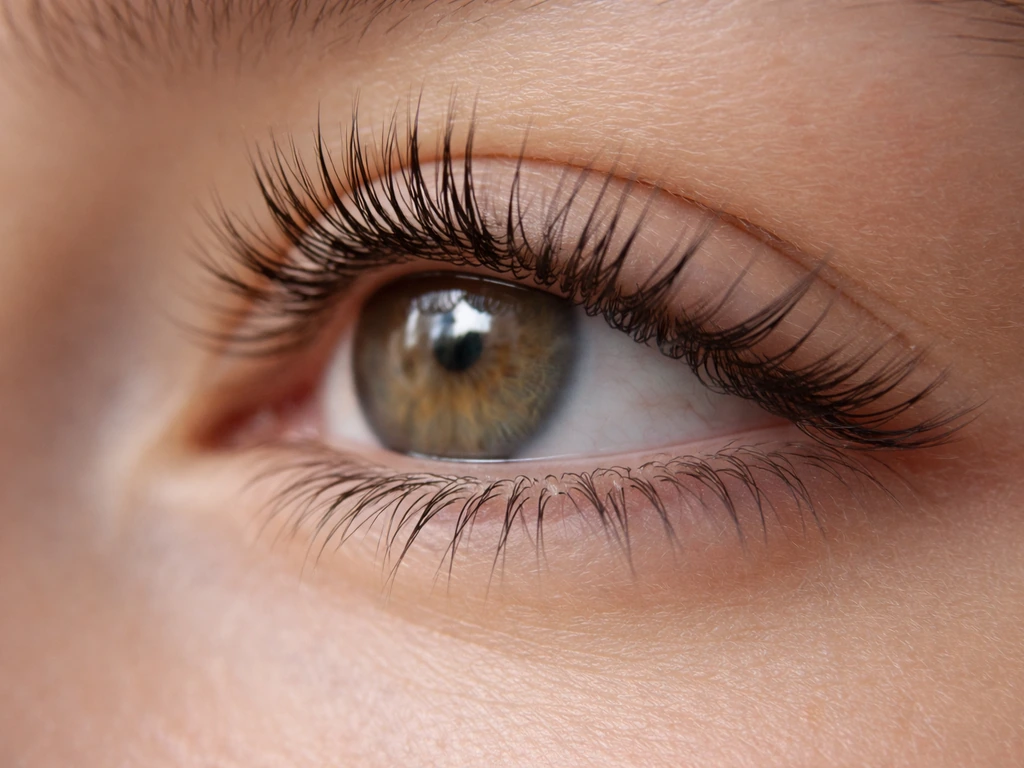
Eyelashes stop growing at a certain length because their growth phase (anagen) lasts only about 34 days on average, compared to years for scalp hair. Once that window closes, the follicle shifts into a resting and shedding phase, and the lash falls out before it ever gets very long. Research confirms lash length rarely exceeds about 12 mm, and that ceiling is set by biology, not something you did wrong. The good news: while you can't override your genetic growth cap, there are real, evidence-backed ways to make lashes appear longer and thicker, and to recover length lost to damage, extensions, or medical issues. If you’re wondering what makes your eyelashes grow longer, the key is extending the growth window and protecting lashes from damage while they go through the cycle.
Why Do Eyelashes Only Grow to a Certain Length?

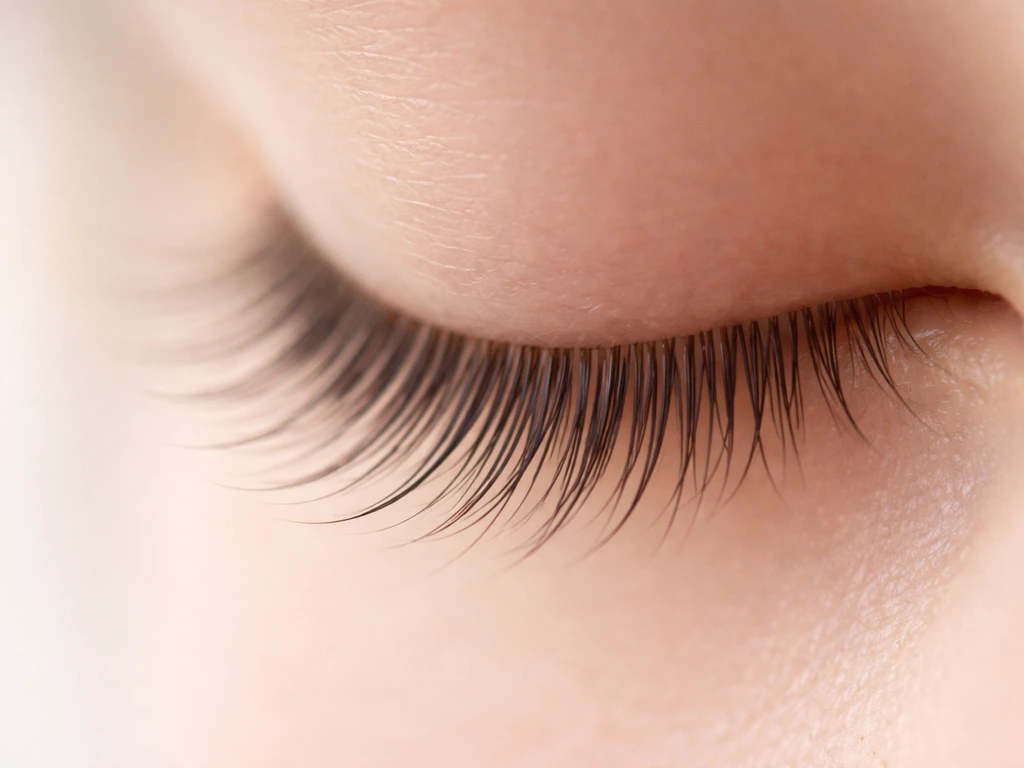
How the eyelash growth cycle creates a built-in length limit
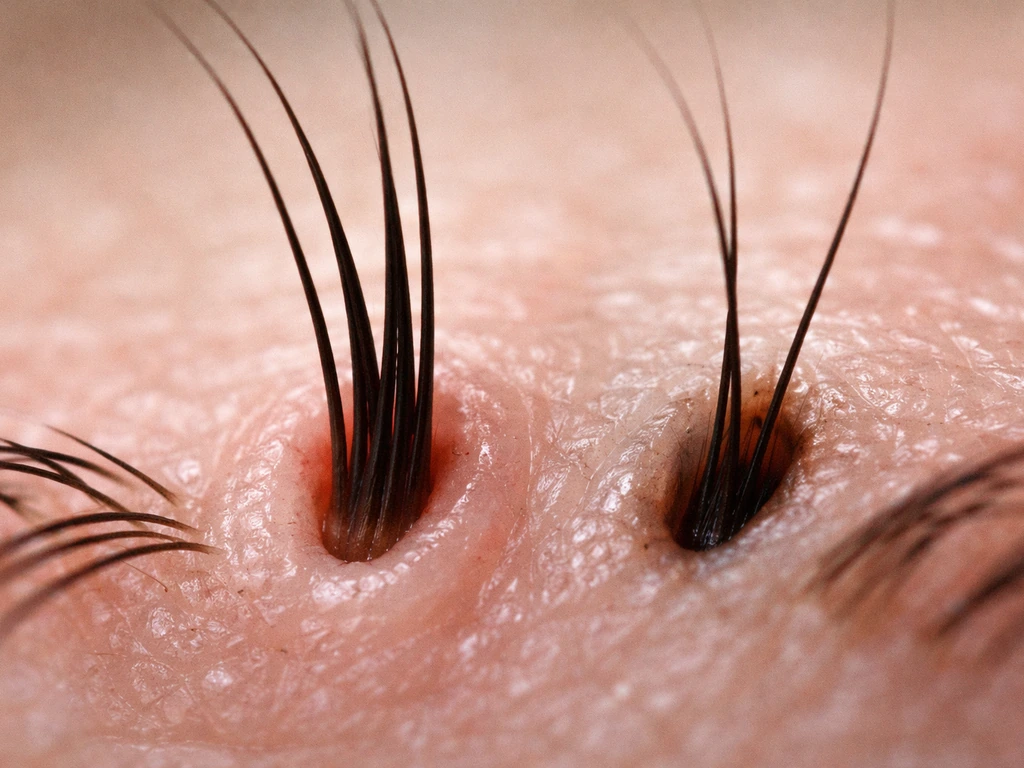
Every hair on your body goes through three phases: anagen (active growth), catagen (transition/regression), and telogen (resting and shedding). For scalp hair, anagen can last two to seven years, which is why head hair can grow to your waist. Eyelash follicles work on a much shorter clock. Studies using phototrichogram measurements put the average lash anagen phase at around 34 days (plus or minus about 9 days), with the full cycle completing in roughly 90 days. Some clinical reviews cite an overall eyelash lifecycle of 4 to 11 months depending on how the full cycle is counted. Either way, the math is simple: a follicle that only grows actively for a month or so produces a much shorter hair than one that grows for years.
During catagen, the follicle shrinks and detaches from its blood supply, which stops growth entirely. Telogen is the resting phase where the lash just sits in the follicle before shedding naturally. At any given moment, only a fraction of your lashes are in anagen, which is why normal daily shedding of a lash or two is completely expected and not a sign of a problem. The follicle then regenerates and the cycle starts over. This rhythm is what creates the 'length cap': once a lash reaches the end of its anagen window, it simply stops getting longer regardless of what you put on it.
What actually determines your maximum lash length
Several factors dial up or down how long your anagen phase runs, which directly controls how long each lash gets before it falls out.
- Genetics: The single biggest factor. The length of your anagen phase is largely inherited, which is why some people naturally have long lashes and others max out at short, sparse ones. No serum or oil can reprogram your DNA.
- Follicle size: Larger, deeper follicles tend to produce thicker and sometimes longer lashes. Follicle geometry is also genetically determined.
- Hormones: Androgens and thyroid hormones influence hair follicle cycling throughout the body, including lash follicles. Thyroid imbalances (both hypo- and hyperthyroidism) are among the most commonly cited hormonal causes of eyelash thinning or shortening.
- Age: Follicle cycling slows with age, meaning lashes may become finer, sparser, and potentially shorter over time, especially post-menopause.
- Nutrition: Deficiencies in biotin, iron, zinc, and protein can impair the hair growth cycle across the board, lashes included, though isolated biotin deficiency severe enough to cause lash loss is less common than marketing suggests.
This is worth sitting with for a moment: if your lashes have always been short and your overall health is fine, that's most likely your genetic baseline, not a deficiency to fix. Understanding the difference between your natural ceiling and lashes shortened by damage or a medical issue is the first step toward choosing the right approach.
Why your lashes might look shorter than they should
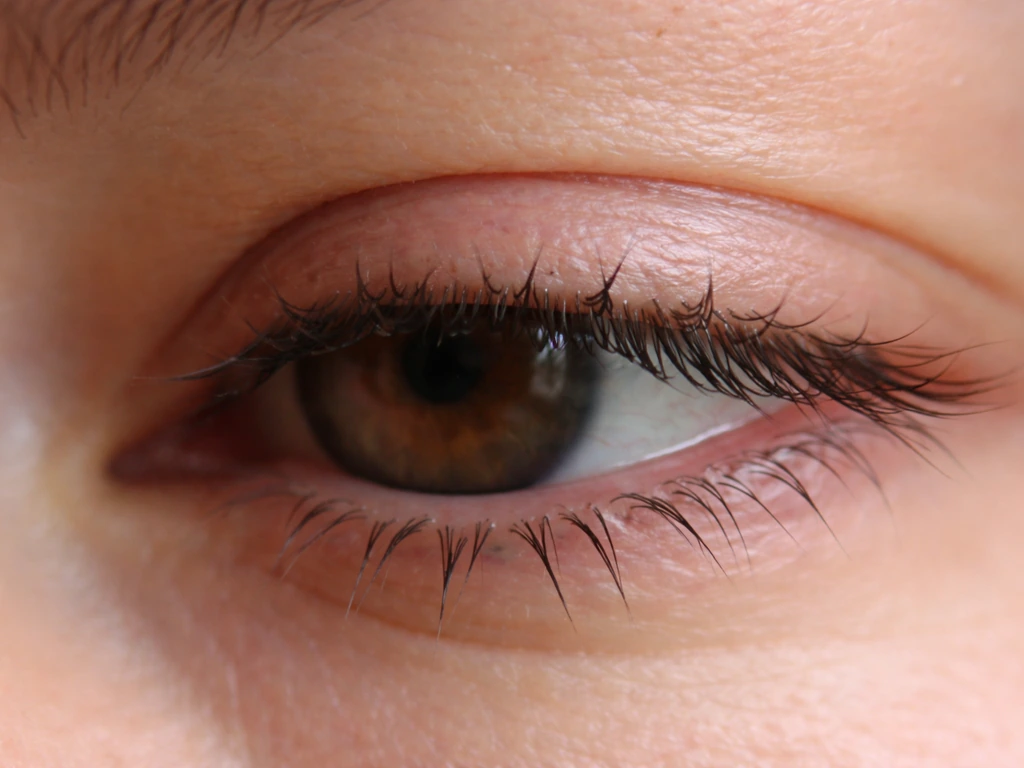
A lot of what reads as 'short lashes' isn't actually a low genetic maximum. It's damage or interruption of the growth cycle that's keeping lashes from reaching even their natural potential. The most common culprits include:
- Mechanical rubbing: Rubbing your eyes aggressively, especially while removing makeup, physically breaks lashes at the shaft and can traumatize follicles over time.
- Eyelash extensions: Extension adhesives have been found to contain formaldehyde, which is directly linked to keratoconjunctivitis and allergic blepharitis. The AAO also flags traction alopecia as a documented complication, where the weight of extensions repeatedly stresses follicles until they stop producing lashes.
- Lash curlers and heat tools: Crimping or heating lashes weakens the shaft, leading to breakage that makes lashes appear shorter even when the follicle is perfectly healthy.
- Over-plucking: Repeated plucking can eventually damage follicles enough to reduce regrowth, particularly if lashes are pulled forcefully from the same spots over years.
- Eyelash tinting and dyes: Allergic contact dermatitis is the most commonly reported adverse effect of lash dyeing. Inflammation around the follicle disrupts the growth cycle.
- Harsh makeup removal: Oil-free removers that require scrubbing, waterproof mascara that won't budge, and cotton pads dragged across the lash line all contribute to mechanical breakage.
When damage and medical issues are shortening your lashes
Beyond lifestyle causes, several medical and dermatologic conditions can interrupt the lash cycle or directly damage follicles. Knowing the difference between temporary and potentially scarring causes matters because the treatment path is completely different.
Conditions that commonly affect lash growth
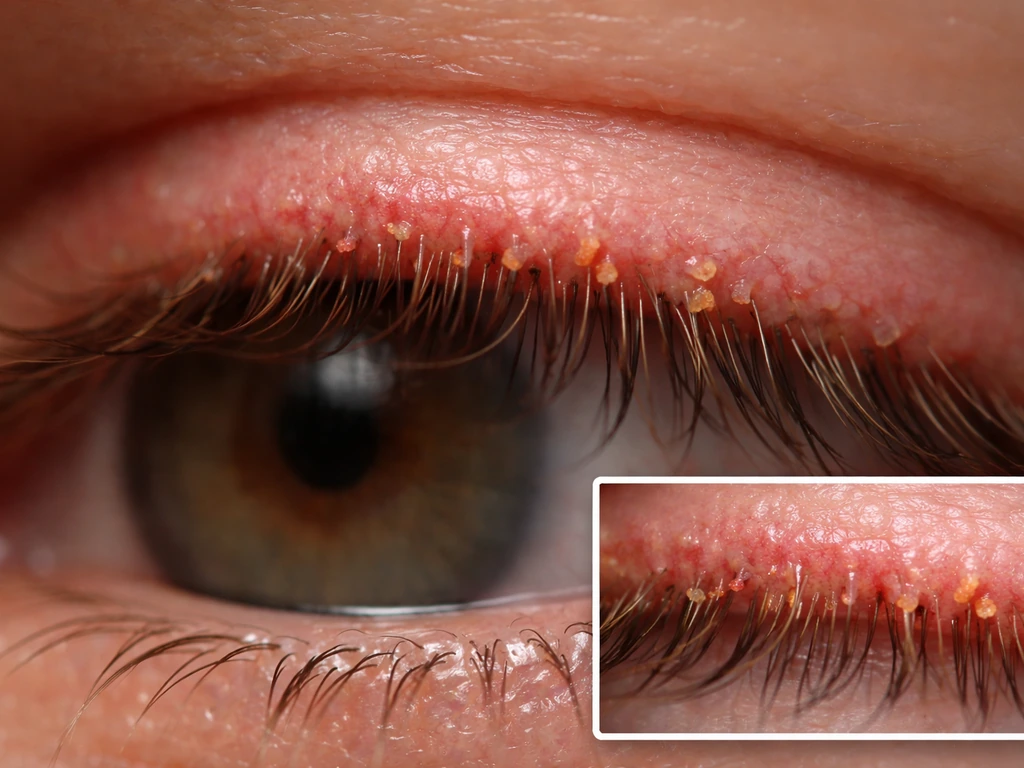
- Blepharitis: Chronic inflammation of the eyelid margin is one of the most common lash-affecting conditions. Severe or recurrent blepharitis can form marginal ulcers and, over time, cause eyelid scarring, lash loss, or misdirected lash growth (trichiasis). Demodex mites living in lash follicles are often a contributing factor, particularly in ocular rosacea.
- Alopecia areata: An autoimmune condition that can target lash follicles directly, causing patchy or complete loss. Unlike damage-related shedding, regrowth with alopecia areata is not guaranteed without treatment.
- Thyroid disease: Both hypothyroidism and hyperthyroidism are associated with diffuse lash and brow thinning.
- Madarosis: The clinical term for lash or brow loss. Non-scarring madarosis (caused by blepharitis, allergic reactions, trichotillomania, or meibomian gland dysfunction) is often temporary and lashes can regrow once the cause is addressed. Scarring madarosis is harder to reverse.
- Contact or irritant dermatitis of the eyelid: Triggered by ingredients in eye drops, metals in lash curlers (nickel is a common culprit), adhesives, or preservatives in makeup. Even low-grade chronic inflammation around the lash line can slowly reduce lash density.
- Chemotherapy: Cytotoxic drugs affect rapidly dividing cells, including hair follicle cells, causing widespread lash loss. Regrowth generally resumes after treatment ends, with clinical studies showing measurable improvement in length and thickness by around month four.
Red flags that warrant prompt attention
- Sudden or patchy lash loss without an obvious cause like extensions or heavy makeup use
- Lash loss accompanied by eye redness, lid swelling, burning, or pain
- Lashes growing in the wrong direction and touching the eyeball (trichiasis), which can scratch the cornea
- Loss of both lashes and eyebrows simultaneously
- Lash loss in someone with a known autoimmune or thyroid condition
What to realistically expect from regrowth
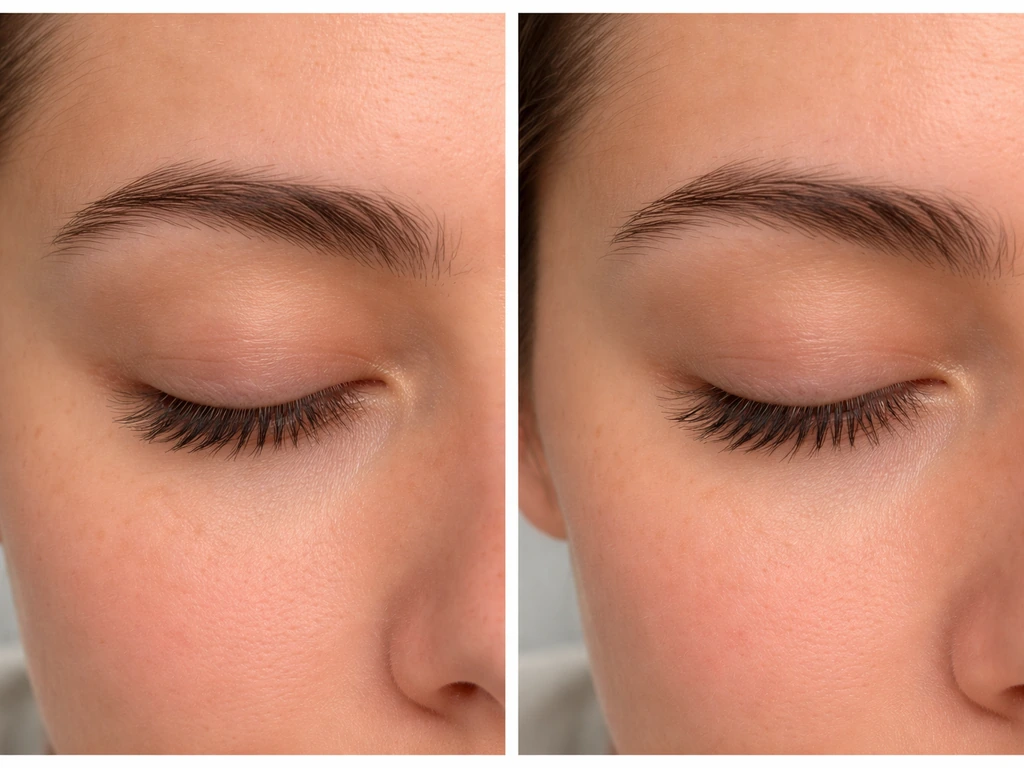
Once you stop the source of damage, whether that's extensions, aggressive rubbing, or a treated medical condition, the follicle needs time to work through its full cycle before you see a noticeably longer lash. The complete cycle is roughly 90 days, so expecting a dramatic change in two weeks is a setup for disappointment. You can’t make lashes grow longer just by trimming them, because the growth cycle length is what sets the limit dramatic change. Here's a realistic week-by-month timeline once damage has stopped:
| Timeframe | What's happening | What you'll likely see |
|---|---|---|
| Weeks 1–2 | Follicles that were in telogen begin re-entering anagen | Little to no visible change; possibly some very short new lash tips appearing |
| Weeks 3–5 | Active anagen growth in recovering follicles | Noticeable baby lashes, especially in sparse areas; overall line looks slightly fuller |
| Month 2 | More lashes completing their anagen phase | Visible improvement in density; lashes approaching their natural length |
| Month 3–4 | Full cycle completed for most recovering follicles | Length and thickness closer to your natural baseline; this is when most people feel they've 'bounced back' |
| Month 4–6+ | Consistent maintenance of healthy lashes; clinical improvement with active treatments | Stabilization; with evidence-based serums, additional length/thickness gains may still be progressing |
A useful tracking habit: take a macro photo of your closed eye in the same lighting every two weeks. The gradual progression is often invisible day-to-day but obvious when you compare photos from week 2 to week 8.
What actually works for lengthening and thickening lashes
This is where it's worth separating what's genuinely supported by evidence from what's mostly marketing. The options fall into a few clear categories.
Prescription prostaglandin analogs (bimatoprost)
Bimatoprost 0.03% (sold as Latisse in the US) is the only FDA-approved treatment specifically for eyelash hypotrichosis. Multiple randomized controlled trials show that subjects treated with bimatoprost once daily had significantly higher rates of improvement on global lash assessment scales compared to vehicle by week 16. Improvement in length and thickness in post-chemotherapy subjects was measurable by month four. This is the highest evidence tier available for lash growth. It works by extending the anagen phase, essentially lengthening the growth window beyond your genetic default. That said, it comes with real side effects to discuss with a prescriber: iris and skin hyperpigmentation, potential IOP reduction (relevant especially for glaucoma patients), and ocular irritation. It requires an active prescription and periodic ophthalmic monitoring, particularly over longer treatment periods.
Over-the-counter lash serums with active peptides
OTC serums can't contain bimatoprost (it's prescription-only), but many include peptides (like myristoyl pentapeptide-17), biotin, and panthenol. The evidence base for these is weaker than for bimatoprost, often relying on manufacturer-funded studies. That said, a well-formulated OTC serum that conditions the lash shaft and supports follicle health can meaningfully improve the appearance of thickness and reduce breakage, even if it's not truly 'growing' lashes beyond your natural maximum. Look for serums with a simple, non-irritating base and avoid formulas with heavy fragrances or preservatives that can trigger contact dermatitis right at the lash line.
Castor oil and carrier oils
Castor oil is probably the most searched natural remedy for lash growth, and it's worth being direct: there's no clinical trial evidence that castor oil stimulates eyelash growth. What it does do is coat the lash shaft, which adds temporary thickness and shine, and its ricinoleic acid content has some proposed anti-inflammatory properties, though this hasn't been proven in the follicle context specifically. If castor oil is part of your routine and you're not having irritation, it's probably fine as a conditioning step. Just don't expect it to extend your genetic growth phase. Other oils like argan, vitamin E, and coconut oil carry similar caveats: good for conditioning, not proven growth stimulants.
Biotin supplementation
Biotin supplements are heavily marketed for lash and hair growth, but the evidence is narrow: biotin is beneficial if you're actually deficient, and true biotin deficiency is rare in people eating a varied diet. If you're not deficient, adding more biotin isn't likely to push your lashes past their natural ceiling. It won't hurt, but it's not a high-yield move unless bloodwork shows a deficiency driving the problem.
| Option | Evidence level | What it actually does | Key considerations |
|---|---|---|---|
| Bimatoprost 0.03% (Rx) | Strong (RCT data, FDA-approved) | Extends anagen phase; measurable length and thickness gains | Prescription required; side effects include pigmentation changes, IOP effects; needs monitoring |
| OTC peptide serums | Moderate (weaker studies, often brand-funded) | Conditions lashes, may reduce breakage, modest appearance improvement | Avoid fragrance/preservatives at lash line; results slower and less dramatic than Rx |
| Castor oil / carrier oils | Weak (no clinical trials for growth) | Coats shaft for temporary thickness; conditioning benefit | Fine as part of a gentle routine; won't change genetic growth ceiling |
| Biotin supplements | Weak (only useful if deficient) | Supports general hair growth machinery if deficiency present | Test levels first; excess supplementation has no proven added benefit |
A safe at-home routine to protect and maximize what you've got
Before any serum or oil makes a difference, protecting existing lashes from further damage is the highest-return step you can take right now. A 2020 review focused on eyelid cosmetic enhancements and ocular adverse effects notes that eyelash dyeing commonly causes allergic contact dermatitis, which is the most common adverse effect in that context blank" rel="noopener noreferrer">allergic contact dermatitis from eyelash dyeing. If your lashes are already being broken, even the best growth products will have a harder time helping them look longer and fuller protecting existing lashes. The follicle can only produce what the cycle allows, so every lash you prevent from breaking early is a win.
- Remove eye makeup gently, every night. Use a dedicated eye makeup remover on a soft cotton pad, hold it against your lashes for 10–15 seconds to dissolve mascara before wiping, and move in the direction of lash growth (downward on upper lashes). Never scrub.
- Switch to a tubing mascara if you wear it daily. Tubing mascaras coat each lash in a polymer tube that slides off cleanly with warm water, eliminating the need for rubbing with removers.
- Stop using a lash curler if your lashes are already fragile or sparse. If you do use one, crimp gently and only on dry lashes, never after mascara application.
- If you're using castor oil or a lash serum, apply it with a clean spoolie or the included applicator to the lash line only, not the lid skin, and do a patch test on your inner arm first. An irritated lid is worse for lashes than no product at all.
- Keep your lash line clean. A gentle lid scrub (diluted baby shampoo or pre-made lid wipes) used 2–3 times a week reduces the risk of blepharitis and Demodex buildup, both of which can interfere with the growth cycle.
- Give extensions a break. If you've been wearing semi-permanent extensions continuously, taking a three-to-four month break allows your natural lashes to complete at least one full cycle without traction stress.
- Support growth from the inside: prioritize adequate protein, iron, and zinc in your diet. If hair loss is occurring alongside fatigue or other symptoms, ask your doctor about a basic nutrient panel before spending money on supplements.
When to see a doctor and exactly what to say
Most lash concerns are cosmetic and manageable at home. But there are clear situations where a dermatologist or ophthalmologist is the right next step, and waiting too long can mean the difference between temporary and permanent loss.
See a doctor if: your lash loss is sudden, patchy, or progressing rather than stable; if your eyelid margins are chronically red, itchy, scaly, or swollen; if you notice lashes pointing inward and touching your eye; if you've lost lashes alongside eyebrow thinning or general hair loss; or if OTC remedies have made no difference after three to four months of consistent use.
When you go, the most productive conversation includes describing the timeline (when did you first notice it, how quickly did it progress), any recent changes in products or habits (new mascara, lash tint, extensions, eye drops), any medications you're taking (several drugs including some blood pressure medications and anticoagulants have hair loss as a side effect), and any systemic symptoms like fatigue, weight changes, or dry skin that might point to thyroid issues. A dermatologist may perform trichoscopy (a magnified view of the lash line) to assess follicle health and look for scarring or Demodex. If an autoimmune cause is suspected, bloodwork for thyroid function and ANA levels is typically ordered. If blepharitis or Demodex is found, treatment (medicated lid scrubs, ivermectin cream, or topical antibiotics) can meaningfully restore lash density once the inflammation is resolved.
If the question you're really asking is whether prescription bimatoprost is right for you, that conversation belongs with an ophthalmologist or dermatologist who can review your eye health history, check baseline IOP, and monitor for the pigmentation side effects associated with prostaglandin analogs. It's an effective option, but it needs proper oversight, not just a telehealth prescription from a photo.
FAQ
If eyelashes have a length cap, why do some people’s lashes look longer than others?
You can’t truly force eyelashes to beat their biological “anagen clock,” but you can affect what you see by (1) stopping breakage and irritation, and (2) using clinically targeted options like bimatoprost when appropriate. Even then, expect changes on the lash cycle timeline (weeks to months), not days.
How can I tell if my eyelashes are naturally short versus actually being damaged?
If lashes break at the eyelid margin, they can look “short” even when the follicles are cycling normally. Signs include frayed ends, uneven lengths, or lashes thinning at the tips, and the fix is usually gentler handling, fewer extension cycles, and conditioning to reduce shaft damage.
What’s the most reliable way to measure lash growth progress at home?
Use the same eye-opening position and lighting, and include one photo when lashes are at rest (no mascara) plus one with your usual cosmetic. Tracking is most useful if you compare photo set-to-set over about 8 weeks, since the full lash cycle is on the order of a few months.
Does cutting or trimming eyelashes make them grow longer or thicker?
Trimming only makes lashes appear shorter and doesn’t restart the growth cycle, so it won’t help you “grow past” the cap. If you want a cosmetic boost, the more practical approach is reducing breakage (less rubbing, careful remover, lash-safe mascara) and allowing the natural cycle to complete.
When should short eyelashes be considered abnormal and not just genetics?
A sudden change is a key difference. Stable, gradual short lashes often reflect genetics, while rapid, patchy, or worsening loss can indicate inflammation, infection (for example blepharitis or Demodex), medication effects, or an autoimmune/thyroid-related issue that needs evaluation.
Can lash extensions or mascara remover cause eyelashes to stop reaching their full length?
Yes. Extensions, frequent lash glue, harsh removers, and aggressive rubbing can shift lashes into a pattern of breakage and shedding, which makes the “effective” length shorter even though the follicle may still be cycling. Cleaning the lash line and taking extension breaks can help the cycle look normal again.
What safety questions should I ask before using prescription bimatoprost for lash growth?
Bimatoprost can improve length and thickness, but it’s not a cosmetic lash serum you should experiment with on your own. Ask your prescriber about your eye history (including glaucoma risk), and follow monitoring recommendations because side effects can include irritation and pigment changes around the eye.
Why don’t OTC lash serums always make my lashes longer?
OTC lash serums often condition the lash shaft, reduce breakage, and make lashes look fuller, but they generally do not extend the growth window the way bimatoprost does. If you’re using an OTC product and see no change after a consistent 3 to 4 month period, reassess for underlying damage or medical causes rather than switching endlessly.
What should I do if a lash serum makes my eyes red, itchy, or swollen?
If you get irritation, redness at the lash line, or watery eyes, stop the product and consider switching to a simpler, fragrance-free option or consulting a clinician. Patchy worsening after starting a serum can reflect contact dermatitis, which can further disrupt the lash environment.
I’m losing eyelashes along with eyebrow thinning. What does that usually indicate?
If you have eyebrow thinning, other scalp hair changes, or systemic symptoms (like unexplained weight change, fatigue, or dry skin), it’s more consistent with a systemic driver than just lash aging. In that case, getting evaluated sooner is smarter because treatment may need to address the underlying cause.
What Makes Eyelashes Grow Thicker and Longer
Learn what makes lashes grow thicker and longer, natural routines, safe oils, effective serums, timelines, and when to s