Yes, you can absolutely let your eyelash extensions grow out on their own. If you stop getting fills, the extensions will gradually shed along with your natural lashes as each lash completes its growth cycle. Most people are fully extension-free within six to eight weeks, though the middle of that process looks a little rough. You'll deal with uneven lengths, sparse patches, and the occasional clump falling off mid-mascara application. It's manageable, it's normal, and your natural lashes will be just fine afterward in most cases. Here's exactly what to expect and how to get through it without causing damage.
Can I Let My Eyelash Extensions Grow Out? Timeline & Aftercare

Rachel Nguyen
29 May 2026
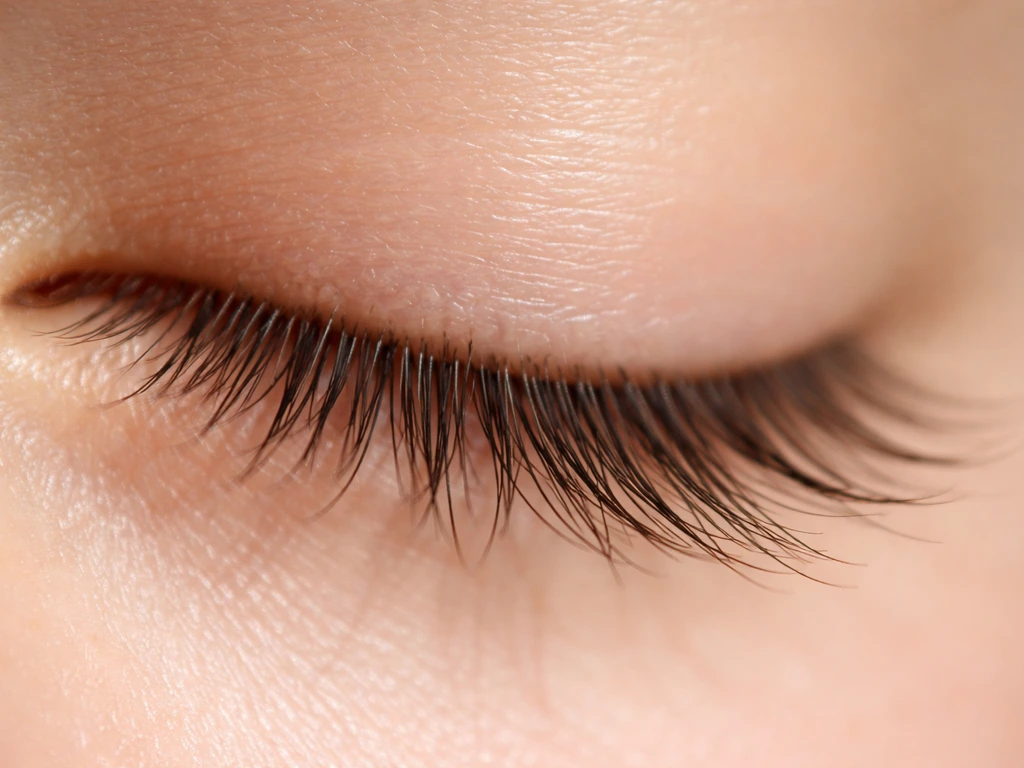
Do eyelash extensions actually grow out like natural lashes?
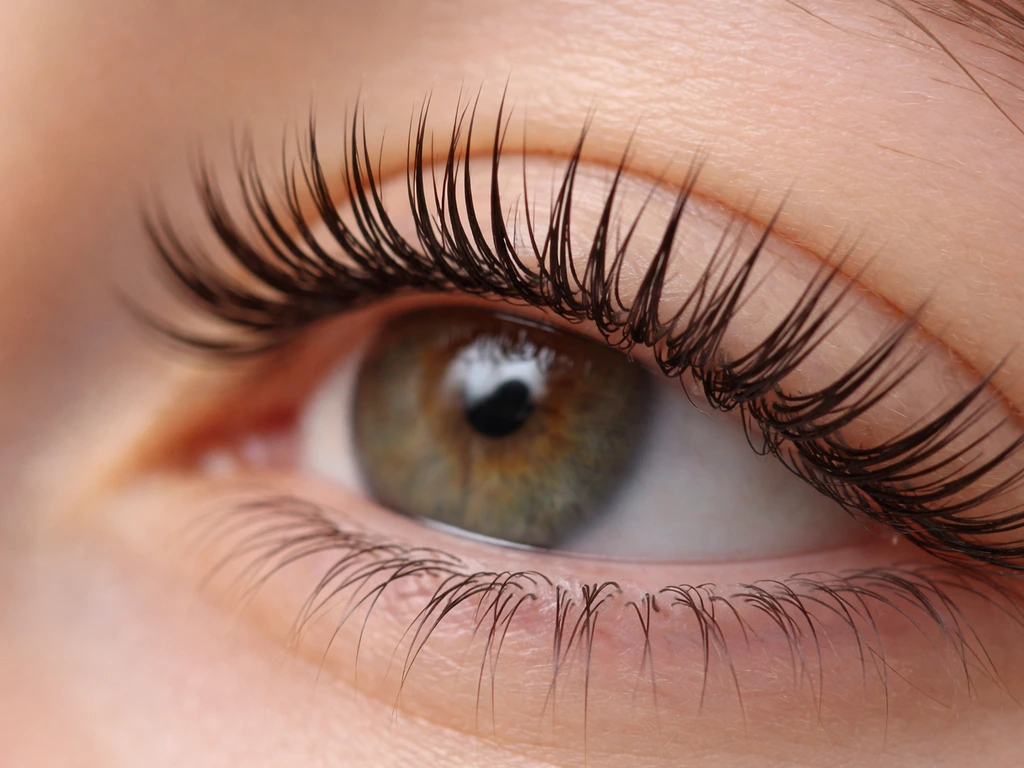
Not exactly. Extensions don't grow out the way a strand of hair grows from a root. They're bonded to your existing natural lashes with adhesive, so they don't move upward or change position on their own. What actually happens is simpler: your natural lash eventually reaches the end of its growth cycle and sheds, and when it does, the extension attached to it comes off with it. You're not waiting for the extension to travel down a follicle. You're waiting for the natural lash underneath to finish its life and fall out.
This is why the grow-out process feels uneven. Every single lash on your eye is at a different stage of its cycle at any given moment. Some will shed in week two, others might hang on until week seven. That staggered timing is completely normal and is actually what makes the in-between phase look patchy rather than a clean, uniform change.
How the lash cycle actually works (and why it matters for grow-out)
Your natural lashes go through three phases: anagen (active growth), catagen (transition, where the follicle shrinks and growth stops), and telogen (resting, which ends in shedding). For eyelashes specifically, the anagen phase lasts roughly four to ten weeks, catagen lasts about fifteen days, and telogen can stretch anywhere from four to nine months before the lash finally falls out and a new one starts growing. That long telogen window is why lash regrowth after loss can feel so slow.
The anagen phase being short is also why your lashes only grow to a certain length. Unlike scalp hair, which stays in active growth for years, your lash follicle basically hits a built-in length limit and moves on. Extensions bypass this biologically, which is why they can look dramatically longer than what your follicle would naturally produce. Once extensions are gone and your lashes cycle through normally, you're back to working with what your follicle actually allows.
For the grow-out process, this cycle timing means extensions don't all shed on the same schedule. Each extension falls off when its host natural lash sheds. Lashes in telogen will drop early in the process, those still in anagen or catagen will hold on longer. Meaningful shedding typically starts around the three to four week mark for most people, and by the six to eight week point, the majority of extensions have come off naturally.
How long the grow-out actually takes
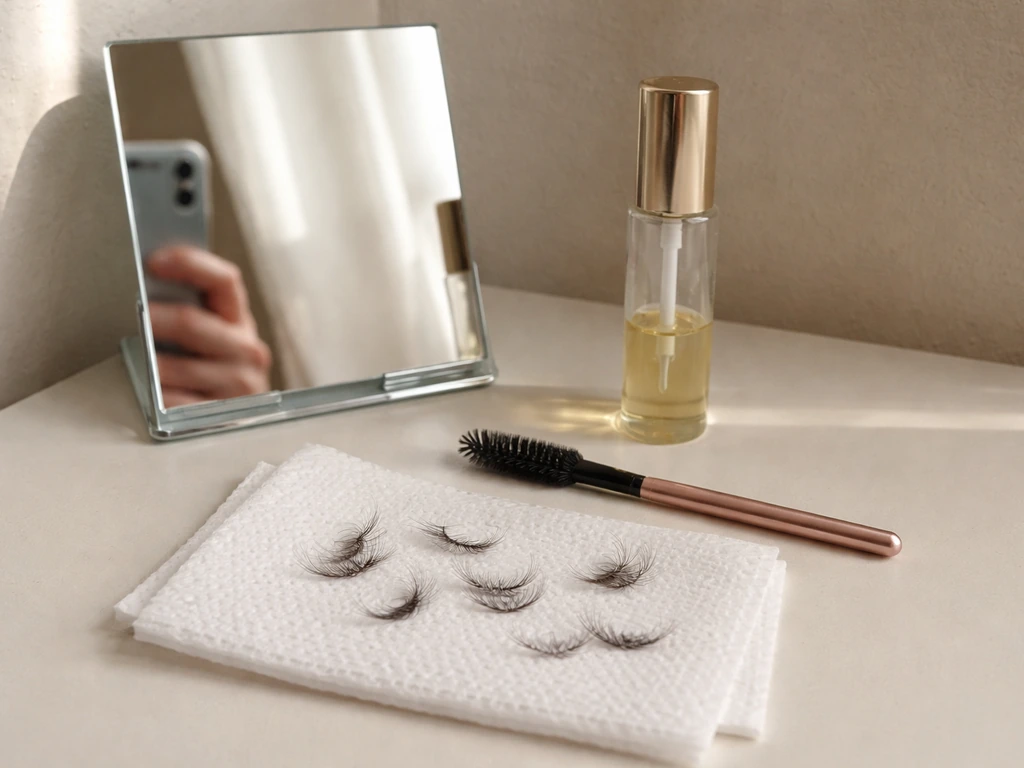
The standard grow-out timeline maps roughly to the natural lash cycle. A useful way to think about it: about thirty to forty-five days of remaining growth phase, plus two to three weeks of transition, plus five to seven weeks of the resting and shedding phase adds up to somewhere around fifty to sixty days total for most extensions to naturally detach. In practice, most people are completely extension-free between six and eight weeks after their last fill, with the heaviest shedding happening in weeks three through five. If you're wondering about regrowth after the extension fallout, see how long do eyelashes take to grow back after extensions for the typical timeline and what affects it.
What you'll notice week by week varies. In the first couple of weeks you might not see much change at all, especially if you had a fresh full set. Then the middle weeks get patchy and uneven as lashes at different cycle stages start dropping. By weeks six to eight, you should be looking at your natural lashes again, though they may appear shorter or thinner than usual if you're used to extensions. That contrast is mostly visual adjustment, not permanent damage, unless there was real trauma to the follicle.
Should you wait it out or get them removed now?
This is genuinely a decision worth thinking through rather than defaulting to one approach. Waiting has real advantages: no risk of accidentally pulling your natural lashes, no cost of professional removal, and a gentler transition if your lashes are already stressed. Professional removal has its own advantages: a cleaner, faster reset, less of the awkward patchy middle phase, and the ability to start active regrowth care sooner.
| Option | Pros | Cons | Best for |
|---|---|---|---|
| Let them grow out naturally | No cost, no risk of pulling lashes, gentle process | 6–8 weeks of uneven appearance, harder to apply makeup cleanly | Healthy lashes with no irritation, patient timeline |
| Professional removal | Faster clean slate, start recovery immediately, less awkward phase | Costs money, requires appointment, minor risk if not done carefully | Irritation, allergic symptoms, or wanting a clean start quickly |
| DIY home removal | Convenient, free | High risk of pulling natural lashes with extensions, can cause real damage | Not recommended by lash professionals |
DIY removal deserves a direct warning: lash professionals consistently advise against it because the adhesive bond between extension and natural lash is strong enough that trying to loosen it at home often results in the natural lash coming out with the extension. That's avoidable damage. If you want them off now rather than waiting, book a professional removal instead of reaching for olive oil and tweezers.
If you're experiencing any itching, redness, swelling, or eye irritation, don't wait out the grow-out. Get professional removal sooner and watch the symptoms closely. Signs of a reaction are a reason to act, not to endure a few more weeks of the awkward phase.
What to actually do during the grow-out period
Whether you're waiting for natural shedding or you've just had professional removal, the aftercare habits during this window matter a lot for how your lashes come through it. The grow-out period is when your natural lashes are most vulnerable, so it's worth being deliberate about what you do and don't do near your lash line. Aftercare also includes avoiding oil-based products around the lash line, along with skipping steam or heat and not rubbing or touching your lashes avoid oil-based products around the lash line.
Things to avoid
- Rubbing or picking at your lashes, even when they feel uncomfortable or look patchy
- Oil-based cleansers, makeup removers, or moisturizers near the lash line if any extensions remain (oils degrade adhesive bonds and can cause clumping or uneven shedding)
- Steam treatments, saunas, or extreme heat if you still have extensions, since heat weakens the adhesive and can cause extensions to pull unexpectedly
- Waterproof mascara on remaining natural lashes, because the removal process is too harsh for already-stressed follicles
- Attempting to pull or clip extensions that are hanging on but not fully shed
Habits that actually help
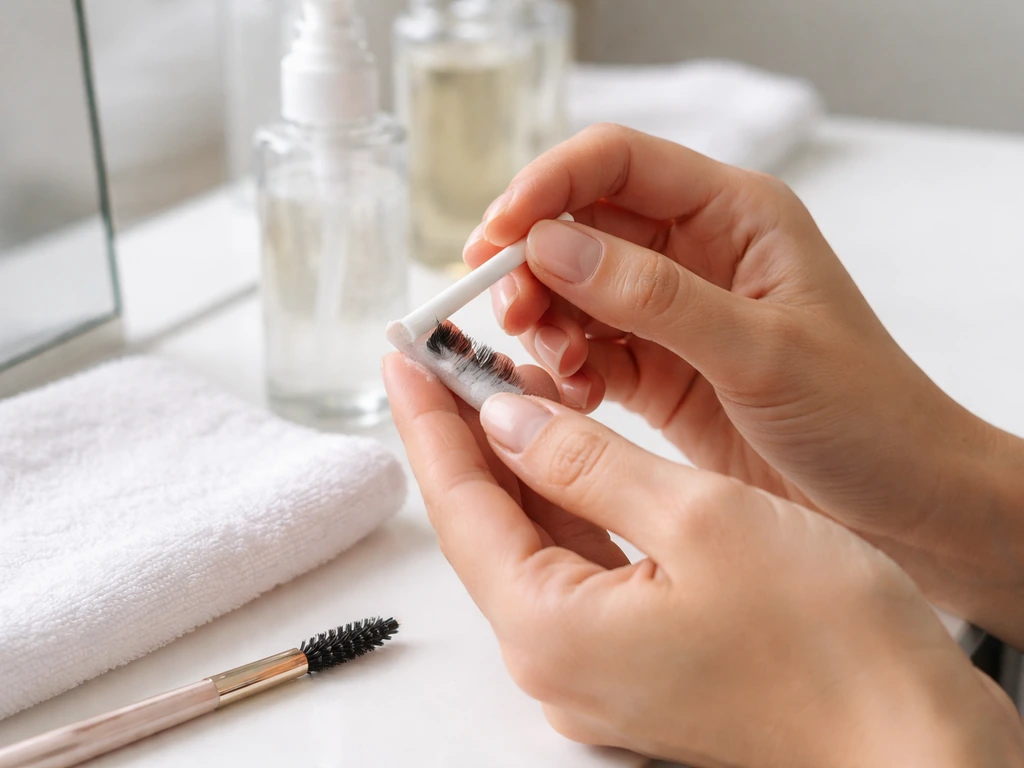
- Gentle daily cleansing of the lash line with a lash-safe, non-oil-based cleanser to keep follicles clear and reduce infection risk
- Using a soft spoolie to gently brush lashes once extensions have fully shed, to encourage healthy alignment as new growth comes in
- Sleeping on a silk or satin pillowcase to reduce friction against your lash line overnight
- Giving your eyes a full break from all eye makeup for at least one to two weeks post-removal or once extensions have shed, if your lashes look sparse or brittle
Supporting recovery and regrowth: what actually works
If your natural lashes look thinner or shorter than you expected once the extensions are gone, that's a common experience and worth addressing directly. Some of it is visual adjustment after months of wearing longer, fuller extensions. But if there's actual thinning or gaps, supporting regrowth actively is worthwhile. If you're looking for more targeted steps, this section on supporting recovery and regrowth pairs well with how to grow eyelashes after extensions for practical routines and expectations.
Castor oil and natural oils
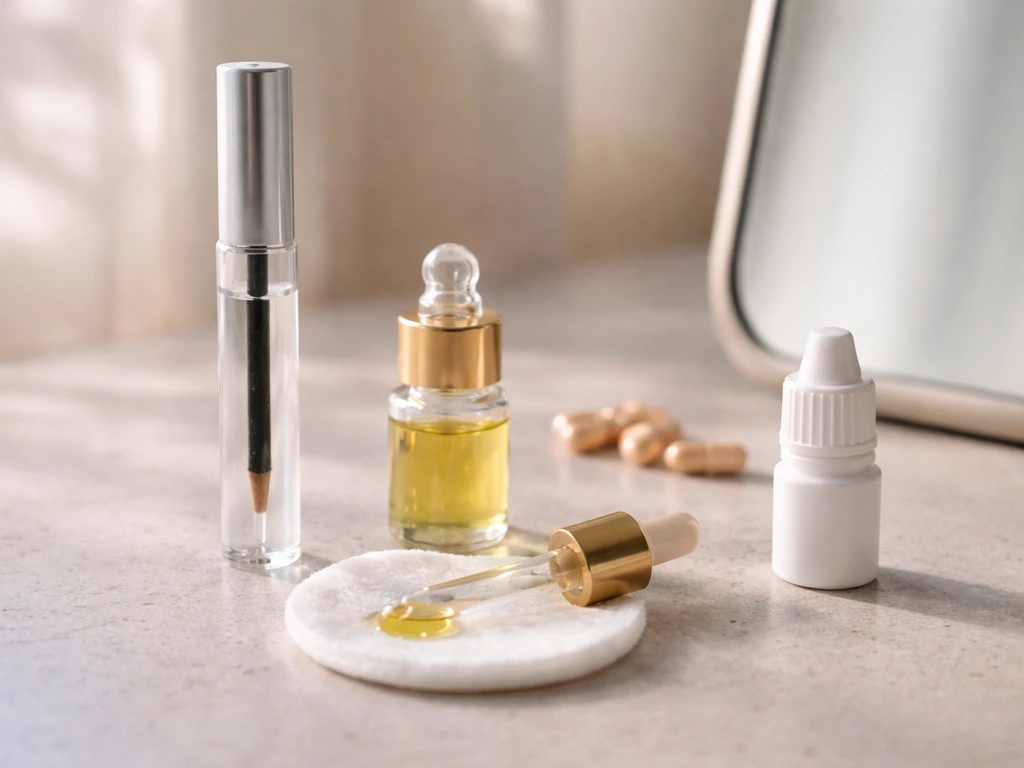
Castor oil is the most popular at-home remedy for lash regrowth, and while there's no large clinical trial specifically proving it grows lashes, it has properties that make it plausible as a supportive treatment. It's rich in ricinoleic acid, which has anti-inflammatory properties that may support a healthier follicle environment. Many people apply a small amount to a clean spoolie and work it into the lash line before bed. The realistic expectation is that it may support lash health and reduce breakage rather than dramatically accelerate new growth. It's inexpensive, low-risk, and worth trying during a recovery phase.
Biotin
Biotin (vitamin B7) supplements are widely marketed for lash and hair growth. The evidence is honest here: biotin deficiency can absolutely cause hair and lash loss, and correcting a deficiency with supplementation restores growth. However, if you're not actually deficient, adding more biotin is unlikely to produce dramatic results. It's not harmful to take a standard dose (typically 2,500 to 5,000 mcg daily is common in supplements), but don't expect it to be transformative unless your diet is genuinely lacking.
Lash serums
Over-the-counter lash serums vary widely in quality. Most contain peptides, panthenol, or biotin and can help strengthen existing lashes and reduce breakage, but they're not the same as prescription-grade growth treatments. Results are modest and gradual, usually noticeable over eight to twelve weeks of consistent daily use.
Bimatoprost (LATISSE): the clinical option
If your lash loss is significant, the only FDA-approved treatment with strong clinical evidence behind it is bimatoprost 0. 03% (brand name LATISSE). It's a prostaglandin analog that works by extending the anagen (growth) phase of the lash cycle. In a multicenter randomized controlled study, 78.
1% of subjects using bimatoprost achieved at least a one-grade improvement in global lash assessment by week sixteen, compared to only 18. 4% in the vehicle-only group. It visibly increases lash length, thickness, and darkness. The trade-off is that it requires a prescription, costs more than OTC options, needs to be applied consistently (once daily to the upper lash line), and comes with possible side effects including iris darkening in some people.
It's worth discussing with a dermatologist or ophthalmologist if your lash loss is significant or slow to recover.
Quick comparison: regrowth options
| Option | Evidence Level | Realistic Benefit | Timeline | Cost |
|---|---|---|---|---|
| Castor oil | Limited clinical evidence, plausible mechanism | Reduced breakage, supports lash health | Ongoing, gradual | Low |
| Biotin supplements | Effective only if deficient | Restores growth if deficient; minimal effect otherwise | 8–12 weeks | Low |
| OTC lash serums | Moderate (ingredient-dependent) | Strengthens existing lashes, modest growth support | 8–12 weeks | Low–medium |
| Bimatoprost (LATISSE) | Strong (RCT evidence) | Measurable increase in length, thickness, darkness | 12–16 weeks | High, requires prescription |
When to actually be concerned about your lashes
Most people grow out their extensions without any real problems beyond cosmetic inconvenience. If the discomfort feels more like pain during the grow-out rather than just patchiness, it can help to review why do my eyelash extensions hurt when they grow out so you know what to watch for warning signs above. But extension adhesives, which often contain acrylates and in some cases formaldehyde-releasing compounds, can trigger allergic reactions and irritation that warrant attention beyond normal grow-out management. University of Utah Health notes that eyelash adhesives used for placement may contain formaldehyde in some cases, which can cause inflammation and eye infections such as styes, conjunctivitis, and corneal keratitis blank" rel="noopener noreferrer">formaldehyde-releasing compounds.
The complications associated with extensions that the American Academy of Ophthalmology has documented include allergic blepharitis (inflamed eyelid margins), keratoconjunctivitis, corneal erosion, subconjunctival hemorrhage, and in longer-term or poorly applied cases, traction alopecia (actual follicle damage from repeated mechanical pulling). The last one is the real risk for anyone who's had extensions for years without breaks.
See a doctor or ophthalmologist promptly if you notice any of the following during or after the grow-out period:
- Persistent redness, swelling, or puffiness around the eyelids that doesn't resolve within a day or two
- Itching or a rash at the lash line that keeps spreading or worsening
- Eye pain, significant discharge, or any change in your vision
- Extreme swelling, burning, or sensitivity to light
- Lash loss that is patchy, widespread, or not showing signs of regrowth after three to four months
The first four are potential signs of an acute allergic or infectious reaction. The last one is worth evaluating for traction alopecia, which happens when prolonged mechanical stress damages the follicle itself. Traction alopecia from extensions is real but often reversible, especially when caught before the damage becomes permanent. A dermatologist can assess whether the follicles are intact and whether medical-grade treatment like bimatoprost is appropriate to support recovery.
The good news: for the vast majority of people asking whether they can just let their extensions grow out, the answer is a straightforward yes. Stop the fills, be gentle with your lashes for the next six to eight weeks, use supportive care if you want to speed recovery, and watch for any of the warning signs above. Your natural lashes will cycle through normally, and most people find their lashes are perfectly healthy once the extensions are fully gone.
FAQ
If I stop getting fills, how long will it take before my extensions look mostly gone?
Yes, but expect a different timeline and a more noticeable “spare” look. If your next appointment is much later than planned, many extensions will already have started detaching as your natural lashes shed, so you may need fewer fills or none at all before your next reset. If you want the cleanest transition, it helps to stop fills at a set date and plan for the heaviest shedding window (often weeks 3 to 5).
Can I gently brush or pull at the extensions to make the grow-out look more even?
It depends on the adhesive strength and your natural lash shedding rate, but most people should avoid touching or rubbing the lash line during the grow-out phase. If you must clean, use gentle, low-friction cleansing motions and avoid trying to “separate” extensions from natural lashes. Any active pulling or picking can increase the odds of losing natural lashes early.
What should I do if I have sensitive eyes or had irritation before, but I still want to let them grow out?
If you had extensions applied to sensitive, irritated eyelids in the past, the safest approach is to either book professional removal or switch to a conservative wait that includes symptom tracking. Consider earlier removal if you had prior reactions, persistent itch after application, or recurring redness, since repeated adhesive exposure can keep the eyelid margin inflamed.
Can I wear mascara or do my usual eye makeup while my extensions are growing out?
You can still wear makeup, but use a “lash-line light” routine. Avoid waterproof or hard-to-remove formulas, skip vigorous mascara removers, and remove makeup at the end of the day with a gentle, non-rubbing technique. If you notice more shedding right after makeup removal, that is a sign your removal method is too harsh.
Will swimming, sauna, or steam make extensions shed faster during grow-out?
Swimming and steam are not automatically a problem, but they can loosen bonds faster, making the middle weeks look patchier sooner. If you do swim, keep your eyes from being directly blasted, rinse after, and be extra gentle when drying near the lash line. Avoid rubbing with towels.
Can I use oil or home removal methods to speed up how fast they come off?
Do not. Oils and DIY looseners may break down adhesives unevenly, which can lead to more extension loss plus accidental natural lash loss if you try to assist removal. If you want them off quickly, professional removal is the safer “time-saving” option.
What symptoms mean it is no longer normal grow-out and I should seek removal right away?
If you have a mild, short-lived itch after application, you can often monitor while avoiding irritation. However, if itching, burning, swelling, or redness increases, or if you develop light sensitivity or eye pain, treat it as a reaction and get professional removal promptly. Contact lenses and makeup can worsen irritation, so pause them if symptoms flare.
When should I start using lash serums or regrowth products during the grow-out period?
Generally, you can start lash regrowth support after the extensions are fully off or once your lash line is stable. Until then, focus on protecting vulnerable lashes and avoiding aggressive serums that require scraping or frequent rubbing. If you use an OTC lash serum, apply only to the lash line with clean hands and stop if you notice stinging or redness.
If my lashes look permanently shorter after they shed, does that mean they will never fully recover?
Mostly, but also consider your lash history. If you wore extensions for years without breaks, you may recover more slowly and could be more prone to traction-related thinning. In that case, ask a clinician to assess whether follicles are healthy before assuming everything will bounce back on the same schedule.
Next Article
Do Eyelashes Itch When They Grow Back? Causes and Fixes
Learn if itchy lashes are normal during regrowth, common causes, and step-by-step fixes to stop irritation safely.