Yes, your natural eyelashes continue to grow while you're wearing extensions. The extensions are bonded to your existing lashes, not your skin, so your follicles keep cycling through their normal growth phases underneath. The real issue is not whether growth stops, it's whether extensions cause enough damage, tension, or shedding that your lashes appear shorter, thinner, or slower to recover over time. That's the nuance most people miss, and it's worth understanding before your next appointment or your next bottle of lash serum.
Will Your Eyelashes Grow With Extensions? Truth and Fixes

Rachel Nguyen
4 Jun 2026
How lash extensions interact with your natural growth cycle
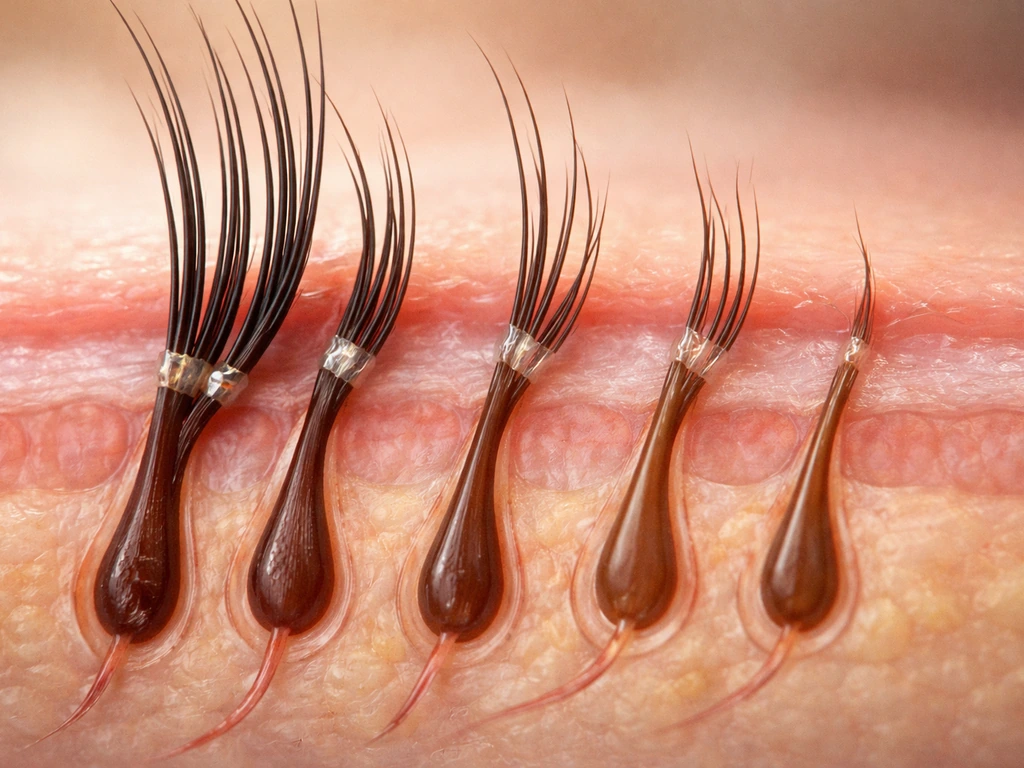
Your lashes go through three phases: anagen (active growth), catagen (transition and degradation), and telogen (resting). The telogen phase alone can last anywhere from 4 to 9 months, which is why lash recovery after damage can feel agonizingly slow. At any given moment, your lashes are in different stages simultaneously, which is why you don't lose them all at once when a growth cycle ends.
Extensions don't interrupt this cycle directly. What they can do is accelerate shedding and cause breakage through mechanical stress. When an extension is too heavy for the natural lash it's attached to, it pulls on the follicle and can trigger premature shedding, a form of traction alopecia. The American Academy of Ophthalmology has documented traction alopecia as a recognized complication of eyelash extensions, alongside allergic blepharitis, keratoconjunctivitis, and conjunctival erosion.
Allergic blepharitis turns out to be the most frequently reported problem, affecting up to 79% of complication cases in published reviews, and the adhesive is usually the culprit. Most extension glues contain cyanoacrylate, a compound that can trigger allergic contact dermatitis and release formaldehyde-related compounds as it cures, both of which cause eyelid inflammation that stresses the follicle environment.
The practical takeaway is this: a properly sized, well-applied extension on a healthy lash won't stop your lashes from growing. But a heavy set, a glue reaction, or repeated rubbing and pulling will cause lashes to shed earlier than they would naturally, making it look like your growth has slowed or stalled when really the problem is accelerated loss.
What to realistically expect with timing and regrowth
If you're currently wearing extensions and your natural lashes seem short or sparse, the timeline for visible improvement depends on whether there's actual follicle damage or just a temporary uptick in shedding. If you notice that extensions hurt when they grow out, that can be a sign of traction or inflammation that may need adjustment or a break. For most people with no follicle damage, lashes start filling back in within 6 to 8 weeks after extensions are removed, with full density returning somewhere between 3 and 6 months. If there's been repeated traction or chronic inflammation from adhesive reactions, recovery can stretch toward the longer end of the telogen window, up to 9 months.
The fills schedule also matters more than most clients realize. Industry guidance generally recommends fills every 2 to 4 weeks, because as your natural lashes shed and grow, the extension bonded to each one eventually reaches the point where it's hanging off a lash that's almost ready to fall out. If you skip fills for too long, you end up with a clumpy, uneven set that puts disproportionate tension on fewer remaining lashes. That concentrated stress is one of the fastest paths to patchiness.
If you're trying to decide how long to wait after removal before your lashes fully bounce back, the sibling question of how long eyelashes take to grow back after extensions is worth thinking through separately, because the answer shifts based on whether damage was mild, moderate, or significant.
How to protect your lashes while wearing extensions
Aftercare is where most people either protect their investment or quietly destroy their natural lashes. The rules aren't complicated, but they require consistency.
- Use only oil-free products around your eyes. Oil degrades the adhesive bond, which leads to premature shedding and extensions that hang awkwardly off your lashes, increasing traction. This means oil-free makeup remover, cleanser, moisturizer, and sunscreen near the eye area.
- Don't rub, pick, or pull. Rubbing your eyes is the single fastest way to break both the extension bond and the natural lash shaft. If your eyes are itchy, there's a good chance you're reacting to the glue and you should see a professional rather than scratch.
- Sleep on your back or use a silk pillowcase. Pressing your face into a pillow drags extensions sideways and applies sustained tension to the follicle overnight.
- Brush gently with a clean spoolie daily. This keeps extensions from tangling or clumping in ways that pull unevenly on your lashes.
- Never wet lashes in the first 24 to 48 hours after application. Moisture interferes with adhesive curing and weakens the bond from the start.
- Get fills on schedule (every 2 to 4 weeks). Waiting too long concentrates weight on fewer lashes and accelerates breakage.
If you're using a lash serum (more on that below), be careful applying it around extensions. Some serums, particularly prostaglandin-based ones, can interact with adhesive bonds or cause enough follicle stimulation to speed up your natural lash shed cycle, which shortens retention. Timing matters: apply serums only to the skin of the upper lash line, not directly onto the lashes or extension bond.
Evidence-backed ways to regrow and thicken lashes after damage
Once you've removed extensions or taken a break to let damaged lashes recover, you have real options for accelerating regrowth. Here's what the evidence actually supports.
Bimatoprost (the clinical gold standard)
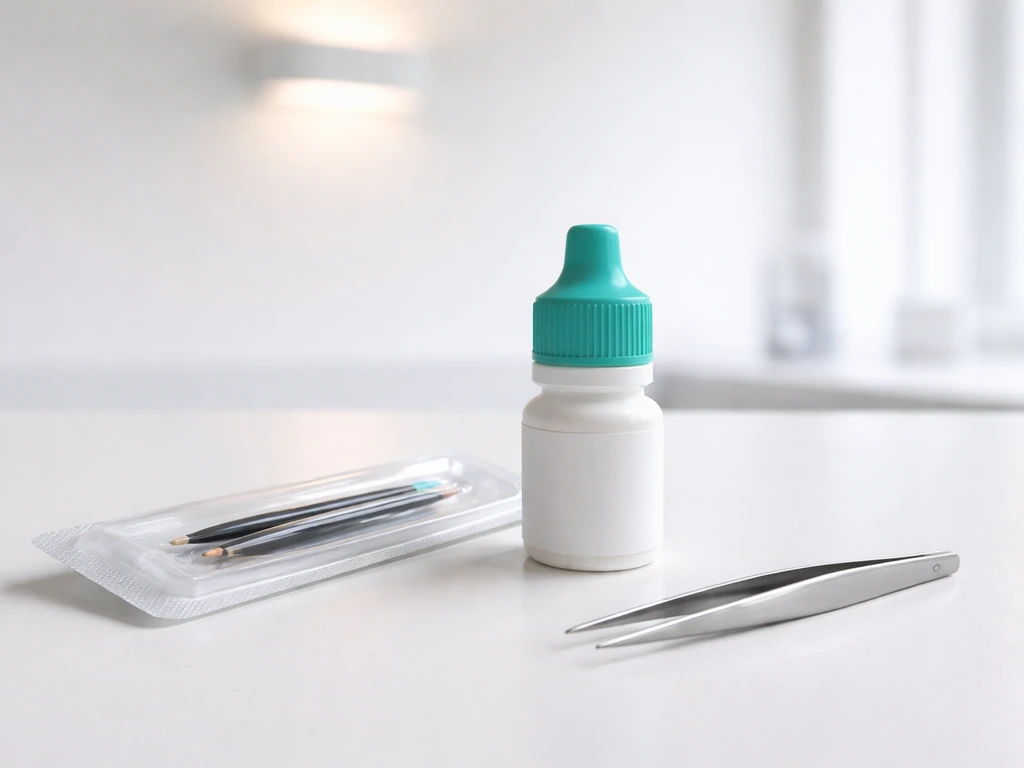
Bimatoprost 0.03%, sold as Latisse, is the only FDA-approved treatment for inadequate eyelashes. It works by prolonging the anagen (active growth) phase, which means each lash grows longer before transitioning to the resting phase. A randomized, double-masked trial of 278 patients confirmed patient-reported improvements in lash length, thickness, and darkness. The catch: results are not permanent. Once you stop using it, your lashes gradually return toward baseline. It also requires a prescription and has potential side effects including iris pigmentation changes with long-term use. If your lashes are genuinely sparse after extension damage and you want the most evidence-supported option, this is it, but go in with realistic expectations about cost and maintenance.
Over-the-counter serums with prostaglandin analogs
Several OTC lash serums use prostaglandin analogs or peptide blends marketed to mimic the growth-phase extension that bimatoprost achieves. The evidence base for these is thinner than for Latisse, but some formulations have published clinical data. Look for serums that list their active ingredients clearly and avoid those that rely entirely on vague peptide or botanical blends with no study backing. Apply a thin line to the upper lash line at the base of the lashes using the included applicator or a fine eyeliner brush, once nightly after cleansing. Less is more; flooding the area causes irritation without improving results.
Castor oil
Castor oil is the most popular natural remedy, and its limitations deserve honesty. There are no rigorous clinical trials confirming that castor oil extends the anagen phase or measurably increases lash density. What it does do is coat the lash shaft, adding temporary thickness and reducing breakage through moisture retention and lubrication. That's genuinely useful if your lashes are brittle or damaged from extension adhesive and repeated styling, even if it doesn't stimulate follicle activity directly.
If you use it, apply a tiny amount to a clean spoolie or cotton swab and coat the lash line before bed. Avoid getting it in your eye, as it can temporarily blur vision. Don't expect dramatic length gains, but do expect less breakage over 4 to 6 weeks of consistent use.
Biotin
Biotin supplements are frequently marketed for lash and hair growth, but the evidence only supports benefit in people who are actually biotin-deficient, which is uncommon in healthy adults eating a varied diet. If you're not deficient, adding more biotin doesn't meaningfully accelerate lash growth. It won't hurt you, but it's also unlikely to be the thing that turns your lash situation around. Focus your energy and budget elsewhere unless bloodwork shows a deficiency.
Comparison of regrowth options
| Option | Evidence Level | What It Actually Does | Realistic Timeline | Best For |
|---|---|---|---|---|
| Bimatoprost (Latisse) | Strong (RCT data) | Extends anagen phase; increases length, thickness, darkness | 4–16 weeks for visible results | Significant sparse/short lashes after damage; requires Rx |
| OTC prostaglandin-analog serums | Moderate (varies by brand) | May extend growth phase; results less consistent than Rx | 6–12 weeks | Mild to moderate thinning; non-Rx convenience |
| Castor oil | Weak (no RCT) | Conditions lash shaft; reduces breakage and brittleness | 4–6 weeks for texture improvement | Brittle, damaged lashes; adjunct to other methods |
| Biotin supplements | Weak (only helps if deficient) | Supports keratin production if you're deficient | N/A unless deficient | Only if bloodwork confirms deficiency |
Common mistakes that slow your lashes down (or make things worse)
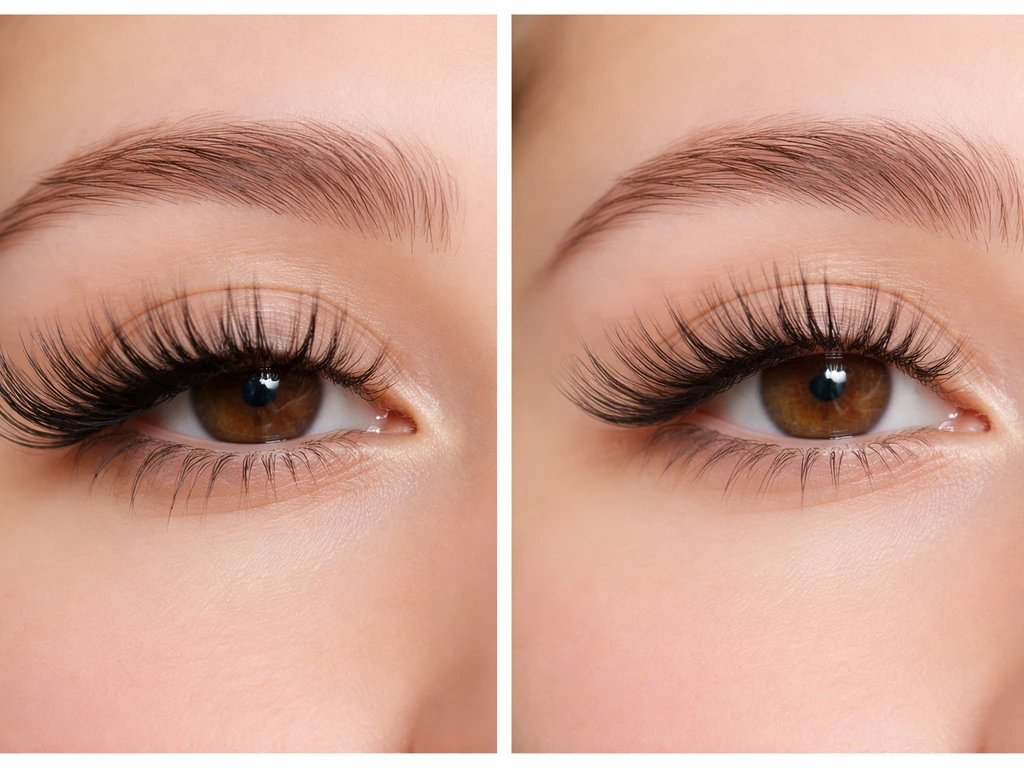
A lot of lash damage isn't caused by extensions themselves but by decisions around them. These are the patterns worth avoiding.
- Going too heavy with the set. Volume fans or extra-long extensions on fine natural lashes create a weight-to-lash-diameter mismatch that the follicle can't handle long-term. If your natural lashes are fine, choose a lighter, more natural set.
- Skipping patch tests before a new adhesive. If you've never been tested for cyanoacrylate sensitivity, doing a patch test 24 to 48 hours before your first appointment is the simplest way to avoid an allergic blepharitis flare that can set your lashes back weeks.
- Pulling off extensions at home. DIY removal almost always takes natural lashes with it. The bond is designed to hold, and forcing it apart shears the lash from the follicle. Always use a professional-grade adhesive remover or have a technician remove them.
- Using expired or low-quality adhesives. Adhesive chemistry degrades, and off-brand glues often have inconsistent cyanoacrylate concentrations and more filler compounds that increase irritation risk.
- Applying lash serums incorrectly with extensions on. Saturating the lash line with serum when wearing extensions can soften the adhesive bond and, with prostaglandin analogs, speed up your natural shed cycle, reducing retention and causing premature loss.
- Overfilling too frequently. Getting fills more often than every 2 weeks before the previous application has fully cycled means layering new adhesive over old, creating buildup that can block follicles and increase the risk of infection or chronic low-grade inflammation.
- Ignoring early irritation signs. Mild itching after a new set often signals a low-grade reaction. Pushing through it and booking your next fill anyway risks escalating to full allergic blepharitis, which requires weeks of treatment before your lash line is healthy enough for extensions again.
When to stop self-treating and see a professional or clinician
Most lash recovery after extensions is something you can manage at home with good aftercare and the right regrowth tools. But there are situations where you need professional eyes on the problem, either from a licensed lash technician or an actual medical professional.
See a dermatologist or ophthalmologist if you experience persistent eyelid swelling, redness, or crusting that doesn't resolve within a few days of removing extensions. If your lashes itch as they grow, it can point to irritation or an allergic reaction that may need gentler aftercare or medical advice. Allergic blepharitis can become chronic if untreated, and it directly compromises the follicle environment your lashes need to grow.
The AAO explicitly advises people with a history of eye disease or known allergies to avoid extensions and to seek medical advice promptly when symptoms appear. Traction alopecia is also worth having evaluated if you notice patchy, uneven lash loss that isn't recovering after 2 to 3 months of good aftercare and no extensions.
See a lash technician (a well-trained one, not just any salon) if your extensions are lifting, clumping, or shedding abnormally fast. This often signals an application error, wrong adhesive for your environment's humidity, or an aftercare problem that a skilled tech can identify and correct without you having to guess.
If you're considering Latisse or a prescription prostaglandin-based serum, that conversation happens with your dermatologist or primary care doctor, both to get the prescription and to rule out contraindications. It's also worth mentioning if you have hazel or light-colored eyes, since long-term bimatoprost use around the eye area can cause iris darkening that is permanent.
For most people the path forward is straightforward: take a break from extensions if things look rough, keep the lash line clean and irritation-free, consider a reputable serum, and book fills on a reasonable schedule once you go back. If you want a more step-by-step plan, start with a guide focused on how to grow eyelashes after extensions. If your lashes are still not recovering after 6 months of doing things right, that's the point where a clinician's input shifts from optional to necessary.
FAQ
If my eyelashes grow naturally, why do my extensions make them look thinner?
They can still grow, but extension-related damage can make them look like they are not. If you see new growth at the lash line yet the overall set stays sparse, the issue is often traction (early shedding) or breakage, not a blocked growth cycle.
How fast will lashes start shedding if extensions are too heavy?
If extensions are too heavy for your natural lash, shedding can increase quickly and patchiness may appear within weeks. The fix is usually immediate removal and a short break, then only reapply with lighter weight extensions and correct sizing for your natural lash length.
Can eyelash extension glue stop my lashes from growing?
Yes. Even if lashes keep cycling, a reaction to adhesive can keep eyelids inflamed, which interferes with a healthy lash follicle environment. This can prolong recovery beyond the typical 3 to 6 month window.
Does washing your face or rubbing your eyes affect lash growth with extensions?
You should not. Rubbing can loosen bonds and increase mechanical pull on the lash line, which raises the odds of traction and breakage. If you must cleanse, use gentle, oil-free, extension-safe techniques and avoid tugging the lash shafts.
Can I use lash serum while wearing extensions?
Usually, you should wait until extensions are removed to start prostaglandin-based serums like bimatoprost-related products, or at least avoid direct lash contact until you confirm compatibility with your adhesive. Applying to the extension bond area can increase irritation and reduce retention.
Can the way extensions are removed affect how long it takes lashes to bounce back?
Yes, removal method matters. Aggressive pulling during removal can cause immediate breakage that looks like “no regrowth” over the next few weeks. Choose removal that uses proper solution and gentle lift-off rather than force.
What symptoms mean I should stop waiting and take extensions off sooner?
If your lashes feel painful when the extensions grow out, or you notice persistent burning, marked redness, or itching, that can indicate traction or adhesive intolerance. In those cases, removal and medical or skilled professional evaluation is safer than waiting for a full regrowth cycle.
Are prescription lash growth options riskier for people with light-colored eyes?
Light-colored or hazel eyes may be more prone to iris darkening with long-term bimatoprost use. If you are considering Latisse or similar prescription options, discuss eye history, contact lens habits, and monitoring with your clinician before starting.
How often should I get fills to avoid damaging my lashes?
Fills matter because each extension eventually reaches the point where it is attached to a lash that is ready to shed. Skipping too long can concentrate tension on fewer lashes and worsen patchiness, even if you originally had a well-applied set.
What if my extensions are shedding faster than others even with good aftercare?
Yes. If you are experiencing frequent clumping, lifting, or “random” shedding across multiple days, it often points to application or aftercare problems rather than normal cycling. A knowledgeable lash technician can check bond quality, weight selection, and humidity-related adhesive behavior.
What results should I realistically expect from castor oil after extension damage?
Typically, castor oil can help reduce breakage by coating and moisturizing lashes, but it is unlikely to meaningfully prolong the anagen growth phase. Expect less snapping and frizz, not dramatic length gains within a short time.
Should I take biotin to regrow lashes after extensions?
Biotin helps mainly when someone is deficient. If you eat a balanced diet and you are not deficient, extra biotin usually does not speed lash regrowth. Consider bloodwork only if you have symptoms of deficiency or dietary risk.
At what point does delayed recovery after extensions become a medical issue?
If you have patchy lash loss that does not improve after about 2 to 3 months of good aftercare and avoiding extensions, traction alopecia or chronic allergic inflammation may be involved. At that point, evaluation by an ophthalmologist or dermatologist is often the right next step.
Next Article
Can I Let My Eyelash Extensions Grow Out? Timeline & Aftercare
Let lash extensions grow out? Get timelines, what happens to natural lashes, messy-middle tips, and aftercare for regrow