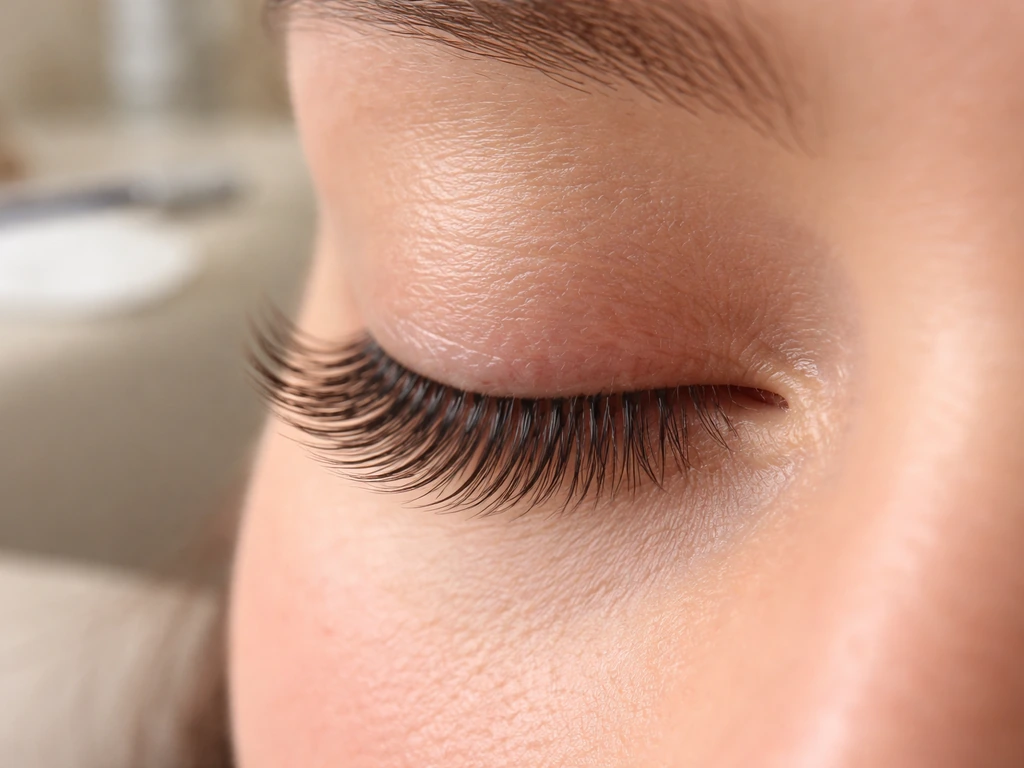
When eyelash extensions hurt as they grow out, the most common cause is mechanical tension: your natural lash has grown longer, pushing the bonded extension further from the lid, and that extra weight and leverage creates a tugging sensation at the follicle. It's not unusual, but "not unusual" doesn't mean you should ignore it. Some of what feels like normal grow-out discomfort is actually an early allergic reaction, adhesive irritation, or even the beginning of follicle damage, and those situations need different action.
Why Do My Eyelash Extensions Hurt When They Grow Out?

Rachel Nguyen
13 Jun 2026
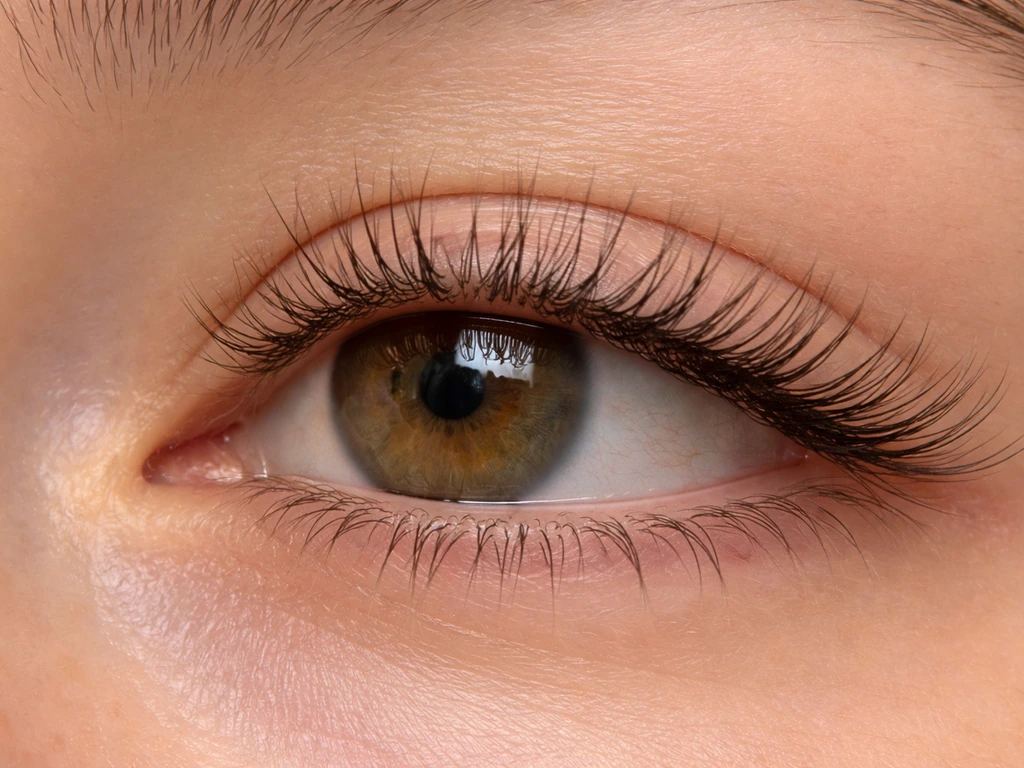
What "grow out" discomfort usually means
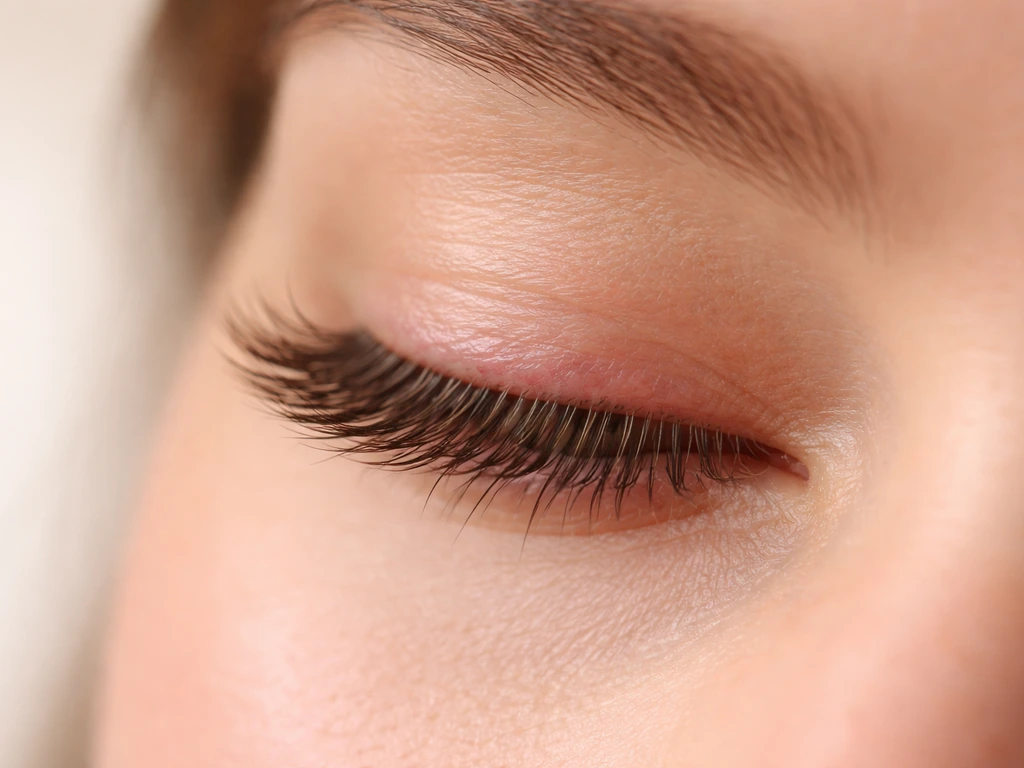
The phrase "grow out" covers a specific window: roughly two to four weeks after a fresh set or fill, when your natural lashes have gained enough length that the glue bond sits noticeably farther from the lash line. At this point the extension is essentially a lever arm. Your natural lash, which may be fine and lightweight on its own, is now supporting a synthetic fiber that can be two to three times its original length. Every blink, every bit of wind, every time you roll over at night applies a tiny pull at the root.
Most of the time this produces a mild, intermittent pinching or heaviness sensation rather than sharp pain. It tends to be worse in the morning (after hours of side or stomach sleeping) or after prolonged screen time when you blink less and then suddenly blink more. If this is all you're feeling, it's grow-out mechanics, not an emergency. But if the discomfort is constant, burning, or accompanied by visible redness, swelling, or discharge, that's a different conversation entirely.
How the eyelash growth cycle makes extensions feel worse over time
Eyelashes follow a three-phase growth cycle: anagen (active growth), catagen (transition/degradation, roughly 15 days), and telogen (resting phase, which for lashes lasts anywhere from 4 to 9 months). The full eyelash lifespan from growth to shedding spans approximately 4 to 11 months. What this means practically is that at any given moment, your lashes are all at different stages. A fresh set of extensions gets applied to lashes across multiple phases, but only the anagen lashes are actively moving outward from the follicle.
As anagen lashes grow, they push the bonded extension away from the lid at a rate of roughly 0.12 to 0.14 mm per day. Over two to three weeks, that's 2 to 3 mm of outward migration, which is enough to shift the weight distribution and increase follicular stress significantly. Meanwhile, lashes entering telogen are preparing to shed. When a lash that's carrying an extension begins its shedding cycle, the added weight can accelerate or complicate that natural release, which is what creates the more acute pinching or stinging some people describe at weeks three and four. This is also why letting extensions grow out without a fill or removal can gradually become more uncomfortable rather than less.
The real culprits behind grow-out pain
Mechanical pulling and improper adhesion
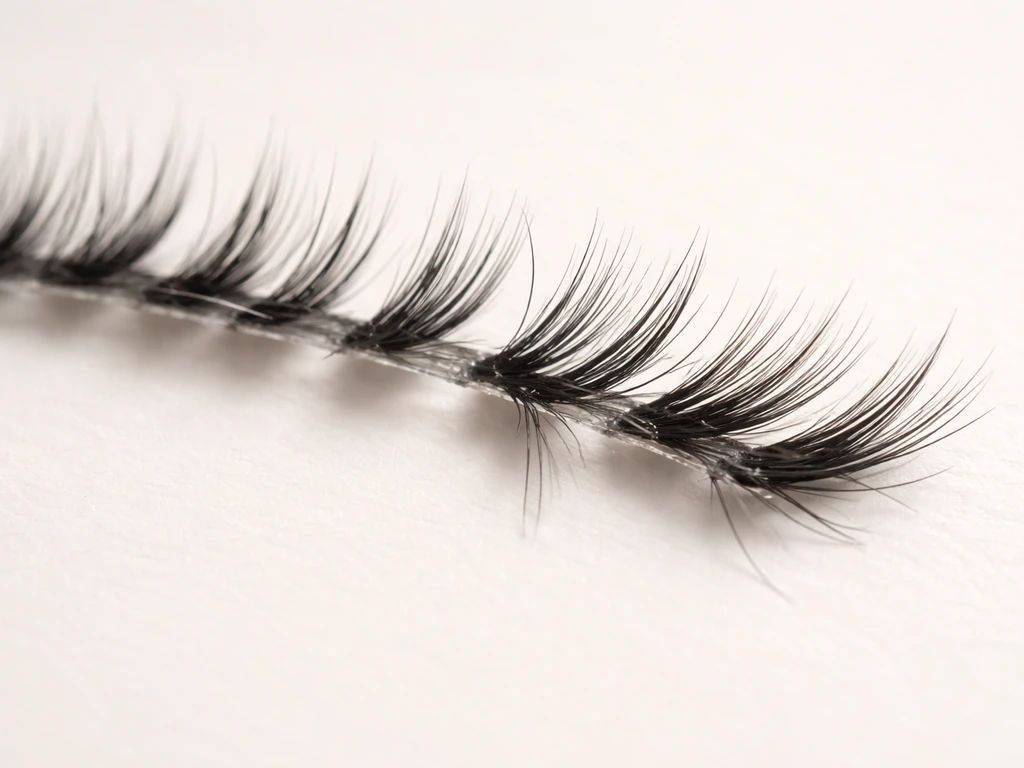
If extensions were applied with too much glue, applied to multiple natural lashes at once ("stickies," in lash tech language), or placed too close to the eyelid skin, the adhesive bond can press against the follicle opening or glue adjacent lashes together. As those lashes grow in different directions at different rates, the tension between them causes real pain. This is probably the most common structural cause of grow-out discomfort beyond normal mechanics, and it's a technique problem, not a you problem.
Adhesive ingredients and allergic reactions
Eyelash adhesives are primarily cyanoacrylate-based, but they often contain additional ingredients including formaldehyde-releasing compounds, ammonia, lead, and latex. Research has documented that some lash glues release formaldehyde even when it isn't listed on the label. Formaldehyde and cyanoacrylate are both recognized sensitizing agents, meaning your immune system can mount a delayed hypersensitivity response (Type 4, or contact dermatitis) days after initial exposure, not just immediately after application.
This explains why some people have no reaction after their first set but develop symptoms by the third or fourth appointment, or why discomfort that seemed to be mechanical grow-out pain suddenly gets worse without obvious reason. Latex-sensitive individuals face additional risk, since some adhesives contain natural rubber latex and reactions can range from localized irritation to more significant responses.
Eyelid inflammation (blepharitis and blepharoconjunctivitis)
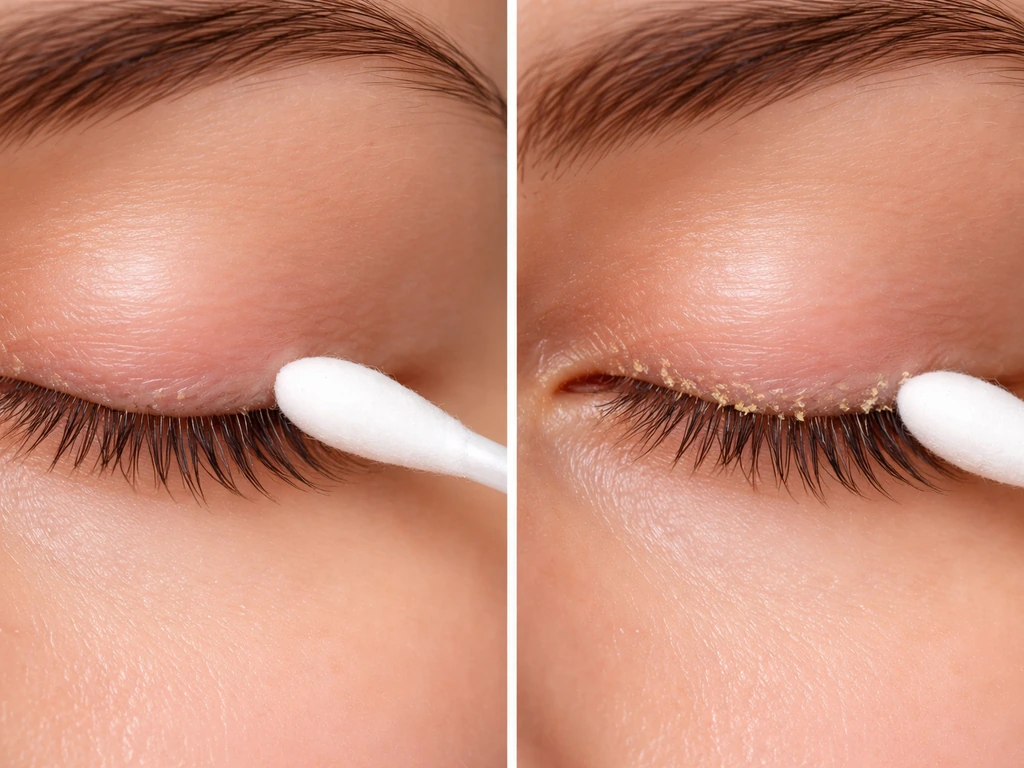
Extensions make it harder to clean the lash line properly, and debris, dead skin cells, and residual adhesive can accumulate at the lid margin. This sets up a perfect environment for blepharitis, an inflammatory condition of the eyelid margins. Symptoms include a foreign body sensation (it literally feels like something is stuck in your eye), eyelid crusting, redness along the lid margin, and in more advanced cases, lash misdirection or even localized lash loss (madarosis). Allergic blepharitis from extension adhesives is one of the most commonly reported complications of lash extensions in clinical literature, and it can develop gradually during the grow-out phase rather than appearing immediately.
Other documented adverse reactions
Clinical reviews and case reports have documented a range of more serious extension-related events including keratoconjunctivitis (inflammation of the cornea and conjunctiva), conjunctival erosion, subconjunctival hemorrhage, bacterial keratitis, contact dermatitis, and traction alopecia (follicle damage from prolonged pulling). These are less common than simple mechanical irritation, but they are real, documented outcomes, and they can present during the grow-out phase rather than right after application.
Normal grow-out discomfort vs. red flags: how to tell the difference
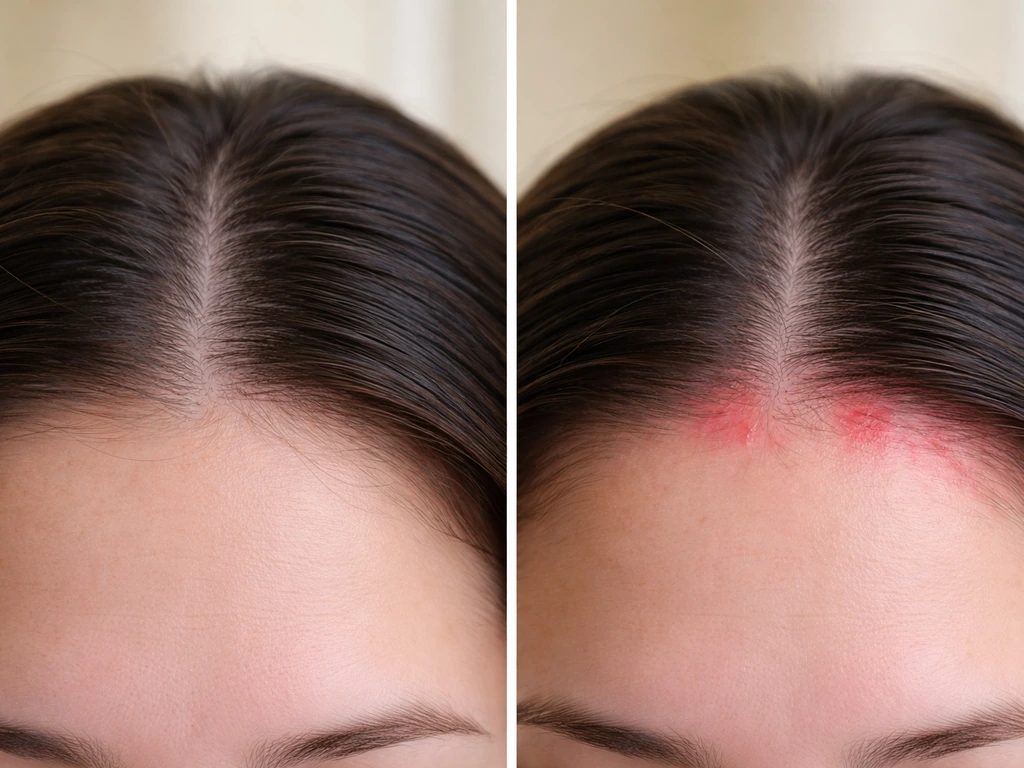
This is the most practically important thing to know. Not every uncomfortable sensation needs a doctor, but some absolutely do. Here's how to read what you're feeling:
| What you're experiencing | Likely cause | What to do |
|---|---|---|
| Mild intermittent pinching or heaviness, no redness | Mechanical grow-out tension | Home care, skip next fill, consider removal |
| Itching along the lash line, mild lid puffiness | Early contact dermatitis or blepharitis | Gentle cleansing, stop fills, monitor closely |
| Persistent burning, watery eyes, gritty sensation | Adhesive irritation or blepharoconjunctivitis | Pause all extensions, see lash tech or eye doctor |
| Significant eyelid swelling, redness spreading to eye white | Allergic reaction (possible delayed hypersensitivity) | Remove extensions, see eye doctor promptly |
| Discharge, crusting, pain in the eye itself | Possible infection (bacterial keratitis, conjunctivitis) | See eye doctor the same day or next day |
| Patches of lash loss, persistent follicle pain | Traction alopecia or adhesive damage to follicles | Remove extensions, see dermatologist or eye doctor |
The FDA's position is direct: eyelids are delicate, and injuries or irritation in the eye area can be particularly troublesome. If irritation persists after conservative home care, see a doctor. That's not overcautious advice; it's the right threshold given how close everything is to your cornea. An eye care professional can rule out serious problems when conservative treatment isn't working.
What to do today: immediate steps for relief
Stop doing these things right now
- Stop rubbing or touching your lash line. Rubbing increases mechanical stress on the follicle and can drive adhesive residue closer to the eye.
- Don't book a fill if you're already experiencing discomfort. Adding fresh extensions on top of irritated or improperly bonded lashes makes every problem worse.
- Stop using oil-based eye makeup removers or cleansers near the lash line. Oils break down cyanoacrylate adhesive, which sounds helpful but actually causes uneven debonding that increases pulling forces on individual lashes rather than releasing them cleanly.
- Avoid mascara on top of extensions during the grow-out phase. The weight adds to the lever-arm problem, and removal is inevitably rough.
Gentle steps you can take at home
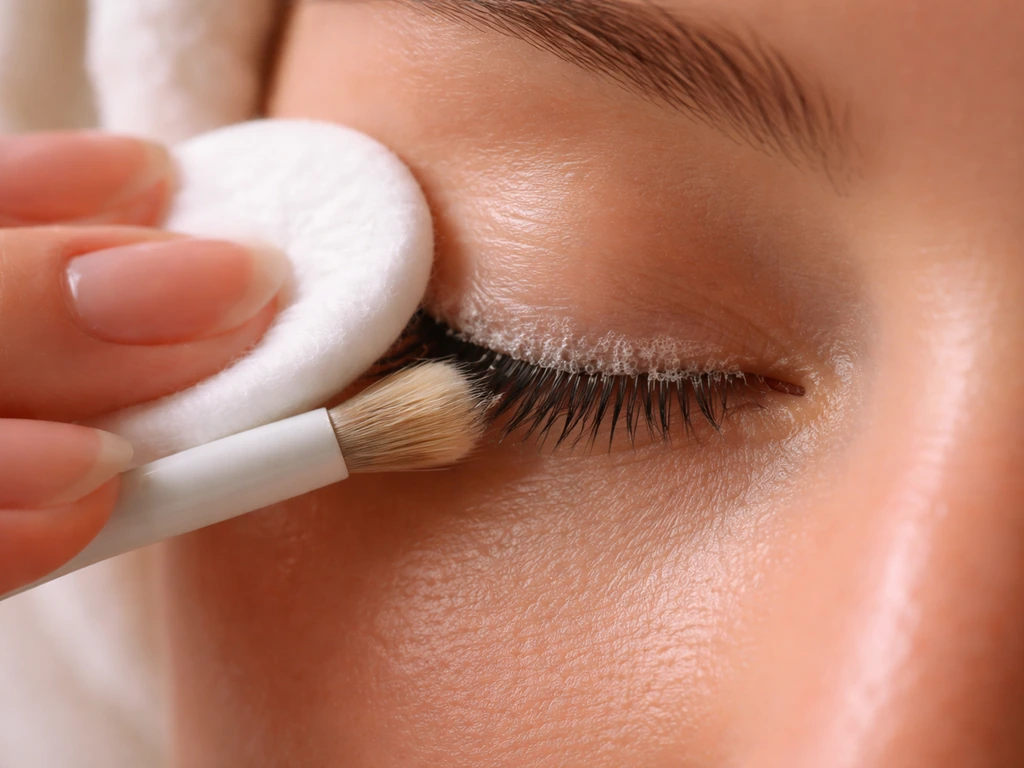
- Clean your lash line twice daily with a gentle, oil-free cleanser. Use a soft brush or your fingertips to work the cleanser through the extensions from root to tip, then rinse with lukewarm water. This removes adhesive debris, skin cells, and any buildup contributing to inflammation.
- Apply a cool compress (a clean cloth dampened with cold water, not ice directly) to closed eyelids for 5 to 10 minutes to reduce swelling and calm inflammation. If the discomfort is more of a deep ache than surface irritation, a warm compress can help loosen debris and improve circulation to the follicles.
- Sleep on your back if possible, or use a silk pillowcase if you're a side sleeper. Friction and pressure on the lash line overnight directly contributes to the morning pinching people often describe.
- If you suspect blepharitis is developing, a gentle lid scrub with diluted baby shampoo or a commercial lid scrub wipe (used carefully away from extensions) can help clear the margin.
When to contact your lash technician vs. when to call a doctor
Contact your lash technician if the issue is primarily mechanical: extensions are grown out far enough to pull, you can feel stickies (multiple lashes bonded together), or placement was too close to the skin. A good technician can safely remove the problematic lashes or the full set without making things worse. Contact an eye doctor (ophthalmologist or optometrist) if you have persistent burning, gritty sensation, significant swelling, discharge, changes in vision, or any symptoms that don't improve within 24 to 48 hours of home care. The FDA explicitly advises against continuing to use eye-area cosmetics when the skin around the eye is inflamed, and that includes keeping extensions in place through a reaction.
Recovery plan: restoring your lashes after extensions
Realistic timeline for recovery
If you've let extensions grow out and your natural lashes are looking sparse, thin, or short afterward, that's a common outcome. Will your eyelashes grow with extensions? They can, but the most realistic outcome depends on how long they were worn, how they were removed, and whether traction stress built up during the grow-out phase.
If you're wondering how to grow eyelashes after extensions, the good news is that realistic timelines and the right recovery steps can help rebuild density over time. Extensions don't inherently damage lashes when applied and removed correctly, but traction stress over multiple sets, poor adhesion technique, and grow-out neglect all add up.
Given that the eyelash growth cycle spans 4 to 11 months and anagen phase is ongoing, you should expect meaningful visible recovery within 6 to 12 weeks after removing extensions and committing to a supportive routine. If you are wondering how long it takes for lashes to grow back after extensions, plan on several weeks for visible improvement and a few months for full recovery how long do eyelashes take to grow back after extensions. Full density and length restoration to your personal baseline typically takes 3 to 6 months. That timeline aligns with what the growth cycle biology actually allows, not a marketing claim.
Safe ways to support lash recovery
The most clinically supported option for lash regrowth is bimatoprost, a prostaglandin analog originally developed for glaucoma that is FDA-approved for eyelash hypotrichosis. It works by extending the anagen (growth) phase and increasing the number of hairs in that phase, which produces measurable increases in lash length, thickness, and darkness. It requires a prescription and comes with real safety considerations (iris pigmentation changes, periorbital fat changes with long-term use), so the risk-benefit conversation needs to happen with a doctor. But for significant lash thinning after extensions, it's worth asking about.
For those who want to go the non-prescription route, castor oil and other nourishing carrier oils can support lash health during recovery by conditioning the hair shaft and reducing breakage, though they won't dramatically accelerate the growth cycle the way prostaglandin analogs do. Iris Lash NYC advises avoiding oil-based products near the lashes because oil can break down lash adhesive and contribute to premature shedding castor oil and other nourishing carrier oils can support lash health during recovery.
Paula’s Choice also recommends using an oil-free cleanser or remover for eyelash extensions, since oils can break down glue adhesion castor oil and other nourishing carrier oils can support lash health during recovery.
Peptide-based lash serums marketed as growth-supporting have more evidence behind them than most cosmetic claims, but results are slower and more modest than bimatoprost. The key is patience and consistency over 8 to 12 weeks. Biotin is frequently mentioned in lash growth discussions; it can help if you have a genuine deficiency, but for most people supplementing beyond that doesn't produce dramatic results.
What to avoid during recovery
- New extensions until your lashes have fully recovered. Getting extensions back on sparse or damaged lashes accelerates the cycle of traction and thinning.
- Harsh waterproof mascaras and mechanical lash curlers, which stress already-weakened lashes.
- Heavy rubbing during makeup removal. Use a gentle, oil-based micellar water or dedicated eye makeup remover applied with light, downward strokes.
- Any eye cosmetics if your eyelid skin is still inflamed. The FDA's guidance on this is clear: wait until the area has calmed down completely.
The grow-out phase is genuinely uncomfortable for a lot of people, and there's often a question of whether to ride it out or remove everything now. If you're feeling mild mechanical tension with no inflammation signs, you can let them grow out with careful home care. But if you're reading through the red-flag list above and recognizing your own symptoms, removal and recovery is the smarter move. Your follicles are small structures with a long memory, and protecting them now directly affects what your natural lashes look like six months from now.
FAQ
Is grow-out lash pain normal, and how can I tell mild tension from something worse?
Mild grow-out discomfort is usually intermittent, pinchy or heavy, and improves after rest or warm compresses. Red flags include burning or stinging that persists, symptoms that worsen daily, eyelid swelling, visible lid margin redness, discharge, or any change in vision. If you cannot confidently categorize it as mild and mechanical within 24 to 48 hours, get an eye exam.
Should I remove my extensions immediately if they start hurting when they grow out?
If you only feel tugging in the morning or after less frequent blinking, you can often pause and try gentle home care while monitoring for inflammation. If you notice constant pain, irritation plus redness, gritty or watery eyes, or you suspect “stickies” or lashes bonded too low on the lid, removal sooner is safer. Continuing to wear them through an active irritation episode can prolong the problem and increase risk.
Can I do anything at home to reduce grow-out discomfort without damaging my eyes?
Stop rubbing your eyes, avoid waterproof makeup removers and oily products near the lash line, and use saline or preservative-free artificial tears if your eyes feel dry or gritty. If your eyelids are irritated, avoid harsh cleansers and do not attempt to peel lashes off yourself. If symptoms do not noticeably improve within 24 to 48 hours, switch to professional care.
How do I know if the pain is from “stickies” or glue placed too close to the skin?
You may feel a more localized, sharper tug at specific points rather than a generalized heaviness, and you might also see clumping, a hazy lash line, or difficulty separating individual extensions. Sometimes the discomfort is worse when you blink because multiple lashes are effectively acting as one unit. Tell your technician to check for overbonding and placement too low on the lid.
If it hurts more after sleeping on my side, does that mean my technique is the issue or that my lashes are just long?
Side or stomach sleeping increases leverage and can turn mild grow-out tension into pain. However, if pain consistently starts at the same 2 to 4 week mark and feels worse each day, it can also signal heavier extensions, overbonding, or multiple lashes attaching too close to the follicle opening. Both factors can be true, and professional assessment helps sort them out.
Why do symptoms show up on the third or fourth set, even if the first set was fine?
Many adhesive reactions are delayed. Your immune system can become sensitized over multiple exposures to cyanoacrylates or other adhesive ingredients, so the first sets may feel fine and later sets trigger contact dermatitis type symptoms. This is one reason you should not ignore recurring pain that escalates after each appointment.
What should I do if I suspect an allergy but it only hurts during the grow-out phase?
Treat it as potentially immune-related if the pain comes with itching, redness along the lid margin, rash-like irritation, or increasing irritation at the lash line as time passes. Do not keep wearing the extensions to see if it settles, since ongoing exposure can worsen sensitization. Arrange removal with your technician and book an eye doctor visit if symptoms persist beyond 48 hours or you develop burning or discharge.
Are there any “don’ts” that make grow-out pain worse or increase damage risk?
Do not rub, pick, or try to pull lashes off. Avoid steam directly over the eye and avoid acetone-based DIY removal. Do not continue lash application on top of irritated eyelids, and avoid eye-area cosmetics when lids are inflamed. These steps can worsen irritation, increase traction, and delay healing.
How long after removal should my eyes feel better if the cause was mechanical tension?
If it is mainly lever-arm tugging without inflammation, many people notice meaningful relief within 24 to 48 hours after removal. If you still have burning, persistent redness, foreign body sensation, or discharge after that window, the cause may be irritation, blepharitis, or a more serious reaction that needs clinical evaluation.
Will my eyelashes look thinner after extensions, and when does regrowth realistically happen?
Thinning can occur from traction stress and shed timing, especially after multiple sets or prolonged grow-out without fills. Visible improvement often starts within weeks, with more noticeable recovery typically over 6 to 12 weeks, and deeper return to baseline usually takes several months. If loss is patchy or accompanied by lid margin inflammation, get it checked rather than assuming it will correct on its own.
Are there specific symptoms that should make me stop using makeup and seek care urgently?
If you have significant swelling, pus-like discharge, moderate to severe eye pain, light sensitivity, or any change in vision, seek urgent evaluation. Also stop using eye makeup immediately if the skin around the eye is inflamed, because cosmetics can worsen irritation and make it harder to clean the lid margin properly.
Next Article
Will Your Eyelashes Grow With Extensions? Truth and Fixes
Extensions do not stop lash growth, but poor wear and damage can cause shedding and slower regrowth. Fixes inside.