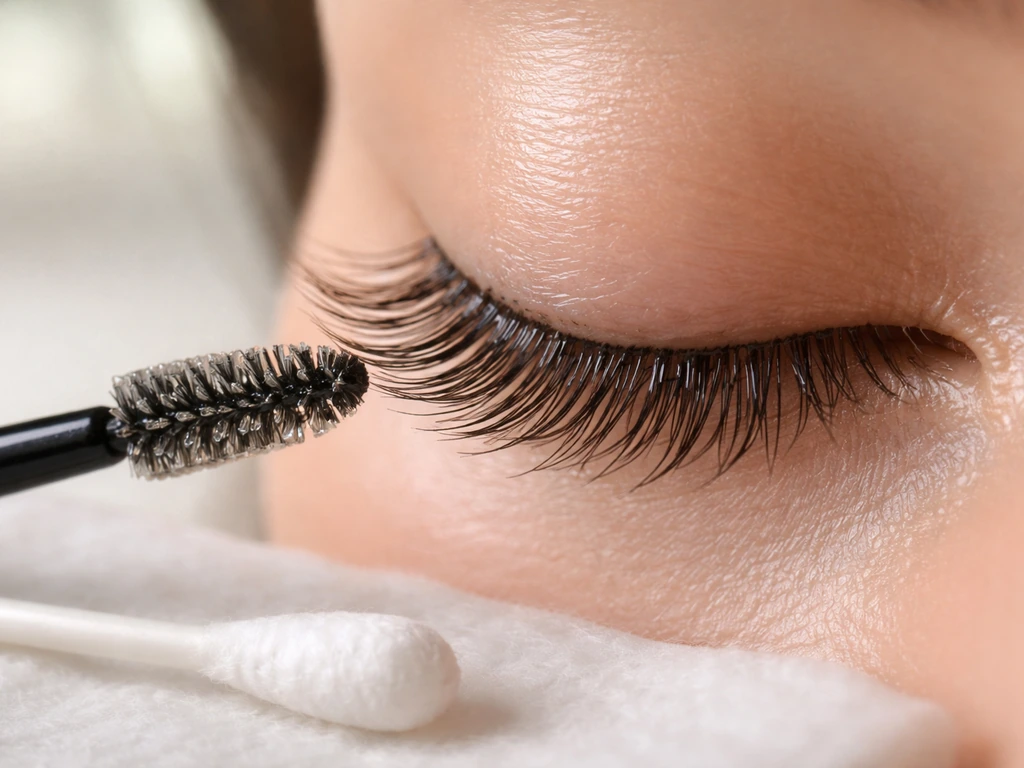
Olive oil won't make your eyelashes grow faster in a clinical sense, but used correctly it can help them look noticeably longer and thicker by reducing breakage, conditioning brittle lashes, and protecting the hair shaft from daily damage. Applied nightly to the lash line with a clean spoolie or cotton swab, it takes roughly 4 to 8 weeks before most people notice a visible difference. That timeline lines up with how the eyelash growth cycle actually works, and understanding that biology is the key to having realistic expectations and not giving up too early.
How to Grow Eyelashes with Olive Oil: Step-by-Step Guide
Rachel Nguyen
2 Jun 2026
What olive oil can and can't actually do for your lashes
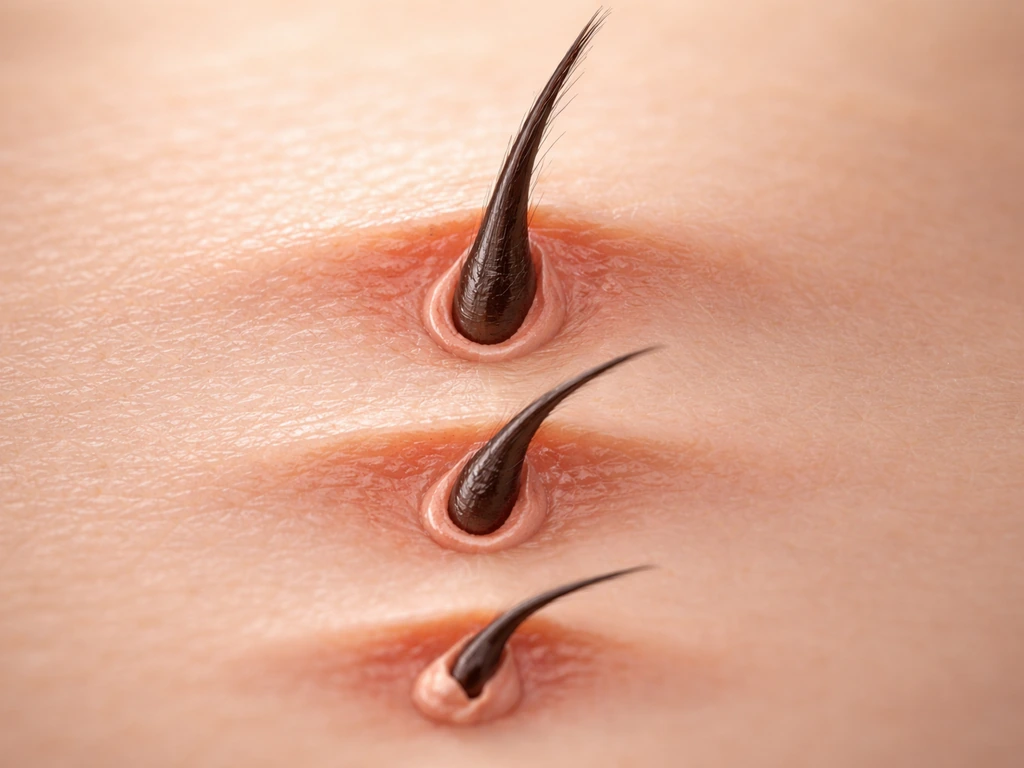
Eyelash follicles cycle through three phases: anagen (active growth), catagen (the follicle shrinks and growth stops), and telogen (resting, before the lash sheds). The anagen phase for eyelashes lasts only about 4 to 10 weeks, which is dramatically shorter than scalp hair. That's why eyelashes rarely grow past about 12 mm naturally. No topical oil, including olive oil, can extend that anagen phase or speed up cell division in the follicle. Only prescription treatments like bimatoprost (Latisse) have clinical evidence for actually lengthening the growth phase itself.
What olive oil can do is reduce the number of lashes you lose prematurely. Lashes break off before their time because of friction from rubbing, dryness, rough makeup removal, or the mechanical stress of lash curlers and extensions. Olive oil coats the hair shaft, adds flexibility, and reduces that breakage. The result is that more of your existing lashes survive to their full natural length, which makes your fringe look fuller and longer even though the oil isn't technically triggering new growth. That's a real, useful benefit. It's just not the same thing as growing new lashes.
Why oils may help: conditioning versus true growth
There's no strong clinical research showing olive oil directly stimulates eyelash growth in humans. The benefits are largely structural and conditioning-based. Olive oil is rich in oleic acid and squalene, both of which can penetrate the hair shaft and improve moisture retention. This makes individual lashes more pliable, less prone to snapping at the tip, and better able to hold their length through the full telogen phase before shedding naturally.
Think of it this way: if your lashes are constantly breaking off at 6 mm because they're brittle, conditioning them to reach their natural maximum of 10 to 12 mm looks like dramatic growth, even though the follicle biology hasn't changed at all. That's the realistic mechanism at play. It's also why people who already have healthy, unbroken lashes tend to see subtler results than people recovering from damage caused by extensions, aggressive rubbing, or harsh makeup removers.
Castor oil gets more attention in this space, and there's a similar debate about whether it truly grows lashes or simply conditions them. Can Jamaican black castor oil grow eyelashes? It follows the same general pattern as castor oil, with conditioning benefits being more realistic than true new growth Castor oil gets more attention in this space.
Castor oil often gets marketed as a fast lash growth solution, but many of the same timing expectations apply as with other conditioning oils Castor oil gets more attention in this space. Castor oil may help lashes look fuller by conditioning them, but the growth effect is still not the same as truly triggering new lash growth castor oil gets more attention in this space.
The honest answer for both oils is that the conditioning benefit is real and worth pursuing; the growth claim is overstated. Castor oil is commonly used in a similar way, and you can follow the same safe bedtime routine with tiny amounts to help reduce breakage how to grow lashes with castor oil. If you're curious how the two oils compare in detail, the castor oil and coconut oil discussions on this site go deeper into those specific comparisons.
Many readers also search about whether coconut oil can grow lashes, and the results are often more about conditioning than true growth coconut oil grow lashes.
How to apply olive oil to your lashes safely (step-by-step)
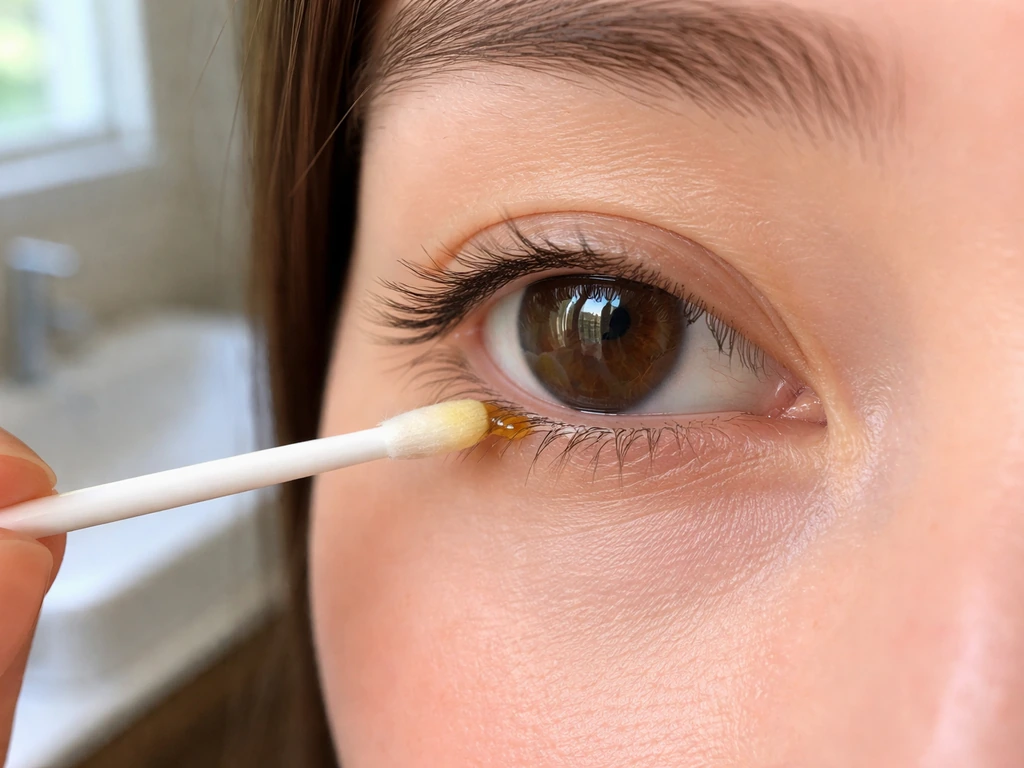
The application method matters more than most people realize. Getting oil into your eyes isn't just uncomfortable, it can cause blurred vision and irritation. Getting too much on your eyelid skin can clog the meibomian glands that line your lid margin, which in some people can trigger styes or worsen existing blepharitis. Here's a routine that minimizes those risks.
- Remove all eye makeup first. Mascara, liner, and shadow all need to come off completely before application. Using olive oil over makeup pushes product into the follicle area and defeats the purpose.
- Wash your hands thoroughly with soap and water. The eye area is sensitive to bacteria, and your fingertips carry more than you think.
- Use a clean, dry spoolie brush or a fresh cotton swab for each application. Never double-dip into your oil container, as this can introduce bacteria into your supply.
- Dip the spoolie or swab lightly into extra virgin olive oil. You need far less than you think: a tiny amount that barely coats the bristles or tip is enough.
- Apply to the upper lash line by brushing from the base of the lashes upward through the tips. For the lower lashes, use the swab and brush gently outward from the inner corner.
- Do not apply directly onto the waterline or inner rim of the eye. Stay on the lash line itself, not the mucous membrane.
- If you feel oil entering your eye, flush with clean water immediately and let the eye air out before trying again with less product.
- Leave on overnight and rinse with a gentle, oil-free cleanser in the morning.
Do this every night before bed. Consistency over daily application volume is what produces results. A nightly routine with a tiny amount beats a heavy weekend application every time.
How long it takes and what results actually look like
Because the eyelash anagen phase runs 4 to 10 weeks, you need to give any topical treatment at least one full growth cycle before judging it. Most people notice the first visible difference around week 4 to 6, usually described as lashes looking fuller rather than dramatically longer. By week 8 to 12, if breakage was the main issue, you should see a real improvement in density and length retention.
What "working" looks like in practice: your lashes will reach the tip of the lash more often instead of breaking midway, the fringe will look thicker because fewer lashes are cutting short, and the lashes may appear slightly shinier and more defined even without mascara. If you photograph your lash line in good lighting at week 1 and again at week 8, the difference is usually more visible than it feels day-to-day.
If you see no meaningful change by 10 to 12 weeks of nightly use, olive oil is likely not addressing your specific issue. Lash loss from hormonal changes, alopecia, or post-chemotherapy recovery has a different root cause that conditioning oils won't fix. In those situations, clinical options like bimatoprost have actual evidence behind them. Studies show bimatoprost applied nightly to the upper lid for 6 to 16 weeks produces measurable changes in lash length, thickness, and darkness, though the effect is reversible when you stop using it.
Safety guide and common mistakes
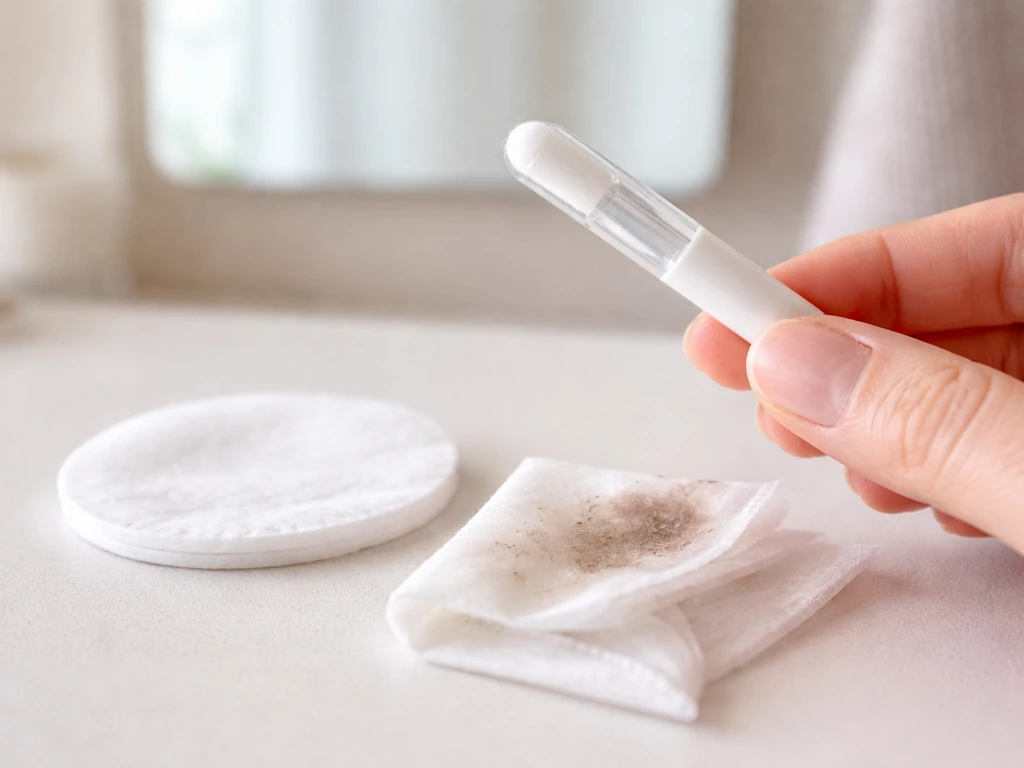
The eye area is not like the rest of your skin. The follicles along the lid margin are directly adjacent to the meibomian glands that produce the oil layer of your tear film. Overapplying any occlusive oil near this zone can block those gland openings, which is one of the mechanisms behind chalazion formation (a blocked oil gland that turns into a lump on the lid) and blepharitis flares. If you already have blepharitis or frequently get styes, using oils on the lash line is risky and you should check with an eye doctor first.
The FDA specifically flags the eye area as high-risk for cosmetic use, warning that applicators and contaminated products can introduce infection. This is why single-use swabs and never double-dipping matter. If your eye is already red, irritated, or infected, stop all cosmetic applications including olive oil until it clears.
Here are the most common mistakes people make with this routine and how to avoid them:
- Using too much oil: A tiny amount is enough. Excess oil runs into the eye, causes blurry vision, and increases gland-clogging risk.
- Applying to the waterline: The inner rim of the eye (waterline) is mucous membrane, not skin. Oil does not belong there.
- Reusing the same swab or spoolie without cleaning: This transfers bacteria directly to one of the most infection-prone areas on your face.
- Skipping a patch test: Even though olive oil is a food ingredient, some people are sensitive. Dab a small amount on the inner forearm and wait 24 hours before using it near your eyes.
- Expecting results in two weeks: One growth cycle takes 4 to 10 weeks. Stopping early because you don't see a change yet means you never gave it a real chance.
- Using it over mascara or liner: Product-over-product near the follicle opening is a recipe for clogged follicles and irritation.
- Applying in the morning before makeup: Olive oil and most eye makeup don't layer cleanly. Night-only application avoids this entirely.
Other options worth knowing about
If olive oil fits your routine and budget, it's a reasonable starting point. But it's worth knowing how it stacks up against the other methods people in this space use most.
| Method | Mechanism | Evidence level | Timeline | Best for |
|---|---|---|---|---|
| Olive oil | Conditions hair shaft, reduces breakage | Anecdotal / structural benefit only | 8–12 weeks | Preventing breakage-related loss |
| Castor oil | Conditions, may coat follicle area; ricinoleic acid sometimes cited | Anecdotal / no strong clinical data | 8–12 weeks | Similar to olive oil; thicker texture |
| Coconut oil | Penetrates hair shaft, reduces protein loss | Some hair science support, no lash-specific trials | 8–12 weeks | Brittle, dry lashes |
| Biotin (oral) | Supports keratin infrastructure from within | Useful mainly if biotin deficiency exists | 3–6 months | Deficiency-related thinning |
| Lash serums (peptide-based) | Signal follicle activity, extend anagen phase claim | Variable; some peptide serums have small studies | 4–8 weeks | General thickening without prescription |
| Bimatoprost (Latisse) | Extends anagen phase, proven in clinical trials | Strong clinical evidence | 4–16 weeks | Medically thinning or damaged lashes |
Castor oil is the most popular comparison to olive oil, and many people use them interchangeably or even mix them. Castor oil is thicker and stays on the lash line a bit longer, which some people prefer. Coconut oil penetrates the hair shaft more readily than most oils, which has some support in hair science research, though no lash-specific clinical trials exist for it either.
Biotin supplements are often recommended alongside topical oils, but they really only help if you're actually deficient in biotin, which most people eating a varied diet are not. Adding a biotin supplement when your levels are already normal is unlikely to speed up lash growth.
If you're dealing with lash loss from chemotherapy, alopecia areata, or another medical cause, topical conditioning oils are unlikely to be enough on their own. That's when it makes sense to have a conversation with a dermatologist or ophthalmologist about prescription options. Bimatoprost has real, peer-reviewed evidence behind it and a well-understood safety profile when used as directed, though its effects are reversible once you stop treatment.
For most people who just want to protect and improve their existing lashes, a consistent nightly olive oil routine is low-cost, low-risk when done carefully, and genuinely useful for reducing breakage. Start tonight, give it a full 8 to 12 weeks, photograph your progress, and then reassess based on what you actually see.
FAQ
Can I use extra-virgin olive oil, or does the type matter for eyelash conditioning?
Extra-virgin is usually fine if it is pure and free from added fragrances or ingredients. The bigger variable is contamination and irritation risk, so store it cleanly, use a fresh applicator each time, and stop if you feel burning, itching, or worsening redness on the lid.
What’s the safest way to apply olive oil if I have watery eyes or sensitivity?
Apply only a micro-thin layer along the lash line, avoid the inner corner and the wetline, and remove any excess right after application. If your eyes water during application, switch to using a clean cotton swab with less oil rather than a spoolie loaded with too much product.
How do I know if my olive oil routine is causing styes or clogged glands?
Watch for new tenderness on the lid, a localized bump, increasing itchiness, or worsening dryness around the lashes. If you get a stye, stop the oil immediately and avoid other occlusive products on the lid until the area fully calms down.
Is it okay to leave olive oil on overnight, or should I rinse it off?
Overnight is common for conditioning, but you must keep the layer extremely thin. If you notice morning eye irritation, blurred vision, or oily residue on the eyelid, rinse gently the next morning or reduce the amount and try again after your eyes feel normal.
Can I mix olive oil with castor oil or coconut oil to make it work faster?
Mixing doesn’t change the biology, so it should not make true growth more likely. It can increase heaviness and the chance of getting too much product near the meibomian gland openings, so if you mix, use a smaller total amount and monitor for styes or blepharitis flares.
Should I use olive oil after removing mascara or extensions, and how soon?
Wait until your eyes are not irritated from removers or procedures. If you recently had lash extensions removed, give your lid a few days to settle, then start with tiny amounts because freshly sensitized lashes and eyelids are more likely to react.
Can olive oil replace lash serums like bimatoprost?
If you want clinically proven lengthening or darkening, olive oil is not a replacement. Olive oil can help reduce breakage and improve how full lashes look, but it does not have evidence for extending the growth phase the way prescription options do.
Will olive oil help if my eyelash loss is hormonal, genetic, or from alopecia?
In most of those cases, conditioning oils are unlikely to address the underlying cause. If lashes are thinning rapidly, patchy, or linked to a diagnosed condition, talk to a clinician sooner rather than waiting out many months of an ineffective routine.
How can I track progress so I’m not guessing day to day?
Take a standardized photo in similar lighting and distance at least weekly, include the whole lash line, and compare against an earlier baseline around week 1. Progress often shows first as fewer mid-lash break points and better retention of natural length, not dramatic new growth.
What should I do if my lashes look longer but my eyes feel dry or irritated?
Irritation is a sign to reduce or stop. Give your eyes a break for a few weeks, then restart with a thinner application and fewer nights per week, or stop altogether if symptoms return. Persistent dryness, redness, or discomfort means you should switch strategies.
Is it safe for contact lens wearers to use olive oil at night?
Be cautious. The oil should not migrate into the eye, so use less product and keep it off the inner corner and lid margin wetline. If you wear lenses, stop the routine if you notice blurred vision, discharge, or irritation when you reinsert lenses.
How often can I apply olive oil, and what if I miss a few nights?
Daily or near-daily nightly use is typical. Missing a few nights usually will not erase progress, but heavy reapplication to “catch up” increases the risk of gland blockage, so stick to tiny amounts when you resume.
When should I stop olive oil because it clearly isn’t working?
If you have been consistent for about 10 to 12 weeks and you see no meaningful improvement in density or length retention, it likely is not matching your root problem. At that point, consider an alternative cause such as inflammation, medication effects, or traction and consult an eye professional for guidance.
Does olive oil have an expiration or contamination issue for lash use?
Yes. Oils can go rancid, and contamination risk is higher around the eye. Use a clean container, cap it promptly, and discard the oil if it smells off or you notice cloudiness or residue, even if it is within the general shelf life.
Next Article
How to Grow Lashes with Castor Oil: Step-by-Step Guide
Step-by-step castor oil lash routine, safe use, realistic timelines, growth cycle tips, troubleshooting, and alternative