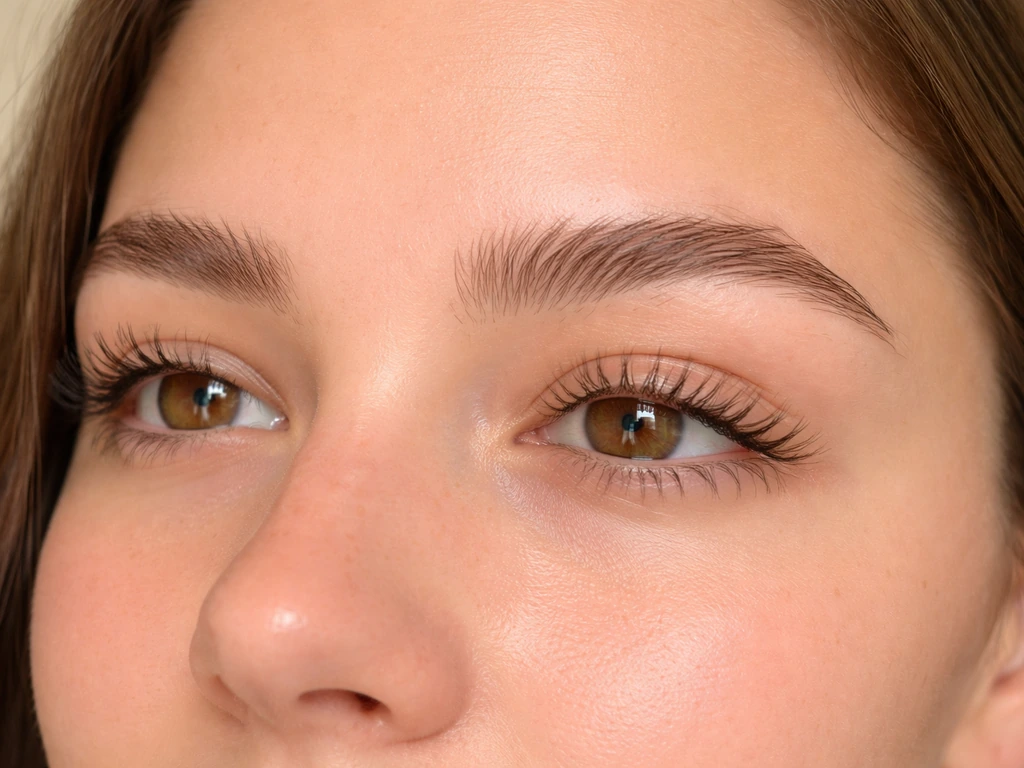
Keratin does not stimulate eyelash growth in the follicle. It cannot extend your anagen phase, wake up a resting follicle, or make lashes biologically longer. What keratin topicals actually do is strengthen the existing lash shaft, reduce breakage, and make lashes look fuller and healthier. That distinction matters a lot when you are trying to decide whether a keratin lash serum is the right tool for your situation or whether you need something with actual growth-stimulating evidence behind it. Red light therapy may be discussed as a potential growth-stimulating option, but you still want to rely on proven evidence for eyelash length changes growth-stimulating evidence.
Does Keratin Help Eyelashes Grow? What It Can and Can’t Do
Rachel Nguyen
3 Jun 2026
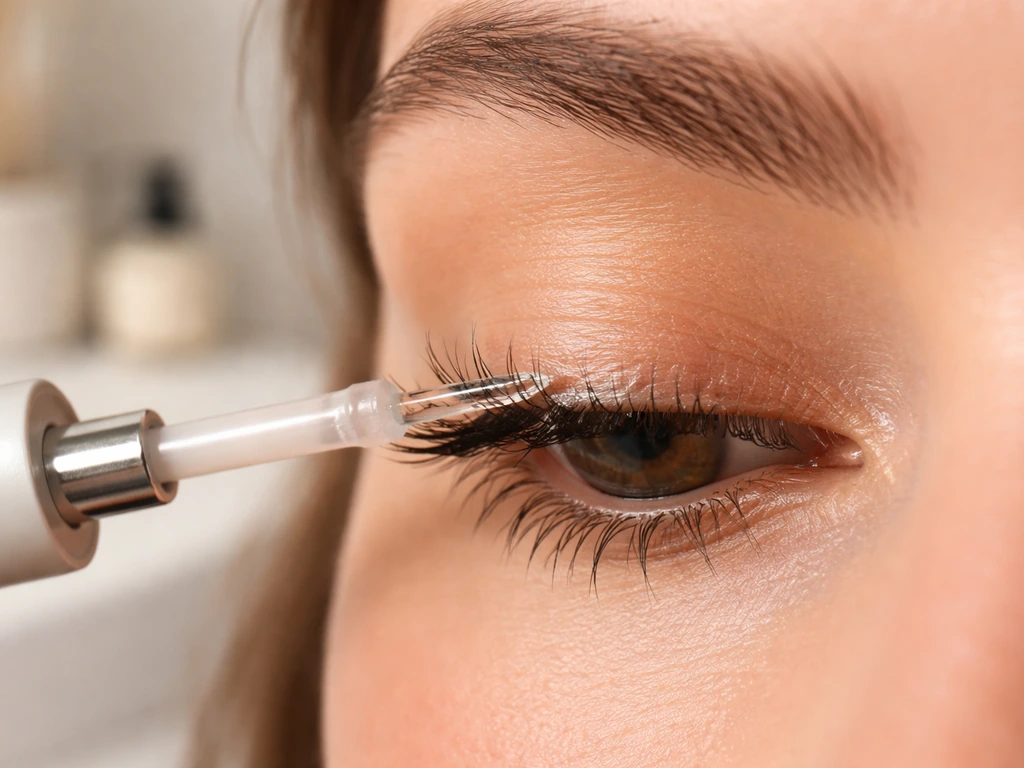
Keratin vs real lash growth: what actually makes lashes lengthen
Eyelashes are built from keratin. It is a structural protein that forms the hair fiber itself, so it is not a foreign ingredient for your lashes. The hair follicle produces keratin-rich intermediate filaments that give the lash its shape, strength, and flexibility. Those filaments are organized in the cortex and cuticle of the hair and assembled during active growth in the follicle.
The follicle, which sits in the dermis, is where all actual growth happens. The eyelash cycle has three phases: anagen (active growth), catagen (programmed shutdown, roughly 15 days), and telogen (resting before shedding). Eyelash anagen is remarkably short compared to scalp hair, averaging around 34 days with a complete cycle of about 90 days. That short anagen window is why eyelashes cap out at roughly 12 mm. You cannot see beyond that ceiling without either extending the anagen period pharmacologically or preventing the breakage that makes lashes look shorter than they actually are.
Applying keratin topically does not reach the follicle in a meaningful way. The follicle is a living structure, and the shaft you are coating with a serum is already dead tissue. Coating or patching the shaft can improve how that hair handles stress and friction, but it does not send any biological signal down into the papilla to start or prolong growth. That is the core limitation of keratin as a lash-growth tool, and it is important to be honest about it.
What keratin topicals can do (and can't): strengthening, breakage, appearance
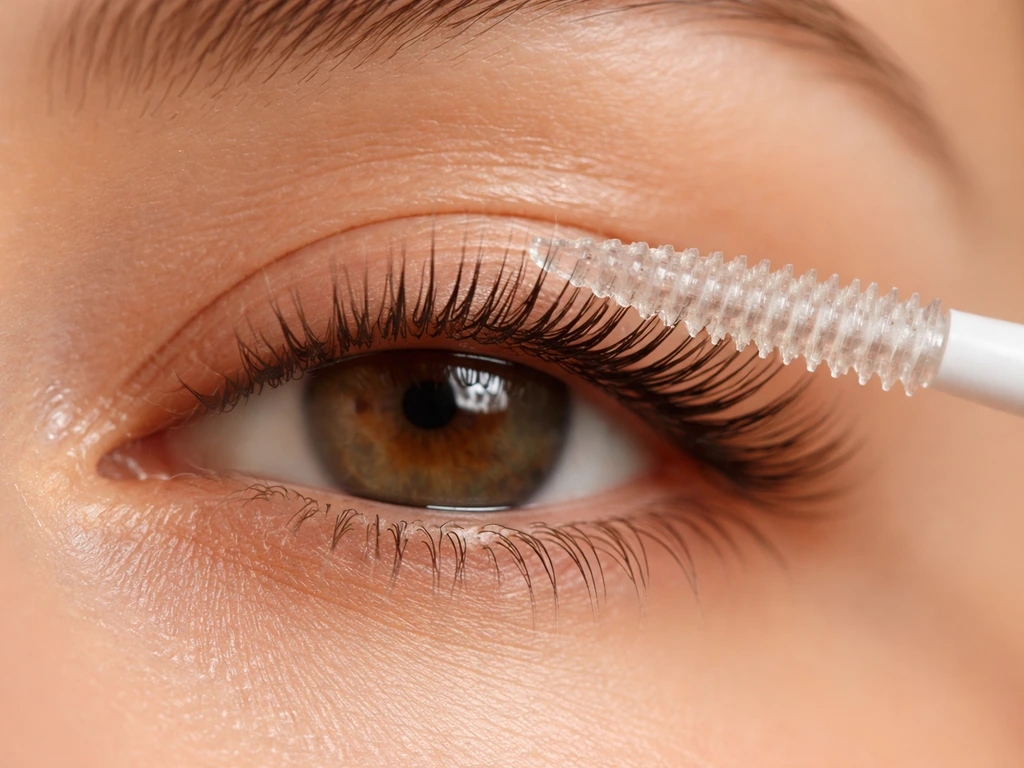
Where keratin actually earns its place in a lash routine is in shaft conditioning. Eyelash hairs that are damaged from extensions, adhesives, heat from curlers, or repeated makeup removal are structurally compromised. The cuticle is roughed up, the cortex is more exposed, and those hairs break before reaching their natural shed point. When you reduce that mechanical breakage, lashes that were already there but snapping off early stay on your lash line longer. The net effect looks a lot like growth, even though nothing new is technically growing faster.
Keratin can also temporarily fill in surface damage on the shaft, which increases the apparent diameter of each lash and scatters light differently, making the lash line look denser. Some keratin formulas include humectants or film-forming agents that add flexibility, so lashes bend rather than snap during mascara removal or rubbing. These are real, useful cosmetic benefits. They are just not growth.
What keratin cannot do: it cannot recruit dormant follicles, it cannot extend the anagen phase, it cannot reverse traction alopecia or follicle scarring, and it cannot replicate the results of prostaglandin-based lash serums. No high-quality randomized controlled trial has demonstrated that a keratin-only topical increases measurable lash length or thickness in the way bimatoprost (the active in Latisse) has been shown to do in blinded trials.
How to use keratin lash products correctly and avoid irritation
The eye area is one of the most sensitive patches of skin on the body. Eyelid skin is thin, and the mucous membrane of the inner lid can absorb ingredients quickly. FDA’s guidance for industry notes that cosmetic products that regularly come into contact with the eye’s mucous membrane need appropriate registration and safety considerations for that type of eye-area contact mucous membrane of the inner lid can absorb ingredients quickly. That is why getting application right matters more here than in most other cosmetic routines.
- Patch test first: apply a small amount of the product to your inner wrist or the skin behind your ear for 24 to 48 hours before using it near your eyes. Allergic contact dermatitis on the eyelid is common and can be triggered by cosmetic ingredients including preservatives, fragrances, and protein hydrolysates used in keratin formulas.
- Apply to the lash base, not the waterline: use a clean applicator wand or fine brush along the upper lash line at the skin-to-lash junction. Do not apply to the lower lash line or directly onto the ocular surface. This is the same technique used for prescription lash serums and limits unnecessary exposure of the eye itself.
- Use once daily, usually at night: most keratin lash conditioners are designed for nightly use on clean, makeup-free lashes. Applying over mascara or adhesive residue reduces absorption and can introduce contamination.
- Blot any excess: if product pools at the lash root or migrates toward the inner corner, blot gently with a cotton swab. Excess product sitting on the eyelid margin increases irritation risk.
- Never share applicators and replace the product after the recommended use period: contamination is a real concern for eye-area products. Use single-use applicators when provided, or clean your brush thoroughly between uses.
- Stop immediately if you notice redness, itching, flaking, or swelling: these are signs of irritant or allergic contact dermatitis and continuing use while the lid is inflamed will make recovery harder and can contribute to lash loss from chronic inflammation.
How long keratin takes to show results (timeline + what to track)
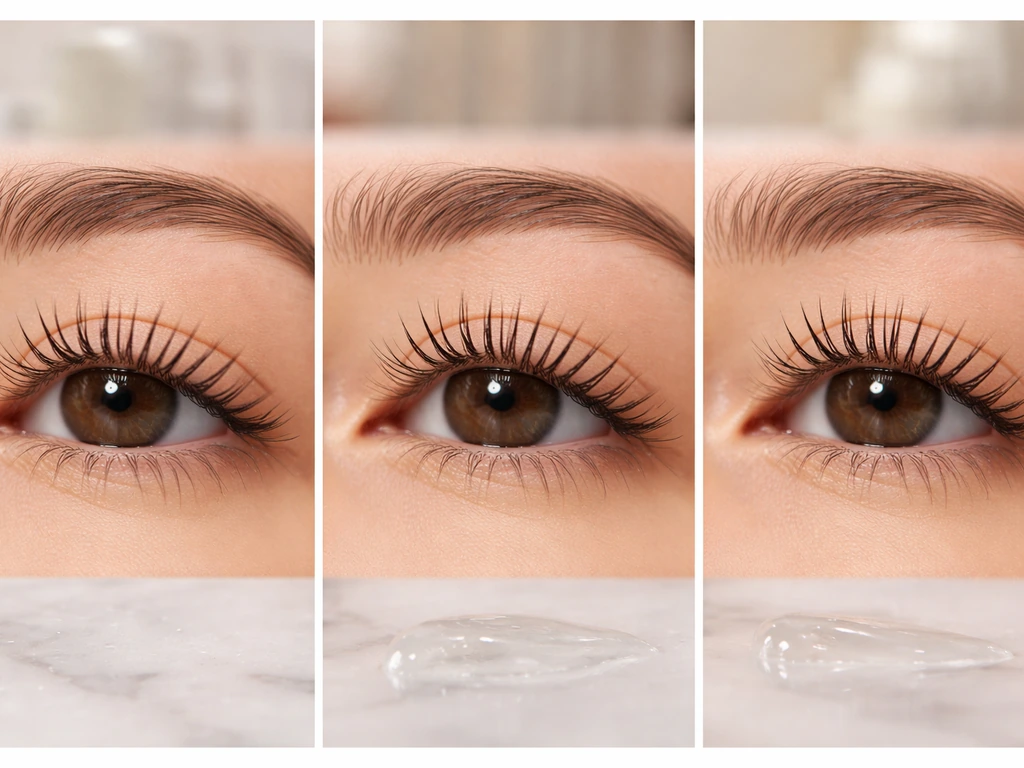
Because keratin works on the existing shaft rather than the follicle, you are working with the natural lash cycle. The complete eyelash cycle is roughly 90 days. That means the damaged lashes you have right now will gradually shed and be replaced by newer lashes that have been conditioned from the root as they emerge. That process takes time, and results will not be dramatic in the first two weeks.
| Timeframe | What to expect |
|---|---|
| Weeks 1 to 2 | No visible change in length or density; this is normal. The product is conditioning lashes that are already in various stages of the cycle. |
| Weeks 3 to 4 | Lashes may feel less brittle and look slightly smoother. Some people notice less fallout on the mascara wand or makeup pad. |
| Weeks 6 to 8 | If breakage was the main problem, lashes may look noticeably fuller as surviving hairs have more length. Newly emerged lashes are growing in a less damaged environment. |
| Week 12 (3 months) | A full cycle has turned over. This is the minimum evaluation point for any honest assessment of whether the product has helped. |
| No improvement at 12 weeks | If you see no change after a full cycle, breakage reduction is not your limiting factor. The problem is likely follicle-level, and you need a different approach. |
To track progress, photograph your lashes in the same lighting every two weeks from the same angle. Subjective memory is unreliable for subtle changes. If you are not seeing any difference by the 12-week mark, that is meaningful data: it tells you the issue is not surface-level breakage.
Who keratin helps most: after extensions, breakage, and lash thinning
Keratin is genuinely useful for a specific group of people, and if you fall into one of these categories, it is worth trying before jumping to stronger options.
- Post-extension damage: eyelash extension adhesives and the removal process can roughen the lash cuticle and cause mechanical breakage. If your follicles are healthy (no traction alopecia, no bald patches at the lash line) but your remaining lashes are brittle and snapping, keratin conditioning addresses exactly that problem.
- Mascara and makeup-related breakage: daily use of waterproof mascara, curlers, and aggressive makeup removal strips the shaft. Keratin helps here by adding a protective coating and improving flexibility.
- Age-related thinning with intact follicles: lashes that have become finer and more fragile with age often benefit from shaft support even if the underlying growth cycle has slowed. Keratin will not reverse the biological change, but it can help what is there look better.
- Cosmetic-only goals with healthy follicles: if your lashes are simply not as lush as you would like but there is no underlying medical cause, keratin is a low-risk first step before committing to more potent (and more expensive) approaches.
Keratin is less appropriate as a standalone solution when there is obvious follicle damage, such as bald patches along the lash line from traction, or when a medical condition is contributing to lash loss. In those cases, the follicle itself is the problem, and surface conditioning will not reach it.
When to consider other proven options (serums, castor oil, biotin)
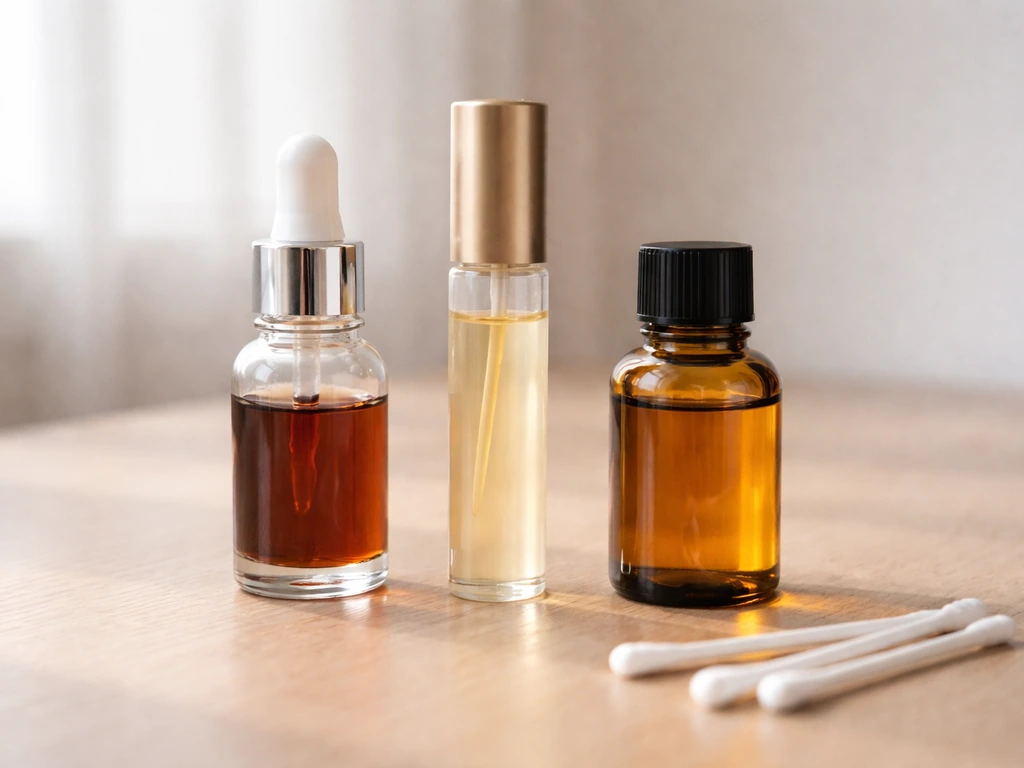
If you have used a keratin lash product consistently for 12 weeks and seen no meaningful improvement, or if your goal is genuine lengthening rather than breakage reduction, the evidence clearly points toward other approaches. Here is how the main options compare.
| Option | Mechanism | Evidence level | Best for | Realistic timeline |
|---|---|---|---|---|
| Topical keratin | Shaft conditioning, breakage reduction | Cosmetic/anecdotal; no growth trial data | Damaged, brittle lashes with healthy follicles | 6 to 12 weeks for visible improvement |
| Bimatoprost (Latisse, prescription) | Prostaglandin analog; extends anagen phase, recruits follicles | Strong RCT data; FDA-approved for hypotrichosis; 78% responder rate at week 16 | True lash thinning (hypotrichosis), medical lash loss | 12 to 16 weeks |
| OTC prostaglandin-analog serums | Similar mechanism to bimatoprost at lower concentrations | Moderate; some open-label trials show improvements over 90 days | Moderate thinning, those who cannot access prescription | 8 to 16 weeks |
| Castor oil | Anti-inflammatory, possible moisturizing of follicle environment | Limited; one RCT for blepharitis-related outcomes, not lash length | Lash-line dryness, mild blepharitis, general conditioning | Variable; 8 to 12 weeks |
| Biotin (oral) | Supports keratin synthesis systemically; only effective if deficient | Weak for those without deficiency; better evidence for brittle nails | Confirmed biotin deficiency | 3 to 6 months |
The clearest recommendation: if your goal is measurably longer and thicker lashes, prescription bimatoprost has the strongest evidence by a significant margin. In its pivotal week-16 trial, 78.1% of bimatoprost users showed meaningful improvement on global assessment versus 18.4% on vehicle, with statistically significant differences in length, thickness, and darkness (p < 0.0001). That kind of data simply does not exist for keratin-only products.
Castor oil is worth mentioning separately: there is a randomized trial showing it improves lid-margin outcomes in blepharitis (including lash matting and crusting), but that is not the same as stimulating growth. It is a reasonable add-on for lash-line health, not a growth strategy on its own. Similarly, oral biotin does not meaningfully help lash growth unless you have an actual deficiency, which is rare. Oral prenatal vitamins are similar: they do not help eyelashes grow unless you actually have a deficiency. It is also worth noting that if you are exploring what helps eyelashes and eyebrows more broadly, or looking into ingredients like collagen or vitamin C in this same space, the evidence hierarchy is similar: follicle-stimulating actives outperform surface conditioners and most oral supplements for true growth endpoints. Vitamin C may support antioxidant protection, but it does not have strong evidence for extending eyelashes the way follicle-targeting treatments do. If you want to know what helps eyebrows and eyelashes grow, focus on follicle-stimulating options and be cautious with products that only condition the surface what helps eyelashes and eyebrows more broadly. Collagen supplements and topical collagen are not proven to help eyelashes grow longer in the way follicle-stimulating treatments can ingredients like collagen.
Safety checklist and when to see a clinician
The eye area demands a higher standard of caution than most cosmetic routines. Before starting any lash serum, including keratin-based ones, run through this checklist.
- No active eye infection or inflamed eyelid skin: applying any topical product to infected or inflamed skin around the eye can worsen the condition and drive irritants closer to the ocular surface. Wait until the area is fully healed.
- Patch test completed: apply to a non-eye area for 48 hours before your first use near the lash line.
- Applicator hygiene: use the provided single-use applicator or a clean brush. Never double-dip into the product tube after touching the eye area.
- Product labeling check: look for products that specifically state they are ophthalmologist-tested or designed for use near the eye. General hair keratin products (like those used for blowouts) are not formulated for periocular application and should not be used on lashes.
- No use over broken or irritated skin: if you have a stye, blepharitis flare, or active contact dermatitis on the eyelid, stop and address that first.
- Blot excess: excess product migration toward the waterline or inner corner increases risk of ocular surface irritation.
Stop using any lash product and see a clinician if you experience persistent redness, itching, flaking, or swelling of the eyelid that does not resolve within a few days of stopping. The Cleveland Clinic explains that eyelid dermatitis can be irritant or allergic contact dermatitis, and cosmetics makeup are among common trigger categories Stop using any lash product and see a clinician if you experience persistent redness, itching, flaking, or swelling of the eyelid that does not resolve within a few days of stopping.. These are signs of contact dermatitis, which needs proper identification and treatment rather than waiting out.
See a dermatologist or ophthalmologist (not just a lash technician) in these specific situations: you have noticeable bald patches along the lash line that suggest traction alopecia from extensions or chronic pulling; you have persistent blepharitis or lid-margin inflammation that is contributing to lash loss (a condition called madarosis); you are on a medication known to cause hair loss and lashes are thinning alongside scalp hair; or you suspect a chemical burn or reaction from extension adhesives. In all of these cases, the underlying issue needs clinical attention before any topical product, keratin-based or otherwise, can be expected to help. Recovery from traction alopecia is possible if caught early, but it depends on follicle integrity, and a clinician can assess that in a way that a serum label cannot.
For realistic recovery expectations: a single damaged lash cycle is roughly 90 days. Mild mechanical damage from extensions or mascara typically shows visible improvement within one to two full cycles (three to six months) of gentle handling and conditioning. Follicle-level damage from traction or chronic inflammation takes longer and may not fully resolve without clinical support. Going in with those timelines in mind will save you from abandoning a useful routine too early or, conversely, from sticking with something that is not working when your follicles need more than a conditioner.
FAQ
Does keratin help eyelashes grow longer, or only make them look better?
Usually not in the way people mean “growth.” Keratin topicals strengthen and coat the existing lash shaft, which can reduce breakage and make lashes look fuller, but they do not meaningfully activate follicles or extend the lash growth phase.
Where exactly should I apply a keratin lash serum to avoid irritation?
Pick a keratin product formula that is designed for the lash line, apply only to the lash shaft area, and keep it off the inner lid and waterline. If the product migrates toward the eye surface, you increase irritation risk without improving results.
Why didn’t my keratin lash serum seem to help even after months?
Yes, and it is a common reason people think keratin “is not working.” If you keep using lash extensions, aggressive rubbing, waterproof mascara removal that feels “scrubby,” or frequent heat from lash curlers, the new lashes that grow in may still snap early.
What should I do if my lashes do not improve by the 12-week mark?
If you are seeing no meaningful change by 12 weeks, the likely issue is that you need follicle support rather than just shaft conditioning. At that point, reassess for breakage drivers (extensions, adhesives, harsh removal) and consider clinician-guided options if there are signs of traction, inflammation, or medication-related hair loss.
Can keratin make my lashes look thicker even if it is not true growth?
Keratin can help with temporary appearance by smoothing surface damage and increasing perceived thickness through the way the lash reflects light. That means you might notice a denser look without a true increase in actual lash length.
How long does it take to see results from keratin for lashes?
Do not expect quick results. Because the full eyelash cycle is roughly 90 days, changes from reduced breakage typically show up over one to two cycles, and the most useful “signal” is what happens around the 12-week mark.
Is keratin still worth trying if I have lash thinning or bald patches?
If you have bald patches, thinning along the lash line, or lash loss tied to tugging, extensions, chronic irritation, or inflammation, keratin alone is unlikely to fix the underlying follicle problem. Those scenarios are better assessed by a dermatologist or ophthalmologist.
What side effects mean I should stop using keratin lash products and see a clinician?
If you develop persistent redness, itching, flaking, or eyelid swelling that does not settle after stopping the product, treat it as possible contact dermatitis and get medical advice. Reapplying the same formula can keep the irritation going.
Can I combine keratin with castor oil for better results?
It can be an add-on for lash-line health, especially if you also deal with lid-margin issues. But castor oil is not proven as a follicle-lengthening strategy, so if your main goal is measurable length, you may need a different approach.
When would keratin be the wrong first step for lash loss?
Don’t use keratin to replace a treatment when there is an underlying medical cause. For example, blepharitis, madarosis from inflammation, traction alopecia, or medication-associated hair loss need targeted evaluation before you can expect consistent lash recovery.
If my goal is real lengthening, should I move beyond keratin?
Consider switching strategies if your goal is genuine length and you want evidence-backed outcomes. Keratin is a conditioning approach, while follicle-targeting actives (for appropriate candidates) have stronger evidence for measurable changes in length and thickness.
How can I tell if I stopped too early or if the product truly did not work?
Yes, timing can mislead you. A damaged lash cycle can be about 90 days, so stopping too early can make it seem like keratin “did nothing.” Keep the routine steady, but also eliminate ongoing breakage triggers so you can actually measure the effect.
Next Article
What Helps Eyebrows and Eyelashes Grow Faster Safely
Safe steps to grow eyebrows and eyelashes faster, fix damage causes, choose serums, and set realistic timelines.