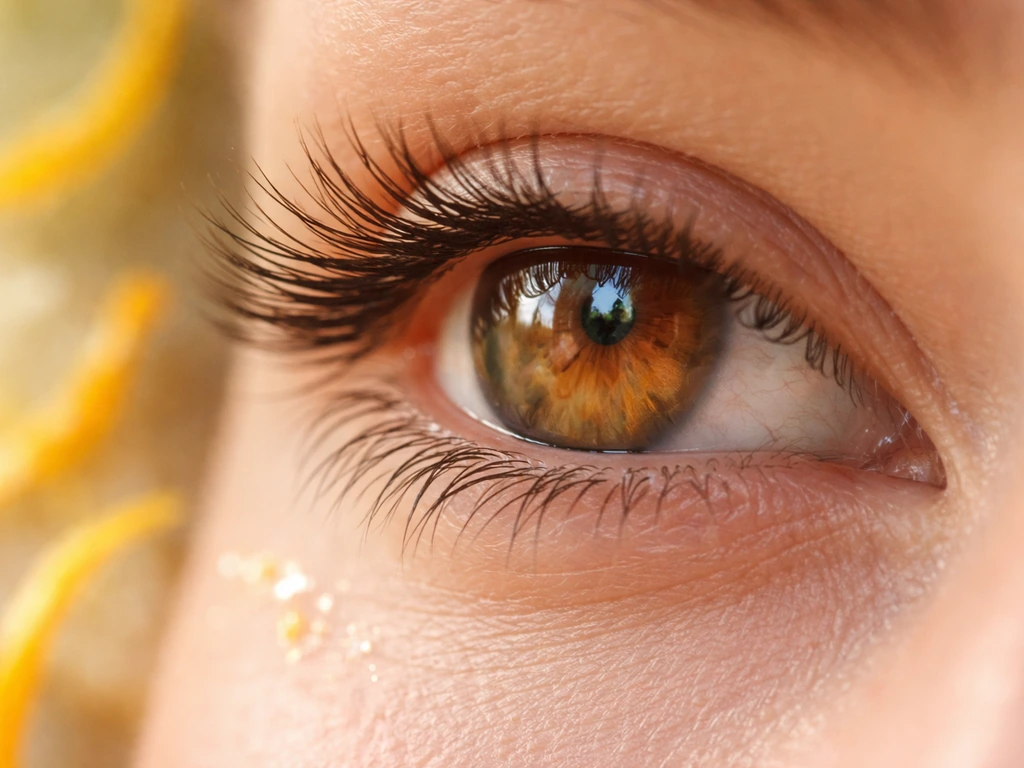
Red light therapy can plausibly support eyelash growth, but there are no clinical trials testing it directly on lashes yet. What exists is solid evidence that photobiomodulation (PBM) stimulates hair follicles on the scalp, a reasonable biological mechanism for why it could work on lash follicles too, and a real safety concern you have to take seriously because the target area is millimeters from your eyes. So: promising, worth trying if you do it carefully, but not a proven first-line treatment the way bimatoprost serums are.
Does Red Light Therapy Help Eyelashes Grow? Evidence, Safety, and How to Try It
Rachel Nguyen
20 Jun 2026

How eyelash growth works (and why some losses don't come back)
Every eyelash follicle cycles through three phases: anagen (active growth), catagen (regression), and telogen (resting/shedding). The anagen phase for eyelashes averages about 34 days, and the full cycle runs roughly 90 days total. Growth rate sits around 0.12 mm per day during anagen. That's much shorter than scalp hair cycles, which is actually good news: it means a damaged lash follicle can, in theory, reset and produce a new lash in about three months if the underlying problem is fixed.
The key phrase there is 'if the underlying problem is fixed.' Lash loss (called madarosis) breaks into two broad categories: non-scarring and scarring. Non-scarring causes include blepharitis, seborrheic dermatitis, rosacea, Demodex mite infestations, and inflammation from extensions or rubbing. These are reversible. Scarring causes, like eyelid trauma, thermal injury, prior surgery, or certain autoimmune conditions, can permanently damage follicles so that no intervention, including red light, will regrow what's been lost. If you've had significant eyelid trauma or surgery and your lashes haven't come back after six months, see a dermatologist or ophthalmologist before spending money on devices.
For the reversible cases, the mechanism matters. Inflammation disrupts the signaling that keeps follicles in anagen, pushing hairs prematurely into telogen. Anything that calms that inflammation, improves local circulation, or boosts follicle energy production has a real shot at helping. That's exactly where red light therapy enters the picture.
What 'red light therapy' actually means when applied to lashes
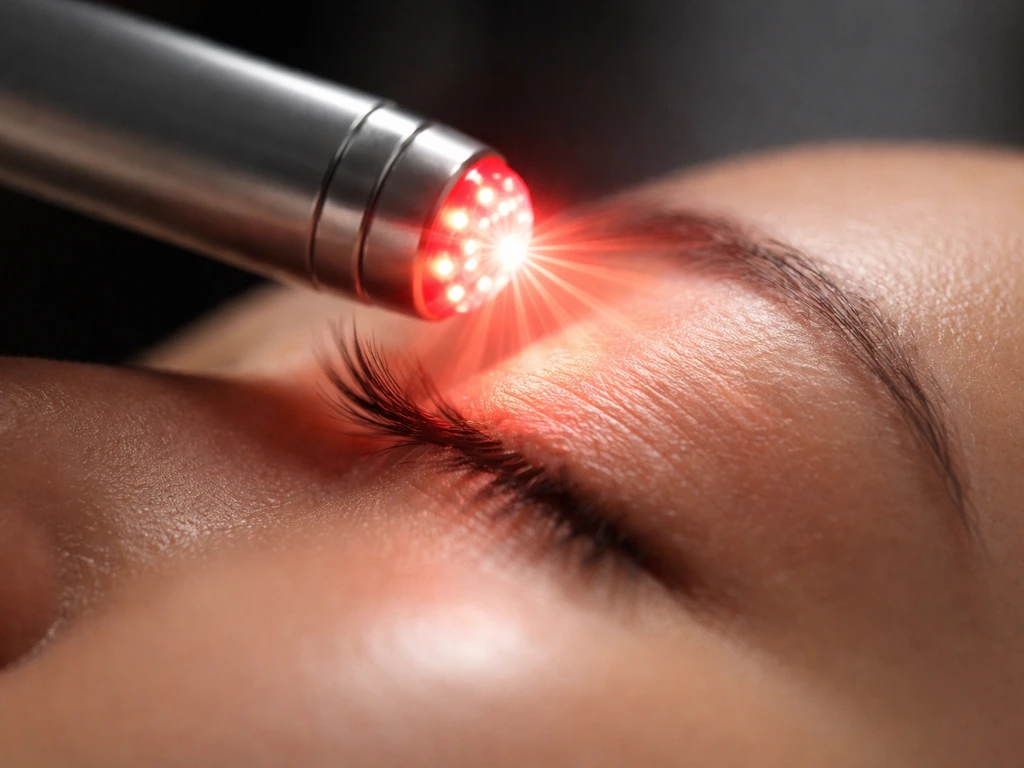
Red light therapy and low-level laser/light therapy (LLLT) are different names for the same concept: photobiomodulation. You're delivering specific wavelengths of light at low power to stimulate cellular activity without generating significant heat. For hair growth applications, the relevant wavelengths fall into two ranges: red light at roughly 630 to 660 nm, and near-infrared (NIR) at roughly 700 to 850 nm. Red light penetrates the superficial dermis where lash follicles sit. NIR goes deeper and has slightly different cellular targets.
Devices you'll encounter include LED panels (large flat panels you hold near your face), handheld LED wands, and laser combs or helmets designed for scalp hair. For the eye area specifically, some companies now make LED masks and small handheld tools. The scalp-hair clinical trials that inform most of what we know used helmet devices emitting 630, 650, and 660 nm wavelengths for about 18 minutes daily over 24 weeks. A commonly cited target dose in hair-loss PBM literature is around 4 J/cm², which at a typical power density of 5 mW/cm² translates to roughly 13 minutes of exposure.
The critical distinction for lashes: the eyes are right there. A scalp helmet delivers light to follicles several centimeters from the eye. An eyelash treatment delivers light directly to the eyelid margin, centimeters from your retina. That changes the safety calculus significantly, and it's the main reason you can't just grab a full-power panel and point it at your face.
Does it actually help? What the evidence says
There are no randomized controlled trials specifically testing red light therapy on eyelashes. Full stop. What we have is: (1) solid RCT evidence that PBM increases hair count and thickness on the scalp in androgenetic alopecia, (2) a plausible shared mechanism between scalp follicles and lash follicles, and (3) no eyelash-specific human data. That gap matters and you should factor it into your expectations.
The scalp evidence is genuinely encouraging. Multiple randomized, double-blind, sham-controlled trials have shown measurable increases in hair density with home-use LLLT devices over 16 to 24 weeks. The mechanism proposed is that red and NIR light boosts mitochondrial activity in follicle cells via cytochrome c oxidase, increases ATP production, reduces oxidative stress, and improves local blood flow. Lash follicles have the same mitochondria and the same basic cellular machinery, so there's no theoretical reason the response wouldn't generalize. The question is whether the doses that work on the scalp are safe to deliver near the eye.
Anecdotally, some users report thicker and denser lashes after consistent PBM use, and a handful of practitioners have started incorporating periocular LED protocols. But without controlled eyelash trials, it's impossible to separate the PBM effect from other variables like improved lash hygiene, stopping extensions, or just natural regrowth. But without controlled eyelash trials, it is also important to manage expectations with other potential supports like whether do prenatal vitamins help eyelashes grow before assuming any supplement will work. Treat the current evidence as 'biologically plausible with supporting data from adjacent research,' not 'clinically proven for eyelashes.'
How to try it safely at home right now

If you want to give red light therapy a shot for your lashes today, here's how to do it without putting your eyes at risk. The single most important rule: never expose your open eyes directly to any red or NIR light source. The-pbm.info emphasizes eye protection as the most important safety consideration for photobiomodulation, especially given the typical red (about 630, 700 nm) and NIR (700, 850 nm) wavelengths and the risk of prolonged direct eye exposure. Even low-power devices can accumulate retinal exposure over time, and research on red-light myopia therapy devices has raised flags about retinal risk from prolonged exposure durations. Use proper eye protection every single session.
Device selection
For periocular use, a small handheld LED wand or a dedicated LED eye mask rated for periocular use is safer and more practical than a large panel. Look for devices that emit red light in the 630 to 660 nm range. Avoid pointing full-panel NIR (700 nm and above) directly at your face without opaque eye protection, as NIR passes through closed eyelids more readily than visible red. The American Academy of Dermatology recommends choosing devices studied in peer-reviewed trials and following manufacturer eye-protection instructions precisely.
Step-by-step protocol
- Remove contact lenses before every session. Contacts can concentrate light on the cornea and should never be worn during any periocular light treatment.
- Put on proper eye protection. Use the goggles or eye shields specified by your device manufacturer. A standard sleep mask or closed eyes alone are not sufficient protection against NIR wavelengths.
- Cleanse the eyelid margin gently before treating. Residue from mascara, serums, or makeup can affect light transmission and may irritate skin under light exposure.
- Position the device according to manufacturer guidance, typically 1 to 6 inches from the treatment area depending on the device's power density.
- Start with short sessions: 5 to 8 minutes per session, 3 to 4 times per week for the first two weeks. Increase to daily 10 to 13 minute sessions only if no irritation occurs.
- Apply a gentle, fragrance-free moisturizer after the session if your eyelid skin feels dry or tight. Avoid applying active ingredients like retinoids or acids immediately before or after PBM sessions.
- Be consistent. The hair-growth trials showing results ran for 16 to 24 weeks. Sporadic use is unlikely to move the needle.
Realistic timelines and how to measure progress

Because the full eyelash cycle runs about 90 days, don't expect to see anything meaningful before the 6 to 8 week mark. Even if PBM starts working on the follicle immediately, the lash that grows from a stimulated follicle still takes about a month to reach visible length from the root. Meaningful density or length changes are more likely to show up at the 3-month mark, which aligns with what clinical hair-loss trials use as their first real assessment point.
To track progress without fooling yourself: take a close-up photo in consistent lighting once a week, same angle, no mascara. Compare at weeks 4, 8, and 12. You're looking for increased density (more lashes per row), slightly longer length at the outer corners where lashes tend to be thinner, and reduced shedding when you remove eye makeup. If you see none of these by week 12 with consistent daily use, red light probably isn't the right tool for your specific situation.
How red light therapy stacks up against other lash-growth options
Here's the honest comparison. Bimatoprost (the active in Latisse) is the only treatment with robust, double-blind RCT evidence specifically for eyelash growth. At week 16, Latisse users showed an average 1. 4 mm increase in lash length (about 25%) versus 0.
1 mm in the vehicle group, plus significant improvements in fullness and darkness. In LATISSE trials, at Week 16 fullness and thickness increased with LATISSE compared with vehicle, with results reported as mm² and percent [fullness and darkness](https://www. visione360. com/storage/app/media/latisse_pi.
pdf). That's a strong effect size. Red light therapy has no eyelash-specific RCT data. If your lash loss is moderate to significant and you want the highest-probability intervention, bimatoprost is the evidence-backed choice.
Red light therapy is a reasonable complement or a gentler starting point if you're not a candidate for prostaglandin-based serums.
| Option | Evidence for Lashes | Typical Timeline | Practical Notes |
|---|---|---|---|
| Bimatoprost (Latisse) | Strong RCTs, FDA-approved | 8 to 16 weeks for visible change | Requires prescription; possible iris pigmentation side effect |
| Peptide/growth factor serums | Moderate (ingredient-level data) | 8 to 12 weeks | OTC; good tolerance; no prostaglandin risks |
| Red light therapy (PBM) | Indirect (scalp hair RCTs, no lash RCTs) | 12 to 24 weeks | Requires consistent use and strict eye protection |
| Castor oil | No clinical trial evidence | Unclear | Low risk; likely conditioning benefit only, not true growth stimulation |
| Biotin/prenatal vitamins | Weak for lashes specifically | Variable | More useful if deficiency is the cause; limited benefit otherwise |
| Treating underlying cause (blepharitis, Demodex, dermatitis) | Essential baseline step | 4 to 8 weeks post-treatment | Without this, no intervention works well long-term |
One thing to be clear about: if you have active blepharitis, Demodex, or seborrheic dermatitis around the lash line, treating that condition is the prerequisite to everything else. PBM, oils, and serums all perform better once the inflammation driving the loss is under control. Red light therapy may actually help here in a secondary way, since it has anti-inflammatory effects on skin tissue, but it shouldn't replace treating the root cause.
Castor oil deserves a quick mention since it's everywhere in the lash-growth conversation. There are no clinical trials showing it grows lashes. It may condition existing lashes and reduce breakage, but that's different from stimulating follicle activity. Similarly, while nutrients like biotin and collagen matter for hair structure, supplementing them only helps if you have an actual deficiency driving lash loss. In particular, does collagen help eyelashes grow if you are not deficient, and what outcomes should you realistically expect nutrients like biotin and collagen.
Risks, side effects, and when to call a doctor

The most significant risk with periocular red light therapy is eye damage from improper use. The retina is particularly vulnerable to cumulative light exposure because photoreceptors don't regenerate. Research into red-light devices for myopia control has already flagged that prolonged exposure can exceed eye safety limits. This is not a theoretical concern. Always use opaque, wavelength-appropriate eye protection, remove contacts first, and follow your device's time limits.
Skin side effects are generally mild: temporary redness or warmth on the eyelid skin, dryness, or sensitivity if you're using too high a dose or too frequently. If you experience persistent burning, swelling, or visual disturbances after a session, stop immediately and see an eye doctor.
Specific situations where you should either skip periocular PBM or consult a physician first:
- You take photosensitizing medications (common examples include certain antibiotics like doxycycline, NSAIDs, diuretics, or retinoids). These can amplify light sensitivity and increase the risk of an exaggerated skin or ocular reaction.
- You have a diagnosed eye condition such as glaucoma, macular degeneration, retinal disease, or a history of retinal surgery. Even low-level light exposure could interfere with treatment or recovery.
- You are pregnant. The safety of periocular PBM during pregnancy hasn't been studied, and the conservative approach is to avoid it.
- Your eyelash loss is sudden, patchy, or accompanied by eyelid swelling, scaling, or changes in your vision. These are red flags for conditions that need clinical diagnosis, not a light device.
- Lash loss hasn't improved after 3 to 4 months of addressing apparent causes. Persistent madarosis warrants a dermatology or ophthalmology evaluation to rule out scarring conditions, autoimmune disease, or thyroid dysfunction.
Red light therapy is not a replacement for figuring out why your lashes are falling out. If you want to know what helps eyebrows and eyelashes grow, start with the same basics: reduce inflammation, protect the eye area, and use proven options like bimatoprost when appropriate. It's a potential accelerator for follicles that are already capable of growing. If there's an active inflammatory or medical cause you haven't addressed, no amount of light exposure will override it. Use the technology as part of a complete approach: treat the cause, protect existing lashes, support follicle health with proven nutrients and gentle hygiene, and layer in PBM if you want to add a biologically rational tool to the mix.
FAQ
How long should I use red light therapy before I decide it is not working for lashes?
Plan for at least 12 weeks of consistent use, then reassess. Visible length takes about a month to show from the root, so meaningful changes in density or outer-corner fullness are more likely around the 3-month mark. If you see no reduction in shedding and no density increase by week 12, it is reasonable to stop and redirect to a more evidence-based option.
Can I use a full-face red light panel or NIR light to treat my eyelids?
Avoid directing any red or NIR light toward open eyes, and be especially cautious with NIR (700 nm and up). Many people focus on eye protection, but device geometry also matters, a panel can unintentionally “spill” light around the lashes. Use a periocular-specific tool or wand with a narrow beam, and keep exposure limited to the time window recommended for that device.
Do I need to stop using mascara, lash serums, or extensions if I try PBM?
Yes, at least during your test period. Mascara and lash products can irritate the lash line, and extensions add mechanical rubbing risk that can mimic or mask results. If you are troubleshooting lash loss, it helps to remove confounders by using a clean routine, avoiding extension wear, and skipping potentially irritating lash growth serums while you track response.
What eye protection should I use, and can I just rely on closed eyelids?
Closed eyelids are not a substitute for opaque protection designed for the specific wavelength. The retina can be exposed cumulatively if light passes through, and NIR is more likely to transmit through closed lids. Use the manufacturer’s eye shields or goggles rated for red/NIR and follow the device time limits for each session.
Is it safe if I wear contact lenses?
Remove contacts before every session. Contacts can increase surface exposure and can also interfere with how safely the eye is shielded. If you have any history of retinal disease, glaucoma, or recent eye procedures, consult an ophthalmologist before using periocular PBM.
Should I use the same protocol every day, or is fewer sessions better?
Consistency beats intensity. Overdoing dose can irritate eyelid skin and increase risk, while too little may be ineffective. Follow the exact time and power settings the device specifies for periocular use, then keep the schedule stable (for example, daily or near-daily) so your week-by-week photos mean something.
How do I tell whether lashes are growing versus breaking?
Track both length and shedding. Breakage often looks like shorter lashes with normal follicle output, while true follicle stimulation tends to show increased density first (more lashes per row) and gradual lengthening over 8 to 12 weeks. Weekly photos without mascara, taken in the same lighting, help separate these patterns.
If I have scarring madarosis, will red light therapy help at all?
Usually not. Scarring conditions can permanently damage follicles, and the article’s premise is that PBM can only “support” follicles that still have the capacity to regrow. If lashes have not returned after about six months following trauma or eyelid surgery, prioritize an ophthalmology evaluation rather than continuing device trials.
Can PBM help with lashes lost from blepharitis or Demodex?
It can be a supportive add-on, but it should not replace treatment of the underlying cause. If you suspect blepharitis, rosacea-related inflammation, or Demodex, address that first because inflammation drives premature telogen and shedding. After the inflammation is controlled, PBM may help the remaining healthy follicles respond more effectively.
Does red light therapy work faster on the outer corners where lashes thin?
Outer corners may show change first because they are often the earliest area to respond to improved follicle conditions, but it is not guaranteed. Your best approach is targeted monitoring in photos at weeks 4, 8, and 12, and if you see irritation or asymmetry, stop and reassess the device angle, distance, and dose.
Is there a situation where I should stop immediately and see a doctor?
Stop and get eye care promptly if you notice visual disturbances, persistent burning, significant swelling, new pain, or unusual redness that does not fade after the session. Also pause if you have any symptoms after repeated use, because cumulative exposure risk is tied to both dose and technique.
Next Article
Does Vitamin C Help Eyelashes Grow? Evidence and How to Use It
Evidence on whether vitamin C helps eyelash growth, plus safe ways to use it and realistic timelines for thicker lashes.