Vitamin C can support the conditions your lash follicles need to function well, but it is not a direct lash-growth trigger. If you are deficient, correcting that deficiency can help stop stress-related shedding and support collagen in the follicle structure. But if your vitamin C levels are already adequate, taking more will not make your lashes visibly longer or thicker. The honest answer is: vitamin C is a foundation nutrient, not a lash serum.
Does Vitamin C Help Eyelashes Grow? Evidence and How to Use It

Rachel Nguyen
16 Jun 2026
How eyelash growth actually works
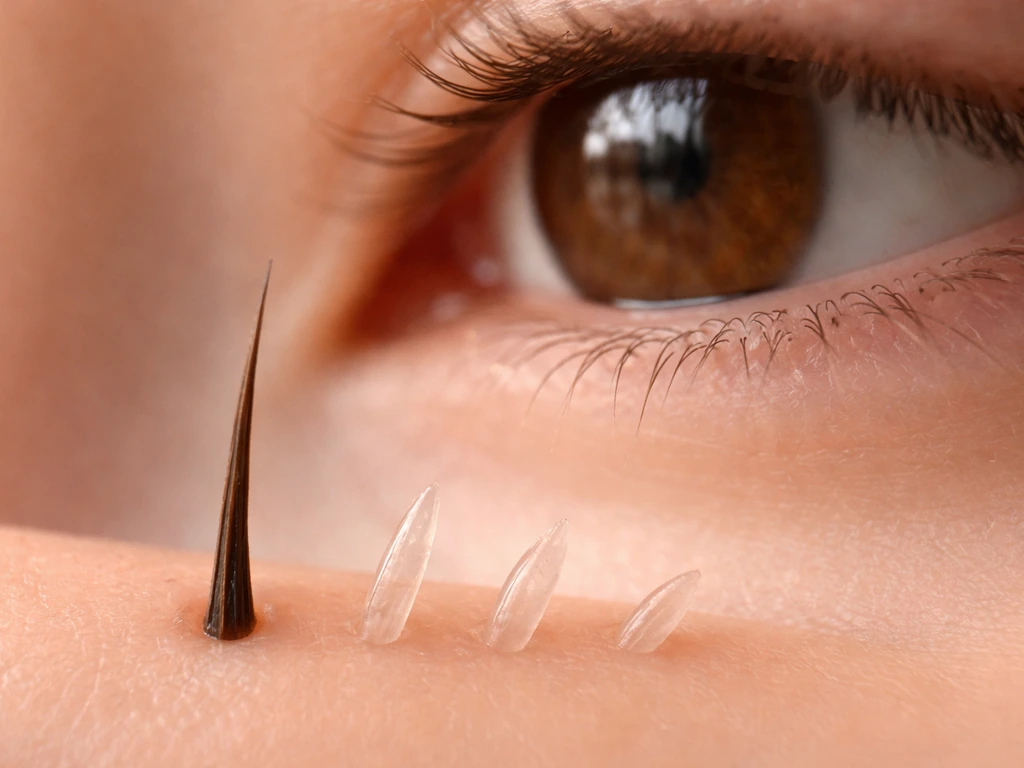
Eyelash follicles run on a much shorter clock than scalp hair. Each lash goes through three phases: anagen (active growth), catagen (transition), and telogen (rest and shedding). The anagen phase for lashes lasts only about 30 days, catagen lasts roughly 15 days, and telogen stretches across 4 to 5 months. The full cycle is around 5 to 6 months. That short anagen window is why lashes cap out at about 12 mm in length. Your scalp hair grows for years in anagen, which is why it can reach your waist. Your lashes biologically cannot.
There is another quirk that makes lash biology different from scalp biology: at any given moment, roughly 50% of your upper eyelash follicles are sitting in telogen. For scalp follicles, only 5 to 15% are in telogen at a time. This means that what looks like lash thinning is often just a higher-than-usual proportion of follicles in their resting phase simultaneously, triggered by stress, illness, nutritional gaps, or damage from extensions and rubbing. Understanding this matters because any intervention, including vitamin C, will only show an effect after new anagen cycles complete, which takes months, not weeks.
What vitamin C actually does in hair and skin biology
Vitamin C (ascorbate) is a required cofactor for two enzymes that build collagen: prolyl hydroxylase and lysyl hydroxylase. Because vitamin C is needed to build collagen, keeping adequate vitamin C levels may support lash follicles, but it does not guarantee dramatic lash growth does collagen help eyelashes grow. Without enough ascorbate, those enzymes go inactive and collagen synthesis stalls. Collagen is a structural component of the dermal papilla and the connective tissue sheath surrounding each follicle, so vitamin C deficiency genuinely impairs the physical scaffolding that lash (and hair) follicles depend on. In severe deficiency, alopecia and corkscrew hairs appear as classic signs of scurvy. That connection is real.
Vitamin C also helps your body absorb non-heme iron from plant-based foods. Iron deficiency is one of the better-documented nutritional contributors to hair shedding, so when iron is low, vitamin C plays an indirect but meaningful supporting role in keeping follicles supplied. Research confirms that in patients with hair loss linked to iron deficiency, adequate vitamin C intake is specifically relevant.
On the more speculative side, there is in vitro research showing that ascorbic acid 2-phosphate, a stable vitamin C derivative, has a hair-growth promoting effect on dermal papilla cells in culture. A separate cell culture study found vitamin C stimulated dermal papilla proliferation and antioxidant activity. These are mechanistically interesting, but they are not eyelash studies, and jumping from cell culture to 'vitamin C grows your lashes' is a big leap that the current evidence does not support.
Does topical or oral vitamin C actually help lashes grow?
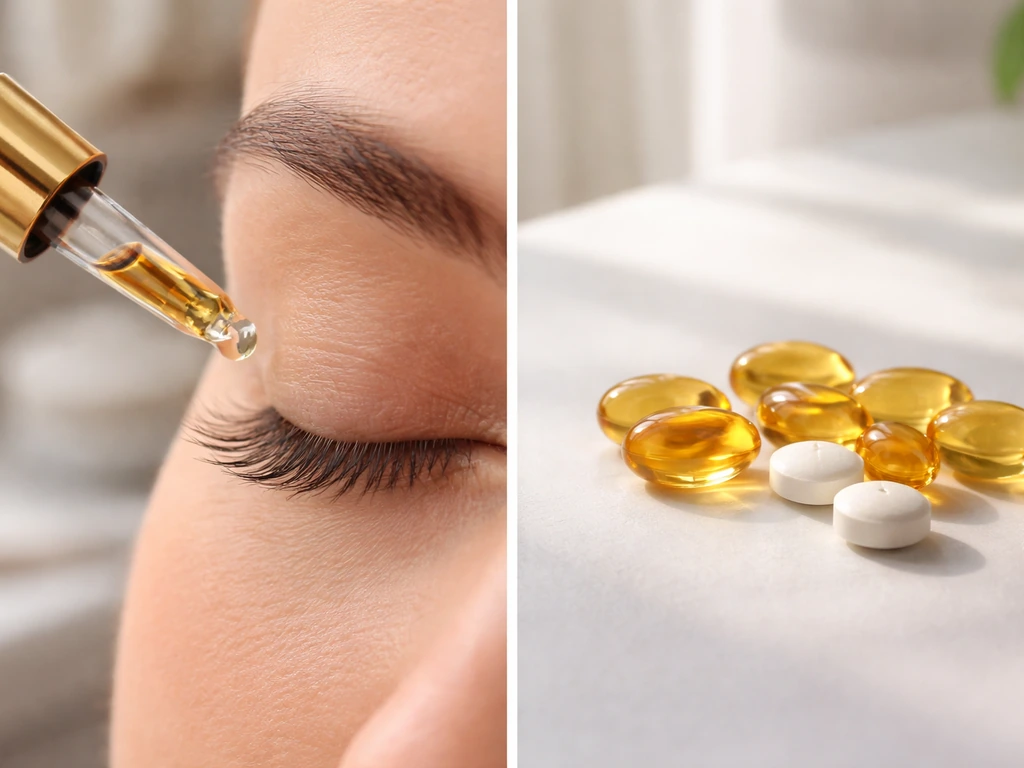
For oral vitamin C, the answer is conditional. If you are genuinely deficient, getting your levels back to normal can reduce blank" rel="noopener noreferrer">deficiency-driven shedding and restore the collagen support structure around your follicles. That is a real benefit. But if you are already meeting your intake targets (90 mg/day for men, 75 mg/day for women, per NIH guidelines), adding more vitamin C will not push your lashes into faster or longer growth. There is no human clinical trial showing that vitamin C supplementation beyond sufficiency produces measurable lash length or thickness gains in people with normal levels.
For topical vitamin C applied near the lash line, the evidence is even thinner. There are no published clinical trials studying topical vitamin C for eyelash growth. Vitamin C does have documented effects on periocular skin when used in skincare, including collagen stimulation and antioxidant protection, but the eyelid skin and lash follicle are not the same target.
Red light therapy for eyelash growth is another popular option, but the best available evidence is still limited and not as established as prescription treatments. The periocular area is also among the most irritation-prone skin on your face. Reddit threads consistently describe eyelid irritation from vitamin C serums, and ophthalmology guidance from the AAO recommends suspending periocular product use when inflammation appears.
The risk-to-benefit ratio for applying a vitamin C serum directly to your lash line is not favorable when the evidence for benefit is absent.
How to use vitamin C safely for lash and hair support
Getting enough through diet and supplements
The most practical and safest approach is simply eating enough vitamin C-rich foods consistently. You do not need to supplement aggressively. Foods like bell peppers, citrus, strawberries, broccoli, and kiwi can easily cover the RDA without any GI side effects. If you do want to supplement, typical doses of 500 mg once daily are well below the tolerable upper intake level (UL) of 2,000 mg/day for adults. Above 2,000 mg/day, the risk of osmotic diarrhea and gastrointestinal discomfort rises. If you are recovering from lash loss driven by iron deficiency, pairing iron-rich foods with a small vitamin C source at the same meal is one of the most effective and underrated strategies.
If you want to try a topical vitamin C product near your eyes
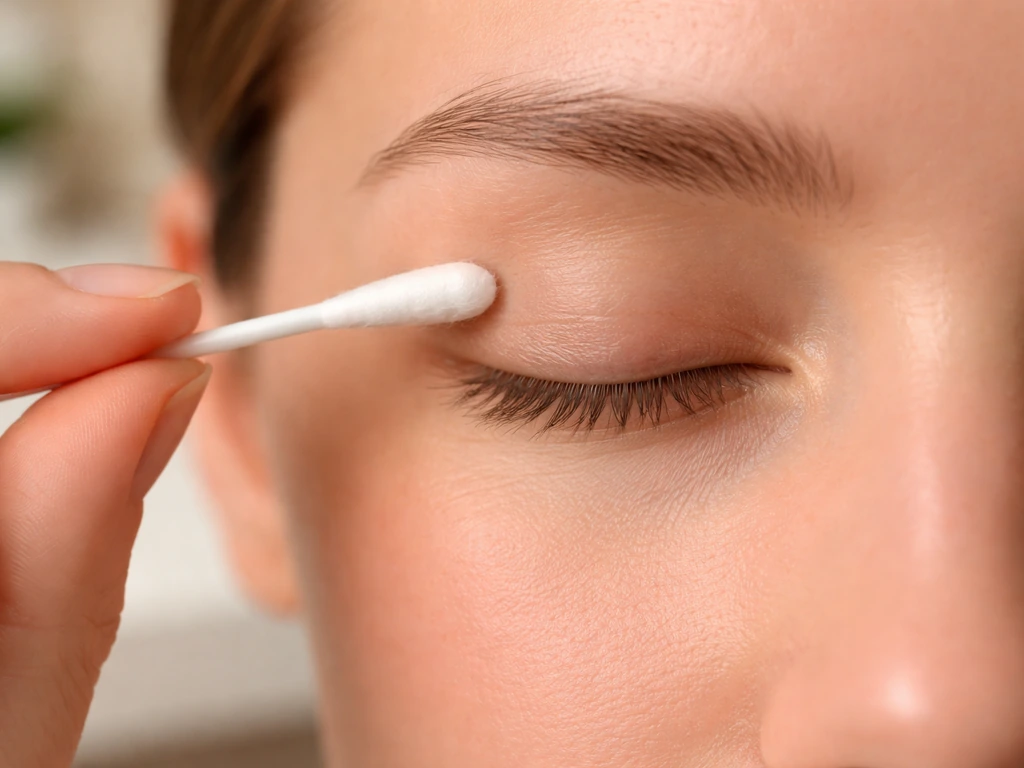
I would be cautious here. If you already use a vitamin C serum on your face and tolerate it well, the main rule is to keep it away from the actual lash line and waterline. Apply it to your upper cheekbone and orbital area, and let it absorb before your eyes water or product migrates. Always patch-test any new product on the inside of your wrist first and wait 24 to 48 hours before applying near your face.
If your eyelid skin becomes red, itchy, or swollen, stop immediately and treat it as periocular dermatitis. Trying to force a vitamin C serum onto your lash line specifically in the hope of growing lashes is not a strategy the evidence supports, and the irritation risk to sensitive eyelid tissue is real.
What realistic timelines look like for lash regrowth
Because anagen for lashes is only about 30 days and telogen runs 4 to 5 months, you should not expect to see changes from any nutritional intervention in less than 2 to 3 months, and the full picture often takes closer to 4 to 6 months. Even bimatoprost (Latisse), the only FDA-approved lash-growth treatment, shows its most meaningful length and thickness improvements around month 4 in clinical trials. The FDA prescribing information for Latisse (bimatoprost 0.
03%) also notes that eyelash growth is expected to return to pre-treatment levels after discontinuation [eyelash growth is expected to return to pre-treatment level after discontinuation](https://www. accessdata. fda. gov/drugsatfda_docs/label/2021/022369s014lbl.
pdf). If vitamin C is fixing a deficiency-related problem, expect the shedding to slow first, and visible regrowth to follow slowly over several months as new anagen cycles complete. If you stop whatever intervention you are using, lash characteristics return to their baseline, which is why consistency over months matters more than intensity.
What to try if vitamin C is not moving the needle
If you have had your vitamin C and iron intake covered for a few months and your lashes are still thin or short, it is time to look at other levers. If you want to know what actually helps eyebrows and eyelashes grow, focus first on addressing deficiencies and protecting the follicles from irritation. Here is how the main options stack up:
| Option | Evidence Level | Mechanism | Realistic Timeline | Key Caution |
|---|---|---|---|---|
| Bimatoprost (Latisse, Rx) | Highest (FDA-approved RCT data) | Prostaglandin analog extends anagen phase | Visible change by month 2–4 | Iris/periocular pigmentation, enophthalmos risk; Rx required |
| Castor oil | Low (anecdotal, no RCTs) | Moisturizes and conditions; may reduce breakage | 2–3 months to assess | Sticky texture; potential for contact dermatitis; no follicle activation proven |
| Biotin | Low for people already sufficient | B-vitamin for keratin infrastructure | 3–6 months | Only useful if deficient; no clear lash-specific trial data |
| Vitamin C | Low for direct lash growth; moderate for deficiency correction | Collagen synthesis support, iron absorption aid | 3–6 months | No direct lash evidence; topical use near eyes carries irritation risk |
| OTC lash serums (peptides) | Moderate (some ingredient studies) | Peptide/panthenol conditioning; some stimulate follicle activity | 2–3 months | Quality varies widely; check for undisclosed prostaglandins |
Damage control is often more impactful than any supplement. If you have been wearing heavy extensions, rubbing your eyes, or using a mechanical eyelash curler aggressively, stopping those habits gives your follicles an immediate break and can reverse a lot of shedding on its own. Castor oil is not magic, but applying it gently along the lash line at night can reduce mechanical breakage and keep hairs that are already in anagen from snapping off prematurely. Collagen supplementation is another avenue being explored for follicle support, and biotin is frequently discussed alongside vitamin C for hair health. Neither has strong lash-specific evidence, but both address foundational nutritional gaps that may contribute to thinning.
If you want meaningful, measurable lash growth, bimatoprost is the only option with FDA-backed clinical data showing real increases in lash length and thickness. It requires a prescription and comes with a documented side effect profile including potential periocular skin pigmentation changes and, in rare cases, iris pigmentation. Those trade-offs are worth discussing with a dermatologist or ophthalmologist if natural approaches have not worked after a genuine 4 to 6 month trial.
When lash thinning is a sign of something that needs medical attention
Nutritional gaps are just one possible cause of lash loss. The majority of madarosis (significant eyelash loss) cases are actually caused by localized eyelid conditions: blepharitis, seborrheic dermatitis, or eyelid inflammation. If your lash line is itchy, flaky, or irritated, lid hygiene with a gentle cleanser or diluted baby shampoo is often the first-line recommendation before any growth intervention makes sense. You cannot grow lashes on an inflamed follicle.
Beyond local eyelid issues, systemic conditions including thyroid disease, alopecia areata, lupus, and certain medications can all cause lash thinning or loss. These will not respond to vitamin C, castor oil, or any topical remedy. Signs that warrant a conversation with your doctor or a dermatologist include: sudden or patchy lash loss with no obvious mechanical cause, lash loss accompanied by eyebrow thinning (which points to systemic causes), significant redness or swelling of the eyelid margins, or any lash loss that has been progressing for more than 2 to 3 months without improvement.
If you are noticing irritation from a new topical product near your eyes, stop using it and give the area a week to calm down before trying anything else. Layering actives around eyes, or applying vitamin C, retinoids, and peptides all at once in that delicate zone, is a common way to develop periocular dermatitis. Isolate products, introduce one at a time, and give your skin a chance to tell you what it can handle.
FAQ
How can I tell whether vitamin C deficiency is actually causing my lash shedding?
If your vitamin C intake is already at or above the RDA, more vitamin C usually will not produce noticeable lash length or thickness changes. Vitamin C helps mainly when it corrects a deficiency-related shedding pattern, so the “does it work” answer depends on whether you are actually low, not on the dose.
When would I see results if vitamin C helps my lashes?
You generally need to wait for the lash cycle to turn over. Expect any nutritional effect to be noticeable after 2 to 3 months, with a fuller picture often taking 4 to 6 months. Stopping after a few weeks is a common reason people think vitamin C “does nothing.”
Is it safe to put vitamin C serum directly on the lash line to grow lashes?
Topical vitamin C specifically applied at the lash line has the biggest problem of all, irritation risk, and there is not strong clinical evidence that it grows lashes. If you try it anyway, apply to the upper cheekbone/orbital area only, keep it away from the waterline and lash roots, and stop at the first sign of redness, itching, or swelling.
Does vitamin C help more if I have low iron?
Yes, because vitamin C supports collagen-building enzymes and also helps with non-heme iron absorption. If your lash loss is linked to low iron, taking vitamin C with iron-rich meals can be more helpful than taking vitamin C alone.
What if my lashes are thin but my eyelids are irritated or flaky?
Often, yes, because eyelid inflammation can limit any progress from growth-support nutrients. If your lashes look thinner along with flaking, itching, burning, or red eyelid margins, lid hygiene and addressing blepharitis or seborrheic dermatitis is usually the priority before chasing supplements.
How much vitamin C is too much for lash support?
Avoid very high oral doses unless you are working with a clinician, because doses above 2,000 mg/day increase the likelihood of osmotic diarrhea and GI discomfort. A more practical approach is to aim for normal intake through food, or consider moderate supplementation if you are not meeting the RDA.
Can I combine vitamin C with other eyelash or face actives like retinoids near my eyes?
Vitamin C can be part of an overall routine, but layering multiple potentially irritating actives near the eyes increases the odds of periocular dermatitis. If you want to experiment, introduce one product at a time and separate it from other eye-area actives rather than combining them in the same routine.
If vitamin C helps, do my lashes stay improved after I stop taking it?
If you stop correcting a deficiency, lashes typically return to their baseline over time, because the underlying issue is no longer being addressed. That means consistency matters for months, not weeks, and “cycling” supplements without fixing the root cause may not help.
Does castor oil work better than vitamin C for lash growth?
Castor oil may reduce breakage and keep existing lashes from snapping, but it is not the same as true follicle growth. If your main issue is shedding from a deficiency or inflammation, castor oil alone may not reverse thinning.
When should I stop troubleshooting vitamin C and see a doctor?
Sudden, patchy lash loss, lash loss that also affects eyebrows, significant eyelid redness or swelling, or progressive loss over more than 2 to 3 months without improvement are reasons to talk to a dermatologist or ophthalmologist. These patterns can reflect local eyelid disease or systemic causes that vitamin C will not fix.
Next Article
Do Prenatal Vitamins Help Eyelashes Grow Longer?
Learn if prenatal vitamins can grow longer lashes, which nutrients help, realistic timelines, and safe next steps.