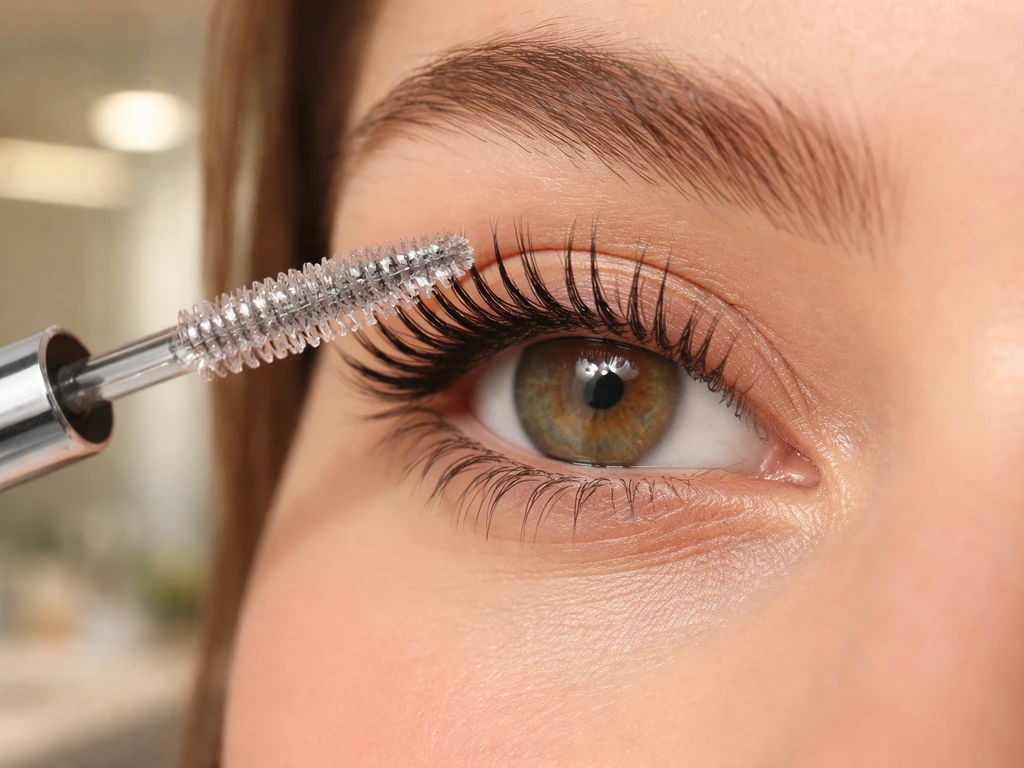
Sky High mascara does not make your eyelashes grow. It makes them look longer and fuller while you're wearing it, and that's the honest answer. [Maybelline markets it as a "lengthening" mascara, which is an appearance claim, not a growth claim. ](https://www.
Does Sky High Mascara Make Your Lashes Grow? What to Know
Rachel Nguyen
24 Jun 2026
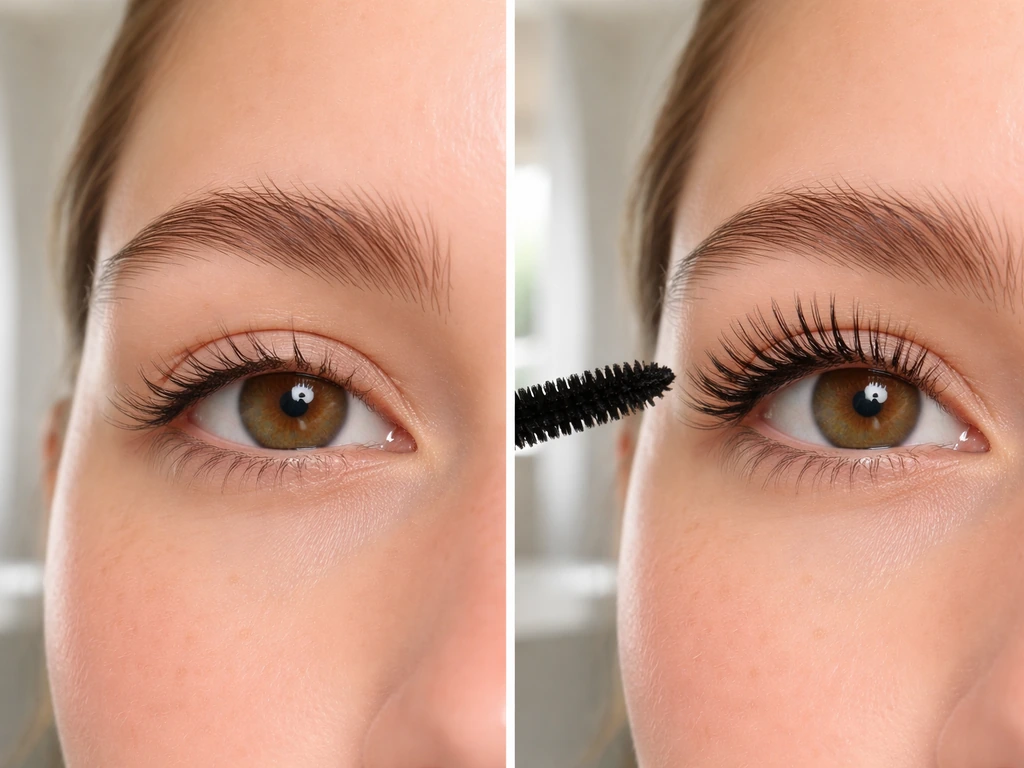
maybelline. com/eye-makeup/mascara/lash-sensational-sky-high-washable-mascara-makeup) Once you wash it off, your lashes are exactly the same length they were before you put it on. That said, there's a real reason so many people ask this question, and it's worth unpacking what the product actually does, what could be happening to your lashes right now, and what will genuinely move the needle on lash length.
If you stop wearing mascara, your lashes may look different because of less coating, but they generally do not grow back faster on their own.
Mascara vs real eyelash growth: what can and can't happen
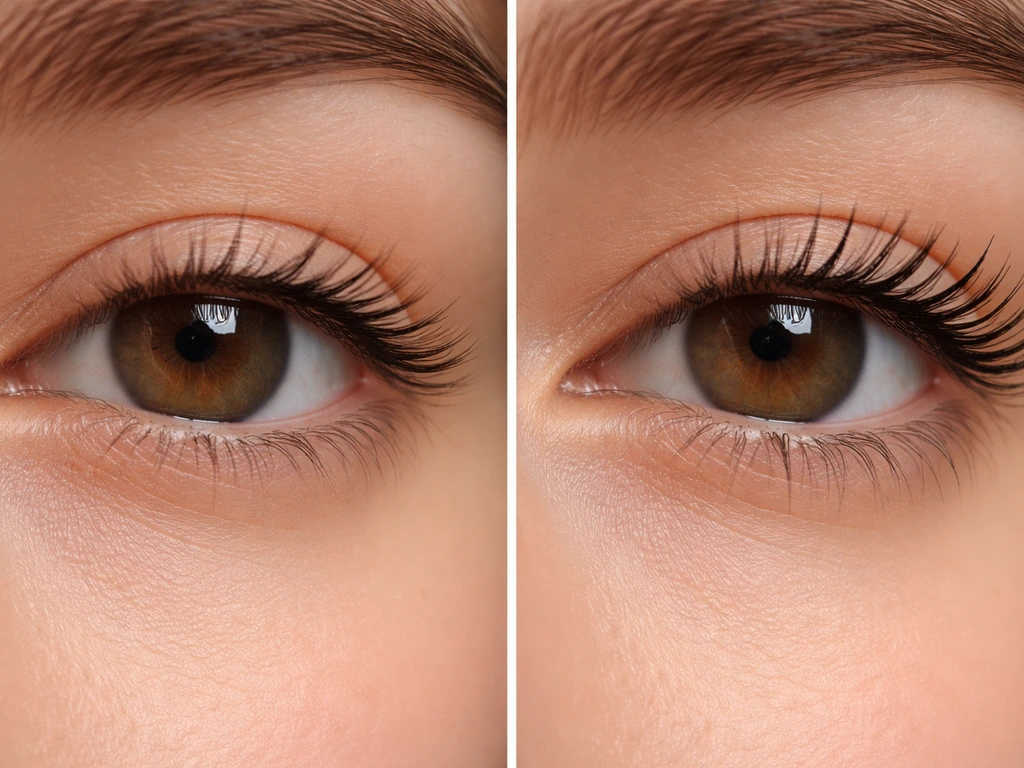
Eyelash growth happens inside the follicle, driven by a biological cycle with three phases: anagen (active growth), catagen (transition), and telogen (rest/shedding). The anagen phase for lashes lasts roughly 4 to 10 weeks, and the full lifespan of a single lash can range from about 3 to 6 months. For a cosmetic product to genuinely "grow" lashes, it would need to influence that follicle-level process, specifically by prolonging the anagen phase or shortening the time it takes for a resting follicle to restart. Mascara does none of that. It sits on the surface of the lash. It coats, lifts, and thickens the visible shaft. When you remove it, the underlying lash is unchanged.
This matters because "growth" and "looking longer" are completely different outcomes. A mascara that gives you dramatic lift and coating can absolutely make your lashes appear twice as long in the mirror, and Sky High is genuinely good at that. But if you stop wearing it for a week, your lashes won't be any shorter than they were when you started. The flip side is also true: if you're using it daily and seeing lash thinning, the mascara isn't shrinking your follicles, but it could be contributing to breakage or mechanical damage at removal.
What Sky High actually does for length and volume
Sky High's visual effect comes from its formula. The washable version's ingredient list includes film-forming polymers like styrene/acrylates copolymer and polyurethane-35, plus waxes including beeswax and carnauba wax. Film-formers are what create that stretchy, buildable coating that wraps around each lash and visually extends the tip. The waxes add bulk and help the formula cling without flaking. The result is a lengthening effect that's optical, not biological: you're seeing a coated lash, not a longer one.
The formula also contains conditioning ingredients, including glycerin and soluble collagen. These are worth noting because people sometimes interpret "conditioning" as "growth-promoting." What conditioning agents actually do is reduce brittleness and make the lash shaft more flexible while the mascara is on, which can reduce mid-shaft breakage during wear. That's a real benefit, but it's about protecting the lash you already have, not creating a new one. Sky High is available in both washable and waterproof variants, and the waterproof version typically uses stronger film-formers that grip harder, which can increase breakage risk at removal if you're not using a dedicated eye makeup remover.
Can Sky High's ingredients actually affect lash growth?
The short answer is no, and here's exactly why. If you want lashes to actually grow longer over time, focus on evidence-backed growth ingredients or prescription options rather than mascara can mascara help eyelashes grow. The only ingredient class with solid clinical evidence for stimulating true eyelash growth is prostaglandin analogs, things like bimatoprost, latanoprost, and travoprost. These compounds work by prolonging the anagen (growth) phase and shortening the time follicles spend in rest before restarting. Sky High's ingredient panel, as shown on the Maybelline product page, contains none of these. There are no prostaglandin analog drug names anywhere in the formula. What you're looking at is a standard cosmetic mascara: polymers, pigments, waxes, and preservatives.
The soluble collagen listed in the formula sometimes raises eyebrows because collagen sounds biologically active. In a topical mascara context, soluble collagen functions as a conditioning and film-enhancing agent, not a follicle stimulant. Collagen molecules applied to the lash surface don't penetrate the follicle or alter the growth cycle. So while it's a legitimate cosmetic ingredient, it won't lengthen your lashes in any lasting way. One practical note: if you purchased Sky High from a third-party online seller and noticed the packaging looks slightly off, some Reddit users have flagged potential authenticity issues with online listings, so it's worth buying from a verified retailer like Target or Ulta to be sure you're getting the actual formula.
How long it really takes for lashes to grow back
If your lashes have been damaged, fallen out, or broken, the honest timeline is: weeks to months, depending on what happened and where the follicle is in its cycle. The anagen (growth) phase lasts approximately 4 to 10 weeks, and a single lash takes around 3 to 6 months to complete its full lifecycle from new growth to natural shed.
Healthline similarly notes typical eyelash life span can vary widely, roughly 4 to 11 months, and that the anagen phase may last about 4 to 10 weeks The anagen (growth) phase lasts approximately 4 to 10 weeks, and a single lash takes around 3 to 6 months. You lose roughly 1 to 5 lashes per day normally, so some daily shedding is expected and not cause for alarm.
The catch is that lashes across your lash line are all in different phases simultaneously. If a lash falls out during telogen (the resting phase), the follicle can restart relatively quickly. If a lash breaks mid-shaft during anagen, you still have an active follicle, but the visible lash needs to regrow from the break point. This is why recovery looks different depending on the cause. Damage from extensions or aggressive removal typically leads to a mix of breakage and some genuine shedding, which extends the timeline further. In general, plan for 6 to 16 weeks to see meaningful regrowth after moderate lash damage, and longer if the trigger hasn't been removed.
If your lashes are thinning: breakage vs shedding
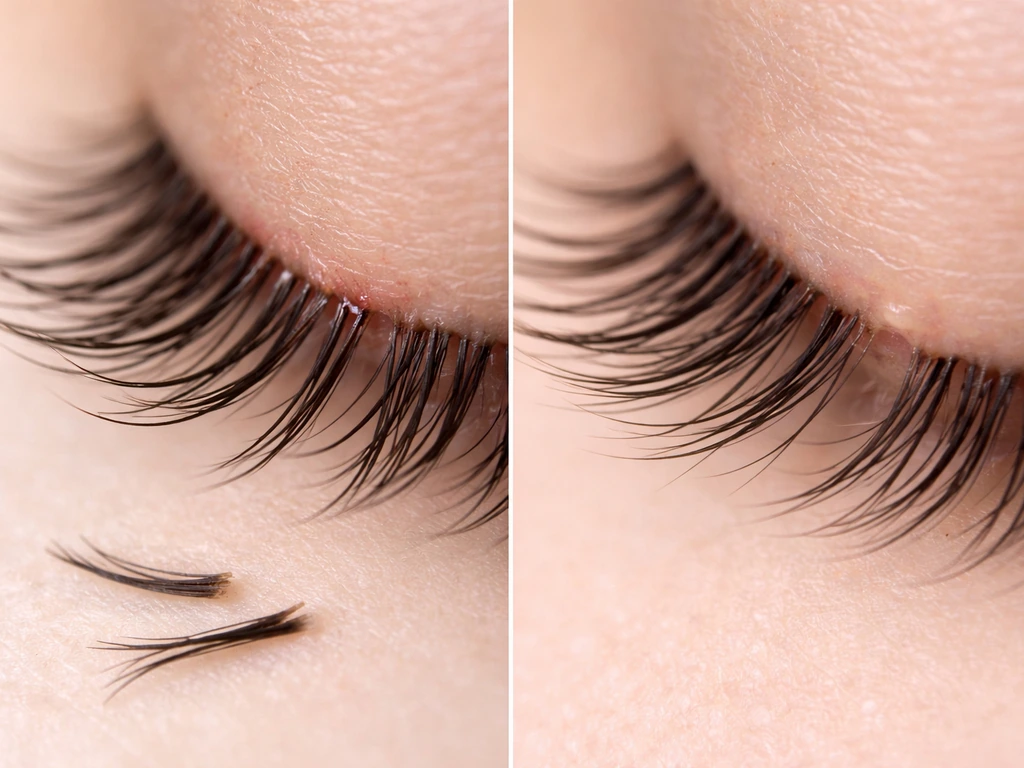
These two things look similar but have different causes and different fix strategies. Breakage means the lash shaft is snapping partway up, usually from mechanical stress: aggressive rubbing at removal, dry formula that cracks, or waterproof mascara being tugged off with regular cleanser. You'll often notice lashes of uneven, shorter lengths, and if you look closely, the broken ends tend to look blunt rather than tapered. Breakage doesn't mean your follicle is damaged, it just means the visible lash needs time to regrow from where it snapped.
Shedding is a different problem. This is when the entire lash, root and all, exits the follicle. Some shedding is always normal (remember: 1 to 5 per day), but accelerated shedding can be triggered by inflammation, skin conditions like blepharitis or seborrheic dermatitis affecting the lid margin, hormonal changes, nutritional deficiencies, or underlying medical issues. The Cleveland Clinic specifically links eyelash loss to follicular inflammation from skin conditions, which is worth knowing if you're seeing more lashes on your pillow than usual. If you're losing lashes in clumps or notice bare patches, that's shedding, not breakage, and the approach to fixing it is different.
What to do today: safer mascara use and a basic lash-care routine
If you want to keep wearing Sky High without making things worse, a few habits make a real difference. The biggest one is removal. Oil-based or micellar cleansers dissolve mascara formula without the need for rubbing, which is where most mechanical breakage happens. Press a soaked cotton pad gently against the lash line for 10 to 20 seconds before wiping, rather than dragging it across. If you use the waterproof version of Sky High, you need a dedicated eye makeup remover that's formulated to break down waterproof polymers, regular face wash won't cut it and you'll end up pulling.
- Use an oil-based or micellar eye makeup remover, not just face wash
- Soak and press first, then wipe gently, never drag across the lash line
- Give your lashes at least one or two mascara-free days per week to reduce accumulated stress
- Don't pump the mascara wand in and out of the tube as it dries the formula and increases clumping, which adds breakage risk at removal
- Apply one to two thin coats rather than stacking multiple heavy coats, which increases brittleness
- Replace your mascara every three months to reduce bacterial buildup near the eye
- If you're in an active recovery phase from extensions or damage, consider going mascara-free until lashes are more stable
Beyond application and removal habits, keeping your lash line clean matters more than most people realize. Residual mascara along the lash margin can irritate follicles over time. A gentle lid scrub or diluted baby shampoo applied with a clean cotton swab along the base of the lashes a few times a week helps clear debris without stripping the area.
Growth-boosting options that actually work
If you want genuine lash growth rather than optical enhancement, you need to shift from cosmetics to actives. The most evidence-backed option by a significant margin is bimatoprost 0. 03%, the active ingredient in prescription Latisse. In a placebo-controlled trial, bimatoprost produced an average eyelash length increase of about 1.
4 mm (roughly 25%) versus about 0. 1 mm in the vehicle group after 16 weeks of use. That's real, measurable, follicle-level growth driven by a prolonged anagen phase. A 2024 comprehensive review in the Journal of Cosmetic Dermatology confirmed that prostaglandin analogs remain the most evidence-supported ingredient class for eyelash growth, well ahead of anything in the OTC cosmetic category.
Latisse requires a prescription in the US, so you'd need a dermatologist or telehealth provider.
For OTC options, the landscape is more mixed. Many "lash growth serums" sold at Sephora or Ulta make growth claims but contain peptides, biotin, or plant extracts with much weaker evidence than prostaglandin analogs. Some do contain synthetic prostaglandin-adjacent compounds (like isopropyl cloprostenate) that aren't FDA-approved drugs but function similarly, and these can produce real results while also carrying similar side-effect risks. Read ingredient lists carefully before buying.
Peptide-based serums are generally safer but show more modest effects. Castor oil and biotin supplements are widely discussed online, but the evidence for both is limited: castor oil may help condition lashes and reduce breakage, but there's no strong clinical data showing it extends the growth phase. Biotin is only likely to help if you have a documented deficiency.
| Option | Mechanism | Evidence Level | Timeline | Key Consideration |
|---|---|---|---|---|
| Sky High Mascara | Optical coating (film-formers, waxes) | Cosmetic only, no growth effect | Immediate visual, reverses when removed | Risk of breakage if removed aggressively |
| Bimatoprost (Latisse) | Prostaglandin analog: prolongs anagen phase | Strong: ~1.4 mm length gain in 16-week RCT | 12 to 16 weeks for visible change | Prescription required; iris pigmentation risk |
| OTC Lash Serums (prostaglandin-adjacent) | Similar mechanism to prostaglandin analogs | Moderate; varies by ingredient | 8 to 16 weeks | Check ingredient list; unapproved compounds, similar side-effect profile |
| Peptide-based OTC Serums | Conditioning and possible follicle support | Weak to moderate; inconsistent trials | 12+ weeks | Safer profile, less dramatic results |
| Castor Oil | Conditioning, breakage reduction | Limited/anecdotal | Ongoing use needed | No clinical evidence for true growth |
| Biotin Supplements | Supports keratin production if deficient | Only useful if deficient | Months | Likely ineffective without confirmed deficiency |
Questions about which specific mascara formulas might condition lashes better than others, or whether stopping mascara entirely helps recovery, are worth exploring alongside growth strategies. They're closely connected to the same biology of lash damage and repair.
When to stop using Sky High and get real help
Some people do react to mascara ingredients, and Sky High is not exempt. Reddit threads specifically document users experiencing irritation and what they describe as lash breakouts after using it. If you notice increased lash shedding, redness along the lash line, swelling of the lids, or itching that starts after introducing Sky High, stop using it and don't restart without patch testing first. You can patch test mascara by applying a small amount to the inner corner of one eye and waiting 24 hours before full application.
More serious warning signs that go beyond mascara sensitivity: if you're losing lashes in noticeable patches, if the lid margin looks inflamed or crusted consistently, if lash loss is accelerating over weeks rather than staying stable, or if you're losing lashes on eyebrows and other areas simultaneously, those are signals to see a dermatologist rather than trying another product. Conditions like alopecia areata, thyroid dysfunction, and blepharitis can all cause eyelash loss and need proper diagnosis before treatment. The same caution applies if you're considering a prescription lash-growth serum, any product active enough to genuinely alter the growth cycle can also cause periocular skin pigmentation, iris color changes in susceptible individuals, or periorbital fat changes with long-term use, so clinical oversight matters.
The bottom line: Sky High is a solid mascara for visual impact, but if longer, thicker lashes in an actual, lasting way is the goal, mascara is the wrong tool for the job. Use it well, remove it carefully, and pair it with a legitimate growth strategy if you're serious about the biology. If you’re specifically looking for the best mascara to grow eyelashes, focus on products that reduce breakage and support lash health while you wait for natural regrowth. That's where real results come from.
FAQ
If Sky High does not grow lashes, why do my lashes look longer after a few days of use?
That effect is usually from cumulative coating and lift, not true length increase. If you apply more than one layer or let mascara build, the visible tips can look longer and fuller, but when you fully remove it, the underlying lash length should return to baseline.
Can Sky High make lashes look thicker but still cause them to thin over time?
Yes. The lashes can appear fuller while coated, but repeated wear plus imperfect removal can increase breakage or irritation. Watch for shortened, uneven lash lengths and blunt broken ends, those point to breakage rather than growth.
Does using Sky High every day prevent lash recovery after damage?
It can, if removal is harsh or the eye area stays irritated. Even if the mascara is not biologically growing lashes, daily rubbing during makeup removal can slow visible recovery by causing repeated shaft breaks while the follicles are trying to cycle back.
Is waterproof Sky High always worse for lash health?
It is often harder to remove, which is the main risk. If you use the correct waterproof eye makeup remover and avoid tugging, waterproof can be manageable. The bigger issue is using regular cleanser or scrubbing to get it off.
How can I tell if my lashes are shedding versus breaking when I use Sky High?
Shedding usually means you lose whole lashes from the root, you may notice more lashes on your pillow, and you can see bare patches. Breakage means you still have lash density near the base, but many lashes look shorter or uneven, broken tips often look blunt rather than tapered.
Will stopping Sky High make my lashes fall out faster in the beginning?
Most people notice either no change or slightly less dramatic appearance once the coating is gone. If you had irritation from the product, stopping may actually reduce shedding over a few weeks. If loss accelerates after stopping, consider other triggers like blepharitis, hormonal changes, or a medical issue.
Can soluble collagen or glycerin in Sky High help lashes grow?
They mainly act as conditioning and film-forming ingredients on the lash surface. They can make lashes feel more flexible and may reduce breakage during wear, but they do not change the follicle growth cycle.
What removal method reduces the chance that Sky High causes breakage?
Use a remover that dissolves mascara (especially for waterproof), then press a soaked pad against the lash line for 10 to 20 seconds before wiping. Avoid dragging mascara down toward your lid margin, use gentle, vertical motions instead.
How do I decide whether I should try a lash growth serum instead of just a mascara?
If your goal is lasting length, cosmetics like mascara are unlikely to change growth. Consider a growth-active approach if you are willing to address safety and side effects, but if you have redness, crusting, patchy loss, or fast worsening, see a dermatologist first.
When should I stop using Sky High and get checked by a doctor?
Stop and seek medical advice if you develop persistent redness, swelling, itching, crusting at the lid margin, noticeable patchy lash loss, or lash loss that extends to eyebrows or other areas. Those patterns can indicate inflammatory conditions or autoimmune causes that need diagnosis.
Next Article
Does Thrive Mascara Make Your Lashes Grow? What to Expect
Clear answer on whether Thrive mascara grows lashes, with timelines, risks, and proven ways to boost length and thicknes