Thrive mascara does not make your lashes grow in the biological sense. It can make them look significantly longer and thicker, but that is an optical and mechanical effect from the formula's tubing technology, not a change in your lash growth cycle. If you stop using it, your lashes return to exactly where they started. That said, some of the conditioning ingredients in certain Thrive formulas can reduce breakage over time, which means your lashes may appear healthier or fuller with consistent use. But that is not the same as growing new lashes or speeding up regrowth.
Does Thrive Mascara Make Your Lashes Grow? What to Expect

Rachel Nguyen
23 Jun 2026
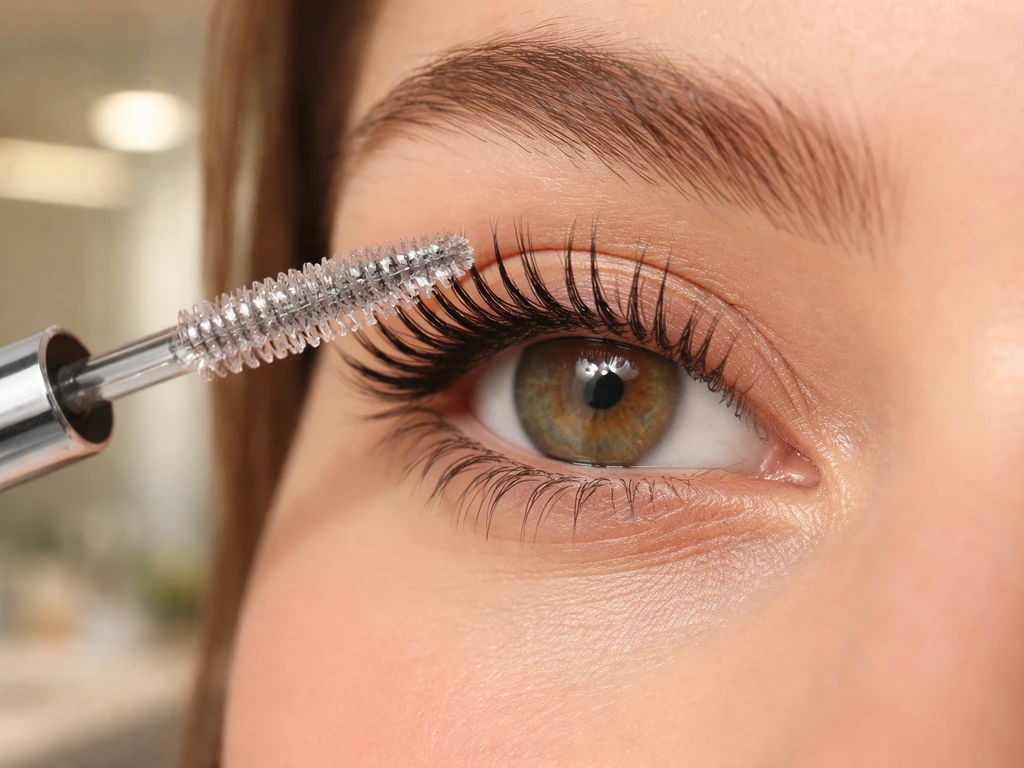
What Thrive mascara actually is (and what it is not)
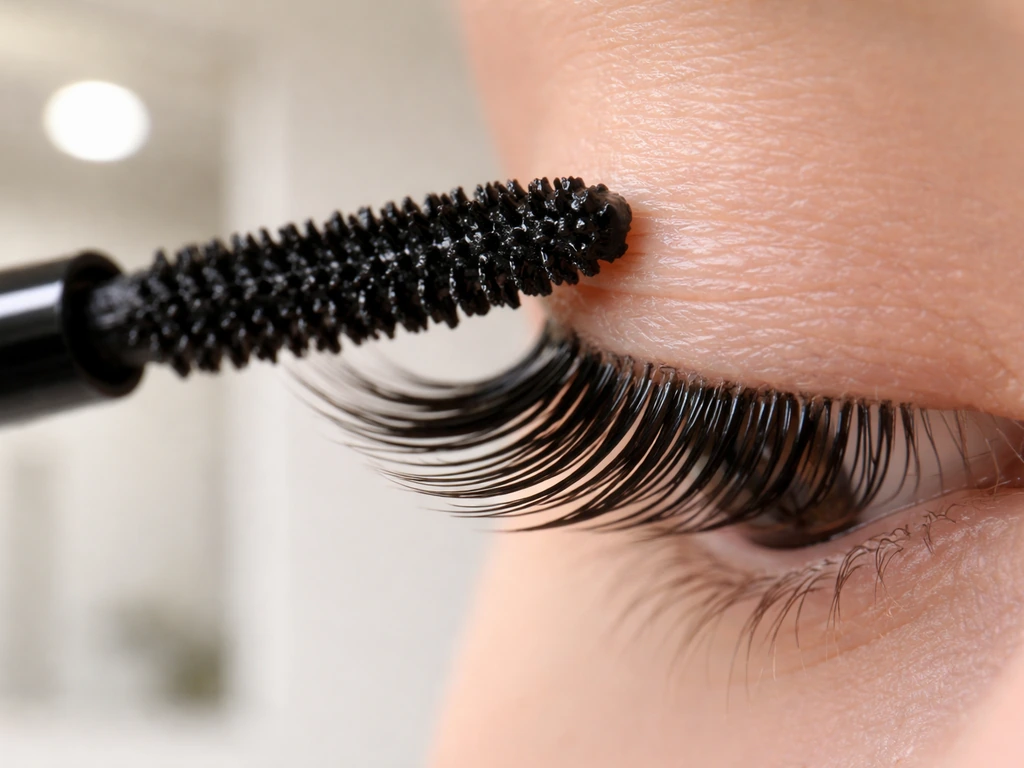
Thrive Causemetics is best known for its Liquid Lash Extensions Mascara, a tubing-style formula. Tubing mascaras work differently from traditional wax-based mascaras. Instead of coating lashes with pigment and wax, they wrap each lash in tiny polymer tubes that physically extend beyond the tip of the lash. The result genuinely does look like a subtle lash extension, which is where the name comes from.
What it is not: a lash serum, a growth treatment, or a drug. Thrive does sell a separate product called the Liquid Lash Extensions Lash Serum, which contains peptides, biotin, and sodium hyaluronate and was clinically tested for conditioning effects. That is a completely different product with a different purpose. The mascara is a cosmetic. The serum is positioned as a conditioning treatment. Mixing them up in your head (or in your routine) leads to disappointed expectations.
It is also worth noting that Thrive's Help Center specifically warns against using the Liquid Lash Extensions Mascara over lash extensions because the formula contains castor oil, which can break down lash adhesive glue. That detail alone tells you something useful: the mascara is oil-based enough to interact with bond chemistry, which puts it in a slightly different category than ultra-dry, flaky drugstore mascaras.
Can mascara actually grow lashes? The mechanism question
No mascara, including Thrive, changes the biology of your lash follicle. If you want to grow lashes faster, focus more on gentle removal habits and, when appropriate, clinically studied growth treatments will not wearing mascara help your eyelashes grow. Your lash follicle is what controls whether a lash grows, how fast, and how long it gets before it sheds. A cosmetic product sitting on the lash shaft cannot reach that follicle. Lash hairs, like all hair, are dead keratin once they emerge from the follicle. Anything you apply on top is working with the shaft only, not the root.
What mascara can legitimately do is improve the appearance of length and volume, and in some cases reduce mechanical breakage. Less breakage means lashes can reach their natural maximum length instead of snapping off before they get there. That can make your lashes look fuller over weeks of consistent, gentle use. But that is a preservation effect, not a growth effect. The distinction matters when you are trying to set realistic expectations. If you are specifically looking for the best mascara to grow eyelashes, the key is setting realistic expectations about what mascara can and cannot do.
The only class of ingredients proven to actually alter the lash growth cycle is prostaglandin analogs, specifically bimatoprost, which is FDA-approved for eyelash hypotrichosis (inadequate lashes). Clinical trials show bimatoprost 0.03% applied to the eyelid margin produces measurably longer, thicker, and darker lashes by extending the anagen (growth) phase. No ingredient in Thrive's mascara INCI list is a prostaglandin analog. The comparison is not a knock on Thrive, it just clarifies what category of product you are actually dealing with.
A quick primer on lash growth biology and timelines
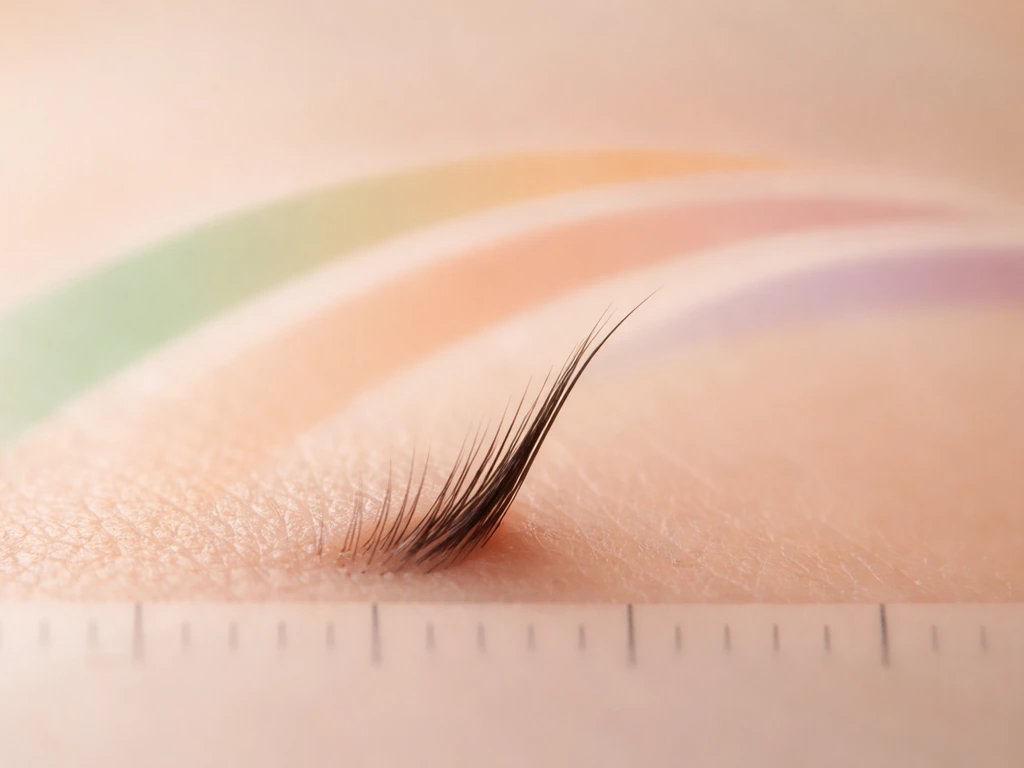
Eyelashes grow at roughly 0.12 mm per day, which is slower than scalp hair. They cycle through three phases: anagen (active growth, lasting about 4 to 10 weeks), catagen (transition, a couple of weeks), and telogen (resting/shedding, several weeks before the next lash emerges). The full cycle from shed to new lash being visible takes roughly 4 to 8 weeks under normal circumstances, and up to 16 weeks or longer after damage from extensions, burns, aggressive rubbing, or an underlying health issue.
This timeline is important context because people often notice their lashes looking better after consistently using a product for 6 to 8 weeks and attribute the improvement to the product stimulating growth. In reality, they may just be letting their natural cycle complete without the usual breakage and disruption. A good mascara that removes gently and conditions the shaft can support that process. That is legitimately useful. It just needs the right label: lash preservation, not lash growth.
Breaking down Thrive's ingredients for growth-supporting potential
Looking at the published INCI for Thrive's Liquid Lash Extensions Mascara, the formula contains water, film-forming acrylate polymers (responsible for the tubing effect), alcohol denat. On Thrive’s product page for Liquid Lash Extensions Tubing Mascara, the ingredient declaration is based on the “product package you receive” and lists key conditioning ingredients like panthenol and sodium hyaluronate (along with castor oil and shea butter) ingredient declaration for Liquid Lash Extensions Tubing Mascara. , glycerin, dimethicone, carnauba wax, shea butter, castor seed oil, panthenol (Vitamin B5), and sodium hyaluronate. No prostaglandin analogs, no peptides in this specific formula.
Here is how the relevant conditioning ingredients actually function, based on what cosmetic chemists and the dermatology literature say about them:
| Ingredient | Function | Does it affect lash growth? |
|---|---|---|
| Castor seed oil | Emollient; coats and smooths the lash shaft, may reduce breakage | No direct follicle effect; may reduce mechanical fallout |
| Panthenol (Vitamin B5) | Humectant and softener; improves flexibility and reduces brittleness in the hair shaft | No; improves lash condition, not growth cycle |
| Sodium hyaluronate | Humectant; draws moisture to the lash and eyelid skin | No; hydration/conditioning only |
| Shea butter | Emollient; adds slip and softness | No; cosmetic conditioning |
| Glycerin | Humectant; moisture retention | No; cosmetic conditioning |
| Acrylate copolymers/film formers | Create the physical tubes around each lash for length extension | No; purely mechanical/appearance effect |
Thrive's separate Liquid Lash Volumizer Mascara (a different product) does list more growth-adjacent ingredients like biotin, myristoyl pentapeptide-17, and acetyl tetrapeptide-3. Peptides like these have been studied in the context of hair growth signaling, though the evidence for topical lash peptides specifically is more limited than for bimatoprost-class treatments. Still, if you are choosing between Thrive products specifically for potential lash-support benefits, the Volumizer formula has a more interesting ingredient story than the Extensions Mascara.
Bottom line on ingredients: the Extensions Mascara is genuinely conditioning. The castor oil, panthenol, and sodium hyaluronate combination is a solid supporting cast for lash health and reduced breakage. That has real value. But none of it crosses the line into proven lash-cycle modification. If you are wondering whether sky high mascara makes your lashes grow, this distinction is the key: conditioning can improve how lashes look, but it does not change the lash growth cycle proven lash-cycle modification.
What to actually use if you want real lash growth
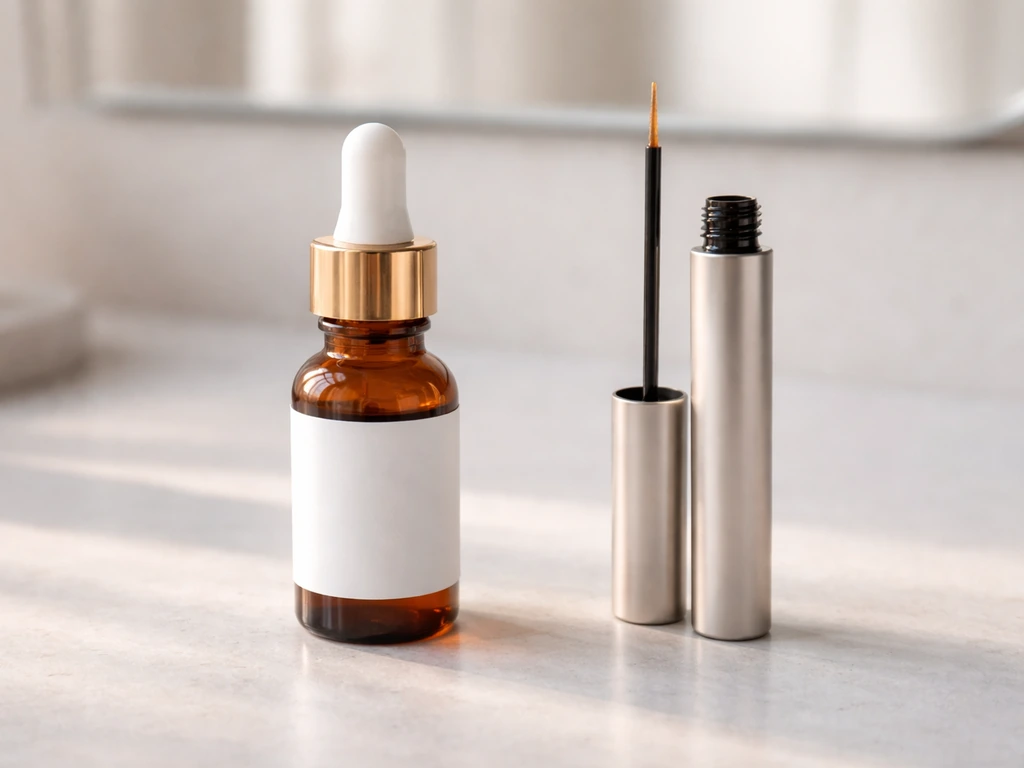
If your goal is measurably longer, thicker lashes rather than just the look of them, you need to shift from mascara to treatments that can actually influence follicle behavior or at minimum consistently reduce fallout. Here are the options worth knowing, ranked roughly by evidence strength:
- Bimatoprost (Latisse): The only FDA-approved treatment for lash growth. Applied to the upper lash line nightly, it extends the anagen phase and produces visible results in 8 to 16 weeks. Requires a prescription. Side effects include iris pigmentation changes in some users, eyelid skin darkening, and dry eye. Worth discussing with a dermatologist or ophthalmologist if you have significant lash thinning.
- Over-the-counter lash serums with prostaglandin analogs (e.g., isopropyl cloprostenate): These are non-prescription alternatives that work similarly to bimatoprost. Results are generally less dramatic and more variable, but many users see improvement in density and length within 8 to 12 weeks. They carry similar side effect risks to prescription options, particularly around pigmentation.
- Castor oil (stand-alone): Applied to the lash line nightly with a clean spoolie, castor oil's ricinoleic acid content is thought to support follicle circulation and reduce inflammation. Evidence is mostly anecdotal but the risk profile is low. It can cause eye irritation if it gets into the eye, so application technique matters.
- Peptide-based serums: Products with myristoyl pentapeptide-17, biotinoyl tripeptide-1, or similar compounds have emerging evidence for stimulating lash growth signaling. These are a middle ground: more targeted than plain oil, less potent than prostaglandin analogs.
- Biotin (oral supplementation): If you are deficient, biotin supplementation (typically 2,500 to 5,000 mcg daily) can improve hair and lash quality noticeably. If you are already replete, extra biotin does not dramatically change outcomes. Worth getting levels checked before committing to a supplement regimen.
Daily habits matter at least as much as any product you put on your lashes. Gentle makeup removal is non-negotiable. Rubbing or pulling to remove mascara is one of the fastest ways to accelerate lash shedding. Use an oil-based remover or micellar water and press gently, do not swipe. Tubing mascaras like Thrive's actually have an advantage here because the tubes slide off cleanly with warm water, which means less mechanical stress at removal compared to traditional mascaras.
It is also worth considering whether your mascaras and removal habits are the problem, which is something the sibling topics around stopping mascara use address directly. Some people notice lash improvement simply from switching to a gentler formula or giving their lashes periodic breaks. Thrive's tubing formula, because of its cleaner removal, is genuinely one of the less damaging mascara options if you are trying to let your lashes recover.
Risks, side effects, and when to bring in a professional
Even a well-formulated mascara carries real risks if used carelessly. The FDA recommends replacing mascara roughly every 3 months after opening because repeated dipping of the wand introduces bacteria and fungi into the tube. Eye infections from contaminated mascara are not theoretical. If you are getting into the habit of using any eye product daily, the 3-month replacement rule is not optional.
Eyelid dermatitis is another genuine concern. Mascaras, including those with conditioning ingredients, can trigger either irritant or allergic contact dermatitis on the eyelid skin. The eyelid is one of the most sensitive skin areas on the body. Symptoms include redness, swelling, flaking, and intense itch around the eye. If you notice any of these after starting a new mascara, stop immediately and let the area calm down before patch-testing anything new. Persistent eyelid dermatitis should be evaluated by a dermatologist since chronic inflammation at the lash margin can contribute to lash thinning over time.
Lash thinning that is not explained by product use or physical trauma deserves a professional assessment. Conditions like alopecia areata (which can affect lashes), thyroid dysfunction, blepharitis, trichotillomania, and nutritional deficiencies all cause lash loss and none of them respond to mascara. A dermatologist or ophthalmologist can diagnose the actual cause and direct you toward the right treatment, which may include prescription serums, anti-inflammatory therapy, or systemic treatment depending on what is driving the loss.
For anyone coming off lash extensions, it is worth knowing that extensions have been linked to traction alopecia of the lash line, allergic blepharitis, and keratoconjunctivitis. If your lashes are sparse following a long period of wearing extensions, give yourself a realistic recovery window of 3 to 6 months before deciding whether a clinical intervention is needed. Using a gentle mascara like Thrive during that period is a reasonable choice because it causes less adhesive stress than extensions and removes cleanly.
How to use Thrive safely and what to try next: a simple plan
If you are using Thrive mascara and hoping it supports your lash health, here is the most practical approach based on what we know about the ingredients and the biology:
- Use the Liquid Lash Extensions Mascara as your daily mascara if you like the look. It is a genuinely conditioning formula and its tubing removal is gentler than most alternatives. Apply it to clean, dry lashes without pumping the wand.
- Remove it correctly every night. Add warm water to loosen the tubes, then press a soaked cotton pad against your lashes for 20 to 30 seconds and slide downward. Do not rub. This is the step most people skip and it is where the lash damage happens.
- Replace the tube at the 3-month mark even if it looks fine.
- If you want to add a growth-supporting step, apply a lash serum or castor oil to the lash line after removal and before bed, on clean skin. Give it 8 to 12 weeks before evaluating. This is separate from your mascara use.
- If you have noticeable lash thinning beyond what gentle product use and a serum can address in 3 to 4 months, book an appointment with a dermatologist. Ask specifically about bimatoprost and whether your lash loss has an underlying cause worth investigating.
- Take stock at the 8-week mark. Are your lashes breaking less? Looking fuller without mascara? If yes, your current routine is working and the improvement is from reduced damage and better conditioning. If nothing has changed, escalate to a proven serum or get professional guidance.
Thrive mascara is a solid daily wear option for someone who wants the look of longer lashes with less damage risk. Think of it as harm reduction for your lash line rather than a growth treatment. If you want real, measurable lash regrowth, pair it with a peptide serum or castor oil at night, give it a full growth cycle to work, and escalate to prescription options if that does not move the needle. If you want your eyelashes to actually grow back faster, look beyond mascara at evidence-based treatments that can affect the lash growth cycle. That combination, mascara that does not wreck your lashes during the day and an evidence-backed treatment at night, is the most practical path to actually solving the problem.
FAQ
If I stop using Thrive mascara, will my lashes stay longer?
No. The tubing effect is temporary, so once you stop, the length you were seeing from the mascara look should fade as your lashes shed and regrow on their normal cycle. If your lashes also look better because of reduced breakage, that benefit may diminish too once you stop the conditioning routine.
How long should I use Thrive before judging whether it is “working”?
Give it at least 6 to 8 weeks if your goal is fuller-looking lashes, because that aligns with a meaningful portion of the lash shedding and regrowth timeline. If you see irritation or flaking sooner, stop instead of waiting, since discomfort is a sign the issue may not be breakage.
Can Thrive mascara reduce lash shedding or fallout?
It may reduce shedding indirectly by improving mechanical handling (tubing formulas remove more cleanly with water) and by conditioning that can lower breakage. But it cannot stop biologically driven telogen shedding, so if you are losing lashes in large numbers, you need to investigate causes beyond mascara.
Is Thrive Liquid Lash Extensions Mascara the same thing as Thrive’s lash serum?
No. The mascara is a cosmetic with a tubing film that affects how lashes look during wear. Thrive’s separate lash serum is positioned for conditioning and is a different product category, so switching expectations between them is a common reason people feel “misled.”
Will Thrive work like lash extensions without damaging my natural lashes?
It can give a similar longer look without the adhesive bond that extensions use, which is why it is often considered lower risk for the lash line. However, any mascara can still contribute to irritation if you rub, fail to remove gently, or if you are sensitive to ingredients like castor seed oil or preservatives.
Do I need to wear Thrive mascara daily to get the conditioning benefits?
Consistency matters, but “daily” is not required for everyone. A practical approach is to use it when you want the look, remove gently every time, and keep exposure consistent for several weeks if you are specifically testing whether breakage decreases on your lashes.
What is the safest way to remove Thrive tubing mascara?
Use warm water and avoid aggressive rubbing. Tubes should loosen and slide off with gentle pressure. If you find yourself scrubbing, you are likely over-handling the lashes, which can increase fallout even if the mascara removes more easily than traditional formulas.
Can Thrive mascara cause eyelid dermatitis or allergy?
Yes, it can. Symptoms like redness, swelling, itching, or flaking around the eyelids mean stop using it immediately. If symptoms persist, get evaluated by a dermatologist, because chronic inflammation near the lash margin can contribute to thinning.
Could Thrive make my lash situation worse if I previously had lash extensions?
It can be reasonable during recovery because it is not using adhesive on the lash line and may remove more gently. Still, avoid expecting fast regrowth, and give a realistic 3 to 6 month window after extensions before considering clinical options, especially if you suspect traction-related loss.
What if my lashes still look sparse after weeks of using Thrive?
If you are not just noticing less fullness but true thinning or patchy loss, mascara is not the likely fix. Consider a professional assessment for causes such as blepharitis, thyroid issues, alopecia areata affecting lashes, or friction habits like rubbing your eyes.
How do I know whether my issue is breakage versus true lash loss?
Breakage often looks like uneven, shorter lashes that snap or fray, while true lash loss looks like fewer lashes growing in over time. A helpful clue is whether gentle removal reduces the problem, but if you are losing lashes even with careful handling, get checked.
Is it safe to keep the same Thrive mascara past the recommended replacement time?
You should not. Repeated dipping of the wand increases contamination risk, and the general FDA guidance is to replace mascara about every 3 months after opening. If you notice eye irritation, watery eyes, or crusting, stop and replace sooner.
Next Article
Will Not Wearing Mascara Help Your Eyelashes Grow?
Learn if skipping mascara boosts lash growth, how the follicle cycle works, and safer routines to reduce breakage and ir