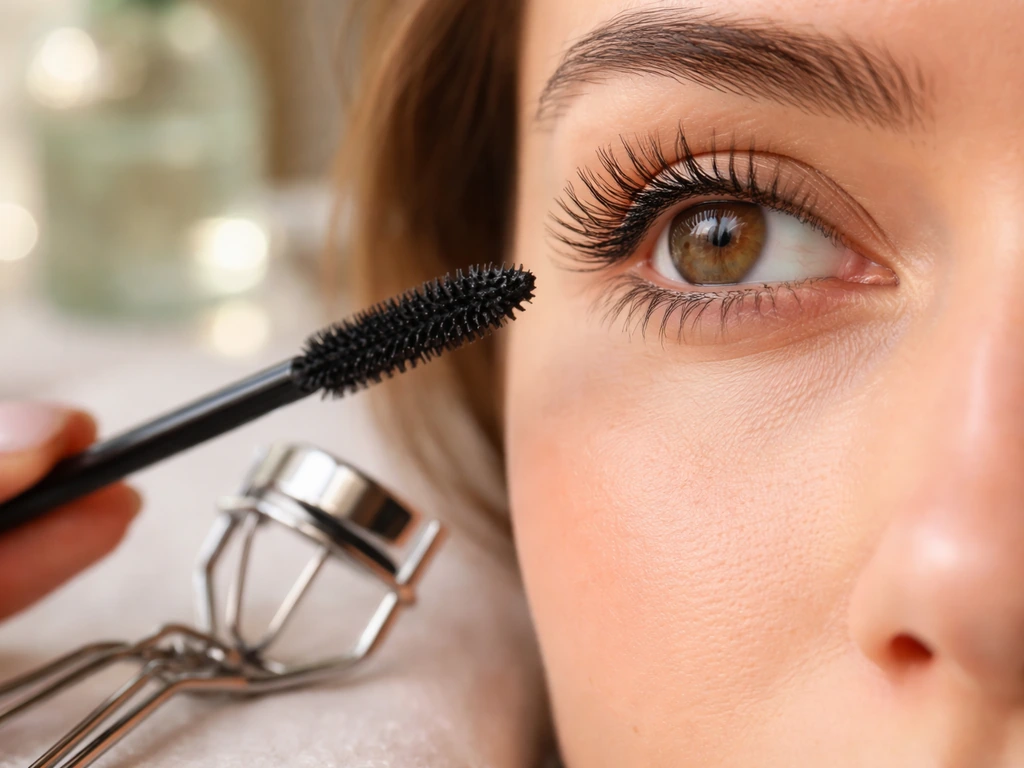
You will not grow noticeably longer eyelashes in 7 days. That is the honest answer, and it comes straight from biology: lashes grow at about 0.12 to 0.14 mm per day, which means a full week gets you roughly 0.84 to 0.98 mm of new length. That is less than 1 mm. But here is what you can realistically do in 7 days: stop the breakage and shedding that is already shortening your lashes, condition the lashes you have so they look thicker and healthier, and give any dormant follicles the best possible environment to kick into their growth phase. The result is lashes that look noticeably better by day 7, even if true regrowth takes weeks.
How to Grow Eyelashes in 1 Week Naturally: What Works
Rachel Nguyen
4 Jun 2026
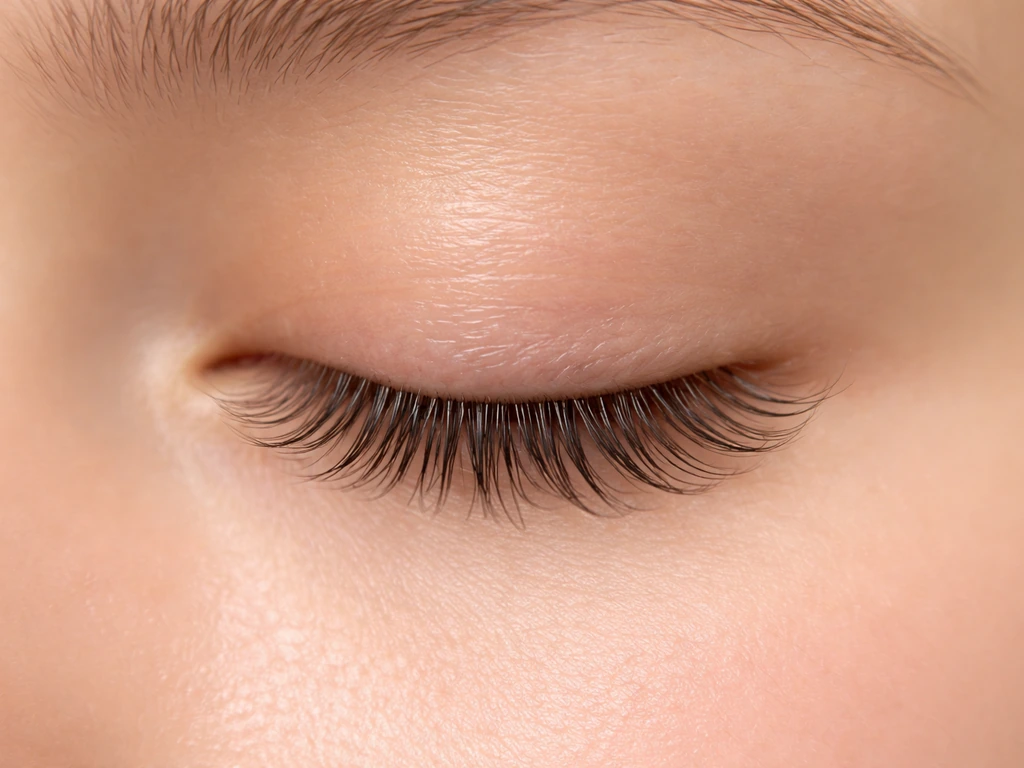
Reality check: what your lashes can actually do in 7 days
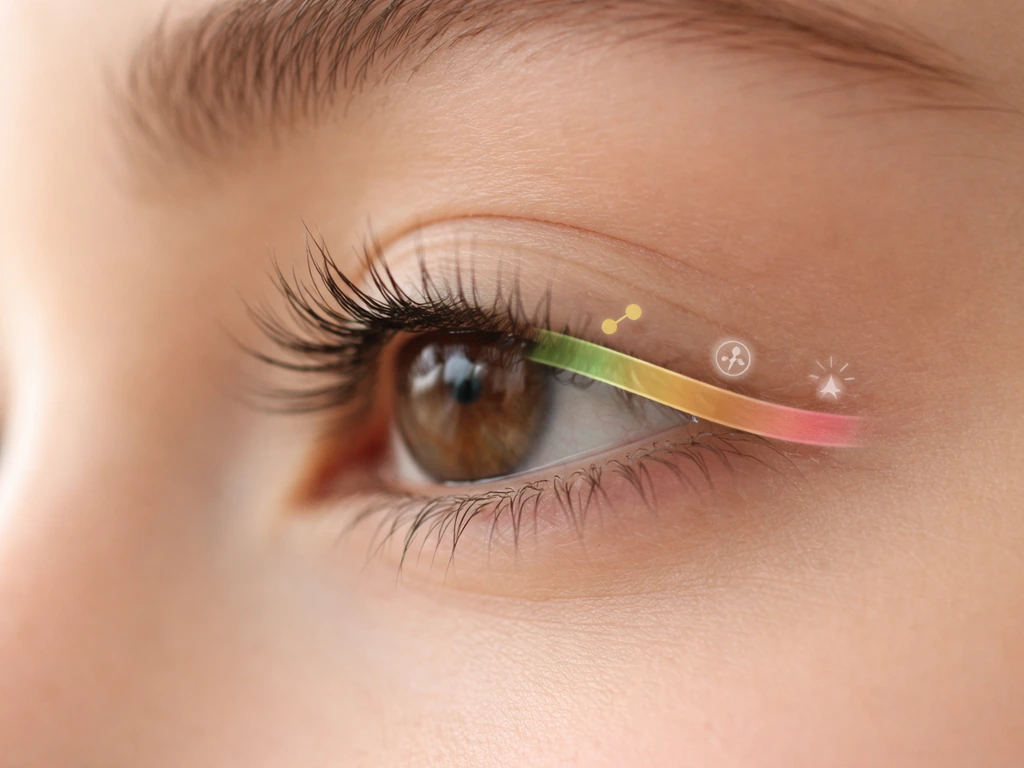
The eyelash growth cycle has three phases: anagen (active growth, lasting about 4 to 10 weeks), catagen (a short regression phase of roughly 15 days), and telogen (a rest and shedding phase that can last 4 to 9 months). A lash that falls out today will not be visibly poking through the skin in a week. If you pulled a lash out at the root, research puts full regrowth at around 7 to 8 weeks. So any headline promising you measurably longer lashes in one week is working with a different definition of 'longer' than what biology supports.
What actually changes in 7 days is appearance, not true length. You can reduce lash loss from breakage, coat existing lashes with conditioning ingredients that make them look fuller, and clear up minor irritation or inflammation around the lash line that was suppressing growth. That is real, visible improvement, and for most people it is actually what they were after when they searched this question.
One more thing worth knowing: lashes that are in the telogen (resting) phase will not respond to topical treatments until they cycle back into anagen. Only lashes already in the growth phase can benefit from length-supporting ingredients right now. This is why results vary so much between people using the exact same products.
The fastest at-home improvements you can make starting today
The biggest gains in the first week come from stopping damage, not from stimulating growth. Most people lose more lash length to breakage and mechanical stress than to slow regrowth. Here is what makes the most immediate difference:
- Stop rubbing your eyes. Friction against the lash line is one of the most common causes of premature lash loss, and cutting it out costs you nothing.
- Switch to a gentle, oil-based makeup remover and press it onto your lashes instead of wiping. Wiping creates friction that snaps lashes mid-shaft.
- Remove mascara every single night. Mascara that dries overnight makes lashes brittle, and sleeping on them causes breakage where the product has hardened.
- Apply a conditioning oil or serum to the lash line each evening before bed. This is where natural ingredients slot in most effectively.
- Avoid curling lashes aggressively, especially with heat curlers. A single heavy clamp on already-dry or coated lashes can snap multiple hairs at once.
If you are wearing lash extensions right now, this is worth noting: extensions can cause traction alopecia, allergic blepharitis, conjunctival erosion, and keratoconjunctivitis. Taking a break from extensions is one of the most impactful things you can do in week one if you have been wearing them continuously. Your natural lashes need time to recover before they can make any real progress.
Best ingredients and oils to use, and how to apply them safely

Castor oil is the most popular natural option, and it is important to be upfront about what the evidence actually says. There are no clinical studies proving castor oil directly stimulates lash growth. What it does well is condition, coat, and protect lashes from moisture loss and breakage. A randomized trial did apply cold-pressed castor oil to eyelid margins twice daily for blepharitis, so it has been studied on the eyelid area and tolerates well for most people. Think of it as a protective coating that keeps your existing lashes in better shape while true growth happens underneath.
How to apply castor oil correctly
- Use 100% pure, cold-pressed castor oil. Avoid blends with added fragrance or preservatives near the eye area.
- Do a patch test first: apply a small amount to your inner arm and wait 24 hours before using it near your eyes.
- Use a clean disposable mascara wand or a cotton swab to apply a very thin layer along the upper lash line at night.
- Apply to the base of the lashes, not the tips. You want it near the follicle, not coating the shaft where it can weigh lashes down.
- Use it once daily, at night, and remove any excess in the morning with your regular cleanser to avoid eye irritation.
Other natural oils used for lash conditioning include vitamin E oil, argan oil, and coconut oil. None of these have strong clinical evidence for lash growth either, but they all provide similar benefits to castor oil: they reduce breakage by adding flexibility, protect against environmental dryness, and can improve the appearance of lashes within days. The key with any oil near the eyes is using the smallest effective amount and maintaining good hygiene with your applicators.
Biotin supplements come up a lot in conversations about lash growth. The honest position here is that biotin only helps if you have a biotin deficiency, which is uncommon. There is no strong evidence that supplementing with biotin improves hair or lash growth in people who are not deficient. It is not harmful to try, but do not expect it to be the driver of results in your first week.
Daily habits that protect lashes and support growth
Think of this week as a lash recovery program. The goal is to reduce everything that causes shedding and breakage while giving your follicles the right environment to work with.
- Cleanse gently and thoroughly every night. Use a fragrance-free, ophthalmologist-tested cleanser around the eye area to prevent any buildup that could clog follicles or cause irritation.
- Sleep on a silk or satin pillowcase if you can. Cotton creates more friction against your lashes and brows as you move during sleep.
- Avoid waterproof mascara for the week. It requires more aggressive removal and the mechanical stress is not worth it when you are trying to retain length.
- If you wear glasses, make sure they are not resting on your lashes. Even gentle daily contact adds up.
- Stay hydrated and eat enough protein. Lash hairs are made of keratin, a protein, and general nutritional deficiency does affect hair cycling.
Common mistakes that are making your lashes shorter
A lot of people come to this question because they have noticed their lashes seem thinner or shorter than they used to be. Before adding products, it is worth identifying what is actively working against you.
- Using old mascara: mascara older than 3 months can harbor bacteria and dry out, making it clump and pull on lashes during removal. Replace it.
- Pumping the mascara wand in and out of the tube: this pushes air in, dries the formula faster, and creates clumps that tug on lashes when you apply.
- Skipping makeup removal because you are tired: this is probably the single most common cause of gradual lash thinning in people who wear eye makeup regularly.
- Over-curling: your lash curler should grip gently, not clamp hard. And never curl lashes that have mascara on them already.
- Using eyelash extension glue remover carelessly: these solvents are strong and can cause irritation and chemical damage to the follicles if they contact the skin repeatedly.
- Ignoring eyelid inflammation: redness, flaking, or itchiness at the lash line is often blepharitis, and untreated inflammation slows follicle activity.
Serums vs natural remedies: what to realistically expect in 7 days
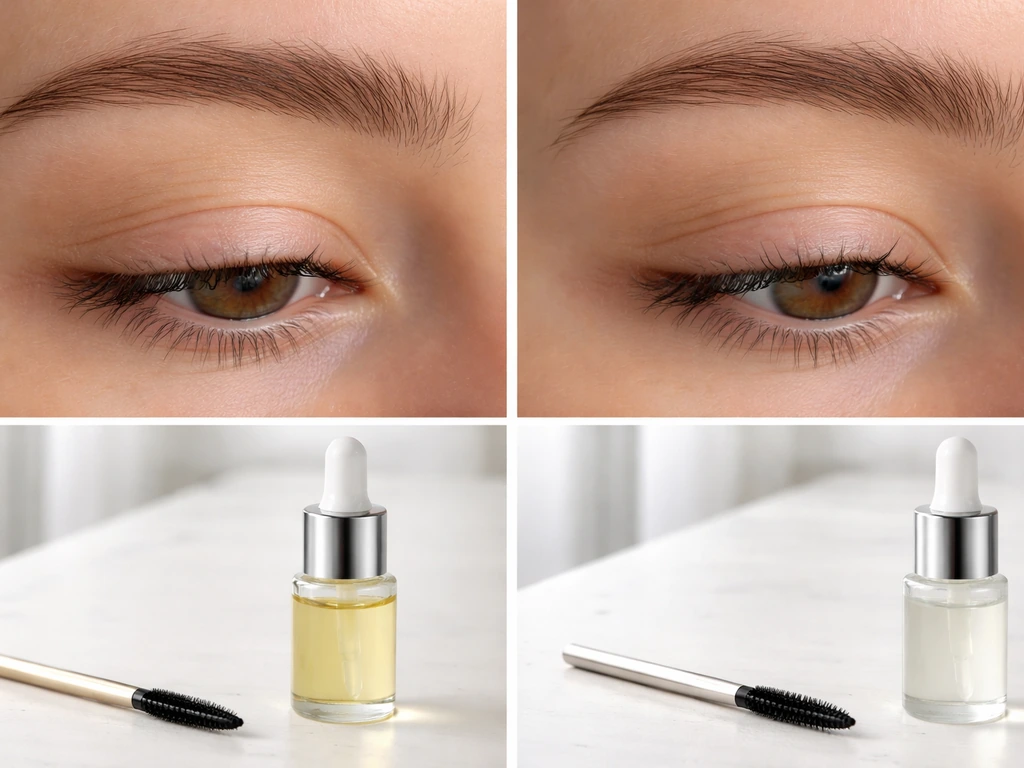
This is the comparison most people actually want to understand before deciding what to spend money on. Here is how natural remedies and lash serums stack up within a one-week window.
| Option | What it does | Visible change in 7 days | Evidence level | Key risks |
|---|---|---|---|---|
| Castor oil | Conditions and coats lashes, reduces breakage | Lashes may look fuller and shinier; reduced shedding | No direct growth evidence; conditioning use is established | Eye irritation if too much contacts the eye; allergic reaction (rare) |
| Other conditioning oils (argan, vitamin E, coconut) | Moisturize and protect lash shaft | Similar to castor oil; subtle visual improvement | No clinical growth evidence | Low risk when applied carefully; test for allergy first |
| Over-the-counter peptide serums | Peptides aim to signal follicle activity; most also condition | May see some thickness/luster improvement; growth takes weeks | Peptide serums show promise in longer studies; Danish EPA review found no health risks from tested peptides | Potential for irritant or allergic contact dermatitis; test before full use |
| Prescription bimatoprost (LATISSE) | Influences the lash growth cycle at the follicle level | Too early for significant length change; may notice early density | Strongest clinical evidence available | Iris and skin pigmentation changes, conjunctival redness; requires prescription and medical supervision |
| Biotin supplements | Supports keratin production if you are deficient | Unlikely to produce visible change unless you have a deficiency | No evidence of benefit without deficiency | Low risk at standard doses; excess is excreted |
For most people starting from scratch with natural methods, castor oil or a peptide-based OTC serum is the logical first step in week one. They pose the least risk, are accessible without a prescription, and the conditioning benefits are real even if the growth stimulation is debated.
If you have already tried these approaches for several weeks without improvement, or if you have clinically thin lashes (a condition called eyelash hypotrichosis), it is worth having a conversation with a dermatologist about prescription options. Bimatoprost (LATISSE) is the only FDA-approved topical treatment for lash growth and works by extending the anagen phase of the lash cycle.
A pooled review of clinical safety and efficacy literature also reports eyelash prominence and growth as expected effects of bimatoprost and other prostaglandin analogs [Bimatoprost (LATISSE) is the only FDA-approved topical treatment for lash growth](https://pmc. ncbi. nlm. nih.
gov/articles/PMC2861943/). It needs nightly application to the upper lash margin and takes weeks to show clear results, not seven days.
It is also worth being clear about the relationship between this one-week window and longer timelines. If you want noticeably longer lashes in 3 weeks or 4 weeks, the routine you build this week is the foundation. The oil, the gentle removal habits, the no-rubbing rule: those compound over time. One week is the start, not the finish line.
When to see a doctor instead of reaching for an oil
Not all lash thinning or loss responds to at-home treatment, and recognizing the difference matters. Some causes of lash loss need medical attention before any topical routine will help.
- Blepharitis: chronic inflammation of the eyelid margins that causes flaking, redness, and crusting at the lash line. It directly impairs follicle function and needs proper treatment (warm compresses, lid scrubs, sometimes antibiotics) before lash growth can normalize.
- Allergic or irritant contact dermatitis: if you notice persistent redness, swelling, or itching around the eyes after using any product, stop using it immediately and see a doctor. Eyelid skin is among the most sensitive on the body and reacts quickly.
- Alopecia areata or autoimmune causes: patchy lash loss, especially if accompanied by brow loss or scalp hair loss, can indicate an autoimmune condition. This will not respond to oils or serums.
- Medication side effects: certain drugs including chemotherapy agents, anticoagulants, retinoids, and some thyroid medications are known to cause eyelash shedding. If your lash loss coincided with starting a new medication, bring this up with your prescribing doctor.
- Trichotillomania: compulsive lash pulling is a body-focused repetitive behavior that requires behavioral or psychological support, not topical treatment.
- Thyroid dysfunction: both hypothyroidism and hyperthyroidism can cause lash and brow thinning. A simple blood test can rule this out if you suspect hormonal involvement.
The American Academy of Ophthalmology is clear that any sign of infection, significant allergic reaction, or persistent irritation near the lash line warrants an ophthalmology evaluation rather than continued self-treatment. If your lash loss is sudden, patchy, or accompanied by any eye symptoms including redness, discharge, or changes in vision, see a doctor before starting any new topical routine.
Your practical 7-day lash routine
Here is what to actually do starting tonight. Realistically, you can improve how long your lashes look within minutes by reducing breakage and conditioning them, even though true regrowth takes longer how to make your eyelashes grow in 5 minutes. If you want help figuring out what you can realistically do for a 1-day change, focus on reducing breakage and improving the appearance of your current lashes do starting tonight. Keep it simple and consistent.
- Night 1 (today): patch test your chosen oil on your inner arm. Remove all eye makeup with a gentle, oil-based remover using pressing motions. Do not rub.
- Night 2: if no reaction to patch test, apply a thin layer of cold-pressed castor oil (or your chosen conditioning oil) along the upper lash line using a clean wand or cotton swab. Use less than you think you need.
- Nights 3 through 7: repeat the nightly oil application. Cleanse gently each morning to remove any residue. Stop rubbing your eyes completely.
- During the day: ditch waterproof mascara this week, avoid the lash curler if your lashes feel dry or brittle, and replace your mascara tube if it is over 3 months old.
- If you wear extensions: take this week off from them and let your natural lashes recover.
- End of week 7-day check: your lashes should look more conditioned, possibly slightly fuller, with less visible breakage. This is the foundation. Continue the routine and reassess after 4 weeks for true growth changes.
One week is not a lash transformation timeline, but it is absolutely enough time to stop the damage, improve the appearance of what you have, and set yourself up for real visible growth over the following weeks. If you are searching for how to grow eyelashes back in 2 days, it helps to know what kind of results you can realistically expect and what actions will make the biggest difference immediately. That is a genuinely useful week of progress, and it starts with understanding what is actually possible rather than chasing a promise biology cannot keep.
FAQ
If I stop extensions and start conditioning tonight, will my lashes look longer by tomorrow?
You may notice a fuller look within 24 hours, mainly from reduced breakage and better coating, not true regrowth. Avoid rubbing, use minimal product near the lash line, and give any irritated skin 48 to 72 hours to calm down so the lashes can stop shedding from inflammation.
What is the biggest mistake people make when they try to grow lashes in 1 week naturally?
They focus on oils or serums but keep the mechanical damage, like rubbing eyes, using waterproof makeup without gentle removal, or applying product with dirty tools. In week one, the order of operations is stop trauma first, then condition second.
Are lash serums different from oils for a 7-day goal?
Serums often feel more “active,” but within one week most changes are cosmetic (thicker coating, less breakage) rather than new length from the follicles. If a serum stings, causes redness, or makes the eyelids itchy, stop and switch to a gentler conditioning approach.
How do I know whether my lashes are falling out from breakage or true shedding?
If you see snapped, shorter fragments, that points to breakage. If you notice full lashes at the lash line or on your pillow and they seem to be coming out from the root, that suggests shedding from the growth cycle, irritation, or inflammation, and you may need to address triggers rather than only conditioning.
Can I use castor oil, vitamin E oil, or argan oil safely around my eyes?
Yes for many people, but use a tiny amount and consider patch-testing on the eyelid margin for a couple of days. Never put it directly into the eye, clean the applicator before each use, and stop if you get burning, swelling, or persistent redness.
Does biotin make a noticeable difference for lash length in one week?
Usually not, unless you are deficient. If you already eat a balanced diet, a rapid change in one week is unlikely because biotin needs time to correct a deficiency and hair growth is not typically an immediate response.
If my lashes are in the resting phase (telogen), what should I do during week one?
Your best move is to reduce triggers that keep them from transitioning back, like irritation, mascara friction, and extension traction. Topicals can still improve appearance by conditioning the current lashes, but don’t expect measurable new growth until the cycle shifts.
Is it worth using a lash growth drug like bimatoprost for a one-week result?
It is FDA-approved for lash growth, but clear visible length takes weeks, not seven days. Also expect possible side effects (dryness, irritation, darkening of the eyelid skin), so it is not a “quick fix” timeline even when it works.
When should I see an ophthalmologist instead of continuing a home routine?
Get checked promptly if lash loss is sudden or patchy, or if you have redness, discharge, crusting, pain, light sensitivity, or any vision changes. Persistent eyelid irritation that does not improve after stopping products is also a reason to pause self-treatment and seek care.
How can I reduce breakage in practical terms during these 7 days?
Use gentle, non-rubbing makeup removal, avoid tugging when removing mascara, skip lash curlers if they pinch, and do not sleep face-down if possible. Comb through with a clean spoolie and keep friction low when applying conditioner or oil.
Next Article
How to Make Your Eyelashes Grow in 5 Minutes Safely
Reality check on 5-minute lash growth, plus safe quick fixes, timelines, causes of shedding, and serum/oil safety tips.