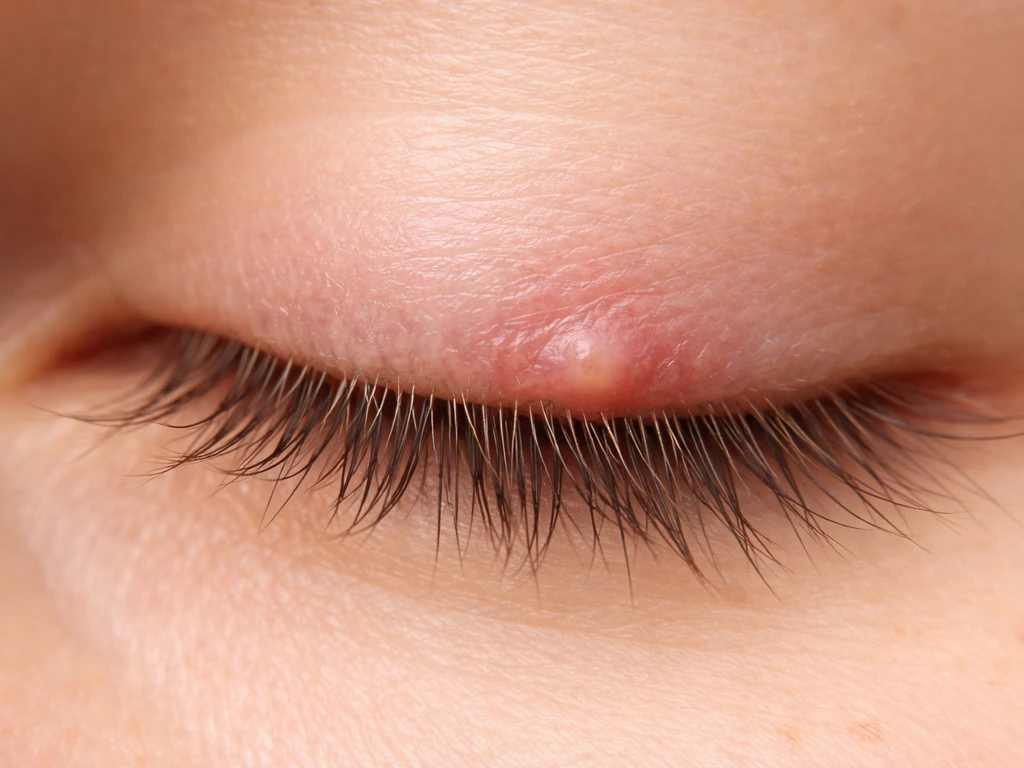
Yes, eyelashes almost always grow back after a chalazion. In most cases the lash loss is temporary because the follicles themselves are intact, just stressed by the surrounding inflammation. Once the chalazion resolves and the eyelid settles down, the normal growth cycle restarts and you can expect visible regrowth within 6 to 8 weeks, with full density returning closer to 3 to 6 months. Permanent lash loss is possible but uncommon, and it usually only happens when there has been prolonged, severe inflammation or a complication that physically scarred the follicle.
Do Eyelashes Grow Back After Chalazion? Timeline and What to Do

Rachel Nguyen
23 Jun 2026
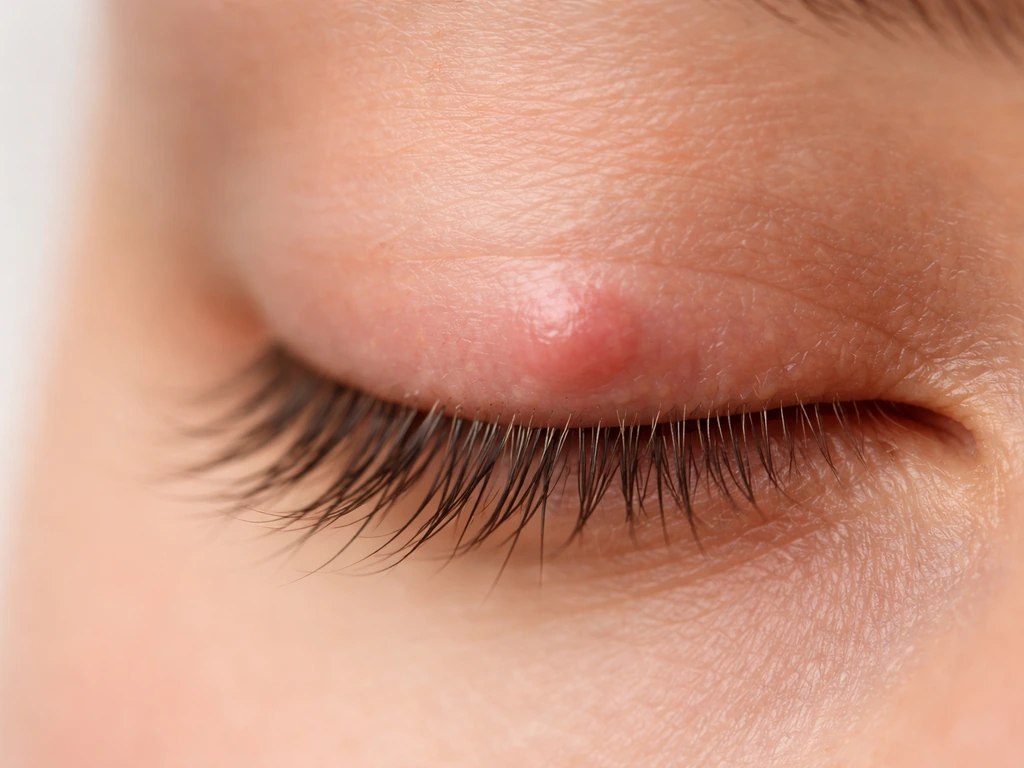
What a chalazion actually does to your follicles
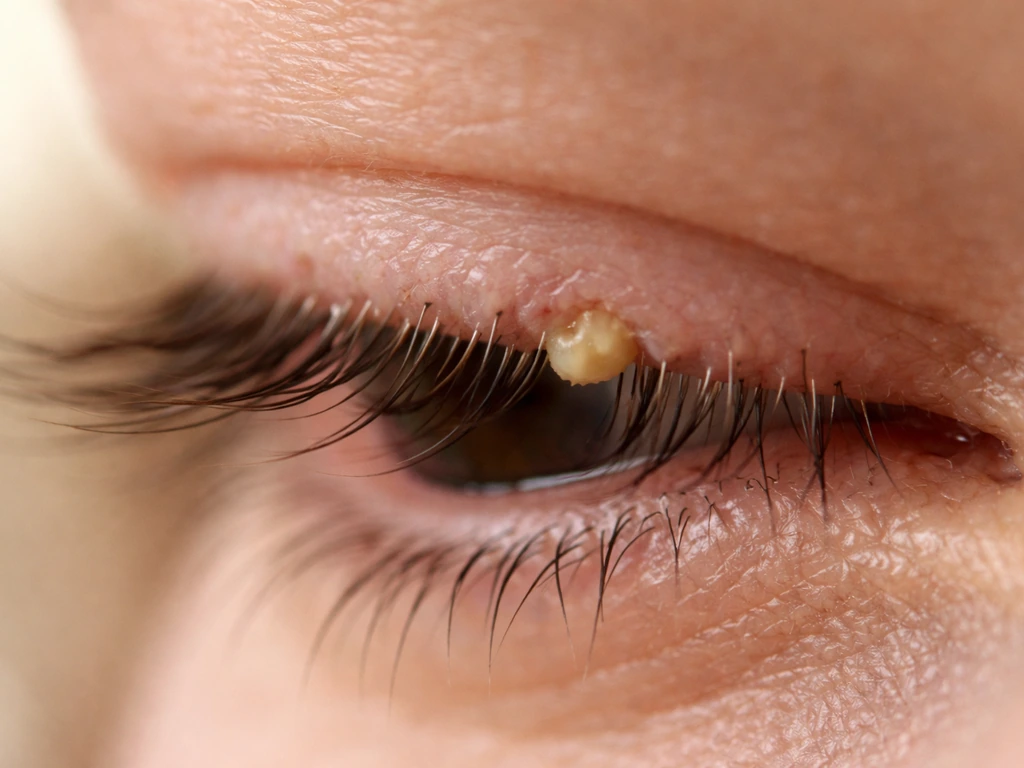
A chalazion forms when a meibomian gland, one of the oil-secreting glands that line your upper and lower eyelid margins, gets blocked and the trapped secretion triggers a granulomatous (chronic inflammatory) reaction. That slow-burning inflammation sits right next to where your eyelash follicles are rooted. It doesn't usually destroy them, but it does create enough pressure and tissue irritation to push lashes into an early shedding phase or cause them to fall out from physical disruption.
The clinical term for eyelash loss from any cause is madarosis. It comes in two forms: non-scarring madarosis, where the follicle structure is still alive and regrowth returns once the underlying cause is treated, and scarring madarosis, where deeper inflammation or fibrosis has physically destroyed the follicle and loss is permanent. A typical uncomplicated chalazion causes non-scarring madarosis. The follicles aren't demolished, they're just temporarily sidelined. If you've had repeated chalazia in the same spot, or if the inflammation was unusually severe or long-standing, there's a small chance of some follicle scarring, but that's the exception rather than the rule.
The eyelash growth cycle and what regrowth actually looks like
Eyelashes go through three phases: anagen (active growth), catagen (transition), and telogen (resting and eventual shedding). The anagen phase for lashes is relatively short, roughly 30 to 45 days. The telogen phase is much longer, around 4 to 5 months, which is why lash regrowth can feel frustratingly slow.
If you are wondering, “will my eyelashes grow back after pregnancy,” it can also feel slow, but lashes typically regrow as hormone-related shedding settles and follicles restart the growth cycle lash regrowth can feel frustratingly slow. [After a lash sheds at the end of telogen, the follicle resets and begins a new anagen phase. ](https://www. aao.
org/eye-health/anatomy/eyelashes) The catch is that not all follicles are in the same phase at the same time, so regrowth across your lash line will be staggered rather than all appearing at once.
When a chalazion disrupts lashes, it often forces multiple nearby follicles into telogen prematurely, a process sometimes called telogen effluvium of the lids. You might notice a patch of missing or sparse lashes localized near where the bump was. Healthy regrowth looks like short, fine hairs appearing at the lash base first, gradually thickening and lengthening over weeks. If you see that, you're on track. What you don't want to see is a smooth, shiny patch of eyelid skin with no new growth at all after 3 months, which can signal follicle scarring.
Realistic timeline: week by week and month by month
Here's what the regrowth timeline generally looks like when the chalazion is treated and resolving, and there's no underlying follicle damage:
| Timeframe | What to expect |
|---|---|
| Weeks 1–2 | Inflammation starting to reduce; lash shedding may continue briefly as the area settles |
| Weeks 3–4 | Shedding stabilizes; no new lash loss if the chalazion is improving |
| Weeks 5–8 | Short new lashes visible at the base; initial regrowth is thin and may look lighter |
| Months 2–3 | Lashes lengthening noticeably; density gradually improving |
| Months 3–6 | Full length and typical density restored in most uncomplicated cases |
| Beyond 6 months | If sparse patches remain with no sign of new growth, see an eye doctor to evaluate for follicle scarring |
If a chalazion required surgical incision and drainage (I&D), the timeline is similar but recovery of the eyelid tissue itself can add a few weeks before the follicles fully settle. Post-procedure swelling and bruising near the lash line are normal and don't automatically mean follicle damage. Give it the full 3 to 4 months before drawing conclusions about whether the lashes are coming back.
What to do right now at home while your eyelid heals
The most evidence-backed thing you can do at home is warm compresses, consistently. Heat softens the blocked meibomian gland secretion, improves circulation to the area, and helps the granuloma shrink. The standard approach is a clean warm compress applied for 10 to 15 minutes, two to four times per day. Use water that's warm but comfortable on your inner wrist, not scalding. A clean washcloth, or a microwavable eye mask that holds heat longer, both work. After the compress, gently massage the eyelid toward the lash line to help express the blocked secretion. Do not squeeze or try to pop the chalazion; that can worsen inflammation and increase the risk of follicle damage.
Gentle lid hygiene is the other essential step. Clean the eyelash base once or twice daily using dilute baby shampoo on a cotton swab or a commercially formulated eyelid scrub wipe. This removes the debris and biofilm that accumulate along the lash margin and can perpetuate gland blockage. The key word is gentle. You're not scrubbing aggressively, you're just maintaining a clean lid margin so the healing environment isn't compromised.
A few things to stop doing while the eyelid is still inflamed:
- Pause eye makeup, especially eyeliner applied at the waterline or the inner lash margin, which can block meibomian gland openings further
- Stop wearing eyelash extensions if you have them; the adhesive, weight, and removal process all stress an already irritated follicle
- Avoid rubbing or touching the area, even if it's itchy
- Hold off on lash serums or oils applied directly to the affected area until the inflammation is clearly resolved; applying anything active to an inflamed lid margin can cause irritation
Treating the underlying cause so lashes stop shedding
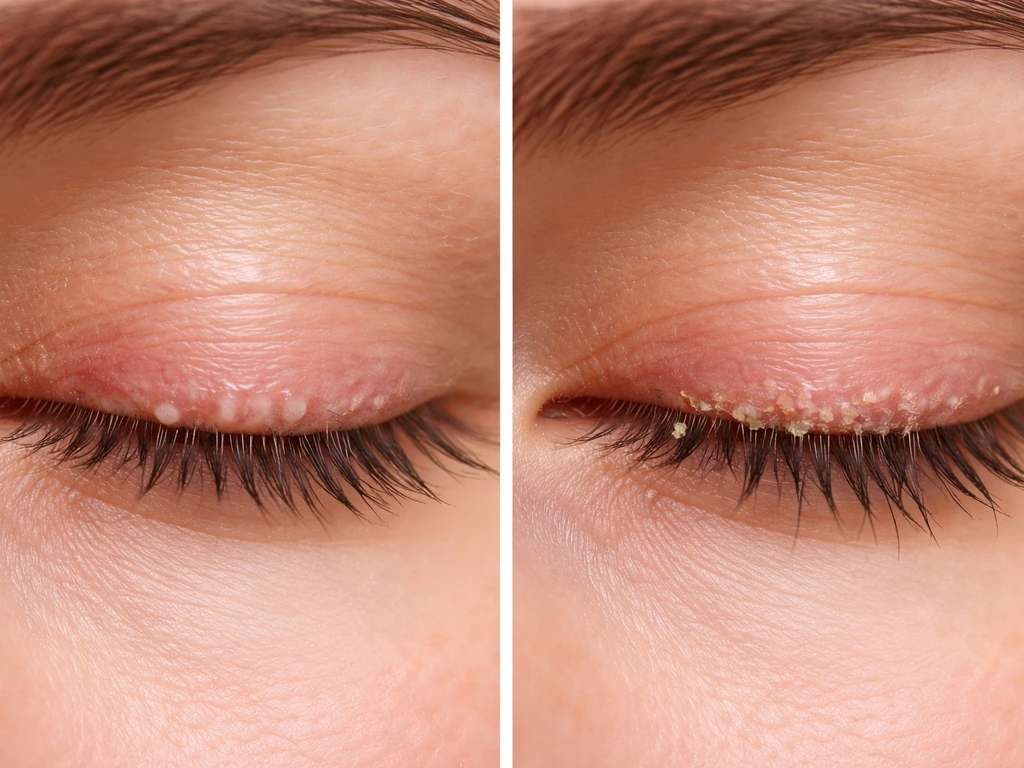
Chalazia rarely exist in isolation. Most people who get one or more chalazia have underlying meibomian gland dysfunction (MGD) or blepharitis, and these conditions are the real drivers of ongoing lash problems. MGD means the meibomian glands aren't secreting properly because their oil has thickened, which leads to repeated blockages and the chronic inflammation that stresses lash follicles over time. Anterior blepharitis (inflammation at the front of the lid where lashes attach) is also directly linked to lash changes, including shedding, misdirected growth, and color changes.
If your chalazion keeps coming back, or you've noticed lash shedding across the whole lid rather than just near one bump, blepharitis or MGD is almost certainly part of the picture. Treating it means committing to daily lid hygiene long-term, not just while a chalazion is active. Warm compresses and lid scrubs once or twice a day as a maintenance habit can meaningfully reduce the frequency of new gland blockages. In some people, MGD is linked to ocular rosacea, which may need additional management from an eye doctor or dermatologist.
This is worth flagging because blepharitis-related lash loss follows a slightly different pattern than chalazion-only lash loss. With chalazion, shedding tends to be localized near the cyst. With blepharitis or MGD, you may notice more diffuse thinning across the entire lash line, and lashes may also appear brittle or fall out more easily than usual. If that describes your situation, the regrowth advice for blepharitis specifically covers the full picture. If you want details on whether eyelashes fully regrow after blepharitis, that depends on whether the inflammation has scarred the follicles blepharitis specifically.
Lash support options: what's actually worth using
Once the chalazion has resolved and the eyelid is no longer inflamed, you can start thinking about supporting lash regrowth. Here's an honest rundown of the options:
Castor oil
Castor oil is popular but there's no clinical evidence it stimulates lash growth. It may coat the lashes and make them appear slightly fuller or shinier temporarily, but it isn't triggering new follicle activity. There are also safety concerns about applying thick, unsterile oil near the eye. If you want to use it on lashes that are fully grown and away from an inflamed eyelid, the risk is low, but don't count on it to speed up regrowth.
Conditioning lash oils and serums (non-prescription)
Over-the-counter lash serums that use peptides, panthenol, or hyaluronic acid work as conditioners rather than true growth stimulants. They can reduce breakage and improve the appearance of lashes you already have, which is genuinely useful during a recovery phase. Apply them only to dry, non-inflamed lids at the base of the lash, not to the inner eyelid margin.
Biotin
Oral biotin supplements are heavily marketed for hair and lash growth. The evidence, however, shows meaningful benefit only in people who are actually biotin-deficient, which is uncommon. If your lash shedding is purely chalazion-related and not driven by a nutritional deficiency, biotin supplementation is unlikely to change your regrowth timeline.
Prostaglandin-based lash serums (prescription only)
Bimatoprost (the active ingredient in Latisse) is the only FDA-approved treatment for eyelash hypotrichosis and has genuine clinical evidence for increasing lash length, thickness, and darkness. It works by extending the anagen (growth) phase of the lash cycle. However, it requires a prescription, it has real side effects to understand including possible permanent iris pigmentation change if it contacts the eye directly, and it's not appropriate while any eyelid inflammation is present.
If your lashes haven't recovered adequately after 4 to 6 months, this is a conversation worth having with your eye doctor. If you are asking about whether eyelashes will grow back after chemo, talk with your oncology team or an eye doctor because regrowth depends on how your follicles are affected will eyelashes grow back after chemo. It's a clinician-supervised option, not something to self-prescribe.
Eyelash extensions and makeup
Extensions can cosmetically fill in sparse patches while you wait for regrowth, but only use them once the eyelid is fully healed and not inflamed. Extensions applied over a healing chalazion area, or during active blepharitis, can trap bacteria, block gland openings, and cause more damage to stressed follicles. Mascara and lash-thickening makeup are fine once the area is clear, just avoid anything applied directly to the inner waterline or gland openings.
When to see an eye doctor and red flags to watch for
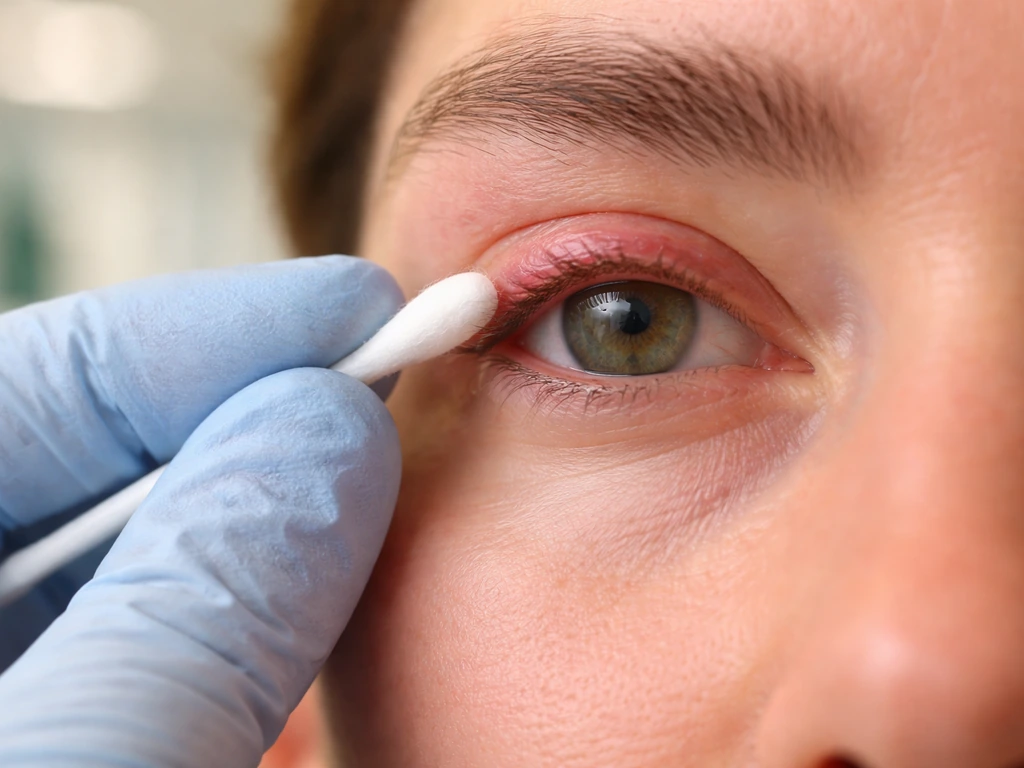
A chalazion that's responding to warm compresses and lid hygiene should be noticeably smaller within 4 weeks. If it's not improving after about a month of consistent home care, see an eye doctor. Other reasons to get it checked promptly:
- The chalazion is growing, becoming more red, painful, or warm to the touch (signs of a secondary infection that may need antibiotics)
- Your vision is blurred or distorted, which can happen if a large chalazion presses on the cornea
- You have lash loss that's spreading beyond the area of the bump, affecting the full lash line
- After 3 to 4 months post-resolution, a patch of eyelid shows smooth skin with no new lash growth at all
- Lashes in the affected area are growing in the wrong direction (toward the eye) rather than forward
That last scenario, lashes not returning after 3 to 4 months with no visible new growth, is the main red flag for potential scarring madarosis. It doesn't mean the situation is hopeless, but it does mean a clinician needs to evaluate whether follicle scarring has occurred and whether any intervention (such as lash transplant techniques, available in specialist settings) is appropriate. Don't wait a full year hoping things will sort themselves out; get an evaluation at the 3 to 4 month mark if regrowth hasn't started.
Preventing future chalazia so your lashes stay healthy
The frustrating truth about chalazia is that surgery or treatment resolves the individual bump, but it doesn't fix the underlying tendency to form them if you have MGD or blepharitis. Many people have repeat chalazia in the same or different spots, and each episode is another round of follicle stress. The best way to protect your lashes long-term is to interrupt that cycle.
- Do lid hygiene daily as a long-term habit, not just when a chalazion is active. Clean the lash base with dilute baby shampoo or a commercial eyelid cleanser every morning.
- Use warm compresses two to three times per week as maintenance if you're prone to blocked glands, even when everything looks clear.
- Replace eye makeup (mascara, eyeliner) every 3 months and never share it. Old makeup is a common source of bacterial and gland-blocking contamination.
- Avoid applying eyeliner to the inner waterline if you have MGD; it directly blocks the meibomian gland openings.
- If you wear contact lenses, maintain strict hygiene and talk to your optometrist about whether lens wear is contributing to your eyelid inflammation.
- If chalazia keep recurring despite good hygiene, ask your doctor about whether ocular rosacea or systemic MGD treatment (such as oral omega-3 supplementation or low-dose doxycycline) would help your specific situation.
Protecting your lashes during recovery isn't complicated, it mostly comes down to reducing inflammation, keeping the lid margin clean, and being patient with the growth cycle. For most people, lash regrowth after a chalazion is genuinely a matter of when, not if. Hormonal shifts after menopause can also contribute to lash changes, so it may be worth discussing this with your eye doctor if shedding seems widespread after menopause lash changes. The biology is in your favor as long as the follicles haven't been permanently scarred, and with one uncomplicated chalazion, that's rarely the outcome.
FAQ
How long after a chalazion should I start seeing new lash growth?
Many people notice fine, short regrowth at the lash base within about 6 to 8 weeks after the eyelid inflammation is clearly improving. If you still see no new hairs at around 3 months, especially if the skin over the spot looks smooth and shiny, ask an eye doctor to check for scarring or an underlying eyelid condition.
What if the chalazion goes away, but my eyelashes still look patchy?
That can happen because follicles reset on a staggered schedule, so regrowth is not uniform across the lash line. However, patchiness that is unchanged beyond 3 to 4 months (with no visible new growth) is a reason for clinical evaluation rather than waiting indefinitely.
Can a chalazion cause lashes to grow in the wrong direction?
Yes, temporary misdirected growth can occur when inflammation disrupts the normal lash cycle. If lashes look like they are rubbing the eye, or if you develop irritation or redness, get checked, because persistent problems can signal ongoing meibomian gland dysfunction or blepharitis rather than a one-time chalazion.
Is it safe to use lash extensions or lash glue while the area is healing?
Avoid extensions or any adhesive until the eyelid is fully healed and not inflamed. During healing, added weight and product can trap bacteria, worsen gland blockage, and increase stress on already disrupted follicles.
Should I stop using warm compresses once the bump starts shrinking?
Continue until the eyelid inflammation is clearly settled, then taper to a maintenance routine if you are prone to recurrence. Stopping too early can allow the underlying meibomian gland blockage tendency to persist, leading to another chalazion and more lash shedding.
What does “non-scarring” vs “scarring” lash loss look like in real life?
Non-scarring loss usually shows gradual regrowth starting at the lash base, and you will see short new hairs that thicken over time. Scarring is more concerning when there is persistent absence of new growth plus a stable smooth area of eyelid skin over time, typically by 3 to 4 months.
If I had incision and drainage, why does it sometimes take longer for lashes to return?
I&D can add extra local tissue recovery time from swelling and bruising near the lash line. Even with non-scarring follicles, you may need an extra few weeks, so it is reasonable to give the full 3 to 4 month window before deciding regrowth is not happening.
Do I need to see an eye doctor if the chalazion is improving?
If it is clearly getting smaller with consistent warm compresses and lid hygiene, you can often monitor it at home. But seek evaluation sooner if it is not improving by about 4 weeks, if it recurs repeatedly in the same spot, or if eyelid redness and pain worsen despite care.
Can eyelashes regrow after chalazion if I’ve had it multiple times?
They often still regrow after each episode, but repeated inflammation increases the chance of some follicle scarring, particularly if the same region is repeatedly affected or the inflammation was prolonged. If shedding becomes more diffuse across the whole lash line, address meibomian gland dysfunction or blepharitis because that driver can keep triggering telogen shedding.
Will biotin or castor oil speed up regrowth after a chalazion?
Biotin only tends to help when someone is actually deficient, which is uncommon as a cause of chalazion-related shedding. Castor oil may temporarily improve shine or fullness, but it has no strong evidence for restarting lash follicle growth, and using unsterile oil near the eye carries contamination risk.
Next Article
Do Eyelashes Grow Back After a Stye? Timeline and Care
Learn if eyelashes regrow after a stye, typical healing timeline, safe at-home care, and when to see a doctor.