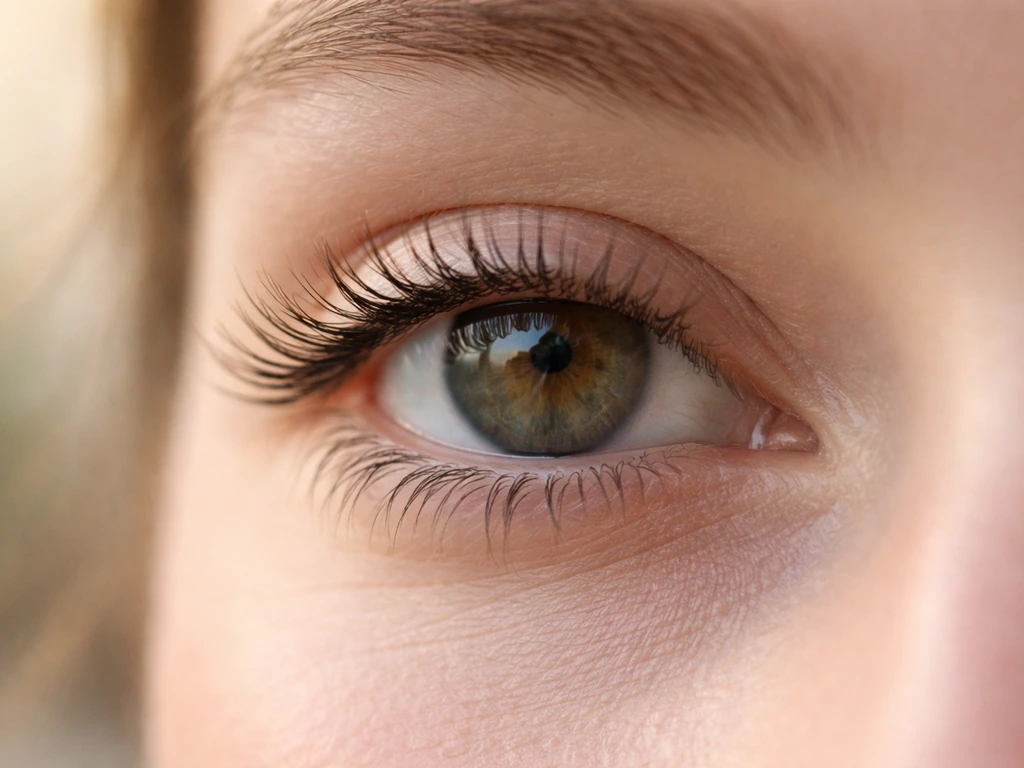
Yes, eyelashes almost always grow back after a stye. A typical stye is a localized bacterial infection of the oil glands at the base of the lash line, and in the vast majority of cases it does not permanently damage the follicles responsible for lash growth. You should expect to see regrowth within six to eight weeks of the stye resolving, though the full cycle can take longer depending on where your lashes were in their growth phase when the infection hit.
Do Eyelashes Grow Back After a Stye? Timeline and Care

Rachel Nguyen
14 Jun 2026
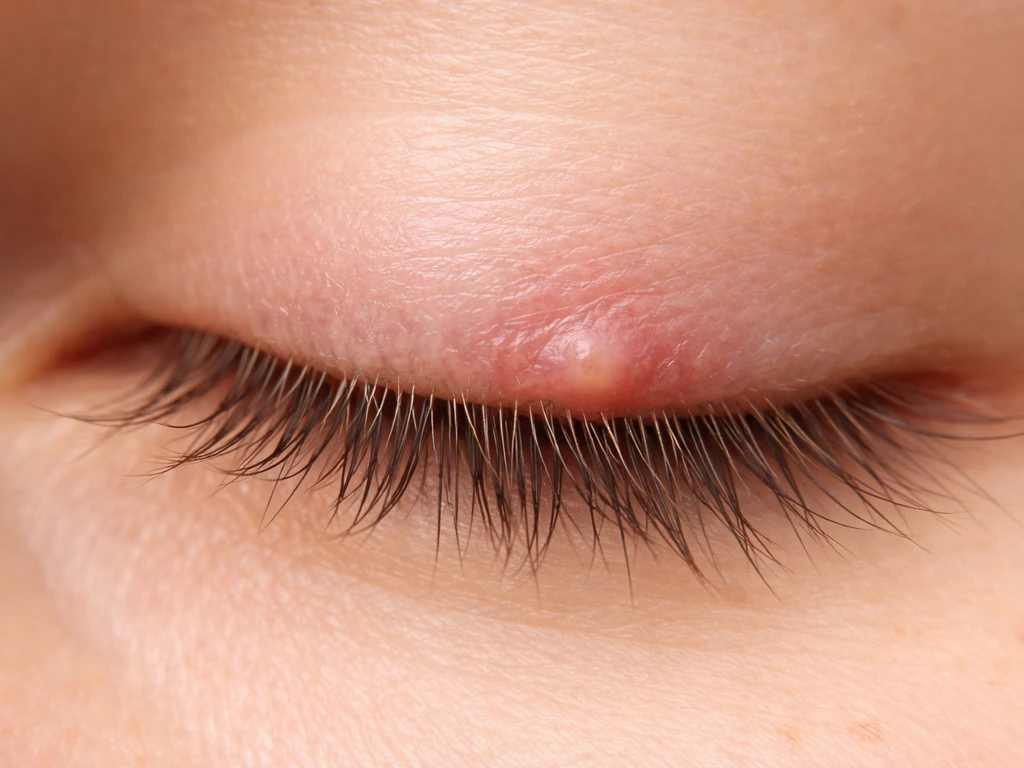
What a stye actually is and what it does to your lash follicles
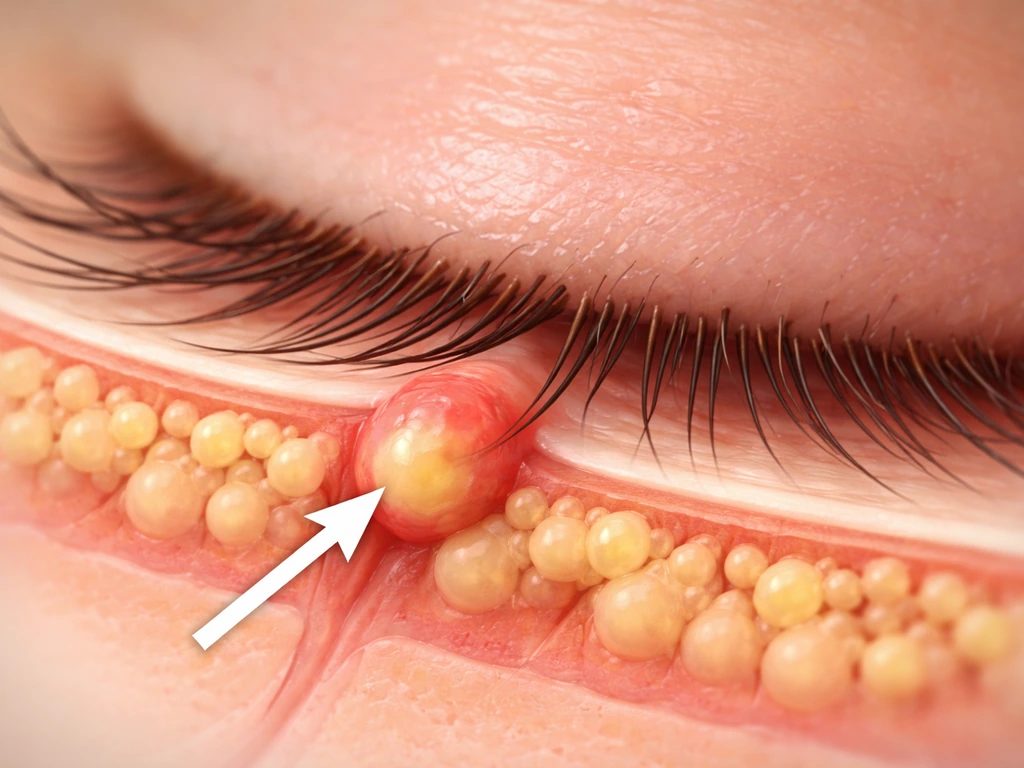
A stye (medically called a hordeolum) is an acute bacterial abscess of the eyelid glands. An external hordeolum targets the glands of Zeis and Moll, which sit right at the base of the lashes, while an internal hordeolum infects the meibomian glands deeper in the eyelid. The external type is the one more directly in the neighborhood of your lash follicles, which is why some people notice lash thinning or shedding when one develops.
The infection triggers localized swelling, redness, and pus formation. That inflammation puts physical pressure on the surrounding tissue, including the lash follicles nearby. In most cases this is temporary. The follicle itself is not destroyed, just stressed. Think of it like a sprained ankle rather than a broken bone: the structure is still intact, it just needs time to recover. The scenario that does cause permanent lash loss is scarring madarosis, where deeper inflammation leads to fibrosis (scar tissue) that physically destroys the follicle. That is uncommon with a typical, uncomplicated stye.
It is worth knowing how a stye differs from a chalazion, since the two get confused constantly. A chalazion is a blank" rel="noopener noreferrer">non-infectious, chronic granulomatous blockage of a meibomian gland. A chalazion is a non-infectious, chronic blockage of a meibomian gland, and it can also take longer to resolve than a stye. It tends to last longer and sits deeper in the eyelid. Both conditions can affect the lash line, but a chalazion is more likely to become a persistent, lingering issue if left untreated. If your stye has been sitting there for more than a few weeks and is no longer painful but still firm and swollen, it may have transitioned into a chalazion.
Do eyelashes grow back after a stye? The direct answer
In the overwhelming majority of cases, yes. A stye causes temporary lash shedding or thinning in the affected area, not permanent loss. The inflammation can push nearby lashes prematurely into the telogen (resting and shedding) phase of the growth cycle, which is why you might notice a few lashes falling out during or right after the infection. Once the stye resolves and the inflammation settles down, those follicles will cycle back into the anagen (active growth) phase and produce new lashes. Do eyelashes grow back after 50 as well, and what factors affect the timeline in older adults?
The only scenario where regrowth becomes uncertain is if the infection was severe, went untreated for a long time, or caused significant scarring at the follicle level. That kind of outcome is genuinely rare with a standard external or internal hordeolum that receives appropriate care. If you treated the stye promptly with warm compresses, avoided squeezing it, and kept the area clean, your follicles are almost certainly fine.
What the regrowth timeline actually looks like
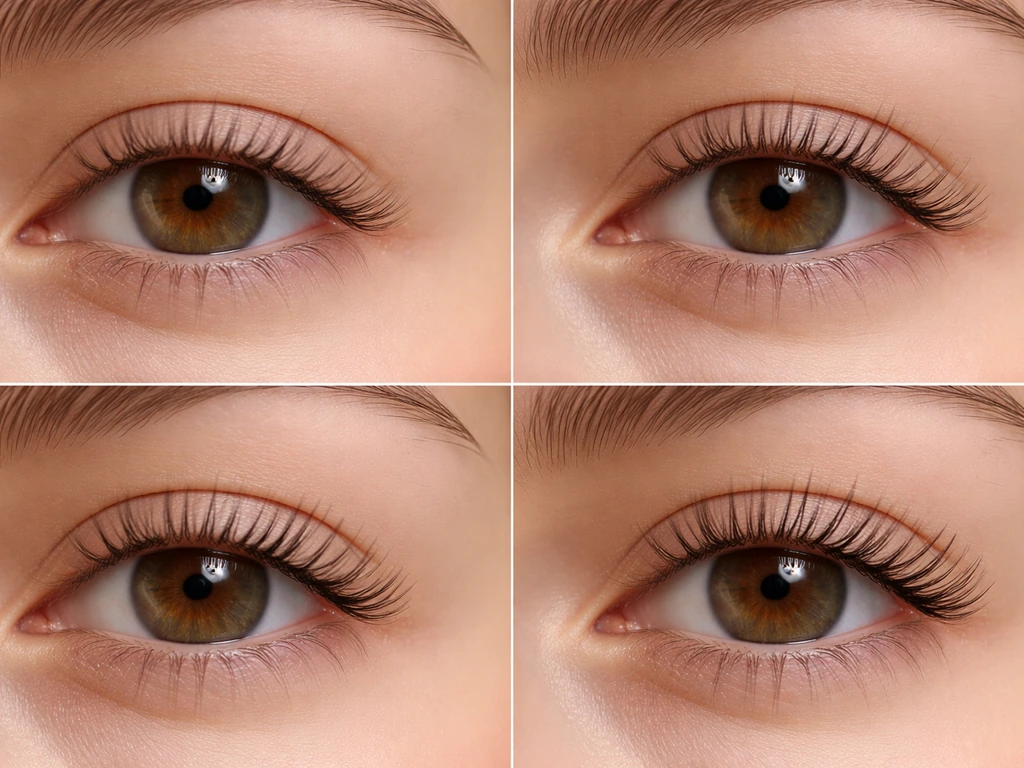
Eyelashes follow a three-phase growth cycle: anagen (active growth), catagen (transition), and telogen (rest before shedding). The anagen phase for lashes lasts roughly four to seven months, and the telogen phase can stretch four to nine months. This is a much slower, longer cycle than scalp hair, which is why lash regrowth always feels like it takes forever.
After a stye clears up, here is a realistic week-by-week picture of what to expect:
- Weeks 1 to 2 post-stye: The inflammation is resolving. You may still see some redness or a small residual bump. Lash shedding may continue briefly as follicles that were stressed during the infection complete their telogen phase.
- Weeks 3 to 6: Small, fine new lashes should start appearing in the affected area. They will be lighter and shorter than your established lashes at first.
- Weeks 6 to 12: The new lashes thicken and lengthen noticeably. For most people this is when the lash line starts looking close to normal again.
- Months 3 to 6: Full cosmetic recovery. Because the anagen phase takes months to complete, lashes reaching their full length and density can take up to six months after the stye resolved, especially if multiple follicles were affected.
Several factors affect where you land on that timeline. Younger people tend to cycle through lash growth faster. Pre-existing conditions like blepharitis or meibomian gland dysfunction (which are also risk factors for developing styes in the first place) can slow recovery because ongoing lid margin inflammation keeps follicles under stress. Nutrition, particularly adequate protein, biotin, and iron, also plays a role in how efficiently your follicles cycle back into active growth.
Normal slow regrowth vs. a sign something is wrong
Slow lash regrowth after a stye is normal. But there are specific signs that suggest the situation needs a closer look from a clinician rather than just more patience.
| What you see | Likely explanation | What to do |
|---|---|---|
| Thin, slow, fine lashes appearing 4 to 8 weeks out | Normal telogen-to-anagen transition | Keep supporting regrowth, give it time |
| No visible new lash growth after 3 months | Possible follicle damage or ongoing inflammation | See an eye doctor or dermatologist |
| Smooth, shiny skin where lashes used to be | Possible scarring madarosis (fibrosis) | Ophthalmologist or oculoplastic specialist needed |
| Stye that never fully resolved or returned in the same spot | Chronic infection, possible chalazion, or underlying gland dysfunction | Medical evaluation for drainage or treatment |
| Spreading redness, increased pain, swelling beyond the eyelid | Possible preseptal or orbital cellulitis | Seek prompt medical care — same day |
| Vision changes, eye pain, or photophobia | Possible spread of infection to deeper structures | Emergency evaluation, do not wait |
Scarring madarosis is the outcome where permanent loss becomes real. It happens when inflammation is deep enough and prolonged enough to cause fibrosis at the follicle root. With a routine stye this is uncommon, but with a severe, untreated, or repeatedly infected stye, the risk goes up. If you press gently on the area where lashes are missing and the skin feels tight, smooth, or indurated (firm), that is worth flagging to a doctor.
How to protect your lashes while you heal
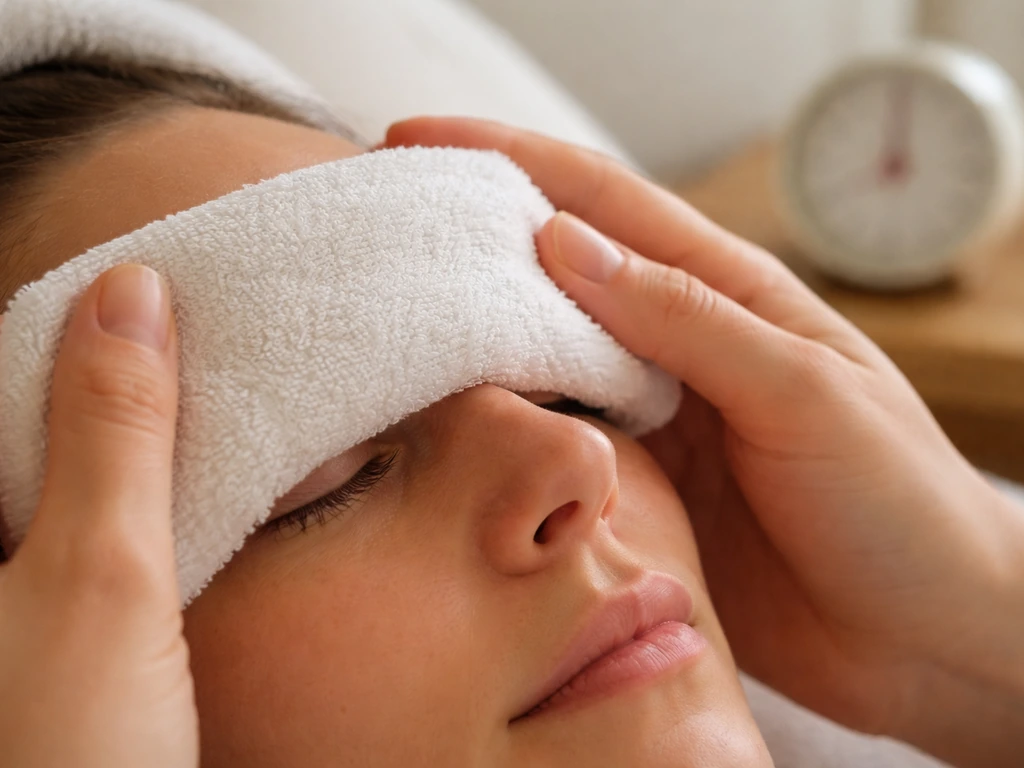
What you do during the active infection and immediately after matters a lot for how quickly your lashes recover. Here is the practical breakdown.
Do these things
- Apply a warm, moist compress for 10 to 15 minutes, three to five times per day. This is the most evidence-backed self-care step. Warmth softens the blocked gland opening and helps the stye drain naturally.
- Wash your eyelids gently with diluted baby shampoo or a purpose-made eyelid cleanser, especially if you have a history of blepharitis.
- Replace eye makeup that may be contaminated — mascara, eyeliner, and eyeshadow can harbor the bacteria that caused or worsened the infection.
- Wash your hands before touching your eye area, every single time.
- See a doctor promptly if the stye is not improving after a week of warm compresses, is very painful, or is affecting your vision.
Avoid these things
- Do not squeeze, pop, or try to manually drain the stye. This risks spreading the infection deeper into the eyelid and causing more follicle damage.
- Do not wear contact lenses until the stye is fully resolved.
- Avoid eye makeup on or near the affected eyelid during active infection. Mascara, in particular, can drag bacteria across the lash line.
- Do not use lash serums, castor oil, or any topical treatments directly on the infected area while it is still inflamed. Applying anything to an open or draining stye can worsen irritation or introduce additional bacteria.
- Do not try to pull out lashes that feel loose around the stye. They will shed on their own and tugging risks damaging the follicle.
Supporting faster lash recovery at home once the stye has healed
Once the stye is fully resolved and your eyelid is no longer red, swollen, or painful, you can start using at-home strategies to support lash regrowth. The key word is 'once healed.' Do not apply anything to an active stye or a recently drained one that is still healing.
Castor oil
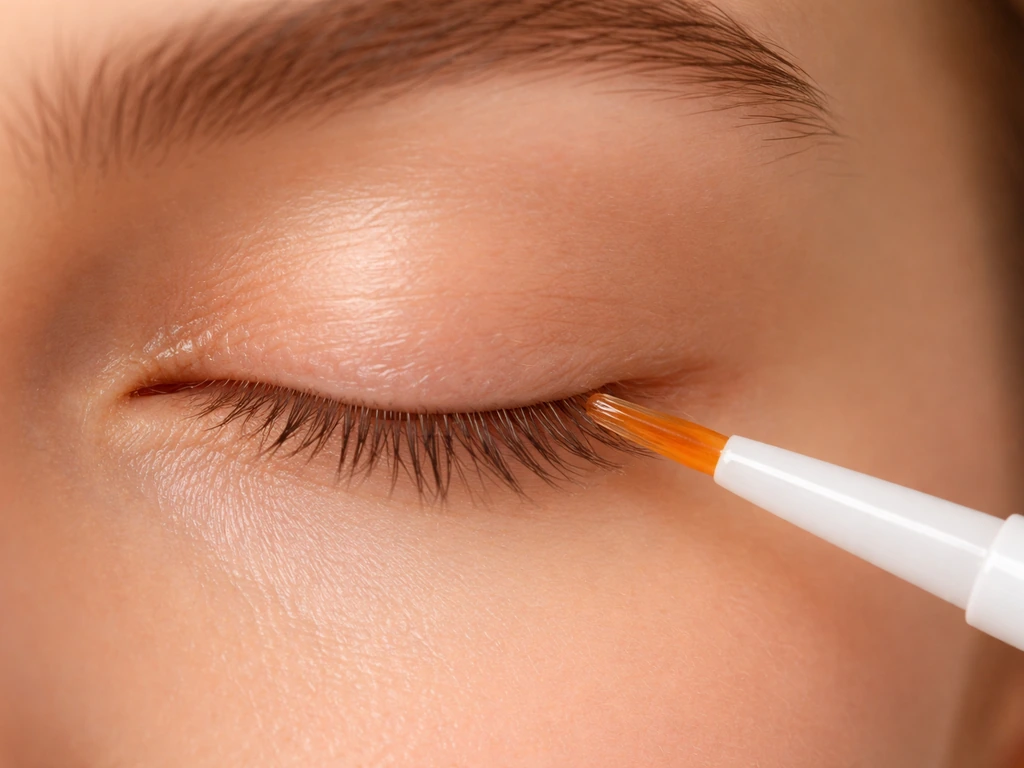
Castor oil is one of the most popular at-home lash remedies and has a reasonable rationale behind it. Ricinoleic acid, its main component, has demonstrated anti-inflammatory and possible antimicrobial properties in lab research. It can coat and condition the lash shaft, reducing breakage and making lashes look fuller while new growth catches up. To use it safely, apply a tiny amount to a clean mascara wand or cotton swab and brush it onto the upper lash line at night, avoiding the waterline. It is not a growth serum in the pharmaceutical sense, but as a mechanical support during the regrowth window it is a reasonable option. The one caution: if you have a history of castor oil causing eye irritation, skip it.
Peptide and over-the-counter lash serums
OTC lash serums typically use peptide complexes, panthenol, or biotin-infused formulas to condition the follicle environment and support the existing growth cycle. The evidence for these is less robust than for prescription options, but they are generally safe to use on a healed eyelid. Look for products free of prostaglandin analogs if you have any concerns about pigmentation changes (more on that below). Apply once daily at the lash base with the included applicator after your skin is fully clean. Avoid anything with strong fragrances or alcohol near the eye area during post-stye recovery.
Biotin and nutritional support
Biotin (vitamin B7) is frequently cited for hair and lash growth, and while it genuinely helps people who are biotin-deficient, the evidence for supplementation in people who are not deficient is limited. That said, supporting overall nutrition during recovery makes practical sense. Adequate protein intake, iron, zinc, and vitamins D and E all contribute to the follicle environment. If your diet is restricted or you have had recent illness, a basic multivitamin covering these bases is a reasonable and low-risk move. Do not mega-dose biotin expecting dramatic results; the evidence does not support that.
What to avoid applying after a stye
Steer clear of eyelash extensions or perms for at least four to six weeks after a stye clears, since the chemicals and adhesives can irritate a lash line that is still recovering. Also avoid heavy, waterproof mascaras during early regrowth: the removal process tends to be aggressive and can pull out fragile new lashes. Gentle, tubing mascaras are a better option if you need coverage while waiting for regrowth.
When you need medical help and what clinicians can do
Most styes resolve with warm compresses alone over one to two weeks. But some situations genuinely call for clinical intervention, both to protect your eye and to preserve your lash follicles.
Antibiotic treatment
If the stye is large, spreading, or not responding to warm compresses, a doctor can prescribe topical antibiotic ointment or drops. In more aggressive cases, oral antibiotics may be used. Getting the bacterial infection under control faster directly limits how long your follicles are sitting in an inflamed environment, which matters for regrowth outcomes.
Incision and drainage
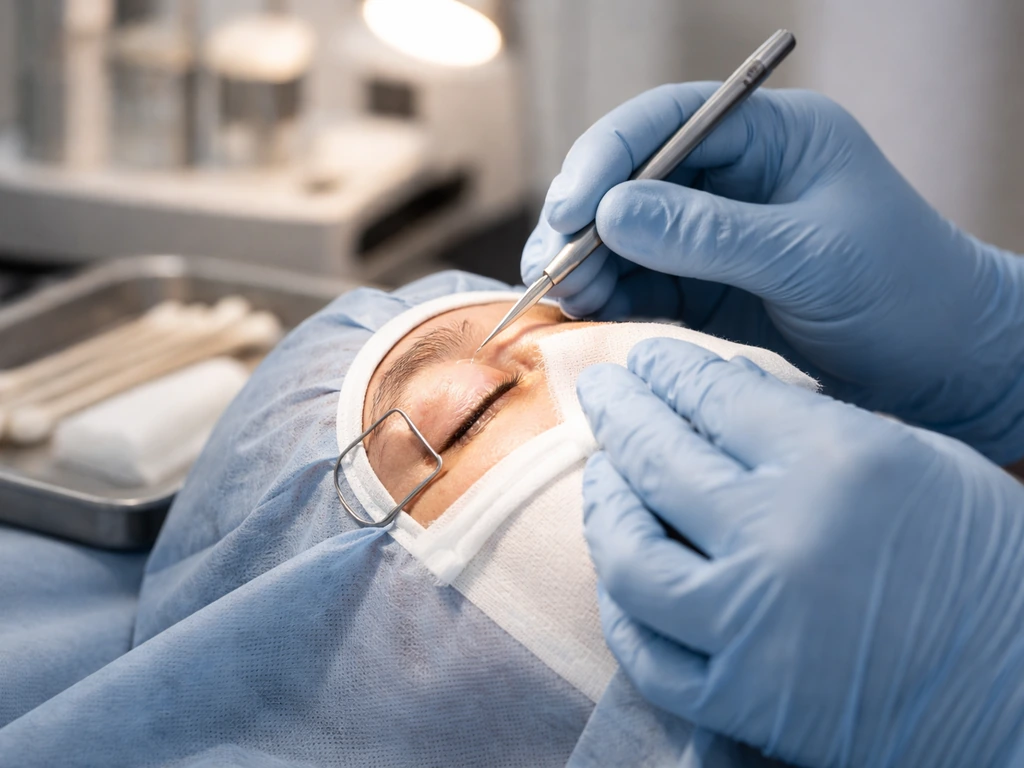
A stye that has become very large, is causing significant pressure, or has converted into a chalazion (a firm, non-resolving nodule) may need to be drained by a clinician. This is a minor in-office procedure that relieves the blockage and is far safer than attempting to pop it yourself. When a chalazion has been present for more than a few weeks and conservative management has not worked, drainage is often the most practical path to resolution and gives follicles the best chance to recover.
Steroid injections
For a longstanding lesion, some clinicians offer intralesional steroid injection (typically triamcinolone) to reduce granulomatous inflammation. This carries real risks including skin depigmentation, subcutaneous fat atrophy, and potential incomplete resolution requiring surgery. It is not a first-line option, but it is available for stubborn cases that do not respond to other measures.
Prescription lash growth treatment
If significant lash loss persists after the stye has fully resolved and there is no scarring, a dermatologist or ophthalmologist may consider prescription bimatoprost (0.03%), the only FDA-approved treatment for eyelash hypotrichosis. It is applied once daily to the upper lash margin and has documented efficacy for increasing lash length, thickness, and darkness over a treatment course of about four months. The trade-offs worth knowing: it carries a small risk of iris pigmentation changes (which appear to be irreversible in some cases), periorbital fat changes with long-term use, and it is generally avoided when there is active eye inflammation. This is not something to seek out during or immediately after a stye, but it is a legitimate option if you are still dealing with sparse lashes three to six months after full resolution. Chemo can also trigger temporary or patchy lash loss, but in many cases the lashes grow back as the body recovers.
Managing recurrent styes and underlying conditions
If you keep getting styes, the underlying cause needs attention. Chronic blepharitis and meibomian gland dysfunction are the most common culprits. StatPearls notes that hordeolum formation is helped by conditions that obstruct sebaceous or eyelid gland drainage, such as blepharitis and meibomian gland dysfunction, and sometimes rosacea obstructed eyelid gland drainage. Repeated infections in the same area of the lash line put follicles through repeated cycles of stress and inflammation, which over time increases the risk of scarring and permanent thinning. A clinician can set you up with a proper eyelid hygiene routine, and in some cases treat rosacea (another contributing factor) or prescribe low-dose oral doxycycline for meibomian gland dysfunction. Getting recurrence under control is probably the single most important thing you can do for long-term lash health.
If you are also dealing with lash concerns from other angles, it is worth noting that conditions like blepharitis can independently cause lash shedding and regrowth challenges separate from a stye event, so addressing that underlying inflammation matters on multiple fronts. Similarly, hormonal changes (think menopause or post-pregnancy shifts) can affect how quickly follicles cycle back into active growth, so if your recovery seems slower than expected, it may be worth considering what else is happening in your body at the same time. Eyelash regrowth during menopause can be slower for some people due to hormonal shifts, even when there is no stye-caused scarring. If you are asking about pregnancy specifically, hormonal shifts can influence how quickly your lashes cycle back into active growth post-pregnancy shifts.
FAQ
If I lose eyelashes from the stye, will my lashes come back in the same exact area? (Or will it be patchy?)
Sometimes, but it depends on what caused the lash loss. If the lash follicle was only stressed by inflammation, the spot should repopulate as the follicle returns to active growth. If there is a firm, non-tender lump, repeated recurrences in the same exact spot, or skin that feels tight or thick (possible scarring), regrowth can be delayed or incomplete.
Can I use lash serums or castor oil while the stye is still healing or after it drained?
Generally yes, if you use them only after the eyelid is fully healed (no redness, swelling, or pain). In the early phase of recovery, adding products near the lash base can irritate the skin and disrupt the settling process. If you suspect irritation, stop the product and switch to gentle, fragrance-free lid hygiene until the area is calm.
What activities make lash regrowth slower after a stye?
New lashes can be more fragile, so aggressive rubbing, waterproof makeup removal, and twisting motions with a cotton pad are more likely to knock out telogen-phase lashes prematurely. For the first few weeks after healing, choose gentle cleansing, minimize rubbing, and use tubing mascara if you must wear makeup, since removal is usually less forceful.
My lashes are still falling out weeks after the stye went down. Is that normal or a red flag?
You may see increased shedding during healing or a short time after, which often looks like the lashes are “falling out from the stye.” That is typically temporary, but if the area keeps worsening, the redness returns, or pain ramps up again, it may be a persistent stye, a chalazion with secondary inflammation, or another issue, and you should be evaluated.
How can I tell whether it’s still a stye or it has turned into a chalazion?
If the eyelid still has a firm nodule, the lesion is less likely to be a simple resolved stye. Styes usually improve within about one to two weeks with warm compresses, while chalazia often linger. A clinician can distinguish the two and decide whether drainage or other treatment is needed to protect the follicles.
If my lashes don’t regrow as expected after one stye, could another condition be involved?
Not necessarily. A stye can trigger shedding in the affected lash line, but it can also coexist with blepharitis or meibomian gland dysfunction, both of which independently cause chronic lash shedding. If you get ongoing shedding in multiple areas or recurrent flares, treatment may need to target lid margin inflammation, not just the single stye event.
When should I see a doctor specifically for possible scarring or permanent lash loss?
A single spot that stays bald beyond the expected regrowth window, or lashes that remain absent while the surrounding skin looks scarred or indurated, is more concerning for scarring madarosis. Urgent evaluation is especially important if the stye recurs repeatedly in the same exact location or you notice thickened, tight skin at the lash line.
How long should I wait before getting eyelash extensions or a lash perm after a stye?
Be cautious. Extensions and adhesives can cause traction and contact irritation at the lash base, and perms add chemical exposure. Waiting at least four to six weeks after full resolution reduces the risk of worsening inflammation and lash breakage while new growth is still thin.
If my lashes stay sparse months later, are there treatments that can help?
Prescription options depend on what you’re dealing with. If you have sparse lashes months after full resolution and no scarring, a dermatologist or ophthalmologist may discuss bimatoprost. If there is active irritation, a recent infection, or signs of scarring, those treatments are usually not the first step and the underlying problem must be addressed first.
Do warm compresses or eyelid hygiene prevent future styes and support regrowth?
They can help manage contributing inflammation and reduce recurrence, especially if you also have blepharitis or meibomian gland dysfunction. However, they are not a substitute for treating the stye itself during an active infection. If you keep getting styes, ask a clinician about a structured eyelid hygiene routine and whether your lid glands need additional management.
My recovery feels slower than what I expected, how do I know if it’s just timeline or something else?
Some regrowth delay can be normal, particularly if the stye hits during a certain part of the lash growth cycle, or if you have ongoing eyelid inflammation. If the timeline stretches much longer than expected, focus on controlling recurrence risk factors like blepharitis and gland dysfunction rather than repeatedly trying new cosmetics or supplements.
Next Article
Do eyelashes grow back after menopause? What to expect
See if eyelashes regrow after menopause, timelines, why shedding happens, and safe ways to rebuild thicker lashes.