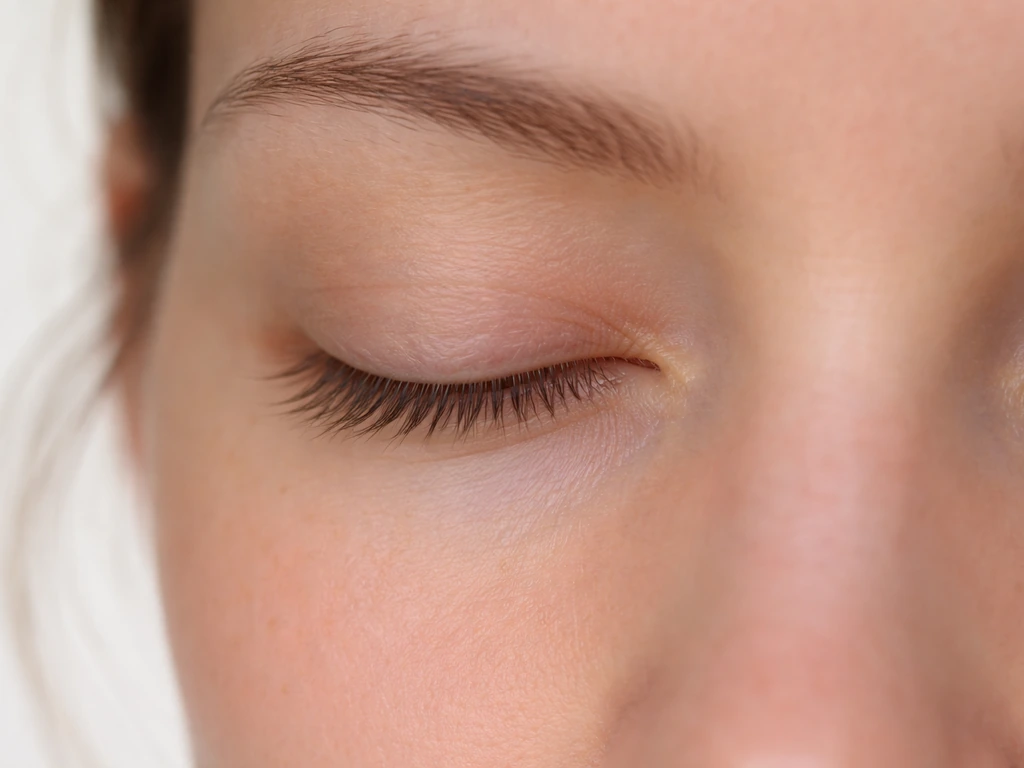
Yes, eyelashes can and do grow back after menopause in most cases. The key word is "most." Menopause doesn't permanently destroy lash follicles on its own, but the hormonal shifts it triggers can slow the growth cycle, cause more shedding than usual, and make lashes thinner and more brittle than they used to be. If your lashes have become noticeably shorter, patchier, or sparser since perimenopause, you're not imagining it, and you're not stuck with it. The right routine, and in some cases the right serum or clinical treatment, can meaningfully improve what you see in the mirror.
Do eyelashes grow back after menopause? What to expect
Rachel Nguyen
7 Jun 2026
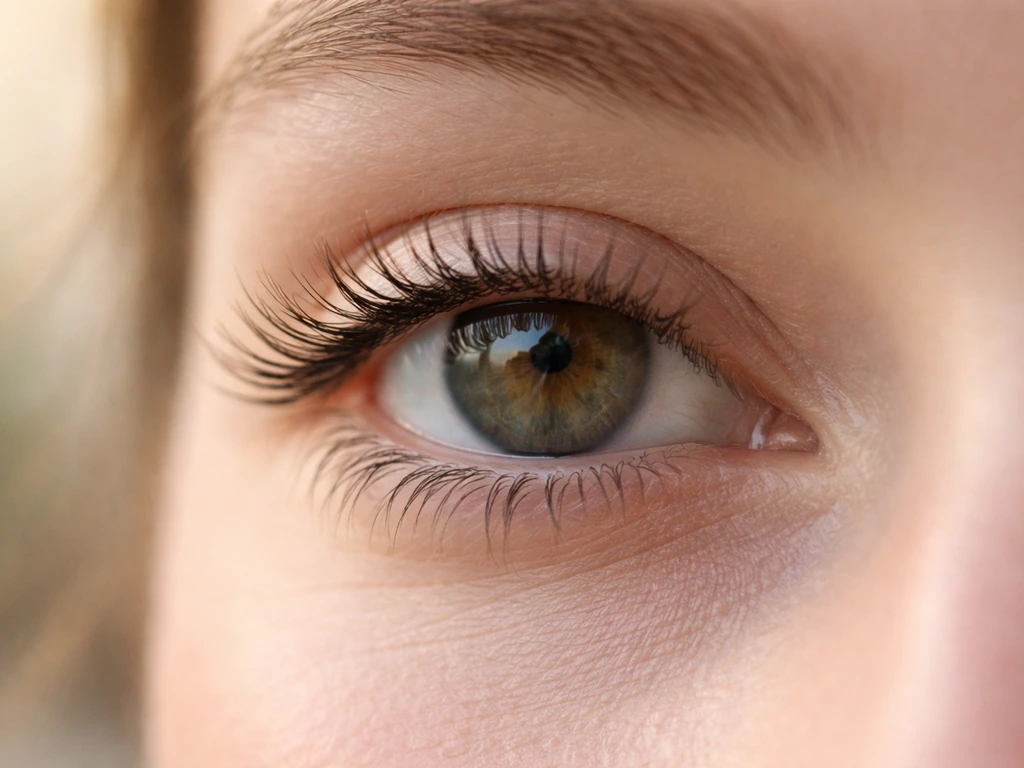
How eyelash growth works (and why lashes thin over time)
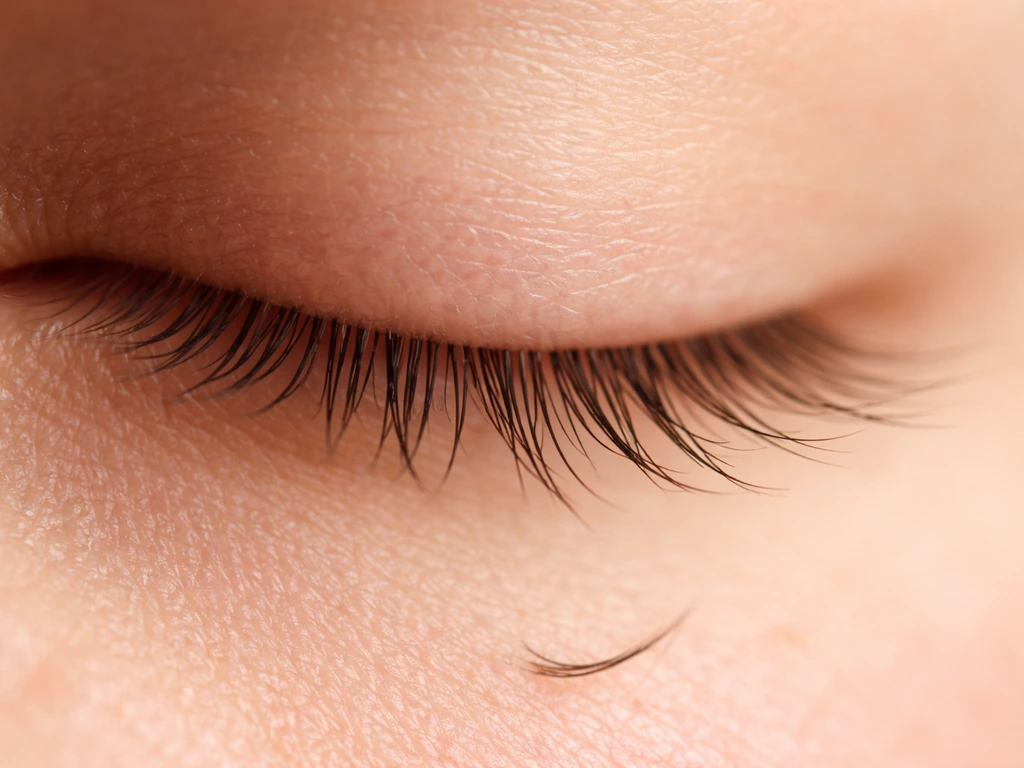
Every eyelash follicle runs through a three-phase cycle: anagen (active growth), catagen (transition and degradation), and telogen (resting). At the end of telogen, the lash sheds and the whole cycle starts again. Research measuring this cycle in women ages 26 to 60 found that the anagen phase lasts about 34 days (plus or minus 9 days), and the full cycle runs roughly 90 days from start to finish. That's why eyelashes grow back so much faster than scalp hair, which has an anagen phase that can stretch years. It also explains why lash damage, shedding, or thinning can turn around relatively quickly when the right conditions are in place.
The limitation is that eyelash follicles have a much shorter growth window than scalp follicles, which is why lashes stay short no matter how long you leave them alone. What determines their final length, thickness, and density is how many follicles are actively cycling, how much time each spends in anagen versus telogen, and how healthy the follicle environment is. Both aging and hormonal changes can shift this balance unfavorably, pushing more follicles into a prolonged resting phase and producing finer, shorter, less pigmented lashes.
What menopause actually does to your lashes
The hormonal picture during menopause is more complicated than "estrogen drops and lashes fall out." Estrogen, progesterone, and androgens all shift during this transition, and the effects on eyelid and lash health come from multiple directions at once.
One of the clearest effects is on meibomian gland function. These glands line your upper and lower eyelid margins and produce the oily layer that keeps your tear film stable. They are hormonally regulated, and androgen deficiency in particular is linked to meibomian gland dysfunction (MGD) and evaporative dry eye. A 2026 review in Frontiers confirmed that perimenopausal women have elevated dry eye susceptibility driven by sex hormone axis dysregulation, with androgen decline playing a potent role alongside estrogen withdrawal. MGD causes chronic eyelid margin inflammation, and that inflammation, if left unchecked, is directly hostile to lash follicles sitting in the same tissue.
Beyond the glands, hormonal changes reduce skin moisture and collagen turnover throughout the body, and the thin skin of the eyelid is no exception. Lashes can become drier, more brittle, and prone to breakage. Shedding may increase temporarily, especially during perimenopause when hormone levels fluctuate erratically rather than declining smoothly. The result is lashes that look sparse not just because fewer are growing, but because the ones that are growing break before they reach their normal length.
It's also worth noting that some women going through menopause develop mild blepharitis (eyelid margin inflammation) or find that pre-existing blepharitis worsens, both of which can suppress lash growth. If blepharitis is active, treating the eyelid inflammation is key to giving lashes the best chance to regrow. If you notice crusting, flaking, or persistent redness along the lash line in addition to thinning, that's a sign the eyelid environment itself needs attention, not just the lashes.
How long it takes for lashes to grow back after menopause
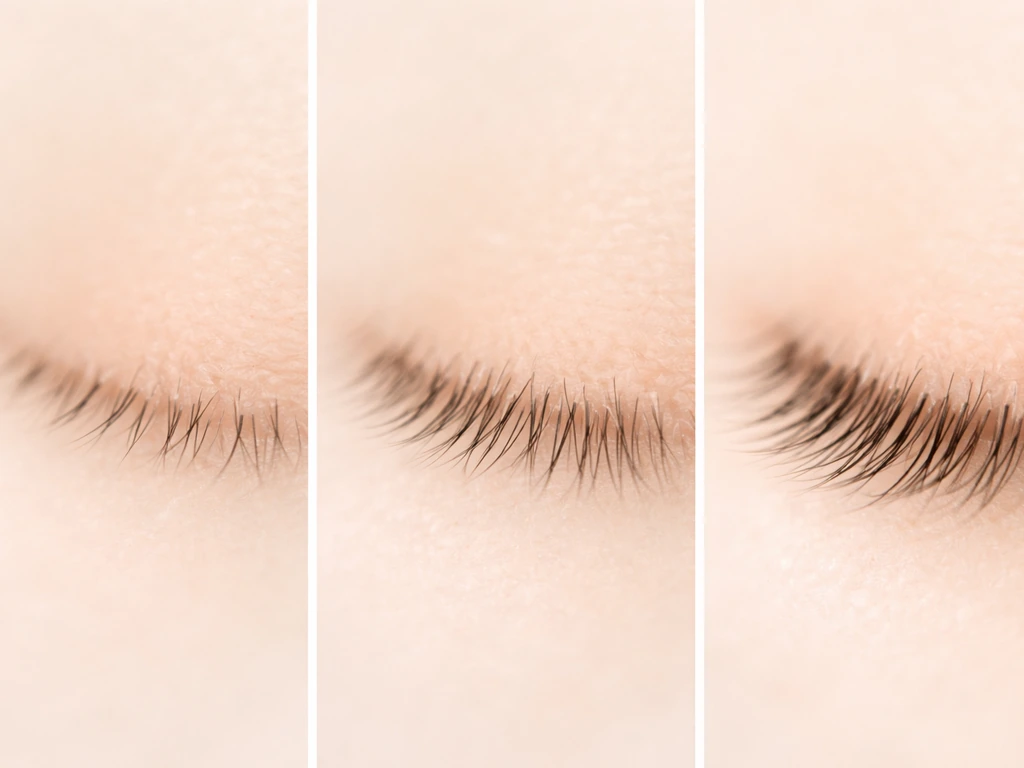
Given that one full eyelash cycle takes about 90 days, you can expect visible regrowth within roughly three months under normal conditions. If you are wondering about regrowth specifically after age 50, the same lash growth cycle principles apply, but hormonal changes can make recovery feel slower for some people. But "normal conditions" is doing real work in that sentence. Menopause-related hormonal disruption can extend the telogen (resting) phase and delay the signal for follicles to re-enter anagen. So while a healthy young adult might see new lash growth in 6 to 8 weeks after shedding, someone in perimenopause or postmenopause may wait 3 to 4 months before noticing a meaningful difference in density.
What regrowth looks like in practice: new lashes tend to come in finer and shorter initially, especially after a prolonged resting phase. You'll often notice them first as tiny, pale stubs along the lash line before they gradually thicken and lengthen over subsequent cycles. If you're actively supporting the growth environment (more on that below), each successive cycle can produce progressively healthier lashes. If you're using a prescription serum like bimatoprost, clinical trials in hypotrichosis patients found measurable changes in lash length starting at month one, with thickness changes appearing at month two. That's a realistic benchmark.
A delayed or stalled recovery (no visible new growth after four to five months, or continued rapid shedding) is a signal to look further. If the issue was a chalazion, lash regrowth can still be slow, but it often depends on inflammation and how quickly the underlying cause is treated do eyelashes grow back after chalazion. Menopause alone shouldn't cause complete lash loss. If that's what you're seeing, other factors are likely in play.
At-home ways to support regrowth and thickness
The most underrated step in rebuilding menopausal lashes is eyelid hygiene, specifically keeping the eyelid margin clean and the meibomian glands functioning. Warm compresses for blepharitis can be done at home by applying warm, moist compresses to the eyelids and eyelashes with your eyes closed for about 10 minutes each day, as Johns Hopkins Medicine advises. This directly addresses the inflammatory environment that slows follicle activity. Here's what a practical daily routine looks like:
- Warm compresses: Soak a clean cloth in warm (not hot) water and hold it gently against your closed eyelids for about 10 minutes. This softens the meibum in clogged glands and reduces eyelid margin inflammation. Johns Hopkins recommends this daily for managing blepharitis, and the same logic applies here.
- Lid massage: After warming, use a clean fingertip to gently massage from the base of the eyelid toward the lash margin. This encourages meibum expression and improves the lipid layer in your tear film, reducing the chronic dryness that makes lash follicles sluggish.
- Lid scrubs: Use a diluted gentle cleanser (diluted baby shampoo or a purpose-made lid cleanser) on a clean cotton pad to wipe along the lash line, removing debris, crust, and buildup. The Merck Manual recommends this as a core part of blepharitis management, and it's just as relevant for anyone with menopausal eyelid changes.
- Avoid rubbing: Rubbing your eyes, especially with dry or irritated skin, mechanically pulls lashes out and traumatizes follicles. This is a bigger contributor to sparse lashes than most people realize.
- Remove eye makeup gently and completely: Leftover mascara and liner residue irritates the eyelid margin and can block follicle openings. Use a gentle, fragrance-free remover and avoid tugging.
If you're also dealing with dry, sensitive eyelid skin (which is very common postmenopause), DermNet recommends washing eyelids with plain water or a gentle cream cleanser rather than soap-based products. Harsh cleansers strip the already-compromised eyelid skin barrier and can worsen irritation. The goal is a clean, calm eyelid margin, not a squeaky-clean one.
Serums and ingredients worth considering
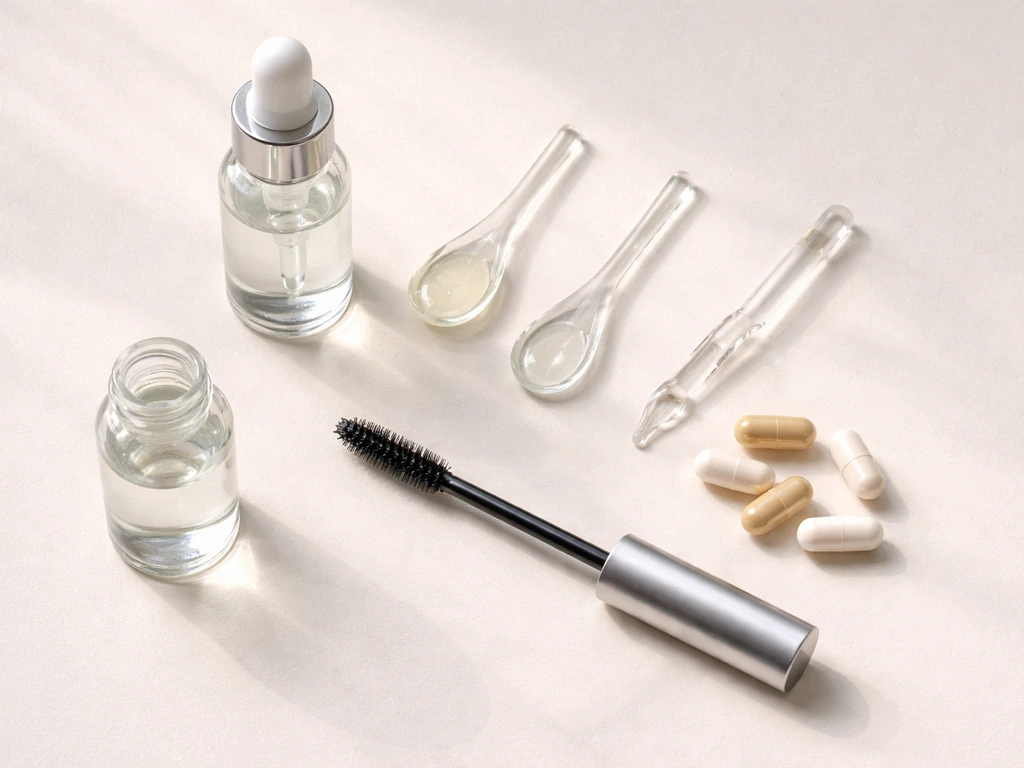
If you want to go beyond basic hygiene and actively stimulate regrowth, serums are the most evidence-backed tool available over the counter and by prescription. Here's how to think through the options:
Bimatoprost (prescription)
Bimatoprost 0.03% is a prostaglandin analog originally developed as a glaucoma treatment that was found to produce longer, thicker, and darker lashes as a side effect. It's the most clinically supported option for eyelash hypotrichosis (thin or sparse lashes). Across multiple randomized controlled trials, it consistently produces measurable improvements in lash length, thickness, and darkness. A study in post-chemotherapy patients also documented rapid lash recovery with bimatoprost, supporting its ability to restart stalled follicle cycles. That's directly relevant to menopausal lash thinning where follicles are dormant but not destroyed.
The main caveats: it's prescription-only, it requires correct application technique (along the upper eyelid margin only, not directly on the eye), and it has known side effects including periorbital hyperpigmentation and, with incorrect use, potential iris color changes. DermNet recommends blotting any excess beyond the eyelid margin with a tissue and removing contact lenses before application. These aren't reasons to avoid it, but they are reasons to use it carefully and discuss it with a clinician first.
OTC lash serums with peptides and conditioning agents
Over-the-counter lash serums typically combine peptides (to signal follicle activity), panthenol (to condition the lash shaft), and sometimes plant-based growth factors. The evidence base is thinner than for bimatoprost, but several peptide-based formulas have shown modest improvements in lash length and appearance in manufacturer-sponsored studies. They won't replicate prescription results, but they're a reasonable first step if you're not ready to go the clinical route, and they're far better than doing nothing. Look for serums that apply to the lash line (not the lash itself) and are fragrance-free.
What to avoid in serums
Be cautious with serums containing prostaglandin-like compounds (sometimes listed as isopropyl cloprostenate or similar) that mimic bimatoprost without the clinical safety data. They carry similar risks of hyperpigmentation and iris changes but without the regulatory oversight. Also avoid anything heavily fragranced or with high concentrations of preservatives near the eyelid margin. The eyelid skin is among the thinnest on your body and reacts strongly to irritants.
| Option | Evidence Level | Typical Timeline | Key Risks | Best For |
|---|---|---|---|---|
| Bimatoprost 0.03% (Rx) | Strong (multiple RCTs) | Visible at 4–8 weeks, fuller at 3 months | Periorbital pigmentation, iris color change with misuse | Significant thinning, stalled regrowth |
| Peptide-based OTC serums | Moderate (limited RCTs) | 2–4 months | Mild irritation (usually low) | Mild thinning, maintenance, first step |
| Prostaglandin-analog OTC serums | Weak (no RCTs) | Variable | Hyperpigmentation, iris changes | Not recommended without medical guidance |
| Castor oil | Minimal (no clinical trials) | Unpredictable | Contact dermatitis, allergic reaction | Conditioning only, not regrowth |
Castor oil, biotin, and other popular remedies
These are probably the two most common things people try first, so let's be direct about what the research actually shows.
Castor oil has no clinical trials supporting its ability to grow or regrow eyelashes. Healthline's review of the evidence confirms that the data simply isn't there. What castor oil can do is coat and condition the lash shaft, temporarily making lashes look thicker and darker. That's not nothing, but it's a cosmetic effect, not a regrowth one. More importantly, castor oil (Ricinus communis seed oil) is a documented contact allergen. Case reports in peer-reviewed literature describe allergic contact dermatitis and even angioedema-like reactions from castor oil used near the eyes. Given how thin and reactive eyelid skin is, especially postmenopause when the skin barrier is already compromised, this is a real risk. If you want to try it, do a patch test first and apply sparingly to the lash line, not the eyelid skin.
Biotin supplements are everywhere in lash and hair growth marketing, but the evidence doesn't hold up well for people who aren't deficient. A PMC review on biotin and hair loss found limited scientific support for supplementation in otherwise healthy individuals, and the NIH Office of Dietary Supplements confirms that deficiency is rare in people eating a varied diet. If biotin deficiency is causing your lash thinning (which your clinician can check with a simple blood test), then supplementing makes sense and may help. If you're not deficient, you're likely spending money on expensive urine. It's not harmful, but it's probably not moving the needle on your lash growth either.
Other popular options like vitamin E oil, coconut oil, and olive oil have similar evidence gaps. They may condition lashes and support eyelid skin hydration, but there's no strong data showing they stimulate follicle activity in postmenopausal women specifically. If your goal is actual regrowth rather than conditioning, focus your energy on eyelid hygiene and evidence-backed serums.
When to see a clinician about lash loss
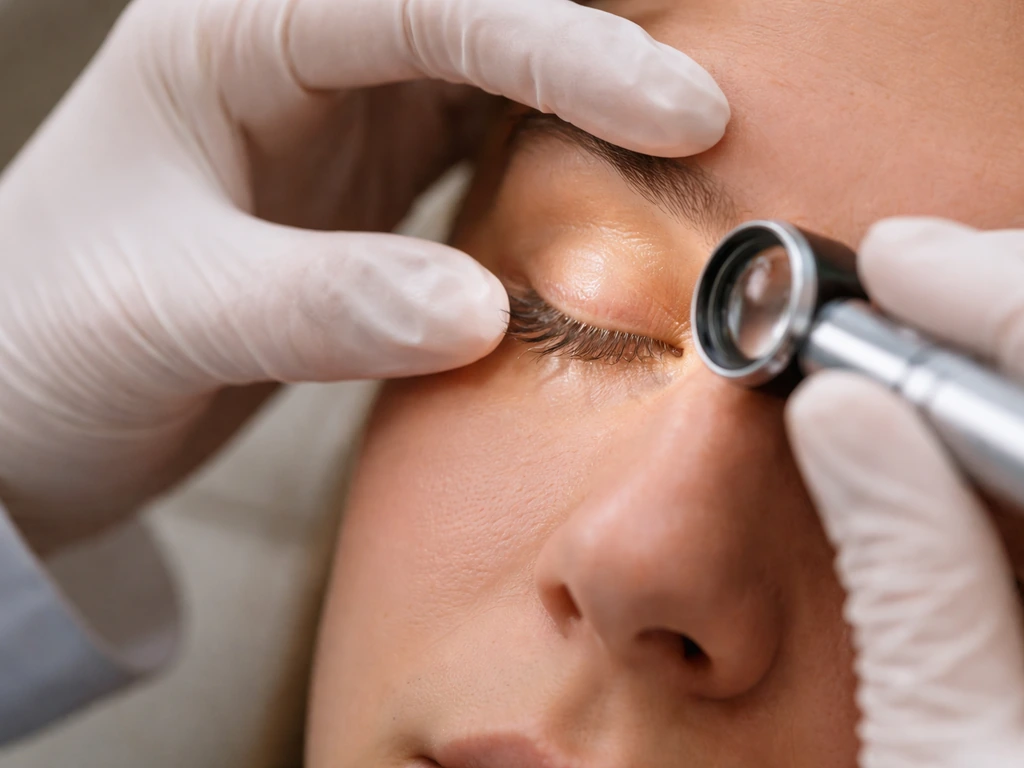
Menopause can explain a lot of lash thinning, but it shouldn't be your default explanation for all of it. There's a meaningful difference between gradual, symmetric thinning that tracks with hormonal changes and lash loss that has other patterns or accompanying symptoms. The former is usually menopause. The latter may need a workup.
Eyelash loss is clinically called madarosis, and it has a broad differential. The Cleveland Clinic notes that non-scarring madarosis (where the follicle is intact) is usually reversible once the underlying cause is treated, while scarring madarosis (where deeper inflammation or fibrosis has destroyed the follicle) can cause permanent loss. That distinction matters enormously. DermNet explains that scarring madarosis results from deeper tissue damage and is far less likely to resolve on its own. This is why the "wait and see" approach has limits, especially when loss is rapid, patchy, or accompanied by other symptoms.
See a dermatologist or ophthalmologist if you notice any of the following:
- Rapid lash loss over weeks rather than gradual thinning over months
- Patchy or asymmetric loss (one eye significantly worse, or bare spots along the lash line)
- Simultaneous loss of eyebrow hair, scalp hair, or body hair (a possible sign of thyroid disease, alopecia areata, or autoimmune conditions)
- Persistent itching, burning, crusting, or scaling along the lash line that doesn't improve with basic eyelid hygiene
- Eyelid skin that looks thickened, scarred, or significantly inflamed
- No visible regrowth after four to five months despite consistent at-home care
- Lash loss accompanied by new skin changes elsewhere on the body
A clinician can distinguish menopausal thinning from conditions like thyroid dysfunction, alopecia areata, blepharitis-driven scarring, atopic dermatitis, acne rosacea with ocular involvement, or systemic causes. StatPearls lists all of these as potential contributors to eyelash disease, and an acquired madarosis review in PubMed emphasizes that persistent or patterned lash loss warrants a proper diagnostic workup rather than assumption. Blood tests (thyroid panel, ferritin, biotin levels, hormones) are often the first step, and they're quick.
If follicles are intact but regrowth is stubbornly slow, a dermatologist can prescribe bimatoprost and supervise its use safely, or explore whether hormone-related treatments (like topical or systemic hormone therapy) might be appropriate for your specific situation. In cases where follicles have been destroyed, the AAO EyeWiki notes that options like hair transplant and cosmetic reconstruction exist, though these are last-resort scenarios that most people will never need.
It's also worth knowing that eyelash thinning during and after menopause shares some overlap with lash loss patterns seen in other life events, like those that can follow pregnancy hormonal shifts, or the recovery challenges seen after chemotherapy. If your lashes thinned after pregnancy, the same cycle-and-hormone pattern often explains why they can gradually grow back over the following months pregnancy hormonal shifts. The underlying biology (follicles cycling through disrupted phases due to systemic hormonal stress) has real similarities, even when the cause differs.
Your practical plan starting today
Here's a straightforward sequence based on what the evidence actually supports, ordered by what you can start immediately and build from there:
- Start eyelid hygiene today: warm compress for 10 minutes, gentle lid massage, and a careful lid scrub with diluted baby shampoo or a lid-specific cleanser. Do this daily for at least 4 weeks before judging whether it's helping.
- Check your makeup routine: switch to a gentle, fragrance-free eye makeup remover and stop using waterproof mascara daily (it requires harder removal, which increases follicle trauma). Be especially careful not to rub or pull.
- Try a peptide-based OTC lash serum: apply nightly to the upper lash line only. Give it a full 2 to 3 months before evaluating results, since that's how long the growth cycle takes.
- Don't invest heavily in castor oil or biotin unless you've ruled out deficiency first (get a simple blood panel). The return on investment is low for most postmenopausal women.
- If no improvement after 3 months of consistent at-home care, or if your loss fits any of the red flags above, book an appointment with a dermatologist or ophthalmologist. Ask specifically about bimatoprost and whether a workup for other causes makes sense.
- If you've already been given the all-clear on other causes and want the most effective clinical option, bimatoprost is the gold standard. Expect to see measurable change within 4 to 8 weeks of nightly use when applied correctly.
The realistic message is this: thinning lashes after menopause are common, they're biologically explainable, and they're not a life sentence. Most women see meaningful improvement with consistent care, and those who go the clinical serum route typically see real results within one to two growth cycles. If your lash thinning is from a stye instead of menopause, the timeline can be different, but you can still use this guide to understand do eyelashes grow back after stye and what to do next. Patience and consistency matter more than any single product.
FAQ
If my eyelashes are completely gone, does that still count as menopause-related thinning?
Not always. Menopause-related changes usually cause thinning, patchiness, or brittleness, not complete permanent loss. If you have total absence of lashes in a localized area, rapidly progressing loss, or loss plus eyelid skin changes (scarring, shiny tight skin), ask an ophthalmologist or dermatologist to rule out scarring madarosis or inflammatory eyelid disease.
How can I tell whether my lashes are actively regrowing or just shedding more? (What timeline should I use?)
In many people, shed lashes may return first as tiny, pale stubs along the lash line, then gradually thicken over successive cycles. If you see continued heavy shedding with no new stubs by about 4 to 5 months, treat it as “stalled regrowth” and get an evaluation instead of repeating the same routine unchanged.
Do eyelash serums work immediately after menopause, or do I need to wait?
Yes, but timing matters. The article’s key phase is eyelash growth cycling, which is slow compared with daily skin changes. Most people only notice meaningful differences after about 1 to 2 full cycles (roughly 3 to 6 months). If you stop a lash serum early, you may only get cosmetic conditioning, not real regrowth.
What symptoms suggest the thinning is not simply menopause?
Do not assume the cause is hormonal if you have one or more “red flag” symptoms: itching, burning, crusting, persistent redness, gritty eyes, eyelid swelling, or clumps of scale at the lash margin. Those point more toward blepharitis, meibomian gland dysfunction, allergy, or dermatitis, and treating only lashes may not fix the underlying problem.
Can I wear mascara or contact lenses while trying to regrow menopausal lashes?
If you wear contacts, remove them before applying prescription bimatoprost, and avoid getting product onto the eye surface. Also use caution with makeup, especially eyeliner and lash adhesives, because they can add irritation near the lash line, which can worsen inflammation and breakage.
Why do my lashes feel brittle and shed more, even when I’m using a serum?
It can. Chronic dry eye and poor meibomian gland function can make lashes shed more and break more easily, even if follicles are still cycling. If you also have dryness or a burning sensation, adding steps that stabilize the tear film and eyelid hygiene can improve the “growth environment,” not just the lash coating.
Should I ask my doctor about bimatoprost right away or try hygiene first?
You can, but only in certain situations. The article notes that bimatoprost is prescription-only and needs correct technique, and scarring madarosis may be permanent. Ask for an exam that distinguishes reversible (non-scarring) from irreversible loss, then decide together whether prescription options are appropriate.
What are the most common mistakes people make when using prescription lash growth drops?
To check technique, apply along the upper lash line margin only, keep the applicator from touching the eye, and remove any excess beyond the lash margin. If excess product gets onto the eyelid skin repeatedly, irritation and unwanted pigmentation can be more likely, and that may make the overall outcome worse.
Can menopause make me more sensitive to lash products, and could that cause lash loss?
Yes, allergies can cause lash loss or worsening thinning by triggering inflammation along the lash line. Watch for signs like itching, swelling, or rash after starting a new cosmetic, cleanser, or serum. A clinician can help distinguish allergic contact dermatitis from follicle-cycle changes.
What’s the difference between regrowth and permanent loss, and how do I know which I’m dealing with?
If follicles are intact, many cases are reversible once the underlying driver is treated, but you need the right diagnosis first. Scarring madarosis, or damage from untreated inflammation, can reduce the chance of true regrowth. If your loss is patchy and persistent, don’t rely on a “normal aging” explanation.
Should I take supplements for lash thinning after menopause, or get labs first?
Some dietary issues can contribute indirectly, but deficiency is less common than marketing suggests. If thinning is significant, or if you also have fatigue, hair loss elsewhere, or irregular symptoms, ask your clinician whether labs like thyroid tests, ferritin/iron stores, and possibly biotin status are appropriate before adding large supplement doses.
If I recently had a stye, how does that change the expectations for lash regrowth?
Temporary changes after a stye can affect the lash timeline, because inflammation can temporarily alter eyelid tissue. If you’re dealing with an active stye or frequent styes, manage the eyelid inflammation and reassess after it resolves rather than assuming menopause is the only cause.
Next Article
Will My Eyelashes Grow Back After Pregnancy? Timeline and Care
Get a realistic postpartum lash regrowth timeline, causes of shedding, and safe care tips to help lashes grow back.