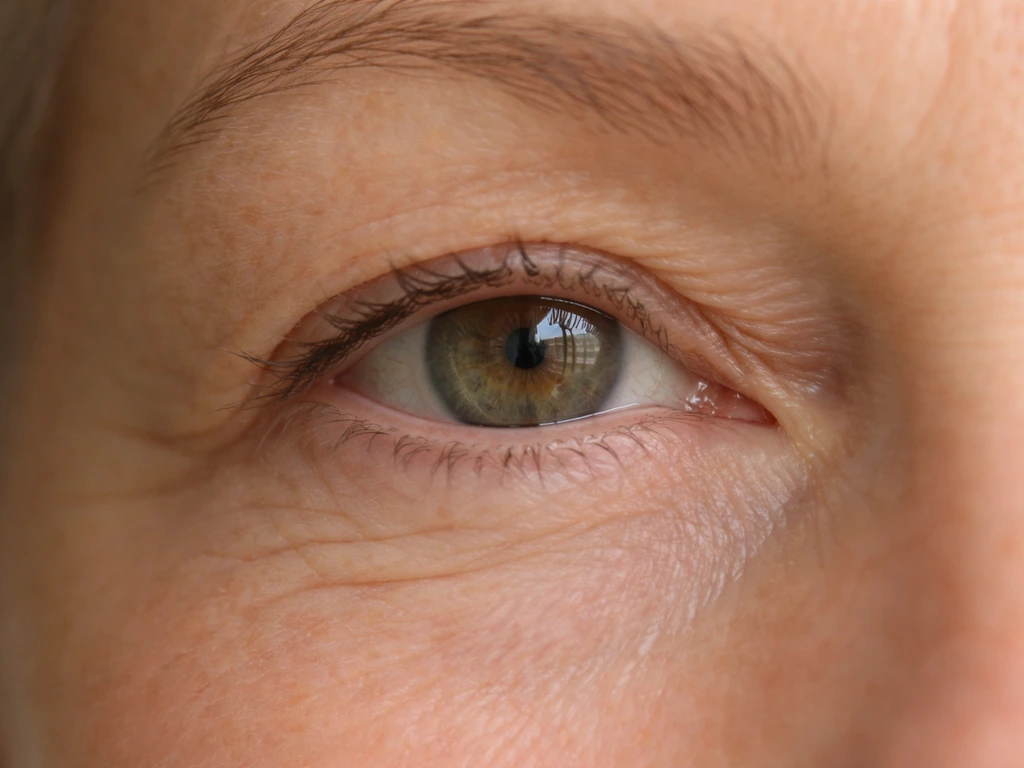
Yes, your eyelashes will grow back after pregnancy. The shedding and thinning you're seeing postpartum is almost always temporary, driven by hormonal shifts that disrupt your lash cycle rather than any permanent damage to the follicle. Most people see meaningful regrowth within 3 to 6 months after delivery, though the full recovery, including thickness and length matching what you had before, can take closer to 9 to 12 months depending on a few factors covered below.
Will My Eyelashes Grow Back After Pregnancy? Timeline and Care
Rachel Nguyen
27 May 2026
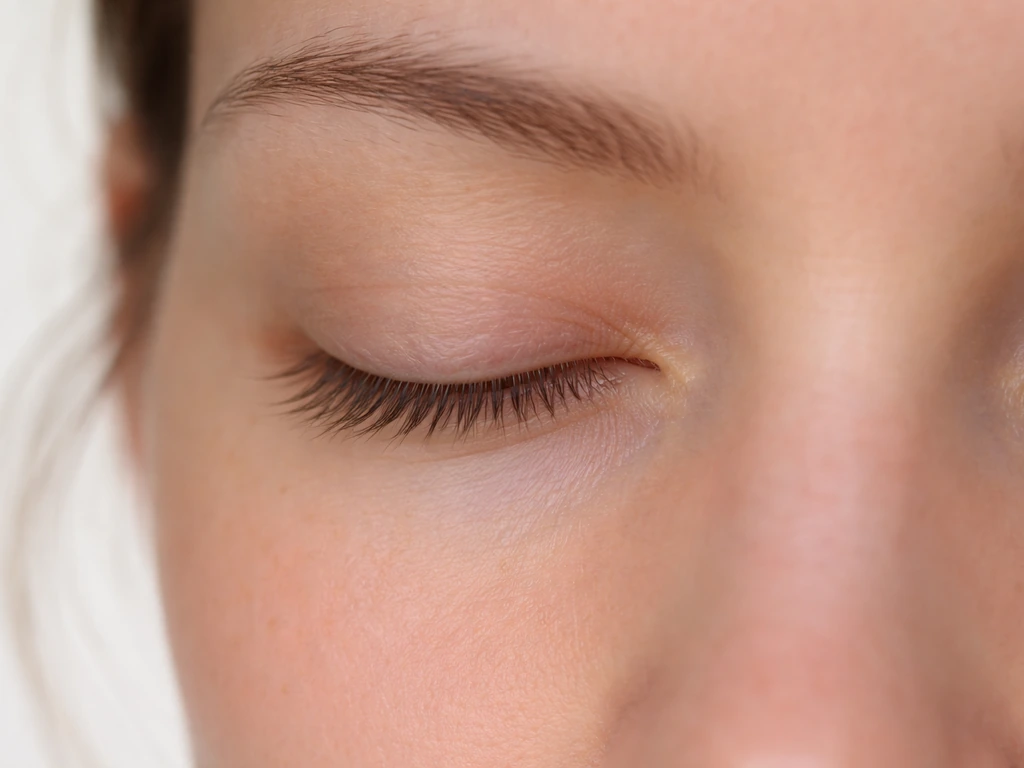
What's actually happening to your lashes right now
Every eyelash goes through three phases: anagen (active growth), catagen (transition and degradation), and telogen (resting and eventual shedding). Research puts the anagen phase for eyelashes at roughly 4 to 10 weeks, with the full cycle running anywhere from 4 to 11 months. The telogen phase alone can last around 9 months, which is why lash loss can feel prolonged before visible regrowth appears.
During pregnancy, elevated estrogen essentially pauses the telogen phase. More follicles than usual stay in the anagen growth phase simultaneously, so your lashes may have looked fuller and longer while you were pregnant. Once you give birth and estrogen levels drop sharply, all those follicles that were held in growth mode suddenly enter catagen and then telogen together. The result is a synchronized shedding event called telogen effluvium, and it can look alarming even though it is a completely normal biological reset. The follicles themselves are healthy. They are just cycling through a phase they postponed during pregnancy.
Postpartum lash regrowth timeline: what to expect month by month
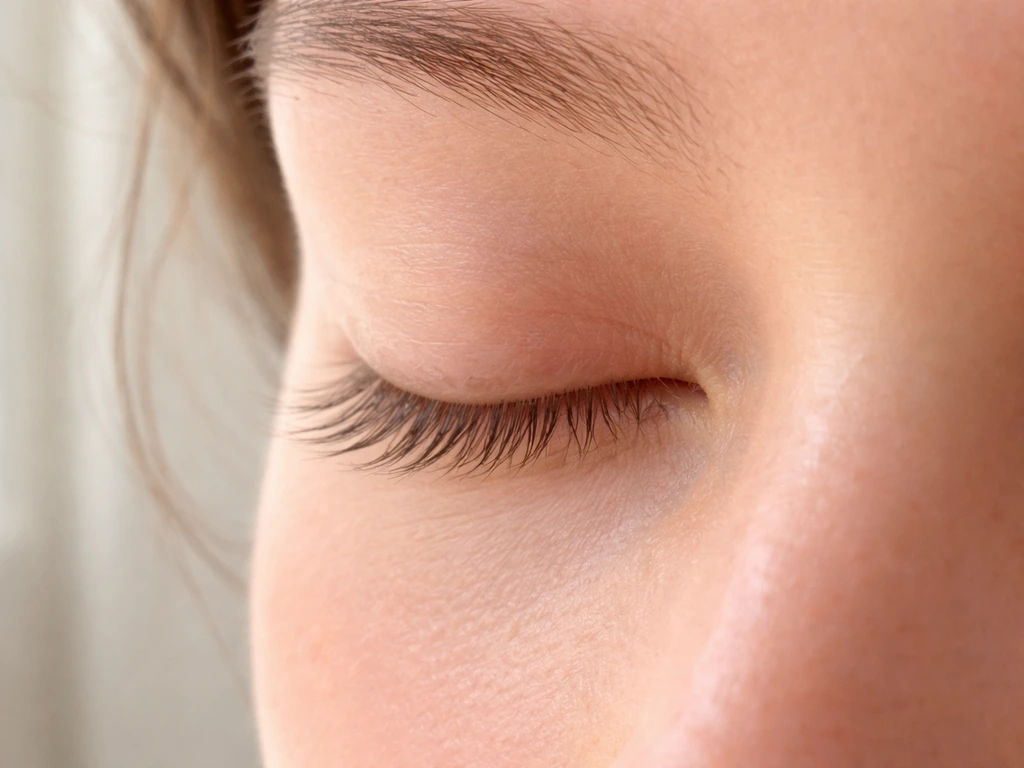
There is no single fixed timeline because everyone's hormonal recovery differs, but this is a realistic picture of what tends to happen:
| Timeframe | What's Happening | What You'll Notice |
|---|---|---|
| Weeks 1–6 postpartum | Estrogen drops; follicles shift to catagen/telogen en masse | Peak shedding, lashes look thinner and shorter |
| Weeks 6–12 postpartum | Follicles begin re-entering anagen; first new growth starts | Shedding may slow; tiny new lashes visible at lash line |
| Months 3–6 | New lashes grow through anagen phase (4–10 weeks per follicle) | Visible regrowth; lashes look fuller but may still be uneven |
| Months 6–12 | Full anagen-to-telogen cycles complete; density recovers | Near-baseline thickness and length for most people |
| Beyond 12 months | Relevant if breastfeeding is prolonged or nutritional gaps persist | Slower recovery; addressed by targeted support strategies |
If you are still seeing significant shedding with little visible regrowth at the 6-month mark, something else is likely slowing the process down, and it is worth investigating the factors below.
Why your lashes are thinning: the most common postpartum causes
Postpartum lash loss is rarely caused by just one thing. Usually it is a combination of the following:
- Hormonal telogen effluvium: the synchronized shedding described above, triggered by the post-delivery estrogen drop
- Physical and emotional stress: labor, sleep deprivation, and the demands of early parenthood all activate stress hormones that can push hair follicles into telogen prematurely
- Nutritional depletion: pregnancy draws heavily on iron, zinc, biotin, and vitamin D; these deficiencies directly impair keratin production and follicle health
- Breastfeeding hormones: prolactin remains elevated during nursing and can suppress estrogen further, which may extend the shedding window beyond the typical 3-month recovery
- Physical irritation: rubbing tired eyes, sleeping face-down, or using harsh makeup removers can cause mechanical lash loss on top of hormonal shedding
- Prior extension or chemical damage: lashes weakened by extensions, lash lifts, or waterproof mascara removal are more prone to snapping at the base, which is not the same as follicle-level shedding but looks identical from the outside
What's actually slowing your regrowth down
Hormones and breastfeeding
Research confirms that endocrine factors including estrogen, thyroid hormones, and androgens directly regulate hair cycling. Hair cycling is regulated by multiple signals, and endocrine factors implicated in the hair growth cycle include thyroid hormones and dihydrotestosterone, with estrogen-to-androgen balance potentially clinically relevant endocrine factors including estrogen, thyroid hormones, and androgens directly regulate hair cycling.. The estrogen-to-androgen balance is particularly relevant postpartum. If you are breastfeeding and experiencing prolonged lash loss past 6 months, ask your doctor to check prolactin levels and thyroid function, because both can affect the cycle independently of the initial postpartum hormonal drop. Thyroid dysfunction (both hypo- and hyperthyroid) is more common postpartum than at any other adult life stage, and it is a well-documented cause of diffuse hair and lash thinning.
Nutritional gaps
This is one of the most overlooked and easiest to address factors. Ferritin (stored iron) below 30 ng/mL is consistently linked to telogen effluvium in research, yet many postpartum people are borderline deficient without knowing it. Zinc, biotin, and vitamin D deficiencies have similar effects on follicle cycling. A postnatal multivitamin helps but is not always enough if depletion is significant; targeted supplementation based on actual bloodwork is more effective than guessing.
Stress and sleep
Elevated cortisol directly shortens the anagen phase. Chronic sleep deprivation, which most new parents know intimately, keeps cortisol levels higher than normal. There is not a quick fix here beyond managing what you can manage, but it is worth knowing this is a real biological mechanism, not just a theory, so protecting even small windows of sleep genuinely supports lash recovery.
Eyelid and lash irritation
Inflammation around the eyelid margins (blepharitis, for example) can independently disrupt follicle cycling. If you had a chalazion, the eyelid inflammation it causes can also affect how quickly your lashes look like they are growing back. If blepharitis is the trigger, treating the eyelid inflammation is key for your lashes to regrow normally. If you have redness, flaking, or itching along the lash line, that is more than cosmetic. Addressing eyelid inflammation removes a layer of mechanical stress on follicles that are already trying to recover. Gentle eyelid hygiene, covered below, addresses this directly.
What you can do right now to help lashes grow back
Build a gentle daily lash routine
The goal at this stage is to reduce mechanical damage and inflammation while the follicles do their work. Here is what that looks like in practice:
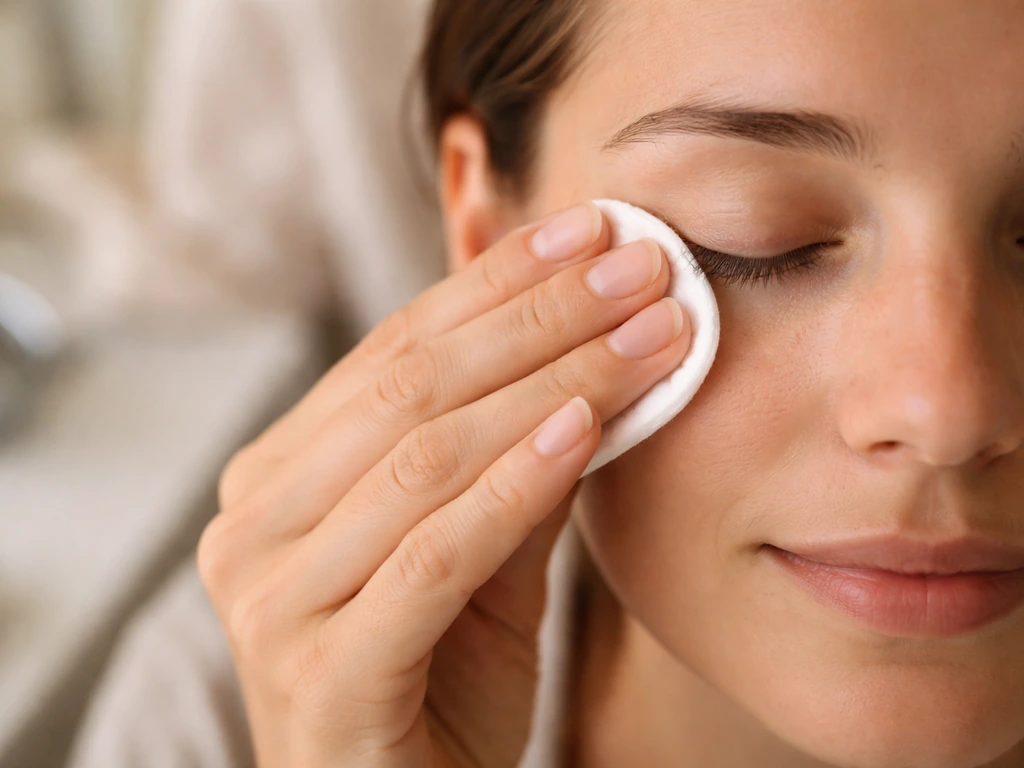
- Remove eye makeup with a micellar water or an oil-based remover applied with a soft cotton pad; press gently against the lash line rather than rubbing or dragging
- Wash eyelids with a diluted baby shampoo or a purpose-made eyelid cleanser using gentle circular motions; rinse thoroughly
- Avoid waterproof mascara for now; it requires more aggressive removal force and the solvents it needs are harder on the follicle environment
- Stop using lash curlers on short, fragile regrowth; mechanical stress at this stage causes snapping that delays visible length
- Apply a nourishing oil (castor, argan, or vitamin E) with a clean mascara wand to the lash base at night; this does not stimulate follicles directly but reduces breakage and keeps the lash shaft conditioned
- Get your bloodwork done: ferritin, full thyroid panel (TSH, free T3, free T4), vitamin D, and zinc; address deficiencies with guidance from your provider
Nutrition and supplementation

Keep taking a postnatal multivitamin. Beyond that, prioritize iron-rich foods (lean red meat, lentils, spinach with a vitamin C source), eggs for biotin and protein, and fatty fish for omega-3s. If your ferritin is confirmed low, an iron supplement with vitamin C for absorption is more targeted than any lash product on the market.
How to choose (or avoid) lash growth products postpartum
Castor oil and carrier oils
Castor oil is one of the most popular at-home lash remedies and the evidence for it is modest but not zero. Its high ricinoleic acid content has anti-inflammatory properties that may support a healthier follicle environment, and it definitely conditions the lash shaft and reduces breakage. Applied nightly to the lash base with a clean wand, it is safe postpartum and low-risk. Just be aware that the visible improvement comes mostly from reduced breakage rather than accelerated growth, so results build over 6 to 8 weeks. Argan oil and vitamin E oil work on a similar conditioning principle.
Biotin: does it actually help?
Biotin supplementation genuinely helps if you are deficient in it, which postpartum people not taking a prenatal or postnatal vitamin sometimes are. If your biotin levels are already normal, adding more biotin does little to accelerate lash growth. The supplement industry markets biotin aggressively for hair and lashes, but the research does not support it as a universal growth booster. If you want to take it, a dose of 2,500 to 5,000 mcg daily is commonly used and safe while breastfeeding, but confirm with your provider. One practical caution: high-dose biotin can interfere with thyroid and troponin lab results, so tell your doctor if you are supplementing before any blood tests.
Over-the-counter lash growth serums
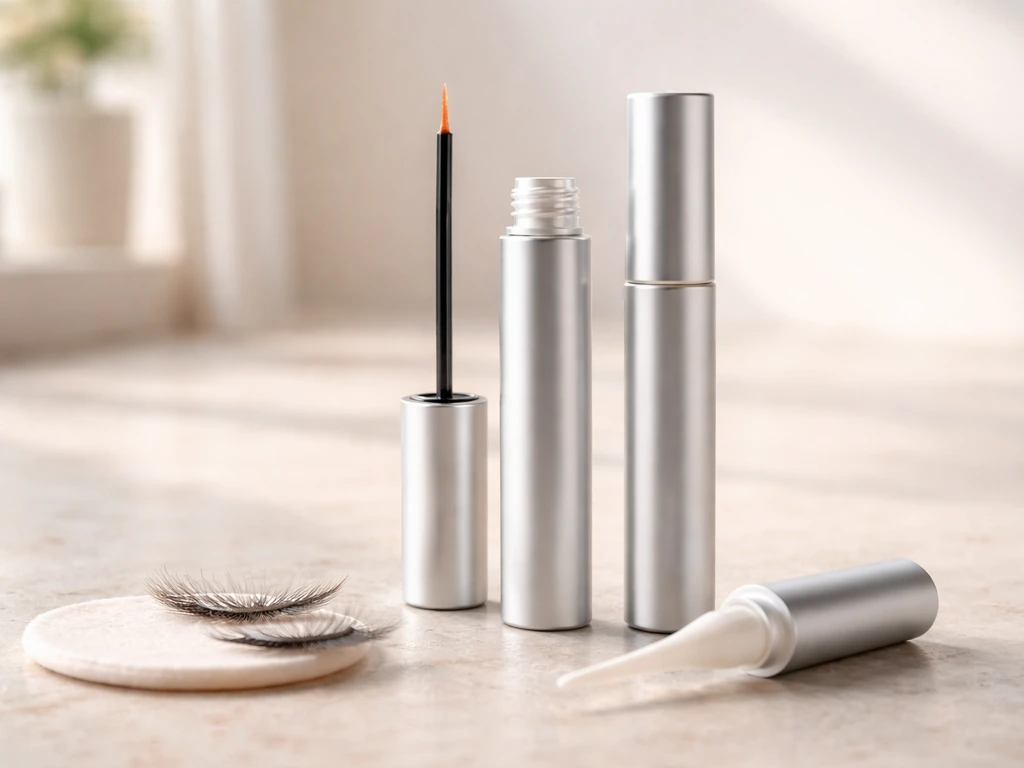
Most OTC serums use peptide complexes, panthenol, or plant-based actives to condition lashes and reduce shedding rather than genuinely extending the anagen phase. They can be a reasonable addition to a healthy lash routine, and many people see better-looking lashes within 8 to 12 weeks, but much of that is conditioning rather than follicle stimulation. Look for serums that list ingredients like myristoyl pentapeptide-17, biotin (topical), panthenol, and hyaluronic acid. These are reasonably well-tolerated around the eye area.
Avoid serums that contain prostaglandin analogs (often listed as isopropyl cloprostenate, dechloro dihydroxy difluoro ethylcloprostenolamide, or similar) without a prescription. These are the same class of ingredient as bimatoprost, which prolongs the anagen phase and is clinically proven to increase lash length. Bimatoprost itself (sold as Latisse) does work, and research confirms its mechanism, but prostaglandin analogs in unregulated OTC formulas carry real risks: periorbital fat loss, iris pigmentation changes, and eyelid skin darkening. During a postpartum period when hormone levels are already fluctuating, the risk-to-benefit ratio of unsupervised prostaglandin use is not favorable.
A side-by-side look at common lash growth options
| Option | Mechanism | Evidence Level | Postpartum Safety | Realistic Timeline |
|---|---|---|---|---|
| Castor oil | Conditions lash shaft, anti-inflammatory at follicle | Low-moderate (mostly anecdotal/in vitro) | High; safe topically | 6–8 weeks for reduced breakage |
| Biotin supplement | Corrects deficiency-related lash loss | Moderate if deficient; weak if not | Safe at standard doses | 3–6 months if deficiency is root cause |
| OTC peptide serums | Conditioning, some growth signaling claimed | Low-moderate; mostly brand-funded data | Generally safe; check for prostaglandins | 8–12 weeks for cosmetic improvement |
| Prescription Latisse (bimatoprost) | Extends anagen phase via prostaglandin receptor | High; multiple clinical trials | Requires clinician oversight; not ideal while breastfeeding without approval | 12–16 weeks for measurable growth |
| Nutritional correction (iron, zinc, D) | Removes deficiency-driven growth inhibition | High for deficiency-driven loss | Safe and recommended | 3–6 months after levels normalize |
When to see a doctor or dermatologist
Most postpartum lash loss resolves on its own, but there are situations where a clinician visit is genuinely warranted rather than optional:
- Lash shedding is still heavy at 6 months postpartum with no signs of regrowth
- You notice patchy loss (missing lashes in distinct areas rather than diffuse thinning across the whole lash line)
- You have itching, burning, flaking, or redness at the eyelid margins that does not resolve with gentle eyelid hygiene
- You are experiencing significant scalp hair loss alongside lash thinning, which can point to thyroid dysfunction or severe nutritional deficiency
- You have symptoms of postpartum thyroiditis: fatigue beyond normal new-parent tiredness, unexplained weight changes, heart palpitations, or mood shifts
- You want to discuss prescription options like Latisse and need clearance, particularly if you are still breastfeeding
Patchy lash loss especially warrants attention because conditions like alopecia areata (an autoimmune condition that can be triggered postpartum) and blepharitis-related follicle damage cause localized loss rather than diffuse shedding. Both are treatable, but they require different approaches than the general postpartum shedding timeline. Similarly, if you experienced significant lash loss after chemotherapy or if other medical conditions are in the picture, the recovery pathway and timeline differ meaningfully from straightforward postpartum shedding.
What to realistically expect: thickness and length vs true regrowth
There is an important distinction worth understanding before you spend money on products: true regrowth (a new lash growing from a healthy follicle after telogen) is different from the cosmetic improvement you get from conditioning products that reduce breakage and make existing lashes look better. Both are happening postpartum, and both matter, but they operate on different timelines.
True regrowth will get you back to your pre-pregnancy baseline. Most people do return to their baseline lash density and length within 9 to 12 months postpartum. If you are wondering do eyelashes grow back after 50, the answer depends on the cause of thinning, but the follicle cycle can still recover in many people. What you will not get from any at-home remedy is lashes that are permanently longer or thicker than your genetic baseline. Conditioning oils and OTC serums optimize what you have; they do not rewrite your follicle's programming. Prescription-level options like bimatoprost can measurably extend lash length and thickness beyond your natural set point, but they require ongoing use to maintain the effect, and as noted above, they need clinician oversight especially in the postpartum window.
The most useful mindset here is patience with a plan. You are not going to fix postpartum lash loss in four weeks with any product. But a consistent routine of gentle care, nutritional support, reduced mechanical damage, and addressing any underlying deficiencies genuinely does accelerate and improve the recovery you would get from doing nothing. That is a realistic and worthwhile goal.
If you are also navigating lash changes from other causes, whether age-related thinning later in life or lash loss from medical treatments, the core biology of the follicle cycle applies in similar ways, though the hormonal context and recovery timelines differ. After menopause, lash shedding and regrowth follow similar follicle-cycle biology, but hormone changes can make the timing and fullness different from your pre-menopause baseline age-related thinning later in life. The principles of supporting follicle health through nutrition, reduced irritation, and appropriate topical care remain consistent across recovery scenarios.
FAQ
How can I tell if I am shedding lashes versus breaking them?
Shedding usually means you see full lashes with a tiny bulb at one end, while breakage looks like shorter, jagged fragments and more “missing” spots without obvious bulbs. Conditioning serums and oils mainly help breakage, so if most of what you lose is breaking, you may notice improvement sooner (weeks) than if you are in a true telogen shedding phase (months).
Will lash perm, tinting, or extensions delay regrowth postpartum?
They can. Chemical processing and aggressive removal can add mechanical stress right when follicles are cycling back, so delaying new tinting, lifting/perming, and hard-glue extension cycles until shedding has clearly slowed is a safer choice. If you do them, use fewer sessions and stop if you get burning, persistent redness, or increased flaking at the lash line.
Is it safe to use castor oil or lash oils while breastfeeding?
In general, topical lash oils are low risk when kept only on the lash line and not into the eye, but reactions vary. Patch-test first (on eyelid skin away from the lash line), and stop if you notice itching, swelling, or watery eyes, since irritation can worsen inflammation-related shedding.
If I am past 6 months postpartum, what specific labs are most useful?
Ask your clinician about thyroid function tests (often TSH with free T4), ferritin and iron studies if not already checked, and, if breastfeeding with ongoing symptoms, whether prolactin should be evaluated in your specific case. Also mention vitamin D, and consider that zinc deficiency is possible, but do not rely on supplements without confirming the need.
Do all lash growth serums actually grow new lashes?
Many improve appearance by reducing shedding and breakage, not by increasing the number of lashes in active growth. A practical way to judge is timeline and pattern: conditioning-based products usually make lashes look better first, then shedding gradually decreases, whereas true follicle stimulation (when prescribed) is more likely to show a lengthening effect that continues with use.
When should I suspect alopecia areata or another non-postpartum cause?
Consider a medical evaluation if loss is clearly patchy, brows or other hair areas are changing too, you have sudden clumps with visible bald spots, or you develop new scalp symptoms. Patchy lash loss is a key clue because the management differs from typical diffuse telogen effluvium.
Can stress, lack of sleep, or postpartum anxiety affect lash recovery?
Yes. Elevated cortisol from chronic sleep deprivation can shorten the growth phase and prolong shedding. It will not “break” follicles permanently, but it can slow the timeline, so prioritizing even small sleep windows and reducing late-night eye rubbing can make a measurable difference over a few months.
Is it okay to rub my eyes if my lashes are falling out?
Try to avoid it. Eye rubbing increases eyelid margin irritation and can worsen blepharitis-related shedding, plus it increases lash breakage. If you have itchiness, treat the underlying irritation and use gentle cleansing instead of mechanical friction.
What eyelid hygiene steps are most helpful for postpartum blepharitis?
Look for redness, flaking, or itching along the lash line and focus on consistent gentle cleaning at the eyelid margin using a lid-safe cleanser. Avoid harsh scrubs and skipping cleansing during flare-ups, since persistent inflammation can keep lashes in a disrupted cycle even after hormonal shedding starts to settle.
If I used a prostaglandin-type lash serum before pregnancy, will it affect regrowth postpartum?
It can. Prostaglandin analogs can alter the lash growth cycle while you are using them, and stopping may lead to a different shedding pattern. If you used one, tell your clinician or pharmacist, especially before starting an additional growth-active product, since overlapping actives can raise irritation risk and complicate tracking true regrowth.
Will lashes grow back the same length and thickness as before, or is that not guaranteed?
Most people return close to their baseline, typically within 9 to 12 months, but exact matching is not guaranteed because genetics and follicle cycling can vary with postpartum hormone recovery. If you want to set expectations, track photos in the same lighting monthly and compare density first, then length, since conditioning can mask small differences early on.
Next Article
Do Eyelashes Grow Back After 50? Timelines and Care
See if eyelashes regrow after 50, realistic timelines, causes of loss, and safe care and serums to support regrowth.