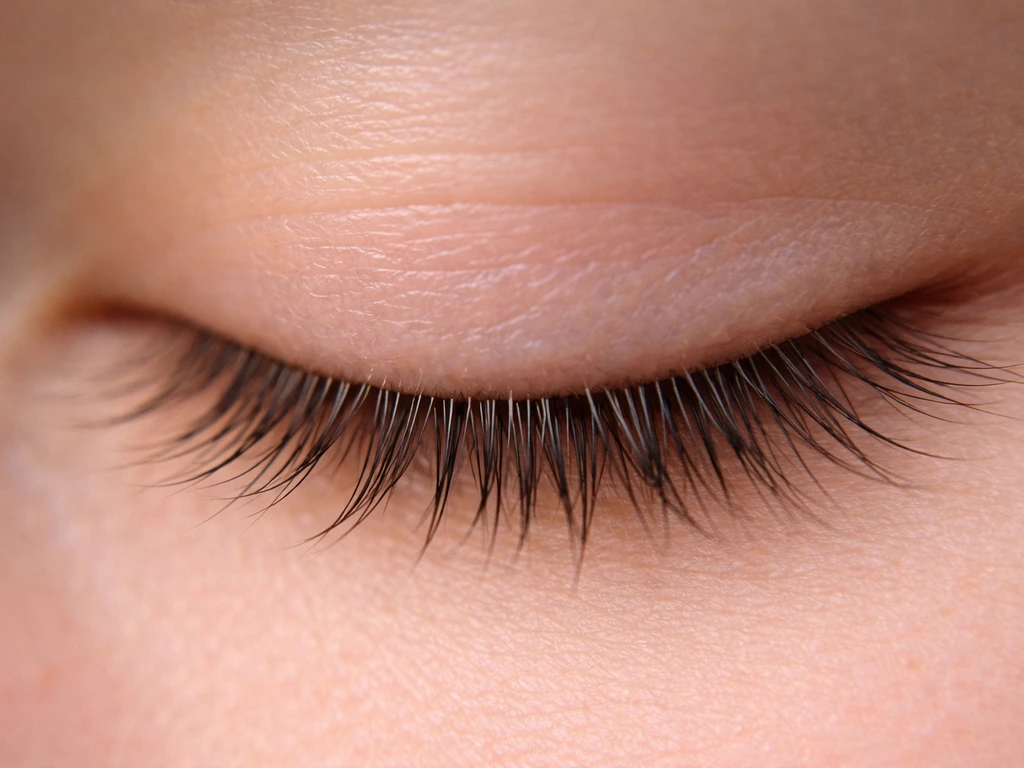
Wild Growth Hair Oil is not formulated for eyelash growth, and there is no clinical evidence it grows lashes. It can be applied near the lash line, but it carries real irritation and allergy risk in that area, and any results you see will come from its oils (castor, jojoba, coconut, olive) conditioning and protecting existing lashes rather than stimulating new growth at the follicle. If you want actual lash growth, there are better-supported options worth knowing about.
Can Wild Growth Grow Eyelashes? What to Expect and Safety
Rachel Nguyen
18 Jun 2026
What Wild Growth actually is (and what the lash-growth claims really mean)

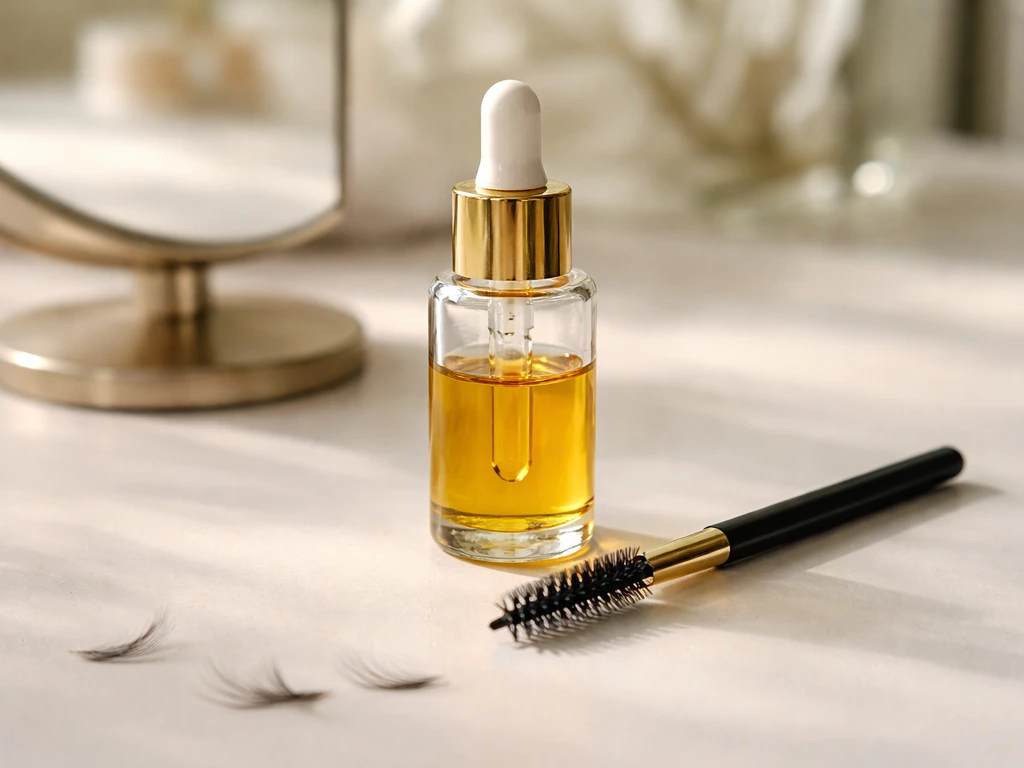
Wild Growth Hair Oil is a blend of plant-based oils, including coconut oil, castor oil (USP), olive oil, jojoba oil, safflower oil, rice bran oil, flaxseed oil, chamomile, and evening primrose oil. The brand markets it as an all-natural haircare product for scalp and hair, not as a dedicated eyelash serum. You will find it at Walmart, Sally Beauty, and similar retailers positioned firmly in the hair aisle.
When people ask whether Wild Growth can grow eyelashes, they are usually asking one of two things: does the oil nourish lashes enough to reduce breakage and make them appear fuller, or does it actually trigger new follicle activity? Chronic irritation or inflammation at the lash base can also affect how lashes grow, so it is important to address eyelid or follicle issues when you notice unusual changes can an eyelash grow inside eyelid. Those are very different questions. The first is plausible given the oils involved. The second has no clinical backing for this specific product. Wild Growth is not FDA-approved for eyelash growth, has no large controlled trials behind it for lashes, and is not formulated the way dedicated lash-growth serums are.
That does not mean every claim about it is nonsense. Castor oil in particular has a long track record of anecdotal lash use, and the conditioning properties of the oil blend may reduce mechanical breakage. But "less breakage" is not the same as "grows new lashes," and that distinction matters a lot when you are trying to restore lashes after damage or extensions.
How eyelash growth actually works
Every lash goes through three phases: anagen (active growth), catagen (transition and degradation), and telogen (resting). During anagen, the follicle is producing a new hair shaft. That phase lasts roughly 4 to 10 weeks for lashes, which is much shorter than scalp hair. The place where lashes grow is the eyelash follicle at the lash line, which is why follicle health matters for growth place where lashes grow crossword clue. After catagen, the lash enters telogen, rests, then the cycle starts over. The full lifespan of a single eyelash can range anywhere from about 4 to 11 months depending on the individual.
What determines your lash length and thickness is mostly genetic, but follicle health plays a big supporting role. Chronic inflammation at the lash base (from conditions like blepharitis), repeated rubbing, over-use of extensions, aggressive makeup removal, or nutritional deficiencies can all shorten the growth phase or cause premature shedding. Corner-only lash thinning is often related to eyelid inflammation such as blepharitis or irritation from rubbing, so treating the cause matters for regrowth. That is why addressing the underlying cause of lash loss matters more than any topical product. If your follicles are healthy and intact, the right approach is to protect them and let the cycle run. If the follicles are damaged or inflamed, you need to treat that first.
It is worth noting that lash concerns sometimes point to something structural happening at the lid, like lashes growing in an unusual direction. If your eyelashes are growing inward, that is typically called lash misdirection or trichiasis, and it may need medical evaluation lashes growing in an unusual direction. Those situations are worth understanding separately since they involve the follicle's orientation, not just its growth cycle.
Can Wild Growth realistically grow your lashes?
Realistically, no, not in the clinical sense of the word "grow." Wild Growth contains no prostaglandin analogs, no bimatoprost, no peptide complexes, and no ingredient with demonstrated follicle-stimulating activity specific to eyelashes. Its ingredients are primarily emollient and occlusive oils. Here is what those oils can and cannot do:
- Castor oil: coats the lash shaft to reduce moisture loss and friction; some evidence suggests it may support a healthy scalp environment, but no controlled trials confirm it triggers lash follicle activity
- Jojoba oil: closely mimics sebum, so it conditions without heavy build-up; good for the lash line skin but not a growth stimulant
- Coconut oil: penetrates the hair shaft better than most oils, reducing protein loss and breakage; useful for keeping existing lashes intact
- Olive oil: emollient and antioxidant properties; supportive of skin health around the lash line but no follicle-growth mechanism
- Evening primrose and flaxseed oils: contain fatty acids that support skin barrier function; no lash-growth evidence
The honest summary: if your lashes look sparse because they are breaking or falling out from dryness, friction, or poor condition, the oil blend in Wild Growth could help them look better and survive longer on the lash. In other words, eyelash growth starts at the lash follicle, and new lashes replace older ones through the natural growth cycle fix that. That is legitimate, and it is worth something. But if your lashes are thin or short because of follicle-level issues, hormonal changes, or a condition like alopecia, Wild Growth is not going to fix that.
Eye safety: what you need to know before applying anything near your lash line
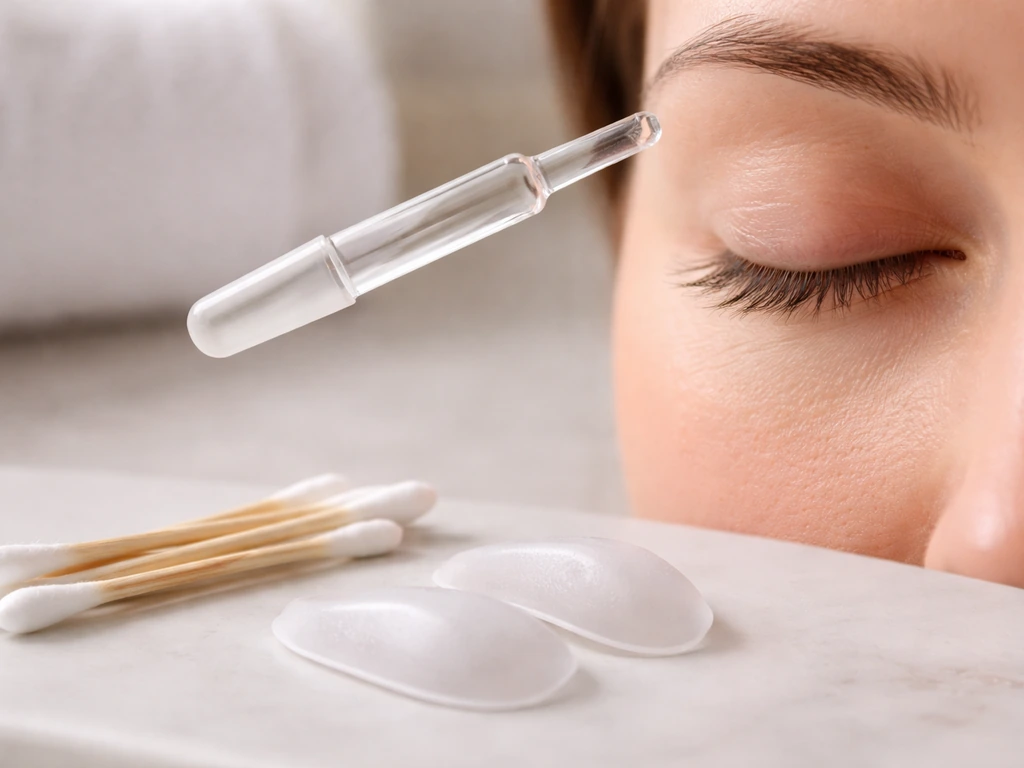
Wild Growth Hair Oil is formulated for the scalp and hair, not for the periocular area. That matters because the skin around the eye is thinner, more permeable, and far more sensitive than the scalp. Oils and fragrance components that are fine on your head can cause irritation, allergic contact dermatitis, or a burning sensation when they migrate into the eye.
The FDA requires that eye-area cosmetics meet specific labeling and ingredient-declaration standards precisely because the eye is vulnerable. Wild Growth is not classified or tested as an eye cosmetic. That does not make it automatically dangerous, but it does mean no one has systematically evaluated it for eyelid or conjunctival safety.
Before applying any oil or serum near your lash line, do a patch test: apply a small amount to your inner wrist or behind the ear, wait 24 to 48 hours, and check for redness, itching, or swelling. If you react there, do not put it anywhere near your eye. Even without a traditional allergy, oils applied at the lash margin can migrate onto the cornea and cause blurred vision or redness. There are real user reports of painful red eyes, skin discoloration, and chronic itchy swelling on the lash line following use of products applied in this area.
Stop using it immediately if you experience any of the following: redness or irritation that persists more than a day, swelling of the eyelid, stinging when you blink, blurred vision, or any change in the skin color around the eye. These are not "adjustment period" effects; they are signals to stop and potentially see a doctor.
What results to expect and how long it takes
If you decide to try Wild Growth on your lashes, set your timeline at 6 to 12 weeks minimum before drawing any conclusions. This is because the anagen phase itself lasts 4 to 10 weeks, so you need at least one full cycle to pass before you can meaningfully evaluate anything. Early in that window (weeks 1 to 3), any change you notice is likely due to the conditioning effect: lashes are shinier, feel less dry, and may appear slightly fuller because they are less prone to snapping mid-shaft.
Signs it is working in a conditioning sense: fewer lashes on your pillow or makeup brush, existing lashes that look glossier and lie more uniformly, and slightly fuller appearance because breakage is reduced. Signs it is not working and you need a different approach: continued or worsening lash loss after 8 to 10 weeks, new patches of sparse growth, or any eyelid irritation. Thinning that continues despite consistent use is more likely a systemic or follicle-level issue, not something an oil blend will resolve.
How to use it without making things worse
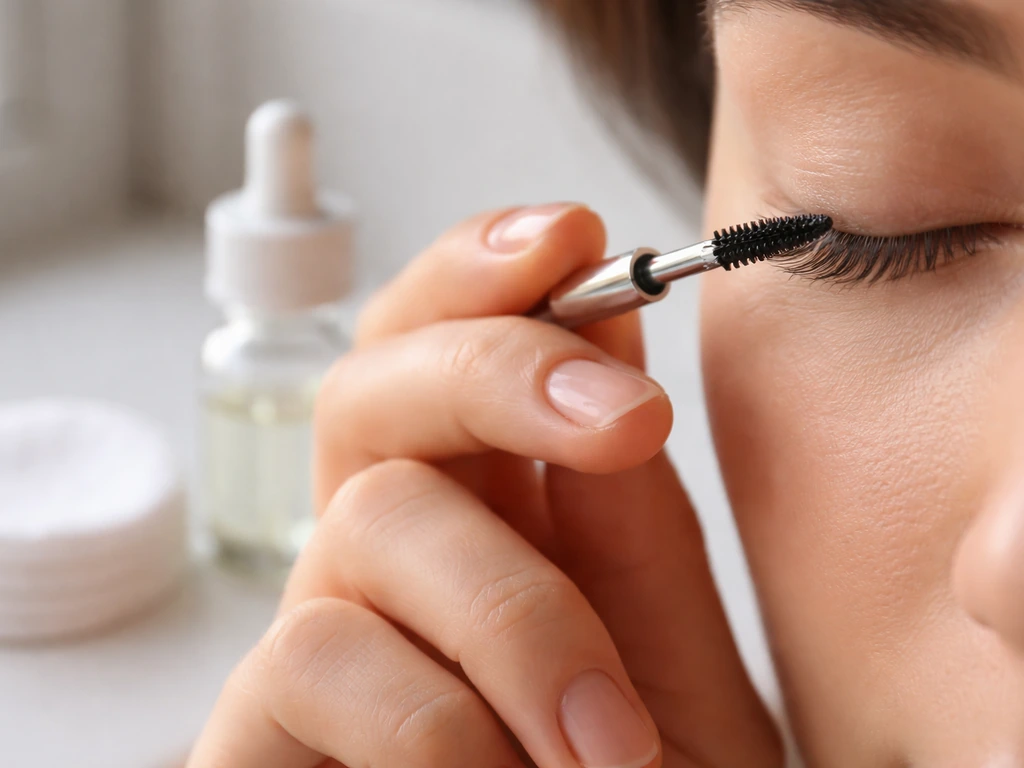
If you are going to use Wild Growth on your lashes, do it carefully and minimally. A tiny amount goes a long way, and more is genuinely worse here because excess oil can migrate into the eye, clog meibomian glands along the lid margin, or contribute to blepharitis-like irritation.
- Remove all eye makeup first with a gentle, oil-compatible remover so you are applying to a clean lash line
- Use a clean mascara wand or a cotton swab to apply the smallest amount you can manage, targeting the mid-shaft to tip of the lash rather than directly at the skin of the lash line
- Blot any excess immediately with a clean tissue before it can drip toward the eye
- Apply at night before bed so it has time to absorb and you are not blinking product into your eyes all day
- Do this no more than once daily, and consider every other night if your skin is sensitive
- Wash your hands before and after; do not let the applicator touch your eye directly
- If you wear contact lenses, remove them before application and wait until morning to reinsert
Beyond the oil itself, your daily habits matter as much as anything you apply. Avoid rubbing your eyes, which is the fastest way to break lashes at the root. Use a silk or satin pillowcase to reduce overnight friction. Remove mascara gently and never sleep in it. These habits protect the follicle environment and keep the growth cycle running cleanly.
Options that may work better: a practical comparison
If actual lash growth (not just conditioning) is the goal, Wild Growth is not your strongest option. Here is how it stacks up against the alternatives with more evidence behind them.
| Option | Mechanism | Evidence level | Timeline | Key risk |
|---|---|---|---|---|
| Wild Growth Hair Oil | Conditions and protects lash shaft via emollient oils | Anecdotal only; no controlled lash trials | 6-12 weeks for conditioning effects | Eye irritation if it migrates; not tested as eye cosmetic |
| Castor oil (alone) | Same conditioning mechanism; ricinoleic acid may support follicle environment | Mostly anecdotal; no rigorous lash RCTs | 6-12 weeks | Same migration/irritation risk; can cause meibomian gland issues |
| OTC lash serums with peptides/biotin | Peptides may support keratin production; biotin supports hair protein synthesis | Limited but stronger than plain oils; ingredient-level research exists | 8-12 weeks with consistent use | Variable quality; some contain unlisted prostaglandin analogs |
| Prostaglandin analog OTC serums | Extend anagen phase; increase melanin and follicle size | Moderate; mechanism mirrors prescription bimatoprost | 8-16 weeks | Iris pigment change, periorbital fat loss, blepharitis, redness (RANZCO caution) |
| Latisse (bimatoprost 0.03%, prescription) | Prostaglandin analog; proven anagen extension and follicle enlargement | Highest: FDA-approved in 2008, multiple RCTs | 4-16 weeks; once-daily application to upper lid margin | Requires prescription; iris darkening, eyelid skin darkening, unwanted hair growth if it migrates |
| Biotin supplementation | Supports keratin infrastructure throughout the body | Evidence is strongest for deficiency-related hair loss; modest benefit otherwise | 3-6 months | Minimal systemic risk; can interfere with some lab tests at high doses |
The recommendation depends on your situation. If your lashes are just dry and breaking, a nightly castor oil or conditioning treatment is a reasonable, low-risk starting point and Wild Growth fits in this category. If you have genuinely thin lashes with slow growth and healthy follicles, an OTC peptide serum is a reasonable next step up. If you have significant lash loss (hypotrichosis) and want real clinical results, Latisse is the only FDA-approved option, and that conversation starts with a dermatologist or ophthalmologist. Prostaglandin analog OTC serums occupy a gray area: they can work, but ophthalmology groups like RANZCO have issued cautions about their side effects, including ocular irritation, hyperpigmentation, and periorbitopathy with prolonged use. RANZCO has cautioned that prostaglandin analogue eyelash-growth serums can cause unwanted persistent effects with sustained cosmetic use prostaglandin analog OTC serums occupy a gray area. They are worth approaching carefully, especially if you have any history of glaucoma or intraocular pressure concerns.
When to stop self-treating and see a doctor
Most lash thinning from extensions, over-curling, or rough makeup removal will resolve on its own within one to two growth cycles (roughly 2 to 4 months) if you remove the cause and keep the follicle environment healthy. But there are situations where DIY approaches, including Wild Growth, are not enough and can even delay proper treatment.
- Lash loss that is patchy, asymmetric, or accompanied by eyebrow thinning (could indicate alopecia areata, thyroid dysfunction, or other systemic conditions)
- Eyelid inflammation, crusting, or stickiness along the lid margin that keeps coming back (possible blepharitis, which can eventually cause lash loss, scarring, or misdirected lash growth if untreated)
- Lash loss that started after a new medication, hormonal change, or illness
- Any history of eyelid trauma or scarring that has disrupted the follicle line
- Lashes that are growing in abnormal directions, toward the eye rather than away from it
- Persistent irritation, swelling, or skin changes around the eye after using any topical product
Cleveland Clinic identifies multiple treatable causes of eyelash loss, and Johns Hopkins notes that blepharitis specifically can cause lash loss, clogged meibomian glands, and even scarring of the eyelid over time. Merck Manual adds that untreated blepharitis can lead to lash misdirection (trichiasis), which is a structural problem, not a cosmetic one. A dermatologist can diagnose the root cause and, if appropriate, prescribe bimatoprost or refer you to an ophthalmologist. An oil blend, however good the ingredients are, is not a substitute for that evaluation when the underlying issue is medical.
The bottom line: Wild Growth Hair Oil is a legitimate conditioning product for hair, and some of its oils are genuinely useful for keeping existing lashes healthy and reducing breakage. But it is not a lash-growth product in any clinical sense, it has not been tested for eye-area safety, and it should not be your first or only answer if lash loss is real and persistent. Use it carefully if you use it at all, and know what the signs are that it is time to talk to a doctor instead.
FAQ
If Wild Growth cannot create new lashes, can it still make my lashes look longer or fuller?
Yes, mainly through reduced dryness and breakage (conditioning). You may notice a shinier, more uniform lash look within 2 to 3 weeks, but true length changes beyond that are usually limited because your total number of lashes is set by the natural cycle and genetics.
How close to the lash line is “safe” if I try it anyway?
Use it only on the upper lash shaft area, not at the lash margin or directly on the eyelid skin. Leave a clear gap from the roots, and stop if any product creeps toward the eye, since migration can increase irritation and blurred vision risk.
What’s the best way to apply so it does not get into my eyes?
Apply with a clean micro-applicator or cotton swab using a very small amount, then blot any excess before it reaches the eye. Avoid layering multiple nights, because buildup raises the chance of getting oil into the eye during blinking or sleep.
Can Wild Growth worsen blepharitis or clogged meibomian glands?
It can, especially if excess oil collects along the lid margin. If you have flaky lids, oily debris at the lash base, burning, or morning crusting, prioritize eyelid hygiene first and avoid heavy oiling near the margin.
How long should I wait before deciding it is not helping?
Use a 6 to 12 week window for a fair look, because lash growth cycles for lashes are about 4 to 10 weeks. If you see ongoing lash loss, new sparse patches, or irritation before that, stop earlier and switch to investigating the cause rather than continuing.
Is patch testing enough for eye-area reactions?
It helps but is not fully protective, because the eyelid area can react differently than your wrist or behind the ear. Even after a negative patch test, stop if you notice stinging, redness that persists past a day, swelling, or color changes around the eye.
Can I use Wild Growth if I wear contact lenses?
It is riskier. Oil near the eye can blur vision and interfere with lens comfort, and if it migrates it may cling to the lens. If you try it at all, use it only when you can avoid lens wear for several hours, and discontinue if you notice visual changes.
What if my lashes are thinning at the inner or outer corners only?
Corner-only thinning often points to eyelid inflammation or rubbing patterns rather than a lack of nourishment. If you have itch, redness, flakes, or recurrent irritation, treating blepharitis-like issues is usually more effective than adding oils.
What symptoms mean I should see a doctor instead of trying to self-treat?
Seek evaluation if you get persistent burning, eyelid swelling, blurred vision, lash loss that continues despite stopping irritants, misdirected lashes turning inward, or visible scarring or skin changes on the eyelid margin.
Can Wild Growth affect the skin around my eyes (darkening, bumps, irritation)?
Yes, contact dermatitis or irritation can cause redness, itching, and sometimes darker discoloration after inflammation. If you notice periorbital redness, roughness, or persistent pigmentation, stop immediately and switch to a doctor-guided plan.
Is it ever reasonable to start with a different approach before trying Wild Growth?
If your goal is “new growth,” start with options that are actually designed for lashes (or talk to a dermatologist/ophthalmologist for significant loss). If your lashes are just dry, a simpler conditioning product used sparingly and kept away from the lash margin can be a lower-risk first step than an oil blend meant for scalp hair.
Next Article
Place Where Lashes Grow Crossword Clue Answer Guide
Translate place where lashes grow into likely crossword answers like lash line or eyelid margin using anatomy and letter