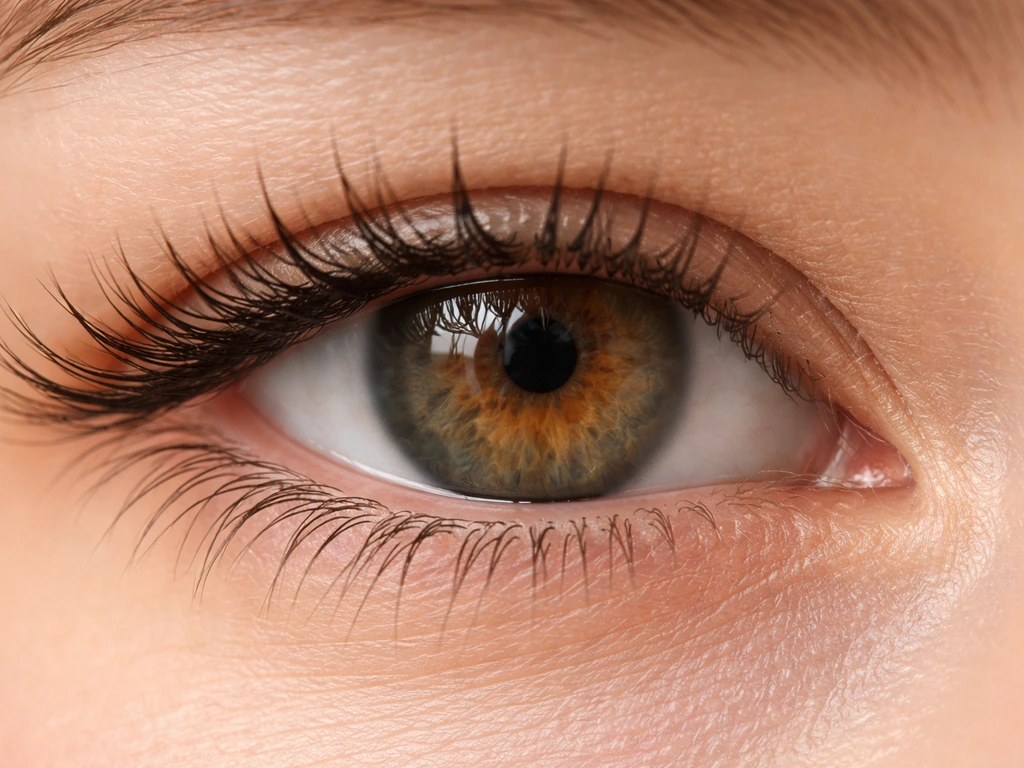
The most likely crossword answer for 'place where lashes grow' is LID (3 letters). If the grid gives you more space, EYELID (6 letters) is the next best fit. Both show up repeatedly in crossword databases for clues phrased exactly like this one, and the anatomy backs them up perfectly: eyelashes grow out of follicles embedded in the eyelid margin, so 'lid' is about as precise and crossword-clean as it gets.
Place Where Lashes Grow Crossword Clue Answer Guide

Rachel Nguyen
16 Jun 2026
What this clue is really asking
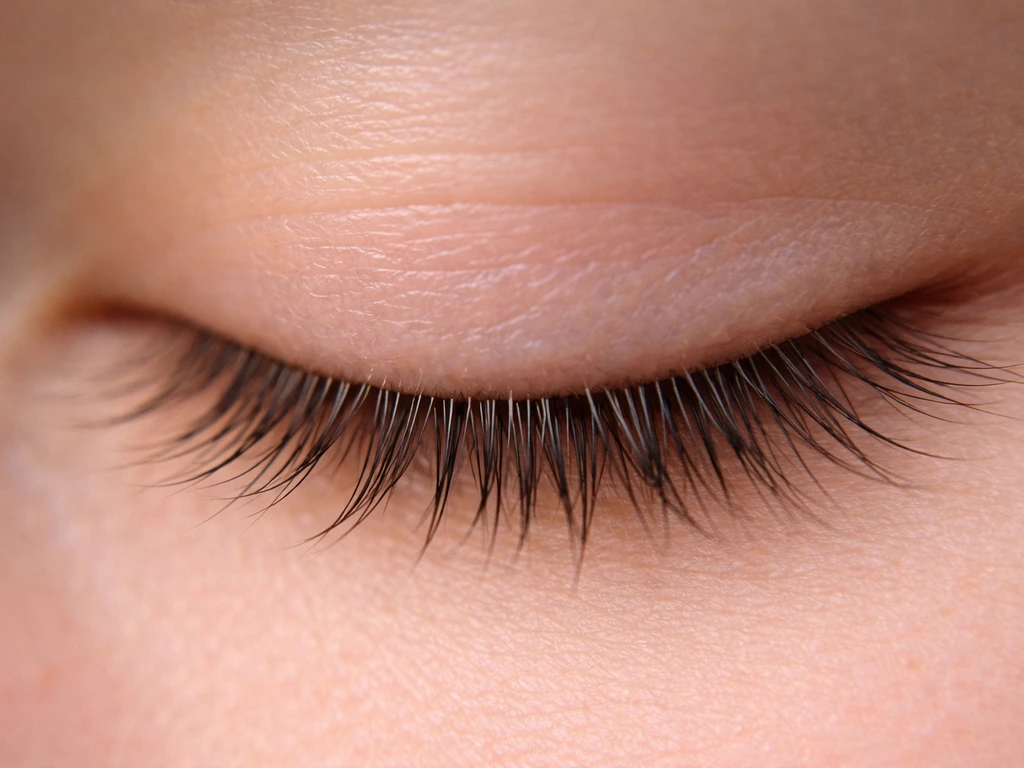
Crossword clues about lashes almost always point to anatomy, not mascara. 'Place where lashes grow' is a location clue, which means the answer is a noun describing a specific spot on the body. The clue is not asking what lashes are, what they do, or what you put on them. It wants the location. That single word 'place' is your signal to think in terms of body-part geography, and the body-part geography for eyelashes starts and ends at the eyelid.
Crossword databases confirm this directly. The clue 'LASH LOCATION' maps to LID (3 letters), and 'LASH LOCALE' maps to both LID (3 letters) and EYELID (6 letters). These are not obscure answers. They are the standard, repeated solutions for any clue that pairs 'lash' with a location word. If your clue is worded slightly differently, like 'lash locale,' 'lash location,' or 'place where lashes grow,' all roads lead to the same two answers.
The anatomy behind the answer
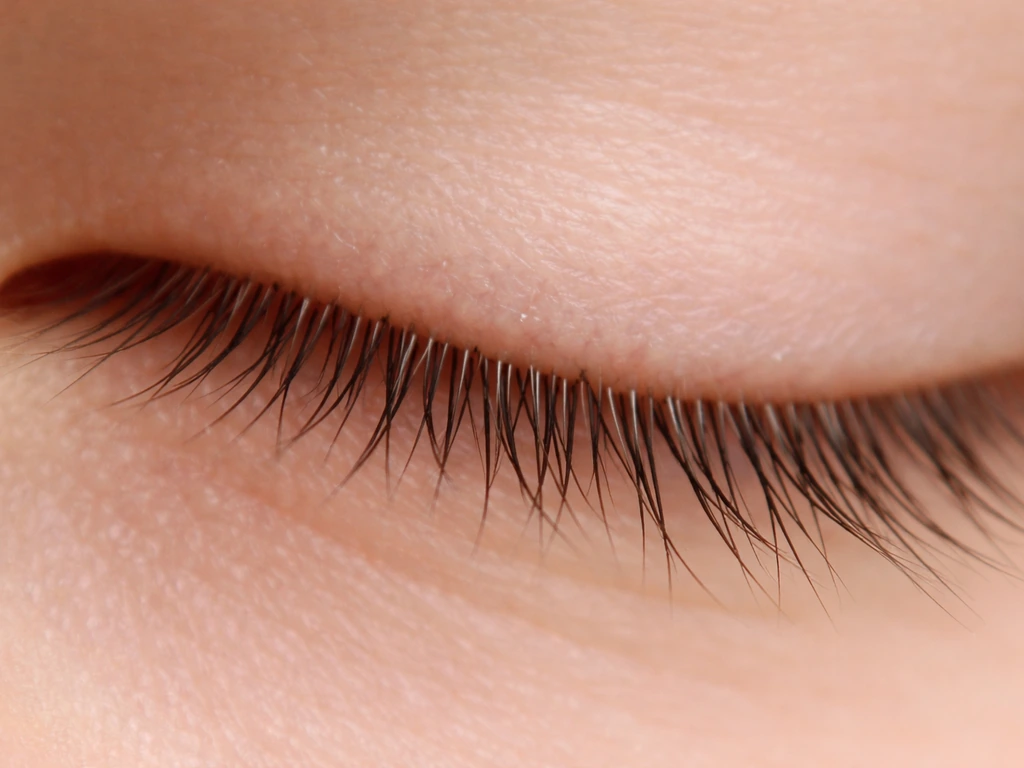
Understanding why LID and EYELID are correct (not just popular guesses) makes it easier to rule out wrong answers confidently. Eyelashes are short hair strands that grow from follicles blank" rel="noopener noreferrer">arranged in two to three rows along the margin of the eyelid. The lash line, which is the most anterior line along the eyelid margin, is the specific site of origin. Follicles sit just beneath the skin of the lid margin, and associated glands (Zeis and Moll) sit right behind them. The entire system is anchored to the eyelid, not to the general skin of the face, not to the brow, and definitely not to the eyeball itself.
The lash line is the technical name for the strip where follicles open onto the skin surface. It is the most precise anatomical term for 'place where lashes grow,' but it is also two words and eight letters, which makes it awkward for most crossword grids. That is exactly why constructors compress it to LID or EYELID. Same concept, crossword-legal length.
Upper vs. lower eyelid: does the clue care?
Both the upper and lower eyelids grow lashes, so neither one is more 'correct' than the other for this clue. The upper lid carries more of them, roughly 100 to 150 lashes arranged in multiple rows, while the lower lid carries about 50 to 75. The upper lid also has a higher percentage of active follicles at any given time. But for crossword purposes, neither UPPER nor LOWER is going to be the answer here. The clue says 'place where lashes grow,' not 'place where most lashes grow.' The answer covers both lids, which is exactly why LID (singular, generic) works so cleanly.
Short crossword synonyms that fit this clue

Here are the realistic candidate answers ranked by how often they appear and how well they fit location-style clues about eyelashes.
| Answer | Letter Count | Fit for This Clue | Notes |
|---|---|---|---|
| LID | 3 | Best | Most common crossword solution for lash location clues; confirmed match for 'LASH LOCATION' and 'LASH LOCALE' |
| EYELID | 6 | Very good | Confirmed match for 'LASH LOCALE'; less common than LID but fully valid |
| LASH LINE | 8 (two words) | Anatomically precise | Rare in grids due to length and spacing; unlikely but possible in themed puzzles |
| LID MARGIN | 9 (two words) | Clinical, not common | Used in ophthalmology literature; almost never appears in standard crosswords |
| SKIN | 4 | Too vague | Lashes do emerge from skin, but 'skin' misses the specific location entirely |
| EYE | 3 | Too broad | Lashes grow on the lid, not the eyeball; common wrong guess |
Notice that EYE and SKIN are both traps here. EYE feels intuitive because lashes are near the eye, but lashes do not grow from the eyeball. If you are wondering whether eyelashes can grow into your eye, that is the same intuition EYE tries to give you, but it is not how lash follicles are anchored can grow into your eye into your eye can grow. They grow from the eyelid. SKIN is technically true at a microscopic level (follicles are in the skin), but no crossword constructor would use SKIN for a lash-location clue when EYELID and LID exist. Avoid both.
Watch out for the eyebrow trap
One more wrong-answer zone worth flagging: eyebrow-related answers like BROW or SUPERCILIARY. Eyebrows are also facial hair that grow from follicles, and some clues about 'brow hair' can look similar to lash clues. But lashes and brows are anatomically and functionally distinct. Lash follicles are embedded in the eyelid margin. Brow follicles are in the skin above the orbital ridge. If the clue says 'lashes' specifically (not 'brow hairs' or 'facial hair'), any BROW-related answer is wrong. Stick with the lid.
How to lock in the right answer using the grid
Once you have LID and EYELID as your two candidates, the grid itself will tell you which one to use. Here is the practical verification process.
- Count the blank squares in the answer slot. Three squares means LID. Six squares means EYELID. That single check eliminates one of the two candidates immediately.
- Check crossing letters. If the grid already has a confirmed letter in the first position and it is an L, both LID and EYELID work (LID starts with L; EYELID has L as its third letter, so position matters). Map each crossing letter against both candidates before committing.
- If the crossing letters fit neither LID nor EYELID, revisit whether the clue might be phrased as 'lash locale' with a slightly different intended answer. LASH LINE (8 letters) is possible in themed puzzles, so count again.
- If you still have two viable options, look at the difficulty level of the puzzle. Monday and Tuesday crosswords almost always use LID for short anatomy clues. Thursday and beyond puzzles might stretch to EYELID or a trickier phrasing.
- When in doubt between LID and a 3-letter alternative like EYE, go with LID. Crossword databases list LID as having 74 reported solutions across clue types, including confirmed lash-location clues. EYE does not have that same track record for this specific clue wording.
A quick note on related lash biology questions
If solving this clue sparked a genuine curiosity about lash anatomy, you are not alone. Some people also wonder, can wild growth grow eyelashes, and whether it would affect normal lash growth patterns. The crossword answer (eyelid or lid) points to one of the more interesting micro-anatomical structures in the human body. Lash follicles at the lid margin are also where conditions like trichiasis occur, where lashes grow inward toward the cornea rather than outward.
There are also cases of distichiasis, where lashes grow from the meibomian glands along the posterior eyelid margin instead of the normal anterior position. Trichiasis is a disorder in which misdirected eyelash growth occurs, and Merck Manual lists causes including blepharitis and distichiasis.
These are exactly the kinds of lash growth anomalies covered elsewhere on this site, including discussions of what it is called when eyelashes grow inward and whether an eyelash can grow inside the eyelid. The crossword answer LID is not just a puzzle convenience. It reflects where all of these growth patterns, normal and abnormal, actually originate.
FAQ
Would the plural form of the clue change the answer?
If the clue uses plural framing like “places where lashes grow” or “lash sites,” the answer may still be LID or EYELID because both eyelids are valid sites. Only choose a plural form if your grid length and cross letters clearly force it, since the standard crossword convention is the generic “lid.”
If the clue is about lashes growing inward, do I use a different location term?
“Inward-growing lashes” (trichiasis) do not originate from a different body part. The lashes still develop from the eyelid margin, so the crossword answer remains LID/EYELID, not something like CORNEA or EYE.
What if the clue is hinting at distichiasis or extra rows of lashes?
Distichiasis can create extra lash growth along the posterior eyelid margin, but it is still within the eyelid. A constructor will typically keep the clue generic, so LID or EYELID remains the best fit.
How do I decide between LID (3) and EYELID (6) when both seem possible?
If a grid gives you 3 letters, LID is usually the single clean choice, while EYELID is only viable when the answer length is 6. If you see a 6-letter slot, EYELID is the more specific default.
Why is EYE a common wrong answer for this clue?
Avoid EYE, since eyelash follicles are attached to the eyelid margin, not the eyeball. If cross letters suggest EYE, treat it as a trap and look again at eyelid-related options.
Is SKIN ever acceptable if I think of follicles living in skin?
Avoid SKIN even if you know the microscopic detail that follicles sit within skin. Crossword clues for “place” typically target the visible anatomical landmark, which is the eyelid margin, not a general layer like skin.
Could the answer be UPPER LID or LOWER LID?
Upper vs lower eyelid never matches this clue’s meaning, because the wording asks for the general location. Choose UPPER or LOWER only if the clue explicitly says “upper eyelid” or “lower eyelid,” otherwise LID/EYELID fits better.
Do clue rephrasings like “lash locale” or “lash location” still point to the same answers?
If the clue is written as “lash locale” or “lash location,” it maps to the same standard answers, LID or EYELID, because “locale/location” signals a body-part geography prompt. The only real decision point is grid length and cross letters.
Next Article
Why Do Eyelashes Grow in the Corners of Your Eye?
Learn why corner lashes grow differently, spot common causes, and get safe steps for regrowth and when to see a clinicia