Dorzolamide does not make eyelashes grow. It is a carbonic anhydrase inhibitor used to lower eye pressure in glaucoma and ocular hypertension, and its mechanism has nothing to do with the prostaglandin pathways that actually drive eyelash follicle activity. There are no clinical trials, no FDA indication, and no reliable case-series data linking dorzolamide to longer, thicker, or darker lashes. JAMA Ophthalmology and JAMA Dermatology reviews of hypertrichosis and trichomegaly reports note that while drug class literature includes eyelash-related changes, specific evidence linking dorzolamide to eyelash length or pigmentation changes is not established in the same way as prostaglandin analogs blank" rel="noopener noreferrer">no reliable case-series data linking dorzolamide to longer, thicker, or darker lashes. If you have heard otherwise, it is almost certainly confusion with prostaglandin analogs like bimatoprost (LATISSE) or latanoprost, which do have documented eyelash effects. Using dorzolamide off-label near your lash line is not a worthwhile experiment, and this article explains exactly why, plus what to do instead.
Does Dorzolamide Make Eyelashes Grow? What to Expect

What dorzolamide actually is and how it works
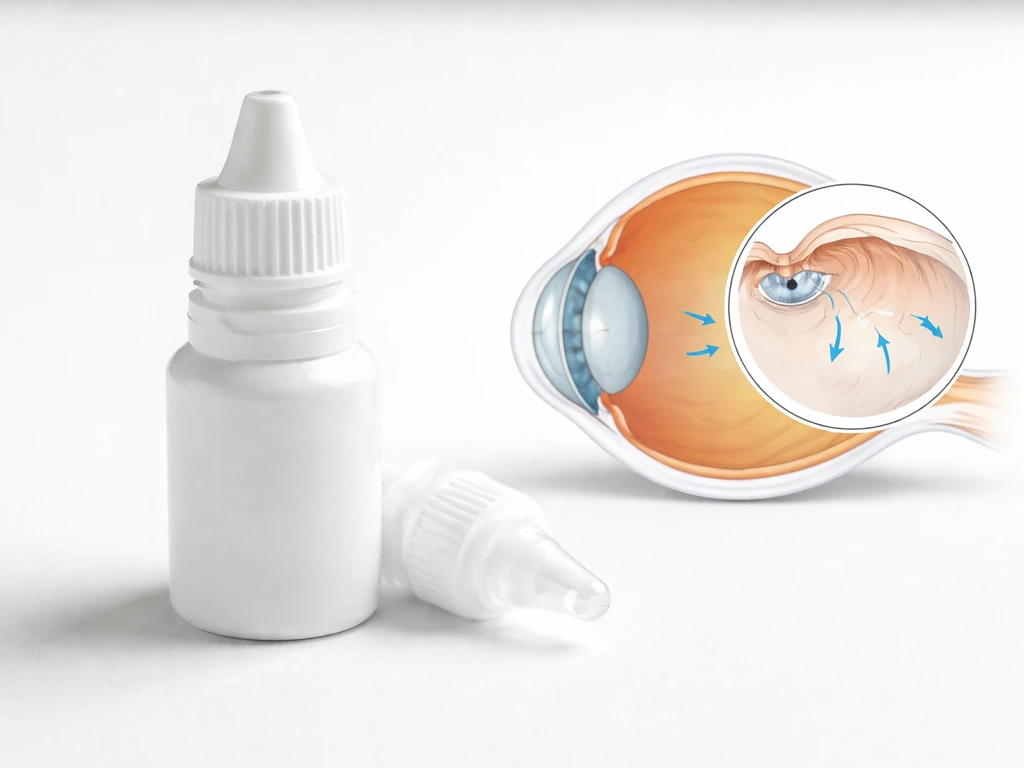
Dorzolamide hydrochloride is a topical ophthalmic solution prescribed for open-angle glaucoma and ocular hypertension. Its job is to reduce aqueous humor production inside the eye by inhibiting carbonic anhydrase, an enzyme involved in fluid secretion. Lower fluid production means lower intraocular pressure. That is the entire mechanism. It does not bind to prostaglandin receptors, it does not modulate androgen activity at the follicle level, and it has no known direct action on hair growth cycles. So there is no theoretical pathway through which it would stimulate eyelash follicles, even if you were very creative about the pharmacology.
One more thing worth knowing: dorzolamide is classified as a sulfonamide. That matters because sulfonamides carry a real hypersensitivity risk, and the official prescribing information includes a specific Sulfonamide Hypersensitivity warning. This becomes very relevant later when we talk about why applying it near your lash line is a genuinely bad idea.
What the evidence actually shows (and does not show)
There is no published clinical evidence showing dorzolamide causes eyelash lengthening, thickening, darkening, or increased density. The drug's label does not list eyelash growth as an expected effect or even as an observed side effect. Compare that to prostaglandin and prostamide analogs, where eyelash hypertrichosis (increased growth, darkening, and thickness) is so reliably documented that bimatoprost was specifically approved by the FDA for eyelash hypotrichosis under the brand name LATISSE. In a randomized, vehicle-controlled trial of 278 patients, LATISSE produced statistically significant improvements in eyelash length, fullness, and darkness at weeks 8, 12, and 16, measured by digital image analysis. Dorzolamide has no equivalent data because no such data exists.
What dorzolamide does show up for in the literature is irritation. About one-third of patients using it as directed report ocular burning, stinging, or discomfort right after administration. Superficial punctate keratitis (tiny surface wounds on the cornea) occurs in roughly 10 to 15% of users, and ocular allergic reactions show up in about 10%. Postmarketing reports include contact dermatitis and eyelid crusting. None of these are lash-growth effects; they are all reasons to be cautious. If someone told you their lashes looked different while using dorzolamide, the honest explanation is more likely eyelid irritation and swelling (which can make lashes appear different temporarily) than any actual follicle stimulation.
Timeline reality check: if it somehow did work, what would you expect?
This is worth covering because if you are evaluating any lash treatment, you need to understand the biology first. Eyelashes grow at roughly 0.12 to 0.14 mm per day. The anagen (active growth) phase for lashes lasts only about 4 to 10 weeks, which is dramatically shorter than scalp hair. StatPearls (NCBI Bookshelf) describes eyelash growth as about 0.12, 0.14 mm per day and notes anagen for lashes varies roughly 4 to 10 weeks 0.12–0.14 mm per day and anagen varies roughly 4 to 10 weeks. Telogen (resting phase) lasts 4 to 9 months. What this means practically: even if a drug were genuinely extending your lashes' anagen phase, you would not see visible changes for at least 8 weeks. LATISSE's own pivotal trial confirms this, with the earliest measurable improvements appearing at week 8 and full results around week 16. So the benchmark for any legitimate lash-growth agent is patience across a couple of months, not days. For dorzolamide, this timeline is moot, because there is no credible mechanism to begin with.
Risks of using dorzolamide near the lash line
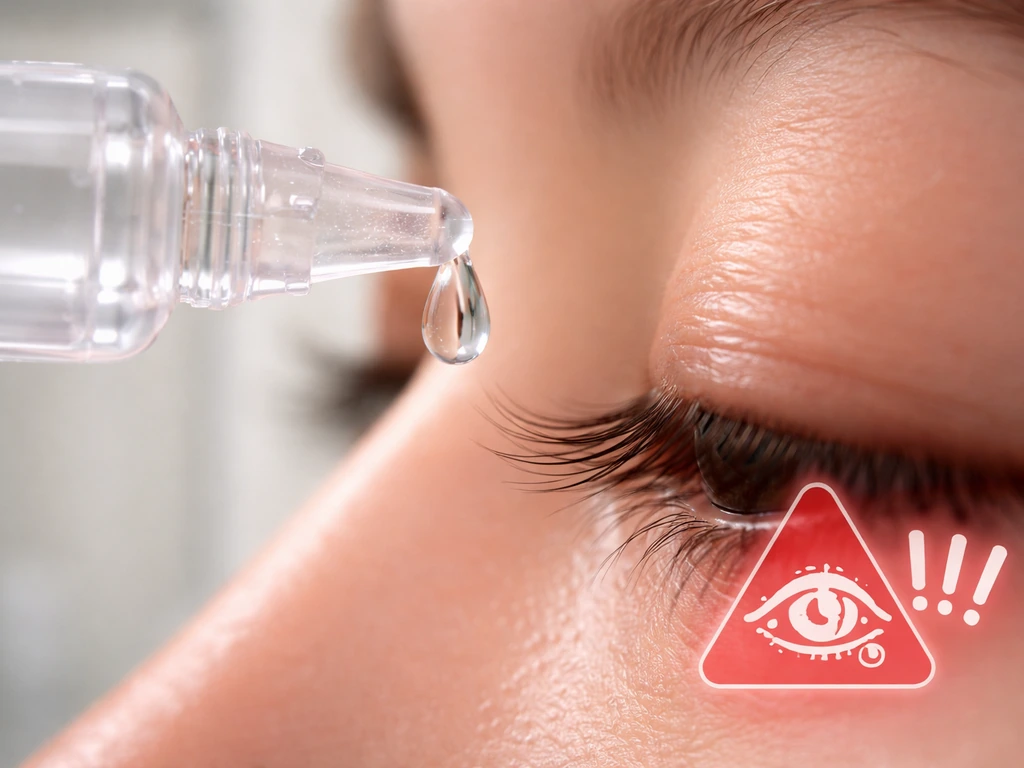
Even if you were tempted to experiment, the risk profile here is not trivial. Applying dorzolamide directly at the lash line, which is the method used for LATISSE, would put a drug designed for the eye surface in deliberate, repeated contact with periocular skin. Given that the drug already causes burning and stinging in a significant percentage of people using it as prescribed, applying it in a more concentrated, intentional way near lid margins would likely amplify those effects. Punctate keratitis risk, which involves actual surface damage to the cornea, is a genuine concern when any ophthalmic solution is repeatedly and imprecisely applied near the eye. Add the sulfonamide hypersensitivity risk and the documented contact dermatitis in postmarketing experience, and you have a combination that could cause eyelid crusting, skin reactions, and allergic responses in exchange for zero proven lash benefit.
- Ocular burning and stinging: affects roughly 1 in 3 users even with standard dosing
- Superficial punctate keratitis: documented in 10 to 15% of patients, meaning real corneal surface damage
- Ocular allergic reactions: approximately 10% incidence under standard use conditions
- Contact dermatitis and eyelid crusting: documented in postmarketing reports, directly relevant to lash-line application
- Sulfonamide hypersensitivity: can trigger serious systemic skin reactions in people with sulfonamide allergies
- Conjunctivitis and chronic lid reactions: noted in clinical study data for long-term use
Bottom line on risk: this is not one of those situations where the risk is low and the potential upside justifies a casual try. There is meaningful documented harm and no documented benefit for lash growth. That is a straightforward no.
When to talk to an ophthalmologist or dermatologist
If you are experiencing noticeable lash loss or thinning (not just wanting to enhance healthy lashes), that is a clinical question, not a cosmetic one. Eyelash hypotrichosis can stem from blepharitis, thyroid conditions, autoimmune disease, nutritional deficiencies, or damage from extensions and over-manipulation. An ophthalmologist or dermatologist can diagnose the underlying cause and, if appropriate, prescribe LATISSE, which is the only FDA-approved treatment specifically indicated for eyelash hypotrichosis. They can also rule out whether any eye drops you are currently using (for any reason) are contributing to lash changes, since some glaucoma medications, including prostaglandin analogs like latanoprost or bimatoprost, do have real lash effects that your prescribing doctor should already be monitoring.
Safer, proven options that actually work
Here is where your time and money are genuinely well spent. The options range from prescription-grade with clinical evidence down to conditioning habits that support what you already have.
Bimatoprost (LATISSE): the only FDA-approved option

If you want measurable eyelash growth backed by clinical trial data, LATISSE is the only prescription option with a specific FDA indication for it. It works by prolonging the anagen phase and potentially stimulating resting follicles, applied once daily to the upper eyelid margin at the base of the lashes with a single-use applicator. Results in the pivotal trial were statistically significant by week 8 and clearly visible by week 16. It does carry its own side effects (eyelid skin darkening, potential iris pigmentation changes with accidental eye contact, and rare temporary lash loss), so the technique and physician supervision matter. But the benefit-to-risk equation for LATISSE is completely different from dorzolamide because the evidence is real.
OTC serums and conditioning oils: what they can and cannot do
Most OTC lash serums use peptides, panthenol, or conditioning agents that improve the appearance and integrity of existing lashes without changing the hair cycle. They will not override lash biology the way bimatoprost does. Castor oil is a popular choice, and while it has no controlled trial evidence for actual lash growth, it can reduce breakage and improve the condition of lashes you already have, which matters if your lashes are fragile from extensions or mechanical damage. The honest framing: OTC options are more maintenance and conditioning than growth drivers. If you have healthy follicles, they will not go to waste. If your follicles are dormant or your cycles are compromised, you need a clinically active mechanism.
Nutritional support
Biotin, iron, and protein deficiency can all contribute to poor lash quality and shedding. Correcting a genuine deficiency will help, but supplementing beyond adequacy does not appear to produce dramatic growth in people who are already well-nourished. If you suspect nutritional deficiency (especially after dramatic dieting, illness, or postpartum changes), a blood panel to check ferritin, thyroid function, and basic nutritional markers is a smarter move than buying a stack of hair supplements.
Avoiding lash damage in the first place
Lash extensions, aggressive eye makeup removal, eyelash curlers, and waterproof mascara are all common culprits for mechanical breakage and follicle stress. Since anagen for lashes is already short (4 to 10 weeks), losing lashes before they complete their cycle is a genuine problem that no serum fully compensates for. Switching to a gentle, oil-based eye makeup remover, avoiding tugging or rubbing, and giving your lashes a break from extensions periodically lets your follicles complete their natural cycle without interference.
Comparing your main options side by side

| Option | Evidence Level | Main Mechanism | Realistic Timeline | Key Risk |
|---|---|---|---|---|
| Dorzolamide (off-label) | None for lash growth | No relevant mechanism | N/A | Burning, keratitis, allergic reaction, contact dermatitis |
| LATISSE (bimatoprost 0.03%) | FDA-approved, RCT data (N=278) | Prolongs anagen, activates resting follicles | Visible by week 8 to 16 | Eyelid darkening, iris pigmentation, technique-dependent |
| Castor oil / conditioning serums | Anecdotal/observational only | Surface conditioning, reduces breakage | Gradual; no cycle change | Minimal if applied carefully |
| Biotin / nutritional support | Supports deficiency correction | Corrects nutritional gaps | Weeks to months | Minimal; excess excreted |
| Removing lash damage sources | Mechanistic/logical | Prevents premature shedding | One to two full cycles (~2 to 4 months) | None |
What to do starting today: a practical plan
Here is a concrete action plan, not a vague suggestion list. If you have been considering dorzolamide for lashes, step one is simply to stop. There is no upside and there is genuine ocular risk. Then work through the following:
- Take a baseline photo of your lashes in consistent lighting, from the same angle, with no mascara. This is how you will actually track changes objectively over the coming weeks, the same methodology used in LATISSE's clinical trials.
- Audit your lash damage sources: extensions, curlers, waterproof mascara, rubbing. Eliminate or reduce the worst offenders this week.
- Start a gentle conditioning habit: a clean, light application of castor oil or a fragrance-free lash serum to the upper lash line at night. This costs little and supports lash integrity while you work on longer-term strategies.
- If you want real growth, not just conditioning, book an appointment with a dermatologist or ophthalmologist to discuss LATISSE. It requires a prescription, and your provider will check whether you have contraindications (like risk of iris pigmentation change).
- Repeat your baseline photo at week 8 and week 16. Changes in real lash length, density, and darkness happen slowly; photographic comparison in consistent conditions is the only reliable way to evaluate progress.
- If you are losing lashes noticeably (more than the normal 1 to 5 per day), ask your doctor to check ferritin, thyroid function, and rule out blepharitis before attributing it to any cosmetic cause.
For context, other glaucoma-related drops come up in this same conversation regularly. Prostaglandin analogs like latanoprost and travoprost are associated with real eyelash changes as a documented side effect, and brimonidine occasionally gets asked about too. No, Travatan Z does not have a proven, direct effect on growing eyelashes. If you are wondering whether brimonidine can make eyelashes grow, the evidence and expected biology do not line up the way it does for LATISSE does brimonidine make eyelashes grow. These are all very different from dorzolamide's mechanism and risk profile, and they warrant separate evaluation. The point here is that not all eye drops are equal when it comes to lash effects, and assuming they work similarly is where a lot of off-label experimentation goes wrong.
Dorzolamide is simply the wrong tool for lash growth. It was designed for a completely different purpose, it lacks any relevant growth mechanism, and its side effect profile makes casual off-label use near the lash line genuinely risky. Stick with what is proven, protect your eyes, and track your results with photos so you know whether what you are doing is actually working.
FAQ
What side effects might I notice if I use dorzolamide near the lash line anyway?
Commonly reported issues include burning, stinging, and eyelid discomfort. Some people can develop superficial corneal surface irritation (punctate keratitis), and others can react with eyelid crusting or contact dermatitis. If you notice persistent redness, light sensitivity, blurred vision, or eye pain, stop and get prompt ophthalmic care.
Does dorzolamide change lash appearance temporarily even if it does not grow them?
Yes, it can. Eyelid swelling, irritation, or inflammation around the lashes can make lashes look different day to day, but that is not true follicle growth. This can be misleading when you are trying to judge whether a product is working.
How long would it take to see eyelash growth if a drug truly worked?
For lashes, visible changes usually take weeks because the active growth phase is limited. In studies of true lash-growth agents, measurable results are not typically seen until around 8 weeks. If you are expecting changes after days or one or two weeks, that expectation is unlikely to match lash biology.
Can dorzolamide cause eyelid pigmentation changes like some glaucoma drops?
Dorzolamide is not known for the same type of eyelid or iris pigmentation effects associated with prostaglandin analogs. However, irritation or dermatitis from skin contact could still change the look of the lid temporarily (for example, by causing redness or discoloration from inflammation).
If I currently use dorzolamide for glaucoma, will my eyelashes get longer?
There is no good evidence that standard, prescribed use leads to lash lengthening or thickening. If you notice lash changes, the most likely explanations are irritation-related swelling, styling or friction changes, or use of another eye medication that has known lash effects.
Could dorzolamide indirectly reduce lash loss by improving eye pressure or inflammation?
Lowering intraocular pressure does not translate to a mechanism that stimulates eyelash follicles. While treating glaucoma can improve comfort for some people, it does not replace the biologic pathways known to affect lash growth cycling.
Are there safer alternatives if I want to enhance lashes?
If your goal is true growth, the main evidence-based prescription option is the FDA-approved lash hypotrichosis treatment. If your goal is appearance and breakage reduction, OTC conditioning products and better lash-care habits (gentle cleansing, avoiding tugging, pausing extensions) are more realistic than trying to force lash-cycle changes.
What should I do if I already applied dorzolamide near my lash line?
Stop using it for lashes. Rinse the area thoroughly with clean water, avoid further application, and monitor for symptoms like ongoing burning, pain, redness, discharge, or light sensitivity. Seek urgent eye evaluation if symptoms persist or you develop any visual changes.
Could a deficiency cause lash thinning that looks like “poor growth,” and how is that handled?
Yes. Lash shedding and thinning can come from issues like iron deficiency, thyroid problems, nutritional shortfalls, or inflammatory eyelid conditions. If thinning is more than mild or ongoing, consider a clinician evaluation and, when appropriate, labs such as ferritin and thyroid testing rather than relying on cosmetic products.
How can I tell whether my lash changes are real growth or breakage?
Look for shed lashes at the root and overall thinning versus snapping or uneven lengths. Breakage often leads to shorter, frayed-appearing lashes and increased “flyaways,” while true growth involves gradual lengthening and fuller coverage over multiple weeks. Photos taken in the same lighting can help you compare changes over time.
What Medication Makes Eyelashes Grow Longer: Options, Safety, Timeline
Discover meds and lash serums that may boost lash length, safety, side effects, and realistic timelines for results.