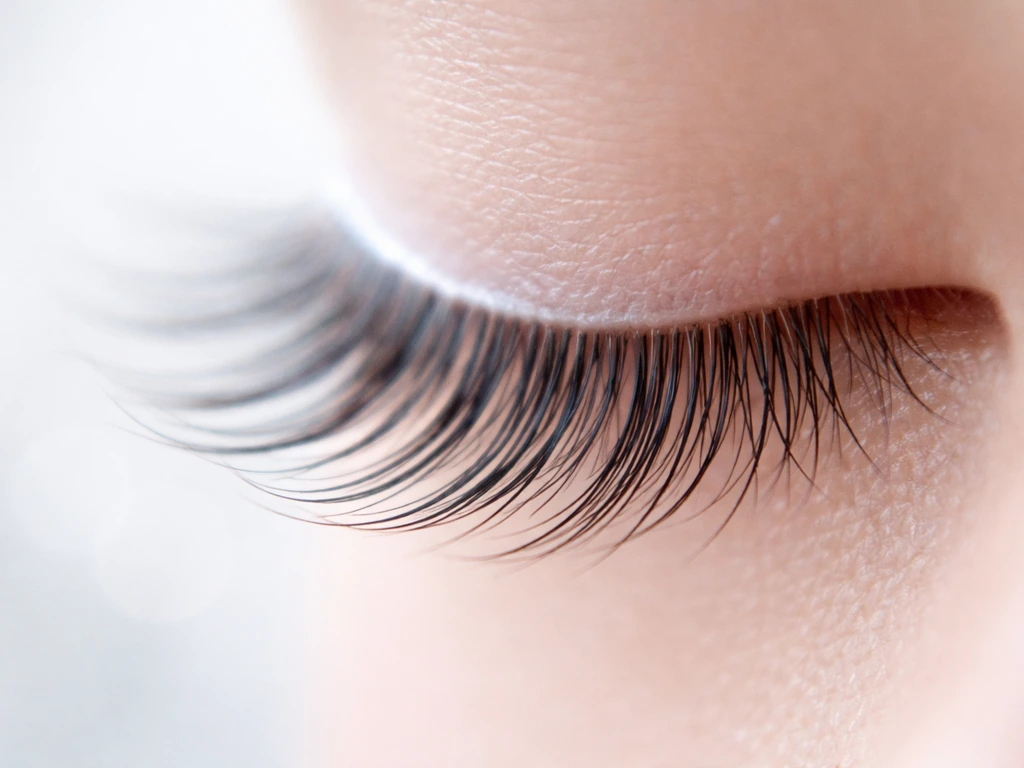
The only medication proven to make eyelashes grow longer, thicker, and darker is bimatoprost 0.03%, sold in the US under the brand name Latisse. It's prescription-only, applied nightly to the upper lash line, and backed by FDA-approved clinical data showing a 25% increase in lash length and a 106% increase in thickness at 16 weeks. Everything else, including OTC serums, peptide formulas, castor oil, and biotin supplements, works by conditioning or supporting lashes rather than directly stimulating follicle activity the way bimatoprost does. That's the honest hierarchy you need to know before spending money on anything.
What Medication Makes Eyelashes Grow Longer: Options, Safety, Timeline
Rachel Nguyen
27 May 2026
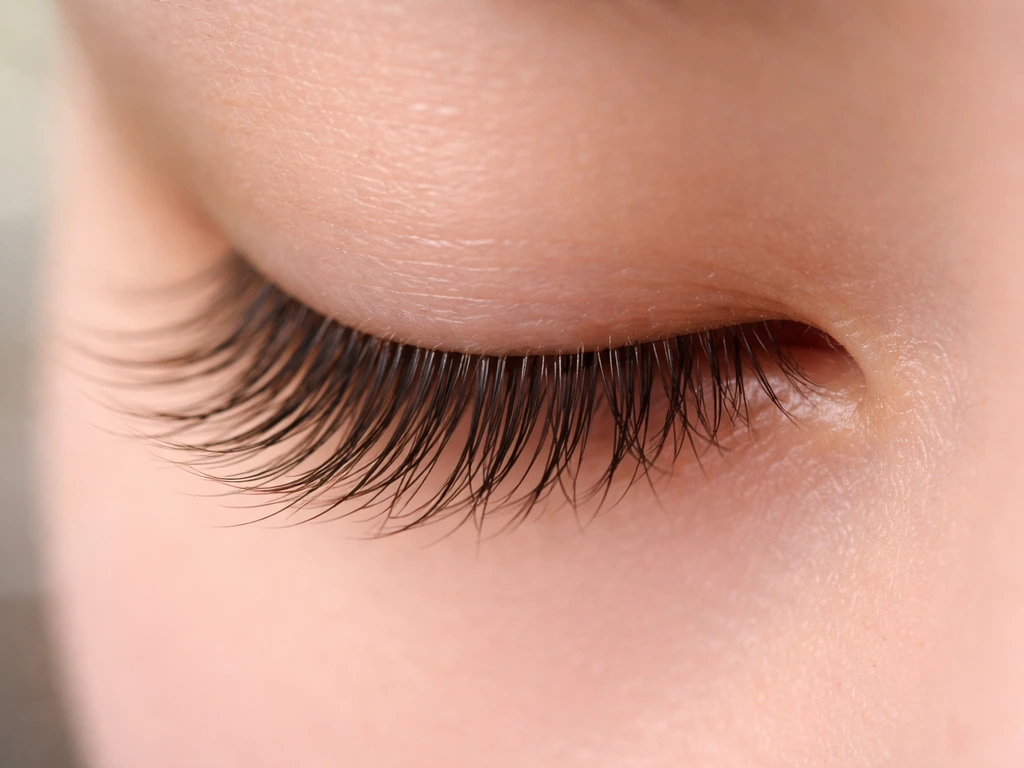
How lash growth actually works
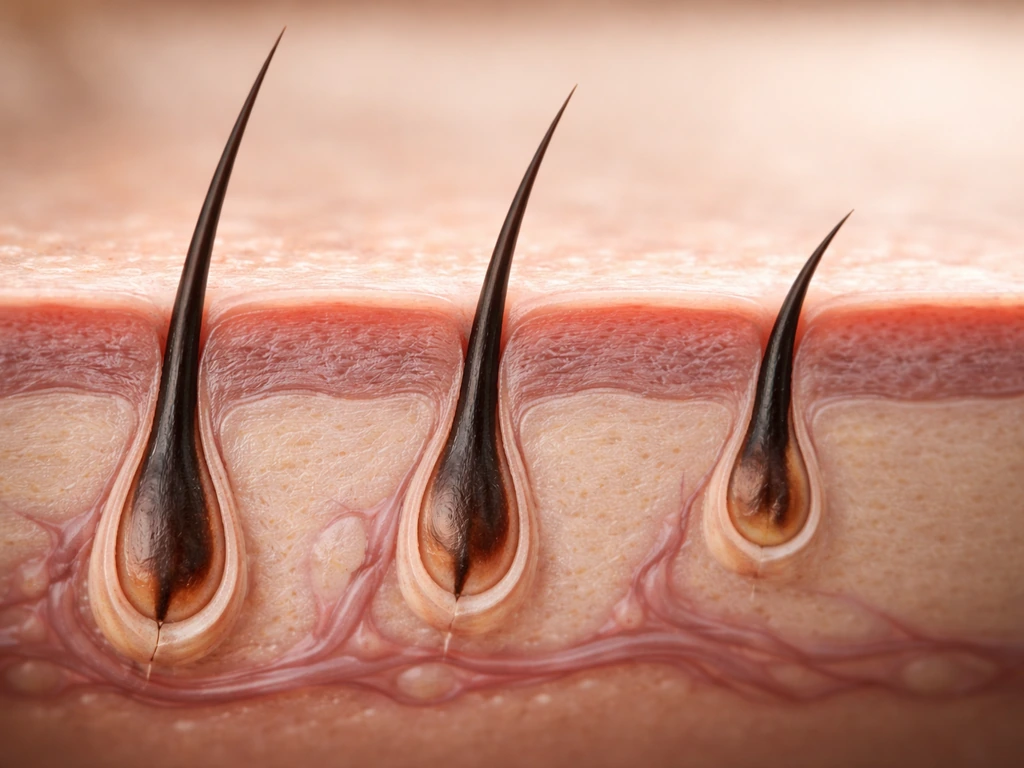
Eyelashes follow a three-phase growth cycle: anagen (active growth), catagen (transition), and telogen (resting/shedding). Unlike scalp hair, lashes spend most of their time in the resting phase, which is why they stay short. The full cycle runs roughly 4 to 11 months, with each individual lash growing about 0.12 to 0.14 mm per day during the anagen phase before naturally shedding and starting over.
When something disrupts that cycle, whether it's repeated pulling from extensions, heat damage from lash lifts, aggressive rubbing, or medical conditions like alopecia areata or hypothyroidism, follicles either get pushed into telogen early or the follicle structure itself gets damaged. That's why recovery feels so slow: you're not just waiting for a lash to grow back, you're waiting for the follicle to re-enter anagen and then complete a full growth phase. Medications that work on lash growth do so by extending the anagen phase and increasing the number of hairs in that active phase at any given time.
Prescription options: what bimatoprost (Latisse) actually does
Bimatoprost is a prostaglandin analogue originally used as a glaucoma eyedrop (sold as Lumigan). Doctors noticed patients using it were growing noticeably longer, fuller lashes as a side effect, which led to the development of Latisse specifically for cosmetic lash use. It's the only FDA-approved treatment for hypotrichosis (inadequate lashes), and the clinical numbers are genuinely impressive.
In the US phase 3 clinical trial with 278 participants, people using Latisse for 16 weeks saw an average 25% increase in lash length, a 106% increase in thickness and fullness, and an 18% increase in darkness compared to the placebo group. A third of Latisse users (33%) showed a significant two-grade improvement on the Global Eyelash Assessment scale versus just 1% of the placebo group. These aren't soft, self-reported outcomes. They're measured, blinded assessments.
You apply it once nightly to the skin of the upper eyelid margin at the base of the lashes using the sterile applicators included. Do not apply it to the lower lash line directly. Blot any excess before it can migrate into the eye. Results typically start becoming visible around weeks 8 to 12, with full results at week 16. If you stop using it, lashes gradually return to their original appearance over several weeks to months.
Other prescription eye drops have a documented history of influencing lash growth as a side effect. Latanoprost (Xalatan), travoprost (Travatan Z), dorzolamide, brimonidine, and Restasis have all come up in this context, and while there is some evidence for certain prostaglandin analogues producing lash changes, none of them carry an FDA indication for lash growth the way Latisse does. If you're wondering does Restasis make your eyelashes grow, the key point is that it has been mentioned as a possible side effect, but it isn't an FDA-approved lash-growth treatment like Latisse. They're worth knowing about, but Latisse remains the benchmark. Does Travatan Z make eyelashes grow? The evidence is limited and it is not the same as bimatoprost (Latisse), which is the studied option for lash growth Latisse remains the benchmark.
Minoxidil (Rogaine) is another name that frequently comes up. It's FDA-approved for scalp hair loss and works by a different mechanism, but its use on lashes is off-label and the evidence is much thinner compared to bimatoprost.
OTC serums and ingredients: separating real benefits from wishful thinking
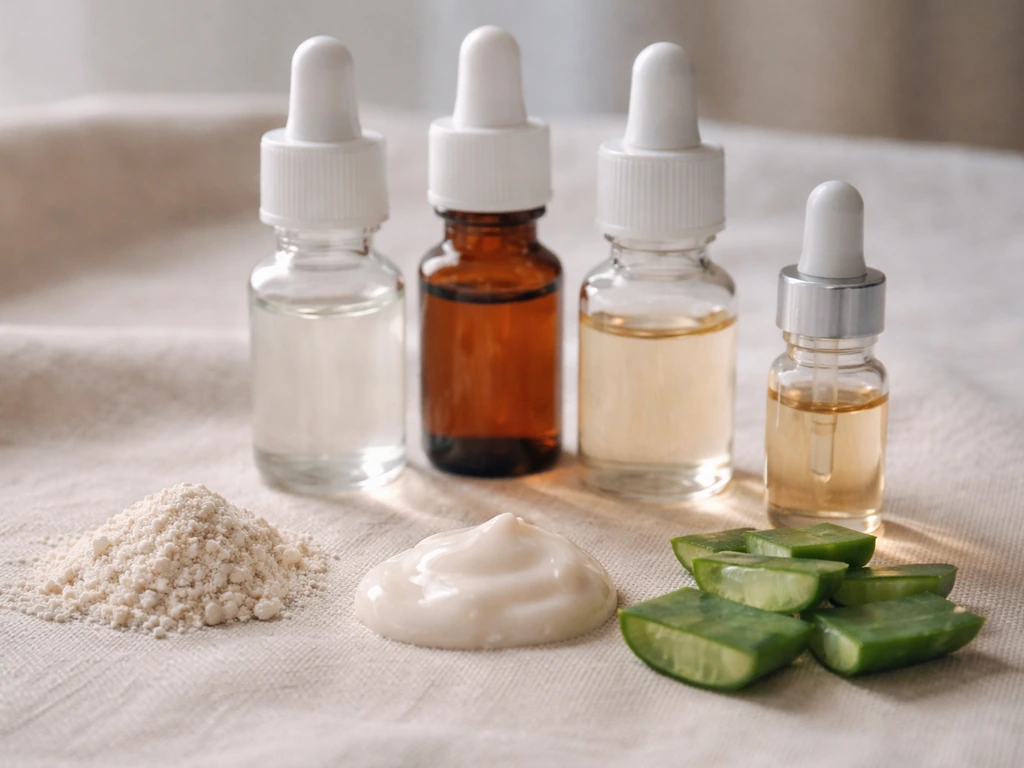
The OTC lash serum market is enormous and confusing. Most products claim to grow lashes using ingredients like peptides, panthenol, biotin, keratin, and various plant extracts. Here's where the evidence actually lands for the most common ones.
| Ingredient | What it actually does | Evidence level |
|---|---|---|
| Peptides (e.g., myristoyl pentapeptide-17) | May signal keratin production in follicle cells; used in most premium lash serums | Limited; small industry-funded studies, no large RCTs |
| Panthenol (Vitamin B5) | Conditions and moisturizes the lash shaft; reduces brittleness and breakage | Good for conditioning, not for stimulating new growth |
| Biotin (topical) | Supports keratin infrastructure when deficient; topical absorption is minimal | Weak for topical use; oral biotin only helps if you're deficient |
| Isopropyl cloprostenate | Synthetic prostaglandin analogue; found in some OTC serums as a workaround | Some evidence of growth effect, but regulatory status is murky |
| Keratin | Strengthens and smooths the lash shaft externally | No growth stimulation; purely cosmetic conditioning |
| Castor oil / plant oils | Moisturizes and coats lashes, may reduce mechanical breakage | No clinical evidence of follicle stimulation |
Peptide-based serums like those containing myristoyl pentapeptide-17 are the most plausible OTC option for anyone who can't access or afford a prescription. The theory is reasonable: certain peptides may signal follicle cells to upregulate keratin synthesis. But the studies backing them are small, short, and usually funded by the brands selling them. You might see some improvement in lash appearance, but it's unlikely to match what bimatoprost delivers.
One thing to watch for on ingredient labels is isopropyl cloprostenate. It's a synthetic prostaglandin analogue that shows up in some over-the-counter serums as an unregulated way to mimic bimatoprost's mechanism. The FDA has taken action against some products containing it, and its safety profile for periocular use hasn't been rigorously tested. If you're buying an OTC serum and it lists this ingredient, be cautious.
Castor oil and at-home approaches: what actually helps
Castor oil is the most talked-about home remedy for lash growth, and there's a straightforward way to think about it: it conditions, it doesn't grow. The ricinoleic acid in castor oil has some anti-inflammatory properties and may support a healthy scalp or lash environment, but there are no peer-reviewed clinical trials showing it extends the anagen phase or stimulates dormant follicles. What it can do is coat the lash shaft, reduce moisture loss, and help prevent mechanical breakage, which means your existing lashes may look thicker and survive longer before shedding.
If you want to use castor oil, cold-pressed, hexane-free castor oil applied with a clean spoolie to the lash line at night is the safest approach. Apply sparingly. The oil is thick and if it gets into the eye it can blur vision and cause irritation. The same logic applies to alternatives like argan oil, vitamin E oil, and coconut oil: they're conditioning agents with legitimate benefits for fragile or damaged lashes, but none of them are substitutes for a medication that acts on the follicle itself.
The at-home strategies that do have a real, if indirect, impact on lash retention and growth include being gentle with makeup removal (no rubbing), avoiding waterproof mascara daily, giving lashes a break from extensions or lifts, and ensuring you're not deficient in nutrients like biotin, iron, or zinc. If your lashes are thinning because of a nutritional deficiency or underlying condition, fixing that root cause will do more than any topical product.
Side effects and how to use lash products safely
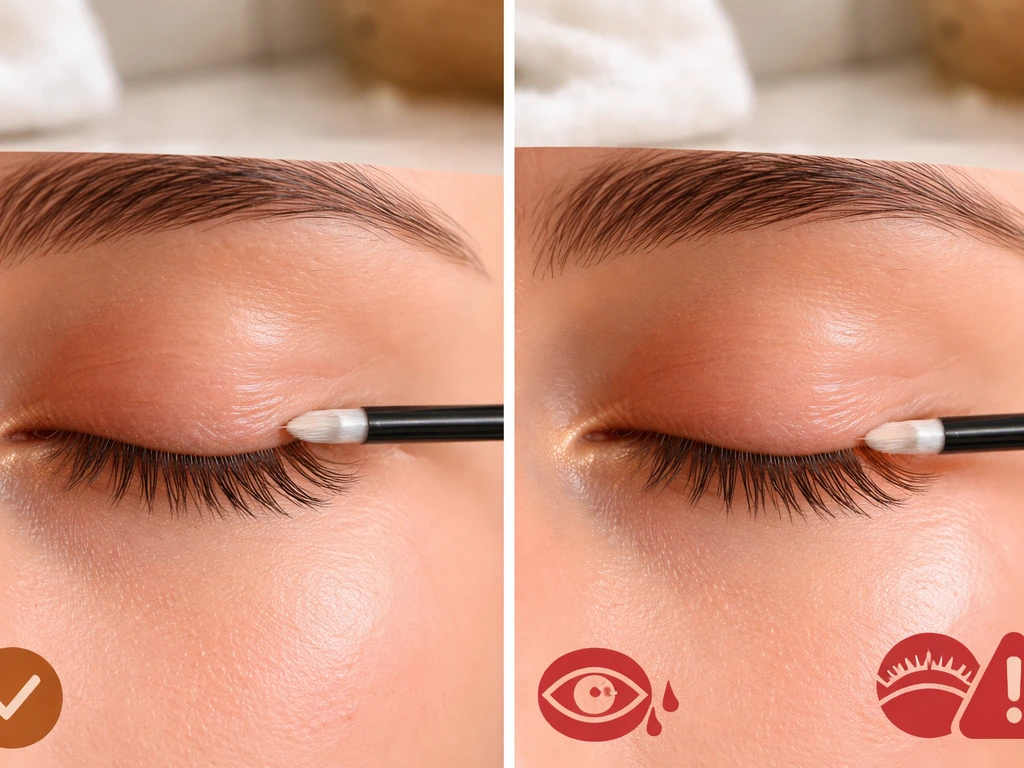
Latisse's most important risks are worth understanding clearly before you start. Clinically documented adverse effects include eye itching (pruritus), conjunctival redness (hyperemia), blank" rel="noopener noreferrer">skin darkening around the lash line, ocular irritation, dry eye symptoms, and periorbital redness. More concerning for some people: bimatoprost can cause pigmentation of the iris (the colored part of the eye), and that iris pigmentation is likely permanent. It's rare when the product is applied to the skin rather than directly into the eye, but it's a real documented risk. If you have light-colored eyes, this is worth discussing with your prescriber explicitly.
Eyelid skin darkening can also occur with bimatoprost use. This one tends to be reversible after stopping the medication, but it can take months to fade. Additional post-marketing reports include eyelid swelling, increased tearing, and rare cases of blurred vision or lash misdirection (trichiasis).
For safe application of any lash product, prescription or OTC, follow these basics:
- Remove contact lenses before applying and wait at least 15 minutes before reinserting them.
- Apply only to the upper lash margin, not the lower lid. The product transfers naturally when you blink.
- Use a fresh applicator for each eye if using Latisse (the kit includes sterile single-use brushes).
- Blot any excess immediately to prevent product migration onto surrounding skin or into the eye.
- Do not use if you have active eye infections, inflammatory eye conditions, or are pregnant without consulting your doctor.
- Store products as directed and check expiration dates, especially for prescription formulas.
- See an eye care professional if you experience persistent redness, irritation, vision changes, or swelling.
OTC serums carry fewer serious risks but are not risk-free. Allergic reactions, contact dermatitis along the lash line, and eye irritation can all occur. Patch-test any new serum on your inner arm before applying near your eyes, and stop immediately if you notice swelling, itching beyond mild, or redness that doesn't resolve.
Realistic timelines and when to change course
Here's a practical timeline breakdown based on clinical data and typical real-world experience:
| Approach | First visible change | Full result | Notes |
|---|---|---|---|
| Latisse (bimatoprost 0.03%) | 8 to 12 weeks | 16 weeks | Results reverse if you stop; ongoing use required to maintain |
| Peptide OTC serums | 12 to 16 weeks (if at all) | Up to 6 months | Highly variable; conditioning effects may appear sooner than growth |
| Castor oil / conditioning oils | No growth timeline | Ongoing conditioning benefit only | Useful for reducing breakage while waiting for growth |
| Nutritional correction (biotin, iron, zinc) | 3 to 6 months | Depends on deficiency severity | Only effective if deficiency is the underlying cause |
| Natural regrowth after damage (no treatment) | 6 to 8 weeks for new growth to appear | 4 to 6 months for full cycle | Full recovery can take up to a year for severe damage |
If you've been using an OTC serum consistently for four months and you're not seeing any change, it's a reasonable sign that the formula either isn't effective for your follicles or that something else is going on. At that point, seeing a dermatologist or an ophthalmologist to discuss a Latisse prescription or rule out an underlying condition is the logical next step. If your lashes are thinning significantly and you're also losing scalp hair or experiencing other symptoms, get bloodwork done before assuming it's cosmetic.
The bottom line is this: if you want clinically proven lash growth and you're in good health with no contraindications, Latisse is the most evidence-backed option available. OTC serums with peptides are a reasonable second choice, especially if cost or prescription access is a barrier, but go in with adjusted expectations. Castor oil and oils are worth using to protect and condition what you have, but don't rely on them as a growth strategy. Pick the tier that fits your situation, be consistent, and give it the full timeline before deciding it's not working.
FAQ
Is there a “generic” or cheaper version of bimatoprost for lashes besides Latisse?
In many places, bimatoprost 0.03% may be dispensed as the same active ingredient, sometimes under different pricing structures. However, the lash-specific indication and the exact formulation matter, so ask the prescriber or pharmacist whether a non-brand option is available for the same concentration and dosing instructions.
Can I use Latisse on the lower lash line or only the upper?
Follow the upper lash line instructions. Applying to the lower lash line increases the chance of getting product into the eye and can raise irritation risk, since the lower lid position makes spillover more likely.
How long should I wait before deciding Latisse is not working?
Visible change typically starts around weeks 8 to 12, but meaningful results are expected by about 16 weeks. If you see no change by the 4 month mark, it is reasonable to reassess with an ophthalmologist or dermatologist rather than extending indefinitely on the same plan.
If I stop Latisse, will my lashes fall out faster or permanently thin?
Stopping generally leads to gradual return to your prior lash appearance over weeks to months, meaning you do not usually get sudden “loss,” but the effect is not permanent. If thinning is ongoing due to an underlying issue, the underlying cause still needs attention.
What side effects mean I should stop immediately?
Stop and contact a clinician if you develop significant eye pain, worsening blurred vision, marked swelling, or symptoms that go beyond mild irritation and do not improve. Mild itching or redness can occur, but persistent or escalating symptoms near the eye are a red flag.
Does bimatoprost make the skin around my eyes darker forever?
Skin darkening around the lash line has been reported, and it often takes months to fade and may be slower than iris pigmentation changes. It can be reversible in many cases, but the exact duration varies by person, so discuss expectations before starting.
Who should use extra caution before trying lash-growth medications?
Be especially cautious if you have dry eye, previous eye inflammation, light-colored eyes, or a history of eyelid skin reactions. Also tell your prescriber if you have ocular conditions, since irritation can worsen and prostaglandin-related side effects can be more noticeable in some patients.
I already have extensions or get lash lifts. Can I still use Latisse?
You can discuss it with your clinician, but the safest general approach is to avoid timing application during periods of aggressive lash processing (lifts, heavy extensions, frequent rubbing). These practices can disrupt the growth cycle and make it harder to judge results, while also increasing the chance of irritation from product contact.
Will using makeup or waterproof mascara affect results?
Yes, indirectly. Removing makeup with rubbing, daily waterproof mascara, and inadequate gentle cleansing can increase breakage and shedding, which can mask growth benefits. Use gentle removal methods and avoid tugging at the lash line while treatment is underway.
What should I do if the product gets into my eye?
Blot excess and rinse gently if you have irritation. If you develop persistent burning, redness, or blurry vision, contact an eye care professional promptly. Avoid reapplying until symptoms settle.
Are OTC peptide serums worth trying if I can’t get a prescription?
They can be reasonable for improving lash appearance, but they are not the same as a follicle-targeting medication. If you do not see a noticeable change after about 4 months of consistent use, reassess rather than continuing indefinitely.
Why do some OTC serums list isopropyl cloprostenate, and is it safe?
It is intended to mimic prostaglandin activity, but periocular safety and quality controls are not as well established as prescription options. If you see it on an OTC ingredient list, consider it a higher-caution product, and discuss alternatives with an eye doctor if you have sensitive eyes or prior irritation.
Does minoxidil help lashes grow if Latisse is not an option?
Minoxidil use on lashes is off-label and evidence is thinner than for bimatoprost. If considered, it should be discussed with a clinician, because off-label periocular use can increase the chance of irritation and unwanted effects on surrounding skin.
Should I get labs or see a doctor if my lashes are thinning?
If lashes are thinning significantly, especially with other signs like scalp hair loss or systemic symptoms, get evaluated rather than assuming it is purely cosmetic. Bloodwork can help identify treatable drivers like iron or zinc issues, and conditions such as alopecia areata or thyroid problems can change management.
Can allergies to lash products be detected before I start?
You can do a patch test on your inner arm for OTC products, and stop at the first sign of significant reaction. For prescription treatment applied close to the eye, you still may not fully predict sensitivity, so monitor closely during the first weeks and report reactions early.
Next Article
Does Brimonidine Make Eyelashes Grow? Evidence, Safety
Does brimonidine grow eyelashes? Review evidence, timelines, and risks, then compare safer alternatives for lash length.