Yes, Xalatan (latanoprost) can make eyelashes grow longer, thicker, and darker. This isn't a rumor or a beauty hack that got out of hand. It's documented right on the FDA prescribing label: increased eyelash length, thickness, pigmentation, and number of lashes are all listed as observed changes in treated eyes. One study measured the effect directly, finding mean lash length going from 5.8 mm at baseline to 6.5 mm after just two weeks of treatment. The catch is that Xalatan is a glaucoma drug, not a cosmetic product, and using it for lash growth is off-label. That distinction matters a lot before you decide whether to try it.
Does Xalatan Make Eyelashes Grow? Safety, Results, Risks

Rachel Nguyen
8 Jun 2026
What Xalatan actually is and how it affects your lashes
Xalatan is a prostaglandin F2α analogue called latanoprost. It was developed to lower intraocular pressure (IOP) in people with glaucoma or ocular hypertension. It does this by increasing aqueous humor outflow through the uveoscleral pathway, essentially opening a drainage route so fluid doesn't build up and damage the optic nerve. That's the primary job.
The eyelash changes are a side effect of that same prostaglandin activity. Prostaglandins interact with hair follicle receptors and are believed to push the hair growth cycle toward the anagen (active growth) phase, while also stimulating melanocytes responsible for pigmentation. The result is lashes that grow longer, more densely, and darker during treatment. This is the same mechanism behind bimatoprost, the active ingredient in Latisse, which is the FDA-approved version of a prostaglandin analogue specifically marketed for eyelash hypotrichosis. Latanoprost and bimatoprost are close cousins pharmacologically, which is why they produce similar lash effects.
So does Xalatan actually work for lash growth? The direct answer
It works. Quantitative clinical data, the FDA label, and years of observations from glaucoma patients all confirm real, measurable lash changes. The FDA label explicitly states that latanoprost may gradually change eyelashes including increased growth and pigmentation changes. That's not a weak association. The lash-lengthening effect shows up relatively fast (as early as two weeks in the study mentioned above), and the changes become more pronounced with continued use.
What it won't do is produce dramatic, curl-and-volume results the way mascara does. The changes are real but subtle to moderate. You're looking at lashes that are measurably longer, slightly fuller, and often a shade or two darker. For people whose lashes are sparse from age, damage, or conditions like blepharitis, that can feel significant. For someone with already healthy lashes hoping for a dramatic transformation, the change will be more modest. Managing that expectation upfront matters.
What to expect: timeline and what changes actually look like
Based on the clinical data, early changes in lash length can appear within two weeks. Meaningful visible changes typically become apparent over four to eight weeks of consistent use. The Latisse comparison is useful here: bimatoprost, the closely related prostaglandin analogue, is marketed with a 16-week claim for its full cosmetic effect (fuller, longer, and darker lashes). Latanoprost likely follows a similar curve.
Here's what the changes tend to look like in practice: lashes grow longer at the tips, the overall lash line may appear denser because shorter vellus hairs (the fine, barely visible ones) also respond to treatment, and pigmentation shifts can make lighter lashes noticeably darker. Some people also experience misdirected lash growth, where individual lashes grow at unusual angles. That's noted on the FDA label as a known occurrence and worth watching for.
A critical point: these effects are not permanent. Evidence from bimatoprost studies shows that once you stop treatment, eyelash growth tends to return toward its pre-treatment baseline. The prostaglandin is actively driving the follicles into growth mode. Stop the signal, and the follicles gradually revert. This is important to understand before starting, especially if you'd like to maintain results long-term.
| Timeframe | What you may notice |
|---|---|
| 2 weeks | Early increase in measurable lash length |
| 4–8 weeks | Visible density and length improvements begin |
| 12–16 weeks | Fuller effect; pigmentation changes more apparent |
| After stopping | Lashes gradually return to pre-treatment baseline |
How to use Xalatan safely for lash growth (the off-label reality)
First, the important context: Xalatan is FDA-approved for glaucoma, not for eyelash growth. Using it cosmetically is off-label, which means a doctor hasn't prescribed it for that purpose, and you'd be working outside the label's intended use. This is not unusual in medicine, but it does mean you're responsible for understanding the risks rather than relying on a prescribing clinician to guide the cosmetic application.
The standard dosing for glaucoma is one drop per eye once daily, in the evening. For off-label lash use, the general approach people use is applying a small amount to the base of the upper lash line (similar to how Latisse is applied with its dedicated applicator brush). The goal is targeted delivery to the follicles rather than dropping the solution directly into the eye. However, because Xalatan comes as an eyedrop, not a brush applicator, the technique is less controlled than with approved lash serums.
Practical safety steps for anyone considering this approach: always wash your face and remove all eye makeup before application. Do not touch the dropper tip to your eye, eyelid, or any surface. If you wear contact lenses, remove them before applying and wait at least 15 minutes before reinserting. Benzalkonium chloride, the preservative in Xalatan, is absorbed by soft contact lenses and can cause irritation if lenses go in too soon. Apply in the evening, keep the amount minimal, and monitor your skin and eyes for any early signs of irritation or darkening.
Side effects and risks you genuinely need to know about
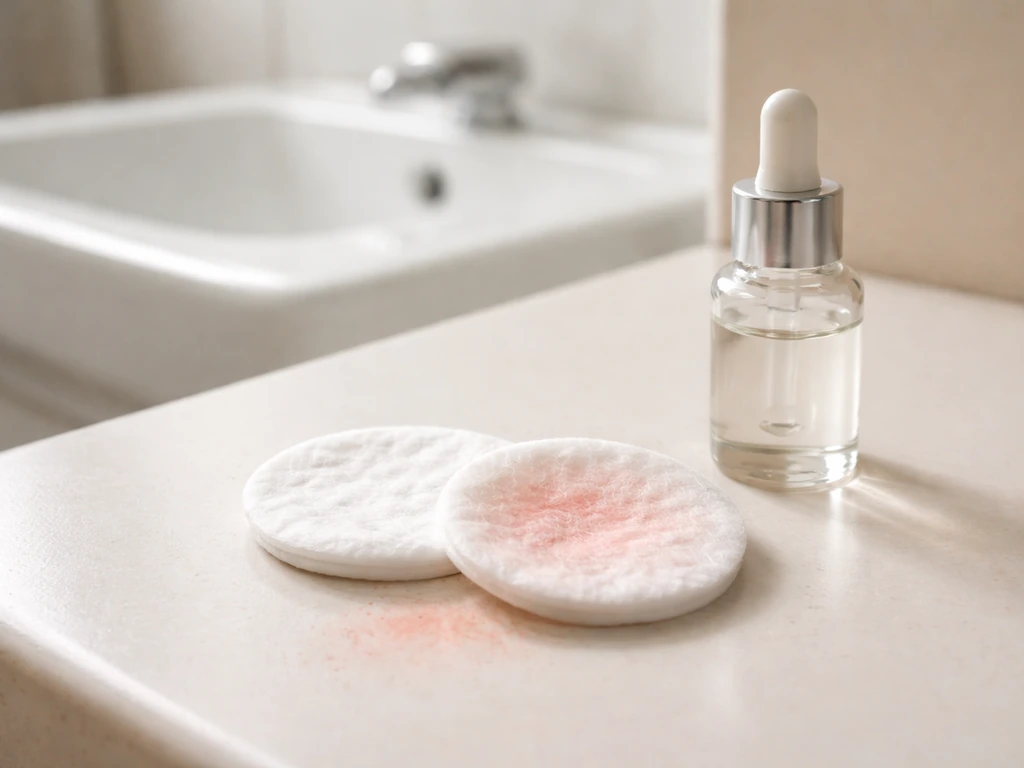
This is the section that separates an informed decision from a rushed one. The side effect profile of latanoprost is well-documented and includes some changes that can be permanent or take a long time to reverse. Don't skip this.
Common and local side effects
- Eye redness and irritation: fairly common, especially when starting out. Often settles with continued use but can persist.
- Burning or stinging on application: typically mild and brief.
- Itching around the eye or eyelid: also common and usually manageable.
- Eyelid skin darkening: documented on the FDA label as a known change. May be reversible after stopping treatment, but reversal isn't guaranteed.
- Misdirected eyelash growth: individual lashes growing at unusual angles. Annoying more than dangerous, but worth monitoring.
Serious risks to take seriously
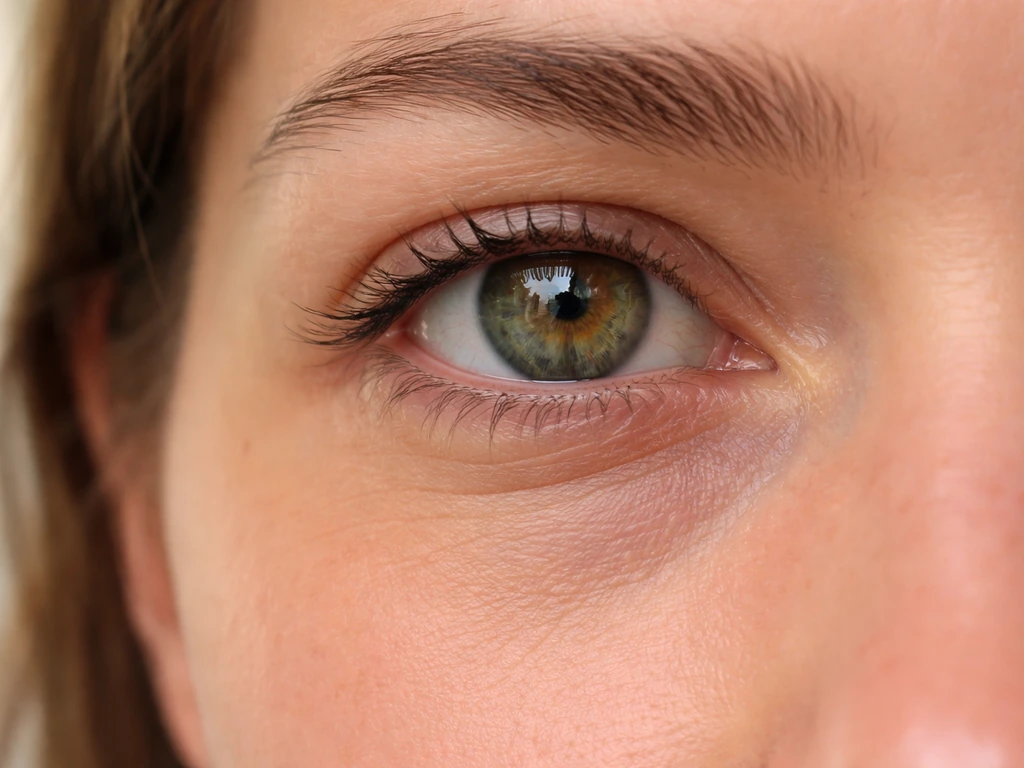
The most significant cosmetic risk is prostaglandin-associated periorbitopathy (PAP). This is a cluster of periorbital changes linked to prostaglandin analogue eye drops and has been documented specifically with latanoprost use. PAP features include deepening of the upper eyelid sulcus (making the eyes look more sunken), upper eyelid ptosis (drooping), flattening of lower eyelid bags, and visible changes to the fat and skin around the eye. These changes can alter the overall appearance of your eye area in ways that are unrelated to lash growth and may not reverse when you stop. This is a real consideration, not a theoretical one.
Iris pigmentation change is another risk listed on the label, where the colored part of the eye may gradually darken in people with certain mixed-color irises. This change is likely permanent. It's more associated with drops applied directly into the eye rather than to the lash line, but it's worth knowing because Xalatan is a drop, and some solution will reach the eye regardless of application technique.
For people with existing eye inflammation, dry eye, or a compromised ocular surface, latanoprost can potentially worsen these conditions. The benzalkonium chloride preservative is a known ocular surface irritant with repeated exposure. If you already have sensitive eyes or dry eye disease, this drug is a higher risk for you than for someone with healthy eyes.
Alternatives that can support lash growth without the prescription risks
If you want lash growth support without navigating an off-label prescription drug, there are legitimate options worth considering. How they compare to Xalatan depends on your starting point and your goal.
Bimatoprost (Latisse): the FDA-approved version
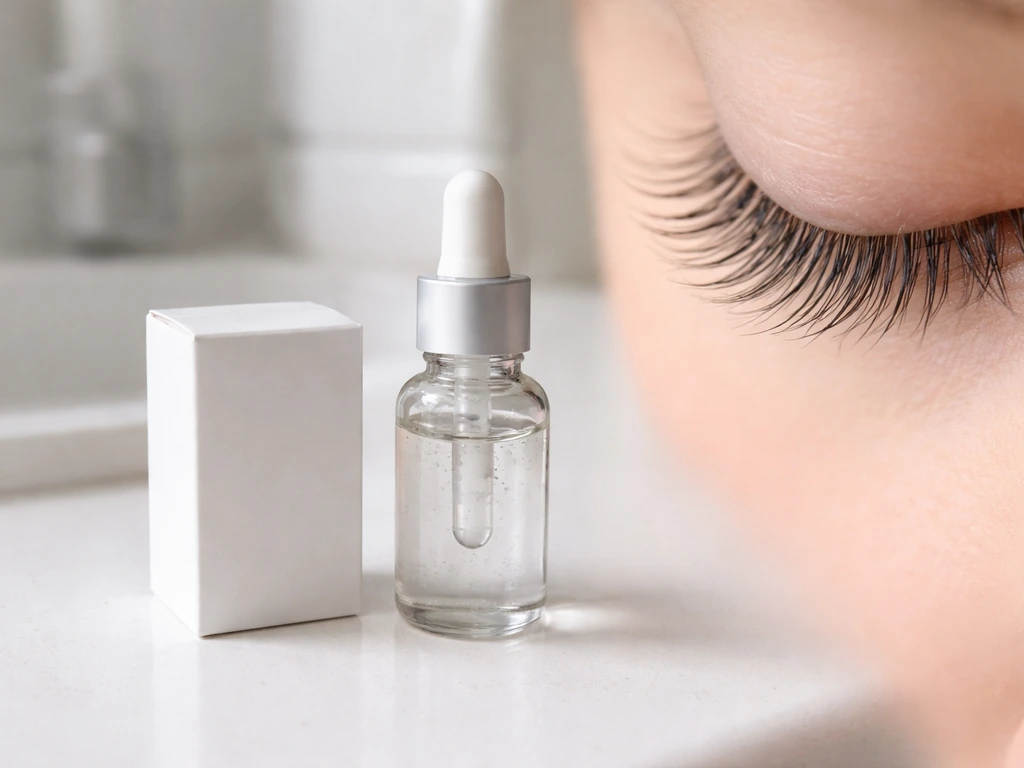
Latisse uses bimatoprost 0.03%, which is the only prostaglandin analogue FDA-approved specifically for eyelash hypotrichosis. It works through the same mechanism as latanoprost and carries similar risks (iris pigmentation, eyelid darkening, PAP changes), but it's formulated with a dedicated brush applicator for lash-line delivery rather than drop application. The 16-week clinical claim gives you a reliable timeline. If you want a prostaglandin-based lash treatment, Latisse is the version with proper prescribing guidance, risk monitoring, and a proven application format. Latisse uses bimatoprost, a prostaglandin analogue designed specifically for eyelash hypotrichosis, and it is an FDA-approved lash-growth option. Comparing Xalatan to Latisse honestly: the pharmacology is similar, but Latisse is the one designed for this use.
Castor oil
Castor oil is the most popular at-home option, largely because it's inexpensive, accessible, and doesn't carry systemic risks. The evidence base is much weaker than prostaglandin drugs. There are no rigorous clinical trials showing castor oil meaningfully increases lash length or density in the way latanoprost does. What it can do is coat and condition existing lashes, reducing breakage and making lashes appear slightly fuller temporarily. For people recovering from lash damage after extensions or blepharitis, it's a reasonable supportive step. Just don't expect it to drive follicle-level growth the way a prostaglandin analogue does.
Biotin supplementation
Biotin is worth addressing honestly. Biotin deficiency is actually rare in industrialized countries, and the evidence for biotin supplementation improving hair or lash growth in people who aren't deficient is limited. If your sparse lashes are part of a broader picture of hair thinning, fatigue, or skin changes, getting your biotin levels checked makes sense. Deficiency symptoms include gradual hair thinning, scaly rashes, and conjunctivitis. The NIH Office of Dietary Supplements notes that biotin deficiency can also cause neurologic findings and other systemic features, with progression from gradual thinning to hair loss Deficiency symptoms include gradual hair thinning, scaly rashes, and conjunctivitis.. If you're not deficient, taking high-dose biotin supplements probably won't move the needle on your lashes.
Lash recovery routines after damage
If your lashes are sparse because of extensions, blepharitis, or inflammation, recovery comes down to removing the source of damage first. That means treating active blepharitis before trying any growth treatment, avoiding lash extensions until the follicle line is healthy, and cleaning the lash margin nightly with a gentle cleanser. Trying to grow lashes on an inflamed follicle base is like planting seeds in damaged soil. Any growth intervention, including Xalatan, will work better once the environment is healthy.
| Option | Evidence Level | Main Risk | Best For |
|---|---|---|---|
| Xalatan (latanoprost) | Strong (off-label use) | PAP, eyelid pigmentation, iris color change | People willing to manage off-label risks for real results |
| Latisse (bimatoprost) | Strong (FDA-approved for lashes) | Similar to Xalatan; applicator-controlled | Those who want prostaglandin results with proper guidance |
| Castor oil | Weak (conditioning only) | Minimal; possible irritation | Damage recovery, conditioning, low-risk maintenance |
| Biotin | Weak (unless deficient) | Minimal | Only useful if deficiency is confirmed |
Who should avoid Xalatan and when to see an eye professional
Xalatan is not appropriate for everyone, and for some people the risk genuinely outweighs any cosmetic benefit. Here's who should stay away from it for lash use:
- Pregnant or breastfeeding: latanoprost has not been established as safe during pregnancy or lactation. Avoid it.
- History of eye inflammation (uveitis, iritis): prostaglandin analogues can trigger or worsen inflammatory eye conditions. This is a hard stop.
- Existing glaucoma or significant ocular disease: you should be under an ophthalmologist's care, not self-managing with a glaucoma drug for cosmetic reasons.
- Sensitive eyes or dry eye disease: the benzalkonium chloride preservative can significantly worsen ocular surface conditions.
- Contact lens wearers who can't or won't follow the removal/reinsertion protocol: the preservative absorbs into soft lenses and causes irritation.
- People concerned about periorbital appearance changes: if PAP-related changes (sunken eyes, eyelid drooping) would be particularly problematic for you, the risk isn't worth taking.
- Those with heterochromia or light-colored irises prone to pigmentation change: the risk of permanent iris darkening is more relevant if you have mixed or light iris coloring.
See an eye professional promptly if you experience eye pain, significant or worsening redness, any change in vision, or persistent burning after starting treatment. These aren't symptoms to wait out. An ophthalmologist or optometrist can also determine whether your lash loss has a medical cause, like thyroid disease, alopecia areata, or chronic blepharitis, that needs treatment before any growth intervention will work. If you're seeing ongoing, progressive lash loss, get that evaluated rather than jumping straight to a prescription drug on your own. Other medications in this same prostaglandin class, including dorzolamide, travoprost (Travatan Z), and brimonidine, are also sometimes discussed in the context of lash changes, and understanding which options are and aren't evidence-backed for growth matters before committing to any of them. Some people also ask whether dorzolamide makes eyelashes grow, but the evidence for meaningful lash growth is much less direct than with prostaglandin analogs like latanoprost. Brimonidine is another medication sometimes mentioned for eyelash changes, but it has a different evidence and risk profile than prostaglandin analogs. Restasis is an anti-inflammatory medication for dry eye, so it is not the kind of treatment that is expected to directly stimulate eyelash growth Restasis for eyelash growth.
The bottom line: Xalatan genuinely can grow eyelashes, and the evidence is real. But it's a prescription ophthalmic drug with meaningful side effects, it's intended for glaucoma not cosmetic use, and the smarter path for most people is either consulting a clinician about Latisse (which is designed for this) or starting with lower-risk at-home strategies first. Cleveland Clinic notes that bimatoprost (the Latisse ingredient) is an FDA-approved eyelash hypotrichosis treatment, and advises consulting a clinician for appropriate use and potential side effects consulting a clinician about Latisse. If your lashes are damaged or recovering, fix the foundation before reaching for any growth treatment.
FAQ
How long does it take to see lash growth from Xalatan, and when should I stop if I do not notice changes?
In the trial data, noticeable length changes can appear within about two weeks, but more meaningful visible change usually takes 4 to 8 weeks. If you have had consistent use for 8 to 12 weeks with no visible difference, it is reasonable to stop and reassess with an eye professional rather than keep going, since you may be dealing with an underlying cause of lash loss.
Can I use Xalatan to grow lower eyelashes too, or is it mainly for the upper lashes?
The reported eyelash changes are tied to exposure of follicles to the medication, so effects can occur where drops reach the lash line. However, risk to the eye area (including periorbitopathy-related changes) is the same regardless of which lashes you target, so applying to lower lids should be approached cautiously and ideally discussed with an ophthalmologist.
Will Xalatan permanently make my eyelashes longer once they start growing?
Lash growth driven by prostaglandin activity is typically not permanent. When you stop treatment, lashes generally trend back toward their pre-treatment baseline over time, unlike some pigmentation or periorbital changes that can take longer to resolve and may not fully reverse.
What is the biggest “cosmetic” side effect to watch for, and how soon could it show up?
Periorbitopathy is the most significant cosmetic risk, involving changes like deepening of the upper lid sulcus and eyelid changes. It is not something to assume will never happen to you, and because its timeline varies by person, you should monitor from the first weeks and stop and get evaluated if you notice new eye-area appearance changes.
If I accidentally get Xalatan into my eye, is the risk higher?
Yes. Even with careful lash-line technique, some solution can reach the eye, but direct ocular exposure increases the chance of iris pigmentation changes and ocular irritation. If you feel stinging that does not quickly improve, notice redness that worsens, or develop visual changes, seek prompt eye care.
Is it safe to use Xalatan with contact lenses, and how long should I wait after applying?
If you wear soft contacts, remove them before use. Wait at least 15 minutes before reinserting because the preservative can be absorbed by lenses and contribute to irritation.
What should I do if I have blepharitis or dry eye but still want to try lash growth?
Treat the underlying eyelid inflammation first. Starting a growth drug on an inflamed ocular surface can worsen discomfort and may produce a poorer cosmetic result. A practical step is to get blepharitis under control, improve lid hygiene consistently, then reconsider growth therapy once the follicle environment is healthier.
Does prostaglandin-like lash growth happen with other glaucoma drops such as travoprost or brimonidine?
Some glaucoma medications can be discussed in this context, but prostaglandin analogs are the group most closely linked to lash changes. Brimonidine has a different mechanism and risk profile than prostaglandin analogs, so you should not assume similar outcomes. If you are considering alternatives, ask your eye clinician which class you are actually using and what side effects to expect.
Can I reduce the risk by using less product or applying only once in a while?
Using less may reduce exposure variability, but it can also make results less likely and still does not eliminate the key risks like periorbitopathy or ocular irritation. Do not change the dosing schedule on your own, and if you are already using off-label lash application, consider discussing technique and risk mitigation with an eye professional.
Are there signs that suggest my lash loss is not just “cosmetic,” and I should get evaluated first?
Yes. Progressive or patchy lash loss, significant eyelid irritation, persistent burning, new eyelid crusting, or any change in vision warrants evaluation. An eye professional can check for medical causes such as thyroid-related eye changes, alopecia areata, or chronic blepharitis, which should be treated before growth strategies.
Next Article
Does Dorzolamide Make Eyelashes Grow? What to Expect
Does dorzolamide grow eyelashes? Realistic expectations, evidence level, timelines, risks, and safer lash-growth alterna