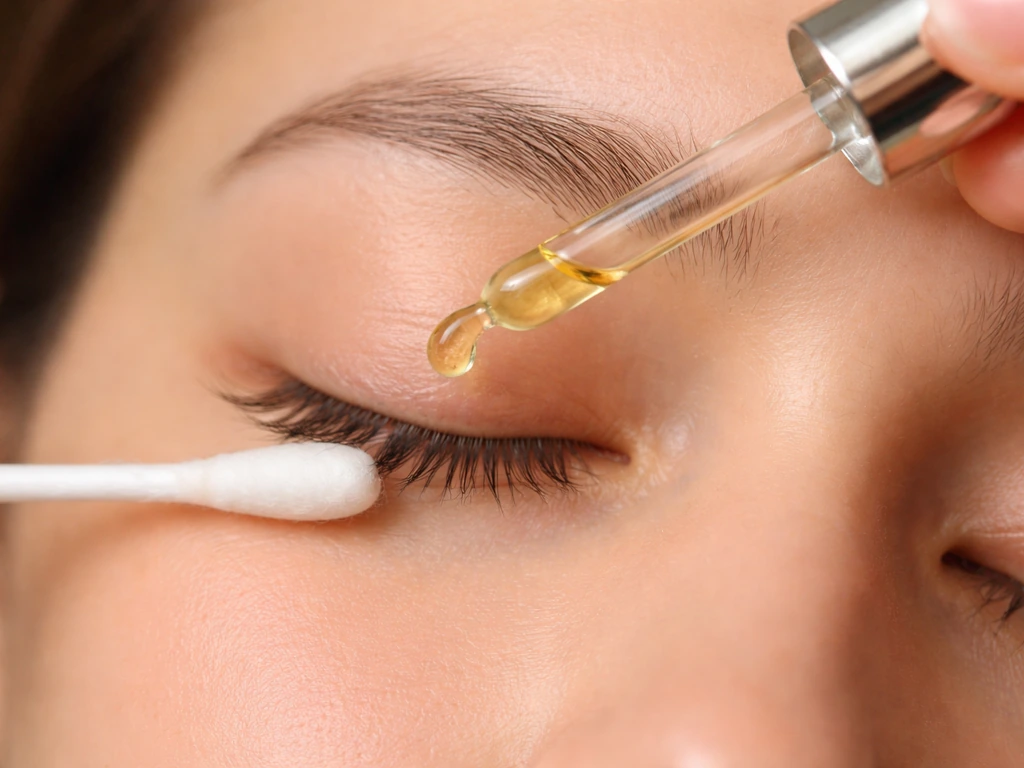
Amla oil can support the appearance of fuller, healthier lashes mainly by conditioning them and reducing breakage, but there is no clinical evidence that it directly stimulates eyelash follicles to grow longer or thicker lashes the way a proven drug like bimatoprost does. If your lashes are short because of breakage, brittleness, or damage from extensions or harsh removers, amla oil might genuinely help them look better and retain more length over time. If your lashes are short because of a follicle-level issue, the oil is unlikely to fix that on its own.
Can Amla Oil Grow Eyelashes? Safe At-Home Guide

Rachel Nguyen
1 Jun 2026
Does amla oil actually affect lash growth?
Amla (Emblica officinalis) has a real track record in Ayurvedic hair care, and there are clinical studies showing that amla extract, taken orally or used in scalp serums, can have measurable effects on scalp hair. One randomized controlled trial looked at oral amla fruit supplementation for female androgenetic alopecia, and another evaluated a hair serum containing standardized amla extract. A randomized controlled trial of oral amla fruit supplementation in women with female androgenetic alopecia found effects relevant to this scalp condition, not to eyelash growth blank" rel="noopener noreferrer">oral amla fruit supplementation for female androgenetic alopecia. Both showed promising signals, but neither was about eyelashes. The leap from 'works on scalp hair in some contexts' to 'grows eyelashes' is not something the science has actually made yet.
The most honest framing is this: amla oil is rich in vitamin C, antioxidants, and fatty acids that are genuinely good for hair fiber integrity. Applied to lashes, it can coat the hair shaft, reduce brittleness, and limit the mechanical breakage that makes lashes look sparse. That is a real benefit. It is just not the same as pushing your follicles into an active growth phase or extending the time your lashes spend actively growing. No topical oil has been shown to do that for eyelashes, and amla is not an exception.
How eyelash growth actually works
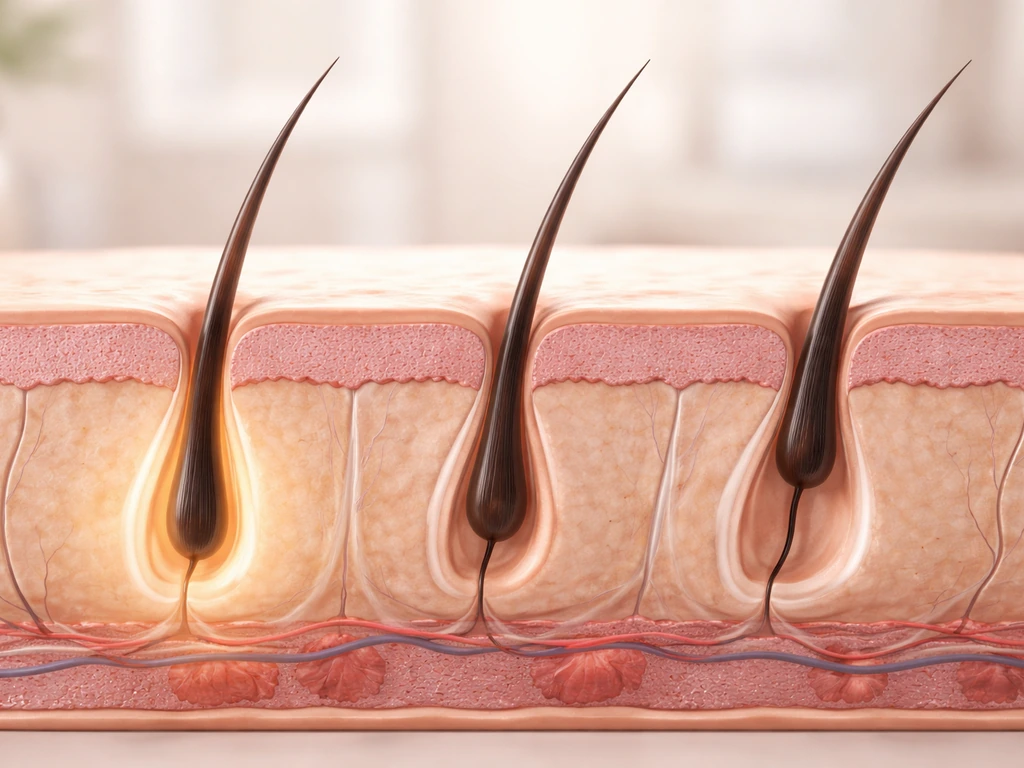
Eyelash follicles cycle through three phases: anagen (active growth), catagen (transition and shutdown), and telogen (resting, then shedding). What makes eyelashes different from scalp hair is that their anagen phase is dramatically shorter, roughly 30 days compared to years for head hair. That short growth window is why eyelashes have a natural length ceiling no matter what you put on them. After telogen, the lash falls out and the cycle starts again, which is completely normal shedding.
Lash length and thickness are therefore determined by two things: how long each follicle stays in anagen, and how healthy the follicle is. Drugs like bimatoprost work by increasing the proportion of follicles in anagen at any given time and possibly extending anagen duration itself. That is a follicle-level change. Conditioning oils work at the hair fiber level, which is downstream of all that biology. They cannot tell a follicle to stay in anagen longer.
Common factors that make lashes look thinner or shorter than they should include: repeated rubbing, irritation at the lash line, over-use of eyelash extensions (tension on the follicle), harsh adhesive removers, and nutritional deficiencies. In these cases, lash loss is partly about breakage and partly about follicle stress. Reducing that stress, including by switching to gentler products and using a conditioning oil, can allow lashes to reach their natural full length again. That is where oils like amla can genuinely make a difference.
How to use amla oil safely on your lash line
The periorbital area is one of the most sensitive skin zones on the body, and getting any oil directly into the eye can cause irritation, blurry vision, or worse. There are no published clinical protocols specifically for applying amla oil to the lash line, so the safest approach borrows from general eyelid dermatitis and ophthalmic safety guidance. The Cleveland Clinic notes that eyelid dermatitis can be irritant or allergic contact dermatitis, which is why safety guidance from eyelid dermatitis principles is relevant when applying products near the eyes general eyelid dermatitis and ophthalmic safety guidance. Follow these steps carefully.
- Patch test first: apply a small amount of the amla oil to the inside of your forearm and wait 24 to 48 hours before touching it near your eyes. Any redness, itching, or swelling means stop entirely.
- Consider diluting: if you are using a pure or cold-pressed amla oil that feels heavy, dilute it with a lighter carrier oil such as jojoba at roughly a 1:1 ratio. This reduces the chance of pore or gland irritation at the lid margin.
- Use a clean, dedicated applicator: a clean disposable mascara wand or a fine eyeliner brush works well. Never double-dip into the bottle. Decant a small amount into a clean, lidded container and discard any leftovers after each session.
- Apply only to the lash line and lash shafts, not to the waterline or inner lid: use a light, controlled stroke along the base of your upper lashes, moving outward from the inner corner. Keep your eye closed during application.
- Use less than you think you need: a thin coating is enough. Excess oil sitting on the lid margin can potentially aggravate meibomian glands, which secrete their own oils and can become obstructed.
- Do this at night before bed: oils applied in the morning can migrate into the eye during the day. Nighttime application gives the oil time to absorb and reduces the chance of it dripping into your eye.
- Limit frequency to once daily at most, and consider starting every other night to see how your skin responds.
- Wash it off in the morning: use a gentle, oil-compatible cleanser or micellar water to remove any residue from the lash line and lid before starting your day.
What results to realistically expect and when
Because amla oil works through conditioning rather than follicle stimulation, your results will be more subtle than what you would see with a clinical lash serum. The most realistic outcome is lashes that break less, look shinier, and appear slightly thicker and fuller over time because more of each lash is intact rather than split or snapped off. If your lashes have been damaged by extensions or aggressive makeup removal, this kind of improvement can look meaningful.
For context, even bimatoprost, which is the most evidence-backed eyelash growth treatment available, requires about four weeks before length changes become visible, and thickness improvements tend to emerge around month two in clinical trial data. Conditioning oils are slower still. Expect to use amla oil consistently for at least six to eight weeks before you can fairly assess whether it is helping your lashes. Changes before that point are mostly wishful thinking. After three months of nightly use with no irritation, you will have a reasonable picture of whether it is doing anything useful for you specifically.
If your lashes were genuinely short before any damage or extensions, amla oil is unlikely to push them past their natural genetic length. That takes a follicle-level intervention.
How amla oil stacks up against other options
It helps to think about lash-growth options in two categories: things that change follicle behavior, and things that protect existing lash fiber. Amla oil sits firmly in the second category, alongside castor oil and argan oil. Can flaxseed gel grow eyelashes is another popular question, but flaxseed gel also tends to work more as a conditioning or soothing option rather than a proven follicle-level growth trigger. Sunflower oil, like other conditioning oils, is unlikely to change lash follicles so it will not truly make eyelashes grow. Like other conditioning oils, argan oil is often used for lash softness and reduced breakage, but it has not been proven to grow eyelashes. Castor oil, one of the most popular DIY lash treatments, has no scientific evidence showing it grows eyelashes either. The situation for most plant oils is similar: they condition, they reduce breakage, and they make lashes look better, but they do not meaningfully alter the growth cycle.
| Option | Mechanism | Evidence for lash growth | Realistic timeline | Key consideration |
|---|---|---|---|---|
| Amla oil | Conditioning, antioxidant coating | None specific to eyelashes | 6 to 12 weeks for appearance improvement | Safe if patch tested; no follicle-level effect |
| Castor oil | Conditioning, occlusive coating | No scientific evidence | 6 to 12 weeks for appearance improvement | Very thick; can feel heavy on lids |
| Argan oil | Conditioning, lightweight | No clinical evidence for lashes | 6 to 12 weeks for appearance improvement | Lighter texture, lower irritation risk |
| Batana oil | Conditioning | Anecdotal only; no lash trials | Unclear | Limited availability; no safety data for lash line |
| Biotin (oral) | Supports keratin production | Only evidence in deficiency cases | 3 to 6 months | Unlikely to help if you are not deficient |
| OTC lash serums (peptide-based) | Vary; some target follicle conditioning | Mixed; few have strong RCT data | 4 to 8 weeks | Ingredient quality varies widely by brand |
| Bimatoprost (Latisse) | Prolongs anagen, increases follicles in growth phase | Strong RCT evidence | 4 to 16 weeks for measurable change | Prescription only; potential side effects including iris pigmentation |
If you want to use a natural oil and your main issue is lash fragility or damage recovery, amla is a reasonable choice with some genuine science behind its conditioning properties, even if that science comes from scalp hair research. If you want actual follicle-level growth and you are dealing with significant thinning or hypotrichosis, you need to talk to a dermatologist or ophthalmologist about bimatoprost or a similar evidence-backed option. No plant oil currently bridges that gap.
Risks, side effects, and when to stop
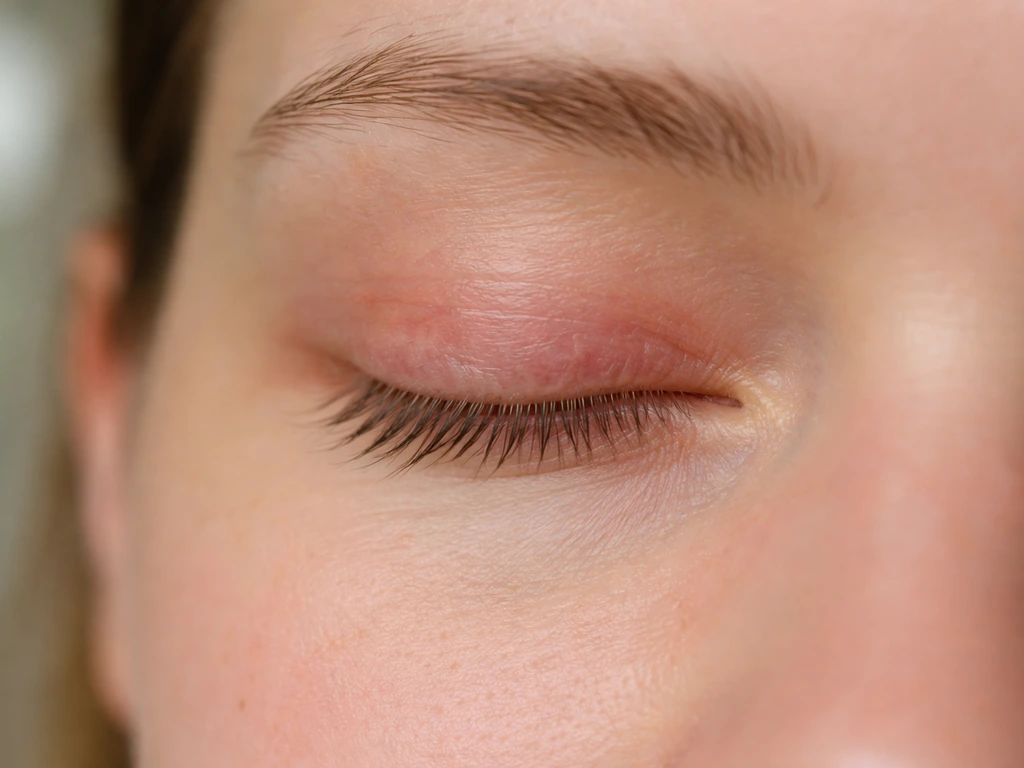
The eyelid is uniquely prone to contact dermatitis precisely because the skin is thin, products migrate easily, and people touch their eyes repeatedly throughout the day. Eyelid dermatitis can be either irritant (from direct chemical irritation) or allergic (a sensitization reaction that can develop even after weeks of apparently fine use). Symptoms include redness, swelling, itching, flaking, and a burning sensation around the lid. None of these are normal side effects to push through. They are your signal to stop.
A separate concern specific to the lash line is meibomian gland dysfunction. The meibomian glands run along the inner lid margin and produce the oil layer of your tear film. Applying external oils close to the lid margin can potentially disrupt these glands or contribute to obstruction in people who are already prone to blockages, leading to symptoms like eye dryness, grittiness, or eyelid inflammation. This is not a guaranteed outcome, but it is why keeping application to the lash base rather than the waterline matters.
Using a contaminated applicator is a real infection risk. Reusing wands or dipping fingers into your oil supply can introduce bacteria to an area that is already adjacent to your eye. A case of blepharitis triggered by contaminated lash products is genuinely possible, and blepharitis can cause lash loss, which is the opposite of what you are trying to achieve.
Stop using amla oil and see a doctor if you notice any of these
- Redness, swelling, or itching around the eyes that does not clear up within a day of stopping the product
- Crusting or discharge along the lash line, especially in the morning
- Pain in or around the eye
- Increased lash shedding after starting use
- Blurry vision or unusual light sensitivity
- Symptoms that keep coming back every time you resume use
One more important point: if you are losing lashes and you do not have an obvious cause like extensions, rubbing, or a recent illness, that warrants a dermatology or ophthalmology visit before you start applying anything to the lash line. Conditions like alopecia areata, thyroid dysfunction, trichotillomania, and blepharitis can all cause lash loss, and treating the surface with oil does nothing for any of those. Getting a diagnosis first will save you months of applying products that cannot fix the actual problem.
FAQ
How long does it take to see any change in lash fullness from amla oil?
If it helps, changes are usually gradual, around 6 to 8 weeks for reduced breakage, with a clearer look by about 10 to 12 weeks. Anything that looks like length gains in the first couple of weeks is more likely from reduced snapping and less visible shedding, not new follicle growth.
Can amla oil make my eyelashes longer if they are naturally short?
Usually no. If your lashes stop at a genetic length and the issue is simply short anagen time, conditioning oils can improve how intact they look, but they cannot extend the growth phase. Consider follicle-focused options if you need true length change.
What is the safest way to apply amla oil so it does not get in my eyes?
Apply only at the lash base (the area just above the lash line), use a clean applicator, and avoid the waterline. Use a very small amount, and if you ever get stinging, watering, or blurry vision, rinse and stop.
How often should I use amla oil on my lashes?
A reasonable approach is nightly or every other night at first, then continue consistently if you tolerate it. Daily use is not automatically better, especially for sensitive eyelids, because irritation or allergic reactions can develop after repeated exposure.
Can I use amla oil if I have sensitive eyes or allergies?
Proceed cautiously. Eyelid skin can develop contact dermatitis, including after weeks of “fine” use. Do a patch test on the skin near (not on) the lash line for several days, and stop immediately at the first signs of burning, itching, redness, or swelling.
Is amla oil safe if I wear contact lenses?
Be careful. Oil that migrates can worsen dryness and blur, and accidental contact with the eye can be more disruptive with contacts. If you notice dryness or discomfort, discontinue and consider an ophthalmologist-approved alternative.
Should I stop amla oil if I notice eyelid dryness or grittiness?
Yes. Dryness, grittiness, and eyelid inflammation can signal irritation or meibomian gland disruption risk in susceptible people. Stopping early can prevent a longer flare and potential secondary problems that may further worsen lash loss.
Can lash extensions or aggressive removers make amla oil stop working?
They can. If extensions add tension to the follicle or removers cause repeated chemical irritation, conditioning cannot fully counteract the underlying damage. In that case, the biggest improvement often comes first from removing the mechanical/chemical stressor.
Does castor oil or flaxseed gel work the same way as amla oil?
They are similar in that they mainly condition and may reduce breakage, but they do not have strong evidence for true follicle-driven growth of eyelashes. Castor oil and flaxseed gel can still be irritating for some people, so patch testing and safe application still matter.
What signs mean my lash loss may not be fixable with oils?
If you have sudden or unexplained lash thinning, patchy lash loss, significant itching, or lash loss without obvious triggers like rubbing, extensions, or recent illness, get evaluated. Conditions like blepharitis, thyroid-related issues, alopecia areata, and trichotillomania need targeted treatment, and oils will not address the cause.
How do I avoid infection or blepharitis when using amla oil?
Never dip fingers into the oil jar, do not reuse contaminated wands, and replace applicators regularly. Also, avoid applying if the applicator touches your lash line, lid skin, or any eye discharge, then goes back into the bottle.
Can I use amla oil on just one eye or to “spot treat”?
You can try, but treat both eyes if you are using it as part of a general routine, because eyelid exposure can be bilateral. If only one side worsens, consider whether that side has a specific trigger (rubbing, product migration, or a local eyelid issue) and get it assessed if symptoms persist.
When should I seek medical help while using amla oil?
Seek care promptly if you develop persistent redness, swelling, pain, discharge, worsening vision, or symptoms that do not improve quickly after stopping. Severe irritation near the eye can require prescription treatment, and delaying can prolong eyelid inflammation and lash shedding.
Next Article
Does Canola Oil Grow Eyelashes? What to Expect and How to Use It Safely
Find out if canola oil truly grows lashes or mostly conditions them, plus safe application steps and timelines.