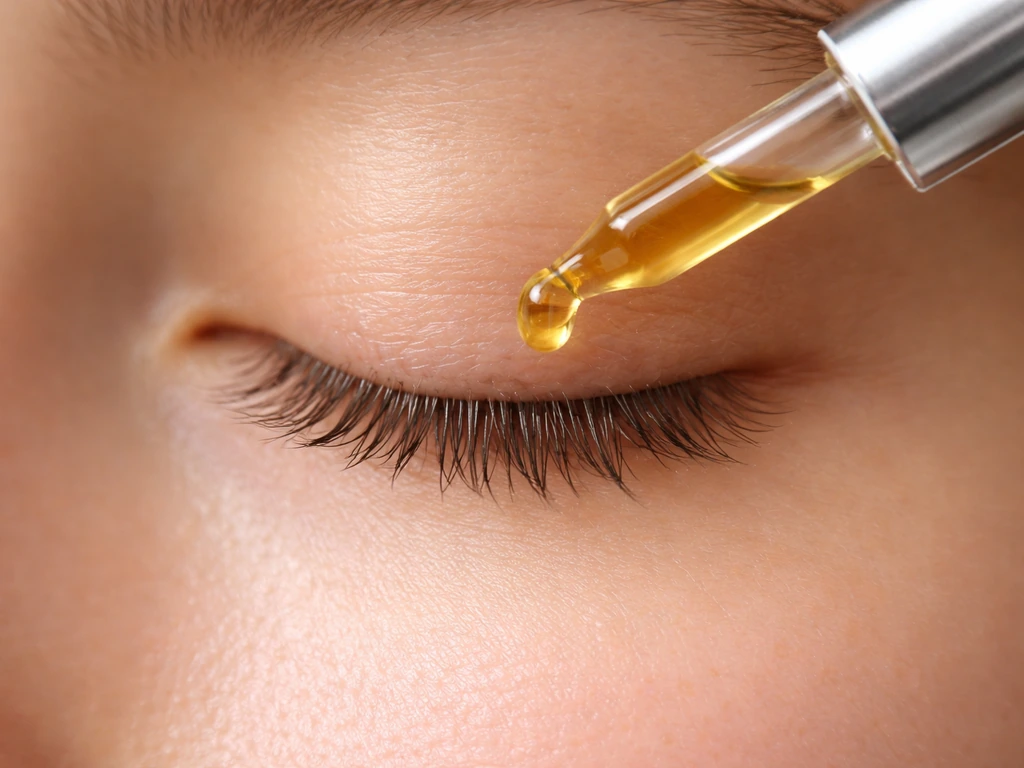
Black seed oil can support healthier-looking lashes, but it does not have clinical evidence behind it as a true lash-growth stimulator. What it most likely does is condition the lash hair shaft, reduce brittleness and breakage, and create a healthier environment along the lash line through its anti-inflammatory and antimicrobial properties. That matters more than it sounds, because a lot of what people call 'not enough lash growth' is actually lashes breaking before they reach full length. But if you are expecting black seed oil to trigger new follicle activity the way a prostaglandin-based serum does, you are setting yourself up for disappointment.
Does Black Seed Oil Grow Eyelashes? Evidence and How To
Rachel Nguyen
16 Jun 2026
What black seed oil can realistically do for your lashes
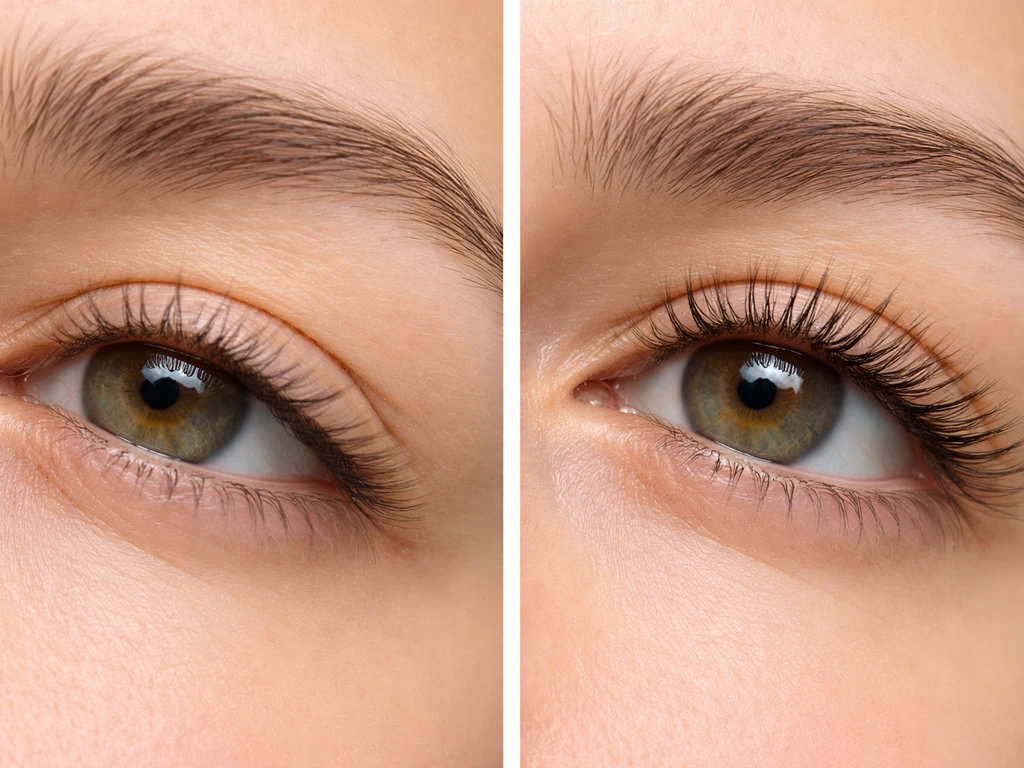
There is an important distinction between growing lashes and keeping more of the lashes you already have. Black seed oil sits firmly in the second category, with some potential crossover into the first depending on why your lashes are struggling. If you are wondering, can argan oil grow eyelashes, the evidence is also limited and outcomes tend to be more about conditioning than true new growth growing lashes.
If your lashes are thin or sparse because of breakage, rubbing, extensions, or chronic low-grade eyelid inflammation like blepharitis, black seed oil's conditioning and anti-inflammatory properties may genuinely help. You get less mechanical damage per lash, less shedding from irritation, and a slightly more hydrated follicle environment. Over 6 to 12 weeks, that can add up to lashes that look noticeably fuller and longer, not because new growth was forced, but because existing lashes survived longer before falling out.
What black seed oil is not going to do is stimulate dormant follicles, extend the anagen (active growth) phase, or produce results comparable to a prescription lash treatment. If your lashes are sparse because of a medical condition, hormone imbalance, alopecia, or chemotherapy effects, an oil is not going to move the needle much. That is the honest ceiling on what to expect.
Why people think it works: the science behind the claims
Nigella sativa oil (black seed oil) contains a compound called thymoquinone, which is the most studied of its bioactive constituents. Thymoquinone has demonstrated antioxidant, anti-inflammatory, and antimicrobial activity in lab and animal research. A review of Nigella sativa phytochemistry and pharmacological activities summarizes evidence for thymoquinone showing antioxidant, anti-inflammatory, and antimicrobial activity thymoquinone has demonstrated antioxidant, anti-inflammatory, and antimicrobial activity. Other constituents include fixed oils, carvacrol, and various fatty acids. These properties are why the ingredient shows up in cosmeceutical reviews and skincare discussions.
The theoretical path to lash benefits goes like this: inflammation around hair follicles is a well-documented disruptor of the hair growth cycle. If black seed oil reduces localized inflammation along the eyelid margin, it could theoretically reduce premature shedding. Its antimicrobial properties may also be relevant if low-grade bacterial colonization (common in blepharitis) is part of why lashes are falling out. A systematic review of Nigella sativa across multiple skin conditions does support its anti-inflammatory role broadly, but that review does not include eyelash-specific follicle outcomes. The cosmeceutical literature frames it as a skin treatment ingredient rather than a proven hair growth therapy.
The honest evidence limit: there are no randomized controlled trials on black seed oil specifically applied to human eyelashes measuring length, density, or follicle activity. Everything lash-specific is extrapolated from skin data, traditional use, and mechanism hypotheses. That does not mean it is useless, but it means you should not expect the same degree of certainty you get from a clinically trialed ingredient.
How to use black seed oil on your lash line safely
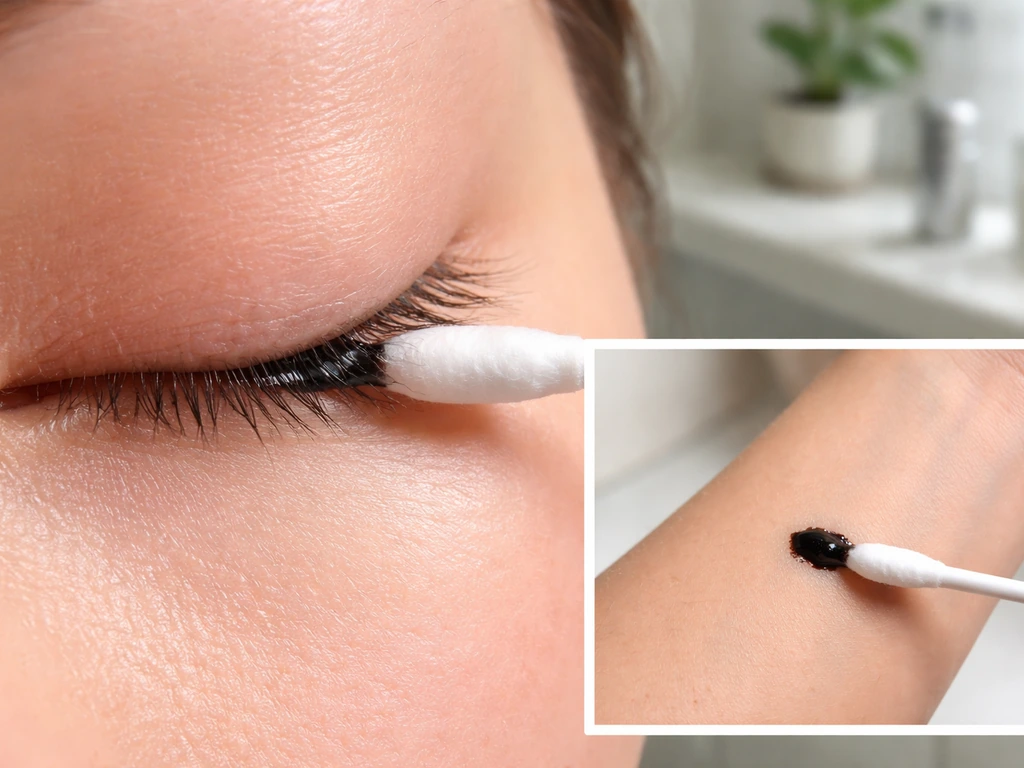
Application near the eyes requires more care than slapping oil on your cheeks. The eyelid skin is among the thinnest and most reactive on the body, and the proximity to the eye itself means any mistakes become uncomfortable fast. Here is a practical routine that minimizes risk while giving the ingredient a fair test.
- Patch test first, always. Apply a small amount of black seed oil to the inner forearm or behind the ear and wait 48 hours before using it anywhere near your face or eyes. Skip this step and you risk finding out you are sensitized to it in the worst possible place.
- Choose a pure, cold-pressed oil from a reputable brand. Blended or adulterated products add unnecessary variables. A small glass dropper bottle is ideal for precise application.
- Start with clean lashes. Remove all eye makeup and cleanse the eyelids gently before applying. Oil on top of mascara or debris is not helping your follicles.
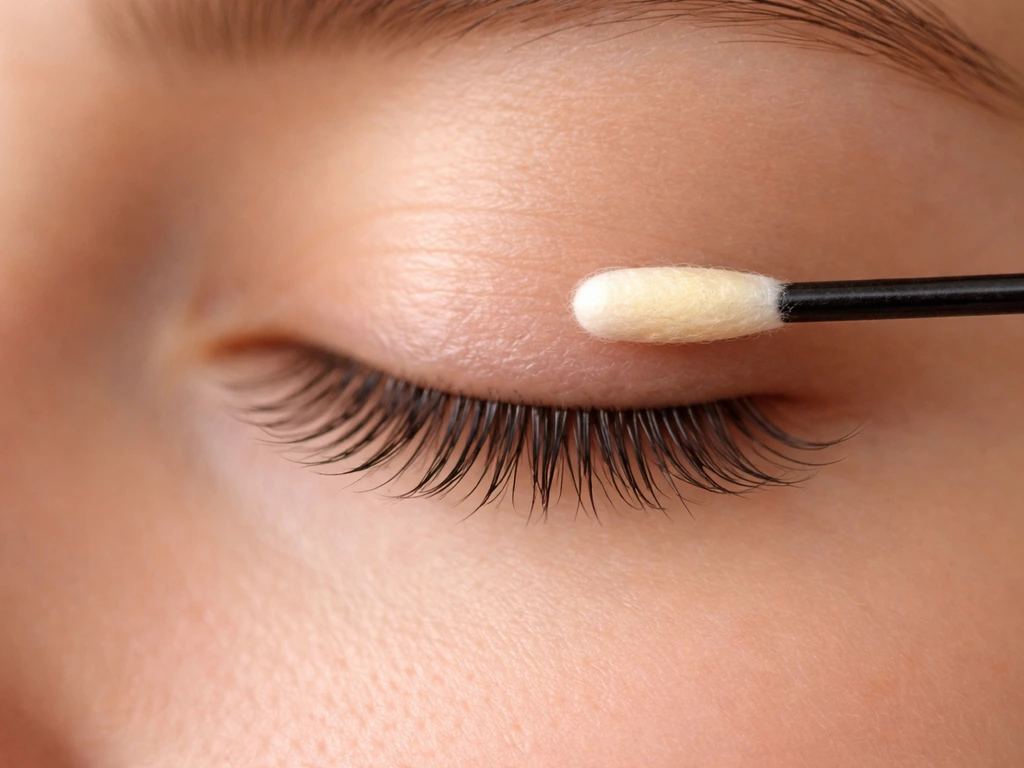
- Use a clean disposable mascara wand or a thin eyeliner brush. Dip it lightly into the oil, then blot excess on a tissue. You want the thinnest possible coat along the lash base, not a saturated glob.
- Apply to the upper lash line only, at the base of the lashes where they meet the eyelid margin. Work from inner corner to outer corner with small strokes. Do not apply directly to the lower waterline or inner eyelid.
- Apply at night before bed. This avoids the oil running into your eyes during the day and gives it time to sit without interference from makeup or environmental exposure.
- Use it 3 to 5 nights per week, not every single night at first. Give your skin time to show you whether it tolerates the oil before committing to daily use.
- Rinse off gently in the morning with your regular cleanser. Do not let old oil accumulate on the lash line over multiple days, as this increases the risk of follicle clogging or bacterial growth.
How long before you see results (and what counts as a result)
Eyelashes cycle through three phases: anagen (active growth, roughly 30 to 45 days), catagen (transition, about 2 to 3 weeks), and telogen (resting and shedding). A best-practices anterior segment update notes that the catagen phase lasts about 2 to 3 weeks and that eyelash replacement can occur between about 4 to 8 weeks. After a lash falls out, replacement can begin within roughly 4 to 8 weeks. This means any intervention, whether oil or serum, needs at least one full cycle to show up as visible change, and realistically two to three cycles before you have a meaningful before-and-after comparison.
Set your evaluation window at 6 to 12 weeks of consistent use. Take a close-up photo of your lashes in the same lighting before you start, and compare at 6 weeks and again at 12 weeks. What you are looking for is reduced shedding (fewer lashes on your pillow or on your fingers when you touch your eyes), less breakage (lashes reaching their natural tip rather than snapping mid-shaft), and an overall fuller appearance at the lash line.
What does not count as real growth: lashes appearing longer because the oil coats the shaft and darkens them slightly (the way any oil can make hair look temporarily more defined), or the illusion of thickness from oil clumping fine lashes together. These are cosmetic effects that disappear when you wash the oil off. True improvement means your baseline, product-free lashes look better than they did before you started.
Risks, side effects, and who should avoid it
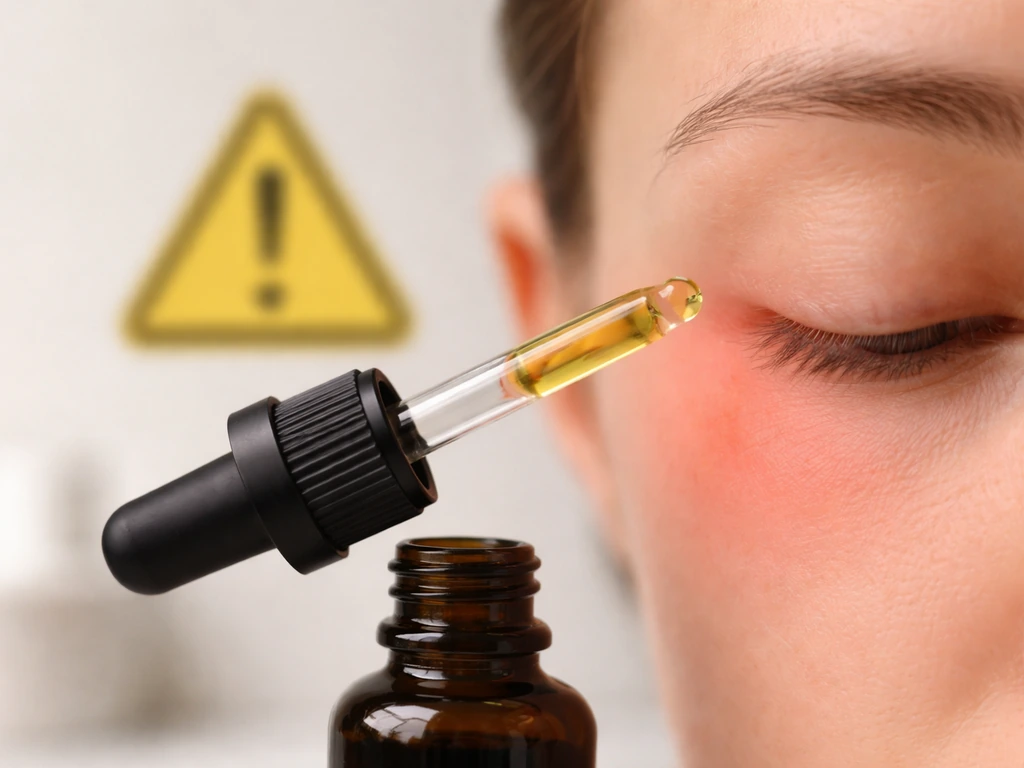
This is where I want to be blunt: black seed oil has a real, documented sensitization and irritation risk. It is not a uniformly gentle oil. Published case reports describe severe acute contact dermatitis following topical Nigella sativa use, including cases with histologic evidence of epidermal apoptosis, meaning significant skin damage. There are also reported cases of allergic contact dermatitis confirmed with patch testing, and at least one case of DRESS (a serious systemic allergic reaction) following topical use. These are not common outcomes, but they are documented ones, and the eyelid skin and eye proximity make the stakes higher than they would be on your arm or back.
The risk is not hypothetical when you are applying it millimeters from your eye. If oil migrates into the eye itself, you are looking at potential burning, stinging, blurred vision, and irritation. The eyelid barrier is also highly reactive to new topical ingredients, as the National Eczema Association guidance on eyelid dermatitis specifically highlights.
- Do not use if you have active blepharitis, a stye, conjunctivitis, or any current eye infection or inflammation. Adding oil to an inflamed or infected eyelid margin can worsen the condition.
- Do not use if you have a known allergy to Nigella sativa, cumin, or related plants in the Ranunculaceae family.
- Avoid if you have had recent lash extension removal and your lash line is already irritated or showing signs of reaction.
- Use with extreme caution if you have eczema-prone eyelids, rosacea, or any history of contact dermatitis near the eye area.
- Stop immediately if you notice redness, swelling, itching, burning, or any visible skin reaction on or around the eyelids.
- Do not use if you wear contact lenses and cannot remove them before application, as oil contamination of contacts creates its own set of problems.
Black seed oil vs. castor oil vs. lash serums: what actually has evidence
If you are comparing your options, here is the honest breakdown. If you are trying to choose the best oil to grow eyelashes, focus on what it can realistically do, and remember that oils are more about reducing breakage than forcing new follicle growth. This site covers several oils in the lash-growth context, and they all face a similar evidence gap. If you are specifically asking whether can amla oil grow eyelashes, the evidence is similar to other oils: it may help with conditioning, but true follicle stimulation is not well proven. Castor oil is probably the most popular lash oil recommendation, but Healthline and Cleveland Clinic are direct about the fact that there are no scientific studies proving castor oil makes eyelashes grow. It is a good emollient and may reduce breakage just as black seed oil might, but it is in the same conditioning-not-growing category. Castor oil also carries its own irritation and allergic reaction risks if it gets into the eye itself.
Lash serums with bimatoprost (the active in prescription Latisse) are in a completely different league evidentially. Bimatoprost 0.03% is FDA-approved specifically for eyelash hypotrichosis and has been evaluated across multiple randomized controlled trials, including long-term safety data from pooled analyses of six trials. It works by extending the anagen phase of the lash cycle, which is a mechanistic effect that no topical oil has been shown to replicate. The trade-offs are cost, the need for a prescription, and documented side effects including iris pigmentation changes, periorbital darkening, and eye irritation. Over-the-counter lash serums with peptides or prostaglandin analogs occupy a middle ground: more evidence than oils, but less than prescription bimatoprost.
| Option | Evidence for lash growth | Primary mechanism | Key risk | Best for |
|---|---|---|---|---|
| Black seed oil | No lash-specific trials; extrapolated from skin/anti-inflammatory data | Conditioning, reduced inflammation and breakage | Contact dermatitis, eye irritation if migrates | Mild breakage-related thinning, general lash health |
| Castor oil | No scientific studies proving lash growth | Emollient, reduces breakage | Eye irritation, allergic reaction | Similar to black seed oil; cosmetic conditioning |
| OTC lash serums (peptides/prostaglandin analogs) | Limited clinical data; varies by formulation | Some follicle stimulation possible depending on ingredients | Irritation, variable results | Those wanting more than an oil with fewer side effects than Rx |
| Bimatoprost (Latisse) | Multiple RCTs; FDA-approved for lash hypotrichosis | Extends anagen phase of lash cycle | Iris pigmentation, periorbital darkening, eye irritation | Clinically sparse or thinning lashes, post-chemo recovery |
Biotin supplementation comes up often in lash discussions. Unless you have a confirmed biotin deficiency, there is no strong evidence that adding biotin will grow longer or thicker lashes. It is often marketed alongside lash products, but it belongs in the same 'possible, not proven' category as the oils for most people.
What to do if it is not working after 12 weeks
If you have used black seed oil consistently for 6 to 12 weeks, your photos show no meaningful change in baseline lash density or length, and you are not experiencing any side effects, the most useful thing to do is reassess why your lashes are struggling in the first place. An oil can only help so much if the underlying cause is not addressed.
Check your habits first. Are you rubbing your eyes at night? Sleeping on your face? Using waterproof mascara every day and removing it aggressively? These mechanical causes of lash loss will undo any conditioning benefit. If you have persistent redness, flaking, or itching along the lash line, get evaluated for blepharitis before adding any more products. Blepharitis is extremely common and often undertreated, and standard management involves warm compresses and lid hygiene rather than topical oils.
If your lashes are consistently sparse and have been for a long time, especially if you have noticed other hair thinning, fatigue, or skin changes, it is worth getting basic bloodwork done: thyroid function, ferritin, and hormone levels. These systemic causes of lash loss are not going to respond to any topical ingredient.
When to switch approaches: if 12 weeks of oil use has not moved the needle, moving to a well-formulated OTC lash serum with a prostaglandin analog is a reasonable next step before going to a prescriber. If OTC serums also fail to produce change after a similar evaluation window, that is when a conversation with a dermatologist or ophthalmologist about prescription bimatoprost makes sense. A professional can also rule out conditions like alopecia areata of the eyelashes, which needs specific treatment and will not respond to any cosmetic regimen.
Black seed oil is worth trying if you want a low-cost, low-commitment starting point for lash conditioning and you are willing to patch test carefully and manage the application precisely. If you are specifically asking whether flaxseed gel can grow eyelashes, note that evidence for lash-growth effects is often limited compared with clinically studied options. If you are specifically asking whether can batana oil grow eyelashes, the key takeaway is similar to other oils: it may improve lash condition and reduce breakage, but it is not proven to trigger true lash growth. It is not worth continuing if your skin reacts, if you have active eye conditions, or if your expectations require the kind of documented, measurable growth that only clinically validated treatments can deliver.
FAQ
How long does it take to see any real difference from black seed oil on lashes?
Plan on 6 to 12 weeks of consistent use, and compare photos taken the same day and in the same lighting. The timeline matters because lashes shed on a cycle, so early changes are often just coating or temporary darkening rather than true improvement.
If I see darker or shinier lashes after applying black seed oil, is that evidence it is growing them?
Not necessarily. Oil can temporarily darken and smooth the lash shaft, making lashes look longer, but that effect washes out. True improvement should show as fewer broken lashes and a denser look when your lashes are clean and product-free.
Can I use black seed oil with lash extensions or waterproof mascara?
Extensions and daily waterproof removal increase mechanical stress, which can cancel out conditioning benefits. If you try black seed oil, be extra strict about gentle removal and avoid rubbing, because breakage from removal can outweigh any anti-inflammatory effect.
What is the safest way to apply black seed oil near the eye?
Use a very small amount and apply only to the lash line, not the inner eye. Consider applying with a clean applicator and stopping if you feel stinging. If the oil migrates into the eye, discontinue because burning or blurred vision is a sign you should not continue.
Should I patch test before using it on my eyelids?
Yes. Patch test on skin away from the eyes first, then wait at least 24 to 48 hours to check for redness, itching, or swelling. Eyelid skin is more reactive, and a reaction there can quickly become worse with repeated exposure.
How often should I apply black seed oil, and what amount is too much?
Start low frequency, such as once daily or every other night, and avoid over-saturating. Excess product raises the chance of migration into the eye and irritation, even if the formula itself seems gentle.
What side effects mean I should stop immediately?
Stop if you get burning, persistent stinging, increased redness, eyelid swelling, crusting, or any change in vision. Eyelid contact dermatitis can worsen with repeated use, and severe reactions have been reported with Nigella sativa products.
Can black seed oil help if my lashes are sparse because of blepharitis or chronic lid inflammation?
It may help indirectly by reducing inflammation and supporting a healthier lash-line environment, but it is not a substitute for proper lid hygiene. If you have flaking, itching, or recurrent redness, it is often more effective to address blepharitis first than to keep adding oils.
What if I have no change after 12 weeks, should I keep going?
Usually no. If your baseline density and length do not improve after 6 to 12 weeks, reassess the cause (rubbing, irritation, extensions, aggressive cleansing). Continuing the same approach longer is unlikely to overcome an untreated medical or mechanical driver.
Does black seed oil work if my lash loss is from hormones, thyroid issues, or chemotherapy?
Topical oils are unlikely to correct systemic causes like thyroid-related changes, iron or hormone imbalance, or chemotherapy-related effects. In those situations, the most helpful next step is medical evaluation and targeted treatment rather than relying on an eyelid oil.
When should I switch from black seed oil to a lash serum or a prescription?
If 12 weeks of oil did not change your lash density, consider an OTC lash serum with stronger evidence than oils, such as one with a prostaglandin analog. If OTC products also fail, discuss prescription options with a dermatologist or ophthalmologist, especially to rule out eyelash-specific alopecia.
Are there any people who should avoid black seed oil around the eyes?
Avoid it if you have active eye irritation, a history of eyelid eczema flare-ups, or known sensitivity to oils or botanicals. Also be cautious if you wear contact lenses or have dry eye symptoms, because any migration into the eye can be more uncomfortable and harder to tolerate.
Next Article
Can Amla Oil Grow Eyelashes? Safe At-Home Guide
Find out if amla oil can grow lashes, safe at-home steps, realistic timelines, and risks versus serums and castor oil.